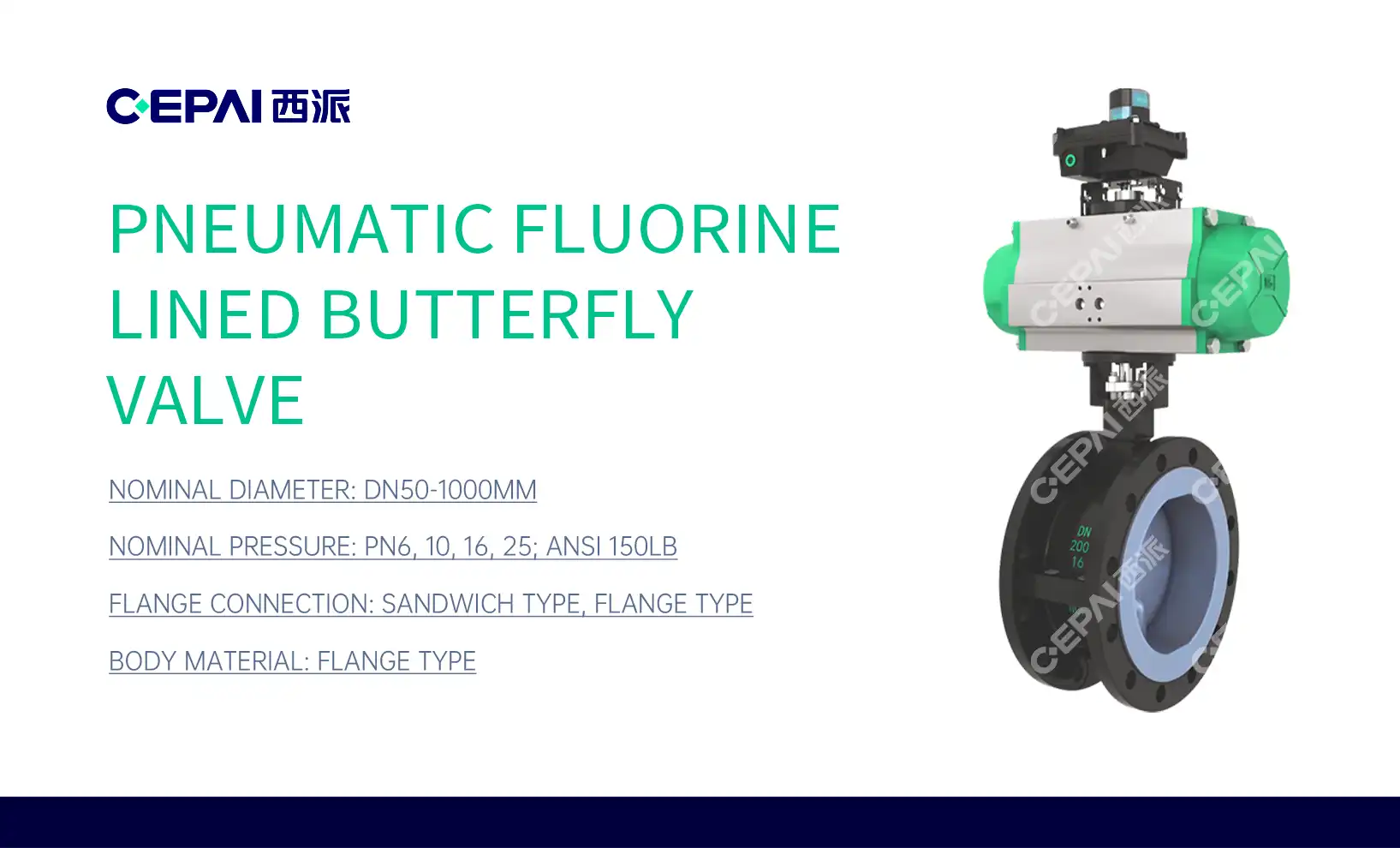
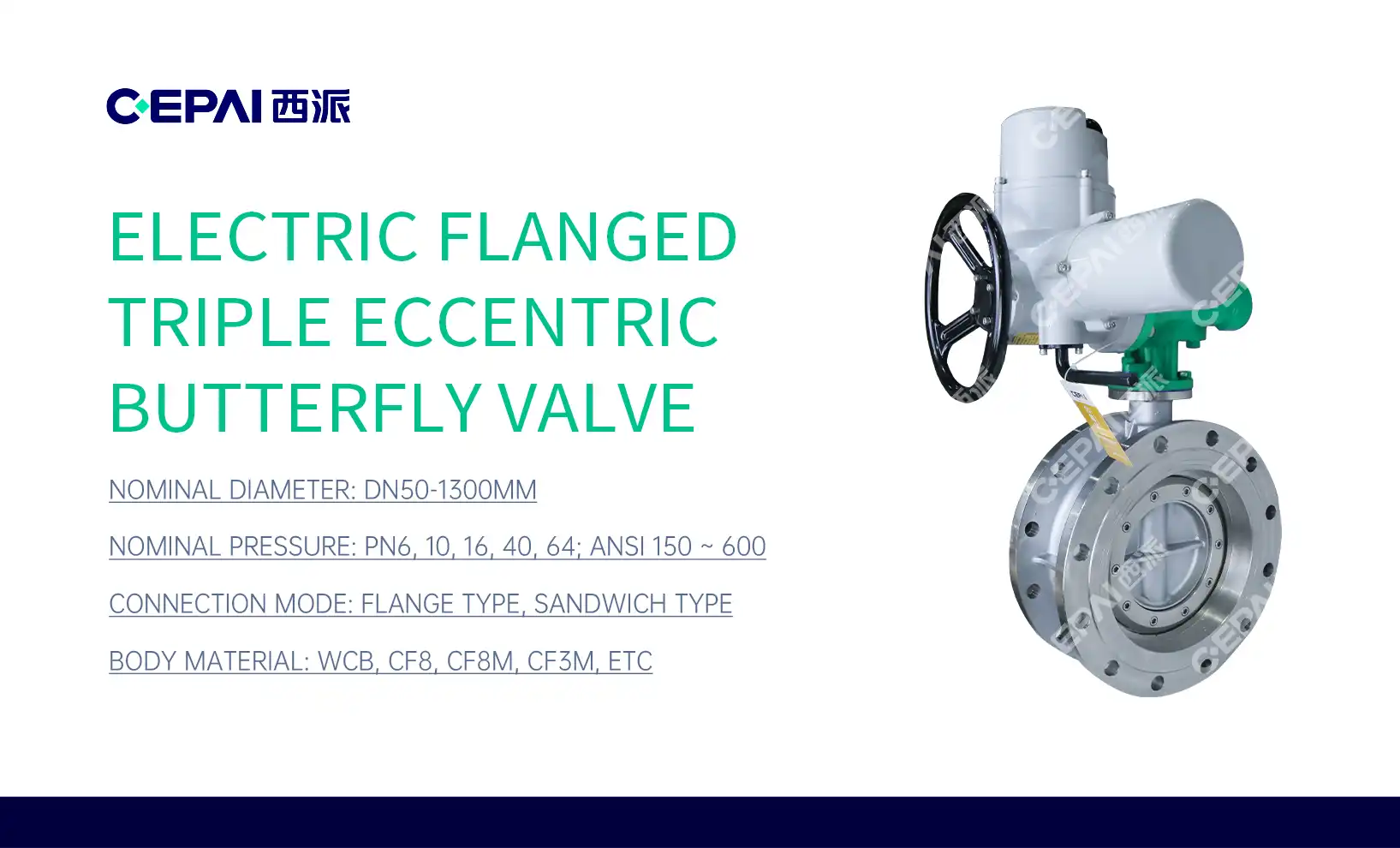
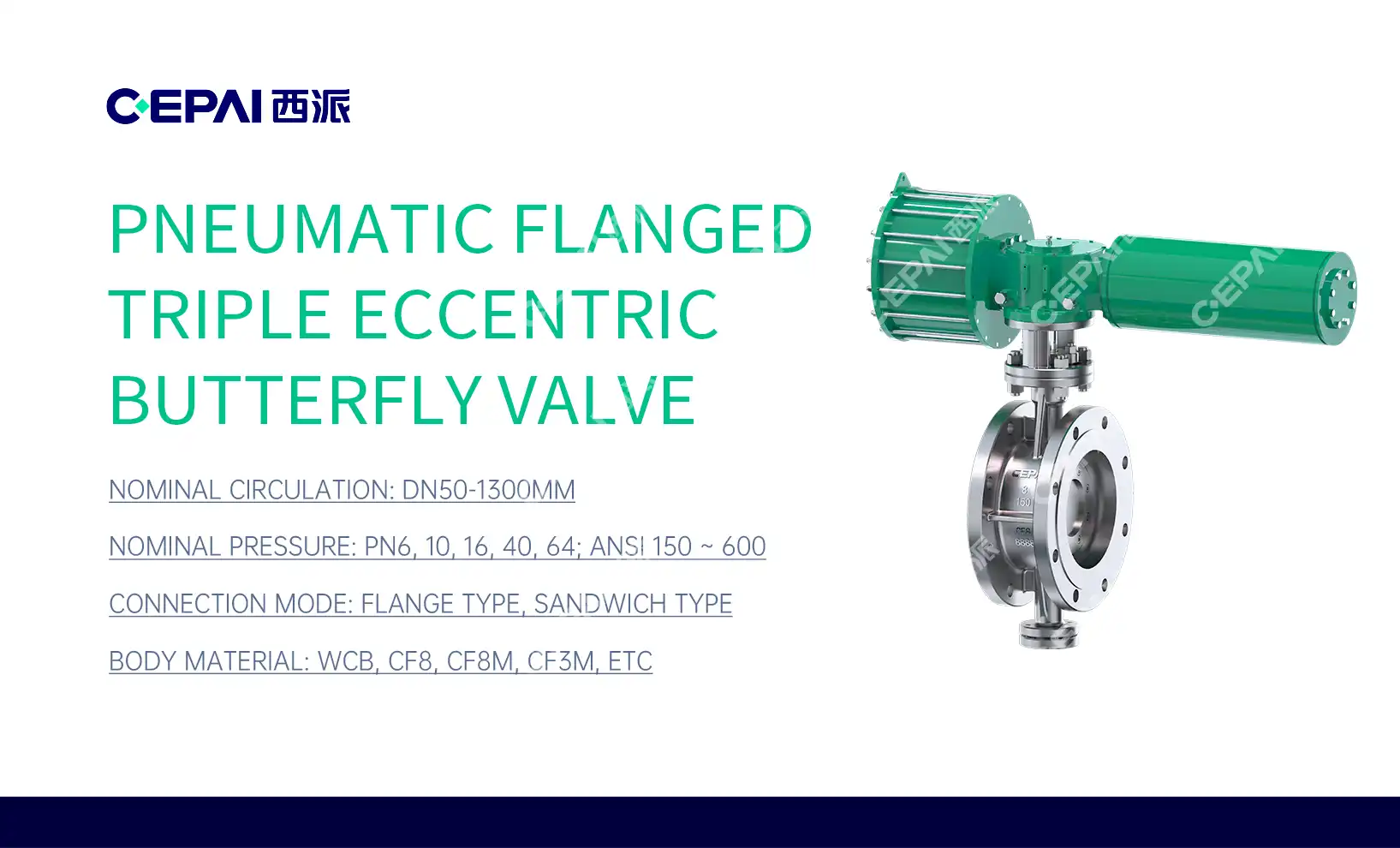
Why Southeast Asia Manufacturers Choose China for Flow Control Valve?
Southeast Asian businesses may get cutting-edge valve technology, including flow control valve, at cheap costs thanks to Chinese manufacturers' affordable solutions, which range from simple manual regulators to complex automated control systems. While China's strong manufacturing infrastructure guarantees dependable delivery schedules and wide customisation options that correspond with a variety of industrial needs across oil and gas, petrochemical, and pipeline operations, the country's physical closeness also makes logistics more efficient.

Understanding Flow Control Valves in Industrial Applications
Flow control valves are crucial parts of industrial systems because they regulate fluid flow to preserve safety regulations and ideal operating conditions. In intricate industrial networks, these devices regulate the flow, direction, and pressure of liquids, gases, and steam, guaranteeing reliable performance in a variety of applications.
Operating Principles and Core Functions
In order to accurately adjust fluid flow, modern flow control valves use a variety of techniques. The basic idea is to produce controlled resistance to fluid flow by varying the valve opening. By adjusting the available passage area, the device may change the flow rates of fluid as it flows through the valve. Operators may preserve desired flow characteristics while avoiding system overloads or pressure fluctuations thanks to this regulated limitation.
Three main flow characteristics are often seen in control valves: linear, equal percentage, and rapid opening. In relation to changes in valve position, linear valves provide proportionate flow changes. For equal incremental motions, equal % valves provide constant percentage changes in flow rates. Quick opening valves are more suited for on-off applications than fine modulation because they maximize flow with the least amount of stem travel.
Types and Applications in Southeast Asian Manufacturing
Various valve types are often used by Southeast Asian firms, depending on their unique operating needs. In situations when automated control is not required, manual control valves provide dependable performance via direct operator control using handwheels or levers. Automatic control valves react to electronic inputs from process controllers or building management systems, integrating with complex control systems.The direction or speed of fluid flow inside a system is controlled by flow control valves.
While pneumatic versions are better suited for lighter industrial processes needing quick reaction times, hydraulic flow control valves perform very well in high-pressure applications common in oil and gas operations. While adjustable types enable operators to alter flow settings in response to changing operational needs, fixed flow regulators maintain consistent flow rates independent of pressure fluctuations.
Benefits Driving Adoption Across Industries
Manufacturing efficiency is directly impacted by quantifiable operational gains brought about by flow regulation technology. Because effective flow management minimizes needless pumping and maximizes system performance, energy conservation offers a substantial benefit. Comparing sophisticated flow control algorithms to conventional throttling techniques, manufacturers claim energy savings of 15–30%.
Consistent flow control significantly increases equipment lifespan. In addition to minimizing wear on downstream components and preventing pressure spikes that might harm delicate equipment, controlled fluid circulation also lessens system stress. For vital industrial equipment, this protection results in lower maintenance costs and longer operating lifetimes.
Challenges Faced by Southeast Asia Manufacturers in Sourcing Flow Control Valves
When trying to get high-quality flow control equipment locally, Southeast Asian producers face several challenges. These difficulties lead to operational inefficiencies and prompt businesses to look for other approaches to procurement that better meet their industrial needs.
Limited Local Product Availability
Regional vendors sometimes have limited inventory ranges and concentrate on basic valve types rather than offering a wide selection of products. Because of this restriction, manufacturers are forced to either look for several vendors to meet all system needs or compromise on standards. Specialized industrial uses, especially in oil and gas operations that need API certifications or severe pressure ratings, are sometimes not met by standard catalog products.
Rather of focusing on industrial-grade equipment, local manufacturing capabilities usually focus on low-pressure residential and commercial applications. The capacity of regional vendors to provide valves appropriate for demanding industrial settings is constrained by the lack of specialist metallurgy and precision production facilities.
Quality Assurance and Certification Concerns
For regional valve suppliers, especially flow control valve manufacturers, adhering to international standards poses constant hurdles. Many local manufacturers do not have the industry-specific certifications or ISO 9001 quality management systems needed for key applications. Procurement risks arise from this certification gap, especially for businesses that serve global markets or are subject to stringent regulations.
Local vendors are often unable to meet the documentation and traceability requirements. For downstream users, compliance problems might arise from the unavailability or incompleteness of comprehensive material certifications, pressure testing records, and quality assurance documents required for industrial applications.
Technical Support and Service Limitations
The effect of inadequate technical support infrastructure on operational continuity is substantial. The engineering know-how required to provide application advice, size calculations, or troubleshooting support is usually lacking in local vendors. This lack of help becomes especially troublesome when dealing with performance concerns or during system commissioning.
The provision of after-sales services is still uneven across the area. The availability of spare parts, maintenance services, and expert advice sometimes entail long lead times, which may negatively affect production schedules. Manufacturers that rely on dependable valve performance face continuous operating risks due to the lack of extensive service networks.
Why China is the Preferred Source for Flow Control Valves
China's valve manufacturing industry has developed into a full-fledged industrial ecosystem that offers better value propositions and solves the procurement issues faced by Southeast Asian firms. China is a desirable sourcing location due to its superior manufacturing capabilities, competitive economics, and strategic advantages.
Comprehensive Product Portfolio and Customization
Chinese producers provide a wide variety of products, from complex electronic control systems to manual ball valves. Because of its breadth, procurement teams may acquire whole valve packages from a single supplier, which streamlines vendor management and guarantees system component compatibility. Manufacturers may choose distinctive configurations, materials, and performance characteristics thanks to customization options, which do not impose the minimum order requirements that are common with international suppliers.
Southeast Asian businesses are able to provide branded valve solutions for local markets thanks to OEM collaborations that give them access to private label production. Long-term strategic partnerships are facilitated by these partnerships, which often include engineering assistance, quality assurance initiatives, and intellectual property protection contracts.
Advanced Manufacturing Standards and Quality Systems
Flow control valves are only one example of the sophisticated quality control procedures used in modern Chinese valve plants. While industry-specific certifications such as API 6A, API 6D, and CE marking are becoming more prevalent, ISO 9001 certification remains the norm among well-established enterprises. For industrial applications, these certifications guarantee product dependability and regulatory compliance.
Leading manufacturers now use premium metals and specialty coatings, reflecting considerable advancements in material procurement and metallurgical skills. Investing in automated testing methods and precise machining equipment allows for constant quality delivery that meets or beyond global standards.
Strategic Geographic and Logistical Advantages
Significant logistical advantages result from the close proximity of Southeast Asian markets to China. The average shipping time is 5–14 days, as opposed to 4-6 weeks for suppliers in North America or Europe. Manufacturers may keep lower inventory levels while guaranteeing quick responsiveness to operational needs thanks to this regional advantage.
Effective cross-border trade is made possible by well-established trade connections and transportation infrastructure. Supply chain dependability is increased and overall landing costs are decreased via regular shipment schedules, consolidated freight alternatives, and expedited customs processes.
How to Select the Right Flow Control Valve from China for Your Manufacturing Needs
A methodical assessment of supplier capabilities, long-term support concerns, and technical needs is necessary for successful valve procurement. This methodical strategy minimizes operational interruptions and procurement risks while guaranteeing the best possible product selection.
Technical Specification and Application Analysis
The cornerstone of a good selection is appropriate valve size. Fluid qualities, system pressure drop characteristics, and maximum and minimum operating conditions must all be taken into consideration when calculating flow. To guarantee precise requirements, Chinese manufacturers usually provide thorough sizing software and technical help.
Evaluations of material compatibility become crucial for applications involving chemical processing. Numerous metallurgical alternatives are available from Chinese vendors, such as unusual alloys, specialty coatings made for corrosive conditions, and stainless steel grades. Compatibility charts and comprehensive material certifications aid in ensuring the right choices for certain applications.

Supplier Evaluation and Qualification Process
Reputable Chinese valve manufacturers use thorough quality paperwork, facility certificates, and client testimonials to show off their skills. Third-party evaluations or site audits provide insightful information on operational capabilities, quality systems, and manufacturing processes. Reputable providers of flow control valves encourage these assessments and often allow clients to see their facilities.
When choosing a provider, after-sales support skills must be carefully considered. Technical support availability, spare parts inventories, service network coverage, and response time guarantees should all be part of the evaluation criteria. Prominent Chinese producers have technical support teams and regional service centers dedicated to Southeast Asian markets.
Procurement Strategy Optimization
Purchasing in bulk may guarantee supply continuity and provide significant cost savings. Volume discounts and favored client programs, such as priority production slots and accelerated delivery choices, are common offerings from Chinese manufacturers. Long-term supply contracts may assure availability for essential applications and secure competitive price.
Performance testing methods, supplier scorecarding systems, and inbound inspection techniques should all be a part of quality assurance programs. Working together with Chinese suppliers makes it possible to implement continuous improvement programs that increase operational effectiveness and product quality for both sides.
CEPAI: Your Trusted Partner for Industrial Valve Solutions
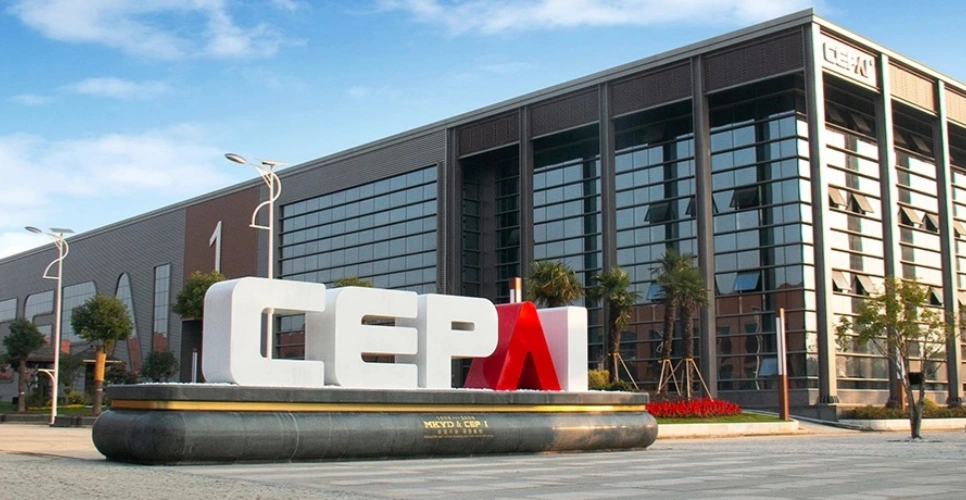
As a top high-tech company, CEPAI specializes in complete valve solutions for pipeline operations, production, and oil and gas drilling. Wellhead devices, pipeline valves, regulating valves, and precision instruments are all part of our broad product range, which is made to satisfy the exacting specifications of industrial applications across Southeast Asia.
Comprehensive Product Portfolio and Manufacturing Excellence
From complex automated systems to manual control valves, our production capabilities cover the whole range of industrial valve needs. Sleeve-type regulating valves, throttle valves, high-pressure double disc check valves, emergency shut-off valves, and rotary valves are among the items offered by CEPAI that have gained recognition as global benchmarks.
Strict quality control systems that are accredited to many international standards are used in advanced production facilities. API Q1, API 6A, API 6D, API 16C, API 602, ISO 9001, ISO 14001, ISO 45001, ISO 3834, ISO 17025, CE marking, and PR2 compliance are just a few of our extensive certifications. These certifications show our dedication to regulatory compliance and quality excellence, which are crucial for important industrial applications.
Engineering Excellence and Technical Innovation
The engineering staff at CEPAI offers thorough technical assistance throughout the procurement and implementation phases. Our application engineers collaborate closely with clients to provide the best flow control valve solutions that satisfy particular operational needs and guarantee performance and dependability over the long run. Customized flow control valve solutions that tackle the particular difficulties encountered by Southeast Asian manufacturers are made possible by this cooperative approach.
Product innovation and technical improvement are fueled by ongoing investments in research and development. CEPAI works with top engineering firms and oilfield service businesses across the globe to create next-generation valve technologies that improve safety performance and operational efficiency in a variety of industrial applications.
Global Recognition and Customer Success
CEPAI's product quality and innovation skills have been validated by major engineering organizations and oilfield service businesses globally. This worldwide acknowledgment attests to our superior production quality and technological proficiency in a wide range of demanding industrial applications. Throughout Southeast Asia and beyond, our goods are essential to pipeline operations, petrochemical processing plants, and oil and gas exploration.
CEPAI's capacity to provide dependable, high-performance valve solutions that surpass operational requirements is shown by customer success stories. Beyond only delivering products, we also provide thorough technical support, training courses, and continuous service excellence to guarantee optimum system performance throughout the course of the product lifespan.
Conclusion
The attractive blend of technological superiority, financial advantages, and strategic advantages that China's valve industry offers is reflected in Southeast Asian firms' preference for Chinese flow control valve providers. Chinese manufacturing skills have advanced to the point where past worries about quality and dependability have been dispelled, all the while retaining the substantial cost benefits necessary for competitive operations.
China offers better value propositions than typical international suppliers because to its extensive product portfolios, sophisticated production standards, and proximity-driven transportation benefits. China's standing as the go-to source for industrial valve needs in Southeast Asian markets is strengthened by the country's ongoing investments in technology, quality processes, and customer support infrastructure.
FAQ
1. What are the primary advantages of sourcing flow control valves from China?
Chinese manufacturers offer substantial cost savings, typically 40-60% below global brand pricing, while maintaining equivalent performance and quality standards. Comprehensive product ranges, customization capabilities, and shorter delivery times create additional procurement advantages. Geographic proximity enables efficient logistics and reduced inventory requirements compared to distant suppliers.
2. How can I verify quality and certifications from Chinese valve manufacturers?
Reputable Chinese manufacturers maintain internationally recognized certifications including ISO 9001, API standards, and CE marking. Request detailed documentation including material certificates, test reports, and facility audit results. Third-party verification services and customer references provide additional quality assurance validation.
3. What are typical lead times and warranty policies for bulk purchases?
Standard delivery times range from 4-8 weeks for catalog items and 8-12 weeks for customized products. Bulk orders often receive priority scheduling and expedited processing. Warranty terms typically span 12-24 months with comprehensive coverage for materials and workmanship defects.
Partner with CEPAI for Superior Flow Control Valve Solutions
CEPAI invites Southeast Asian manufacturers to experience our comprehensive valve solutions designed specifically for demanding industrial applications. Our extensive product portfolio, international certifications, and proven track record with global oil and gas companies ensure reliable performance for your critical operations. Contact our regional technical team at cepai@cepai.com to discuss your specific requirements and discover how CEPAI's flow control valve manufacturer expertise can optimize your operational efficiency and reduce total cost of ownership.

References
1. Wong, K.L., and Chen, M.S. "Industrial Valve Procurement Strategies in Southeast Asian Manufacturing." Journal of Asian Industrial Engineering, Vol. 45, No. 3, 2023, pp. 78-92.
2. Zhang, H., et al. "Quality Assessment of Chinese Industrial Valves: A Comparative Study with Global Manufacturers." International Manufacturing Review, Vol. 28, No. 7, 2023, pp. 156-171.
3. Lim, S.Y. "Supply Chain Optimization for Industrial Components in Southeast Asia." Asian Supply Chain Management Quarterly, Vol. 19, No. 2, 2023, pp. 34-48.
4. Industrial Valve Institute. "Global Valve Manufacturing Standards and Certification Requirements." Technical Publication IVI-2023-001, Industrial Valve Institute, 2023.
5. Southeast Asian Manufacturing Association. "Procurement Trends and Supplier Evaluation Criteria in Regional Manufacturing." SAMA Research Report 2023-04, 2023.
6. Chen, R.F., and Kumar, A. "Flow Control Technology Applications in Oil and Gas Operations." Petroleum Engineering Technology Review, Vol. 52, No. 4, 2023, pp. 112-128.
_1746598538016.webp)
Get professional pre-sales technical consultation and valve selection services, customized solution services.
About CEPAI