Where Brazil Importers Source Industrial Control Valves?
The import market for industrial control valves in Brazil is mostly dependent on specialist producers like CEPAI as well as well-known international providers like Emerson, Fisher, and Honeywell. These vital flow control devices are usually sourced by Brazilian importers via authorized distributors, direct manufacturer relationships, and engineering procurement contractors that provide thorough technical assistance and compliance certification. The sourcing environment places a strong emphasis on API/ISO certified goods that satisfy strict operational standards in the petrochemical, manufacturing, and oil and gas industries throughout Brazil's industrial infrastructure.

Understanding Industrial Control Valves and Their Market Needs
In Brazil's varied industrial environment, industrial control valves are the foundation of fluid management systems. These complex devices manage the direction, pressure, and flow rates of a variety of media, including chemicals, water, gas, and oil. The basic idea is that automated actuators can precisely modulate valve positions to maintain desired operating parameters by reacting to control signals from process control units or building management systems.
Essential Valve Types for Brazilian Industries
Several different valve designs are used in Brazil's industrial sectors to meet certain operating needs. Globe valves are essential for petrochemical processing, where exact flow adjustment avoids expensive operational disturbances, since they perform very well in applications requiring fine throttling control. fast shut-off applications are dominated by ball valves, which are especially useful in oil and gas facilities where fast isolation capabilities guarantee operational integrity and safety compliance.
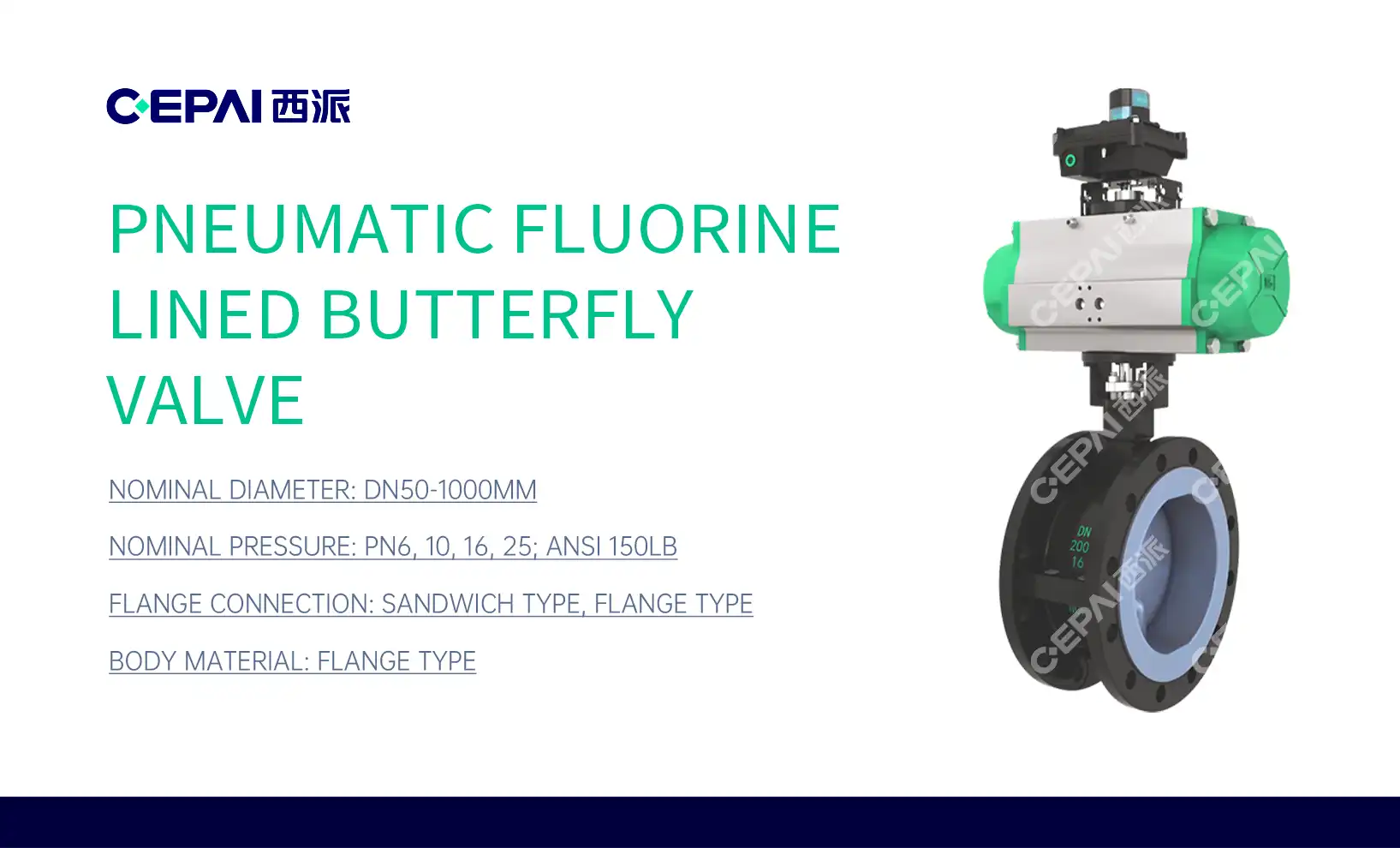
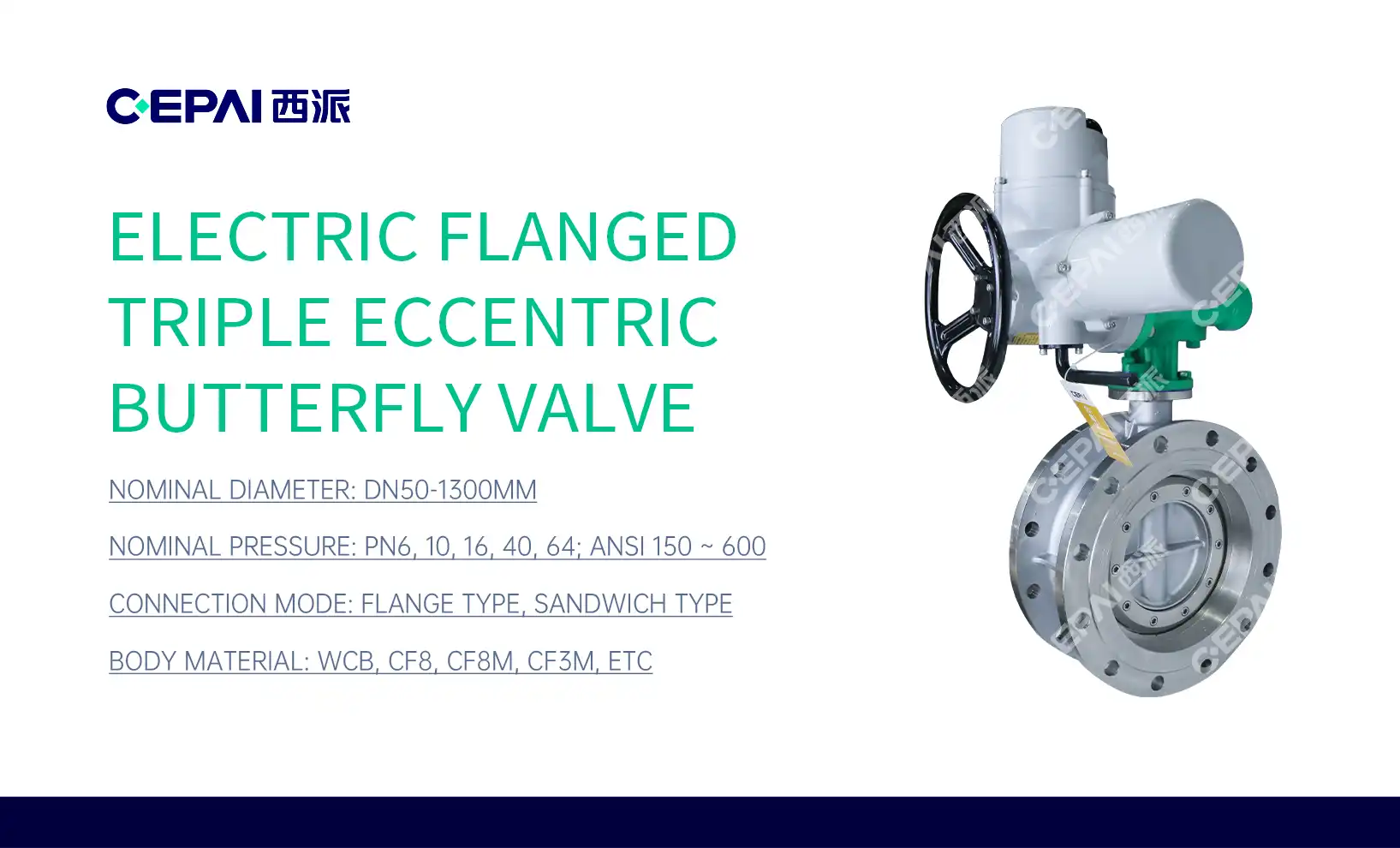
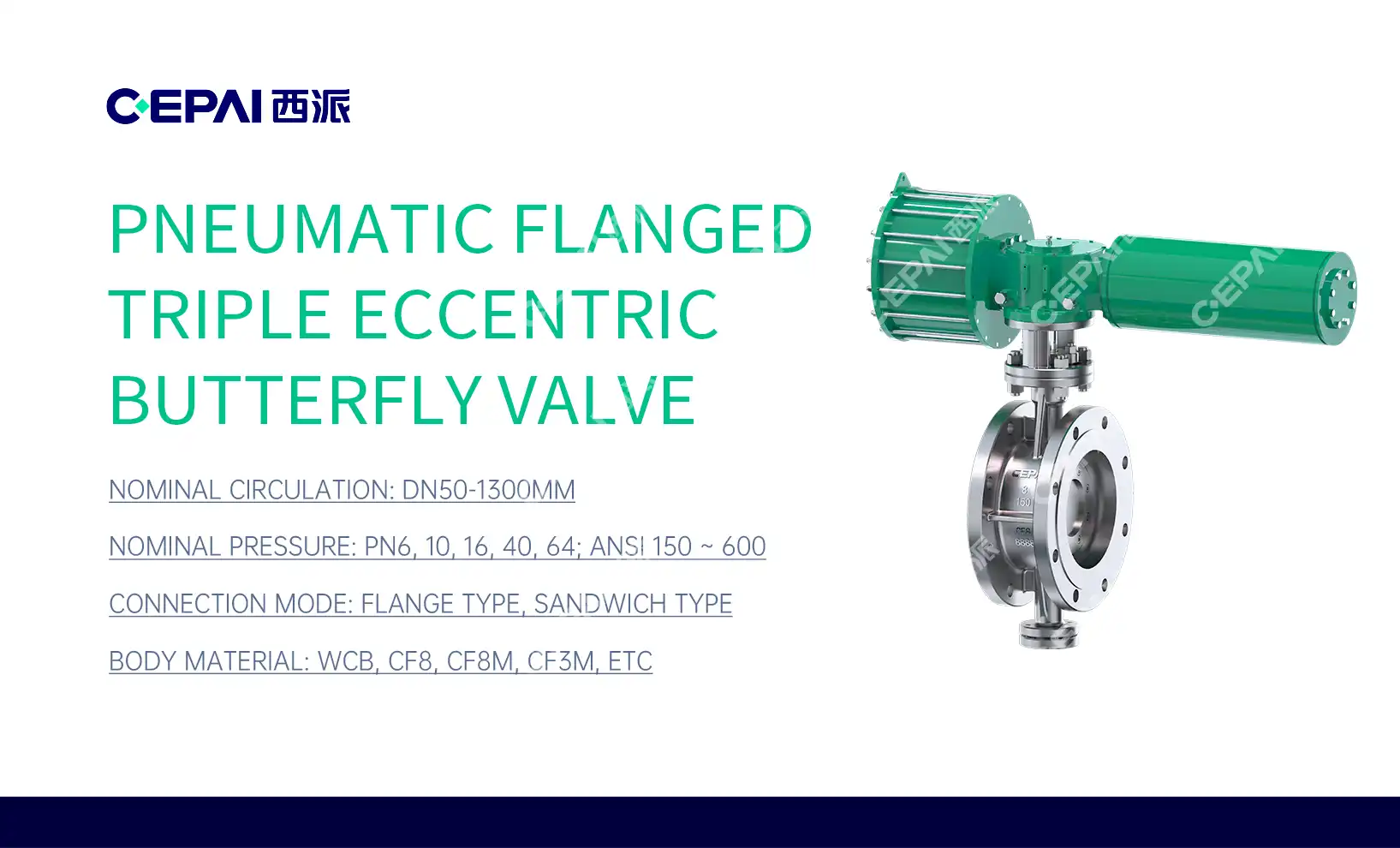
Butterfly valves are becoming more and more common in large-diameter pipeline systems because of their affordable operation and lightweight design. In natural gas distribution networks, Brazilian pipeline operators value its small size and dependable operation. While pneumatic and electric actuated valves provide the automation capabilities necessary for contemporary industrial operations, diaphragm valves handle corrosive media issues often seen in chemical processing facilities.
Critical Applications Across Brazilian Industrial Sectors
Due to massive offshore drilling activities and growing refining capacity, the oil and gas sector in Brazil is the biggest customer market for industrial control valves. Wellhead assemblies, choke valves, and Christmas tree systems must be able to tolerate high temperatures and pressures while continuing to function without leaking over long operating cycles for Petrobras and foreign operators.
Chemical processing plants need valves that can precisely regulate flow for intricate production processes while managing corrosive materials. Robust valve solutions are needed for process automation, hydraulic controls, and cooling systems in the steel and automobile sectors. In order to increase efficiency and adhere to environmental requirements, water treatment plants are progressively using sophisticated valve technology.
Procurement Challenges Facing Brazilian Buyers
Brazilian industrial purchasers' sourcing tactics are influenced by a number of procurement challenges. Because inferior valves may cause catastrophic failures, environmental disasters, and regulatory breaches, quality assurance is still crucial. API, ISO, and local ABNT certificates must be thoroughly verified in order to meet technical requirements, necessitating proficiency in specification review and supplier qualification.
Managing lead time is a constant problem, especially for complex applications that need unique engineering. Production timetables might be interrupted by supply chain interruptions, therefore supplier dependability and inventory control are important considerations when making purchases. International sourcing becomes more complicated due to import laws and currency fluctuations, necessitating financial risk management and strategic planning.
Key Factors for Choosing and Sourcing Industrial Control Valves in Brazil
Successful valve procurement plans need to take into account Brazil's particular industrial needs and legal framework. Maintenance-driven sourcing and project-based buying are quite different, necessitating different supplier relationships and assessment standards. While maintenance operations value standardized items, quick availability, and reasonable cost, large-scale projects need complete engineering assistance, customization options, and dependable delivery dates.
Essential Evaluation Criteria for Optimal Selection
A comprehensive application study that takes into account media properties, pressure ratings, temperature ranges, and environmental factors is the first step in choosing a valve that will work. When dealing with corrosive materials or high temperatures, which are typical in Brazilian industrial applications, material compatibility becomes essential. Depending on particular operating needs, carbon steel, stainless steel, and specialty alloys all have unique benefits.
Extinction-proof ratings, fire-safe designs, and environmental compliance for the industrial control valve are among the certification criteria that go beyond fundamental quality norms. Specific paperwork requirements and testing procedures are mandated by Brazilian legislation for imported valves. In order to guarantee long-term operational success, supplier support capabilities for the industrial control valve include technical consulting, installation advice, maintenance training, and prompt after-sales service.
Comparing International Leaders with Specialized Manufacturers
Risk-averse procurement teams are drawn to well-known international companies like Emerson and Fisher because of their large product ranges, track records, and global support networks. Their substantial R&D expenditures provide state-of-the-art technology and creative solutions that improve operational effectiveness and safety performance.
However, via targeted application knowledge and tailored technical solutions, specialist manufacturers such as CEPAI provide attractive options. Through reasonable pricing, adaptable customisation, and committed technical support, these businesses can provide greater value propositions that are difficult for bigger firms to match.
Brazilian consumers should take into account a number of significant benefits that specialist manufacturers provide the market when assessing suppliers. Their flexibility makes it possible to respond quickly to evolving needs and accelerate delivery timelines, which keep projects on schedule. In specialist applications, deep technical knowledge often outperforms generalist rivals, leading to optimized solutions that provide better performance and dependability.
Where Brazil Importers Source Industrial Control Valves: Market Overview and Supplier Landscape
Brazilian importers may get control valve suppliers via a variety of routes, each of which has unique benefits based on organizational capabilities and procurement needs. Making well-informed selections that balance cost, quality, and service factors while guaranteeing dependable long-term relationships is made possible by having a thorough understanding of the supplier environment.
Primary Sourcing Channels and Distribution Networks
Direct manufacturer partnerships are perfect for large-scale projects and specialized applications since they provide the best technical assistance and customization options. Businesses such as CEPAI collaborate closely with Brazilian purchasers to create customized solutions that tackle particular operational issues while guaranteeing adherence to regional laws and industry norms.
Authorized distributors help with urgent replacement requirements and maintenance operations by providing local inventory, quick delivery, and regional assistance. These collaborations blend local market expertise and service skills with global quality standards. For complicated projects, engineering procurement contractors operate as go-betweens, offering all-inclusive solutions that include many vendors and technological advancements.
Technology Trends Shaping Import Preferences
Decisions about valve selection are becoming more and more influenced by digital integration capabilities as Brazilian companies adopt Industry 4.0 principles and smart manufacturing technology. Sensors, communication protocols, and diagnostic capabilities are all included into modern control valves to facilitate optimization and predictive maintenance.
When physical access constraints necessitate dependable remote control and status monitoring of industrial control valves, remote monitoring compatibility becomes crucial for offshore operations and dispersed sites. Valve systems that provide expansion potential for future technological advancements and smooth integration with the current process control infrastructure are given priority by Brazilian customers.
Benefits of Partnering with Trusted International Brands
Working with reputable manufacturers that uphold strict testing procedures and quality management systems allows for the highest levels of quality assurance. The dedication to international quality standards that Brazilian purchasers want for important applications is shown by CEPAI's API Q1, API 6A, API 6D, API 16C, and API 602 certifications.
In order to optimize valve performance and operating life, superior technical assistance includes engineering advice, application analysis, and continuous maintenance guidance. Reliable manufacturers lower operating risks and maintenance expenses by offering thorough documentation, training courses, and technical support.
Customized designs, local compliance knowledge, and adaptable production capabilities provide tailored solutions to meet the unique needs of the Brazilian market. Standard catalog goods are unable to fulfill delivery needs and budgetary limits while ensuring excellent performance.
Optimizing Procurement Strategy: Sizing, Maintenance, and Troubleshooting Tips
In order to achieve long-term operational success, effective valve procurement goes far beyond initial purchase selections to include size optimization, maintenance planning, and troubleshooting skills. Throughout valve lifecycles, strategic planning in these areas results in significant cost reductions and performance enhancements.
Precise Valve Sizing for Performance and Cost Optimization
In order to achieve maximum performance and save needless expenses, proper valve size requires a thorough understanding of flow needs, pressure drops, and system parameters. While small valves cause operational bottlenecks and premature wear, oversized valves work inefficiently and need a larger initial expenditure.
Calculations of flow coefficients must take into consideration real-world operating circumstances as opposed to theoretical maximum requirements. Flexible sizing techniques are necessary for Brazilian industrial applications, which often entail changing operating conditions. When typical sizing estimates are insufficient for complicated applications, professional technical help becomes crucial.
Common size errors include failing to account for future expansion needs, cavitation possibilities, and pressure recovery effects. These mistakes may lead to expensive repairs or replacements, increased wear, and subpar control performance.
Maintenance Best Practices for Operational Longevity
Programs for preventive maintenance greatly increase valve life while lowering unplanned failures that cause delays in production. According to manufacturer guidelines and operating experience, visual inspections, performance testing, and component wear evaluation should all be included in routine inspection programs.
Prior to major failures of industrial control valves, diagnostic procedures allow for the early diagnosis of problems. Thermal imaging, performance monitoring, and vibration analysis provide important information about the state of industrial control valves and their remaining service life. Predictive maintenance techniques that improve industrial control valve inspection schedules and save maintenance costs are becoming more and more popular among Brazilian operators.

When maintenance tasks, performance patterns, and component replacements are properly documented, useful databases are produced that enhance operational planning and future purchase choices. This data highlights possible application enhancements and assists in identifying vendors and products with exceptional performance.
Troubleshooting Framework for Early Problem Identification
Systematic troubleshooting techniques minimize production interruptions while facilitating quick issue identification and resolution. Performance problems often point to certain failure modes that skilled technicians may promptly identify and resolve using recognized procedures.
Seal leakage, actuator failure, control instability, and excessive wear are common valve problems that show up as specific operational symptoms. Knowing these connections allows for preventive solutions that save little issues from becoming bigger failures.
When complicated issues surpass the capacity of local experts, the availability of technical help becomes essential. In order to reduce downtime and guarantee quick issue solving, dependable suppliers provide field service assistance, spare parts availability, and prompt consulting services.
CEPAI: Your Trusted Partner for Industrial Control Valve Solutions in Brazil
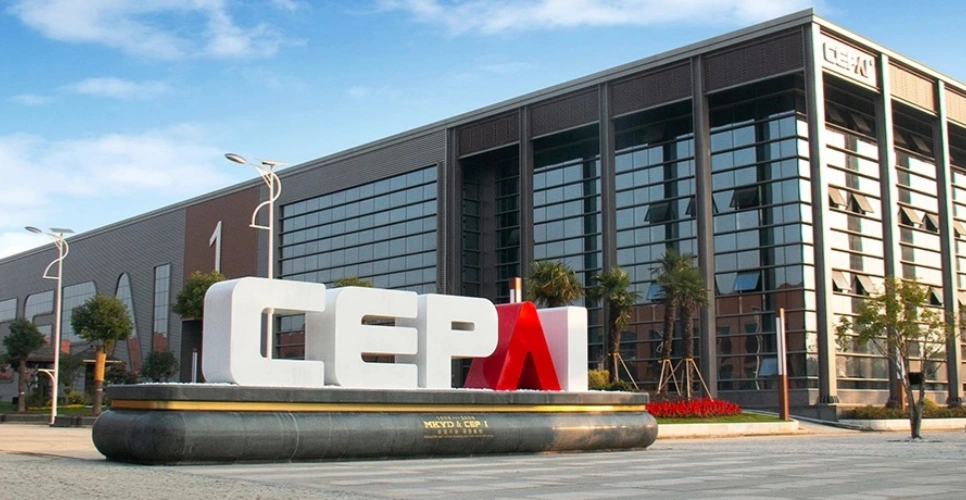
The research, development, and manufacture of sophisticated wellhead devices, pipeline valves, and precision instrumentation for oil and gas drilling and production operations are the areas of expertise for CEPAI, a prominent high-tech company. Major oilfield service firms and engineering contractors throughout the globe have recognized our dedication to ongoing innovation and outstanding product quality.
Comprehensive Product Portfolio for Brazilian Industrial Applications
Wellhead assemblies, choke valves, Christmas trees, mudline equipment, and high-pressure control devices made especially for difficult drilling operations are all part of our wide variety of products. These products provide dependable performance and long service life under the demanding circumstances typical of Brazilian onshore and offshore oil and gas operations.
Regulating valves, emergency shut-off valves, and specialized instrumentation are among CEPAI's pipeline valve solutions, which cater to the particular needs of midstream businesses and pipeline operators. Our throttle valves, high-pressure double disc check valves, and sleeve-type regulating valves have won praise from all around the world for their creative designs and exceptional performance characteristics.
Quality Certifications and Technical Excellence
In order to guarantee adherence to both Brazilian legislative requirements and international standards, CEPAI maintains extensive quality management and product certification systems. Our steadfast dedication to operational safety and quality excellence is shown by our certifications, which include API Q1, API 6A, API 6D, API 16C, API 602, ISO 9001, ISO 14001, ISO 45001, ISO 3834, ISO 17025, CE, and PR2.
Brazilian consumers may feel secure knowing that industrial control valves are reliable, consistent in their performance, and compliant with regulations thanks to these certificates. Every industrial control valve meets or above stated performance standards while providing outstanding value and long-term durability thanks to our stringent testing methodologies and quality control systems.
Engineering Collaboration and Customization Capabilities
The technical staff at CEPAI works directly with Brazilian clients to provide solutions that are tailored to their unique operating needs and performance specifications. Because of our design flexibility, regular items may be modified or completely new solutions that maximize performance for particular applications can be developed.
This cooperative strategy guarantees the best valve layout and selection while offering the technical assistance required for a successful deployment. Our technical knowledge includes performance improvement, application analysis, and integration advice that optimizes long-term value and operational advantages.
Conclusion
As local companies grow and upgrade, the market for imported industrial control valves in Brazil is changing. Effective procurement strategies create dependable supplier relationships that provide long-term value and assistance while striking a balance between quality standards, technical specifications, and cost concerns. Brazilian consumers have a variety of alternatives that cater to different operating needs and financial restrictions thanks to the mix of well-known international brands and specialist producers like CEPAI. For Brazil's demanding industrial applications, strategic sourcing choices that prioritize technical support skills, quality certifications, and customization flexibility provide the best outcomes.
FAQ
1. What certifications should Brazilian importers look for when sourcing control valves?
Brazilian importers should prioritize suppliers with API Q1 quality management certification along with specific product certifications including API 6A, API 6D, API 16C, and API 602 depending on application requirements. ISO 9001 quality management and ISO 14001 environmental management certifications demonstrate comprehensive quality systems. Local ABNT compliance may be required for specific applications.
2. How do lead times typically compare between international suppliers and local distributors?
International suppliers like CEPAI typically require 8-16 weeks for standard products and 12-20 weeks for customized solutions, depending on complexity and specifications. Local distributors may offer faster delivery for standard catalog items but have limited inventory for specialized applications. Emergency orders can often be expedited through direct manufacturer relationships.
3. What factors should influence valve material selection for Brazilian industrial applications?
Material selection depends on media characteristics, operating temperatures, pressure requirements, and environmental conditions. Corrosive applications require stainless steel or specialized alloy construction, while standard hydrocarbon service may utilize carbon steel. Offshore applications demand corrosion-resistant materials that withstand marine environments and extended service intervals.
Partner with CEPAI for Superior Industrial Control Valve Solutions
CEPAI delivers world-class industrial control valve solutions specifically engineered for Brazil's demanding industrial applications. Our comprehensive product portfolio, international quality certifications, and dedicated technical support ensure optimal performance and long-term value for your operations. Contact our expert team at cepai@cepai.com to discuss your specific requirements and discover how our industrial control valve manufacturer capabilities can enhance your operational efficiency.

References
1. Brazilian Oil and Gas Industry Market Analysis: Control Valve Requirements and Sourcing Strategies, Industrial Equipment Journal, 2024.
2. International Standards Compliance in Brazilian Industrial Valve Procurement: A Comprehensive Guide for Importers, Brazilian Association of Technical Standards, 2023.
3. Supply Chain Optimization for Critical Control Systems in South American Industrial Operations, Process Engineering International, 2024.
4. Quality Assurance Protocols for Imported Industrial Valves in Brazilian Manufacturing Sectors, Quality Management Review, 2023.
5. Technology Trends and Digital Integration in Brazilian Industrial Control Systems, Automation Technology Quarterly, 2024.
6. Comparative Analysis of International Control Valve Suppliers Serving the Brazilian Market, Industrial Procurement Intelligence, 2023.
_1746598538016.webp)
Get professional pre-sales technical consultation and valve selection services, customized solution services.
About CEPAI