Control Valve Supply Chain: China vs Europe in 2026
The supply chain environment for control valves in 2026 offers procurement experts a compelling option between European suppliers who provide superior quality standards and have a well-established market presence, and Chinese manufacturers who offer competitive pricing and modern manufacturing capabilities. While Europe continues to lead via strict certifications and cutting-edge technology, China's quickly growing industrial infrastructure allows for cost-effective solutions while keeping improved quality criteria. In today's linked global economy, it is essential to comprehend these regional characteristics in order to make well-informed sourcing selections that strike a balance between cost effectiveness, technical needs, and operational dependability.

The Landscape of Control Valve Supply Chains in 2026
Regional centers of production in Europe and China have evolved unique traits that have an immediate influence on procurement tactics. With significant manufacturing facilities in the provinces of Jiangsu, Zhejiang, and Guangdong producing a variety of valve types, such as globe valves, butterfly valves, and specialist regulating valves, China's supply chain infrastructure benefits from enormous production capacity. The nation's focus on technical development has produced advanced manufacturing facilities that can provide both standard and bespoke valve solutions.
Precision engineering and high-quality materials are key components of European supply chains, especially those in Germany, Italy, and the Netherlands. Strong ties with raw material suppliers are maintained in these areas, guaranteeing steady availability to premium stainless steel and specialty alloys necessary for demanding applications in oil and gas operations.
Quality Standards and Certifications
CE labeling and ATEX certifications are routine requirements, and European manufacturers have always upheld strict control valve quality standards. The area guarantees uniform control valve quality across various providers by adhering to ISO 9001 and API requirements. In the meanwhile, Chinese producers have greatly improved their control valve certification procedures, and many of them have obtained ISO, API 6A, and API 6D certifications that satisfy global standards.
Both areas' quality management systems have developed to include thorough testing procedures. In order to satisfy global consumer expectations, Chinese manufacturers are increasingly adopting comparable processes, whereas European suppliers often place an emphasis on thorough documentation and traceability.
Logistics and Distribution Networks
There are significant regional differences in distribution tactics. European suppliers benefit from established shipping routes to North America as well as well-known logistical networks that enable quick delivery across the continent. Although delivery dates may differ based on particular destinations and customs processing requirements, Chinese vendors have made significant investments in port infrastructure and international shipping capabilities.
The dynamics of the supply chain are still influenced by regional trade policy. While Chinese manufacturers manage changing international trade ties that may affect delivery timetables and pricing structures, European suppliers work under pre-existing trade frameworks.
Performance, Innovation, and Technology Trends
Patterns of technological development show intriguing differences between control valve producers in China and Europe. Advanced actuator technologies, which integrate IoT capabilities and predictive maintenance features to improve system dependability, are usually pioneered by European businesses. Manufacturers in Germany and Italy are in the forefront of creating advanced electric actuators with accurate positioning capabilities.
Particularly in the areas of material engineering and pneumatic valve technology, Chinese producers exhibit exceptional ingenuity in cost-effective solutions. Numerous businesses have created unique metals and production techniques that provide affordable, competitive performance.
Material Quality and Durability
Control valve performance and lifespan costs are substantially impacted by material selection. Premium-grade stainless steel and specialty alloys made for harsh environments are often used by European manufacturers. Because of their emphasis on material science research, control valves that can survive the high temperatures and pressures seen in petrochemical applications have been developed.
With multiple vendors now providing equivalent material standards, Chinese manufacturers have significantly improved the quality of their materials. Reliable substitutes that satisfy industrial requirements and provide cost benefits have been created by advanced metallurgical research at Chinese facilities.
Digital Integration and Automation Industry
Regional differences exist in 4.0 integration. European providers are often at the forefront of modern digital features, such as advanced diagnostic systems and remote monitoring capabilities. For pipeline operators and refining plants in particular, these technologies allow for real-time performance improvement and predictive maintenance.
With an emphasis on useful automation features that improve operational efficiency, Chinese firms are progressively integrating digital technology. Numerous businesses provide digital positioners and communication protocols that work with the main building management systems.
Procurement Considerations and Cost Analysis
Analysis of total cost of ownership uncovers intricate elements that go beyond purchase pricing. Chinese vendors are appealing for large-scale projects and bulk purchases since they usually provide reasonable upfront rates. Procurement teams must, however, also take into account other elements including possible longer lead times, import taxes, and transportation expenses.
Because of their well-established brand image and extensive service offerings, European manufacturers often charge premium prices. With the help of technical support staff and regional distribution hubs, these providers often offer quicker delivery times and a wide range of customization options.
Procurement experts may make well-informed judgments that are in line with project needs and financial restrictions by having a thorough understanding of the cost structure. Calculations of overall costs are greatly impacted by the following factors:
Depending on the order quantity, location, and shipment method, shipping and logistics expenses might vary significantly. While European suppliers profit from reduced shipping distances to North American markets, Chinese suppliers often attain economies of scale for big control valve orders. Unexpected expenses and delays may result from import charges and customs procedures, especially for unique control valve arrangements that call for extra paperwork.
Installation and commissioning support differs between regions. Comprehensive technical support, including on-site installation help and training programs, is usually offered by European providers. Similar services are increasingly being provided by Chinese manufacturers, albeit coordination may need for extra preparation to guarantee smooth project execution.
Long-term operating expenses are impacted by the availability of aftermarket services. Large service networks with easily accessible spare parts and technical know-how are maintained by European vendors. Although response times may differ based on location and service needs, Chinese firms are still growing their worldwide service capabilities.
Procurement teams may create thorough sourcing strategies that maximize both short-term and long-term value propositions thanks to these cost factors.
Navigating Brand and Supplier Selection for 2026
Supplier selection requires careful evaluation of each manufacturer's capabilities, certifications, and track record. Leading companies from across the world, such as Fisher, Emerson, and Samson, have a significant presence in both areas and provide extensive support networks and a track record of dependability. For crucial applications where performance dependability cannot be compromised, these well-known brands provide assurance.
New Chinese producers provide attractive alternatives, especially for projects with tight budgets where creative engineering may satisfy performance standards. Numerous of these vendors have earned international certifications and shown their ability to handle challenging applications.
Evaluation Criteria and Due Diligence
Several evaluation factors are included in a thorough supplier assessment. Specific application criteria, such as pressure ratings, temperature ranges, and flow characteristics, must be met by technical capabilities. Careful examination of manufacturing capacity and quality systems is necessary to guarantee reliable performance and delivery.
Planning for company continuity and financial stability are becoming more and more crucial factors. Throughout the lifecycles of control valve equipment, suppliers must show that they are capable of maintaining reliable operations and support services. Referrals from current clients provide insightful information about real performance and service quality.

Strategic Partnership Development
Benefits of long-term supplier partnerships include priority scheduling, preferred pricing, and cooperative engineering assistance. European suppliers have a long history of building strong relationships with clients and offering technical advice and customisation services that improve project results.
Chinese manufacturers are investing in customer relationship management and technical support skills as they become more aware of the importance of strategic alliances. In order to cultivate enduring commercial partnerships, several suppliers provide specialized account management and engineering assistance.
Strategic Outlook - Future Trends and Supply Chain Adaptations
Due to shifting market dynamics and technology breakthroughs, supply chain change is still accelerating. Both areas are impacted by digital transformation projects; Chinese manufacturers concentrate on useful digitalization that improves operational efficiency, while European suppliers dominate in advanced automation technology.
Procurement choices are increasingly influenced by sustainability factors. European suppliers prioritize sustainable manufacturing processes and environmental compliance, often emphasizing recyclable materials and eco-friendly production techniques. Cleaner manufacturing technology and enhanced environmental management systems are how Chinese firms meet these demands.
Geopolitical and Economic Factors
Supply chain tactics are greatly impacted by international trade ties. Delivery timetables and price structures may be impacted by trade policy changes, currency fluctuations, regional conflicts, and control valve availability, all of which procurement teams must take into account.
Contingency planning and supplier diversity are important components of risk management techniques. Sustaining connections with suppliers in both areas offers flexibility to adjust to shifting conditions while guaranteeing supply continuity for vital activities.
Industry 4.0 Integration
Production capacities are constantly being reshaped by advanced manufacturing technology. In order to improve consistency and lower industrial variability, European firms make significant investments in automated production systems and quality control technology. Similar technologies are used by Chinese suppliers, who continue to prioritize production scalability and cost effectiveness.
Better demand forecasting and inventory management are made possible by applications of artificial intelligence and predictive analytics. Through improved planning skills and fewer operational interruptions, these technologies help both suppliers and consumers.
Company Introduction and Product Service Information
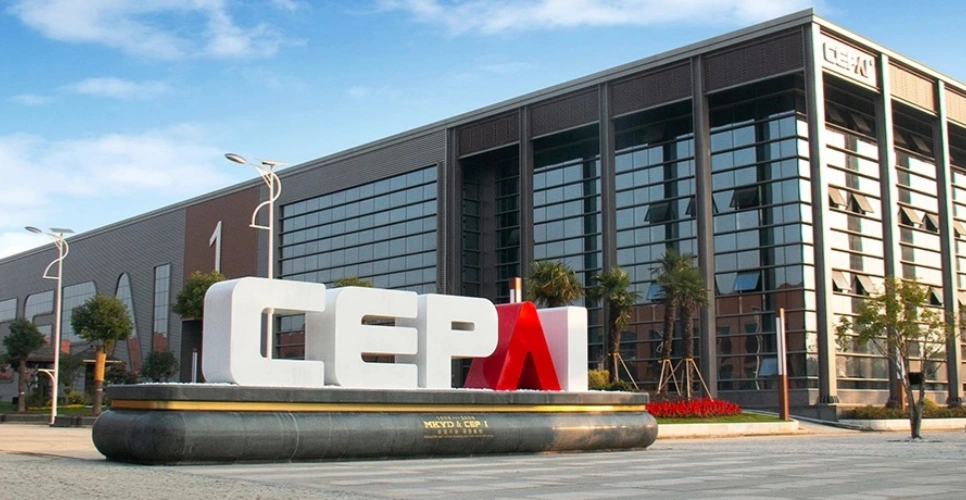
CEPAI is a reputable worldwide producer with a focus on precision regulating valves, pipeline valves, and wellhead devices for oil and gas applications. Christmas trees, choke valves, wellhead assemblies, and high-pressure control devices designed for harsh drilling and production conditions are all part of our extensive product line.
API Q1, API 6A, API 6D, API 16C, and ISO management system certifications are only a few of the worldwide certifications that attest to the continued importance of quality assurance in our operations. These certifications show our dedication to upholding the strictest industry standards while guaranteeing dependable operation and safety.
Our technical skills go beyond typical product offerings to provide solutions that are specifically designed to meet the needs of certain applications. Optimal valve selection and design are made possible by engineering engagement with clients, guaranteeing that equipment performance is in line with operational goals. Across many sectors and geographical areas, smooth procurement experiences are made possible by fast after-sales assistance and worldwide shipping capabilities.
Modern production technology and quality control systems are used in advanced manufacturing facilities to ensure constant product quality. To optimize equipment performance and lifespan value, our skilled engineering staff offers complete technical support, including installation instructions, maintenance suggestions, and continuing operating support.
Conclusion
In 2026, a comparison of the supply chains for control valves in China and Europe shows clear regional advantages that support various procurement strategies. European vendors are perfect for crucial applications needing demonstrated dependability because of their superior quality, well-established certifications, and extensive service networks. For projects with a tight budget, Chinese manufacturers provide reasonable prices, growing technological skills, and creative solutions that deliver outstanding value. Effective procurement plans include thorough assessment procedures and strategic supplier relationships to capitalize on the advantages of both locations. Procurement experts may make well-informed selections that maximize both short-term project needs and long-term operating goals by having a thorough understanding of area dynamics, quality standards, and service capabilities.
FAQs
1. What factors should guide control valve selection between Chinese and European suppliers?
Selection criteria should prioritize application requirements, including pressure ratings, temperature specifications, and fluid compatibility. Consider total cost of ownership, delivery timelines, certification requirements, and ongoing support needs. Evaluate supplier track record, quality certifications, and technical capabilities to ensure alignment with project objectives and operational standards.
2. How do lead times compare between Chinese and European control valve suppliers?
European suppliers typically offer shorter lead times ranging from 4-8 weeks for standard products, benefiting from regional distribution networks and established logistics systems. Chinese manufacturers generally require 6-12 weeks for standard orders, though expedited options may be available. Customized products require additional time regardless of region, with complexity determining specific schedules.
3. What warranty and support differences exist between regions?
European suppliers commonly provide comprehensive warranties ranging from 12-24 months, supported by extensive service networks and readily available spare parts. Chinese manufacturers increasingly offer competitive warranty terms, typically 12-18 months, with expanding global service capabilities. Both regions provide technical support, though response times and service accessibility may vary depending on location and supplier relationships.
Partner with CEPAI for Superior Control Valve Solutions
CEPAI's expertise in manufacturing high-quality regulating valves and wellhead equipment positions us as your ideal control valve supplier for demanding oil and gas applications. Our API-certified manufacturing facilities and comprehensive quality management systems ensure reliable performance that meets the stringent requirements of drilling engineers and procurement professionals worldwide. With proven experience serving major oilfield service companies and EPC contractors, we deliver customized valve solutions backed by responsive technical support and global delivery capabilities. Connect with our engineering team at cepai@cepai.com to discuss your specific requirements and discover how our innovative control valve technologies can optimize your operations.

References
1. International Energy Agency. "Global Energy Outlook 2025: Supply Chain Dynamics in Oil and Gas Equipment Manufacturing." Energy Policy Research Institute, 2024.
2. European Industrial Valve Association. "Quality Standards and Certification Frameworks in European Valve Manufacturing." Brussels Industrial Publications, 2024.
3. China National Petroleum Equipment Association. "Technological Advancement and Export Capabilities in Chinese Valve Manufacturing." Beijing Technical Press, 2024.
4. McKinsey Global Institute. "Supply Chain Resilience in Industrial Equipment: Regional Analysis and Strategic Implications." McKinsey Research Publications, 2024.
5. American Petroleum Institute. "Control Valve Performance Standards and International Compliance Requirements." API Technical Publications, 2024.
6. Cambridge Energy Research Associates. "Geopolitical Factors Affecting Industrial Equipment Supply Chains in 2025." Cambridge Strategic Analysis, 2024.

Get professional pre-sales technical consultation and valve selection services, customized solution services.
About CEPAI