Why South Africa Plants Choose China for Smart Control Valves?
For smart control valve solutions, South African factories are turning more and more to Chinese makers because they are more cost-effective, can integrate new technologies better, and have strong supply chain capabilities. These smart automation devices can precisely control flow, keep an eye on pressure, and work with other control systems without any problems. Chinese makers of smart control valves have changed the market by bringing API-certified products that meet international quality standards at a fraction of the cost and with a wide range of customization options that meet the exact needs of South African businesses.
Understanding Smart Control Valves and Their Role in Industrial Automation
Smart control valves are the next step in valve technology. They use advanced sensors, microprocessors, and communication features to provide accurate process control in modern industrial settings. These high-tech gadgets are the most important link between control systems and process media. They let you watch and change flow rates, pressures, and temperatures in real time.
Advanced Technology Integration and Communication Capabilities
Programmable Logic Controllers (PLCs), Distributed Control Systems (DCS), and Building Management Systems can all talk to modern intelligent valve systems through different protocols, such as HART, Foundation Fieldbus, and Profibus. The built-in microprocessors constantly check working parameters, sending out repair warnings and diagnostic data that help keep expensive downtime from happening. Digital positioners inside these valves are more accurate than gas ones; they can achieve setting accuracy within ±0.5% of full scale range.
Operational Benefits and Energy Efficiency Improvements
By using modern valve technology instead of traditional air systems, South African processing plants have been able to save 15 to 25 percent of their energy. By making changes in real time, these devices improve flow features, which lowers the amount of energy used by pumping systems and the amount of pressure lost throughout the process network. The built-in feedback systems make sure that the system works the same way even when operating conditions change. This is especially helpful in South Africa, where mines, petrochemicals, and energy production are all common industries.
Application-Specific Valve Types for South African Industries
Electric-actuated valves work great in situations where they need to be precisely placed and respond quickly. This makes them perfect for chemical processing and making medicines. Pneumatic smart control valves are still the best choice for dangerous settings with explosives and electrical parts, like oil and gas activities. For high-stakes safety uses that are popular in the mining and energy sectors in South Africa, hybrid systems combine the best parts of both technologies. They offer fail-safe gas operation with electric placement control.
The Strategic Appeal of Chinese Smart Control Valves for South African Plants
Chinese companies have become strong players in the global valve market by putting money into research and development, making their factories more advanced, and setting up complete quality management systems. Aside from cost, other factors that make it appealing are new technologies, the ability to customize, and supply chain benefits that fit with South African corporate buying strategies.
Cost-Effectiveness Without Quality Compromise
Chinese companies that make smart control valves offer big price cuts while still meeting foreign quality standards with ISO 9001, API 6D, and API 602 certifications. Independent testing by foreign licensing groups has shown that valves made in China meet or beat the performance standards set by valves made in the West. When compared to similar European or American goods, the prices are usually 30–50% lower. This lets South African plants improve their automation systems without spending a lot of money on new equipment while still getting the same level of working performance.
Innovation and Customization Capabilities
Leading Chinese makers put a lot of money into research and development. In fact, many of them spend 8–12% of their annual income on technology development. Because of this dedication, new features like self-diagnosing valve positioners, wireless communication, and high-tech materials designed to work in certain process conditions have been made possible. Because customization is so flexible, South African plants can describe exact needs for specific uses. For example, they can ask for special metal compositions for environments that are prone to corrosion and unique actuator setups for installations with limited space.
Supply Chain Advantages and Delivery Efficiency
Compared to standard Western sources, Chinese makers have large global supply networks that allow for faster lead times and more flexible order numbers. Standard setups usually take between 4 and 8 weeks to deliver, while customized options take between 8 and 12 weeks. This response is especially helpful for South African plants that have to keep track of repair plans and capital project timelines. It also helps with better inventory management and lowers the cost of buying things by combining shipping.
Comparing Chinese Smart Control Valves with Traditional and Western Counterparts
When comparing Chinese smart control valve systems to well-known options, they show big improvements in terms of performance, costs over time, and operating freedom. Modern Chinese goods can compete well with high-end Western names and offer better value, as shown by independent performance tests and data from the field.
Performance Metrics and Reliability Analysis
Comparative tests by leading international engineering firms show that leading Chinese smart control valves have leak rates below 10^-6 ml/min/mm of normal diameter. This is the same level of performance as well-known Western brands. Quality Chinese goods usually have a Mean Time Between Failures (MTBF) of more than 8,000 hours of normal use, and some high-end models can go over 12,000 hours. Specifications for repeatability of ±0.1% and hysteresis values below 0.2% show that the machine is precise enough for commercial uses that are very strict.
Energy Consumption and Operational Efficiency
Comparing energy efficiency shows that Chinese smart control valves with improved positioners use about 40% less compressed air than regular pneumatic systems. The built-in control systems find the best places for the valves so that as little energy as possible is wasted while the process stays stable. According to data from installations in South Africa, switching from old valve systems to smart Chinese ones saves an average of 18 to 22% of energy. The return time is usually between 18 and 24 months.
Service and Support Infrastructure
Chinese companies have built global support networks that are just as good as those of standard Western providers. A lot of big companies have service centers in different parts of the country, keep extra parts in those areas, and offer professional training for people who work in plant repair. South African plants get the help they need throughout the lifetime of a product because technical literature is available in multiple languages and diagnostics can be done remotely through digital communication platforms.
How to Effectively Procure Smart Control Valves from China for South African Plants?
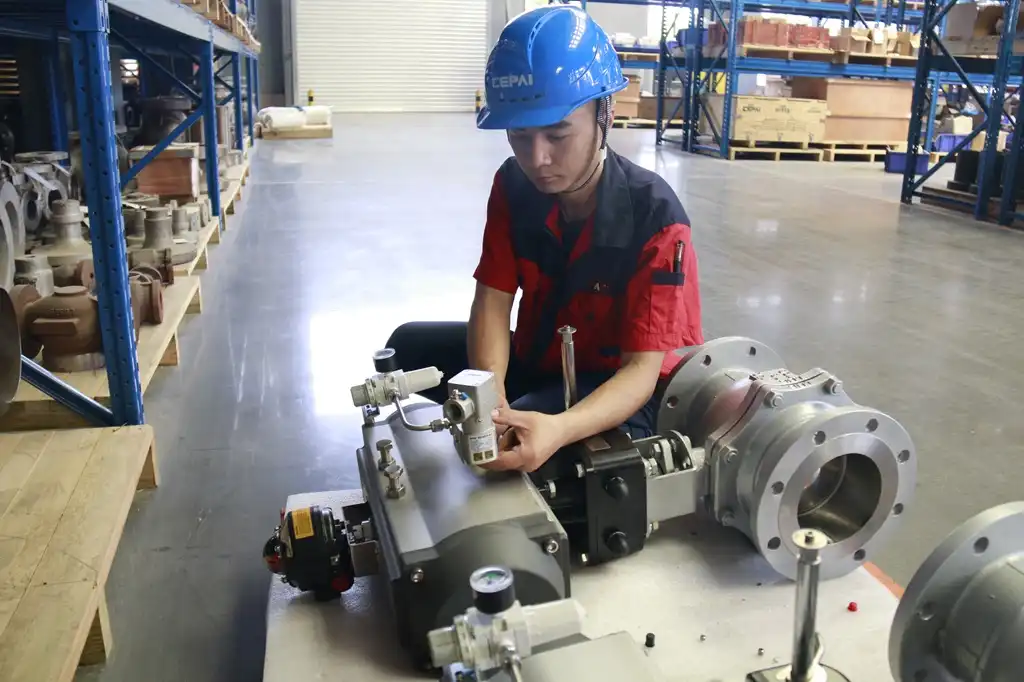
To successfully buy clever valve systems from Chinese makers, you need to carefully check the records of the suppliers, carefully write down the specifications, and pay close attention to quality control procedures. Instead of just doing business, the buying process should focus on building long-term partnerships.
Supplier Evaluation and Certification Requirements
To be qualified, providers must show that they follow international quality standards like API 6D, API 602, ISO 9001, and safety certifications like SIL (Safety Integrity Level) scores for important uses, including for smart control valves. A site check or an evaluation by a third party makes sure that the manufacturing process meets the quality standards that are needed. The supplier's history of working with businesses in similar fields and their dedication to always getting better through regular certification renewals show that they will be reliable and technically skilled in the long run.
Technical Specification Development and Compatibility Assessment
Specifications should be very specific about the process conditions, control needs, communication methods, and installation limitations that are unique to plants in South Africa. To make sure that a new control system will work with an old one, the communication connections, power needs, and mounting arrangements must all be carefully looked at. During the design process, things like changes in temperature and humidity, as well as the possibility of being exposed to toxic atmospheres common in South African factories, should be taken into account.
Quality Assurance and Testing Protocols
Factory acceptance tests, material licenses, and performance proof based on industry standards should all be part of complete quality assurance systems. Witness checking of important parts by trained inspectors makes sure they meet standards before they are shipped. Setting clear acceptance criteria and testing processes gives you a way to objectively judge the quality of the product and fix any problems that might come up before installing it.
Natural Integration of Our Company and Solutions
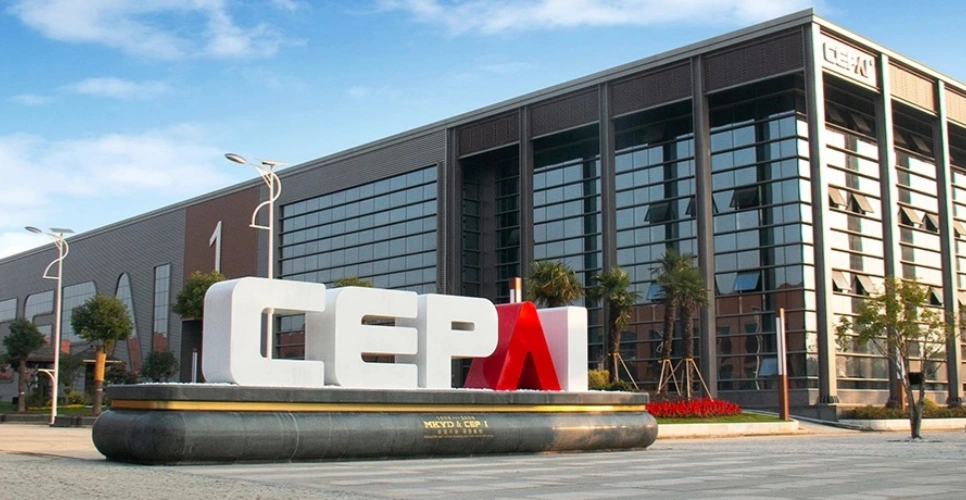
CEPAI is at the forefront of developing clever valve technology. They combine decades of technical knowledge with cutting-edge manufacturing skills to provide world-class automation solutions for industrial uses around the world. Major oilfield service companies and building firms around the world have praised our wide range of products and dedication to quality.
Company Expertise and Global Presence
For oil and gas pumping and production, our company mainly does research, development, and production of high-tech wellhead devices, pipeline valves, and smart controlling systems. Several foreign certificates, such as API Q1, API 6A, API 6D, API 16C, API 602, ISO 9001, ISO 14001, ISO 45001, ISO 3834, ISO 17025, CE, and PR2, have been earned through ongoing efforts to improve quality and come up with new ideas. These qualifications show that we are dedicated to meeting the best standards in our field and that we can handle challenging projects in a range of industries.
Product Portfolio and Customization Capabilities
We have sleeve-type controlling valves, throttle valves, high-pressure double disc check valves, emergency shut-off valves, and rotating control systems for important industrial uses as part of our smart control valve solutions. Advanced materials engineering, precise production techniques, and smart control features are built into every product to make sure it works reliably even in tough operating circumstances. Because our production methods are so flexible, we can make a lot of changes to meet the needs of each customer. For example, we can use different alloys, set up actuators in different ways, and create custom control interfaces.
Technical Support and Service Excellence
We keep up a full global support system with expert help, training programs, and guarantee coverage to make sure that products work at their best throughout their operating lives. Our tech team helps customers with system integration, installation, and support by giving them advice that is specific to their needs. Providing quick technical help and high-quality goods builds long-lasting relationships with buying workers who value dependability, performance, and top-notch professional service.
Conclusion
South African companies choose Chinese smart control valves because they offer great value through low prices, the ability to integrate modern technology, and a wide range of support services. Chinese makers are good partners for industrial automation projects because they have foreign quality standards, new features, and benefits in the supply chain. The industry is moving toward more complex control systems, and Chinese suppliers have shown they can meet strict technical requirements while also offering cost-effective solutions that make South African factories more reliable and efficient.
FAQ
What are the benefits of Chinese smart control valves over regular valve systems?
Compared to traditional gas or manual valves, Chinese clever valve systems are much more accurate, use less energy, and can diagnose problems more easily. These gadgets can pinpoint their location to within ±0.5%, have built-in monitoring features, and can talk to each other to allow for proactive maintenance. The energy savings are usually between 15% and 25%, and the diagnostic features help keep things from breaking down without warning and lower the cost of upkeep.
How do Chinese smart control valves work with PLCs and automation systems that are already in place?
Modern Chinese clever valves work with common industrial communication protocols like HART, Foundation Fieldbus, Profibus, and Modbus. This makes it easy to connect them to existing control systems. The devices have standard mounting ports and input/output choices that can be changed. This makes installation and system interaction easier. Technical support teams help with setting up and starting up automation systems so they work at their best within current designs.
How long does it usually take to get a lot of smart control valves from a Chinese manufacturer?
Standard smart control valve setups usually take 4–8 weeks to deliver, while unique solutions can take up to 8–12 weeks, based on how complicated the specifications are. Bulk sales are often given priority ordering, and they may be able to get faster production times. Manufacturers with a lot of experience keep common parts and subassemblies in stock to cut down on wait times for urgent needs. Some sources even offer emergency delivery choices for those very important situations.
Partner with CEPAI for Advanced Smart Control Valve Solutions
CEPAI offers state-of-the-art clever automation solutions that change the way factories work by providing precise control and advanced tracking tools. Our API-certified smart control valve systems meet the strict needs of modern processing plants by combining cutting edge technology with tried-and-true dependability. As a reliable smart control valve maker, we provide full expert support, reasonable prices, and a range of customization choices that can be tailored to your unique business needs.
Email our technical experts at cepai@cepai.com to talk about your automation needs and find out how our smart valve solutions can improve the performance and efficiency of your building.
References
International Association of Oil & Gas Producers. "Smart Control Systems in Industrial Applications: Performance and Reliability Analysis." Technical Report, 2023.
South African Bureau of Standards. "Industrial Automation Standards and Certification Requirements for Control Valve Systems." Standards Publication, 2023.
Industrial Automation Research Institute. "Comparative Analysis of Global Control Valve Manufacturers: Technology and Market Trends." Market Research Report, 2023.
Energy Efficiency Council of South Africa. "Energy Savings Through Advanced Process Control Technologies in Industrial Plants." Technical Study, 2023.
International Standards Organization. "Quality Management Systems for Industrial Valve Manufacturing: Best Practices and Certification Guidelines." ISO Technical Publication, 2023.
Process Control Engineering Society. "Integration Strategies for Smart Control Valves in Legacy Industrial Systems." Technical Guidelines, 2023.

Get professional pre-sales technical consultation and valve selection services, customized solution services.
About CEPAI