China Control Valve Factory Types for Global Engineering Firms
When global engineering companies look at different types of China control valve factories, it's important to know how things are made in order to make good purchasing decisions. Chinese companies that make control valves have become more complex, and they can now make a wide range of products, from high-pressure choke systems to precision-engineered globe valves. Original Equipment Manufacturing (OEM), Original Design Manufacturing (ODM), and specific contract manufacturing facilities are the three main types of manufacturing that these companies use to serve a wide range of industries. China is a popular place for foreign engineering projects that need reliable flow control solutions to get their products because each type of plant has its own benefits when it comes to customization, output scalability, and technical know-how.

Understanding Control Valve Types from China Factories
To meet the needs of industries around the world, Chinese makers have become very good at making a wide range of control valve designs. The manufacturing skills cover both basic valve designs and complex systems with robotics that are used in modern engineering.
Globe Valves for Precision Applications
Globe valves are one of the most advanced goods made in China. They are made for situations where exact flow control is needed. Because these valves have constant flow properties, they are perfect for slowing uses that need to change the flow rate accurately. Chinese companies have put a lot of money into precise machining, which lets them make globe valves with tight specs that can be used in oil and gas drills. Advanced materials, such as duplex stainless steel and Inconel, are used in the production process to make sure that the products can work in tough settings.
All over China, factories have created special production lines for globe valves that include automatic testing systems that check pressure rates of up to 15,000 PSI. These features directly meet the needs of drilling experts and wellhead specialists who need solid performance in harsh situations.
Ball Valve Manufacturing Excellence
Chinese companies are great at making ball valves, and they can make both moving and tripped ball valves for a wide range of industrial uses. Advanced CNC machine centers and specialized finishing technologies are used in the production process to make sure that the seals work perfectly. Modern ball valve factories in China have automatic assembly lines and quality control systems built in. This makes it possible to keep the standard of production high even for big orders.
In addition to standard ball valve designs, they can also make specialty ones with multiple ports and for cold service. These improvements in making help pipeline workers who need consistent shut-offs and leak-proof performance over long periods of time.
Butterfly Valve Production Capabilities
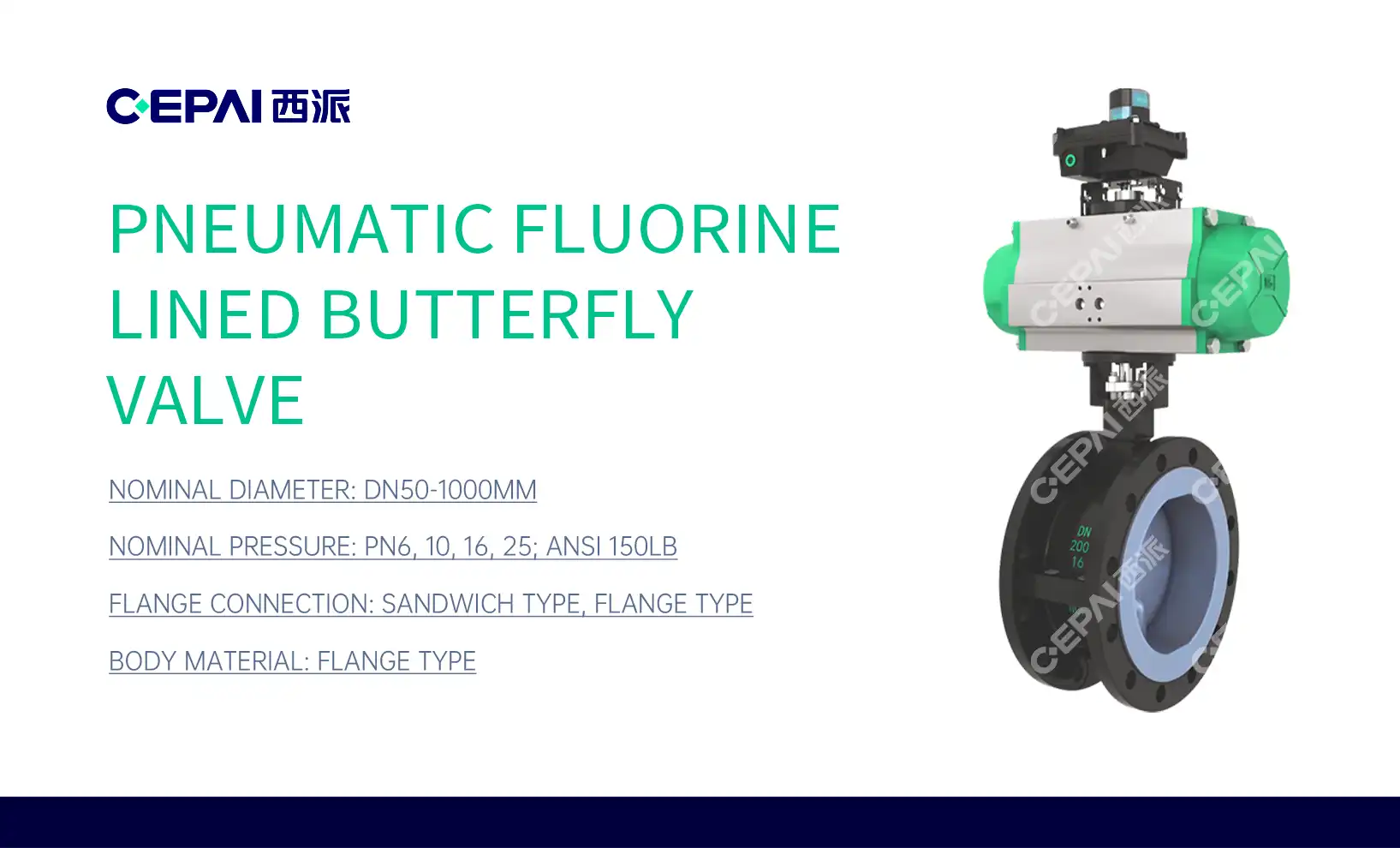
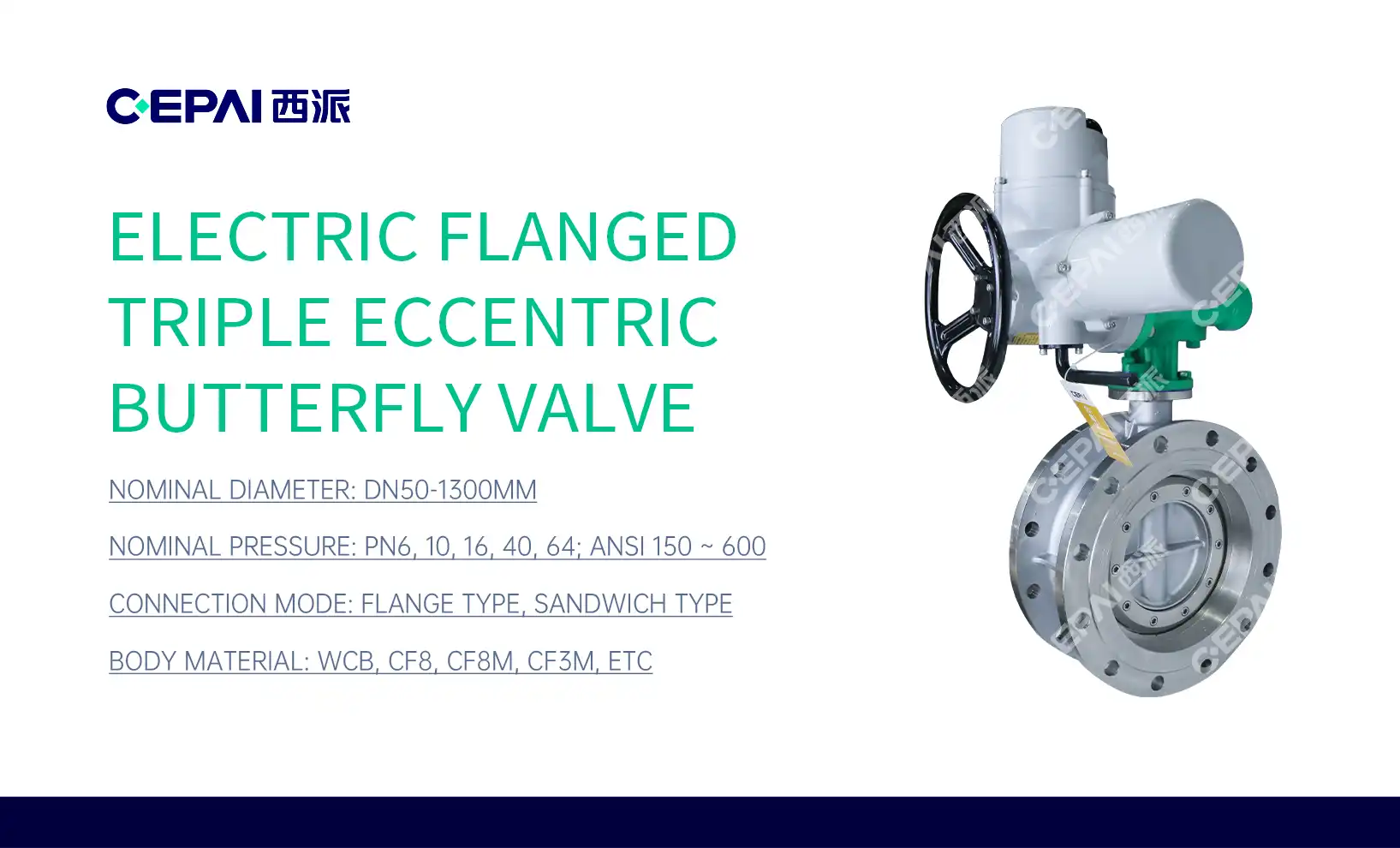
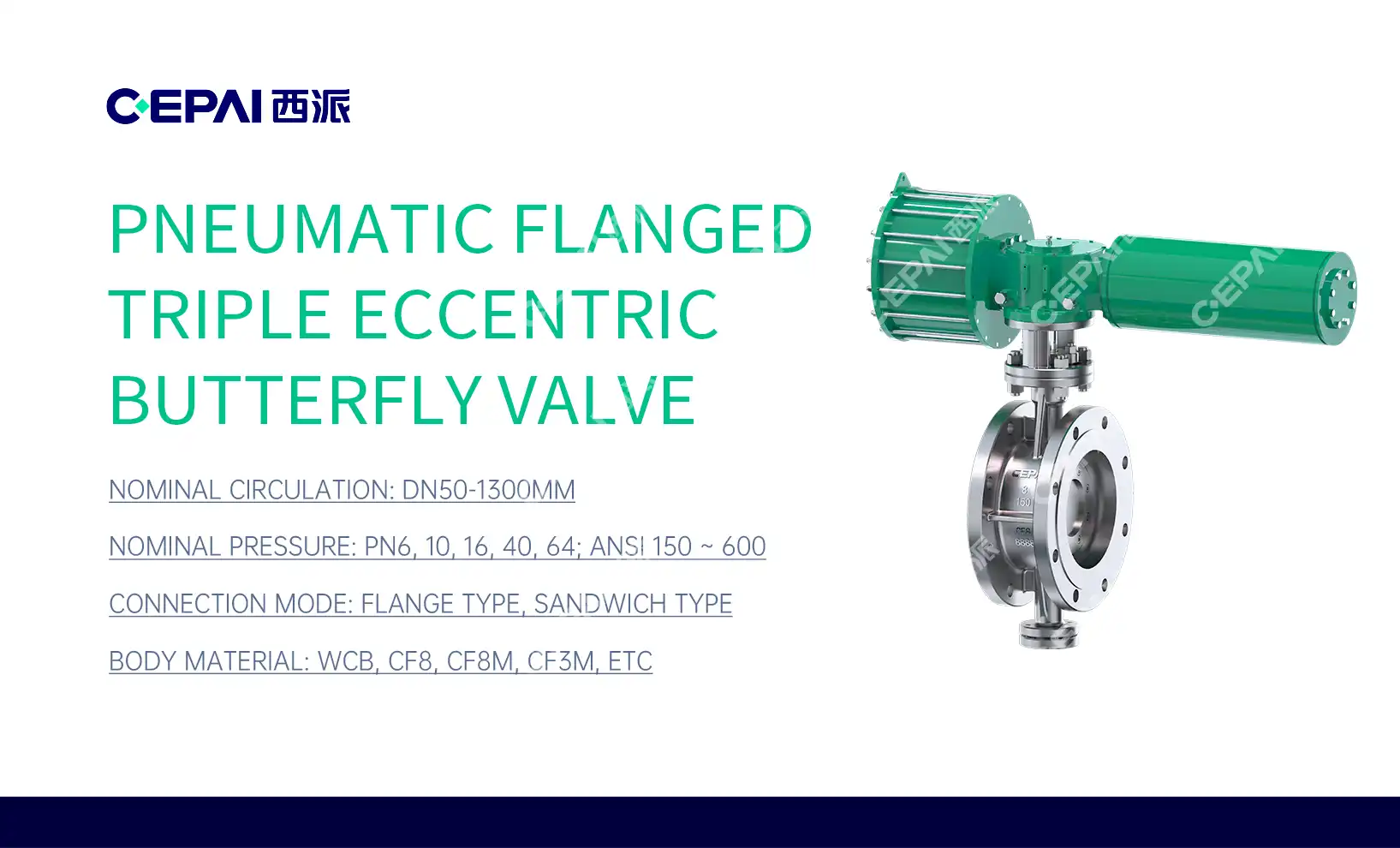
The way butterfly valves and control valves are made in China has changed over time to include lighter materials and smaller actuators. Chinese companies make valve parts that are very accurate in terms of size by using investment casting and precision cutting. Specialized coatings are used during the manufacturing process to make the products more resistant to rust. This meets the needs of petroleum companies that work in harsh chemical environments.
Butterfly valves go through torque tests and leak checks in testing rooms that are set aside for that purpose in factories. These quality control steps make sure that the performance of the valves meets the international standards that plant engineers and process control managers need.
How to Choose the Right Control Valve from China Factories?
To choose the right control valves from Chinese makers, you need to carefully look at their technical specs, their ability to meet your needs, and their quality control systems. Specific performance factors that are in line with practical needs should be used in the decision-making process.
Pressure and Temperature Specifications
Before choosing a control valve, it is important to get a good idea of the working pressure and temperature. Chinese companies usually give out thorough specification sheets that list the highest pressures and temperatures that each valve design can handle. To use valves for drilling, buying teams should make sure that the rates are higher than the highest wellhead pressures that are expected. These pressures are usually between 5,000 and 15,000 PSI, but can be higher or lower based on the formation.
For uses further down the line, where process fluids may hit high temperatures, temperature becomes very important. Chinese companies often give out material certificates that show the temperature ranges that different metal mixtures can handle. This helps customers make smart choices about which materials to buy.
Flow Characteristic Requirements
Knowing the features of flow lets you choose the right valve size for a given job. Different control needs can be met by Chinese makers who make valves with linear, equal percentage, and quick-opening flow features. When you need a proportional flow reaction, linear flow characteristics are best. On the other hand, equal percentage characteristics work well in systems with changing pressure drops.
So that they can make sure the flow capacity is right for the job, procurement workers should ask Chinese providers for Cv (flow coefficient) statistics. A lot of companies in China offer digital flow modeling services to help with figuring out the right size valve.
Certification and Quality Standards
Many foreign certificates, such as API, ISO, and CE marks, have been attained by Chinese control valve makers. For wellhead applications, API 6A certification is needed, and for pipeline valve uses, API 6D certification is needed. Procurement teams should make sure that the sources they've chosen have up-to-date certifications that are important to the projects they want to work on.
Quality management systems that follow ISO 9001 guidelines show organized ways of making things and keeping records. A lot of big Chinese companies also have safety management systems and environmental approvals (ISO 14001), which shows that they can do a lot of different things.
Types of China Control Valve Factories and Their Supply Chain Advantages
There are different types of factories in China that make control valves. Each one has its own specialties and ways of working together that are best for different buying strategies. Global engineering companies can choose the best sources for each project if they understand these producing methods.
Original Equipment Manufacturing (OEM) Facilities
OEM factories in China make control valves based on designs and specs provided by customers. These companies are great at making standard goods that are of the same high quality across big production runs. OEM makers usually have a lot of machining skills and well-established quality control systems. This makes them perfect partners for equipment manufacturers who need to rely on a steady supply of parts.
When you work with Chinese OEM facilities, you can get cost-effective output, manufacturing capacity that can be scaled up or down, and established transportation networks. A lot of the time, these places keep inventory management systems that help with the just-in-time shipping needs that come up with big engineering projects.
Chinese original equipment manufacturers (OEM) companies have built up complex supply chains with providers of raw materials. This lets them offer reasonable prices and ensure steady material availability. This merging of the supply chain is especially helpful for long-term contracts that need uniform valve specs and delivery times.
Original Design Manufacturing (ODM) Capabilities
ODM facilities offer full design and production services, taking into account the performance needs of customers and creating full valve solutions. These sites have skilled engineering teams that can build unique valves, make prototypes, and find the best ways to run production. ODM partnerships are good for engineering companies that need unique valve designs that aren't available from standard product lines.
Chinese ODM makers are very good at making fast prototypes, and they often use advanced manufacturing technologies like 3D printing to make prototypes. This feature speeds up the process of developing a product and making sure the idea works before committing to full-scale production.
A lot of the time, Chinese ODM centers have engineers who can do things like flow analysis, materials engineering, and actuator integration for control valves. When you need custom flow control methods for a complicated engineering job, these expert services can help.
Contract Manufacturing Operations
Contract manufacturing sites focus on making a lot of the same type of valve. They do this by giving cost-effective ways to make standard goods. Most of the time, these factories follow the concepts of lean manufacturing, which focuses on being efficient and cutting costs while still meeting quality standards.
Chinese contract makers often become experts in certain types of valves or types of applications. This helps them develop focused knowledge and improve their production methods. Because of this specialty, prices are more cheap and wait times are shorter for large orders.
Chinese contract makers offer benefits to the supply chain, such as the ability to change order amounts, a variety of shipping choices, and well-established quality control processes. These features are especially helpful for energy service providers who need a steady supply of replaceable valve parts for work in the field.
CEPAI: Leading China Control Valve Manufacturing Excellence
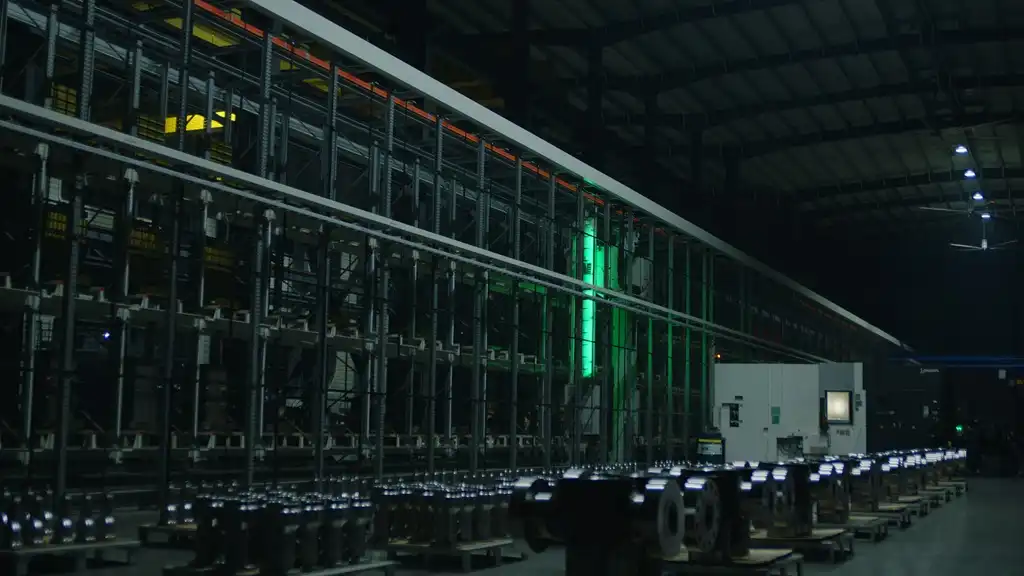
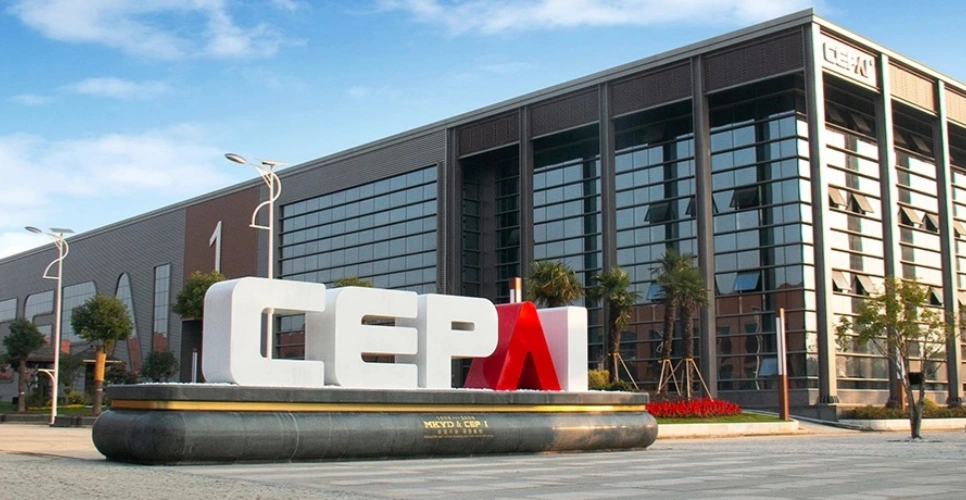
CEPAI is a well-known high-tech company that makes wellhead devices, pipeline valves, and precise flow control instruments for oil and gas activities around the world. Our manufacturing skills include making advanced control valves, such as sleeve-type regulating valves, choke valves, and high-pressure check valves that are made for tough industrial uses.
Comprehensive Product Portfolio and Certifications
Our long list of certifications shows that we are firmly committed to meeting world quality standards. Along with ISO 9001, ISO 14001, ISO 45001, ISO 3834, and ISO 17025 management system certifications, CEPAI also has API Q1, API 6A, API 6D, API 16C, and API 602 certificates for control valves. These certificates show that our quality control systems and manufacturing processes meet strict global standards.
Specialized wellhead kits, pipeline control valves, regulating valve systems, and precise instruments made for oil and gas drilling and production are all in the product line. International engineering companies have come to know our sleeve-type controlling valves and speed valve systems for how well they work and how reliable they are.
We can make emergency shut-off valves, rotating valve systems, and high-pressure double disc check valves that are good for high-stakes safety uses. There are strict tests that are done on every product to make sure it meets industry standards and customer requirements.
Engineering Collaboration and Customization Services
The engineering team at CEPAI works directly with engineering firms around the world to create unique valve solutions as part of their design collaboration services. We can do scientific things like flow analysis, choose the right materials, and integrate actuators to meet the needs of each application. This joint method makes sure that the valves work perfectly while keeping the cost of production low.
Custom production services take into account the specific needs of each project, such as using non-standard materials, pressure levels that aren't standard, and setups that are made for a certain purpose. Our production is flexible enough to handle different order numbers while keeping quality standards high throughout the whole process.
Quality paperwork processes help meet customer needs for tracking materials, checking performance, and filing compliance reports. Our quality control systems offer complete paperwork packages that include certificates for materials, reports on performance tests, and records of measurements being checked.
Conclusion
The industry in China that makes control valves gives engineering firms around the world access to advanced production methods, a wide range of products, and low prices. OEM, ODM, and contract manufacturing facilities are just a few of the different types of factories that offer flexible sourcing choices that can be used for a wide range of project needs and buying strategies. If you want to work with Chinese providers, you need to carefully look at their technical specs, quality standards, and the ability to meet your application's needs. Valve performance is at its best throughout their working lifetimes if they have good repair plans and know how to use guarantee support services. Chinese makers are still a good choice for global engineering projects that need reliable flow control solutions because they are always improving their technical skills and quality management systems.
FAQ
How can we be sure that the control valves made in China are of good quality?
Checking a supplier's qualifications, such as API, ISO, and industry-specific standards that apply to your uses, is part of quality proof. Ask for certificates of materials, results of performance tests, and records of building audits. A lot of trustworthy Chinese makers are open to site checks and keep third-party quality certifications that show how they make things and how they handle quality.
How long does it usually take to get a lot of control valves from China?
Lead times depend on how complicated the valve is, how many are ordered, and how much customization is needed. Customized or unique valves may take 8–12 weeks to make and ship, while standard control valves usually take 4–8 weeks. Chinese makers usually give thorough plans for when their products will be made, and they can also speed up delivery for pressing needs thanks to well-established transportation networks.
Can Chinese companies change the way control valves work to fit the needs of a certain project?
Chinese makers let you make a lot of changes, like using different materials, having non-standard pressure values, or making actuators that work in a certain way. A lot of companies have skilled engineering teams that can work together on designs and make prototypes. Customization may be possible depending on the needs and abilities of the maker, but most well-established facilities can make big changes to standard designs.
Connect with CEPAI for Premium Control Valve Solutions
Please find out how CEPAI's advanced production skills can meet your control valve needs by looking through our wide range of products and technical knowledge. Our team of experts is ready to talk to you about your unique application needs and come up with creative solutions that are backed by international certifications and track records of success. Email our engineering team at cepai@cepai.com to talk about ways to work together with a reputable control valve maker that is dedicated to doing great work in oil and gas applications.

References
American Petroleum Institute. "API Standard 6A: Specification for Wellhead and Christmas Tree Equipment." API Publishing Services, 2018.
Chen, L. and Wang, M. "Quality Management Systems in Chinese Control Valve Manufacturing: A Comprehensive Analysis." International Journal of Industrial Engineering, Vol. 28, No. 4, 2022.
Global Engineering Procurement Association. "Best Practices for International Valve Sourcing and Supplier Assessment." GEPA Technical Publications, 2023.
International Organization for Standardization. "ISO 5208: Industrial Valves - Pressure Testing of Metallic Valves." ISO Standards Catalogue, 2020.
Miller, R.K. "Control Valve Selection and Sizing for Oil and Gas Applications: Engineering Guidelines for Optimal Performance." Petroleum Engineering Press, 2021.
Zhang, H., Liu, J., and Thompson, K. "Manufacturing Excellence in Chinese Industrial Valve Production: Supply Chain Analysis and Quality Metrics." Journal of Manufacturing Technology Management, Vol. 34, No. 2, 2023.

Get professional pre-sales technical consultation and valve selection services, customized solution services.
About CEPAI