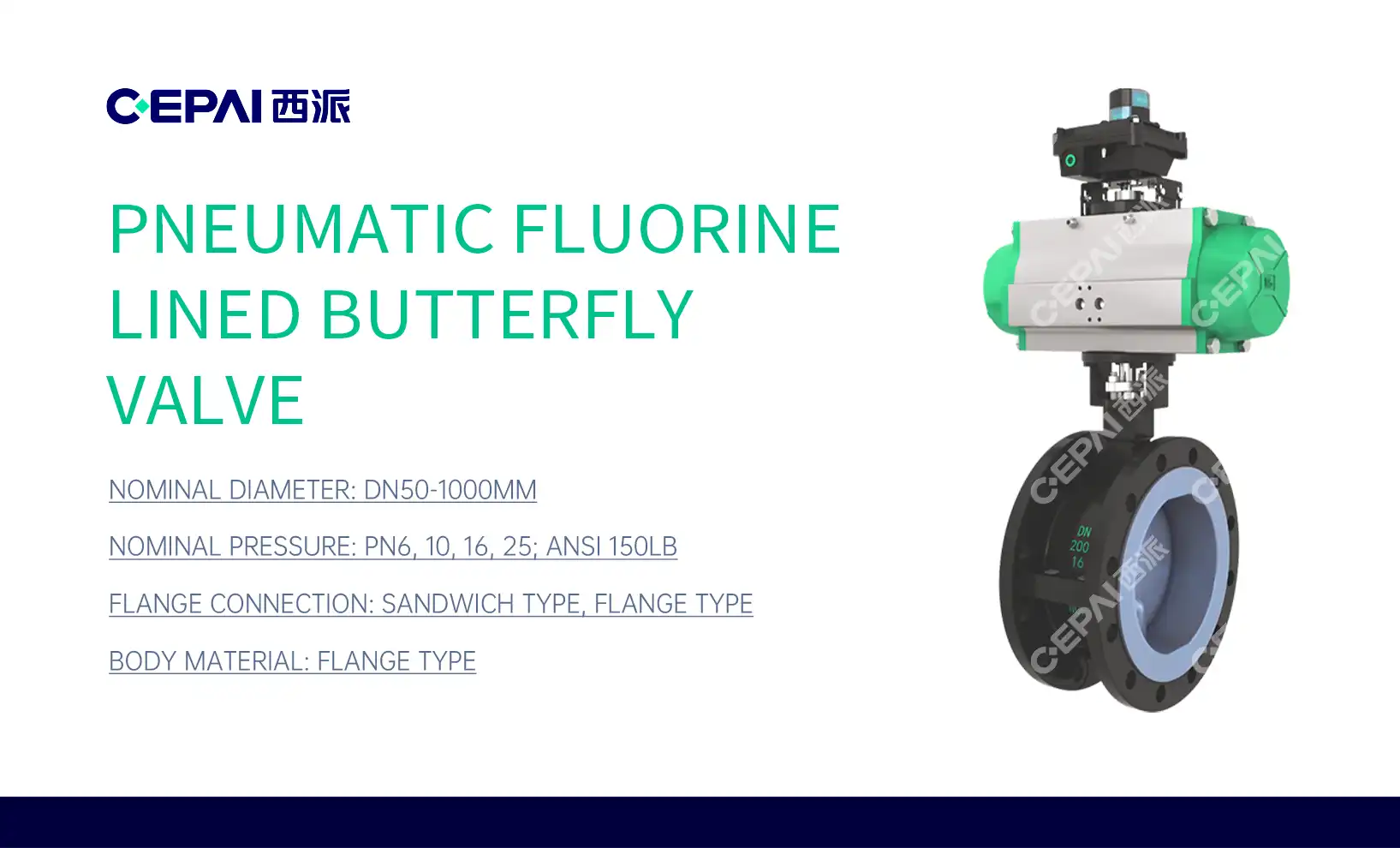
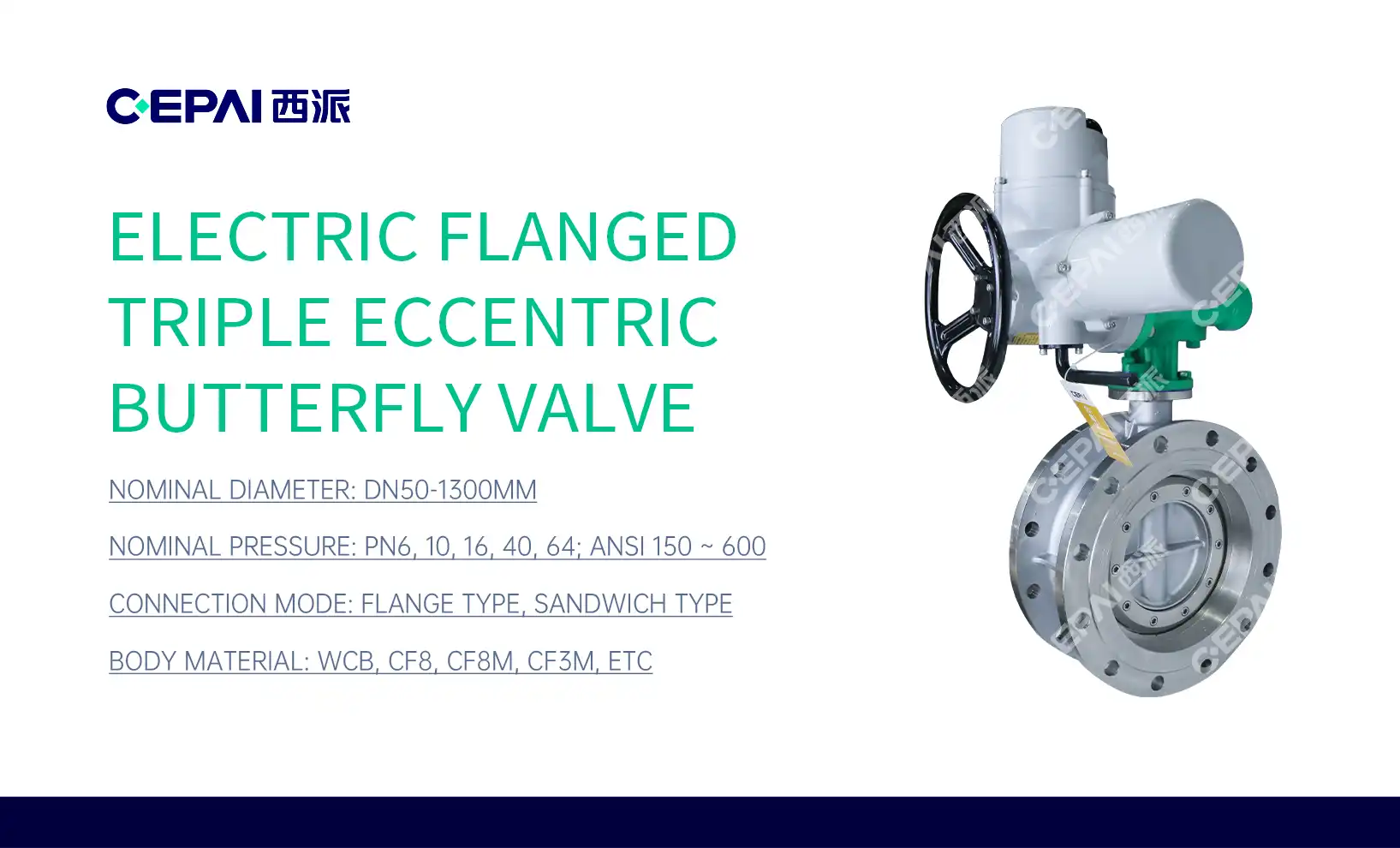
Best Electric Ball Valve For Smart Pipeline Systems
Professionals in the field always agree that motorized ball valves with electric motors are the best way to manage flow control when looking for the best electric ball valve for smart pipeline systems. These high-tech devices blend the stable shut-off power of ball valves with the accuracy and automation benefits of electric actuation. Adding electric motors allows for spin control at a 90-degree angle, which gives very accurate flow regulation and supports the smart system integration and remote operation that modern pipeline operations need.

Understanding Electric Ball Valves in Smart Pipeline Systems
Electric ball valves are a big step forward in automated flow control technology. They use electric motors to precisely spin the ball device inside the valve by 90 degrees. Basically, the mechanism works by turning electrical energy into rotational force. This force moves the ball element to either line up with the pipeline flow direction or stop it.
Operational Principles and Core Components
The electric actuator is what makes these automatic valves work. It gets signals from AC or DC power to start controlled movement. A complex gear system turns the electrical energy that moves through the motor system into the exact force that the valve needs to work. Through variable gear ratios, the speed and force of rotation can be carefully controlled. This lets workers tailor performance to the needs of each application.
Advanced control systems are built into modern electric ball valves so they can work with programmable logic controllers (PLCs), distributed control systems (DCS), and supervisory control and data collection (SCADA) platforms. Because of this connection, individual valve units are turned into smart parts of larger pipeline automation networks.
Key Advantages in Industrial Applications
Adding electric ball valves to smart pipeline systems has many benefits besides just being able to automate tasks. One big benefit is that these valves are energy-efficient because they only use power when they change positions and don't keep drawing power all the time. When compared to pneumatic or hydraulic options, this feature makes long-term running costs much lower.
Electric ball valves are superior to manual or solenoid-operated options in terms of dependability and accurate control. The electric actuator delivers torque consistently and accurately positions itself, so there is no room for mistake and the performance is consistent over thousands of operating cycles. With remote operation, management can be done from a central control room, which cuts down on the need for field staff and raises safety standards overall.
Applications in Modern Industrial Settings
Adding electric ball valves to smart pipeline systems is helpful in many fields, but it's especially helpful in water treatment plants where precise flow control keeps the best conditions for processing. Chemical processing plants use these valves to handle acidic media because they are made of special materials and have coverings that don't wear down easily. Electric ball valves are used in HVAC systems to regulate temperature and flow, which saves energy and makes the room more comfortable.
Through constant tracking and data gathering, the ability to connect to smart control systems improves both performance and repair planning. With this real-time feedback, predictive repair plans can be made to keep equipment from breaking down when it's least expected and make it last longer.
Comparing Electric Ball Valves with Other Valve Technologies
Procurement workers can make better choices that meet operational needs when they know how different valve technologies work and how they perform. Electric ball valves are clearly better than other options because they get around the problems that come with manual, pneumatic, and solenoid-operated systems.
Performance Analysis Against Manual Valves
Using a manual ball valve means being there and doing something, which can make them harder to get to and take longer to respond to. Electric ball valves get rid of these problems by letting them be controlled from a central place. Automation cuts down on labor costs and raises safety by keeping workers out of dangerous areas as much as possible.
Another important difference is consistency. When tasks are done by hand, they can be different between workers and shift changes. Electric actuators always give the same force and position, so their performance is solid no matter what else is going on.
Advantages Over Pneumatic Systems
Compressed air systems are needed for pneumatic devices, which means they need more infrastructure and upkeep. With electric ball valves, you don't need air pumps, filters, or distribution lines. This makes the system simpler and less likely to break down. Electric controllers are better than pneumatic systems because they allow for more exact control, especially when only part of the valve needs to be open or when the flow rate needs to change.
When it comes to energy efficiency, electric systems win out over pneumatic ones because pneumatic pumps keep running no matter what the valves do. When the position of an electric actuator changes, it only uses power. This saves a lot of energy over time.
Comparison with Solenoid Valves
Solenoid valves are great for quickly turning on and off, but they don't have the power or control accuracy of electric ball valves. When used in high-pressure situations, solenoids often can't handle it, but electric motors can make a lot of power for big valves and tough service conditions. This is because electric ball valves are better for high-volume uses because they can handle more flow than solenoid types.
High-Torque Applications and Specialized Designs
Heavy-duty industrial uses need electric ball valves with a lot of power that can work with big valve sizes in harsh situations. Strong gear reduction systems and strong motors are built into these specialized units so they can handle tough service needs. Precision gearing increases force, which makes it possible for valves that would not work reliably by hand to be operated.
Selecting the Best Electric Ball Valve for Your Pipeline System
To pick the best electric ball valve, you need to carefully consider a number of technical and operational factors that have a direct effect on how well the system works and how reliable it is in the long term. The process of choosing must take into account both the needs of the current application and the needs of the system to grow and be maintained in the future.
Critical Technical Specifications
The flow rate needs to be known in order to properly size the valve, which includes finding the right port width and Cv grade to keep the system running smoothly. There must be safety gaps built into the selection criteria for system pressure ratings so that they can handle both regular working conditions and possible pressure spikes. Temperature affects both the materials used for the valve body and the specs of the actuator. This is especially true in high-temperature situations like those found in petrochemical processes.
Different setups need different voltages, ranging from 24VDC to 480VAC based on the power systems that are available and the needs for control integration. The torque specs must meet or go beyond what is needed for the valve to work reliably when the differential pressure is at its highest.
Material Compatibility and Environmental Factors
Valve body materials need to be carefully chosen based on the surroundings and the type of media being used. For most uses, stainless steel building is very resistant to corrosion. However, for highly corrosive or extreme temperature services, you may need to use specific metals. Sealing materials need to stay strong over the expected temperature range and stop process fluids from attacking them chemically.
Ratings for environmental safety make sure that machines work reliably in tough industrial circumstances. The IP67 or NEMA 4X grades protect against water and dust getting in, and explosion-proof shelters meet safety standards in dangerous places.
Leading Manufacturers and Quality Standards
In electric ball valve uses, global brands such as Burkert, Honeywell, Belimo, Parker, and ASCO are known for their quality and dependability. Each maker has their own unique benefits in certain application areas, and their product lines cover a wide range of sizes and specs.
Quality certificates like API, ASME, and ISO standards make sure that the quality of the making and the dependability of its performance, including for electric ball valves. In critical situations where failure could put people in danger or cause big financial losses, these licenses become even more important.
Customization Options for Specialized Applications
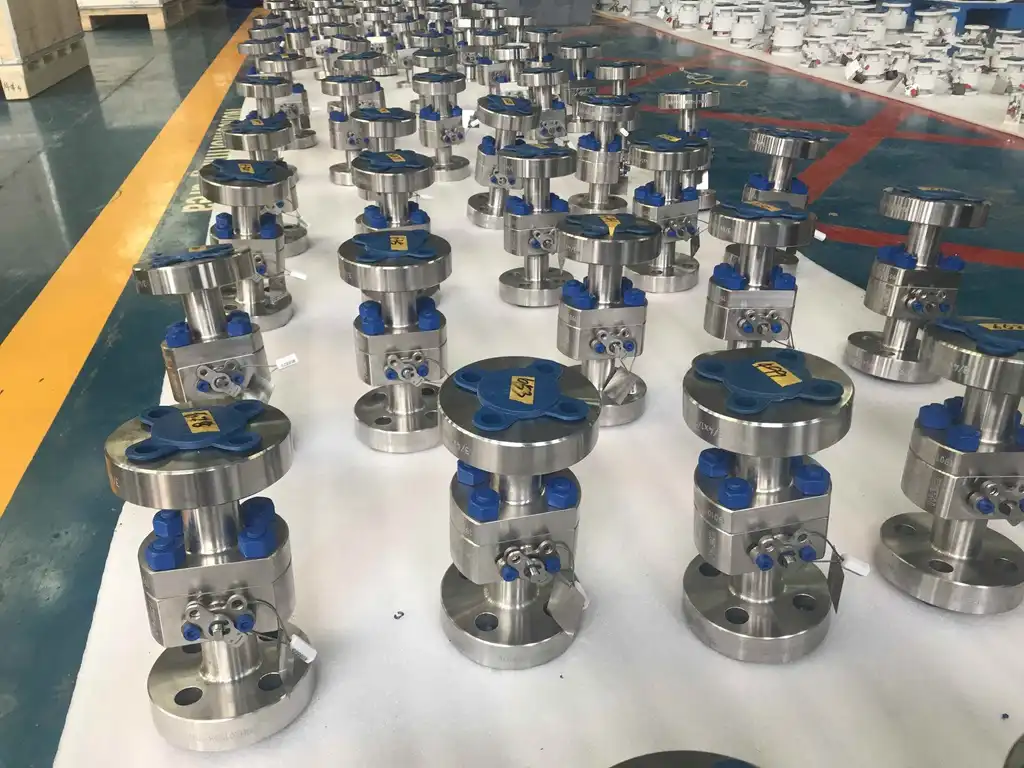
OEMs and large buyers often need solutions that are specially made to meet the needs of their projects. Specialized materials, non-standard port layouts, built-in position feedback systems, and custom control interfaces are some of the ways that the product can be customized. Customized solutions that meet both performance needs and delivery dates are more likely to happen when you work with makers that let engineers work together.
Installation, Operation, and Maintenance Best Practices
Installing, using, and maintaining electric ball valves in smart pipeline systems correctly has a direct effect on how well they work and how long they last. Following set steps will ensure the best performance while lowering the risk of unexpected failures and the cost of upkeep.
Installation Requirements and Control Integration
When making an electrical link, you need to pay close attention to the power requirements, wire size, and environmental protection standards. When you place conduit and grounding correctly, you stop electrical interference and make sure the process is safe. Control signal wire needs to stay away from power lines so that signal interference doesn't happen, which could affect how accurately the valves are placed.
Mechanical installation factors include proper pipe support to avoid stress on valve connections and suitable clearance for actuator movement and servicing access. Verification of alignment guarantees smooth operation and stops interior parts from wearing out too quickly.
Routine Maintenance Protocols
Setting up regular review times helps find problems before they become system breakdowns. During visual checks, you should look for harm on the outside, loose connections, and signs of leaking. Electrical links need to be cleaned and tightened every so often to keep working properly.
Different manufacturers and uses have different lubrication needs. For example, some designs have protected bearings that don't need any upkeep, but others do. Following what the maker says will get the best results and keep your warranty valid.
Troubleshooting Common Issues
Position indication mistakes, slow or erratic operation, and not responding at all to control messages are all common operational problems, especially with electric ball valves. Systematic ways of fixing help find the root causes quickly and keep downtime to a minimum. Checking the power supply should be the first step. Then, checking the control signals and the mechanics should come next.
Modern electric motors have diagnostic features that are very helpful for finding problems and planning for regular maintenance. Position feedback systems, tracking power, and motor current analysis can help find problems before they break down.
Safety Considerations and Compliance
According to industrial safety standards, repair work must follow the right lockout/tagout processes. When the power goes out or the control system stops working, emergency stop features and manual override systems give you back-up control choices. Installation and use are safe as long as local electricity codes and workplace safety rules are followed.
Future Trends and Innovations in Electric Ball Valve Technology
Digital connection, smart materials, and better energy economy are all making the development of electric ball valve technology speed up. These new ideas are changing how pipeline systems work and keep them running at their best.
IoT Integration and Smart Monitoring
Connectivity to the Internet of Things (IoT) lets tracking and data collection happen in real time from each valve unit in pipeline networks. Advanced tests show how well valves work, how long they need to be serviced, and how often they need to be serviced. This information helps with predictive maintenance plans that make the best use of repair routines and stop problems before they happen.
Cloud-based monitoring systems let you see information about the state and performance of valves from anywhere with internet access. This feature is especially useful for pipeline systems that run across large areas of land or are in remote places where it would be impossible to watch them in person.
Advanced Materials and Design Improvements
New research in materials is continuing to make valves last longer and work better in tough situations. Compared to traditional metal building, new polymer combinations are lighter and less expensive, and they are also better at resisting chemicals. In harsh or corrosive settings, modern surface treatments and coats make things last longer.
Computational fluid dynamics (CFD) research helps improve flow properties and lower pressure drop during design optimization. These changes make the whole system more efficient and save energy across the pipeline network.
Energy Efficiency and Environmental Performance
Modern designs for electric ball valves include energy-saving features that lower the amount of power used while the valve is in use. Sleep settings and improved control algorithms keep the ability to respond quickly while reducing the amount of power needed for sleep. These changes to efficiency help companies reach their environmental goals and cut down on running costs.
More environmentally friendly ways of making things and materials are being created because of concerns for the environment. Parts that can be recycled and less wasteful packaging are in line with the ideas behind the circular economy while still meeting performance standards.
Conclusion
With their unmatched accuracy, dependability, and ability to be automated, electric ball valves have become important parts of modern smart pipeline systems. These valves are the best choice for demanding industrial uses because they use less energy, can be controlled from a distance, and have smart tracking features. As IoT and smart materials keep getting better, electric ball valves will become an even bigger part of making pipelines work better while also lowering costs and harming the environment.
FAQ
What are the main differences between electric and pneumatic ball valves?
Electric motors move electric ball valves, so they only use power when they change positions and give you precise control. Pneumatic valves need systems that compress air and work faster, but they need a steady source of air and more infrastructure to prepare and distribute the air.
How do I determine the correct sizing and torque requirements?
The minimum flow rate (Cv), the pipe width, and the pressure drop all affect the size. The highest differential pressure, valve size, and safety factors are used to figure out how much torque is needed. The manufacturer's selection guides give exact figures for various uses and working situations.
Are electric ball valves compatible with existing SCADA systems?
Most current electric ball valves can talk to each other using a number of different protocols, such as 4-20mA analog signals, digital fieldbus protocols, and Ethernet connections. Because of this, it is possible to connect to current SCADA systems using the right interface modules and configuration tools.
CEPAI - Your Trusted Electric Ball Valve Supplier
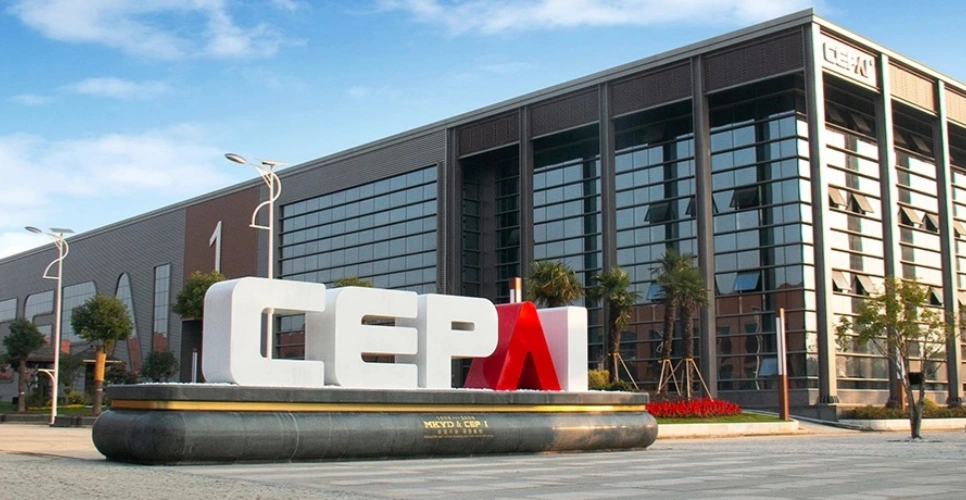
CEPAI offers state-of-the-art electric ball valve options that are designed to work in tough oil and gas environments. Our wide range of products includes API-certified wellhead valves, high-pressure control devices, and smart instruments that are backed by decades of excellent engineering. As a top maker of electric ball valves, we use cutting-edge automation technology and a track record of dependability to make your smart pipeline operations run more smoothly. Our technical knowledge covers API6A, API6D, and ISO9001 standards, which means that every valve we make can handle the tough needs of current industry settings. Get in touch with cepai@cepai.com right away to talk about your unique needs and find out how our cutting-edge solutions can make your process more efficient.

References
American Petroleum Institute. "API Standard 6D: Pipeline Valves Specification and Testing Requirements." 24th Edition, 2019.
International Society of Automation. "ISA-75.25.01-2007: Test Procedure for Control Valve Response Measurement from Step Inputs." Research Triangle Park, 2018.
Baker, R.C. "Flow Measurement Handbook: Industrial Designs, Operating Principles, Performance, and Applications." Cambridge University Press, 2nd Edition, 2016.
Emerson Process Management. "Control Valve Handbook: Fifth Edition." Fisher Controls International, 2019.
Nesbitt, Brian. "Handbook of Valves and Actuators: Valves Manual International." Butterworth-Heinemann, 3rd Edition, 2021.
Society of Petroleum Engineers. "Smart Pipeline Technology and Digital Transformation in Oil and Gas Operations." SPE Technical Publication Series, 2020.
_1746598525968.webp)
Get professional pre-sales technical consultation and valve selection services, customized solution services.
About CEPAI