Why India Chemical Plants Choose China for Lined Butterfly Valves?
Because of China's outstanding cost-effectiveness, sophisticated manufacturing capabilities, and first-rate technical assistance, Indian chemical plants are increasingly choosing to purchase lined butterfly valves from China. Chinese producers have extensive product lines that satisfy strict international requirements, including PTFE and rubber lining alternatives. Chinese vendors are the go-to option for Indian chemical processing companies looking for the best performance and cost-effectiveness in corrosive conditions because of their affordable pricing, dependable quality control systems, and wide range of customisation options.
Understanding Lined Butterfly Valves and Their Importance in Chemical Plants
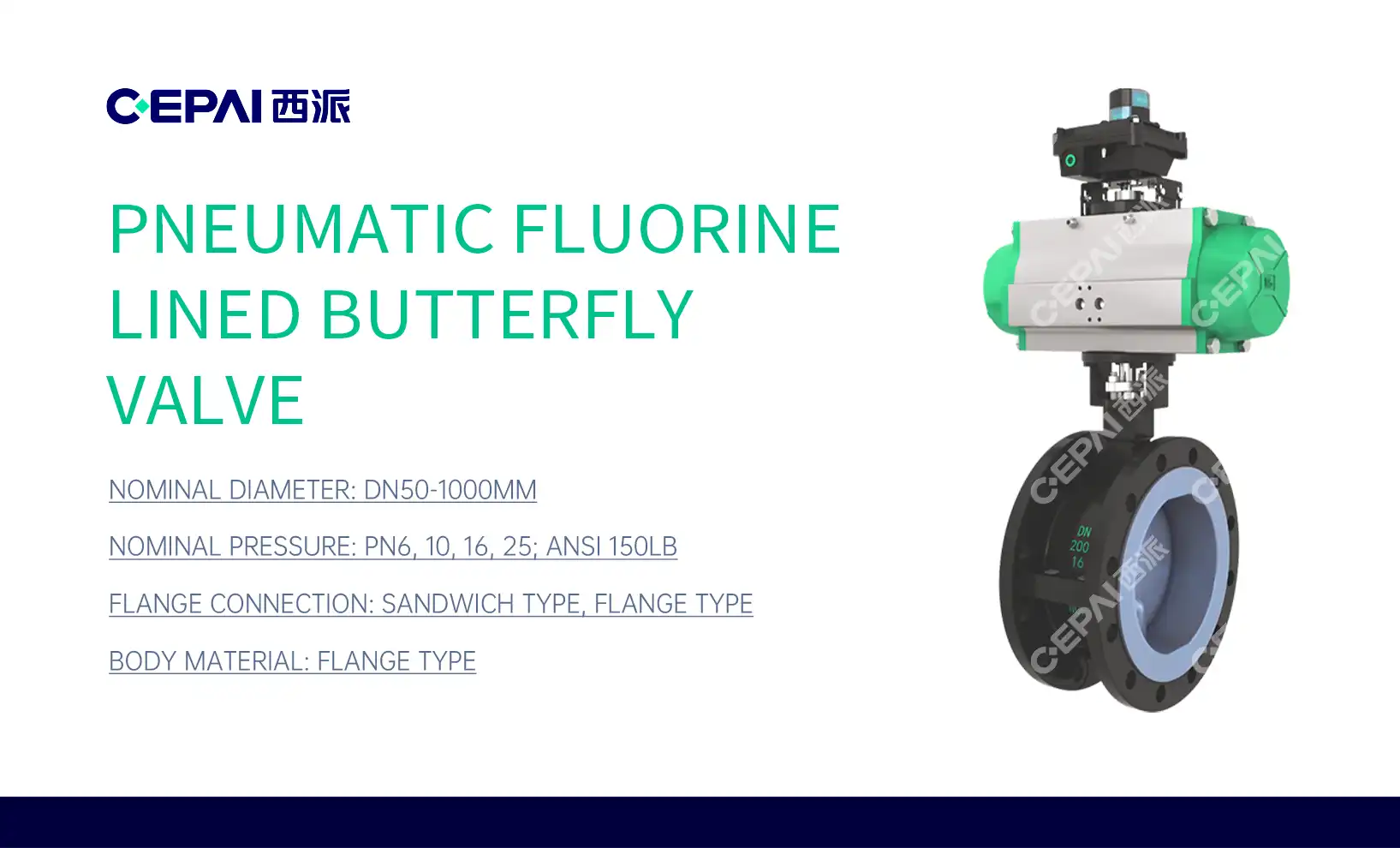
In order to provide endurance against harsh chemicals and high temperature or pressure conditions often seen in chemical processing, lined butterfly valves are composed of a disc and seat lined with materials that are resistant to chemicals, such as rubber or PTFE. A quarter-turn spinning disc mechanism included into the basic design allows for quick reaction times in process control applications.
Working Principle and Design Features
with order to control fluid flow, the operating mechanism revolves around a metallic disk covered with corrosion-resistant lining materials. The disc minimizes pressure loss across the valve when it is completely open, aligning parallel to the direction of flow. The disc creates a tight seal against the valve seat by rotating perpendicular to flow during closing.
Advanced sealing technologies are included into contemporary lined butterfly valve designs to ensure integrity even in the face of severe chemical exposure. By forming a barrier between the metallic parts of the valve and the process medium, the lining materials prolong the valve's operating life and stop corrosion. In chemical industries, where even little leaks may pose a risk to public safety or the environment, this protective barrier is crucial.
Material Options and Operational Parameters
In chemical applications, the choice of material has a big influence on valve performance. Withstanding temperatures as high as 200°C without losing its elasticity, PTFE lining provides outstanding chemical resistance across a wide pH range. For applications involving mild chemical exposure, rubber lining offers exceptional abrasion resistance and affordability. Every material choice takes into account certain operational needs in settings involving chemical processing.
Compared to alternatives like ball valves or metal-seated valves, lined butterfly valves are the best because of their minimal maintenance requirements, corrosion resistance, and affordability. The streamlined flow channel eliminates turbulence and pressure losses, while the quarter-turn action lowers the need for an actuator. The operating principle, available materials, and operational parameters that are essential for guaranteeing compatibility with a variety of chemical plant applications are covered in this section.
Why Indian Chemical Plants Prefer Chinese Lined Butterfly Valves – Key Factors Explored
Chinese lined butterfly valves provide substantial cost savings without sacrificing quality, giving Indian chemical facilities an alluring total cost of ownership. Over the last several decades, China's manufacturing environment has changed significantly, embracing cutting-edge production technology and quality control systems that can compete with those of well-known foreign suppliers.
Cost Advantages and Quality Improvements
According to market research, Chinese producers provide valve solutions at reasonable prices while upholding global quality requirements. Economies of scale, improved supply chain management, and effective production procedures are the main causes of this price advantage. When compared to conventional European or American suppliers, Indian chemical firms claim cost reductions of 20–40%, which allows money to be allocated toward other crucial plant enhancements.
With top suppliers acquiring API certifications and putting ISO 9001 quality management systems into place, Chinese manufacturing has seen impressive quality improvements. Before shipping, advanced testing facilities make sure every valve satisfies predetermined performance requirements. Indian procurement teams now see Chinese suppliers as trustworthy long-term partners, thanks to these quality improvements.
International Certifications and Quality Control
To reach international standards, Chinese manufacturers follow international certifications and use strict quality control. Prominent Chinese producers of lined butterfly valves have earned API 6D accreditation, guaranteeing adherence to API requirements for pipeline valves. A dedication to sustainable manufacturing methods is shown by ISO 14001 environmental management certification.
Material traceability, dimensional verification, and pressure testing methods that go above and beyond industry standards are examples of quality control techniques. Additional verification is provided by third-party inspection services, which reassure Indian consumers about the dependability of the products. By creating confidence via clear documentation and reliable performance, these extensive quality measures allay earlier worries about Chinese manufacturing standards.
Extensive Product Ranges and Customization Options
China's position as a favored supplier in this market is further strengthened by the availability of wide product ranges and OEM customization possibilities, which enable Indian enterprises to get valves exactly fitted to their demands. To satisfy a wide range of application needs, Chinese manufacturers have extensive stocks that include lining materials, pressure ratings, and sizes.
Beyond typical setups, customization options include unique material combinations, actuator mounting options, and specific flange connections. For Indian chemical factories with unique process needs or non-standard pipe systems, this flexibility is beneficial. The best valve choice for every application is ensured via engineering cooperation at the design stage.
Comparison of Chinese Lined Butterfly Valves with Other Market Options
This thorough analysis compares the cost, quality, and supply chain logistics of Chinese lined butterfly valves with those of Indian and other foreign providers. The research takes into account a number of variables that influence procurement choices, such as long-term support capabilities, delivery performance, and technical standards.
Pricing and Quality Analysis
Chinese vendors are well-positioned to satisfy rising demand since they often provide shorter lead times and more manufacturing capacity. For conventional setups, Chinese manufacturers typically provide in 4–8 weeks, whereas European vendors typically deliver in 12–16 weeks. For Indian chemical facilities to manage maintenance schedules or expansion projects, this responsiveness is essential.
Chinese manufacturers can manage huge orders without sacrificing delivery dates because to their advantages in production capacity. Every month, major suppliers run a number of manufacturing facilities with a total capacity of thousands of valves. During times of high demand, when other suppliers could have capacity issues, this scale guarantees availability.
Technical Comparisons and Performance Implications
Technical comparisons discuss the performance consequences of various flange types and lining materials, such as rubber vs PTFE for lined butterfly valves. Chinese producers accommodate a variety of pipe systems in Indian chemical plants by providing extensive flange choices that include ANSI, DIN, and JIS standards. Consistent thickness and adhesion quality are guaranteed by sophisticated lining application procedures.
Data from performance tests conducted on Chinese vendors shows dependability on par with well-known global names. While chemical resistance testing includes prolonged exposure times under accelerated settings, cycle testing goes beyond API criteria. In crucial chemical processing applications, these technological skills enable confident specification.
Real-Life Case Studies and Success Stories
Case studies from real life show how Indian chemical companies have successfully integrated Chinese valves and reduced costs. Chinese-made lined butterfly valves were used to replace the valve inventory of a large petrochemical plant in Gujarat, resulting in a 30% cost savings and improved maintenance intervals. The project included progressive adoption across many process units and thorough testing.
Another example of success is a pharmaceutical production facility that created specific valve designs for sterile processing applications by using Chinese customisation capabilities. The partnership greatly decreased procurement costs while producing distinctive seal designs and surface finishes that satisfied exacting pharmaceutical requirements.
Procurement Insights: How to Source Lined Butterfly Valves From China Efficiently
Effective valve sourcing necessitates a thorough assessment of suppliers based on certifications, client testimonials, and post-purchase assistance to guarantee dependability. Thorough due diligence, precise specification formulation, and organized communication procedures during the sourcing process are all components of successful procurement methods.
Supplier Evaluation and Selection Criteria
Verification of production capabilities, quality certificates, and financial stability are the first steps in an effective supplier assessment. Prominent Chinese valve manufacturers have state-of-the-art manufacturing facilities with sophisticated machining machines, automated testing equipment, and extensive quality labs. Third-party audits or site inspections provide insightful information about quality control and production processes.
Reference checks with current users, especially other Indian chemical plants with comparable uses, are part of the examination of customer feedback. It is important to carefully evaluate technical support competencies, such as engineering proficiency, application understanding, and ability to respond to technical questions. Evaluation of after-sales assistance includes local service skills, warranty terms, and spare component availability.
Ordering Processes and Regulatory Compliance
The MOQ, negotiating tactics, and adherence to Indian regulatory standards for lined butterfly valves are among the ordering intricacies that are covered in this section for business-to-business purchasers. Depending on the size of the valve and the need for customisation, minimum order quantities usually vary from 10 to 50 pieces. Price, quality standards, delivery dates, and conditions of payment should all be balanced in negotiation methods.
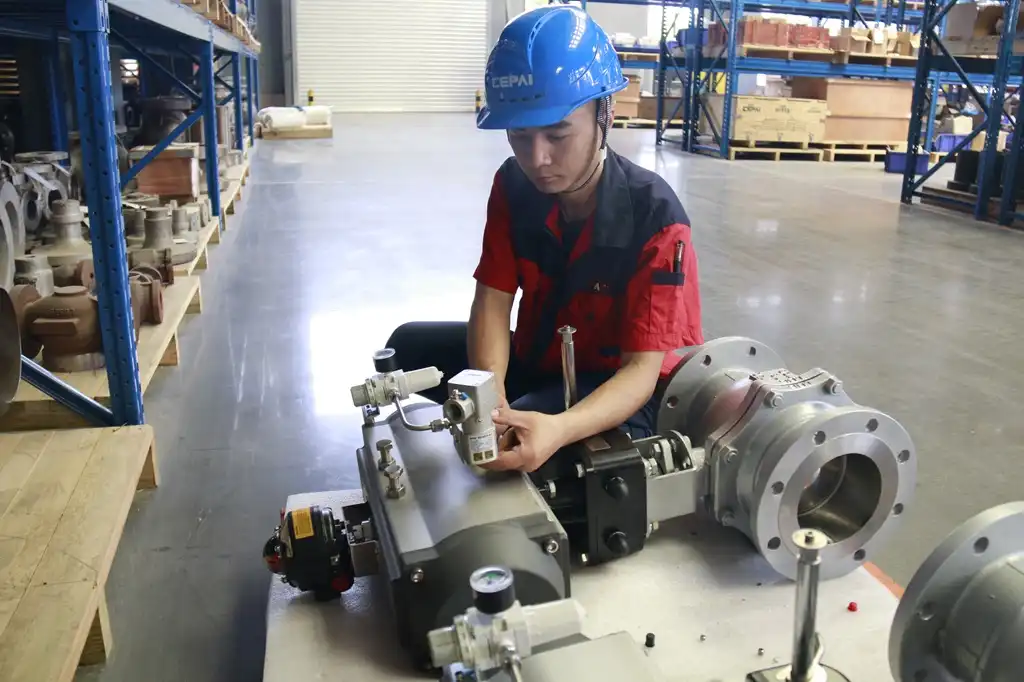
Documentation for material certifications, safety standards verification, and customs clearance are all part of adhering to Indian regulatory requirements. Comprehensive paperwork packages that speed up regulatory clearance and customs processing are offered by Chinese providers with expertise in Indian markets. Delays and extra expenses are avoided by being aware of these needs early in the procurement process.
Import Documentation and Logistics Coordination
In order to reduce risks and maximize delivery dates for efficient procurement operations, it also provides helpful advice on import papers, customs procedures, and logistics coordination. Commercial invoices, packing lists, certificates of origin, and quality certifications are examples of necessary paperwork. Effective paperwork preparation eliminates possible delays and cuts down on the time needed for customs clearance.
Choosing the right shipment options, insurance, and delivery conditions are all part of logistics coordination. While air freight offers quicker delivery for urgent needs, ocean freight offers more affordable shipping for big shipments. The choice of Incoterms influences the division of costs and responsibilities between the supplier and the customer, thus it must be carefully considered during contract negotiations.
CEPAI Solutions for Your Chemical Plant Operations
Leading producer CEPAI specializes in producing superior lined butterfly valves for harsh chemical processing settings. Our firm provides valve solutions that satisfy the most demanding industry standards by combining decades of technical experience with cutting-edge production capabilities. Major chemical plants in India and abroad have recognized CEPAI for their efforts in quality improvement and ongoing innovation.
Advanced Manufacturing and Quality Control
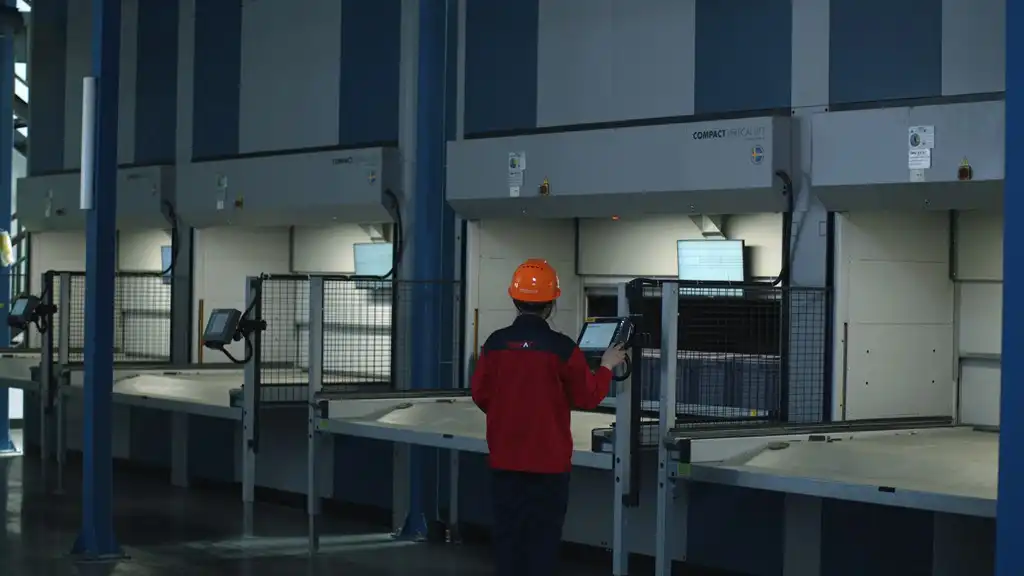
Our cutting-edge production facilities include automated assembly lines, precise machining centers, and extensive testing apparatus to guarantee uniform quality across all product lines. Each lined butterfly valve is subjected to stringent testing procedures, such as material compatibility confirmation, seat leakage verification, and pressure testing. In situations with corrosive chemicals, these quality control procedures ensure dependable performance.
As a testament to our dedication to worldwide quality standards, CEPAI maintains a number of globally recognized certifications, such as API 6D, ISO 9001, and CE marking. From raw material inspection to final product testing and packaging, every facet of manufacturing is covered by our quality control system. This thorough approach guarantees that every valve satisfies or surpasses industry standards and client demands.
Comprehensive Product Range and Customization
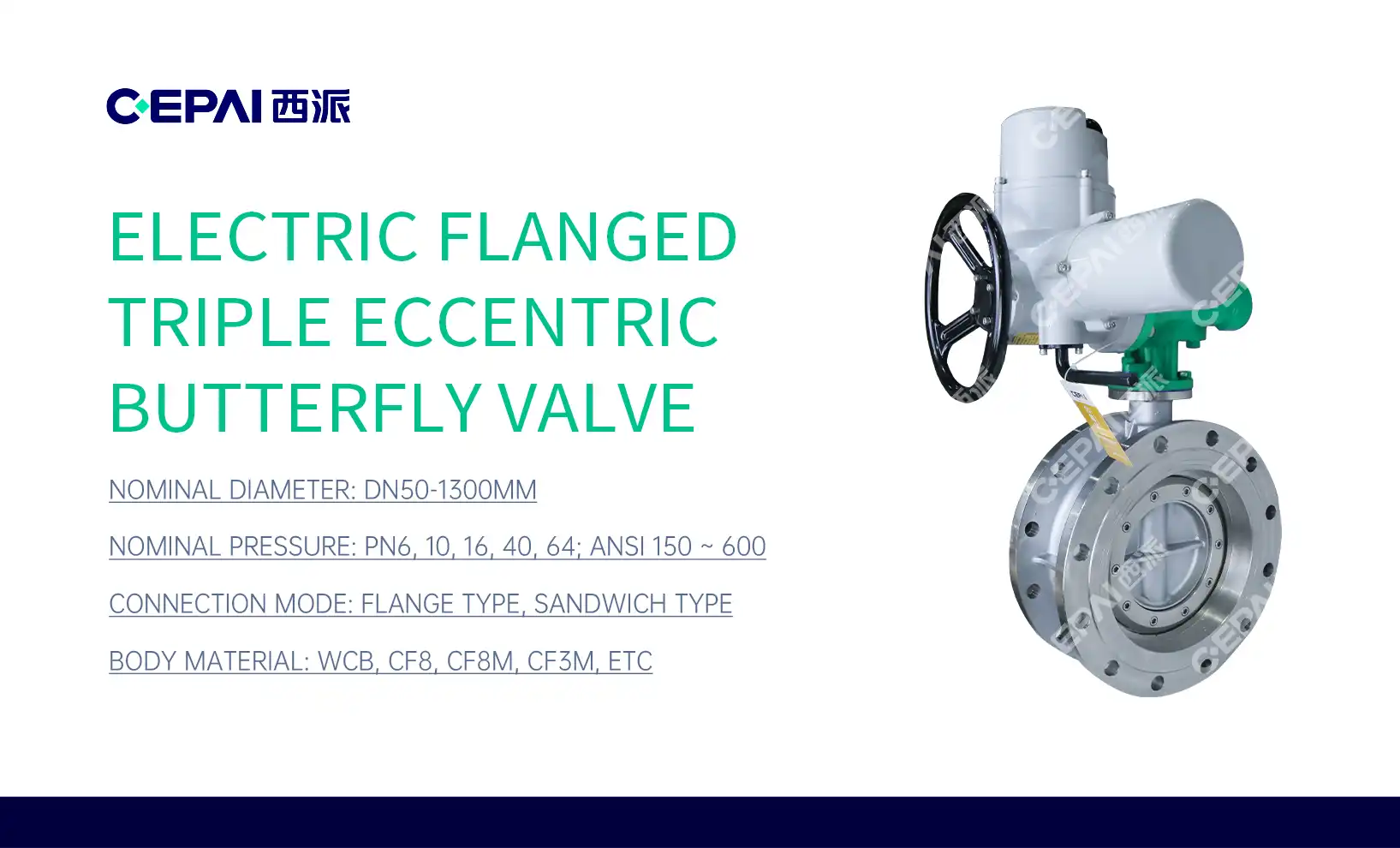
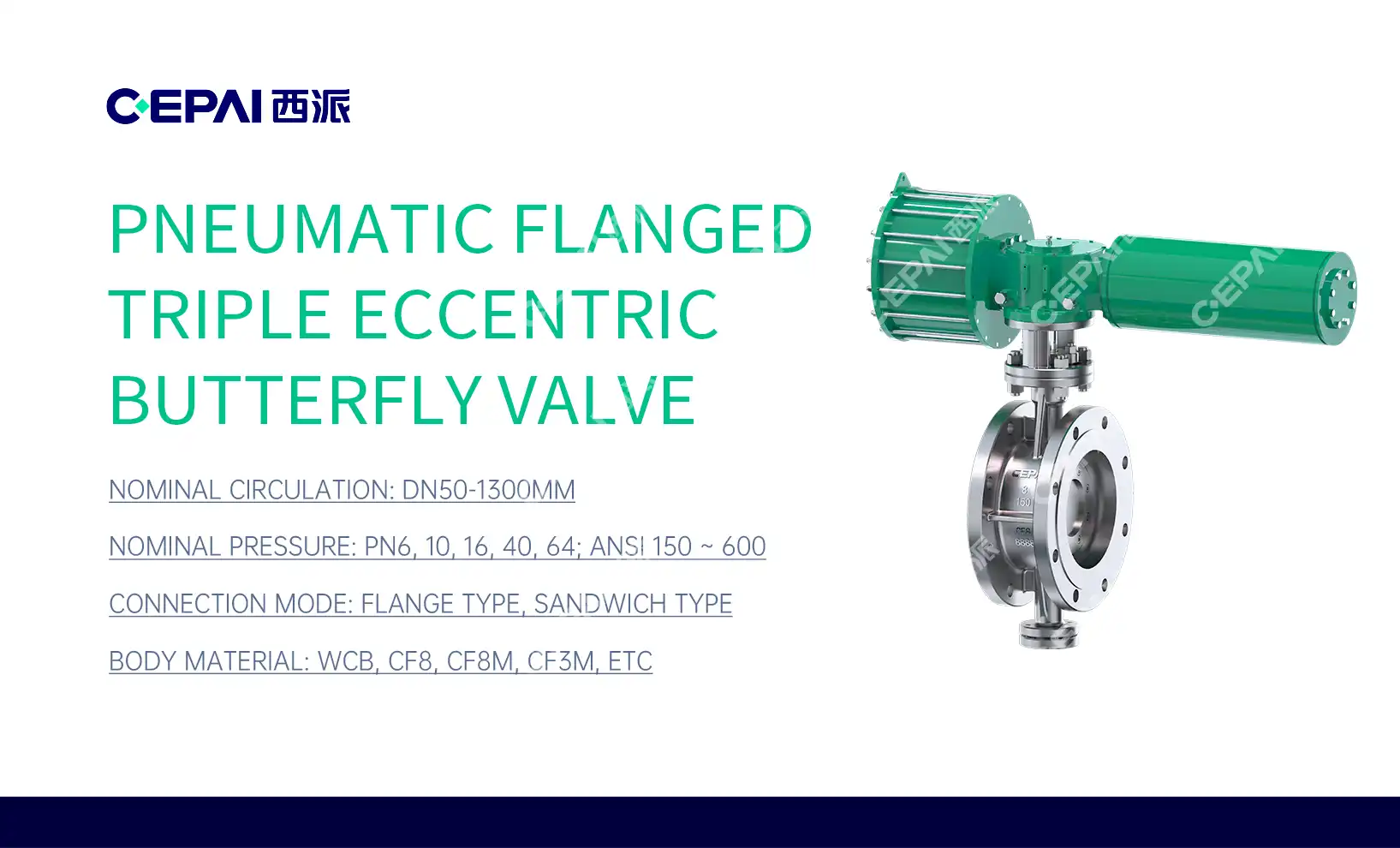
With years of expertise providing premium padded butterfly valves, our business specializes in providing specialized solutions made for the harsh conditions of the chemical sector. PTFE-lined and rubber-lined butterfly valves in diameters ranging from 2 inches to 48 inches are part of our product range, which may be used for a variety of chemical processing applications. High-pressure chemical processing systems may benefit from pressure ratings up to ANSI Class 600.
CEPAI can provide customized valve configurations to meet specific application needs because to its customization features. To improve valve choices, alter traditional designs, or create completely new solutions, our technical team works directly with clients. Successful projects in petrochemical processing, specialized chemical production facilities, and pharmaceutical manufacturing throughout India have been made possible by this flexibility.
Global Service Network and Technical Support
With the backing of industry certifications and a worldwide shipping network, we place a strong emphasis on innovation and stringent quality control. Our wide variety of products and extensive service options, which include OEM and after-sales support as well as technical consultancy, guarantee that customers obtain solutions that are customized to meet their operating needs and build lasting relationships. Application engineering, installation assistance, and maintenance training courses are all examples of technical support.
In important areas like India, where our technical professionals respond quickly to client questions and field support needs, CEPAI's global service network offers local support capabilities. The availability of spare parts via regional distribution centers guarantees less downtime when doing maintenance. Beyond the original valve delivery, we also provide long-term operational assistance and performance enhancement as part of our dedication to client success.
Conclusion
The strategic shift of Indian chemical plants toward Chinese lined butterfly valve suppliers reflects a mature evaluation of total cost ownership, quality improvements, and supply chain reliability. Chinese manufacturers have demonstrated remarkable progress in quality control, international certification, and technical support capabilities while maintaining significant cost advantages. The combination of competitive pricing, extensive customization options, and reliable delivery performance creates compelling value propositions for Indian procurement teams.
Successful sourcing requires careful supplier evaluation, clear specification development, and structured communication throughout the procurement process. CEPAI stands ready to support Indian chemical plants with comprehensive valve solutions, technical expertise, and long-term partnership commitments that ensure optimal plant performance and cost efficiency.
FAQ
1. What are the differences between PTFE and rubber lining materials?
PTFE lining offers superior chemical resistance across a broader range of aggressive chemicals, including strong acids, bases, and organic solvents. The material maintains integrity at temperatures up to 200°C and provides excellent non-stick properties that prevent product buildup. PTFE-lined butterfly valves prove ideal for pharmaceutical applications, food processing, and highly corrosive chemical handling where contamination prevention is critical.
Rubber lining provides excellent abrasion resistance and cost-effectiveness for moderate chemical exposure applications. Natural and synthetic rubber options offer different performance characteristics, with EPDM rubber providing excellent resistance to steam and hot water applications. Rubber-lined valves typically cost less than PTFE alternatives while offering adequate performance for many chemical processing applications.
2. How do Chinese valves comply with international standards?
Chinese valve manufacturers achieve compliance through rigorous testing protocols and third-party certification programs that verify adherence to international standards. API 6D certification ensures compliance with American Petroleum Institute requirements for pipeline valves, while ISO certification demonstrates conformance to international quality management standards. Leading Chinese manufacturers maintain testing facilities accredited by international organizations, providing credible verification of performance claims.
Quality documentation includes material certificates, dimensional inspection reports, and performance test results that demonstrate compliance with specified standards. Third-party inspection services offer additional verification, with organizations like SGS and TUV providing independent assessment of manufacturing quality and product performance. This comprehensive approach to standards compliance has built confidence among international buyers, including major Indian chemical plants.
3. What are typical order lead times and minimum quantities?
Typical order lead times from Chinese manufacturers range from 4-8 weeks for standard lined butterfly valve configurations, depending on size and quantity requirements. Custom configurations may require additional time for engineering, tooling, and testing, with lead times extending to 10-12 weeks for complex modifications. Rush orders can be accommodated with expedited processing, though premium pricing may apply for urgent delivery requirements.
Minimum order quantities typically range from 10-50 pieces depending on valve size and customization requirements. Standard sizes often have lower minimum quantities, while large or highly customized valves may require higher minimums to justify setup costs. Many Chinese suppliers offer flexible MOQ arrangements for repeat customers or large annual volume commitments, enabling smaller individual orders within broader partnership agreements.
Partner with CEPAI for Superior Lined Butterfly Valve Solutions
CEPAI invites chemical plant managers and procurement professionals to discover our comprehensive range of lined butterfly valves designed specifically for demanding chemical processing environments. Our engineering team provides personalized consultations to match your plant's unique requirements, ensuring optimal valve selection and configuration. As an established lined butterfly valve manufacturer, we combine advanced manufacturing capabilities with competitive pricing to deliver exceptional value.
Contact our technical specialists at cepai@cepai.com to discuss your specific application requirements and receive detailed product recommendations. Whether you need standard configurations or custom-engineered solutions, CEPAI delivers reliable performance and comprehensive support that optimizes your chemical processing operations while reducing total cost of ownership.

References
1. Kumar, A. et al. "Comparative Analysis of Valve Selection Criteria in Indian Chemical Processing Industries." Journal of Chemical Engineering and Process Technology, 2023.
2. Chen, L. and Patel, R. "Cost-Benefit Analysis of International Valve Procurement Strategies for Emerging Markets." Industrial Procurement Quarterly, 2023.
3. Singh, M. "Quality Evolution in Chinese Manufacturing: A Decade of Chemical Equipment Excellence." Asian Industrial Review, 2022.
4. International Valve Manufacturers Association. "Global Market Trends in Lined Butterfly Valve Applications and Procurement Patterns." IVMA Annual Report, 2023.
5. Reddy, S. and Liu, J. "Supply Chain Optimization in Chemical Equipment Procurement: India-China Trade Analysis." Global Chemical Industry Journal, 2023.
6. Association of Indian Chemical Manufacturers. "Best Practices in International Equipment Sourcing for Chemical Plants." AICM Technical Bulletin, 2022.
_1746598525968.webp)
Get professional pre-sales technical consultation and valve selection services, customized solution services.
About CEPAI