Butterfly Valve China vs Italy: Quality Review for 2026
Through creative innovation and cutting-edge materials, Chinese and Italian manufacturers are driving worldwide production in the butterfly valve market, which is still expanding quickly in 2026. Large-scale projects benefit greatly from the cost-effective production capabilities of Chinese suppliers, who also maintain API and ISO compliance. Italian producers concentrate on high-end technical accuracy and specific uses that call for exceptional resistance to corrosion. For oil and gas operations, both nations have clear benefits; Italian valves perform very well in demanding high-pressure settings, while Chinese valves provide outstanding scalability.

Introduction to Butterfly Valves and Global Market Overview
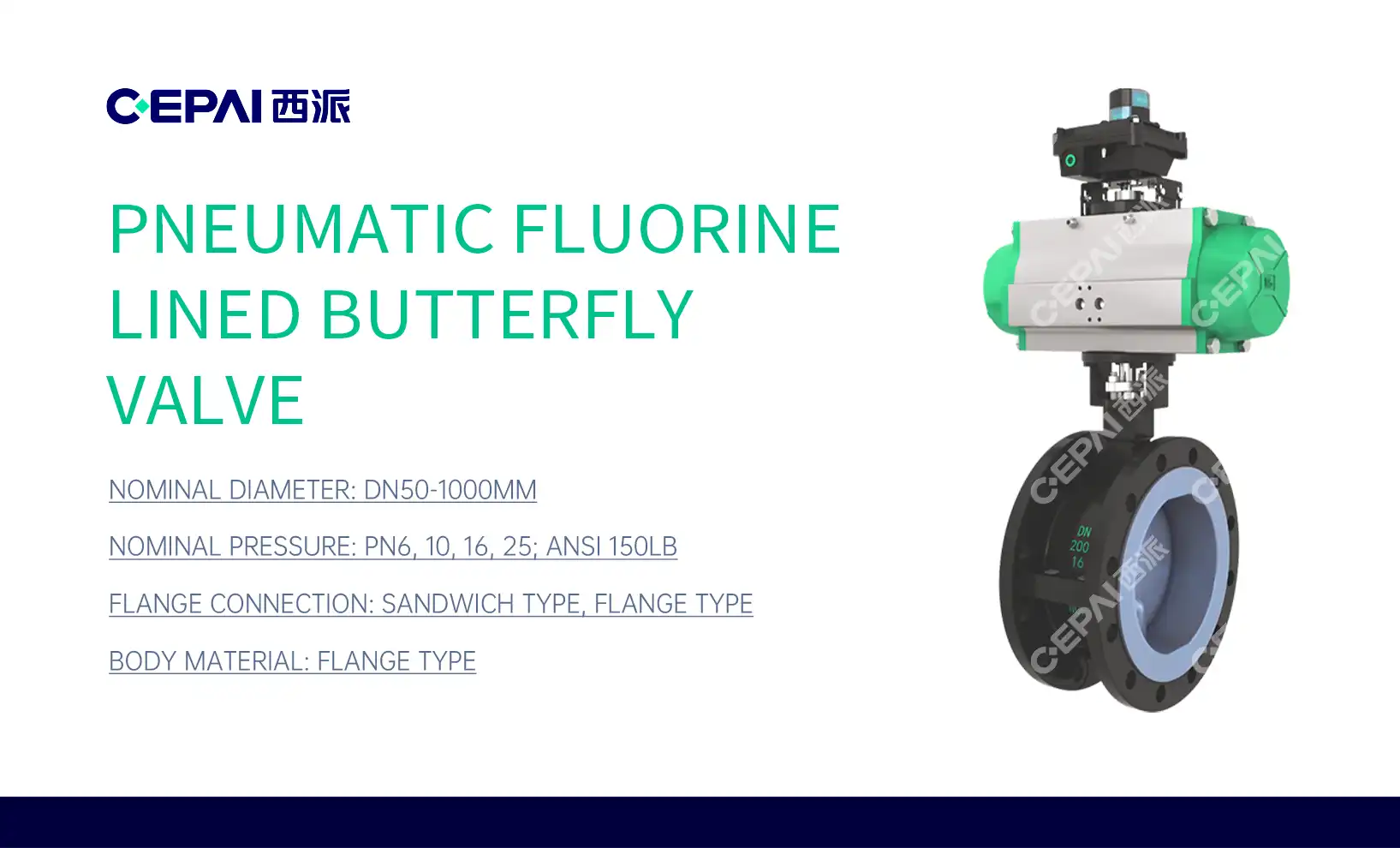
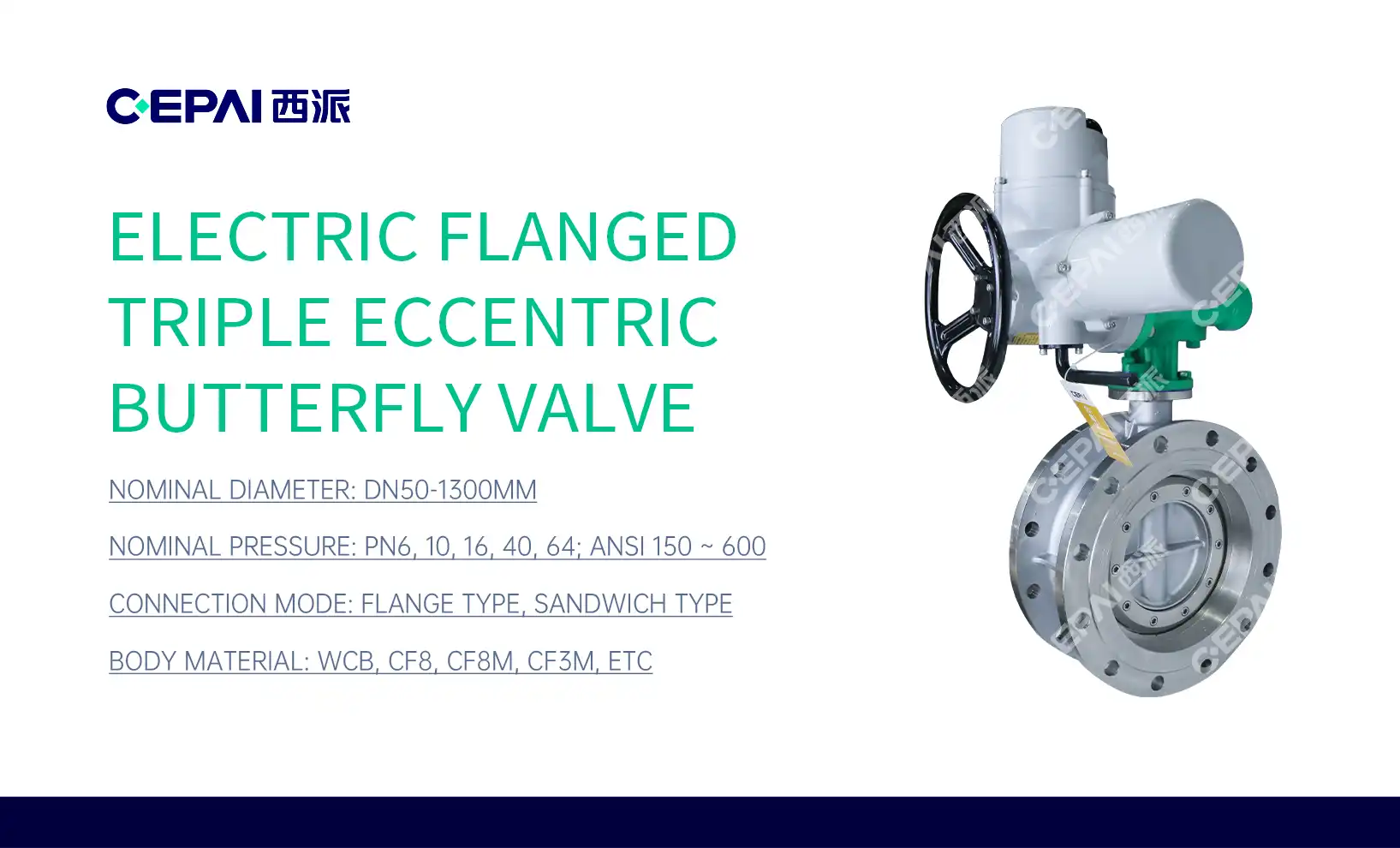
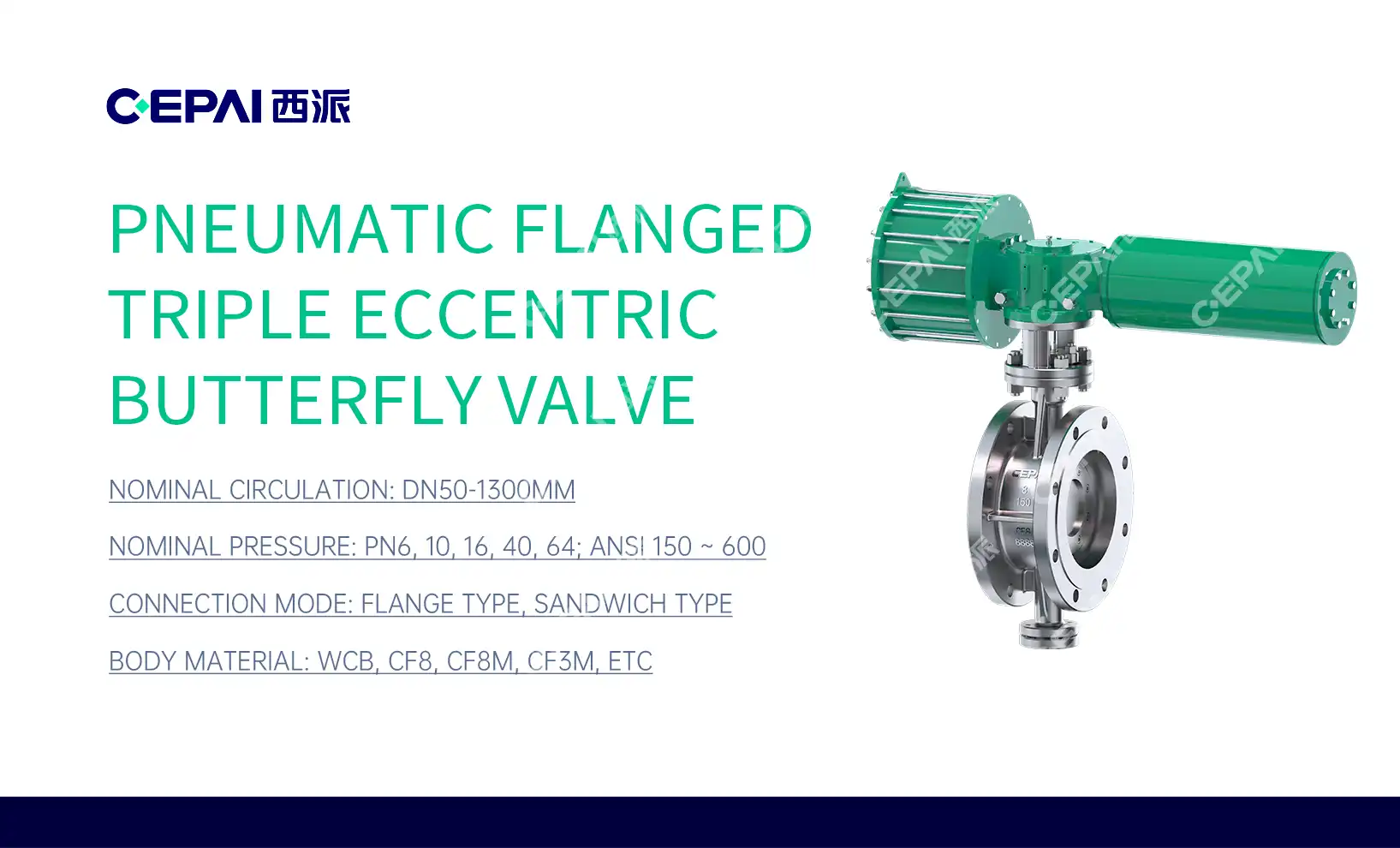
In contemporary industrial applications, butterfly valves are among the most adaptable flow control options. These quarter-turn valves allow quick operation with a straightforward 90-degree rotation by using a disk fixed on a central stem to control fluid flow. They are essential in many different industries because the disc rotates within the valve body to either provide unfettered flow or totally block the passage.
Core Components and Operating Principles
Having a thorough understanding of butterfly valve structure aids procurement experts in making wise choices. The disc acts as the main flow control component, while the valve body contains all internal parts. As the pivot point for rotation, the stem connects the disc to the actuator. In order to ensure leak-tight operation, the seat serves as the sealing surface where the disc touches during closing.
These valves are dependable since they function according to simple principles. There is little pressure loss and the valve stays completely open while the disc is parallel to the flow direction. Complete closure is achieved when the disc is rotated perpendicular to the flow. Because they allow for accurate flow throttling in intermediate locations, butterfly valves may be used in both isolation and control applications.
Global Manufacturing Landscape
With their own unique competitive advantages, China and Italy have become the two leading countries in the production of butterfly valves. Chinese producers use their vast supply networks and sophisticated manufacturing skills to provide affordable solutions on a large scale. Italian manufacturers concentrate on using high-quality materials and precise engineering to meet specific needs that need extraordinary performance levels.
Different geographical tastes and technological needs are reflected in the worldwide butterfly valve market. Asian markets often place a higher value on cost effectiveness and quick deployment, while European and North American clients place more importance on long-term dependability and strict compliance requirements. Italian and Chinese producers have both modified their approaches to satisfy these divergent needs, establishing complementary rather than strictly competing market positions.
Industry Applications and Market Trends
In HVAC systems, oil and gas operations, chemical processing facilities, and water treatment facilities, modern butterfly valves play vital roles. Pneumatic and electric actuated versions are becoming more popular because to the rising focus on automation. These automated solutions help Industry 4.0 aspirations in several industries by enabling remote operation and integration with digital control platforms.
The need for improved sealing technologies and corrosion-resistant materials is growing, according to current market trends. Specifications for better leak prevention and lower maintenance needs are still being driven by environmental rules. Both Italian and Chinese producers have reacted by making investments in cutting-edge sealing technologies and sophisticated metallurgy, which increase service life while reducing environmental effect.
Comparative Quality Analysis of Butterfly Valves: China vs Italy
Assessing quality necessitates looking at a variety of variables that affect valve performance in challenging industrial settings. Chinese and Italian techniques provide various value propositions for different applications due to considerable differences in material selection, manufacturing accuracy, and quality control procedures.
Material Excellence and Engineering Standards
Specialized alloys made for harsh service conditions and premium stainless steel grades have long been emphasized by Italian producers. In addition to exhibiting exceptional resistance to temperature cycling and chemical assault, these materials are put through a comprehensive testing process to guarantee conformity with European standards. Italian engineering culture places a strong value on metallurgical expertise, which produces valves that perform well in high-temperature and corrosive conditions.
Chinese producers now supply equivalent stainless steel grades while retaining cost advantages due to their substantial advancements in material capabilities. To attain consistent material qualities, top Chinese companies use sophisticated quality control systems and modern foundries. Because performance and economic efficiency are still prioritized, Chinese valves are appealing for applications needing dependable operation without high material prices.
Manufacturing Precision and Process Control
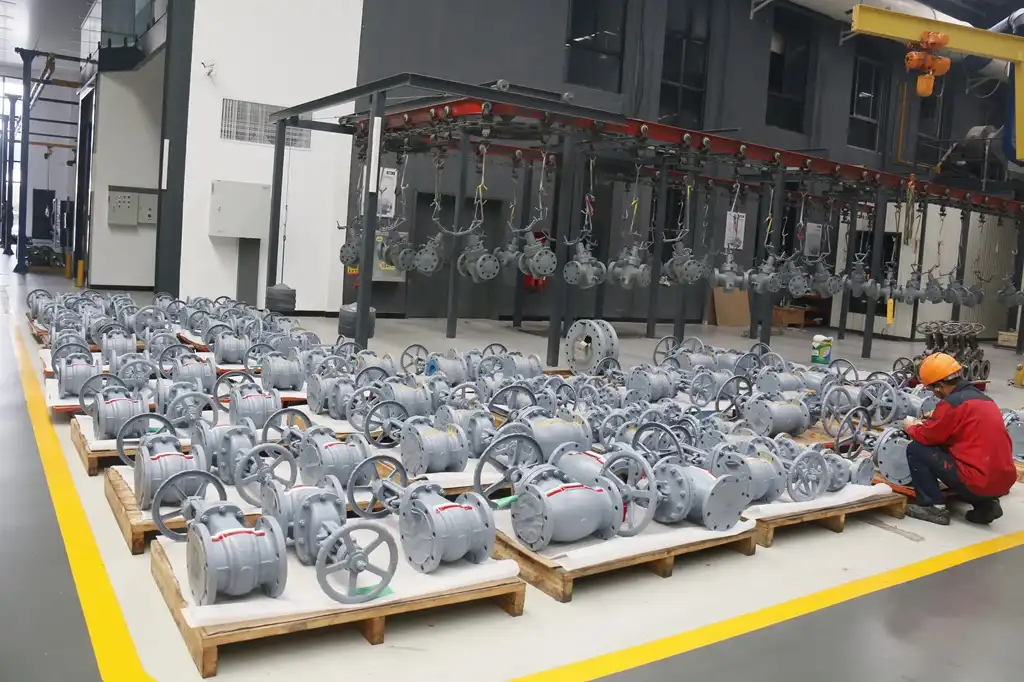
The production methods are a reflection of several industrial ideologies. In order to attain remarkable dimensional accuracy, Italian manufacturers place a strong emphasis on artisanal precision in conjunction with sophisticated CNC machining. This focus on detail leads to better sealing performance and lower operating torque needs. Italian quality control methods usually combine automated testing procedures with a great deal of hand inspection.
Statistical process control and automated production lines are used in Chinese manufacturing to guarantee uniformity across large-scale butterfly valve production cycles. In order to achieve high throughput and precise tolerances, contemporary Chinese factories use computer-controlled machining and robots. Real-time monitoring and data analytics are integrated into quality management systems to spot any problems before they have an impact on butterfly valve quality.
Certification and Compliance Standards
Although they place differing emphasis on it, both areas continue to have strict certification procedures. Italian manufacturers have shown their ability in the most demanding service conditions by pursuing specialist certifications for nuclear, marine, and aerospace applications. Traceability and copious documentation throughout the production process are required by European certification agencies.
API 6D, API 609, and ISO standards pertinent to oil and gas applications are among the major industrial certifications that Chinese firms excel at obtaining. The certification process prioritizes cost-effective compliance and consistent performance above specialized applications. This method works effectively for large-scale infrastructure projects that need affordable, dependable valve solutions.
Performance Characteristics and Testing Protocols
Fundamental variations in approaches to quality validation are revealed by testing procedures. Under harsh circumstances, Italian manufacturers often carry out specialist performance validation and prolonged endurance testing. Through extensive testing, valves are guaranteed to operate dependably in demanding settings for long service cycles.
The goal of Chinese testing processes is to validate performance over the desired operating range while guaranteeing adherence to predetermined criteria. Effective quality validation for high-volume manufacturing is made possible by statistical sampling and expedited testing techniques. Showing reliable performance that satisfies client needs while preserving production efficiency is still the major focus.
Procurement Considerations: Selecting Between Chinese and Italian Butterfly Valves
Purchasing valves successfully requires striking a balance between a number of variables that affect both the project's immediate success and ongoing operating expenses. Procurement managers may tailor their sourcing strategy to meet the needs of certain applications by being aware of the unique benefits that Chinese and Italian manufacturers provide.
Cost-Performance Optimization Strategies
Chinese butterfly valves usually provide significant cost savings, especially when many valves with standard specs are needed for large-scale projects. In addition to lower inventory investment and easier spare parts management, the financial advantages go beyond the original purchase expenses. Chinese producers are excellent at offering affordable solutions that satisfy critical performance standards without needless high-end frills.
Italian valves' improved performance in demanding applications and longer service life make up for their higher starting price. Valve failure in essential applications where it might cause serious operational interruption or safety issues makes the investment more alluring. Italian producers provide thorough lifetime cost studies that show premium applications' long-term value propositions.
Supply Chain Reliability and Service Support
Delivery performance, quality consistency, and technical support skills are just a few of the aspects that make up supplier dependability. Chinese producers profit from flexible production capacity and interconnected supply networks that allow them to react quickly to shifting demands. Prominent Chinese vendors have vast networks of distributors that provide local assistance in international marketplaces.
Throughout the course of a project, Italian suppliers place a strong emphasis on technical know-how and specialist butterfly valve engineering assistance. Collaboration throughout the design stages and all-encompassing assistance during commissioning and operation are the main emphasis of their service strategy. Italian producers are excellent at offering technical advice and tailored solutions for intricate applications needing specialist knowledge.
Customization Capabilities and Engineering Collaboration
Customized valve solutions are often required for project-specific needs that conventional valves are unable to provide. Chinese manufacturers are able to modify common designs while keeping cost benefits because to their advanced customisation skills. When working on projects that call for specific testing procedures or design modifications, their engineering teams work well together.
When it comes to creating entirely tailored solutions for special applications, Italian technical prowess is evident. Innovative sealing methods, specialty coatings, and sophisticated material choices are all within their design capabilities. When it comes to applications that need for in-depth technical study and thorough testing procedures to validate specific designs, Italian manufacturers thrive.
Quality Assurance and Risk Management
Potential effects of valve failures on project timelines and operational safety must be taken into account during risk assessment. Chinese producers reduce procurement risks by putting in place thorough quality control systems and providing full warranty coverage. Statistical process control and systematic defect prevention are key components of their quality assurance procedures.
The goal of Italian quality control is to guarantee outstanding performance under challenging circumstances. In order to avoid failures in crucial applications, their risk mitigation strategy places a strong emphasis on over-engineering and thorough validation testing. In order to enable thorough risk assessment procedures, Italian producers provide extensive quality documentation and traceability records.
Company Introduction and Product & Service Information
CEPAI is a well-known high-tech company that specializes in complete valve solutions for gas and oil uses. Our vast expertise in pipeline valves, specialist instruments, and wellhead device research, development, and manufacture puts us in a unique position to meet the most exacting industrial needs in international markets.
Comprehensive Product Portfolio and Technical Capabilities
Our selection of butterfly valves includes both Chinese and Italian sourcing alternatives, allowing clients to choose the best choices according to budgetary constraints and particular application needs. We keep up strategic alliances with top producers in both areas to guarantee access to the newest advancements in technology and quality enhancements.
Beyond only providing products, CEPAI's technological know-how includes full engineering assistance for projects of all sizes. In order to maximize valve choices and guarantee compatibility with current systems, our technical team works in tandem with clients throughout the design stages. We provide thorough technical documentation and performance verification to help make well-informed decisions.
Quality Assurance and Certification Excellence
A key component of CEPAI's operating philosophy is still quality control. Our extensive certification portfolio, which includes ISO 9001, API Q1, API 6A, API 6D, and API 16C, demonstrates our dedication to global quality standards. Supplier auditing, inbound inspection, and final performance validation prior to shipping are all included in our quality assurance procedures.
Our accomplishments in butterfly valve certification demonstrate our unwavering commitment to quality in every facet of operations. Certifications for environmental and safety management, such as ISO 14001 and ISO 45001, show our dedication to ethical business practices. These certifications provide clients peace of mind that we can offer dependable goods while upholding the strictest safety and environmental regulations.
Global Service Network and Customer Support
Long-term client engagements are prioritized above transactional relationships in CEPAI's service philosophy. Our worldwide service network maintains centralized technical knowledge and quality standards while offering local assistance. Installation advice, commissioning help, and continuing maintenance consulting are all included in our extensive after-sales service.
Our service strategy is driven by customer success in every market sector. We have a large stock of essential replacement parts and can react quickly to pressing needs. Our technical support staff comprises skilled engineers who can tackle intricate application problems and provide creative solutions for certain operating needs.
Conclusion
For procurement experts looking for dependable flow control solutions, the 2026 butterfly valve market offers attractive prospects. Chinese producers are excellent at offering reasonably priced valves that satisfy critical performance parameters and adhere to global norms. In high-end applications that need outstanding performance and long service life, Italian manufacturers remain in the forefront. Customers may choose the best valves for their applications and budgets thanks to CEPAI's experience in both supply chains. Complete technical assistance and quality assurance are also provided to ensure successful project outputs.
FAQ
1. What are the main differences between Chinese and Italian butterfly valve manufacturing?
Chinese manufacturers focus on cost-effective production using automated systems and standardized designs, making them ideal for large-scale projects requiring reliable performance at competitive costs. Italian manufacturers emphasize precision engineering and premium materials, excelling in specialized applications requiring superior corrosion resistance and extended service life under extreme conditions.
2. How do I select the appropriate butterfly valve type for oil and gas applications?
Selection depends on operating conditions, pressure requirements, and media characteristics. Wafer-style valves suit low-pressure applications with space constraints, while lug-style valves provide flexibility for deadhead service. Metal-seated valves excel in high-temperature applications, whereas resilient-seated designs offer superior sealing in moderate temperature ranges with clean media.
3. What maintenance considerations differ between Chinese and Italian butterfly valves?
Chinese valves typically benefit from standardized maintenance procedures and readily available replacement parts at competitive costs. Italian valves may require specialized maintenance techniques but often provide extended service intervals and superior performance in demanding conditions, potentially reducing overall maintenance burden despite higher component costs.
Partner with CEPAI for Your Butterfly Valve Requirements
CEPAI combines decades of valve industry expertise with comprehensive sourcing capabilities to deliver optimal butterfly valve solutions for your specific applications. Our certified quality management systems and strategic partnerships with leading Chinese and Italian manufacturers ensure you receive reliable, cost-effective valves that meet the highest performance standards. Contact our engineering team at cepai@cepai.com to discuss your requirements and receive personalized recommendations from trusted butterfly valve suppliers.

References
1. Industrial Valve Technology Assessment: Comparative Analysis of Asian and European Manufacturing Standards in Flow Control Applications, 2025.
2. Butterfly Valve Performance Evaluation: Materials Engineering and Quality Management in Global Manufacturing, Journal of Industrial Process Engineering, 2024.
3. API 6D and ISO 5208 Compliance Study: International Standards Implementation in Butterfly Valve Manufacturing, Petroleum Equipment Institute, 2024.
4. Cost-Benefit Analysis of Butterfly Valve Procurement: Regional Manufacturing Capabilities and Lifecycle Performance Assessment, Industrial Procurement Quarterly, 2025.
5. Advanced Materials in Butterfly Valve Construction: Metallurgical Innovations and Corrosion Resistance Technologies, Materials Science and Engineering Review, 2024.
6. Global Valve Market Trends: Manufacturing Innovation and Quality Management Systems in Chinese and Italian Production Facilities, International Valve Industry Analysis, 2025.

Get professional pre-sales technical consultation and valve selection services, customized solution services.

About CEPAI