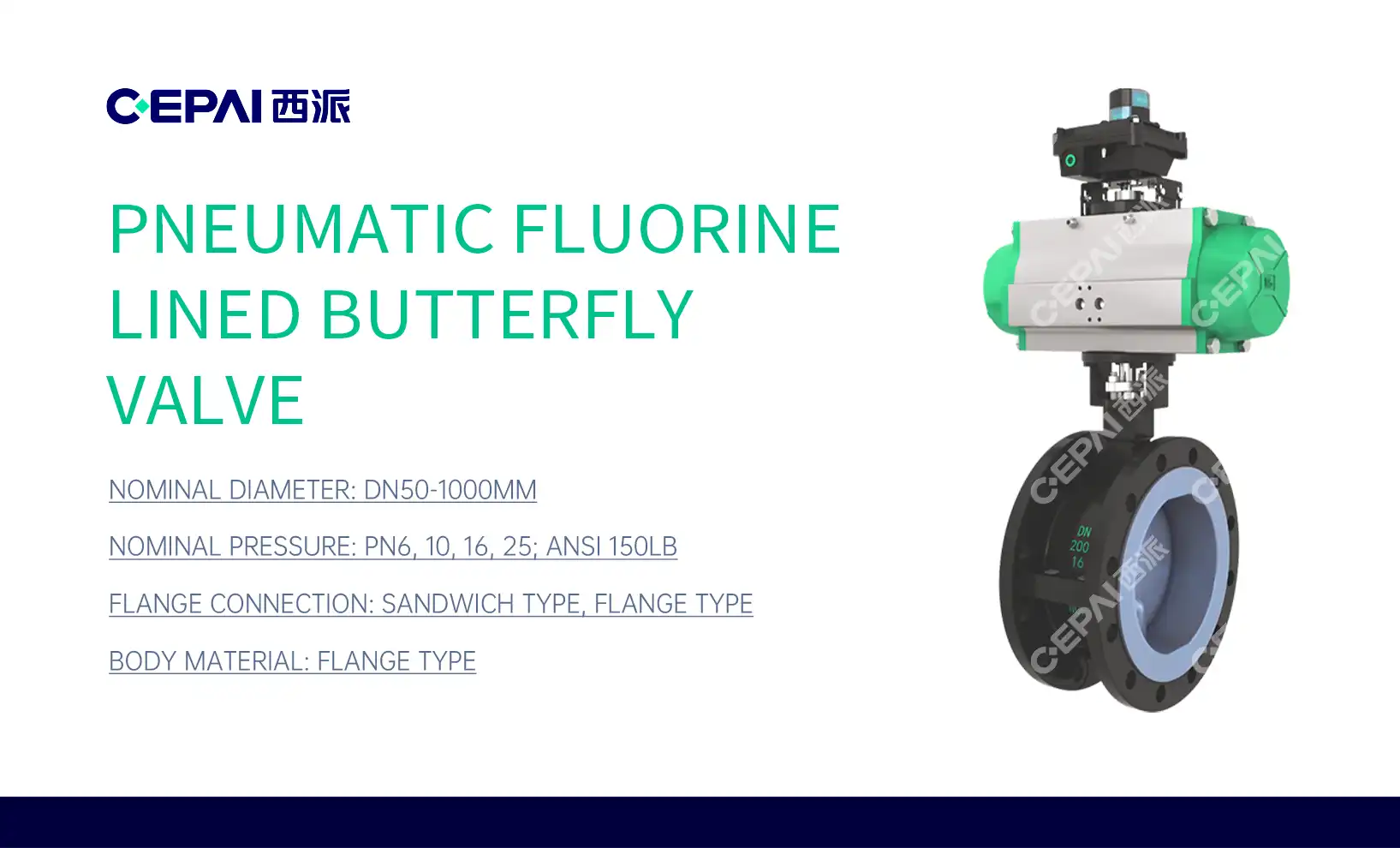
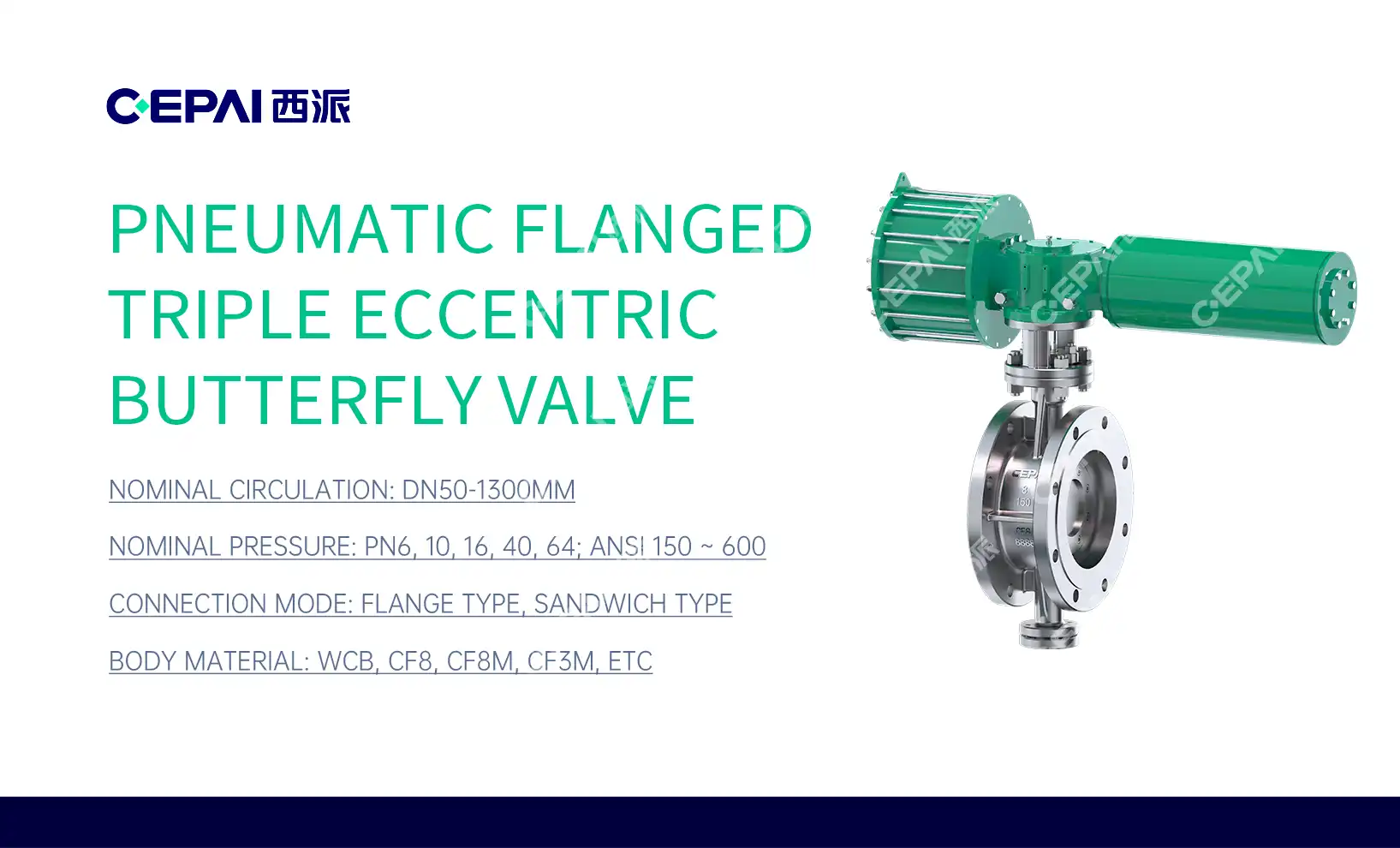
Best Stainless Butterfly Valves in China for Japan Buyers
China's manufacturing industry provides attractive possibilities that combine cutting-edge engineering with competitive value propositions for Japanese industrial consumers looking for premium stainless steel butterfly valve solutions. In Japan's industrial environment, these quarter-turn valves are now crucial parts of pipeline systems, petrochemical processing, and oil and gas activities. Chinese producers of stainless butterfly valves provide goods that satisfy strict API and ISO certification standards while offering the durability and corrosion resistance that Japanese procurement teams expect.
Understanding Stainless Steel Butterfly Valves
Core Functionality and Construction Materials
Butterfly valves made of stainless steel work with a simple yet efficient mechanism that includes a revolving disk within the valve body. The main flow control component is the disc, which may be rotated 90 degrees to fully open or shut the flow route. Butterfly valves are especially appealing for applications needing quick shut-off capabilities because of their quarter-turn action.
Grade 316 or 304 stainless steel, which were particularly selected for their remarkable corrosion resistance qualities, are often used for the valve body. Similar stainless steel grades are used in the disc assembly, and PTFE or elastomeric compounds designed to resist certain temperature and chemical exposure requirements are often found in seating materials. Stainless steel structure is also used in stem materials to provide reliable performance in a range of operating circumstances.
Manual versus Electric Actuation Options
Manual butterfly valves are appropriate for situations where human interaction is still feasible and economical because they use lever handles or gear operators to position the disc. These setups function best in easily accessible areas where human control is possible without sacrificing efficiency or safety requirements.
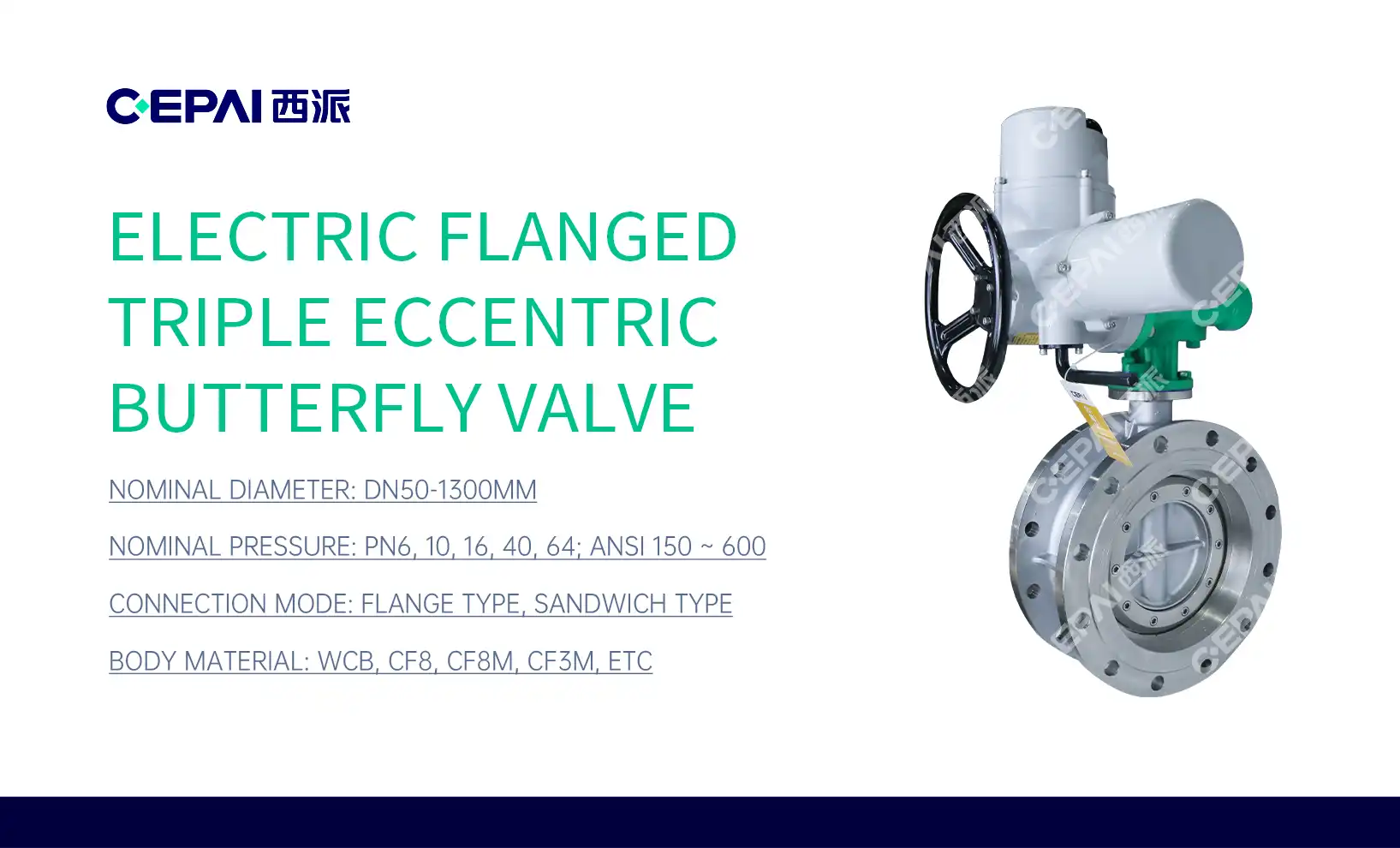
Incorporating motorized operators, electric actuated stainless steel butterfly valves provide remote control capabilities necessary for contemporary industrial automation. These systems provide greater safety via automatic emergency shut-off features, precise positioning control, and connection with remote monitoring. In dangerous settings or places where manual access poses operational difficulties, electric actuation becomes very useful.
Temperature and Pressure Handling Capabilities
Butterfly valves made of stainless steel exhibit exceptional adaptability to a wide range of temperatures, usually between -40°C and 400°C, contingent upon the design configurations and seating material parameters. For ordinary applications, pressure ratings typically fall between 150 to 600 PSI; however, some designs may withstand greater pressure needs.
These operating characteristics are directly impacted by the disc and seat design. Compared to soft-seated alternatives, metal-seated structures can withstand greater temperatures but may lose some sealing effectiveness. For the majority of industrial applications, resilient-seated valves provide good performance and exceptional sealing characteristics within mild temperature ranges.
Key Considerations for Japan Buyers When Choosing Stainless Steel Butterfly Valves
Pressure Ratings and Temperature Resilience Requirements
To make sure valve selection satisfies particular application requirements, Japanese industrial purchasers must carefully consider pressure and temperature criteria. Although specialized designs are available for greater pressure needs usual in oil and gas applications, standard butterfly valves can often withstand pressures up to Class 150 or Class 300 ratings.
Thermal cycle effects and expansion properties are two further aspects of temperature that go beyond simple operating ranges. The thermal expansion characteristics of stainless steel must be taken into consideration during installation to avoid binding or stress concentration, which over time may impair valve function.
Sealing Material Selection: PTFE versus Metal Seats
In mild temperature ranges, PTFE seating materials provide superior chemical resistance and bubble-tight sealing capabilities. These seats provide dependable sealing for the duration of the valve's operation while accommodating minor misalignment during installation. Temperature constraints, usually about 200°C, and possible deterioration when exposed to certain chemical compounds are two of PTFE's limitations.
Metal seats in high-cycle stainless steel butterfly valve applications provide better temperature capability and increased longevity. Metal-seated valves work very well in high-temperature settings and applications involving abrasive media that might harm soft seating materials, even if they might not be as leak-tight as PTFE equivalents.
Evaluating Chinese Manufacturer Credentials
Verification of relevant certifications, such as API 609, ISO 5752, and JIS standards compliance, is the first step in quality assurance. For Japanese industrial applications that need documented quality systems, these certifications show conformance to globally accepted design and testing standards.
Audits of manufacturing facilities provide important information on production capacities and quality assurance procedures. Assessing supplier testing facilities, material traceability systems, and documentation practices that support dependable product delivery and after-sales support needs is advantageous to Japanese buyers.
Technical support skills and warranty policies are important components of long-term supplier agreements. Beyond the initial product delivery, manufacturers that provide thorough warranty coverage and prompt technical support add value. This is especially crucial for mission-critical applications where downtime costs have a substantial influence on operations.
Procurement Guide for Stainless Steel Butterfly Valves from China for Japan Buyers
Price Determinants and Lead Time Management
Material standards, certification criteria, testing procedures, and the complexity of customisation are some of the elements that affect valve cost. While complex designs needing specific materials or non-standard testing attract premium cost reflecting extra engineering and production needs, conventional configurations usually give the most reasonable pricing.
Production schedules, the length of quality testing, and the complexities of foreign transportation should all be taken into consideration when determining lead times. While unique designs need longer lead times for engineering review, prototype creation, and production scheduling coordination, standard valve layouts often retain shorter delivery dates.
Here are key strategies for optimizing procurement timelines and costs:
- Volume consolidation lowers transportation costs per item while allowing customers to get better pricing via bigger purchase volumes.
- Standardization initiatives lessen the need for customisation and simplify the procurement process overall.
- Establishing supplier partnerships opens doors to special treatment during times of high demand.
- In the event of supply chain interruptions, long-term agreement negotiations provide priority allocation and pricing stability.
These procurement tactics optimize total cost of ownership across all valve needs while assisting Japanese buyers in building dependable supply chains.
Supplier Credibility Assessment and Quality Verification
A thorough assessment of the supplier's financial health, manufacturing capacity for stainless steel butterfly valves, and quality control systems should all be part of due diligence procedures. Third-party verification services lower procurement risks related to new supplier partnerships by offering an unbiased evaluation of production capabilities and quality control procedures.
Additional trustworthiness indications, such as transaction history, customer reviews, and confirmed company registration status, are provided via platform verification through reputable B2B marketplaces. These platforms often include payment protection features and dispute resolution services that improve transaction security for global procurement operations.
OEM Manufacturing and Customization Capabilities
Japanese customers may now request specific design specifications or branding components thanks to the growing OEM services offered by Chinese manufacturers. For equipment integrators and EPC contractors that need valves that satisfy certain project requirements or end-user standards, these features are very helpful.
Modified actuator mounting patterns, customized material needs, non-standard testing procedures, and particular labeling or documentation requirements are examples of customization choices. Strong engineering skills allow suppliers to work together on design optimization to achieve performance goals at a reasonable cost.
Maintenance Tips and Long-Term Performance Optimization
Routine Inspection and Preventive Maintenance Protocols
Establishing routine inspection schedules that are suited to particular operating circumstances and valve criticality levels is the first step in creating effective maintenance programs. External corrosion indicators, actuator condition, and any indications of leaking around sitting regions or stem packing should be the main focus of visual examinations.
The precision of disc location, actuator reaction time, and sealing performance during the whole closure cycle are all confirmed by operational testing procedures. These tests assist in spotting emerging issues before they become failure circumstances that call for urgent repairs or unscheduled downtime.
The kind of actuator and exposure to the environment have a significant impact on lubrication schedules. While manual gear operators benefit from regular lubrication using manufacturer-specified lubricants suitable with sealing materials and climatic conditions, electric actuators usually need little lubrication care.
Common Operational Errors and Environmental Impact Mitigation
One of the main reasons why stainless steel butterfly valves fail too soon is improper installation. Proper flange alignment guarantees uniform gasket compression and the best sealing performance for stainless steel butterfly valves, while adequate pipeline support prevents stress concentration from building up on the valve bodies. Installation methods should take into consideration the effects of thermal expansion and have enough flexibility to allow for pipeline movement.
Environmental elements that affect maintenance needs and component replacement schedules include temperature fluctuations, chemical exposure, and abrasive media. In order to reduce operating disturbance, monitoring these parameters aids in forecasting maintenance requirements and optimizing replacement timing.
Performance Optimization Through Asset Management
Comprehensive butterfly valve maintenance procedures were adopted by a significant Japanese petrochemical complex, which led to a 25% increase in average valve service life and a 40% decrease in unscheduled repair occurrences. In order to detect any issues prior to failure, the program placed a strong emphasis on predictive maintenance methods including vibration measurement and thermal imaging.
The evaluation of component condition and operational scheduling needs should be balanced when choosing when to replace a component. In most cases, proactive replacement during scheduled maintenance periods is much less expensive than emergency repairs that require for accelerated parts procurement and extra labor expenses.
Company Introduction and Our Offerings
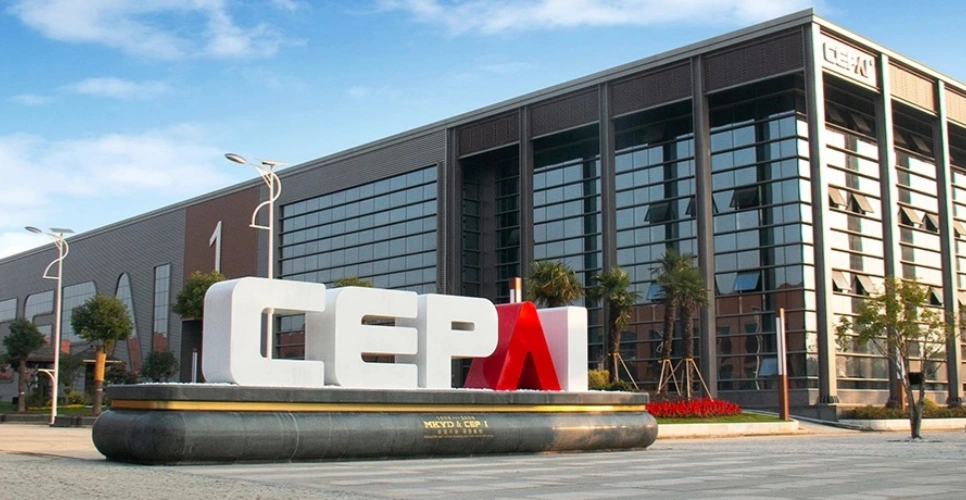
CEPAI is a prominent high-tech company that focuses on the development, manufacture, and research of instrumentation systems, pipeline valves, and wellhead devices for use in oil and gas applications worldwide. Major engineering contractors and oilfield service businesses throughout the globe have recognized our dedication to quality excellence and ongoing innovation.
Comprehensive Product Range and Certification Standards
With specialized designs available for higher pressure applications, our line of stainless steel butterfly valves includes wafer and lug configurations for pressure ratings ranging from Class 150 to Class 600. Every valve design satisfies API 609, ISO 5752, and JIS compliance criteria necessary for Japanese industrial applications while including materials certified to ASTM and ASME norms.
API Q1, ISO 9001, and ISO 14001 certifications are examples of quality management systems for stainless steel butterfly valves that provide thorough quality control throughout the design, manufacturing, and testing processes. Our capacity to service a variety of foreign markets while maintaining constant quality standards is shown by other certifications such as API 6A, API 6D, and CE marking.
Customization Capabilities and Technical Support Services
Early project stages allow for engineering cooperation, which optimizes valve specifications to satisfy particular application needs while preserving cost-effectiveness. To guarantee appropriate valve selection and application engineering assistance throughout project execution, our technical team collaborates closely with Japanese customers.
Comprehensive warranty coverage, technical support, and maintenance training programs aimed at maximizing valve performance throughout the course of service life are all included in after-sales support. For Japanese industrial operations in need of continuous technical support, global logistics capabilities guarantee dependable parts availability and fast service support.
Conclusion
For Japanese industrial purchasers looking for dependable flow control solutions, Chinese manufacturers' stainless steel butterfly valves provide attractive value propositions. Competitive pricing, strict quality control procedures, and sophisticated manufacturing capabilities all work together to optimize procurement methods while upholding strict quality standards. Careful consideration of application requirements, supplier credentials, and long-term support capabilities are necessary for successful valve selection. These valves provide outstanding performance and value in a variety of industrial applications when due diligence and maintenance planning are done correctly.
FAQ
1. What is the typical service life of stainless steel butterfly valves in demanding industrial environments?
Well-maintained stainless steel butterfly valves typically provide 15-20 years of reliable service in standard industrial applications. Service life varies significantly based on operating conditions, media characteristics, and maintenance practices. Aggressive chemical environments or high-cycle applications may reduce service life, while mild service conditions often extend operational life beyond typical expectations.
2. How do Chinese butterfly valves compare in chemical compatibility with other international suppliers?
Chinese-manufactured stainless steel butterfly valves utilize materials and sealing compounds meeting international standards including ASTM, ASME, and API specifications. Chemical compatibility depends primarily on material selection and seating compounds rather than manufacturing location. Grade 316 stainless steel and PTFE seating provide excellent resistance to most industrial chemicals commonly encountered in Japanese applications.
3. Which certifications are most critical when sourcing butterfly valves from China for Japanese applications?
API 609 certification for butterfly valve design and testing standards represents the most critical certification for Japanese buyers. ISO 5752 face-to-face dimensions ensure proper pipeline fit-up, while JIS compliance demonstrates familiarity with Japanese industrial standards. Additional certifications including API Q1 quality management and pressure equipment directives provide further quality assurance.
Partner with CEPAI for Premium Stainless Steel Butterfly Valve Solutions
CEPAI delivers engineered butterfly valve solutions specifically designed for Japanese industrial requirements. Our API-certified manufacturing facility produces valves meeting stringent quality standards while providing competitive delivery schedules and comprehensive technical support. Contact our technical team at cepai@cepai.com to discuss your specific valve requirements, request detailed quotations, or schedule facility tours. As a trusted stainless steel butterfly valve supplier, we offer customization capabilities, bulk order advantages, and ongoing partnership support to optimize your procurement success.

References
1. Japanese Industrial Standards Committee. "Butterfly Valves for Pipeline Applications: Design and Performance Criteria." JIS Standards Publication, 2023.
2. China National Petroleum Corporation. "Comparative Analysis of Stainless Steel Valve Performance in Asian Markets." Industrial Equipment Review, 2023.
3. Asia Pacific Valve Manufacturers Association. "Quality Certification Requirements for International Valve Trade." Manufacturing Standards Quarterly, 2024.
4. Tokyo Institute of Technology. "Corrosion Resistance Evaluation of Imported Industrial Valves in Japanese Chemical Processing." Materials Engineering Journal, 2023.
5. International Association of Oil & Gas Producers. "Best Practices for Butterfly Valve Selection in Upstream Applications." Technical Report Series, 2024.
6. Japan Petrochemical Industry Association. "Supply Chain Optimization Strategies for Critical Pipeline Components." Industry Analysis Report, 2023.
_1746598525968.webp)
Get professional pre-sales technical consultation and valve selection services, customized solution services.
About CEPAI