Why Europe Distributors Prefer China For Industrial Ball Valves?
European wholesalers are buying more industrial ball valves from China because the country is cheaper, can make more of them, and has better technical skills. Chinese companies make a wide range of products, including moving ball valves, trunnion-mounted designs, and specialized operated systems that meet strict European standards. Competitive prices, strong quality control systems, and a lot of ways to make things your own make China the best place for European valve wholesalers to buy reliable, high-performance flow control solutions.

Overview of Industrial Ball Valves in the Global Market
Industrial ball valves are important parts of modern flow control systems. They control the flow of liquids by rotating a circular disc with a hole in the middle of it quarter of the way. These useful tools work on a basic but effective idea: when the ball's bore lines up with the pipeline, fluid runs easily; turning the ball 90 degrees stops all flow. This simple method works very reliably in a wide range of situations.
Types and Materials in Modern Ball Valve Design
There are a number of different ball valve designs on the global market, and each one is best for a certain set of practical needs. Floating ball valves work best in situations with mild pressure because they use downstream pressure to make a tight seal against the exit seat. Trunnion-mounted designs give the ball extra mechanical support, which makes them effective in high-pressure environments like those found in oil and gas operations. Multi-port designs let complex flow paths go through a single valve body, which makes the system simpler and lowers the cost of installation.
The choice of material has a big effect on how well and how long a valve works. In chemical processing settings, stainless steel constructions are very resistant to corrosion, while carbon steel constructions are very strong for high-pressure pipeline uses. Specialized metals and finishes make things last longer when they are used in harsh environments with strong media or very high temperatures.
European Market Applications and Requirements
Ball valves that meet strict performance standards are needed in the oil and gas research, chemical processing, and water treatment businesses in Europe. When digging offshore, you need valves that can handle the rough seas and still keep the flow under tight control. To make sure handling is safe, petrochemical plants put a high priority on chemicals that work well together and don't leak. For longer service times, municipal water systems stress durability and low upkeep needs.
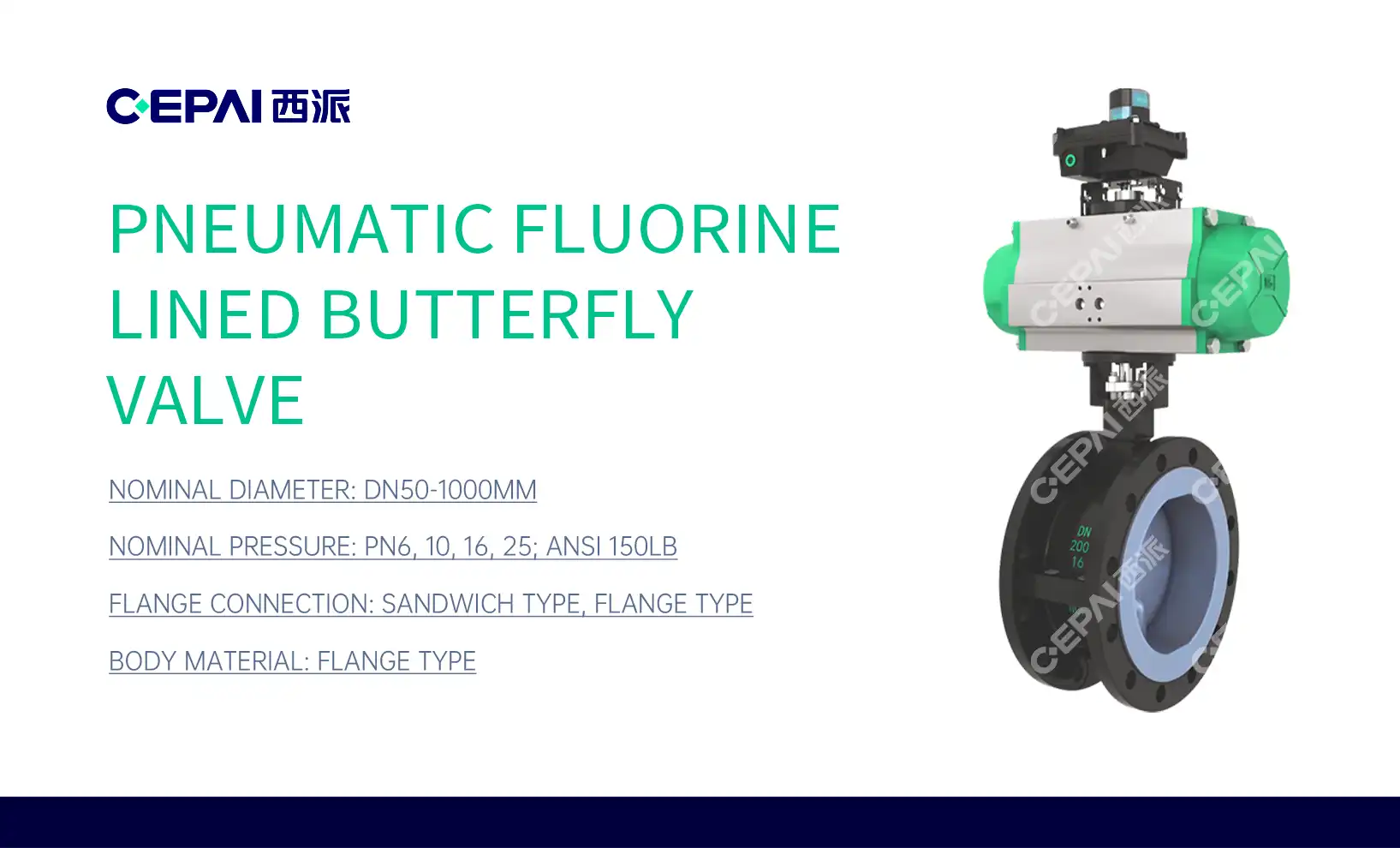
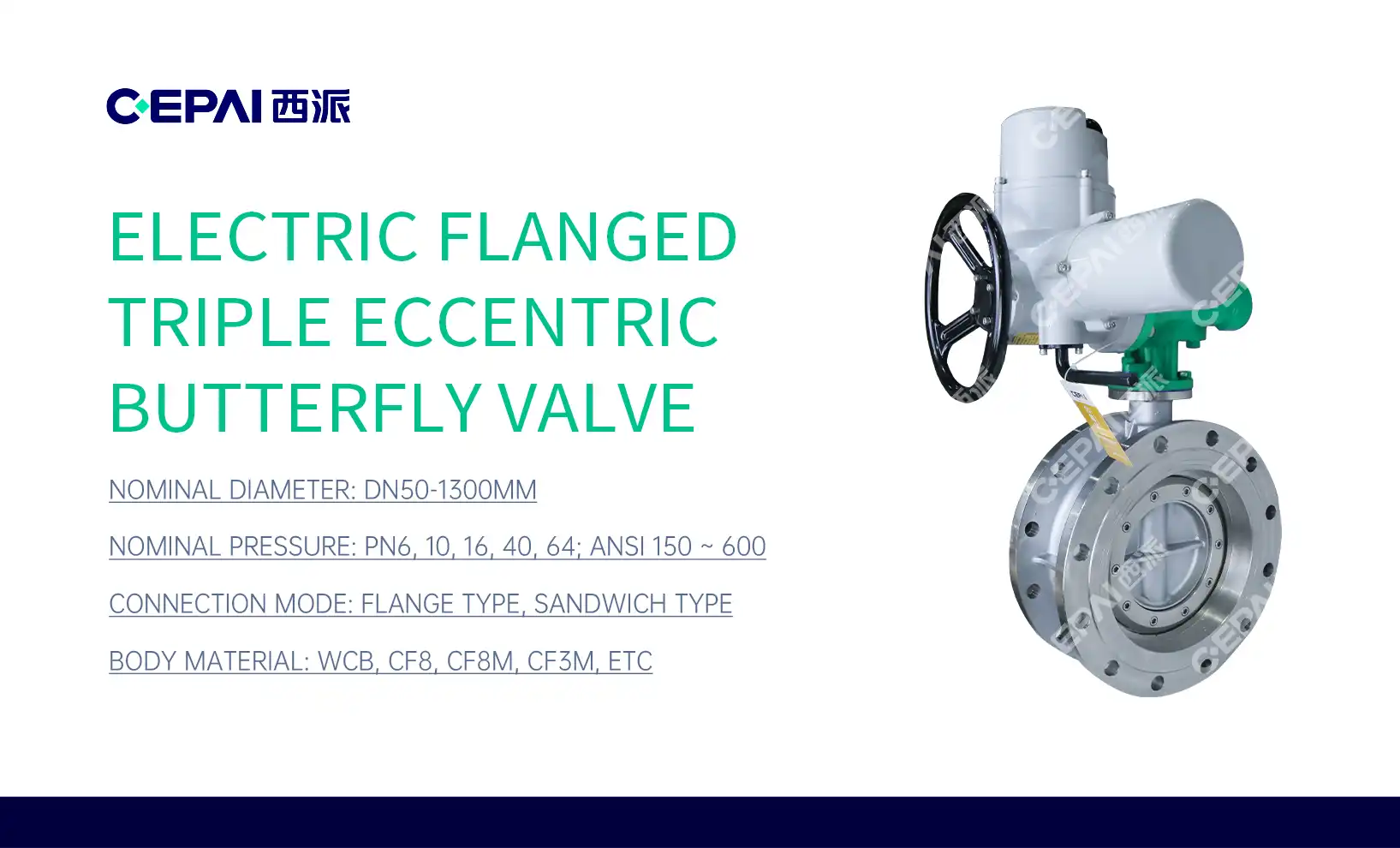
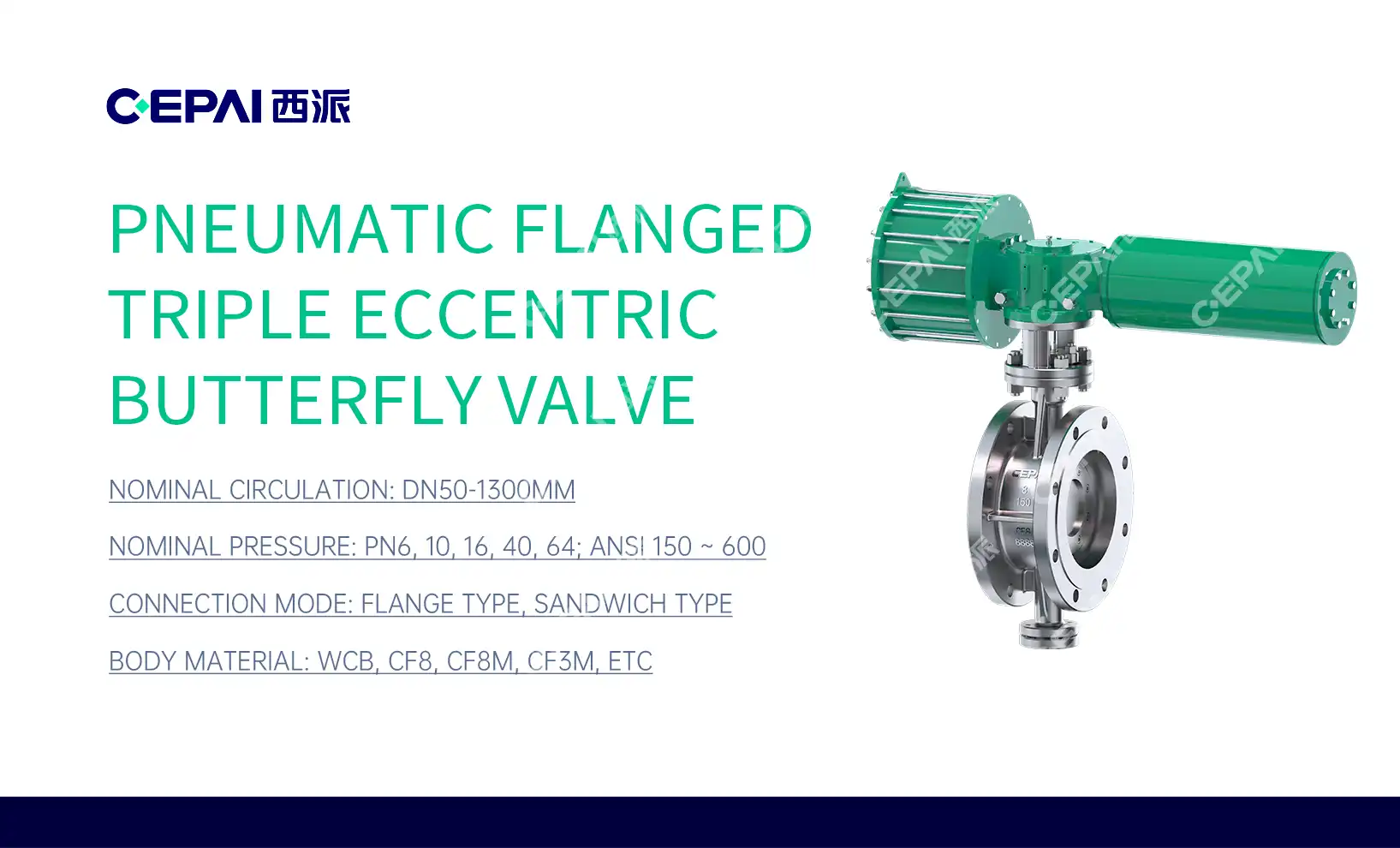
The European market is becoming more open to integrating automation, which is increasing the need for actuated ball valves with electric or gas motors. These automatic systems can be controlled from afar, require less human input, and work well with current control systems. For modulating uses, electric actuators allow for exact positioning, while gas actuators allow for quick response times in case of emergency shutdown.
Challenges Faced by European Distributors in Sourcing Industrial Ball Valves
When European valve wholesalers try to buy from local or regional makers of industrial ball valve, they run into big problems. During times of high demand, traditional European providers often have trouble meeting demand, which causes shipping times to be pushed back and affects project deadlines. Manufacturing costs in Western Europe keep going up because of higher wages and rules that manufacturers have to follow. This makes it harder for wholesalers who serve price-sensitive markets to make a profit.
Supply Chain Complexity and Lead Time Issues
There are often many levels of suppliers and subcontractors in European industrial networks. This makes the supply lines complicated and prone to problems. Getting parts from different parts of the world can make planning harder and cause quality problems. Lead times can get very long when makers have to work with their partner networks to get the right materials or make the right configurations.
Many European producers can't handle big orders quickly because they can't make as much as they'd like to. Distributors often have to meet minimum order quantities that don't work with how they manage their goods or how customers usually buy things. Because of this mismatch, wholesalers have to either keep too much product on hand or wait longer for deliveries, both of which hurt their ability to compete.
Customization Limitations and Technical Constraints
European makers aren't always able to adapt to new uses that need specific technical requirements or custom designs. Many European businesses can't afford to buy the specialized manufacturing tools they need for complex valve designs because they aren't as big. European suppliers can't always give distributors that work with niche markets or new uses the technology solutions those customers need.
European standards and approvals are always changing, which makes the buying process even more difficult. European makers know what the local needs are, but the licensing process for new products or changes to existing ones can take a long time and cost a lot of money. This makes it take longer for new products and solutions to hit the market.
Why China Is the Preferred Sourcing Hub for European Industrial Ball Valves
China has become the world leader in making industrial ball valves because it has strategic benefits that directly address the problems that European distributors face. Chinese makers have put a lot of money into modern factories and cutting-edge production technologies, giving them skills that are on par with or better than those found in traditional valve-making regions. Because Chinese businesses are so big, they can cut costs in ways that make prices competitive without lowering quality standards.
Manufacturing Scale and Product Diversity
Some of the biggest factories in the world for industrial ball valve are owned by Chinese valve makers. Because of economies of scale, the costs of making all of their products are lower per unit. This production scale serves a wide range of products that include almost every type of ball valve configuration, from simple two-way designs to complicated multi-port assemblies. Because there are so many choices, European distributors can get whole valve packages from a single provider. This makes buying and keeping track of supplies easier.
Chinese manufacturers can make a wide range of goods, from normal items to ones that are specifically made for a specific use or design. Many Chinese companies have specialized tech teams that can come up with custom solutions to meet the needs of the European market. When you combine this technical freedom with efficient production methods, you can make prototypes and new products quickly, which helps with innovation.
Quality Control and International Certifications
To meet the needs of the global market, Chinese companies that make ball valves have put a lot of money into quality control methods and getting foreign certifications. Leading Chinese providers keep their quality management systems up to date with ISO 9001 standards and work to get more certifications, like API, CE marks, and ATEX approval for European markets. These quality programs make sure that valves made in China meet the same performance standards as valves made in Europe.
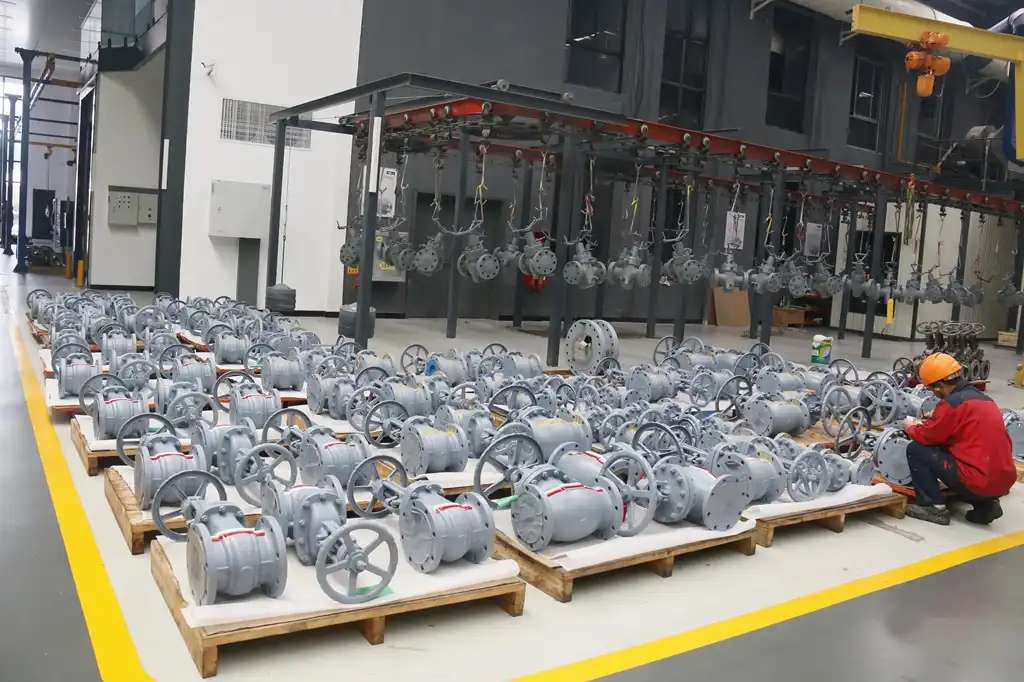
Major Chinese makers have state-of-the-art testing facilities that meet or beat European standards for things like pressure testing, material proof, and performance validation. A lot of factories use statistical process control and automatic testing tools to make sure that the quality stays the same during large production runs. European wholesalers can be sure that the products they sell will work because of this organized approach to quality control.
Logistics and Delivery Efficiency
China's export infrastructure and transportation networks are very well developed, which makes shipping to European markets quick and easy. Major Chinese valve makers have built relationships with foreign shipping companies and freight forwarders. This lets them offer predictable delivery times and low shipping costs. Shipping containers from Chinese ports to European destinations usually takes 25 to 35 days, which is enough time to plan your inventory.
Chinese operations are also very good at meeting the packing and paperwork needs of European imports. Manufacturers with a lot of experience know how to handle European customs procedures and can provide full paperwork packages that speed up the clearance process. This attention to transportation details makes things easier for European sellers in terms of paperwork and delays.
Strategic Benefits for European Distributors Partnering with Chinese Industrial Ball Valve Suppliers
When distributors work with Chinese industrial ball valve makers, they can get access to cutting-edge valve technologies and automation solutions that make them more competitive. Chinese providers are using more and more advanced actuator technologies, such as electric actuators that can precisely place parts and pneumatic actuators that are designed for quick response times. These automatic features are in line with the way the European market is moving toward smart process control and the ability to run things from afar.
Technology Integration and Innovation Access
Chinese companies put a lot of money into research and development to improve robotics and valve technology. A lot of sellers sell complete actuated ball valve kits that have both high-performance valve bodies and complex control systems. Leading Chinese makers of electric ball valves use advanced motor technologies and feedback systems to control flow precisely and keep an eye on their position.
When it comes to automation and digitalization, Chinese valve makers often come up with new ideas faster than well-known European producers. Chinese providers often add new features, like the ability to communicate wirelessly, sensors that can predict repair needs, and the ability to connect to industrial IoT platforms. When European distributors work with new Chinese suppliers, they can offer these cutting-edge services to their customers before their rivals who use traditional suppliers.
Scalability and Volume Advantages
The large scale of Chinese manufacturing lets European distributors go after growth possibilities that might be limited by the abilities of standard suppliers. Being able to handle large orders lets dealers get better prices and make sure they have enough supplies for big projects. This advantage of being able to grow is especially useful when working with big businesses or looking for big contract chances.
Chinese suppliers' volume-based pricing benefits can help distributors make a lot more money while keeping prices affordable for end customers. When European distributors take advantage of lower production costs and bulk discounts, they can grow their market share in price-sensitive groups while still making a profit. These economic benefits help businesses grow and stay ahead of the competition.
Comprehensive Support Services
Leading Chinese makers of ball valves offer professional help and after-sales services that are just as good as those offered by European companies. A lot of Chinese companies have technical service centers in Europe. These centers are filled with trained experts who can help with application advice, troubleshooting, and maintenance suggestions. This local help presence eases any worries that might have been raised about the availability of services when buying from foreign suppliers.
Chinese sellers put money into full support programs that last the whole span of a product because they want to keep customers for a long time. As part of these programs, distributors can get training in upkeep, access to spare parts, and detailed paperwork that lets them fully help their customers. Offering such a wide range of services makes the bond between the distributor and the customer stronger and gives the distributor an edge in the European market.
How to Effectively Source Industrial Ball Valves from China: A Guide for European Distributors?
To successfully buy from Chinese industrial ball valve manufacturers, you need to use a methodical evaluation process that puts seller credentials, quality systems, and service skills at the top of the list. European distributors should start by looking for makers that have a history of doing business in foreign markets and have the right licenses for use in Europe. API licenses, ISO quality management systems, and specific approvals needed for target market groups are some of the most important things that are looked at when judging a product.
Supplier Selection and Qualification Process
When choosing a provider, the process should give more weight to companies that have a track record of being experts in the valve types and uses that are important. Companies like CEPAI, which focus on uses for the oil and gas business, bring a lot of technical know-how and a track record of success in tough conditions. Suppliers who have a wide range of certifications, such as API Q1, API 6A, API 6D, and European CE marks, show that they are committed to meeting foreign quality standards.
Stability in finances and production capacity are important review factors that affect the success of a relationship over the long term. Distributors should check out the technical skills, quality control systems, and production sites by visiting them in person or having a third party do an audit. As part of the review process, it should be checked that providers have enough capacity to meet expected order numbers while keeping uniform quality and delivery performance.
Quality Assurance and Communication Strategies
For quality assurance to work, clear specs, inspection procedures, and acceptance standards must be set up before orders are placed. Leading Chinese makers meet customers' quality standards and often let customers view the plant before placing important orders. A lot of providers use high-tech quality control systems that include European-standard statistical process control and tracking systems.
While making sure that everything is technically correct and full, communication methods should take into account differences in time zones and languages. There are a lot of well-known Chinese valve companies that hire expert sales teams that speak English well and know what the European market needs. Setting up regular communication plans and assigning contact people helps keep the project visible and deal with problems before they happen.
Logistics Optimization and Risk Management
Good logistics management matches the cost of stocking up on items with the level of service that is needed while keeping supply chain risks to a minimum. European wholesalers should work with Chinese suppliers to figure out the best order sizes and shipping times based on how customers usually buy things. A lot of Chinese makers offer open shipping options and can set up deliveries to several places in Europe.
Possible problems in the supply chain should be dealt with by risk management methods that include a variety of provider relationships and enough inventory buffers. Building ties with several qualified Chinese suppliers gives you backup choices and keeps prices low by encouraging suppliers to compete with each other. Monitoring supplier success on a regular basis makes sure that ties continue to meet standards and market needs.
Conclusion
European wholesalers prefer Chinese providers of industrial ball valves because they are more cost-effective, can make more valves, and are more innovative with technology. Concerns about quality and service have been put to rest by Chinese producers by putting a lot of money into modern facilities, getting foreign certifications, and offering a wide range of support programs. China is the best place for European valve distributors to buy valves because of its low prices, large selection of products, and reliable quality. This makes China a long-term economic edge in tough industrial markets.
FAQ
How do Chinese ball valve prices compare to European manufacturing costs?
When it comes to pricing, Chinese makers of industrial ball valves usually offer 30–50% lower prices than European manufacturers while keeping the same quality standards. This difference in prices isn't because of lower quality, but because of economies of scale, better production methods, and cheaper materials. To make sure their goods meet European performance standards, major Chinese suppliers spend a lot of money on quality control methods and foreign certifications.
What quality certifications should European buyers verify when sourcing from China?
European buyers should give more weight to suppliers who have ISO 9001 quality management certification, appropriate API certifications for oil and gas uses, and CE marking to show that they are compliant with European standards. More quality guarantee comes from certifications like ATEX approval for use in dangerous environments and industry standards like API 6D for pipeline valves. Reliable Chinese makers keep full records of their certifications and provide all the paperwork needed by European markets.
How can distributors ensure reliable after-sales service with Chinese suppliers?
Leading Chinese valve makers take care of service issues with expert service centers in Europe, large programs for extra parts, and customer support teams that are only for that purpose. There are a lot of providers that can compete with traditional European suppliers when it comes to thorough maintenance documentation, training programs, and direct expert support. Setting up clear service level agreements and keeping in touch on a regular basis will ensure that help stays consistent throughout the lifecycle of a product.
Partner with CEPAI for Premium Industrial Ball Valve Solutions
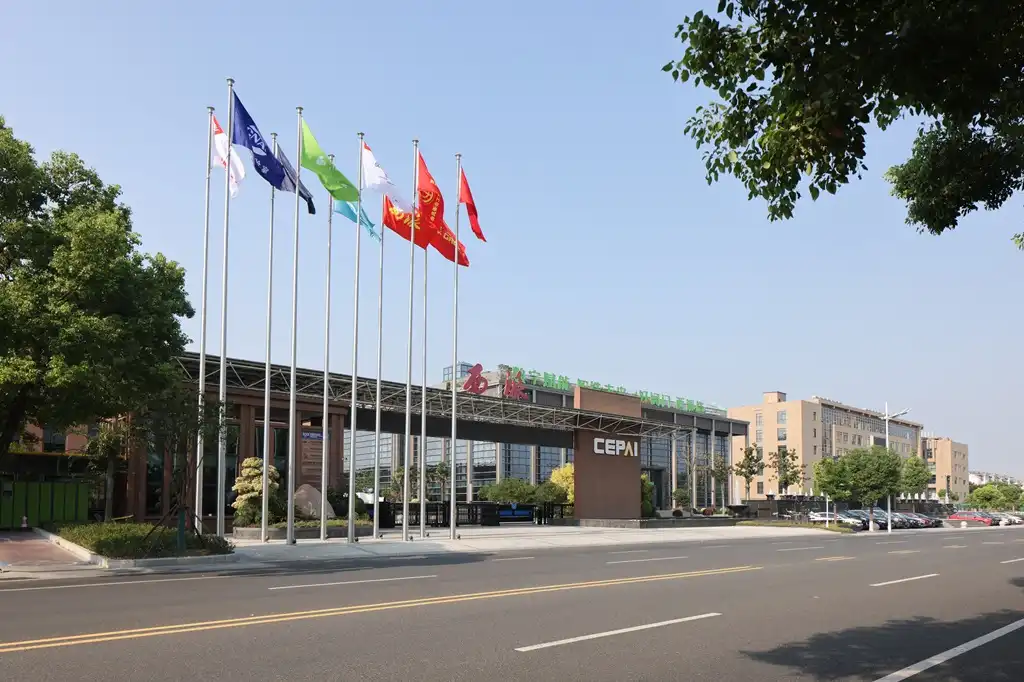
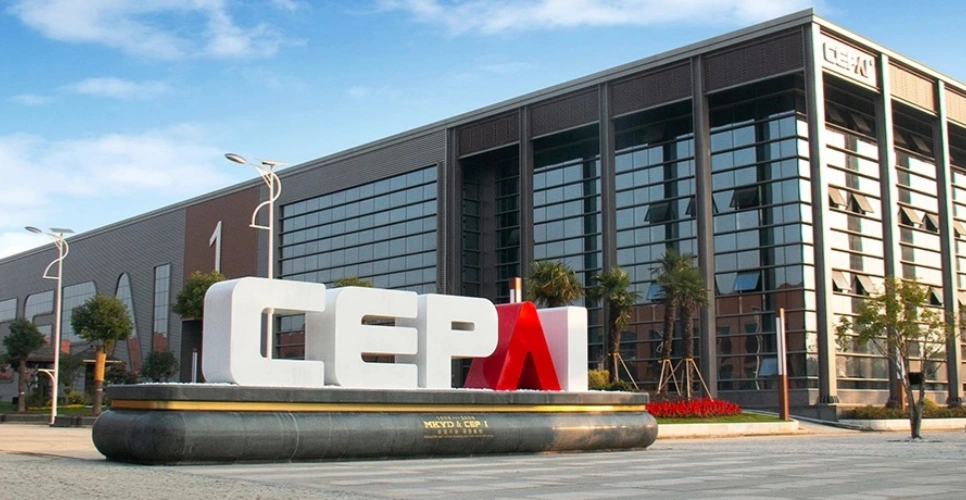
CEPAI is a top company that makes industrial ball valves. They have many certifications, such as API Q1, API 6A, API 6D, and ISO 9001, which makes sure that European wholesalers get the best quality products. Our wide range of products includes both standard and operated ball valves made for tough oil and gas jobs. They are made with high-tech materials and precise engineering that go above and beyond what the industry needs. European wholesalers looking for dependable providers of industrial ball valves will find that CEPAI's mix of low prices, technical know-how, and quick service gives their customers the best value. Email our team at cepai@cepai.com to talk about your unique needs and find out how our proven skills can help you stand out in the market.
References
European Valve Association Industry Report on Global Sourcing Trends and Market Analysis for Industrial Valve Distributors, 2023.
International Trade Commission Study on European Industrial Equipment Import Patterns and Supplier Preferences in the Valve Industry, 2023.
McKinsey Global Manufacturing Competitiveness Index: Analysis of Chinese Industrial Equipment Production Capabilities and Quality Standards, 2023.
Frost & Sullivan European Industrial Valve Market Analysis: Sourcing Strategies and Supplier Evaluation Criteria for Distributors, 2023.
World Bank Global Supply Chain Efficiency Report: Logistics Performance and Trade Facilitation in Industrial Equipment Sectors, 2023.
Oxford Economics European Manufacturing Cost Analysis: Comparative Study of Regional Production Economics in Industrial Valve Manufacturing, 2022.
_1746598525968.webp)
Get professional pre-sales technical consultation and valve selection services, customized solution services.
About CEPAI