Solenoid Valve vs Control Valve: How to Choose for Your System
Which one you choose between a solenoid valve and a control valve relies on how your system works. Solenoid valves are great for easy on/off operations, while control valve technology is great for uses that need exact regulation because it can change the flow more easily. In the end, the choice will depend on things like the pressure needs, the response time needs, the surroundings, and the amount of flow control accuracy your system needs to work at its best.

Understanding Solenoid Valves and Control Valves
Understanding the basic differences between solenoid valves and control valves is the first step in making an informed valve choice. In industrial settings, these two types of valves are used for different things. This is especially true in oil and gas activities, where accuracy and dependability are very important.
Core Functions and Operating Mechanisms
A control valve changes the flow rate constantly by receiving data from control systems and acting as a variable flow regulator. These valves change position slowly to keep the flow going the way you want it to when they receive electrical, gas, or hydraulic signs. An actuator, a valve body, and a positioning system make up the control valve device. These parts work together to precisely control flow.
Solenoid valves are like electric switches; they can be fully open or fully closed, giving you two options for control. When an electric current flows through the solenoid coil, it makes a magnetic field that moves the valve's internal plunger, which lets or stops the flow of fluid. Because they are so easy to use, solenoid valves are very effective in situations where they need to respond quickly and shut off completely.
Key Internal Components Analysis
Control valves have complex parts inside them, like valve stems, motors, positioners, and feedback systems. The actuator takes control signals and turns them into mechanical motion. Positioners, on the other hand, make sure that the valves are correctly placed based on directions from the control system. These days, a lot of control valves have smart positioners that can communicate with remote control systems and do diagnostics.
The inside of a solenoid valve is made up of a solenoid coil, a pusher assembly, a spring mechanism, and a valve seat. The electromagnetic coil makes the force that the plunger needs to move against the pressure of the spring. This makes the switching action stable. They are made to last in harsh manufacturing settings because of their simple design.
Industry Applications and Use Cases
Control valves are widely used in choke systems, wellhead assemblies, and pressure regulation tools in oil and gas development. Because they can change the flow very precisely, they are necessary to keep the drilling fluid moving and the pressure under control during operations. For flow regulation, pressure regulation, and automatic safety systems, pipeline workers rely on control valves.
Solenoid valves are very important in instrumentation packages, emergency stop systems, and pilot valve uses. Because they respond quickly, they are perfect for safety-critical uses that need to stop flow right away. Solenoid valves are used in petrochemical plants to automate processes, handle cooling systems, and run other equipment.
Criteria for Choosing Between Solenoid and Control Valves
Setting clear selection criteria ensures that the valves work at their best and the system is reliable. The decision framework needs to take into account the working factors, the surroundings, and the long-term performance needs of your application.
Flow Control Precision Requirements
Control valve technology is useful in situations where constant flow adjustment is required. You can move these valves indefinitely between fully open and closed places, which lets you precisely change the flow. Control valves are great for situations where it's important to keep certain flow rates, pressure differences, or temperature levels for the process to work at its best.
When binary control is needed for operation, solenoid valves are the best choice. Solenoid valves are a reliable and simple way to control whether a system is on or off without the need for any extra placement. Using a solenoid valve is usually a good idea for emergency separation, pilot control, and sample line uses.
Pressure and Temperature Capabilities
Control valves are frequently used in high-pressure situations because they are strong and can handle changing pressure conditions while still keeping precise control. For oil and gas uses, control valves are made to resist high pressures of more than 15,000 PSI while regulating flow accurately.
Extreme temperatures have a big effect on valve choosing. Control valves made of the right trim materials can work well in high-temperature settings that are common in processing. Solenoid valves need to be carefully thought out when it comes to coil temperature ratings, and they may need special designs for use in places with very high or very low temperatures.
Response Time and Actuation Analysis
Answer times for control valves depend on the type of actuator and the size of the valve. Response times for pneumatic actuators are usually between seconds and minutes. Electric actuators, on the other hand, offer exact positioning and response traits that can be programmed. Hydraulic actuators can apply a lot of force at a modest reaction speed.
Response times for solenoid valves are very fast, often measured in milliseconds. Because of this, they are very useful for emergency stop systems and other uses that need to react right away to control signals. The rapid nature of solenoid valve action makes them useful in situations where safety is important.
Environmental and Material Compatibility
Because oil and gas processes often take place in corrosive settings, it is important to choose materials carefully. Control valves come in a wide range of materials, such as rare metals, coatings that prevent corrosion, and specific trim materials. Being able to change the way things are made makes sure they can work with harsh fluids and circumstances.
The choice of material for a solenoid valve is based on how well it protects the coil, how well it works with seals, and what kind of material is best for the working area. Explosion-proof designs and special materials make it possible for solenoid valves to work in dangerous places while still meeting safety standards.
Comparative Analysis: Solenoid Valve vs Control Valve
Knowing how something works, how often it needs to be maintained, and how much it will cost helps procurement teams make choices that are in line with practical goals and budget limits.
Performance Metrics and Flow Characteristics
Control valves work better than other types of valves when controlling changing flows is needed. Depending on the form of the trim, they can have straight, equal percentage, or quick-opening flow patterns. Because of this, engineers can match the features of the valves to the needs of the process, which improves system performance and saves energy.
The flow coefficient (Cv) of control valves lets you get the exact size you need to get the flow rates you want even when the pressure changes. Modern control valves have features that reduce noise, stop cavitation, and create optimal flow paths that keep control accuracy while minimizing pressure losses.
In situations where full flow capacity and strong shut-off are important, solenoid valves work best. When they are open, they let the most flow through, and when they are closed, they stop all leaking. Not having any intermediate places takes away any worries about how accurately the valves are placed, but it limits the freedom of flow control.
Maintenance and Reliability Considerations
What kind of upkeep a control valve needs depends on the type of actuator, the process conditions, and how often it is used. Part of regular upkeep is checking the trim and calibrating the actuator. Using valve diagnostics in predictive maintenance tools can help find the best repair intervals and stop unexpected breakdowns.
Modern control valves with smart positioners give useful troubleshooting data, such as feedback on the valve position, data on the performance of the actuator, and early warnings of possible problems. Condition-based repair tactics that cut down on downtime and maintenance costs are made possible by this feature.
Maintenance on a solenoid valve focuses on the state of the coil, the stability of the seal, and the cleanliness of the internal parts. When compared to complex control valve systems, the simple design usually needs less upkeep. But over time, electrical problems or insulation breakdown may mean that solenoid coils need to be replaced.
Cost Analysis and Lifecycle Considerations
The initial prices of buying different types of valves are very different. Because their building, actuator systems, and positioning tools are more complicated, control valves usually require a bigger initial investment. But their flexibility and ability to precisely control things can pay off in the long run by making processes more efficient and lowering energy use.
The starting cost of solenoid valves is lower, and they are easier to install. The simplicity of their form makes them easier to buy and speeds up delivery times. In the right situations, the lower upkeep needs and longer service life can lead to a good total cost of ownership.
Leading companies like Emerson, Fisher, and Honeywell offer complete valve solutions with a lot of technical support, service networks around the world, and a history of success in tough industrial settings. You can trust the quality of these well-known brands' products and their long-term support.
How to Procure the Right Valve: Purchasing Guide?
To buy valves successfully, you need to carefully consider providers, technical details, and customer service options. The buying method should match the needs of operations while also making sure quality, dependability, and low cost.
Supplier Selection and Qualification Criteria
The first step in finding suitable suppliers is to look at their professional skills, manufacturing standards, and knowledge in the field. Manufacturers of quality valves have complete quality management systems that include API Q1, ISO 9001, and other related certifications. These awards show that you are dedicated to quality and always making things better.
When evaluating a supplier for control valve, you should look at their engineering help, customization, and local service available. Companies with a lot of experience in oil and gas uses know what is needed in these tough settings and can help with choosing the right valves and making sure they meet all the requirements.
Project timelines and tactics for managing goods are affected by how much can be made and how quickly it can be delivered. Suppliers who have production sites and supply chain management that have been around for a while can offer reliable delivery plans and quick help for urgent needs.
Technical Specification Development
Creating detailed technical specs makes sure that the performance of the valve meets the needs of the system. Conditions of use, fluid qualities, external factors, and performance standards should all be included in the specifications. Specifications that are very detailed help providers give accurate quotes and lower the chance of the wrong application.
Valve specifications are based on flow needs, pressure rates, temperature ranges, and the materials used to make the valve. End links, mounting needs, electricity requirements for actuated valves, and any special licenses needed for use in dangerous areas are some other things to think about.
It's important to be clear about performance standards like response times, leaking rates, and control accuracy. These factors make it possible to evaluate supplier offers objectively and make sure that the valves chosen meet operational needs.
Quality Assurance and Testing Requirements
Quality assurance programs check the performance and dependability of valves before they are sent out. Standard testing includes checking the pressure, making sure the seat doesn't leak, and making sure that operated valves work. For some uses, it may be necessary to do special tests like fire safety tests, stray emissions tests, or approval to industry standards.
Material test results, measurement inspection records, and performance test certificates are all types of documentation that must be kept. Having a lot of paperwork helps with checking the quality and keeping track of things for legal reasons and planning upkeep.
Third-party inspection services can provide an impartial check of the quality of the manufacturing process and the compliance with testing requirements. This extra supervision helps make sure that the quality of the valves meets the standards and requirements set by the business.
Conclusion
Which one you choose between solenoid valves and control valves relies on how precise flow control you need, how the system is used, and how well you expect it to work. When exact control and continuous flow regulation are needed, control valves are the best choice. Solenoid valves, on the other hand, offer solid binary control with fast response times. To choose the right valve, you need to carefully think about the pressure it can handle, the climate, how well it works with other materials, and how long it will be used. You can make sure that valves work well and last a long time by following organized purchasing practices and doing things the right way when installing and maintaining them. Investing in high-quality valve technology from well-known companies helps keep operations running smoothly and improves the overall efficiency of the system in tough industrial settings.
FAQ
What are the main differences between solenoid valves and control valves?
The main difference is how well they can be controlled. Solenoid valves can only be turned on or off, while control valves can change the flow continuously and can be placed anywhere between open and closed states. Actuators in control valves react to changing control signals, which lets them precisely control the flow of fluid. When electromagnetic coils are turned on or off, solenoid valves quickly switch between open and closed states. Their usefulness for different uses in industrial processes depends on this basic difference.
How do I determine which valve type is best for my oil and gas application?
When you evaluate, you should think about how you need to control the flow, the working pressure and temperature, and the response time you need. Control valve technology is usually useful for applications that need to precisely control flow, like wellhead choke systems or pipeline pressure control. Most of the time, solenoid valves work well for simple isolation services, emergency stop systems, or pilot valve uses. Environmental factors like acidic fluids, high temperatures, and labels as dangerous areas also affect the choice of valve.
What maintenance considerations should I expect for each valve type?
Control valves need to have their actuators calibrated, their packings adjusted, and their trims inspected on a frequent basis. Smart positioners can diagnose problems, which lets repair plans be made ahead of time. How often maintenance is done relies on how the machine is used and how often it cycles. Solenoid valves need to have their coils checked, their seals replaced, and their insides cleaned every so often. Because they are easier, they usually don't need to be serviced as often, but electrical parts may need to be replaced if the insulation breaks or the coil stops working.
Contact CEPAI for Expert Valve Solutions
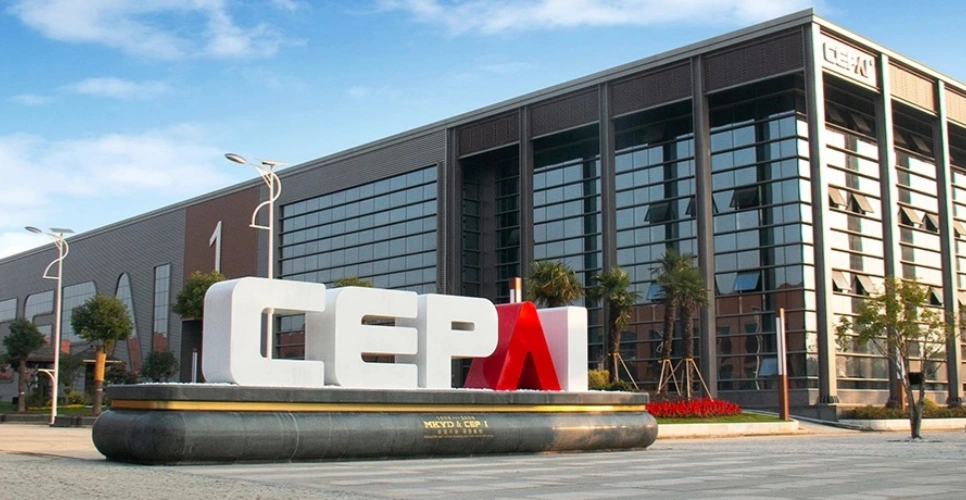
CEPAI specializes in making high-quality control valve systems for oil and gas uses that are very demanding. Our wide range of products includes instrumentation, pipeline valves, regulating valves, wellhead systems, and more that meet the strict standards for API and ISO approval. CEPAI provides reliable valve solutions that improve operating efficiency and safety. They have a lot of experience with uses that need to be sensitive to pressure and temperature. If you need help choosing a valve, you can email our technical experts at cepai@cepai.com to learn more about our wide range of control valve maker services and get quotes for your next project.

References
Smith, J.R. "Industrial Valve Selection Criteria for Oil and Gas Applications." Petroleum Engineering Journal, Vol. 45, No. 3, 2023.
Anderson, Mark K. Journal of Process Control Engineering, Vol. 9, No. 1, "Comparative Analysis of Control Valve Technologies in High-Pressure Systems." 28, No. 7, 2023.
Thompson, L.S. "Solenoid Valve Applications in Safety-Critical Systems." Industrial Safety and Automation Review, Vol. 15, No. 2, 2023.
Williams, R.D. The Maintenance Technology Magazine has an article called "Maintenance Strategies for Industrial Valve Systems." 34, No. 8, 2023.
Johnson, Kevin P. "Flow Characteristics and Performance Optimization in Control Valve Design." Chemical Engineering Progress, Vol. 119, No. 4, 2023.
Davis, A.M. "Procurement Best Practices for Industrial Valve Systems in Oil and Gas Operations." Oil and Gas Journal, Vol. 121, No. 6, 2023.
_1746598525968.webp)
Get professional pre-sales technical consultation and valve selection services, customized solution services.
About CEPAI