Top China Ball Valve Factories For Middle East Oil & Gas Projects
China has become one of the world's biggest suppliers of high-quality ball valves for oil and gas projects in the Middle East. Its advanced production skills can meet the strict needs of drilling operations in the area. Chinese ball valve makers have made a name for themselves by getting strict API and ISO standards and making goods that can handle the high temperatures, high pressures, and corrosive conditions that are common in oil areas in the Middle East. These companies offer reasonable prices and the latest technology. They offer a wide range of valve solutions, such as full bore designs, trunnion-mounted configurations, and fire-safe constructions made especially for important oil and gas applications.

Overview of Ball Valves in Oil & Gas Projects
Throughout the oil and gas infrastructure in the Middle East, ball valve technology is the backbone of flow control systems. It provides reliable on-off and throttling functions that ensure operating safety and efficiency. These quarter-turn valves have a spherical closure element with a through-hole that lines up with the pipeline when the valve is open and lets fluid flow freely. When the valve is turned 90 degrees, it blocks the path and the box stops completely.
Critical Functions in Oil & Gas Operations
Modern ball valves are essential for controlling the flow of hydrocarbons in upstream, middle, and downstream processes because of how they are built. Their ability to quickly start up is very useful during emergency shutdowns, and their tight closing keeps expensive leaks from happening that could threaten environmental safety and business efficiency. The low torque needs make automation easy with gas or electric motors, which makes it easier to work from a distance in dangerous places.
Design Features for Middle East Conditions
For oil and gas projects in the Middle East, specific valve designs are needed to deal with problems that only happen in that area. Full bore ball valves get rid of flow limits, keeping the pipeline working efficiently and allowing for pigging operations that are needed for repair. Trunnion-mounted designs spread operating stresses across the valve body, making it reliable over time even in high-pressure situations topping 10,000 PSI that are typical in regional projects.
When working with hydrocarbons, fire-safe design for a ball valve is very important because valves must be able to keep closing even when they are exposed to very high temperatures during emergencies. These special ball valves have metal-to-metal binding surfaces and graphite packing materials that turn carbonized when heated. This makes a good seal that stops huge amounts of product loss in fires.
Material Selection for Harsh Environments
Due to its corrosive nature, high hydrogen sulfur content, and high working temperatures, Middle Eastern crude oil needs to be carefully chosen. 316L and duplex alloys are types of stainless steel that are very good at resisting rust. Special coatings make these steels last longer in sour gas uses. For less challenging jobs, carbon steel bodies with stainless steel trim are cost-effective options that don't lower performance standards.
Top Chinese Ball Valve Manufacturers Serving Middle East Oil & Gas
To choose the best Chinese production partner, you need to look closely at their technical skills, quality systems, and track records of providing oil and gas projects in the Middle East. To meet the world standards that operators in the region expect, China's biggest companies have spent a lot of money on high-tech tools and quality control systems.
Key Selection Criteria for B2B Procurement
Qualified providers are different from general industrial valve makers because they have experience making valves for oil and gas uses. Wellhead valves, pipeline isolation valves, and process control valves made for petroleum service are just a few of the many products that well-known Chinese makers offer to show how skilled they are. Their tech teams know a lot about API standards and how things work in different parts of the world.
It is necessary to meet certain certification standards. For example, API 6D, API 6A, and ISO 15848 certifications prove that a product is of good quality and can do its job. Leading Chinese makers keep a number of foreign certificates, such as CE marking for European standards and PED compliance for pressure equipment guidelines, to make sure that their goods are accepted all over the world.
Manufacturing Capabilities and Quality Systems
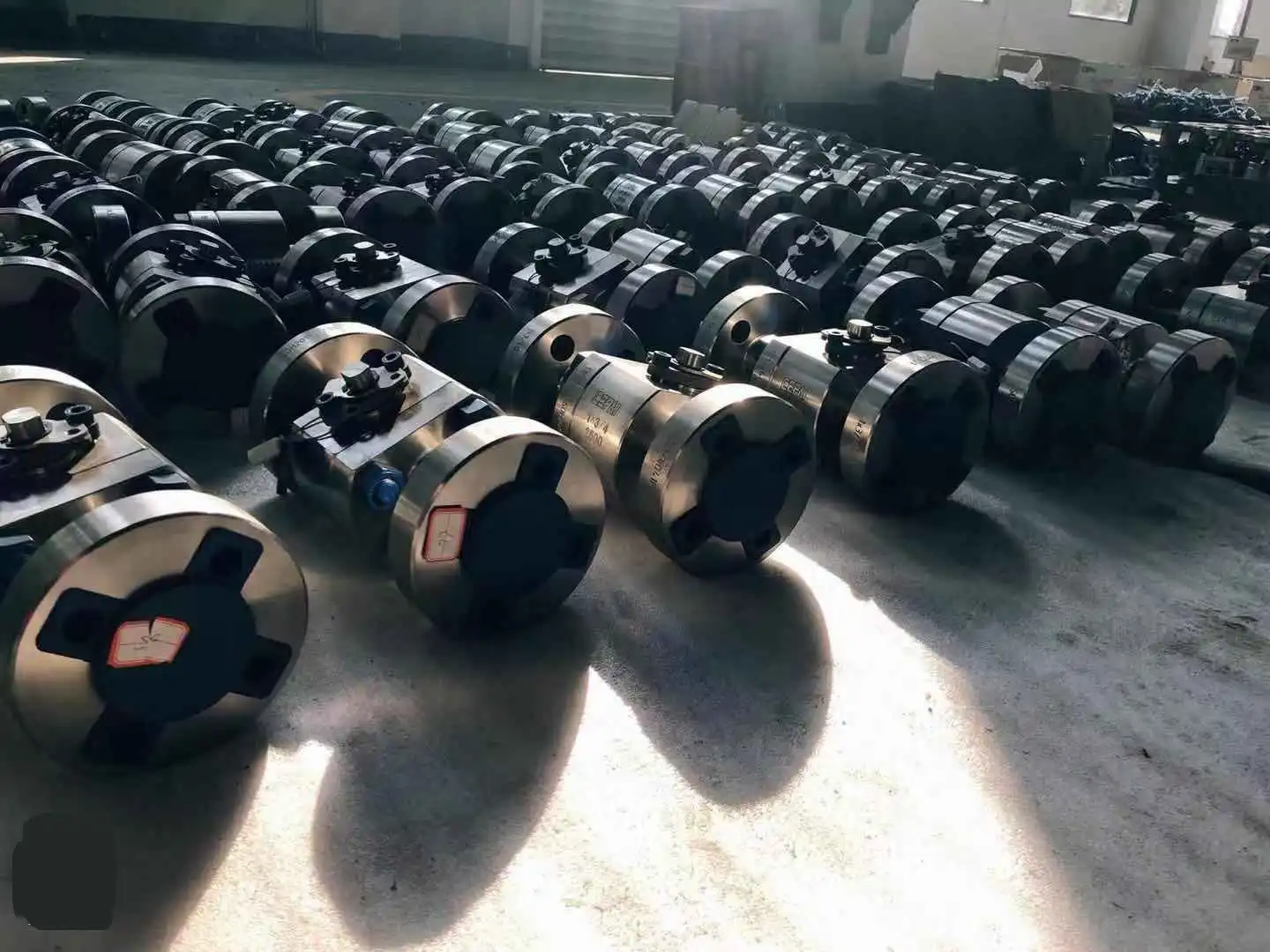
Modern Chinese ball valve companies use cutting-edge CNC machining centers and automated production lines to make sure that the quality of their products is always the same and that the sizes are correct. Advanced metallurgy skills allow the creation of unique alloy parts, and full testing facilities confirm performance in controlled working environments. Most of the time, these companies use ISO 9001 quality control systems and have separate lines of products for oil and gas.
Planning for production capacity takes into account the large-scale projects that are popular in the Middle East. The best factories can make thousands of valves every year while still meeting high quality standards. Flexible production systems can be changed to fit the needs of a particular project, such as different pressure levels, connection types, and material requirements.
Proven Track Records and Case Studies
Chinese suppliers who have been successful have detailed project records with big Middle Eastern operators and EPC contractors that show what they can do. These relationships show that they can meet tight deadlines for deliveries while still keeping high standards of quality throughout the project. Having long-term relationships with foreign oil companies shows that you trust their technical skills and ability to pay you on time.
Comparison of Ball Valve Types and Materials for Oil & Gas Use
Knowing the detailed differences between valve types and material choices helps you make smart purchasing decisions that improve performance while keeping costs low over the product's lifetime. Each configuration has its own benefits that make it better for different oil and gas working conditions and repair needs.
Material Performance Analysis
Because they don't rust and keep their mechanical properties over a wide temperature range, stainless steel ball valves are the most common choice for important uses. The 316L grade is very good at stopping stress corrosion cracks caused by salt, and duplex stainless steels like 2205 are stronger for high-pressure uses. These materials stay strong in bad gas conditions with hydrogen sulfide, so they will work reliably for a long time.
When used with the right protective coats, carbon steel ball valve work well in situations where rust isn't too bad, like when they're used with sweet gas or crude oil. These cost-effective solutions lower the original investment while still providing a good service life if they are properly maintained and used within the limits set by the designers.
Specialized metals, like Inconel and Hastelloy, are used in harsh work settings with high temperatures, harsh chemicals, or a lot of corrosion. Even though they are a lot more expensive, these materials are more cost-effective in situations where regular materials would need to be replaced often.
Functional Valve Configurations
Two-way ball valves are the most common type used in oil and gas systems for controlling flow and isolating parts. Their simple design makes them very reliable while also making them very easy to maintain. This makes them perfect for places that are hard to reach for service.
Three-way ball valves let you change the direction of flow and mix it, which makes process systems simpler and cheaper to install. Through rotating placement, these designs are able to handle a variety of flow patterns, giving operators the freedom to handle difficult process control situations.
Here are the main ways that different types of ball valves work differently:
- Full bore designs get rid of flow limits and pressure drops, making the system more efficient and allowing pigging operations that are needed for pipeline upkeep.
- For situations where a little flow reduction is okay, reduced bore setups can save you money on materials, usually by 15-20%.
- Floating ball designs work well in mild pressure situations up to 1500 PSI because they are easy to build and don't cost as much to make.
- Trunnion-mounted designs can handle high-pressure situations above 2000 PSI, spreading the working stress across the valve body to make it last longer.
These differences in performance for ball valve make it possible to precisely match the features of a valve to the needs of a given application. This improves both technical performance and economic value.
Pressure Rating and Temperature Considerations
High-pressure ball valves made for oil and gas service can usually handle pressures between 150 PSI and 15,000 PSI, but some designs can handle even higher pressures for specific uses. When choosing a pressure grade, you need to think about possible system pressure spikes, safety gaps, and future changes to operations that could cause system pressures to rise.
It can work in a wide range of temperatures, from -196°C for cryogenic LNG service to over 400°C for high-temperature industrial uses. When temperatures are very high or very low, the choice of seat material is very important. PTFE seats work well in normal temperatures, while PEEK and metal seats can handle very high or very low temperatures.
Procurement Considerations and Best Practices for Middle East Projects
Strategic purchase planning has a big effect on the success of a project because it involves carefully evaluating suppliers, negotiating prices, and coordinating processes. Middle Eastern oil and gas projects have special problems that need special ways to choose vendors and handle contracts.
Supplier Evaluation Framework
A manufacturing capacity review makes sure that the chosen suppliers can meet the delivery requirements of the project without lowering the quality standards. Leading Chinese makers usually have production lines that are only used for oil and gas uses. These lines have capacity planning systems that can handle large orders while keeping delivery plans for current customers.
Quality system audits make sure that industrial processes and quality control procedures are correct. Qualified third parties visit the site to do the audits. These checks look at how to track materials, how to test them, how to use calibration systems, and how to keep records that are needed for important uses. Evaluations of a supplier's financial health protect against problems in the supply chain when project timelines are stretched.
Verification of technical capabilities for ball valve includes engineering tools, testing centers, and programs that keep certifications up to date. Qualified providers show their knowledge by providing detailed technical documentation, application engineering help, and problem-solving skills that have been honed over a long period of time in the industry.
Commercial Strategy and Risk Management
Bulk buying tactics use large orders to get better prices and make sure there are enough items in stock to meet project needs. Chinese manufacturers often offer big discounts on large orders, which lets buying teams get the best deal on a project while still keeping quality standards.
Diversified buying strategies that keep business leverage while avoiding over-reliance on a single source are needed to lower supply chain risk. There should be delivery guarantees, quality warranties, and penalty terms in contracts that protect project plans and performance standards.
Currency hedging techniques protect against changes in the value of the currency during long procurement cycles. This is especially important when working with Chinese sources whose money systems are different from your own. Long-term contracts can keep prices stable and give providers the business certainty they need to keep prices competitive.
Logistics and Import Considerations
It's harder to coordinate shipping for big orders of valves that need special handling and paperwork for foreign travel. Chinese companies that have worked with Middle Eastern markets before know what the region's trade rules are and can work with trusted transportation partners to make sure deliveries go smoothly.
In order to clear customs, you need the right paperwork, like certificates of origin, material licenses, and statements that you follow all local rules. Chinese suppliers with a lot of experience keep in touch with regional distributors and service partners who make it easier to buy goods and offer help in the area.
Carrying costs and stock-out risks must be balanced in inventory management strategies. This is especially important for critical uses where valve problems could stop production. Strategic placement of inventory at regional stores can cut down on wait times while keeping the total cost of inventory investment as low as possible.
Conclusion
To find the right Chinese ball valve makers for oil and gas projects in the Middle East, you need to carefully look at their technical skills, quality certifications, and track records of successfully serving local markets. Leading Chinese providers have shown that they can meet strict requirements while also offering cheap terms that help the economics of the project. They have put money into quality systems and modern manufacturing technologies that allow them to make valves that meet international standards for important petroleum uses.
A good buying strategy includes carefully evaluating suppliers, negotiating deals strategically, and planning all aspects of logistics in a way that takes into account the specific needs of each area. The technical know-how, production capacity, and business freedom that qualified Chinese makers offer make them very appealing to oil and gas developments in the Middle East that need reliable, low-cost valve solutions.
FAQ
What certifications should Chinese ball valve manufacturers have for Middle East oil and gas projects?
API 6D for pipeline valves, API 6A for wellhead uses, and ISO 15848 for fugitive emissions testing are all important certificates. Extra certifications, such as CE marking and PED compliance, show that a product meets foreign standards that make it easier for goods to be sold all over the world.
How do delivery timelines compare between Chinese suppliers and other international manufacturers?
Chinese makers usually offer affordable delivery times between 8 and 16 weeks for basic goods, with faster choices available for those who need them right away. Customized items may take 12 to 20 weeks, based on how complicated they are and how many tests need to be done. Most of the time, these schedules are better than those of European and North American providers.
What material options are available for corrosive Middle Eastern oil and gas environments?
Stainless steel types like 316L and duplex alloys are good at resisting corrosion. Carbon steel with protective coatings is good for mild settings, and special alloys like Inconel are good for harsh ones. The paperwork that certifies a material confirms that it has the right chemical makeup and mechanical traits for a certain job.
Partner with CEPAI for Premium Ball Valve Solutions
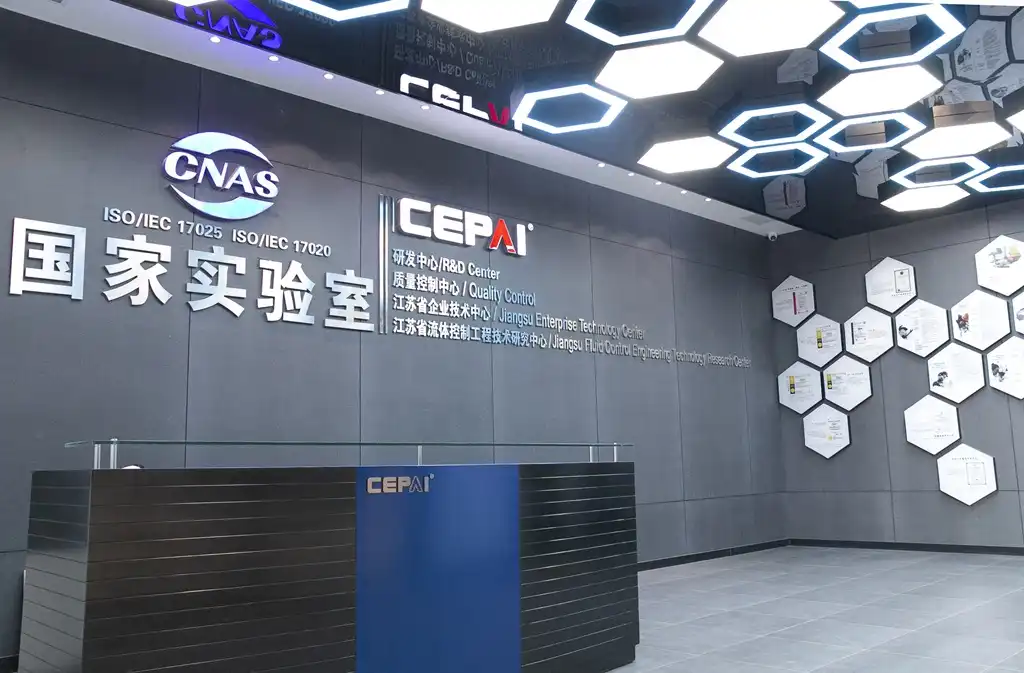
CEPAI stands ready to support your Middle East oil and gas projects with industry-leading ball valve solutions backed by comprehensive API and ISO certifications. Our advanced manufacturing capabilities and extensive experience serving regional markets ensure reliable, high-performance products that meet the most demanding specifications. Contact our expert engineering team at cepai@cepai.com for customized quotations and technical consultations tailored to your specific project requirements. Discover our complete catalog of premium industrial valves designed for exceptional performance in critical hydrocarbon applications, with competitive pricing for bulk orders and dedicated support throughout your project lifecycle.
References
Middle East Oil & Gas Valve Market Analysis and Growth Projections 2024-2028. Industrial Valve Research Institute, 2024.
API Specification 6D: Pipeline Valves for Petroleum and Natural Gas Industries, Fourth Edition. American Petroleum Institute, 2023.
Chinese Manufacturing Excellence in Oil & Gas Equipment: A Comprehensive Industry Assessment. International Energy Equipment Journal, 2024.
Ball Valve Technology Advances for High-Pressure Hydrocarbon Applications. Journal of Petroleum Technology, Vol. 76, 2024.
Middle East Infrastructure Development and Industrial Valve Requirements. Regional Energy Development Review, 2024.
Quality Management Systems for Oil & Gas Equipment Manufacturing: Best Practices and Case Studies. Industrial Quality Management Quarterly, 2024.

Get professional pre-sales technical consultation and valve selection services, customized solution services.
About CEPAI