Best Electric Valves For Industrial Water Treatment Systems
When looking for the right electric valve for industrial water treatment systems, you need to think carefully about how well it controls flow, whether it works with the materials used, and how well it can be integrated with automation. The best electric valves are made with strong materials and the latest control technology. This makes them work better in tough water treatment settings. Electric valve solutions reliably automate important processes like filtration, chemical dosing, and reverse osmosis. This makes sure that systems work as efficiently as possible and costs are kept low in a wide range of industrial settings.
Understanding Electric Valves in Industrial Water Treatment
Working Principles and Fundamental Design
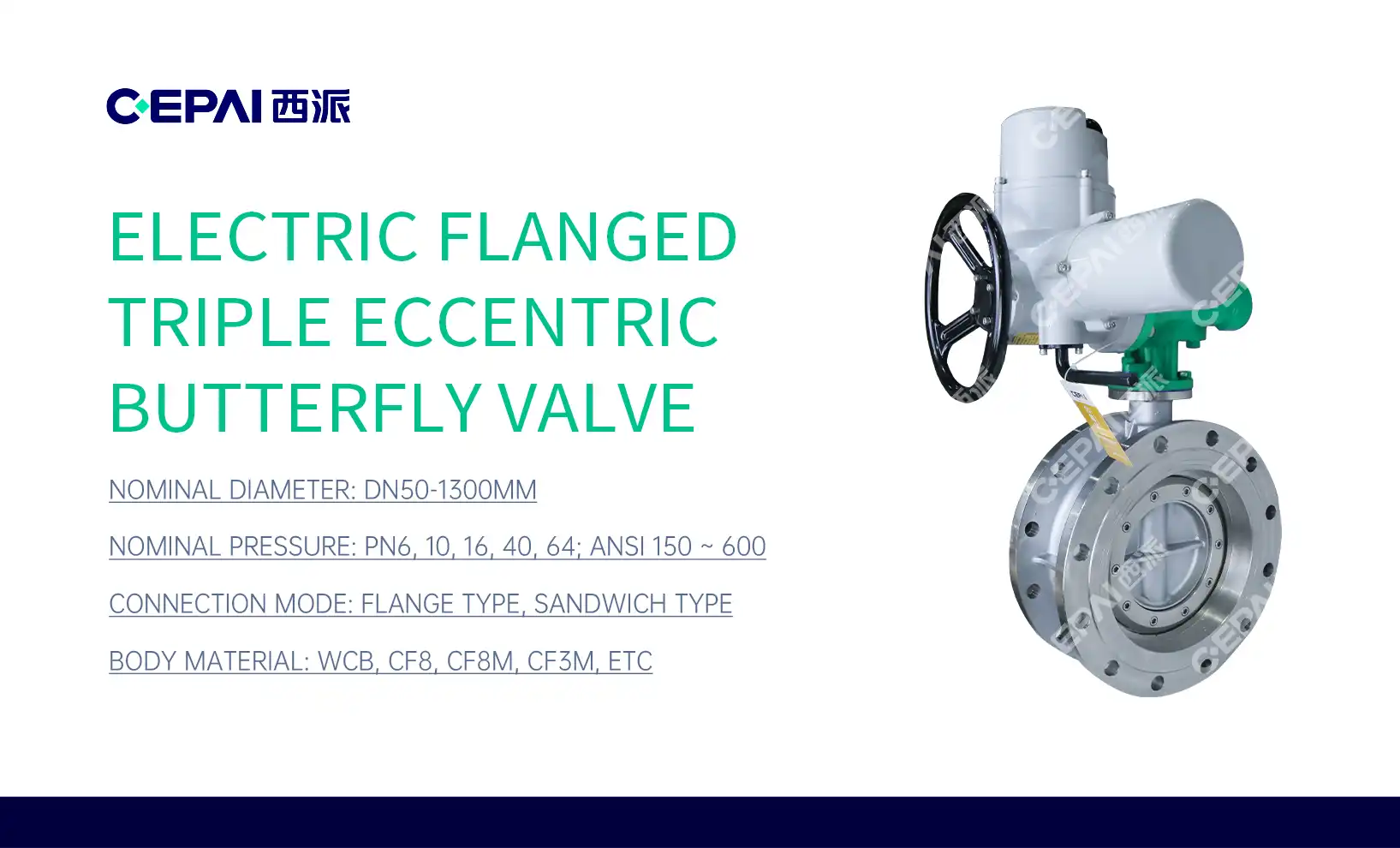
By turning electrical signs into precise mechanical motion, electric valves change the way fluids are controlled in industrial water treatment. Electric motors move valve stems or rotate valve elements in these high-tech devices, giving precise control over flow rates and pressure regulation. Electric valves react instantly to control messages from centralized automation systems, unlike traditional manual valves that need to be operated physically.
The major benefit is that they can keep the accuracy of their placement even when the process conditions change. Electric actuators make enough power to turn valves when there is a lot of pressure, which often happens in industrial water treatment plants. When handling chemical input rates, backwash cycles, or membrane cleaning processes, this level of accuracy is very important.
Common Types and Material Considerations
Modern water treatment plants use a variety of electric valve designs, each of which is best for a certain job. Electric ball valves work great in on-off situations where a tight stop keeps contaminants from moving from one treatment stage to another. Their quarter-turn action keeps wear to a minimum and protects against harsh cleaning chemicals with a bubble-tight seal.
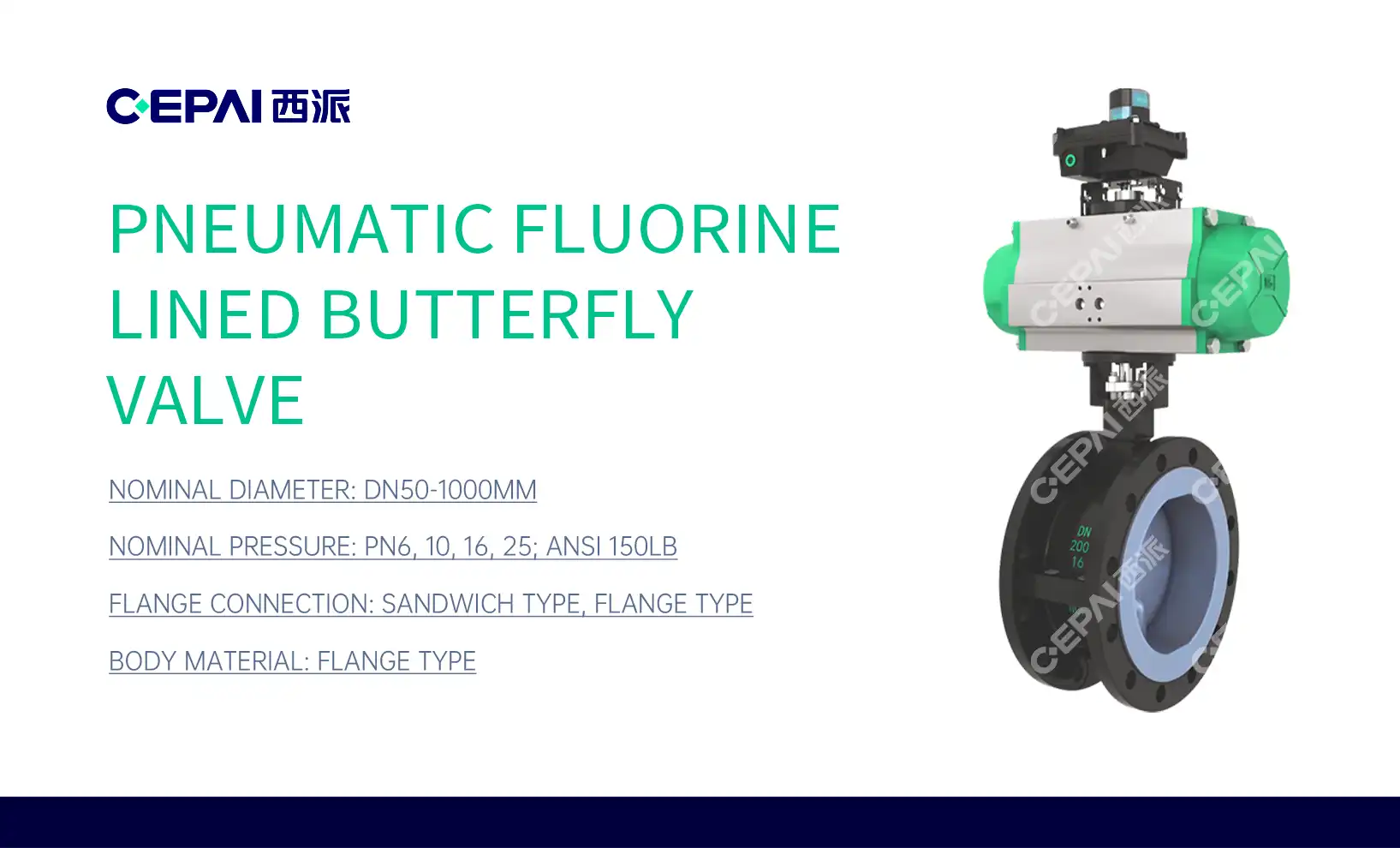
Electric butterfly valves are a cheap way to control the flow of water through big pipes, which makes them perfect for major water lines and systems that dump waste water. Their small size means they take up less room when installed and still have great flow qualities. When it comes to precise flow control in chemical dosing systems and pH adjusting processes, electric globe valves are the best at slowing.
Choice of material has a direct effect on how long a valve lasts and how reliably it works. The building is made of stainless steel, which is very resistant to corrosion from chlorinated water and acidic cleaning chemicals. Specialized metals, such as Hastelloy or Inconel, offer better security in places where sulfuric acid or sodium hypochlorite solutions are very toxic.
Key Advantages Over Traditional Alternatives
Electric valves have many operational benefits that directly lead to better building performance and lower upkeep costs. Because they work with SCADA systems, they can be monitored and controlled from afar, so workers can change process settings without having to physically go to where the valves are located. This feature is very useful in dangerous places or underground sites where operating by hand could be dangerous.
Being energy efficient is another big benefit, since electric motors only use power when they're moving the valve. In contrast to pneumatic systems, which need a constant source of air, electric valves save money on energy bills and stop compressed air from leaking. Their exact positioning input makes sure that flow control is accurate, which cuts down on chemical waste and improves the efficiency of treatment.
Choosing the Best Electric Valve for Industrial Water Treatment Systems
Critical Performance Parameters
To choose the right valve, you must first carefully look at the system's flow needs, working pressures, and temperature ranges. By using flow coefficient (Cv) estimates, you can find out what size valve you need to handle the highest design flow rates without letting too much pressure drop. Electric valves need to be able to handle high flows during backwashing or emergency discharges while keeping control stable during normal operation.
When there is a lot of pressure, like in reverse osmosis systems or high-rise building water distribution, the pressure number is very significant. Electric actuators need to be able to produce enough force to open valves against system pressure while keeping their precise position. Temperatures in the environment and the process fluid should both be taken into account, since thermal expansion affects how well valves sit and actuators work.
Comparative Analysis of Valve Technologies
When it comes to automatic valve types, electric motorized valves offer the most precise positioning input. Their ability to make multiple turns makes them useful for tasks that need to slowly change the flow, like controlling the rate of chemical feed or timing filter backwash. But because they work more slowly, they might not be able to be used in emergency closing situations where the valve needs to close quickly.
Solenoid valves respond quickly, making them perfect for uses that need to shut off quickly or control a pilot. Their simple two-position operation works well for turning chemical feeds on and off or isolating when a warning goes off. Because they can only handle a limited amount of flow and use more power when they are active, they can only be used on smaller lines and during occasional duty cycles.
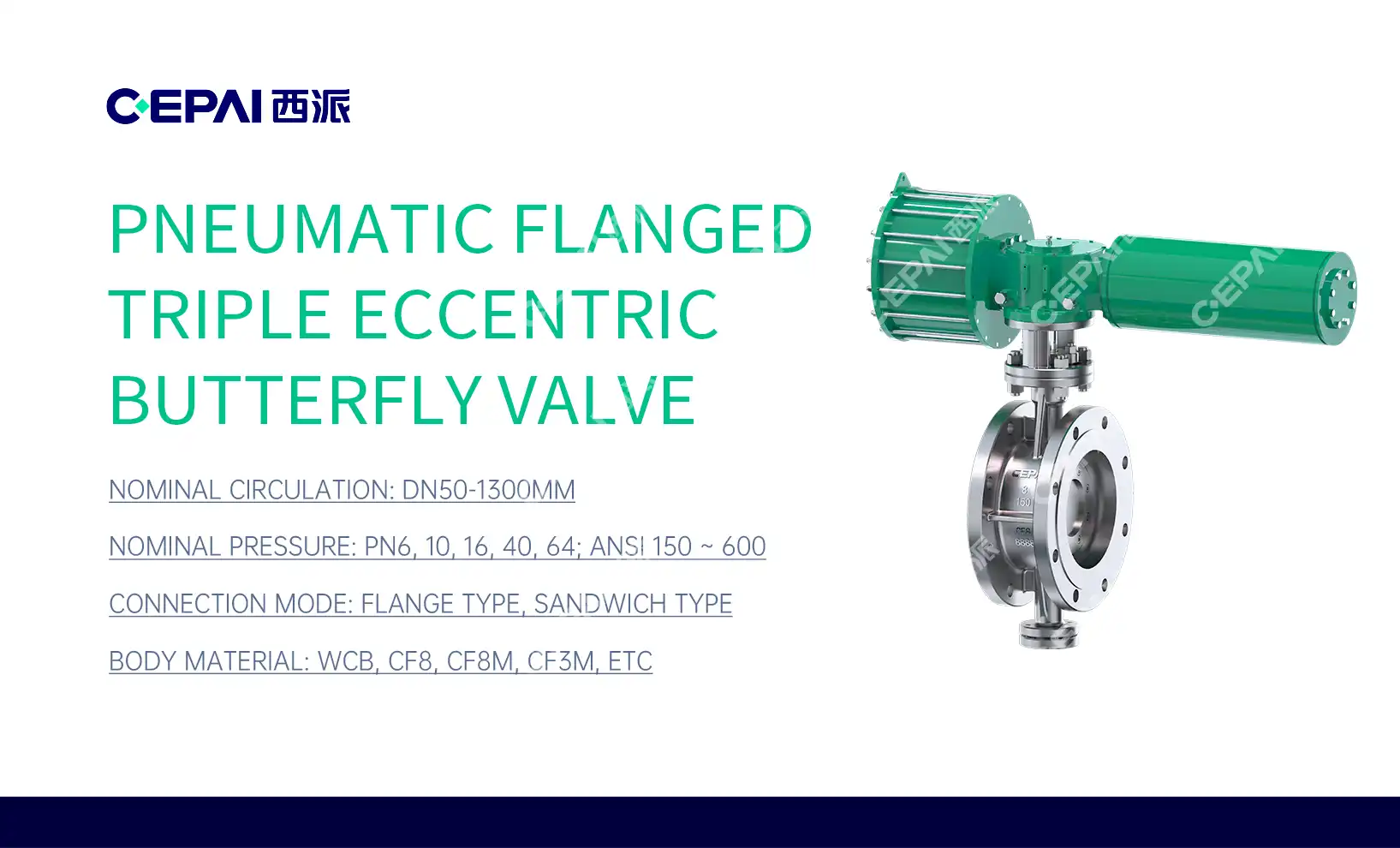
Pneumatic valves work great in fail-safe situations where the valve closes itself automatically when the power goes out using saved air pressure or a spring return device. Because they don't react with dangerous atmospheres, they can be used in places that handle gases or liquids that can catch fire. However, the need for compressed air makes operations more expensive and upkeep more difficult than with electric options.
Material and Design Durability Factors
Corrosion protection is the most important thing to think about when choosing a material for a water treatment valve. Exposure to chlorine slowly breaks down rubber seals and metal parts, so materials designed for oxidizing conditions are needed. EPDM seals are more resistant to chlorine than regular NBR compounds, which means they don't need to be serviced as often and don't need as much upkeep.
New sealing technologies make valves more reliable in tough working situations. In sewer uses, metal-to-metal seating keeps debris from damaging the valve, while soft-seated designs work better in clean water systems for shutting off. Stem sealing devices must stop process fluid from leaking while also being able to handle the temperature and pressure changes that happen naturally during treatment processes.
Applications of Electric Valves in Industrial Water Treatment Systems
Process Integration and Control Functions
Electric valves are very important at every step of the water treatment process, from taking in the raw water to releasing the finished waste. In filtration systems, backwash processes are controlled by motorized valves that send fluid automatically through multiple filter beds while keeping the treatment capacity constant. Their exact timing makes sure that the cleaning works best without wasting too much water or taking too long.
Electric control valves can accurately change the flow rate, which is useful for chemical dose uses. For pH adjustment systems to work, they need to be able to precisely inject acids or caustics at rates that change based on the quality of the water coming in. Electric valves work directly with pH monitors and control systems to keep the water chemistry at the right level while using as few chemicals as possible.
Electric valves are essential to reverse osmosis systems because they regulate the flow of concentrate, clean the membranes, and initiate and stop the system. For high-pressure uses, valves must be able to keep a tight seal even when the working pressure is above 600 PSI. Electric motors give machines the force they need to work reliably and let people in central control rooms control them from afar.
Automation System Integration
Modern water treatment plants depend on full automation systems that make sure that valves work together across many treatment steps. Standard communication methods make it easy for electric valves to work with distributed control systems (DCS) and supervisory control and data collection (SCADA) platforms. This connection lets complex control methods work, which improves the efficiency of treatment while lowering the operator's job.
From centralized control stations, workers can use remote tracking to keep an eye on valve positions, working hours, and performance trends. Predictive maintenance algorithms look at the torque patterns and operation frequencies of actuators to plan maintenance tasks that will be done before they break. This proactive method cuts down on unexpected downtime and makes equipment last longer.
Performance Improvement Case Studies
In Texas, a city's wastewater treatment plant saved 15% of its energy by switching from gas control valves to electric ones in its aeration system. The exact placement of the electric valves allowed for better control of the dissolved oxygen, which cut down on blower energy use while keeping effluent quality standards. Getting rid of the need for compressed air also cut yearly upkeep costs by $25,000.
By adding electric control valves to their biocide pumping system, an industrial cooling water treatment plant cut their chemical costs by 22%. The exact flow control of the valves kept chemical overloading to a minimum while still stopping biological fouling effectively. Better control accuracy lowered the number of times the heat exchanger had to be cleaned from once a month to three times a year, which cut down on production delays and the cost of upkeep labor.
Maintenance, Troubleshooting, and Performance Optimization
Preventive Maintenance Best Practices
In demanding water treatment settings, effective repair plans keep electric valves reliable and increase their service life. As part of regular inspections, the actuator housing should be looked at visually for corrosion or mechanical damage. This is especially important for sites that are outside and subject to extreme weather. Electrical connections need to be cleaned and tightened up every so often to stop high resistance problems that can damage actuator motors.
When to grease an actuator depends on the type of actuator and the surroundings. In normal situations, most electric valve actuators need new grease every year. In harsh settings with lots of chemicals or big changes in temperature, lubrication may need to be done more often. Using oils that are recommended by the maker makes sure that they work with sealing materials and keep the actuator's performance specs.
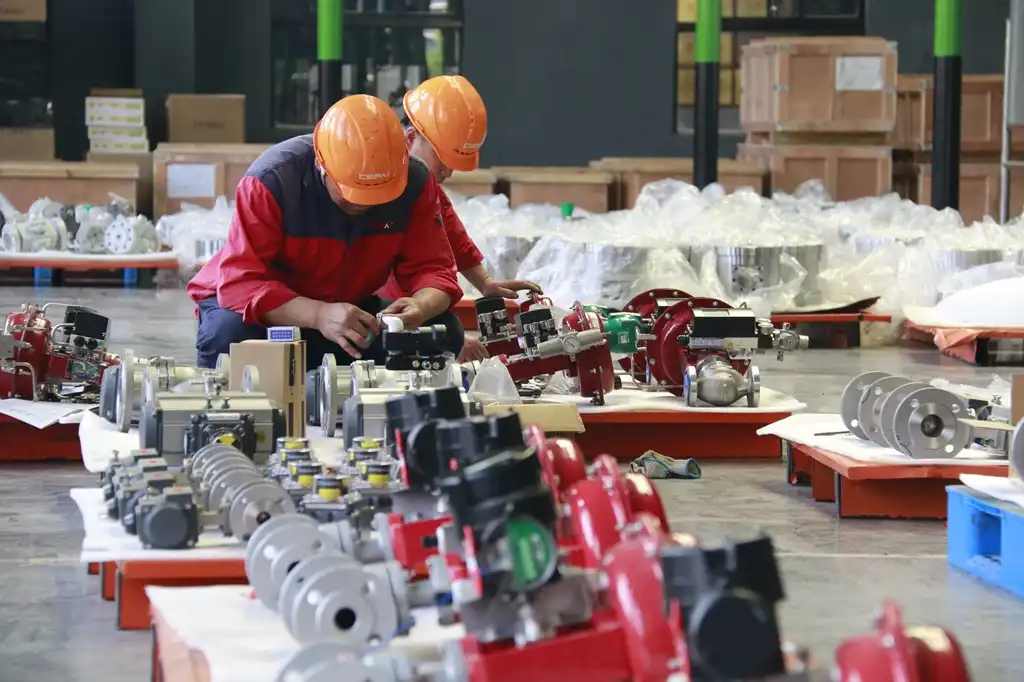
Depending on the process and job cycle, valve packing and closing systems need to be taken care of. High-temperature uses or harsh chemical contact speed up the seal's breakdown, so it needs to be replaced before it fails. Tracking the operation cycles of valves helps you plan when to do repair and avoid leaks problems that come up out of the blue.
Common Troubleshooting Procedures
Motor stalls are usually caused by too much system pressure, worn actuator gears, or not enough energy from the power source. Systematic analysis starts with measuring voltage at the actuator terminals while they are working. This is followed by checking the valves by hand to find problems with mechanical binding. When the motor stalls, thermal overload safety may kick in, which means the motor needs to cool down before reset tries can be made.
Positioning errors usually mean that the input sensor or actuator is worn out. To keep the accuracy of the control loop, electronic position sensors need to be calibrated on a regular basis. This is especially important in situations where valves move a lot. After servicing an actuator or replacing a motor, mechanical position markers may need to be adjusted.
Problems with seal leaks need to be fixed right away to keep the surroundings clean and the system running at its best. Most of the time, external leaking is caused by stem sealing systems, which can usually be fixed by adjusting or replacing the packing. Internal leakage affects how well the valve shuts off, and based on how bad the damage is, the seat may need to be fixed or the valve may need to be replaced.
Performance Optimization Strategies
Control loop setting improves the performance of electric valves while reducing the wear and energy use of actuators. When tuned correctly, hunting and overshooting are less likely to happen, which can delay the wear and tear on the parts. Modern digital motors can "self-tune," which means they can instantly find the best control settings based on how the system responds.
To optimize energy usage, you need to choose the right actuator size and use smart control methods. Too-big motors use too much power and make setting less accurate, while too-small units might not work well in high-pressure situations. By matching motor speed to load needs, variable frequency drives can lower energy use in situations where valves need to move a lot.
Integration with modern process control systems lets you do predictive optimization, which sees changes in the system coming and changes the settings of the valves before they happen. Compared to traditional feedback-only control methods, feed-forward control techniques can shorten the time it takes to respond and make the process less variable.
Procurement Guide: Where and How to Buy Quality Electric Valves?
Supplier Evaluation Criteria
As part of the technical certification process, important industry standards like AWWA, NSF, and EPA approvals for potable water uses must be met. The environmental grade of an actuator needs to meet the conditions in which it is installed. For outdoor water treatment facilities, NEMA 4X enclosures are a good choice for security. When working with flammable materials or in listed hazardous places, you need explosion-proof licenses.
Service skills have a big effect on operating dependability and long-term ownership costs. Local service access cuts down on reaction times for emergency fixes, and having a large collection of spare parts cuts down on the time that the machine is down. Maintenance staff training programs improve the ability to fix problems in-house and cut down on the number of service calls that need to be made.
Quality management standards, like ISO 9001, show that a company is dedicated to consistently high product quality and ongoing growth. References from similar applications can tell you a lot about how well and how reliably something works in the real world.
Procurement Strategy and Specification Development
Technical specs should make it clear what performance levels are needed, such as flow rates, pressure ratings, and the conditions of the surroundings. For automation system integration, control signal needs must list the voltage levels, transmission methods, and kinds of return signals that are needed. Material standards should include specific needs for chemical compatibility and the expected service life in real-world situations.
Requests for quotes (RFQs) should include thorough descriptions of the applications, drawings for installation, and standards for servicing ease. Delivery plans need to take into account wait times for production and the need to coordinate the project. The initial buy price, the cost of installation, and the expected upkeep costs over the expected life of the equipment should all be taken into account when figuring out the total cost of ownership.
When you work with experienced providers, you can get application knowledge and unique solutions that improve performance while cutting costs. When people work together, they can find value engineering possibilities that may lead to better project results or different approaches or component choices.
Conclusion
Electric valves are the best choice for current industrial water treatment systems because they offer accurate control, efficient automation integration, and better performance over time. Their advanced features make it possible for complex process control methods that improve the efficiency of treatment while lowering costs and the need for upkeep. To make the right choice, you need to carefully consider the needs of the application, the fit of the materials, and the connection needs of the automation system. Partnering with qualified sellers who offer full technical support and products that have been proven to work reliably in tough industrial settings is key to a successful implementation.
FAQ
What are the main differences between electric and pneumatic valves in water treatment applications?
Compressed air systems are not needed with electric valves, which makes installation easier and lowers the cost of running the system. They make positioning more accurate and make it easy to connect to digital control systems. While pneumatic valves can respond faster and have built-in fail-safe features, they need to be constantly supplied with compressed air and their air lines and filters need to be maintained.
How often should electric valves be serviced in water treatment facilities?
Standard electric valves used in clean water environments usually need to be serviced once a year. This includes cleaning, checking of the seals, and checks of the electrical connections. Service may need to be done every six months in harsh chemical settings or high-duty cycle uses. Monitoring the working hours and torque patterns of actuators helps find the best times for maintenance and stops problems that come up out of the blue.
Can electric valves handle corrosive chemicals commonly used in water treatment?
Modern electric valves are made of materials that don't rust and have coats that are made to protect against chemicals used in water treatment. The design of stainless steel with EPDM seals makes it very resistant to chlorine, acids, and caustics that are often used in cleaning processes. Long-term success is guaranteed by choosing the right materials based on the chemicals they will be exposed to.
Partner with CEPAI for Superior Electric Valve Solutions
CEPAI offers the best electric valve technology in the business, designed to meet the needs of tough industrial water treatment tasks. Our wide range of products includes API-certified motors, materials that don't rust, and advanced automation integration features that make your treatment processes more efficient while lowering running costs. Our engineering team has a lot of experience working with water treatment plants around the world. They can make solutions that are tailored to your unique performance needs and weather conditions. For detailed advice and low prices on high-quality electric valve options, email our experts at cepai@cepai.com.

References
American Water Works Association. "Electric Valve Applications in Municipal Water Systems." AWWA Manual M51, Water Treatment Plant Operations, 2019.
Industrial Water Treatment Association. "Automation and Control Systems for Water Treatment Facilities." Technical Bulletin 2021-03, March 2021.
Water Environment Federation. "Electric Actuator Selection Guide for Wastewater Treatment Plants." WEF Manual of Practice No. 32, Process Control Systems, 2020.
International Association of Water Quality. "Material Selection for Corrosive Water Treatment Environments." IAWQ Technical Report Series, Volume 18, 2022.
Process Control and Instrumentation Society. "Electric Valve Integration with SCADA Systems in Water Treatment." PCIS Journal of Industrial Automation, Vol. 45, No. 3, 2021.
National Institute of Standards and Technology. "Performance Standards for Electric Valves in Critical Infrastructure Applications." NIST Special Publication 800-82, Revision 3, 2022.

Get professional pre-sales technical consultation and valve selection services, customized solution services.
About CEPAI