Best Stainless Steel Ball Valves in China For Germany Importers
German importers are increasingly turning to Chinese makers for high-quality stainless steel ball valves because they offer the best mix of quality, dependability, and low prices. Because China strictly follows international standards like API, ISO, and CE certifications and has advanced production capabilities, it is a great place for German companies that need strong valve solutions for oil and gas, petrochemical, and industrial uses.
Understanding Stainless Steel Ball Valves: Basics and Benefits
A stainless steel ball valve is a complex device for controlling flow that uses a spherical ball with an exact hole to manage the flow of gas and liquid. The device that makes the valve work turns the ball 90 degrees every quarter turn, moving it from fully open to fully closed. Ball valves are great for situations that need to quickly stop flow and have reliable flow control because of their simple but effective design.
The structure usually has a base made of stainless steel that holds a spherical ball, stem, and closing parts. When the handle is straight and aligned to the pipe, the hole lets flow freely. By turning the handle so that it is not parallel to the pipeline, the solid part of the ball is pressed against the flow path, making a tight seal that stops all fluid movement.
Superior Corrosion Resistance and Durability
The structure of stainless steel makes it very resistant to rust, chemical attack, and damage from the environment. Grades 304 and 316 of stainless steel offer different levels of protection. Grade 316 is more resistant to chlorides and acidic conditions that are common in industrial processes. This longevity means that it will last longer, need less upkeep, and have a lower total cost of ownership than other materials.
Precise Operational Control and Reliability
The quarter-turn action responds right away and lets you see where the valve is positioned. This feature is very helpful in emergencies where flow needs to be stopped quickly. The strong construction can handle high-pressure situations while still making bubble-tight, which protects operations and keeps processes safe in important situations.
Versatile Industrial Applications
German production industries use ball valves a lot for a wide range of tasks. Chemical processing plants depend on these valves to handle harsh media, and food and beverage facilities like how clean they are and how easy they are to design. Precision flow control is good for HVAC systems, and OEM equipment makers like the dependability and standard setups that are accessible.
Types and Technical Specifications of Stainless Steel Ball Valves from China
Chinese companies make a wide range of stainless steel ball valve designs to meet the needs of different industries. By learning about these choices, you can make an educated choice based on the needs and performance standards of your particular application.
Standard Configuration Options
The most common type is a two-way ball valve, which has an input and an output port for simple on-off control uses. These valves are great for shutting off in an emergency, isolating an artery, and protecting equipment. The simple design keeps failure points to a minimum while still allowing for effective long-term use.
With their extra port, three-way ball valves can be used to change the flow direction or mix fluids. These high-tech devices can handle complicated process control needs, letting workers change the flow between several paths or mix various media streams. Because they can do many things, they are useful for group processing, sampling systems, and process switches.
Port Design Considerations
Full port designs have ball bores that are the same width as the inside of the pipeline. This lets fluid move freely and keeps the pressure drop to a minimum. This setup makes the system work more efficiently and is necessary to keep the highest flow rate. Reduced port versions have smaller hole sizes, which saves money while still allowing enough flow for less demanding uses.
Material Grade Specifications
Chinese makers mostly use types 304 and 316 stainless steel to make ball valves. Grade 304 has great resistance to corrosion and good mechanical qualities that make it useful in most industry settings. Grade 316 has molybdenum added to it, which makes it more resistant to chlorides, acids, and sea environments. This makes it the best choice for harsh working conditions.
Standards for manufacturing are in line with German and foreign standards. For example, pressure rates range from 150 PSI to 2000 PSI, and temperature ranges from -20°C to 200°C. These requirements make sure that the new system will work with German industrial systems that are already in place and meet safety and performance standards.
Connection Types and Installation Methods
Threaded connections are easy to place in smaller diameter applications because they provide a secure link while still being simple to remove for upkeep. Larger valves and high-pressure situations can be handled by flanged connections, which spread loads widely across bolted joint surfaces. Welded links are fixed placement options when integrity against leaks is very important.
Comparing Stainless Steel Ball Valves with Other Materials
Choice of material for stainless steel ball valve has a big effect on how well a valve works, how long it lasts, and how much it costs to own. Knowing the comparative benefits helps German importers make smart choices that meet their business needs and stay within their budget.
Brass ball valves have been used for a long time in plumbing and general industry settings because they are easy to machine and don't cost too much. But new rules against lead have made brass more expensive, which makes stainless steel more affordable. Stainless steel is more resistant to rust, can handle higher temperatures, and lasts longer, so the cost is usually worth it.
In high-pressure situations, carbon steel is stronger than other materials, but it needs protection coats to keep it from rusting. Because it needs to be maintained and has a higher chance of covering failing, stainless steel is better for long-term installs. Stainless steel also gets rid of worries about coating exposure in uses that are meant to be used with food or medicine.
Performance Under Demanding Conditions
In some situations, chemical resistance is a benefit of plastic valves, but they are not strong enough for high-pressure work. Plastic isn't good for harsh industrial settings where dependability is important because it can't handle high temperatures and could break down when exposed to UV light or mechanical stress.
Stainless steel works very well in a wide range of chemical situations, temperature ranges, and pressure settings. The material keeps its mechanical features even when it goes through changes in temperature, and it doesn't crack or stress rust like some metals do.
Economic Considerations and Total Cost Analysis
It may cost more to buy stainless steel at first than other materials, but it will pay for itself in the long run because it lasts longer, needs less upkeep, and is more reliable. German factories that have to follow strict rules about safety and the environment especially benefit from stainless steel's reliable performance and ability to meet these rules.
How to Procure Stainless Steel Ball Valves from China Effectively?
To do buying for stainless steel ball valve right, you need to evaluate suppliers in a planned way, check their quality, and build smart relationships with them. German importers can save money by learning about how things are made in China and putting in place strict seller qualification methods.
Supplier Evaluation Criteria
Quality certificates are the basis for judging a seller. Look for companies that have ISO 9001 quality management certification, API specs that are important to your needs, and CE markings that show they are compliant with European standards. Getting extra certificates like API 6D, API 598, and ASME standards shows that you are dedicated to meeting foreign quality standards.
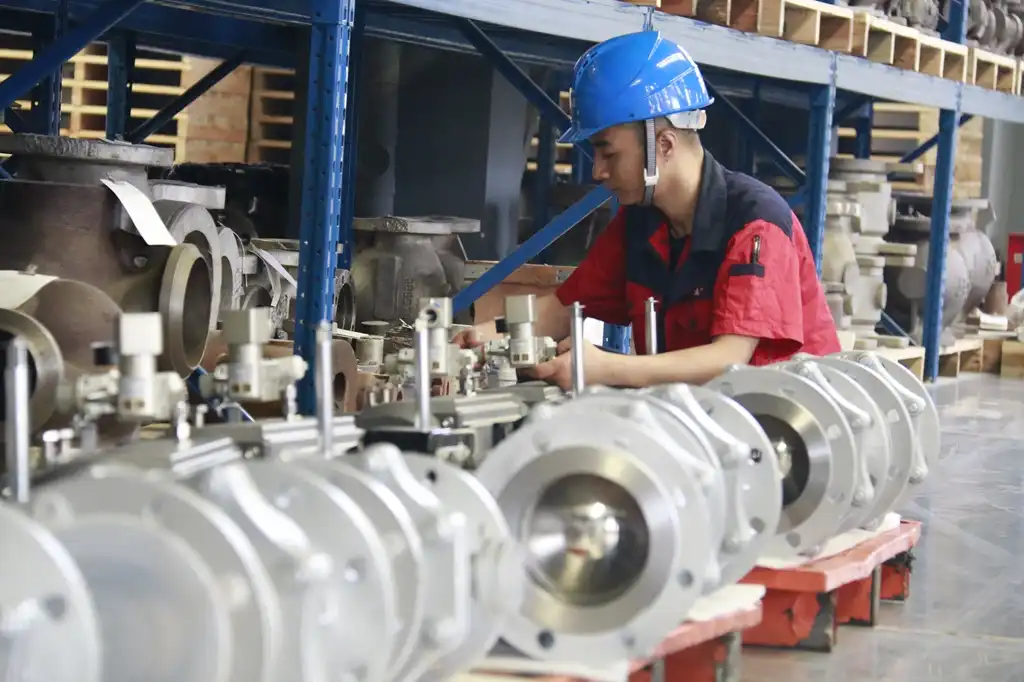
When you do a manufacturing skills review, you look at things like technical know-how, production capacity, and quality control systems. Site audits, which can be done in person or by a third-party service, check what the real powers are and look for possible risks. When you look over your documentation, you should look at quality manuals, process methods, and examples from past customers.
Quality Assurance and Verification Processes
Setting clear quality standards stops misunderstandings and makes sure that goods provided meet requirements. During the quote process, you should send detailed technical models, material certificates, and test requirements. You might want to set up processes for incoming inspections and regular quality checks to keep standards high.
Another important rating factor is the ability to test. Suppliers should show that they can do hydrostatic pressure testing, seat leaking testing, and material proof. When working with new providers, independent third-party testing services can give you extra peace of mind about the quality.
Logistics and Supply Chain Considerations
To plan for lead times, you need to know about shipping arrangements, manufacturing cycles, and quality control methods. Standard goods usually ship between 2 and 4 weeks, while customized solutions can take anywhere from 6 to 8 weeks, based on how complicated they are. Using buffer inventory helps you deal with problems in the supply chain and tight project deadlines.
The shipping method you choose affects both the cost and the time it takes to send. Sea freight is a cheap way to send big packages, but it takes longer to get there. Air freight meets pressing needs, but it costs more, which could affect the economy of the project.
After-sales support skills are becoming more and more important in choosing a supplier. Check to see if there is expert help, spare parts, and warranty terms. For ongoing upkeep and emergency scenarios, it's helpful to have suppliers with local support in Europe or established networks of distributors.
Maintenance Tips and Ensuring Long-Term Valve Performance
Proactive repair plans for stainless steel ball valve extend the life of valves and stop them from breaking down without warning, which can stop activities. German facility managers can get the most out of valve performance throughout their working lifecycles by knowing the right way to do repairs.
Maintenance plans that work are built around regular inspection routines. Visual checks should find outward corrosion, the smoothness of the handle's operation, and the state of the packing gland. During routine repair, running valves through full stroke cycles makes sure they work right and finds possible problems before they happen.
Preventive Maintenance Procedures
How much lubrication is needed depends on how the valve is designed and how it is being used. Most ball valves have sealed bearings that don't need much lubrication, but upkeep may be needed if the valve is used a lot or in high temperatures. To avoid premature damage, follow the manufacturer's advice on the type of oil to use and how often to apply it.
The most frequent repair task is replacing the packing and seals. Replacement times are affected by the environment, the working temperature, and the number of cycles. Keeping extra seal kits on hand lets you fix leaks quickly while limiting the time that production is interrupted.
Troubleshooting Common Issues
Handle operation problems are often a sign of internal contamination, swollen seals, or ball score. Flushing systems with suitable chemicals may get rid of contamination problems, but mechanical issues need to be taken apart and looked at. Understanding the root reasons of problems stops them from happening again and helps you fix them.
Leakage problems need a thorough diagnosis to find the cause and the right way to fix them. When there is an external leak, the packing or body seal has probably failed. When there is an interior leak, the ball or seat has likely been damaged. Correct analysis ensures that fixes work and keeps you from having to replace parts that aren't needed.
Lifecycle Cost Optimization
Fixing something should be based on how much it will cost, how long it will last, and how important it is to the business. Small repairs to seals can often stretch the life of something, but major damage inside usually calls for replacement. Keeping detailed records of repair helps people make smart decisions and spot trends in performance.
Conclusion
German buyers can get a lot of value from Chinese companies that make stainless steel ball valves because they use modern manufacturing techniques, keep their prices low, and follow international quality standards. China is a good place to get parts for difficult industrial uses because they have a lot of technical know-how, a lot of production capacity, and a dedication to always getting better. To be successful, you need to carefully evaluate your suppliers, be clear about your quality standards, and handle your relationships with them in a way that ensures long-term happiness and operational excellence.
FAQ
What certifications should I look for when sourcing stainless steel ball valves from China?
Pay attention to providers that have ISO 9001 quality management certification, relevant API standards (like API 6D for pipeline valves), and CE marking to make sure they are compliant in Europe. Extra qualifications, such as ASME standards, API 598 testing requirements, and approvals specific to the business, show that the company is dedicated to quality and following the rules.
How can I verify the quality of stainless steel ball valves before shipment?
Set up routines for pre-shipment inspections that include checking the material's approval, making sure the dimensions are correct, and confirming the results of pressure tests. For independent quality assurance, you might want to hire a third-party testing service. Before approving a shipment, make sure you have thorough test reports, material certificates, and photos of the finished goods.
What customization options are available from Chinese stainless steel ball valve manufacturers?
Chinese makers usually let you make a lot of changes, like using different materials, making the dimensions not standard, setting up the ports in different ways, and choosing different trim choices. Custom mounting of actuators, special testing needs, and changes to packing are all typical options. Talk about specific needs during the quote process to make sure it's possible and that the price is right.
Partner with CEPAI for Premium Stainless Steel Ball Valve Solutions
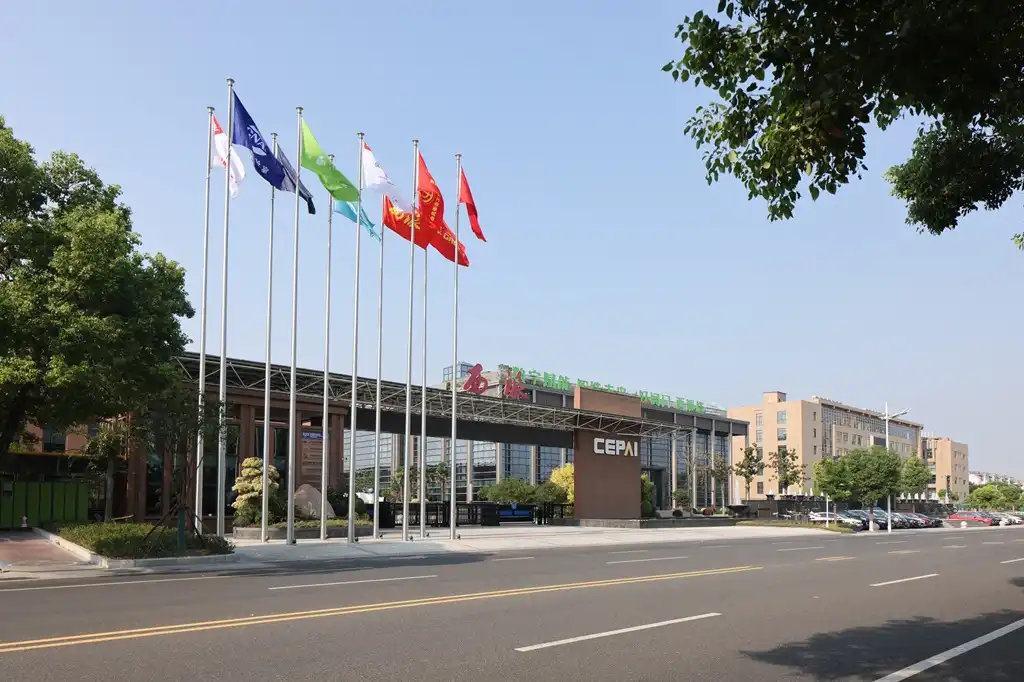
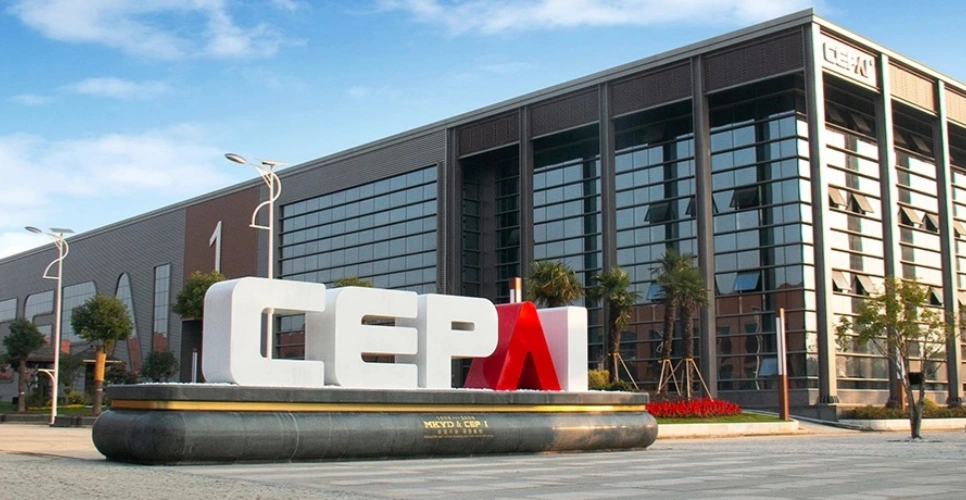
CEPAI is ready to help German importers who are looking for dependable providers of stainless steel ball valves with experience in oil and gas uses. Our many quality standards, such as API Q1, API 6A, API 6D, ISO 9001, and CE marking, show that we are always striving for greatness. Our technology know-how, ability to customize, and quick customer service are all things that help German buying teams meet the strict needs of their projects. Email our team at cepai@cepai.com to talk about your unique needs and get quotes from qualified manufacturers that are affordable.
References
"Industrial Valve Technology and Applications in European Manufacturing" - German Engineering Federation Technical Publication, 2023
"Quality Standards for Import/Export of Industrial Valves in EU Markets" - European Valve Manufacturers Association Guidelines, 2023
"Stainless Steel Ball Valve Performance Analysis in Petrochemical Applications" - International Journal of Process Equipment Engineering, 2022
"Supply Chain Management Best Practices for German Industrial Importers" - German Chamber of Commerce International Trade Report, 2023
"Comparative Material Analysis of Industrial Valve Components" - Materials Science and Engineering Institute Research Publication, 2022
"Regulatory Compliance Requirements for Industrial Valves in German Manufacturing Facilities" - German Technical Safety Standards Authority Guidelines, 2023
_1746598538016.webp)
Get professional pre-sales technical consultation and valve selection services, customized solution services.
About CEPAI