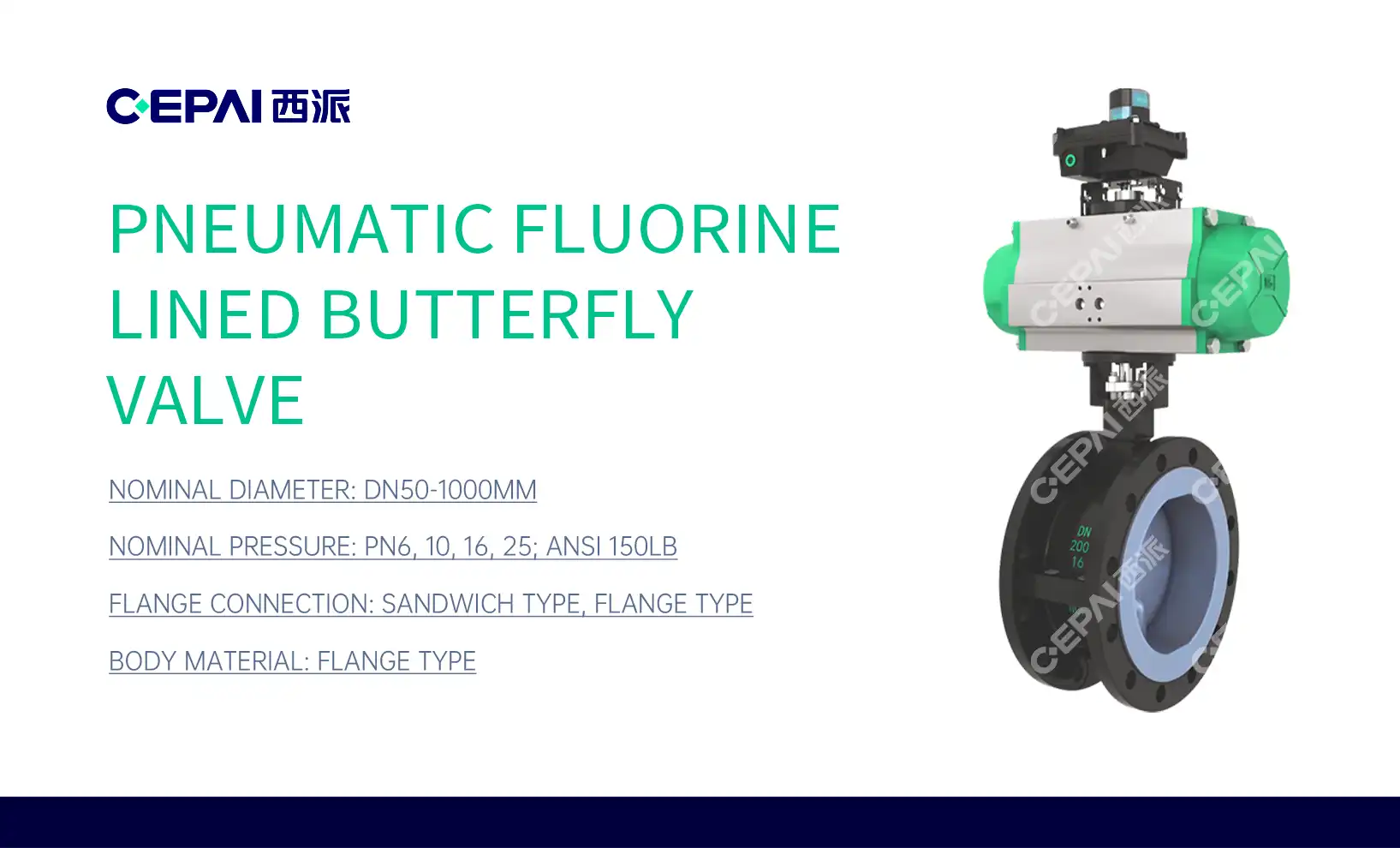
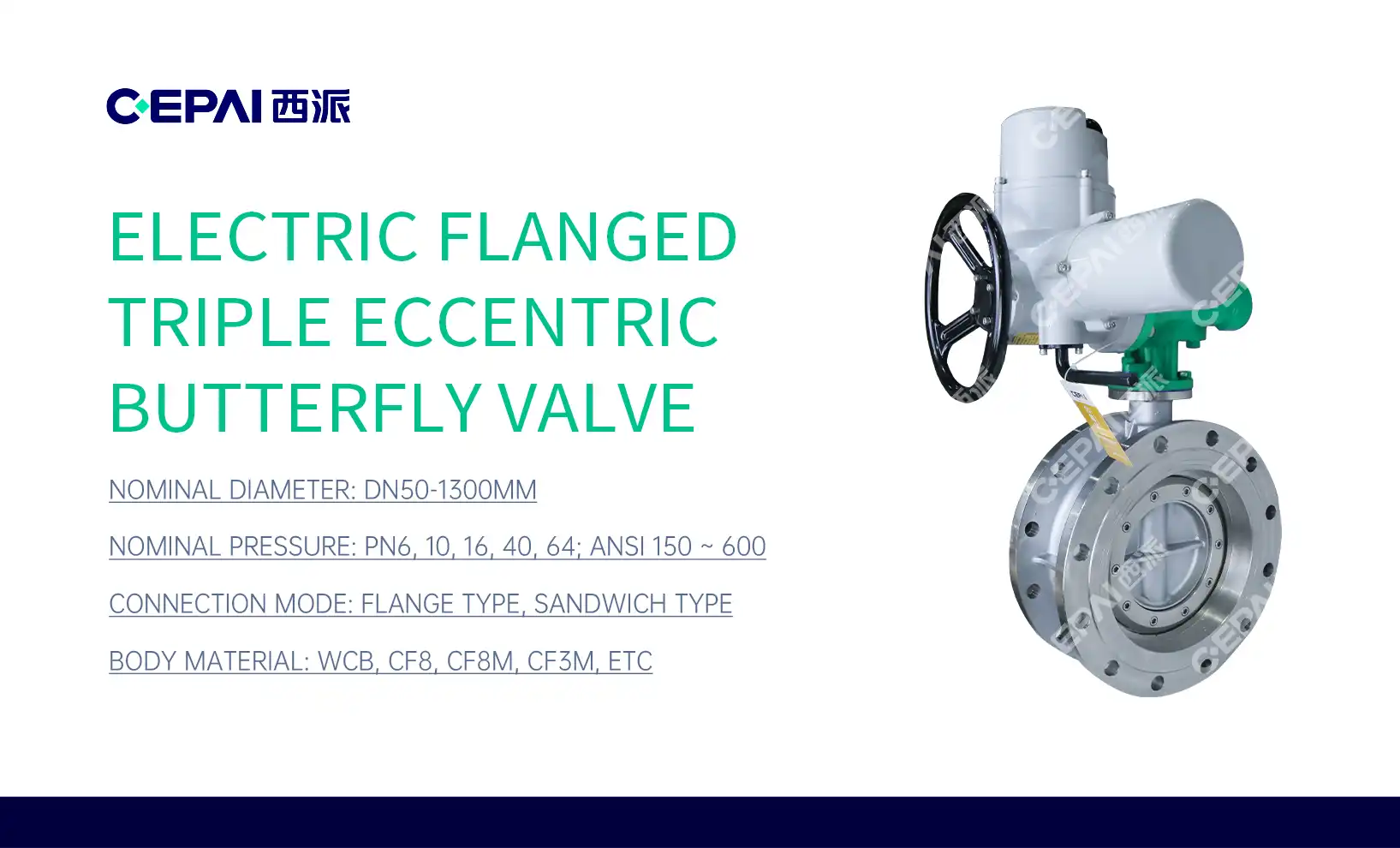
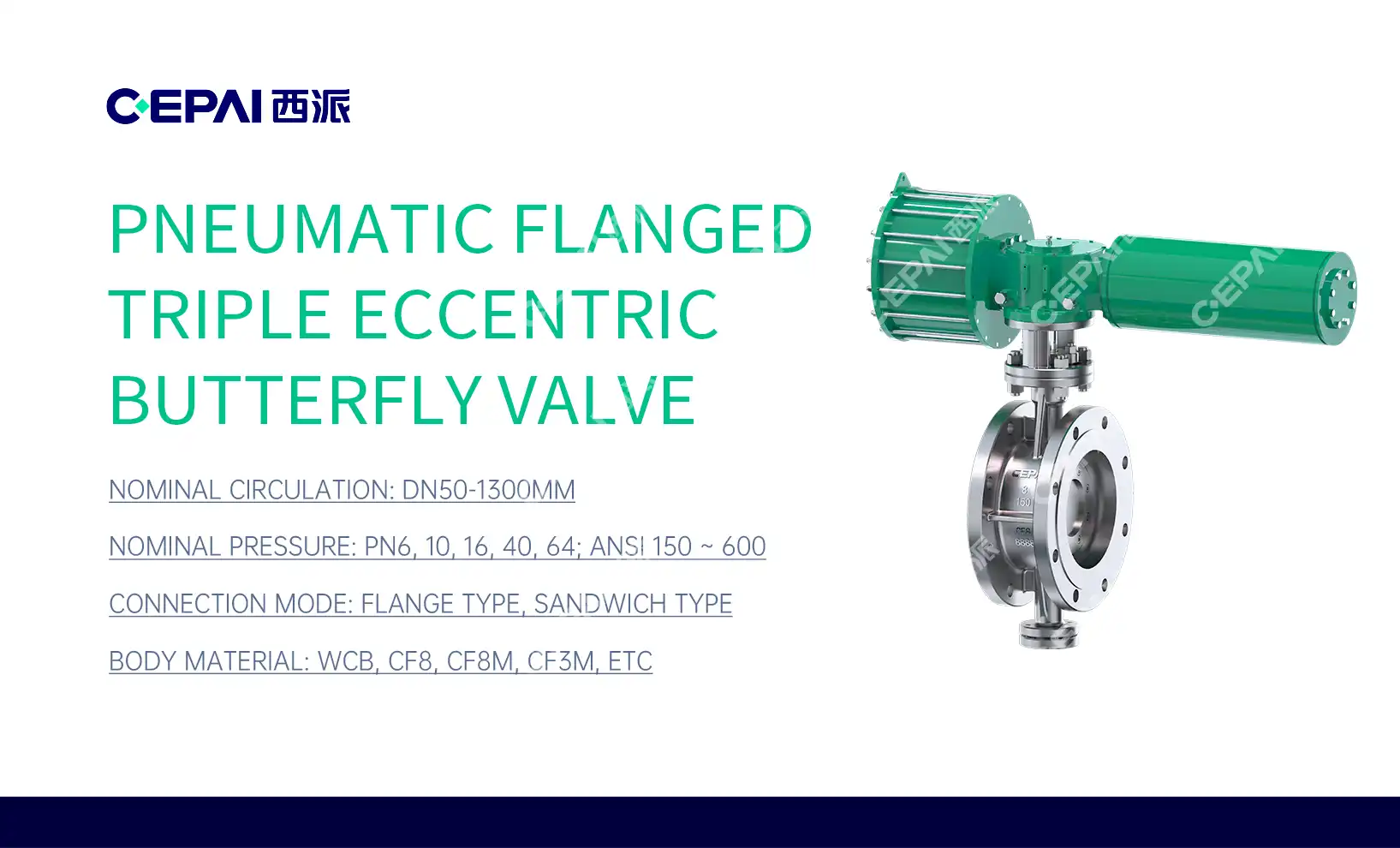
Best Stainless Control Valves in China for Chemical Processing
Chinese makers have become world leaders in valve technology, which buying professionals find when they are looking for the best stainless control valves in China for chemical processing uses. There are advanced technical skills, strict quality control systems, and cheap production prices in China that make it the best place to get high-performance flow control tools. Modern Chinese valve makers use cutting-edge materials science and precise production methods to make goods that meet or beat international standards and offer great value for chemical processing operations around the world.
Understanding Stainless Control Valves in Chemical Processing
In chemical production settings, there are special problems that need special flow control systems that can handle harsh media, high temperatures, and long work cycles. Stainless steel control valves work like precise tools in these complicated systems. They use high-tech materials and well-thought-out designs to keep the flow under control and protect against chemical attack and mechanical wear.
Core Valve Technologies and Design Principles
The most common type of valve for exact flow control is the globe valve, which has a stem that moves in a straight line and great slowing properties. Their design includes a plug or disc that can be moved to change the flow through a fixed seat. This gives them better control accuracy over a wide range of working conditions. The shape of the valve body makes a winding flow path that mixes the fluid better and lowers the pressure effectively.
Ball valves can quickly turn a quarter of a turn with little pressure drop, which makes them perfect for on-off service and situations where the valve needs to be cycled often. When properly kept, the circular closing element moves within seats that have been precisely polished. This creates a bubble-tight seal. Modern ball valves are made with better seat materials and stem closing systems that make them last longer in harsh chemical conditions.
Diaphragm valves work great in situations with media that is highly acidic or contaminating because they use a flexible covering to keep the actuator mechanism away from process fluids. With this design, there are no possible leak tracks, and the flow is smooth, making it good for handling slurry and clean processing.
Flow Characteristics and Performance Parameters
Engineers can make sure that valves are the right size for the job by knowing flow factors and pressure ratings. This also makes sure that there is enough control power throughout the working range. Control quality is based on how the position of the valve affects the flow rate. Depending on the process needs, different trim designs can offer linear, equal percentage, or quick-opening features.
The safe operating ranges for valves are set by their temperature and pressure rates. The highest conditions that the valve can handle are determined by its material qualities and design. Different types of stainless steel have different levels of resistance to rust and power, so they can be best used in certain chemical settings and under certain conditions.
Advantages of Choosing Stainless Control Valves for Chemical Applications
When working with chemicals, the performance benefits of stainless control valves and stainless steel building are unmatched. This is because the suitability of materials has a direct effect on operating dependability, upkeep costs, and process safety. Stainless metals have a longer service life because they are better at resisting rust. They also keep their shape and surface structure during hard working processes.
Material Performance and Durability Benefits
Grade 316L stainless steel is very resistant to rust caused by chloride, which is why it is the best choice for marine settings and chemical processes that use chloride. Its low carbon content keeps carbide crystals to a minimum, so it stays resistant to rust even after welding. The material's mechanical features don't change much when the temperature does, so it works well in thermal cycle uses.
Duplex stainless steels take the best parts of both austenitic and ferritic structures and mix them to make them stronger and more resistant to stress corrosion cracking. These high-tech metals make it possible to build walls that are smaller while still meeting pressure standards. This makes the valve lighter and saves money on materials. Because they don't wear out as quickly, they are perfect for high-cycle uses that are popular in automated process control systems.
Stainless steel surfaces are naturally easy to clean, which helps meet strict hygiene standards in medicinal and food-grade chemical processes. Smooth, non-porous surfaces don't let germs grow and make it easier to clean thoroughly, which keeps the product pure and in line with regulations during production campaigns.
Operational and Maintenance Advantages
When used with chemicals, stainless steel control valves last a very long time and often don't need any big upkeep for years. Because they don't get damaged by erosion or cavitation, their performance stays the same over long periods of time. This means that they don't need to be recalibrated or replaced as often, which can mess up production plans.
The steady closing performance and control accuracy over time are made possible by the physical stability of stainless steel construction. Unlike softer materials that can change shape when under pressure or high temperatures, stainless steel parts stay the same shape, so the valve will always be able to shut off completely and control flow precisely.
With standard replacement parts and well-established service processes, you can plan and handle your supplies more efficiently when you know what repair your stainless control valve equipment will need. The strong construction usually only needs regular checks and packing changes, which keeps sudden failures and the production losses that come with them to a minimum.
How to Choose the Best Stainless Control Valve for Chemical Processing?
To choose the best flow control equipment, you need to carefully look at the process factors, material needs, and performance standards to make sure the equipment will work well for a long time. When making a choice, technical needs must be weighed against business needs, and future operating needs and upkeep needs must also be taken into account.
Critical Selection Parameters and Design Considerations
Material choice and internal part design are based on the properties of the process fluid. Corrosivity, abrasiveness, and temperature needs determine the best stainless steel types and trim materials. A thorough chemical compatibility study keeps the valve from breaking down early and makes sure it works safely for the whole time it's supposed to last.
Valve size factors, such as Cv values, pressure drop limits, and rangeability needs, are set by flow requirements. The right size makes sure that there is enough control power without being too big, which can lead to bad control performance, or too small, which limits the freedom of the process.
Ratings for pressure and temperature must take into account both normal working conditions and possible upset scenarios. They must include enough safety gaps without being too complicated. Extremes in temperature, shaking levels, and the possibility for rust in the air are some of the environmental factors that affect the choice of actuators and safety systems.
Manufacturer Evaluation and Quality Assessment
Quality systems and technical skills have gotten a lot better for Chinese valve makers. Leading companies have even gotten foreign licenses and set up full testing centers. To find providers who can offer project-specific solutions, the review method should focus on their technical skills, manufacturing systems, and quality paperwork.
For big projects or long-term supply deals, manufacturing capacity and shipping skills become very important. This means that production timing, inventory management, and transport planning need to be looked at. Manufacturers that have been around for a while usually keep safety stock levels and adjustable production schedules to handle changes in demand.
Technical support, which includes application building, technical help, and field service support, is what sets premium sellers apart from common providers. Full paperwork packages with installation tips, upkeep instructions, and suggestions for extra parts make it easier to complete projects and provide ongoing operating support for stainless control valves.
Procurement Insights: Buying Stainless Control Valves from China
China's valve production environment has grown into a complex web of specialized providers that provide full solutions for chemical processing needs. Large global companies with factories in other countries are one type of buyer. Another type is innovative American companies that are known around the world for their technical excellence and quality performance.
Supplier Landscape and Evaluation Strategies
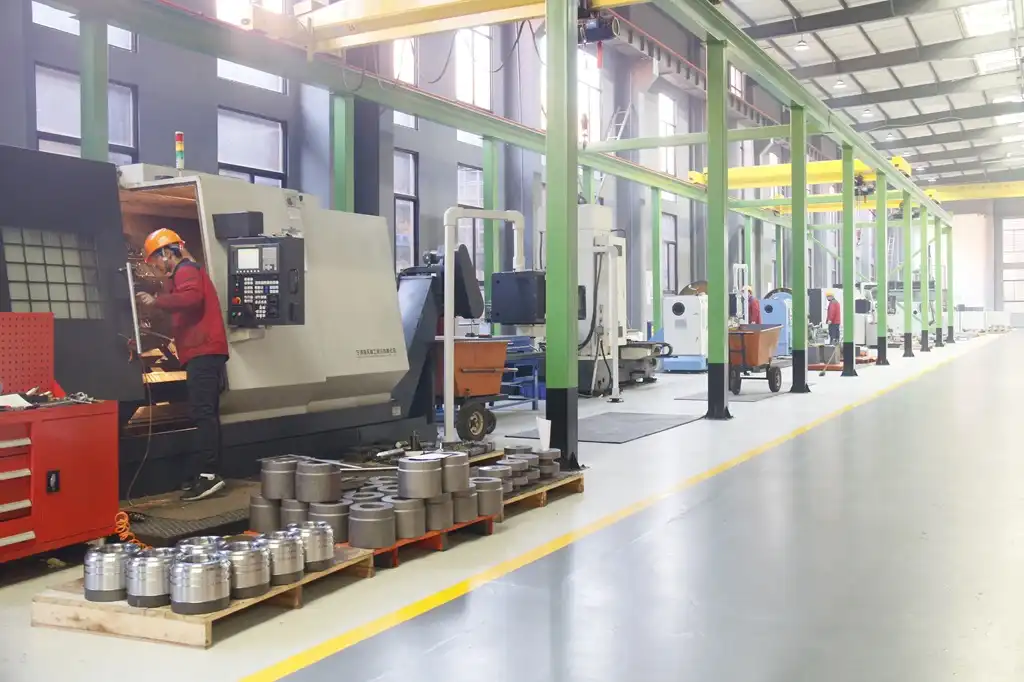
Leading Chinese valve makers have put a lot of money into building new factories that have advanced machining centers, automatic assembly systems, and full testing facilities. These investments make it possible for stable product quality and support modification needs that meet the needs of specific applications and performance goals.
Some of the best Chinese makers have quality assurance programs that go above and beyond the minimum standards. These programs include statistical process control, advanced materials testing, and thorough checking methods. A lot of places have quality control labs with qualified experts working in them and tools that are set to international standards.
More and more advanced supply chain management tools are being made available by well-known makers. These include vendor approval programs, inventory management systems, and transportation partnerships that make sure parts are always available and deliveries happen on time. These skills are very important for big projects that need to stick to tight deadlines and have good paperwork.
Commercial Considerations and Risk Management
Chinese valve makers usually base their prices on the types of materials they use, how hard they are to make, and how much they need to make, not on how they think the market should be positioned. Knowing what causes costs helps you negotiate more effectively while making sure you leave enough room for quality production and ongoing support services.
Lead time management needs clear information about the differences between standard and custom designs. Standard goods are usually available from stock, but engineered solutions may need longer production times. When planning a project well, these time issues are taken into account while still meeting the general schedule goals.
Different sellers have different payment terms and warranty conditions. Well-known brands usually offer standard business terms and full warranty coverage. Strategies for lowering risk should include evaluating the financial health of suppliers, requiring insurance, and making quality deals that protect against goods that don't meet standards or delivery delays.
CEPAI: Excellence in Stainless Control Valve Manufacturing
CEPAI has established itself as a top maker of high-quality stainless control valves designed especially for difficult chemical processing uses. Precision flow control solutions from our wide range of products meet the strict needs of modern chemical plants, petroleum facilities, and specialty processing operations all over the world.
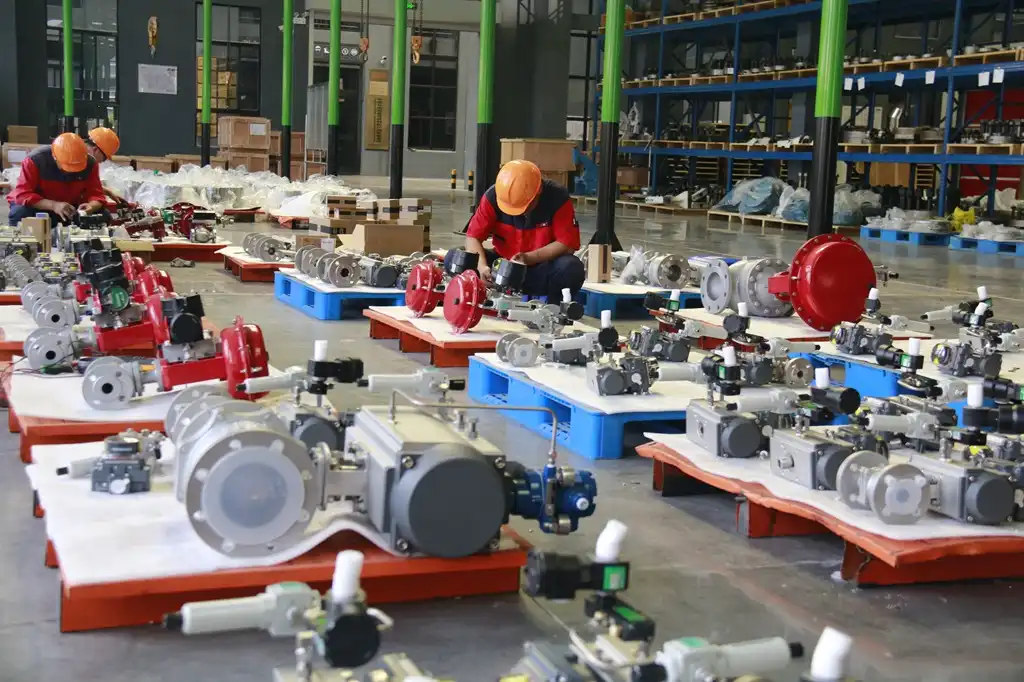
Advanced Engineering and Manufacturing Capabilities
Our modern factories have precision machining centers, automatic assembly systems, and full testing facilities that make sure the quality and dependability of our products are always high. Before it is shipped, every stainless control valve goes through strict checking and testing procedures that make sure it is the right size, the material is intact, and it works properly.
APIQ1, API6A, API6D, API16C, API602, ISO9001, ISO14001, ISO45001, ISO3834, ISO17025, CE, and PR2 are just some of the certificates that CEPAI keeps up to date. These qualifications show that we are dedicated to quality greatness and following all regulations in foreign markets. This gives buyers trust in the dependability and performance of our products.
Our tech team works closely with customers to create unique solutions that meet the needs and efficiency goals of each application. This way of working together makes sure that the best valves are chosen and provides expert help throughout the whole project, from the initial planning stages to installation and ongoing use.
Product Portfolio and Technical Advantages
CEPAI sells stainless control valves in a variety of styles, such as globe valves, ball valves, and special designs made for chemical handling. Our sleeve-type controlling valves offer precise and wide control ranges, and our high-pressure designs can handle the tough service conditions that are common in petrochemical operations.
The advanced engineering of materials makes it possible for CEPAI valves to work in harsh chemical conditions while keeping their shape and performance over long periods of time. Our knowledge of metals includes different types of stainless steel and special alloys that are chosen to work best with certain process media and working conditions.
The full range of testing options includes hydraulic pressure testing, seat leaking verification, and functional performance validation, which makes sure that every valve meets or exceeds the requirements. Our quality paperwork packages make it easy to track down information and make sure that it meets legal and audit standards.
Conclusion
China has become a top spot for high-quality flow control solutions in chemical processing applications, and the production scene for stainless control valves has changed a lot. Modern Chinese makers use cutting-edge technical skills and strict quality control systems to make products that meet foreign standards and are also very good for business.
To get stainless control valves from China successfully, you need to carefully evaluate potential suppliers, be clear about the technical requirements, and make sure that the project is managed in a way that meets both the technical and business needs. When you choose the right provider and work with them, you'll get big returns in terms of working stability, servicing efficiency, and total cost-effectiveness over the life of the valve.
FAQ
What should I think about when choosing chemical processes stainless control valves?
Material suitability is the most important factor, and it needs a careful look at the properties of the process fluid, the temperature ranges, and the pressure levels. When choosing a type of stainless steel, you need to think about how it will rust and how much mechanical stress it will be under in the application. The best valve choice is also affected by the flow requirements, the control accuracy requirements, and the ease of repair entry.
What makes Chinese companies that make stainless control valves different from foreign companies that do the same thing?
When it comes to product quality, technical know-how, and licensing norms, leading Chinese makers have caught up to foreign providers. A lot of factories use cutting-edge quality control and production technologies that meet or beat global standards. The main benefits are the low prices, the ability to make changes easily, and the quick expert help.
How do I know if the stainless control valves I buy in China are certified?
Some important qualifications are ISO9001 for quality control, API guidelines for use in oil and gas uses, and CE marks for compliance in Europe. Extra certificates, like ISO14001 for environmental management and ISO45001 for safety management, show that a company can do a lot of different things. Product-specific certificates should match the rules and standards of your business.
When ordering a stainless control valve from a Chinese source, what are the usual wait times?
Standard store items usually ship between 2 and 4 weeks, but special setups can take anywhere from 6 to 12 weeks, based on how complicated they are and when they are made. It can take 12 to 16 weeks for engineered products that need special materials or tests. When you plan well, you leave extra time for shipping, clearing borders, and getting things to their end places.
How can I be sure that the stainless control valves I buy from China are of good quality?
As part of the supplier qualifying process, facilities should be inspected, quality systems should be looked over, and references from current customers should be checked. Quality standards are set by clear technical specs, testing requirements, and acceptance factors. For important apps or high-value sales, third-party review services can add another layer of security.
Partner with CEPAI for Superior Stainless Control Valve Solutions
Companies that work with chemicals are invited by CEPAI to learn more about the benefits of working with a reputable company that makes stainless control valves and is dedicated to technical excellence and customer happiness. Our experienced engineering team offers personalized advice services to help you choose the best valves for your unique needs and performance goals. Email our technical experts at cepai@cepai.com to talk about your needs for stainless control valves and get full quotes that are made just for your project.
References
Chemical Processing Equipment Standards and Guidelines for Stainless Steel Valve Selection in Corrosive Service Applications, International Association of Chemical Engineers, 2023.
Stainless Steel Metallurgy and Corrosion Resistance in Chemical Processing Environments, Materials Science and Engineering Research Institute, 2022.
Best Practices for Procurement of Industrial Valves from Chinese Manufacturers, Global Supply Chain Management Association, 2023.
Performance Analysis of Stainless Control Valves in Petrochemical Applications: A Comparative Study, Journal of Process Control Engineering, 2022.
Quality Management Systems in Chinese Valve Manufacturing: Evolution and Current Standards, International Quality Assurance Council, 2023.
Flow Control Technology Advances in Chemical Processing Applications, Chemical Engineering Progress Magazine, 2022.
_1746598538016.webp)
Get professional pre-sales technical consultation and valve selection services, customized solution services.
About CEPAI