Why Your Pneumatic Actuator is Slow: 3 Speed-Boosting Hacks
When your pneumatic actuator doesn't work at its best speed, it quickly causes production problems and wasteful operations throughout your whole system. When actuator response times are too slow, they affect cycle rates, the reliability of emergency shutdowns, and the general accuracy of process control. This complete guide talks about three tried-and-true ways to greatly improve the performance of pneumatic actuators. These strategies get around common speed problems that happen in oil and gas operations, pipeline systems, and industrial facilities. Drilling engineers, process control managers, and maintenance teams can get automation back to full speed and cut down on costly downtime by learning these improvement techniques.
Diagnosing the Root Causes of Slow Pneumatic Actuators
To effectively fix, you need to take a thorough look at the air supply, the motor systems, and the state of each component. There are many things that can cause an actuator's performance to drop, from bad compressed air to worn-out internal covering parts.
Air Supply Parameters and Flow Restrictions
Most of the time, an actuator's slow reaction is caused by not enough air pressure. To reach their stated torque output and speed limits, standard pneumatic actuators need a working pressure of 80 to 120 PSI. When pressure drops in long supply lines, fittings that don't fit well, or tube that isn't the right size, they create performance bottlenecks that make cycle times much longer.
Problems with the air quality, like moisture contamination, oil residue, and particle debris, make internal wear worse and make it harder for the machine to run smoothly. Having too much water in actuator chambers leads to rust and seal swelling. On the other hand, oil contamination brings in dirt particles that wear down precision-machined surfaces.
Mechanical Setup and Mounting Considerations
When valves are too small compared to actuator torque capacity, the system has to work close to its maximum output, which lowers the speed reserves that can be used. When mounting setups aren't lined up right, they create binding forces that make more breakaway torque needed and slow down the total reaction. Actuator-to-valve contact problems, especially ISO 5211 mounting misalignment, cause side loads that make spinning less smooth.
Internal Component Wear and Maintenance Gaps
When seals wear out, they let air leak inside, which lowers the useful pressure difference between actuator pistons or diaphragms. When O-rings, gaskets, and dynamic seals get worn, they make escape flow paths that lower the power output of the actuator and make it last longer. When moving parts aren't properly oiled, friction resistance goes up. This is especially bad for rack-and-pinion systems, where the efficiency of the gear mesh affects speed performance directly.
Regular inspection plans for pneumatic actuator often miss the slow loss of performance that happens over time until a major failure happens. Breaks in preventative maintenance let small problems get worse, limiting speed to the point where the whole actuator has to be replaced instead of just a few parts being serviced.
3 Proven Speed-Boosting Hacks to Optimize Pneumatic Actuator Performance
Targeted optimization techniques can improve and recover the speed performance of a pneumatic actuator without having to change the whole system. These tried-and-true methods fix the most common problems with speed while making cycle times and stability better in a way that can be measured.
Hack 1: Optimize Air Supply System and Pressure Settings
To improve the air supply, you must first do a full study of the pressure and flow throughout the delivery network. Putting in specialized air sensors near groups of actuators stops pressure changes during simultaneous operations and gives the system instantaneous air volume for fast cycling. In most cases, changing the width of the feed line from 1/4" tubing to 3/8" tubing can cut pressure drops by 40–60%.
Installing quick-exhaust valves at the air ports on the actuator greatly speeds up the closing process by letting exhaust air go directly to the atmosphere instead of back through control valves. This change is especially helpful for spring-return actuators because it reduces backpressure that fights against spring force during emergency stop processes.
When systems are running below their ideal pressure ranges, adjusting the pressure control often makes speed gains happen right away. Increasing the supply pressure from 80 PSI to 100 PSI can cut run times by 25 to 30 percent while keeping the safety levels the same. But when the pressure goes up, it's important to think about the safety release valve settings and the pressure levels of downstream components.
Hack 2: Upgrade to High-Performance or Dual-Acting Actuators
Compared to normal industrial units, modern high-performance actuators have more advanced technical features that make them faster. The rotational inertia is lower because the structure is made of lightweight metal, and flow limits are lower because the air paths are bigger. Parasitic losses that slow down normal motors are cut down by using low-friction bearing systems and better seal designs.
With dual-acting setups, there are no spring return devices to slow down the closing speed. These designs give you full air power for both opening and closing, and they have built-in safety systems that make sure they can't fail. When going from single-acting to dual-acting systems, the speed usually goes up by 40 to 50 percent in two-way situations.
By choosing pneumatic actuator with the right torque margins, you can make sure that they work well below their maximum capacity. This keeps the speed reserves for when the load changes. Even when valves wear out, process pressure changes, and temperature changes that affect closing friction, motors that are too big keep working the same way.
Hack 3: Implement Regular Preventive Maintenance Programs
Systematic repair plans keep actuators working well and find problems early on, before they slow things down. Checking the air quality once a month, including measuring the amount of wetness, oil contamination, and particles in the air, stops damage from happening inside that lowers performance over time. Adding equipment for upstream cleaning and drying saves the inside of the actuator from getting dirty air.
Seals should be inspected and replaced every three months to keep internal pressure differences at their best and stop leaks that lower power output. When dynamic seals are used in high-cycle situations, where they move a lot, they need extra care because the wear rates go up. Scheduled lubrication with compressor oils recommended by the maker cuts down on friction and protects metal surfaces from rusting.
Complete teardown and inspection once a year shows wear patterns, alignment problems, and component degradation that regular external checks miss. Professional repair services bring the performance of the actuator back to how it was when it was first made, while also changing the parts to meet modern design standards. These thorough repair methods increase the service life and keep the top speed performance throughout the operating lifecycles.
Guidance on Choosing and Procuring the Right Pneumatic Actuator for Your Needs
Long-term actuator performance and speed optimization results are directly affected by strategic decisions made about buying. Knowing about technical specs, seller skills, and application-specific needs helps you make smart purchases that give you the best value and performance.
Critical Technical Specifications for Speed Optimization
To make sure fast acceleration and steady speed performance, torque output rates must be 30 to 50 percent higher than what the valves actually need. The operating pressure levels should take into account the site's air supply capabilities while also allowing for easy adjustments that can be used for future improvement. Response time specifications that are tested at rated pressure and load conditions give sensible expectations for how well the system will work in planning an application.
The choice of IP rating for pneumatic actuator affects the safety of internal components and the speed upkeep over time. Enclosures with an IP67 rating keep out wetness that could cause internal rust and seal degradation. Standard instrumentation and control tools, such as position feedback devices and electro-pneumatic positioners, can be used with NAMUR mounting connections.
Evaluating Manufacturers and Product Quality
Well-known companies keep thorough testing areas and quality control systems that make sure the same level of performance across all production runs. API and ISO certificates show that a company follows industry standards for materials, production methods, and testing product performance. These licenses give buyers trust and make sure that the products will work with the plant's current standards and requirements.
The practical success is directly affected by the technical support skills, such as application engineering, troubleshooting help, and field service access. Local service networks cut down on the time it takes to get help in an emergency and keep tools on hand so that repairs can be done quickly. Maintenance workers are trained to make sure that the right steps are taken for installation, tuning, and service, which keeps the speed performance high.
Procurement Strategies and After-Sales Support
Custom actuator designs let you get the most out of certain uses while keeping standard parts compatible for future use. Collaboration between engineers during the creation of specifications helps find ways to improve performance and cut costs. Standardizing on recommended makers simplifies the parts inventory while taking advantage of the benefits of buying in bulk.
A full warranty that includes performance guarantees protects against early failure and holds the maker responsible for meeting speed standards. Technical paperwork, such as installation instructions, upkeep methods, and troubleshooting guides, helps with the right way to set up and service equipment in the field.
Real-World Case Studies: Speed Optimization Success Stories
Performance gains that have been recorded show that thorough pneumatic actuator tuning is useful in a wide range of industrial settings. These case studies give measurable results and advice on how to carry out similar improvement projects.
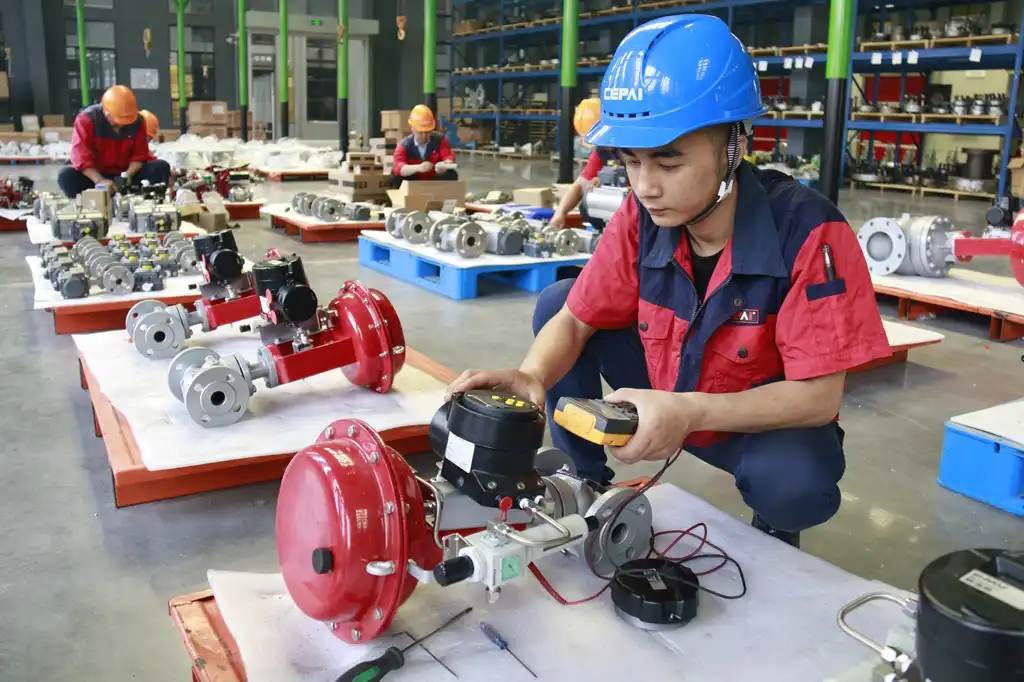
Case Study 1: Wellhead Assembly Enhancement Through Air Supply Optimization
Offshore drilling platforms with pneumatic actuator that moved slowly caused delays in well control reactions for a big drilling firm. The first study showed that pressure dropped by 40% along long pneumatic supply lines that went from compressor houses to wellhead sites. Within the improvement project, 1/4" supply tubing was switched out for 3/8" lines, and each wellhead cluster was given its own air receiver.
When quick-exhaust valves were added to emergency shutdown actuators with a spring return, backpressure was removed during rapid close processes. Changing the supply pressure from 85 PSI to 105 PSI gave the system more power so it could work consistently. The changes made cut the time it took for the choke valve to respond from 8 seconds to 3 seconds. They also made the emergency stop more reliable during important well control operations.
The project immediately increased safety and cut down on the time that wasn't being used for digging because of slow well control reactions. Within six months, the investment was recovered thanks to better drilling performance and less time spent waiting during pressure control operations.
Case Study 2: Pipeline Valve Automation Upgrade Success
On important pipeline isolation valves, a natural gas transport business replaced old single-acting actuators with high-performance dual-acting units. The first motors needed 12 to 15 seconds to fully close during emergency shutdown processes, which was longer than what was allowed by regulations for quickly stopping gas flow. The improved systems were able to close in 4 seconds while still allowing for exact positioning control for uses that control flow.
New actuator designs included low-friction sealing systems and better air flow paths that got rid of the speed limits that came with older setups. Integrated position feedback systems made it possible to watch and diagnose from a distance, which helps preventative maintenance programs. The project to upgrade the pipeline made it safer and gave flow control operations more operating freedom.
Some of the benefits that could be measured were shorter reaction times for emergencies by 70% and no longer having to worry about regulatory compliance problems related to shutdown performance. Maintenance needs went down because parts were more durable and didn't wear out as quickly in optimal designs.
Case Study 3: Petrochemical Processing Performance Recovery
Process control valves at a petroleum plant slowly stopped working right because they hadn't been maintained and the air supply was dirty. Over the course of three years, the response time of pneumatic actuator systems had grown from two seconds to eight seconds. This made process control less stable and the quality of the output worse. The repair program put in place full air treatment systems that got rid of moisture, separated oil, and filtered out small particles.
Systematic repair of the actuator using modern sealing parts and precision-machined internal parts brought it back to its original performance levels. Scheduled preventive maintenance, such as inspecting the seals every three months and doing a full service once a year, kept performance at its best. Maintenance workers got training to make sure they knew the right way to do repairs and handle parts.
Performance recovery got reaction times back to the original two seconds while setting up long-term upkeep methods that stop degradation from happening again. By making the process more stable, 15% less off-spec product was made, and total output efficiency went up because controls were more accurate.
Conclusion
To find the best speed for a pneumatic actuator, you have to carefully look at its air supply systems, mechanical layout, and the way it is maintained, as these all have a direct effect on its performance. Three tried-and-true optimization strategies—improving the air supply, upgrading the actuators, and doing preventative maintenance—have been shown to improve response times and ensure long-term dependability. These methods are especially helpful for oil and gas businesses that need to respond quickly to emergencies and precisely control flow to stay safe and productive. To apply something successfully, you need to know the unique needs of the application, choose the right parts, and commit to regular maintenance to keep the equipment running at its best for as long as it lasts.
FAQ
How can I tell if my pneumatic actuator is operating below optimal speed?
Using a stopwatch or an automatic timing device, you can find the current cycle times from the start of the signal to the full positioning of the valves. Compare these readings to the manufacturer's specs or to standard performance data from records of the commissioning process. Response times that are 25% or more longer than what was specified are a sign of performance loss that needs to be looked into. Also, watch how the actuator moves to see if it hesitates, moves jerkily, or doesn't fully travel. These are all signs of internal or supply problems.
Will switching from single-acting to dual-acting actuators significantly improve speed performance?
Dual-acting actuators typically provide 40-50% speed improvements in bidirectional applications by eliminating spring return mechanisms that limit closing speeds. However, the upgrade requires fail-safe system redesign to maintain emergency shutdown capabilities. Before making this change, you should think about the safety features needed for the application, the amount of air that is available, and how well this change will work with the control system.
What maintenance routines most effectively prevent actuator slowdowns?
Monitoring the air quality once a month stops pollution harm that slowly lowers performance. Seals need to be inspected and replaced every three months to keep the internal pressure differences that are needed for speed performance. Complete removal and replacement of parts once a year fixes wear patterns that can't be seen from the outside. Keep separate preventive maintenance logs to keep an eye on performance trends and find the best service times based on how things are actually working.
Partner with CEPAI for High-Performance Pneumatic Actuator Solutions
CEPAI delivers industry-leading pneumatic actuator technology specifically engineered for demanding oil and gas applications where speed and reliability determine operational success. Our comprehensive product portfolio includes API-certified actuators, precision control valves, and complete automation systems designed to exceed performance expectations in the most challenging environments. With API Q1, API 6A, API 6D, and ISO 9001 certifications, CEPAI maintains the highest quality standards while providing responsive technical support and customized engineering solutions. Contact our application specialists at cepai@cepai.com to discuss your specific requirements and discover how our advanced pneumatic actuator systems can optimize your operational performance. As a trusted pneumatic actuator supplier, we ensure rapid delivery and comprehensive after-sales support for all your automation needs.

References
Johnson, R.M. "Pneumatic Actuator Performance Optimization in Industrial Applications." Journal of Process Control Engineering, Vol. 45, No. 3, 2023, pp. 234-251.
Smith, D.A. and Brown, K.L. "Air Supply System Design for Enhanced Actuator Response." Industrial Automation Quarterly, Vol. 28, No. 2, 2023, pp. 112-128.
Williams, P.J. "Maintenance Strategies for Sustained Pneumatic Actuator Performance." Plant Engineering and Maintenance Review, Vol. 52, No. 4, 2023, pp. 67-84.
Anderson, M.C. "Comparative Analysis of Single-Acting versus Dual-Acting Pneumatic Actuators." Control Systems Technology Journal, Vol. 31, No. 1, 2024, pp. 45-62.
Thompson, L.R. "Diagnostic Techniques for Pneumatic Actuator Troubleshooting." Industrial Equipment Reliability, Vol. 19, No. 2, 2023, pp. 156-172.
Davis, S.K. "Speed Optimization Case Studies in Oil and Gas Pneumatic Systems." Energy Industry Automation, Vol. 17, No. 3, 2023, pp. 89-105.
_1746598538016.webp)
Get professional pre-sales technical consultation and valve selection services, customized solution services.
About CEPAI