Best Triple Offset Valves For Oil & Gas Pipeline Control
Triple offset butterfly valves are the best option for demanding industrial uses when looking for the best valve technology to handle oil and gas pipelines. The innovative three-eccentric design of these high-tech valve systems makes them very good at sealing. This is because it removes friction during operation and allows for bubble-tight shutdown. The triple offset butterfly valve technology is especially good for high-pressure, high-temperature settings like those found in oil processing plants because it is both lightweight and strong performance. Their metal-to-metal covering design makes sure there are no leaks and keeps them working efficiently over long repair cycles.

Understanding Triple Offset Butterfly Valves and Their Unique Features
The brilliant engineering behind triple offset butterfly valves is their complex geometric shape, which makes them stand out from other valve technologies. Unlike regular butterfly valves, these devices have three different offset setups that make them work better and last longer.
The Three-Eccentric Design Principle
The main benefit of triple offset technology comes from the way its shapes are arranged. The first eccentricity moves the valve shaft behind the centerline of the valve hole. The second eccentricity moves the centerline of the shaft away from both the pipe centerline and the centerline of the valve body. The third eccentricity makes the seat shape into a cone, which ensures increasing contact during closing. This gets rid of the rubbing friction that usually breaks down regular valve systems.
With this new way of designing, the mechanism for closing changes into a cam-like action, where the disc splits fully from the seat when the mechanism is opened. The circular cone-shaped disc surface, which is often made tougher by surfacing it with a hard metal, is very resistant to wear, and the moving U-shaped stainless steel seat centers itself perfectly while the machine is running.
Advanced Material Engineering
Modern triple offset butterfly valves are made of materials that were specially designed to work in oil and gas pipelines. The bodies of the valves are made of high-strength metals that can handle big changes in temperature and pressure. Corrosive media are often found in petroleum industry uses. New coating technologies guard against them.
The closing surfaces get extra care by being treated with hard-facing processes that make them last a lot longer than regular valve designs. These surface improvements keep the tight seal intact over thousands of working cycles, even when sharp particles try to wear it down.
Zero Dead Zone Operation
One of the best things about triple offset butterfly valve design is that it gets rid of the operating dead zones that are a problem with other valve systems. The shape of the circular cone lets the flow control work right away from the fully open position all the way through the 90-degree spin range. This feature gives the valves great control precision with ratios higher than 100:1. This means that the valves can be used for both on-off separation and precise flow regulation.
Comparing Triple Offset Butterfly Valves with Other Industrial Valves
Learning about how different valve technologies work helps buying teams make smart choices that reduce costs and improve efficiency over the long term. Triple offset butterfly valves are clearly better than other technologies that are often used for controlling pipelines.
Performance Advantages Over Ball Valves
While ball valves are great for shutting off flow, triple offset butterfly valves are better for situations that need to be used often and need precise flow control. Because triple offset designs need less working power, they require much smaller actuators. This lowers both the cost of the initial investment and the amount of energy used over time.
To keep pressure drops as low as possible, ball valves usually need full-bore designs. This means that the systems are bigger and heavier, which makes fitting more difficult and requires more support structure. Triple offset butterfly valves keep their great flow properties while reducing their weight and outer dimensions by a large amount. This is especially helpful for offshore installations where weight affects the design of the platform.
Superior Performance Compared to Conventional Butterfly Valves
Standard concentric and double offset butterfly valves have problems with seat wear because of friction from moving while they are in use. Because of this friction, heat and mechanical stress are created, which weakens the seal over time. This friction is completely eliminated by the triple offset shape, which increases service life while keeping the sealing integrity constant.
Triple offset designs work better in high-temperature situations where rubber seats would fail because they can seal metal to metal. In refineries, where process temps often go above what normal butterfly valve technologies can handle, this feature is very important.
Maintenance and Lifecycle Cost Considerations
Large pipeline owners have provided operational data that shows triple offset butterfly valves have much longer repair intervals than other technologies. Because there is no moving friction, there is less wear-related upkeep to do, and the strong metal-to-metal sealing design keeps working well for long periods of time.
These benefits in maintenance for triple offset butterfly valve lead to fewer operating interruptions and a lower total cost of ownership. This is especially helpful in important pipeline applications where unexpected shutdowns cause big revenue losses.
Selecting the Best Triple Offset Butterfly Valve for Oil & Gas Pipelines
To pick the best triple offset butterfly valve, you need to carefully consider a number of technical and operational factors that will have a direct effect on its long-term performance and dependability. Knowing these selection factors will help you make sure that the right valve is used for the right pipeline application.
Pressure Rating and Size Considerations
The basic size rules for choosing a triple offset butterfly valve are based on how the pipeline is being used. Pressure rates need to take into account both regular working pressures and possible surge conditions that happen during starting, stop, or emergency situations. Standard pressure classes go from 150 to 2500 pounds per square inch, and there are special types for uses with very high pressures.
Valve size is the process of combining the need for control precision with the need for pressure drop. While bigger valves might lower pressure drops, they make control less accurate. On the other hand, smaller units use more energy and might make it harder to add more capacity in the future.
Material Selection for Service Conditions
Because many oil and gas pipeline media are acidic, it is important to choose the right material for all wet parts. For sweet service uses, carbon steel bodies with stainless steel interiors are a cost-effective option. For sour gas or highly corrosive fluid handling, however, exotic metals are needed.
The choice of seat material has a big impact on how reliable it is and how often it needs to be maintained. Different types of stainless steel are available as standard, but for certain uses, cobalt-based alloys or other unusual materials that are better at resisting certain acidic chemicals may be needed.
Flange Standards and International Compliance
Several international standards control the sizes of flanges, the maximum pressure they can hold, and the testing procedures that must be followed for global pipeline projects. In North America, API standards are most common. In Europe, projects usually use DIN or other area standards. Knowing these needs during the decision phase keeps you from having to make expensive changes while the project is being carried out.
Different areas and uses have very different certification standards. Offshore installations usually need more licenses than standard industrial uses. Pipeline systems that handle dangerous materials may need special approvals that change how materials are chosen and how they are tested.
Actuator Integration and Automation Compatibility
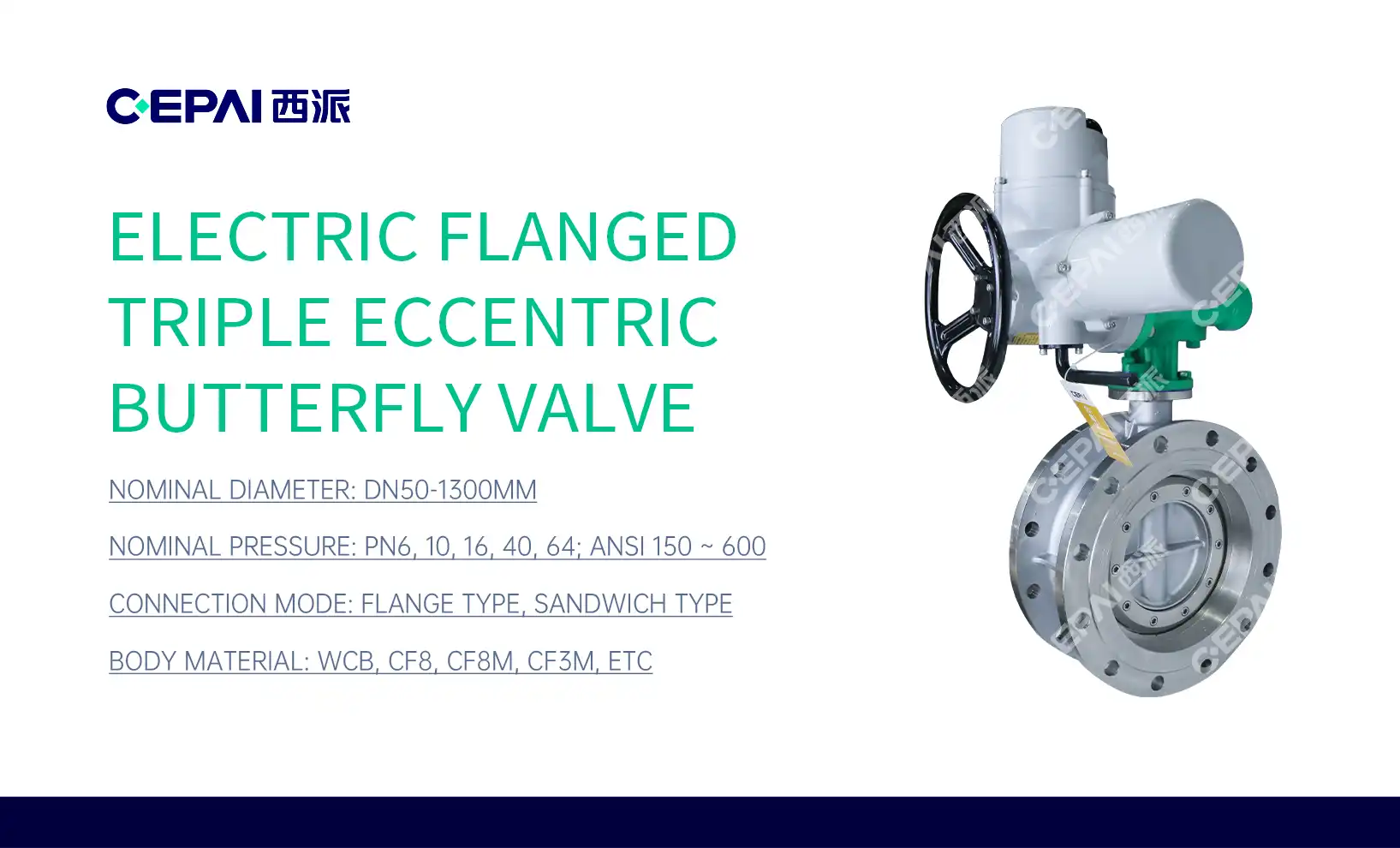
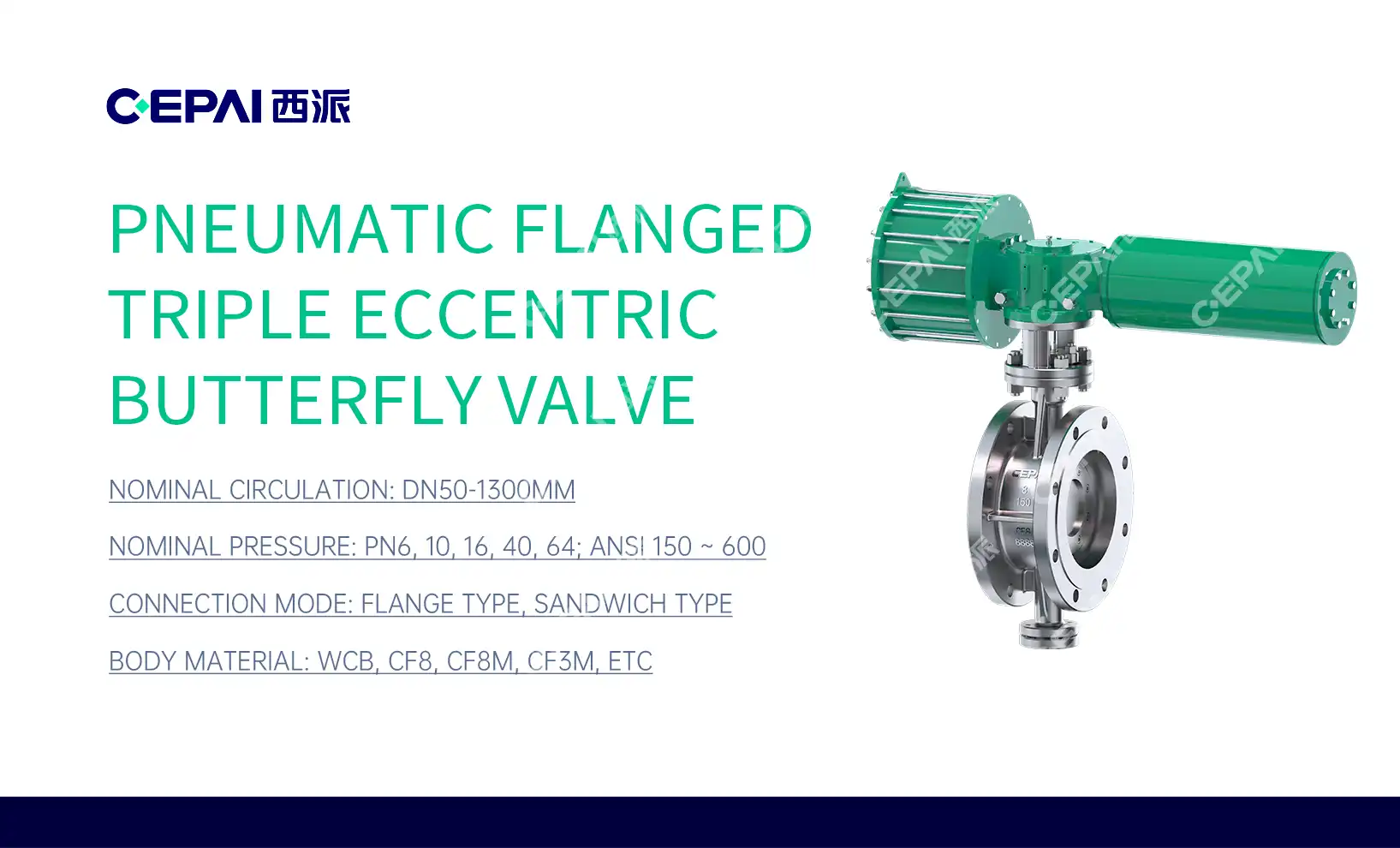
For safety and economy, modern pipeline control systems depend more and more on automated valve action. Triple offset butterfly valve can work with both gas and electric actuators, and because they don't require as much power, they are usually better than other valve technologies.
When integrating a control system, it's important to think about the position input needs, the fail-safe positioning needs, and the alignment of the communication protocols. Smart actuator technologies offer better diagnostic tools that help predictive maintenance plans that are being used by more and more big pipeline owners.
Procurement Considerations - How to Buy the Right Triple Offset Butterfly Valve?
To successfully buy triple offset butterfly valves, you need to take a thorough approach that looks at the skills of the supplier, the quality assurance of the product, and the long-term support system. These things have a direct effect on the success of the project and the stability of operations.
Manufacturer Certification and Quality Assurance
Manufacturers with a good reputation keep a lot of certifications that show they follow international safety and quality standards. API 609 for butterfly valves, API 6D for pipeline valves, and ISO 9001 for quality control systems are all important qualifications. Additional certificates like API Q1, ISO 14001, and ISO 45001 show that a full management system has been put in place to support consistent product quality.
Audits of manufacturing facilities can teach you a lot about how to make things and how to check for quality. Leading makers are happy for their customers to do audits, and they keep clear paperwork systems that show they follow standard quality processes.
Technical Support and Engineering Collaboration
For complicated pipeline applications, engineers often need to work together during the planning part to make sure that the valve specifications are best for the situations in which they will be used. Strong expert support teams at manufacturers are very helpful during the selection, design, and troubleshooting stages of a project.
It's especially important to have experienced field service workers for triple offset butterfly valve available for big projects or works that are far away, since being able to respond quickly affects both project plans and the continuity of operations.

Global Supply Chain and Logistics Capabilities
For international pipeline projects to go ahead, they need providers who have a track record of global transportation and supply chain networks that are already in place. Managing lead times is very important for projects with tight building schedules, and being able to offer after-sales help all over the world affects long-term running costs.
Local partnerships for inventory management and delivery can cut down on wait times and shipping costs by a large amount while making replacement parts and technical support services easier to get.
Warranty Terms and Performance Guarantees
A full guarantee shows that the company that made the product is confident in its quality and protects you from problems like breaking down too soon or not working right. Standard warranties usually cover the parts and the work that was done, while longer warranties might include performance promises about how often the product will leak or how long it will work.
Knowing the limits and exclusions of a warranty keeps things clear during a claim, and making sure the right paperwork is done makes sure the warranty coverage lasts the whole time it's supposed to.
Real-World Applications and Case Studies in Oil & Gas Pipeline Control
Triple offset butterfly valves have been used successfully in a wide range of oil and gas uses around the world, showing great dependability and performance in tough working conditions. Insights into the usefulness of this advanced valve technology can be gained from these real-life examples.
Pipeline Isolation and Emergency Shutdown Systems
A lot of triple offset butterfly valves have been used by major transmission pipeline owners for mainline separation service, which needs to be able to close quickly and reliably for system safety. The metal-to-metal sealing design ensures reliable isolation even after long periods of inactivity, and the lower working torque speeds up closing times in case of an emergency stop.
New installations in Arctic pipeline systems have shown that they work very well in very cold temperatures, where other valve technologies have problems staying reliable. Because it is well-built and doesn't cause any friction, it works consistently at temperatures that would make other valve designs less reliable.
Flow Control in Gathering and Processing Facilities
The precise control that triple offset butterfly valves offer is useful for upstream gathering systems in a wide range of situations, from wellhead flow control to operations in processing facilities. The high rangeability makes it possible to control the flow well across the wide ranges of flow that are common in oil and gas production.
In processing plants, these valves are used for a number of different tasks, such as unit separation, flow control, and safety shutdown systems. Being able to provide both tight shutoff and accurate control in a single valve design makes system design easier and upkeep needs are lower than when isolation and control valves are installed separately.
Refinery and Petrochemical Applications
Downstream plants have used triple offset butterfly valves successfully in tough situations with high temperatures, toxic media, and a need to operate often. The metal-to-metal binding system works great in places where elastomeric seats wouldn't work because of problems with temperature or chemical compatibility.
Case studies from large plants show that switching from traditional valve technologies to triple offset designs led to big drops in upkeep costs. The longer service intervals and cheaper upkeep needs mean that the units are more available and cost less to run.
Offshore Platform Installations
Triple offset butterfly valves are especially appealing for underwater and platform uses due to their light weight and small footprint on offshore platforms. The small size and high speed let system designers make the best installation layouts while still allowing for operating flexibility.
Recent deepwater placements have shown how reliable these valves are in harsh environments where servicing is hard to get to and the reliability of a component directly affects the availability of output and the cost of running the business.
Conclusion
Triple offset butterfly valves are the best choice for controlling oil and gas pipelines because of their innovative three-eccentric design, which gives them better performance. By getting rid of practical friction and being able to seal metal to metal, this valve technology is much more reliable and lasts longer than other valve technologies. They are very useful for current pipeline systems because they can be used for separation, control, and emergency shutdown. Overall, the lower operating costs are due to better control and less upkeep. These features also make operations safer and more efficient.
FAQ
What makes triple offset butterfly valves superior for oil and gas applications?
Triple offset butterfly valves work great in oil and gas because they have a special three-eccentric shape that keeps them from sliding when they're in use. This design reduces the amount of force needed to operate while still providing bubble-tight seals through metal-to-metal contact. The strong design can handle the high temperatures and pressures that are common in oil and gas uses, and it also has a longer service life than other valve technologies.
How do triple offset valves achieve zero leakage performance?
The perfect geometry between the disc and seat sides makes it possible for there to be no leaking. When the lid is closed, the circular cone-shaped disc gradually touches the seat, causing even compression around the whole closing edge. The metal-to-metal sealing design doesn't rely on flexible parts that can break down over time. This means that the valve will always close properly throughout its service life.
What are the key factors for selecting triple offset butterfly valves in pipeline applications?
Operating pressure and temperature ranges, fluid compatibility, needed pressure ratings, and agreement with industry standards are all important things to think about when making a choice. When choosing materials for a pipeline, you need to think about how toxic the media is. When choosing sizes, you need to balance the need for pressure drop with the need for control precision. When choosing a current pipeline control system, connection with actuators and the need for automation are also things that are taken into account.
Contact CEPAI for Premium Triple Offset Butterfly Valve Solutions
You can trust CEPAI as a manufacturer of triple offset butterfly valves. They offer the best valve solutions in the business and have full API certifications, such as API Q1, API 6A, API 6D, and ISO quality control systems. Our advanced manufacturing skills and track record with major oilfield service companies around the world mean that your most demanding pipeline control systems will work reliably. Get in touch with our technical experts at cepai@cepai.com to talk about your needs and find out why stars in the industry choose CEPAI for their most important valve uses.

References
American Petroleum Institute. "API 609: Butterfly Valves: Double-flanged, Lug- and Wafer-type, and Butt-welding End." 8th Edition, 2018.
Nesbitt, Brian. "Handbook of Valves and Actuators: Valves Manual International." Elsevier Science & Technology, 2007.
Skousen, Philip L. "Valve Handbook." McGraw-Hill Education, 3rd Edition, 2011.
Energy Institute. "Guidelines for the Design and Operation of Oil and Gas Production Facilities." 4th Edition, 2019.
American Society of Mechanical Engineers. "ASME B16.34: Valves - Flanged, Threaded, and Welding End." 2017 Edition.
Botros, K.K. and Campbell, P.J. "Dynamic Analysis of Pipeline Valve Closures." Journal of Pressure Vessel Technology, Vol. 134, 2012.
_1746598538016.webp)
Get professional pre-sales technical consultation and valve selection services, customized solution services.
About CEPAI