Where Brazil Buyers Source Motorized Ball Valve in China?
Brazil's industrial buyers who need motorized ball valves always go to China as their first choice, taking advantage of the country's many production capabilities and competitive benefits. The valve business in China has a wide range of products, from simple two-way motorized ball valves to complex multi-port designs with electric motors. Chinese makers are the first choice for Brazilian companies in the oil and gas, chemicals, and industrial automation sectors because they are cost-effective, come up with new technologies, and already have well-established supply chain networks. Leading Chinese providers keep up with international standards like API, ISO, and CE. This makes sure that their products meet the quality requirements of demanding industrial uses and give modern factories the automatic flow control tools they need.

Understanding Motorized Ball Valves: Key Concepts for Buyers
Motorized ball valves are a big step forward in automated flow control technology. They combine the dependability of traditional ball valves with the sophistication of advanced electric actuator systems. These automated valves get rid of the need for human operation while still giving industry users precise control over fluid flow.
Core Components and Working Principles
An electric actuator installed according to ISO 5211 standards is built into a motorized ball valve along with a quarter-turn ball mechanism. When the electric actuator gets control signals, it drives an internal motor that turns the valve ball in a 90-degree circle, which makes the valve fully open or closed. This technology makes it possible to operate from afar and gets rid of the need for human work to be done on-site.
The electric control system usually works with normal voltages like 24VDC or 120VAC. There are also multi-voltage versions that can automatically detect the input voltage needs. These days, actuators can provide power ratings of up to 600Nm, which can work with a range of valve sizes and pressure ratings needed in industrial settings.
Types and Configurations Available from Chinese Suppliers
Chinese companies make a range of motorized ball valve designs to meet the needs of different applications. For most flow uses, two-way valves make it easy to turn flow on and off, while three-way valves let you divert flow or mix it. Multi-port variants can handle complicated pipe systems that need to direct more than one flow line at the same time.
The different choices include different pressure levels and materials, such as carbon steel, stainless steel, and special alloys. Pressure levels cover a wide range of situations, from normal industrial uses to high-pressure situations reaching 1500 PSI, so they can meet the needs of a wide range of industries.
Operational Benefits and Safety Features
Automated motorized ball valve systems make things safer by running consistently and removing the chance of human mistake. The electric actuator can reliably place itself and give feedback, which lets system operators check the state of the valve from a distance. Modern actuator designs include emergency stop features that allow for quick action in critical scenarios.
Being energy efficient is another big benefit, since electric motors only use power when they are placing. This is better than pneumatic systems, which need a constant source of air. This lowers overall running costs while keeping precise control.
Why Brazil Buyers Choose China for Motorized Ball Valve Sourcing?
China is the world leader in making valves because it has a wide range of industry skills and has been investing heavily in automation technology. Brazilian buyers benefit from this manufacturing environment because it gives them access to cutting-edge production methods and economies of scale that make prices low without lowering quality standards.
Economic Advantages and Manufacturing Scale
Chinese makers use large production numbers to cut costs, which is good for buyers around the world. China's industrial zones have a combined supply chain system that lowers the cost of parts and shortens the time it takes to make something. Brazilian businesses can get high-quality motorized ball valves at prices that are fair, as long as they meet the strict specifications needed for tough uses.
Chinese suppliers can handle orders ranging from small prototypes to large production runs thanks to scalability in manufacturing. This adaptability is especially helpful for Brazilian buyers who have to deal with a wide range of project needs, from buying the initial tools to ongoing upkeep and growth.
Technology Innovation and Customization Capabilities
Chinese valve makers put a lot of money into research and development, and their products use modern materials science and robotic technology. This new idea leads to motorized ball valves with better actuator designs, better resistance to rust, and longer service life in tough operating conditions.
Customization for motorized ball valve gives makers a big edge over their competitors because they can make changes to meet the needs of the Brazilian market. Some of these changes are special finishes that protect against chemicals, changed actuator configurations to fit specific installation needs, and custom control interfaces that work with current plant automation systems.
Quality Certifications and International Standards
Chinese companies that have been around for a while have quality management systems that are approved to foreign standards. These include ISO 9001, API, and CE marking for European compliance. These approvals make sure that motorized ball valves meet the high quality standards that business buyers in Brazil expect.
Chinese sellers offer third-party testing and reporting services that give customers even more peace of mind about the quality. Independent testing labs check that products meet performance standards, are made with the right materials, and work reliably in real-life business situations. This gives Brazilian buyers faith in the product's dependability.
Comparing Motorized Ball Valves with Other Valve Types: Informed Decision-Making
To choose the best valve technology, you need to carefully weigh the needs of the business against the options that are offered. While motorized ball valves have clear benefits in some situations, other types of valves may be better for other types of operations.
Performance Comparison with Alternative Technologies
Manual ball valves can only be used on-site and can't be controlled from afar, which makes them less useful for automatic systems. When compared to motorized ball valve setups, solenoid valves have faster reaction times but can only handle lower pressures and smaller flows.
Pneumatically operated valves allow for fast operation speeds, but they need systems that use compressed air and the upkeep that goes along with them. Electric motorized systems don't need an air source and offer better position input and control accuracy, which are important for current industrial automation.
Energy Efficiency and Operational Reliability
Ball valves that are operated by electricity are more energy efficient than gas ones because they only use power when they are being moved. This efficiency is especially important in big setups with many valve positions, where the total energy savings over the life of the system are large.
Operating dependability for motorized ball valve is improved by the simpler mechanical design that comes with ball valves. The quarter-turn motion keeps wear parts to a minimum, and the spherical ball form seals well across a wide range of temperatures and pressures.
Application Suitability and Selection Criteria
Motorized ball valves work great in situations where they need to reliably shut off, handle moderate to high pressures, and work with automatic control systems. The strong closing and automatic features of these valves make them useful for industrial processes that use crude oil, refined products, natural gas, and chemical fluids.
When exact flow modulation is more important than simple on/off operation, control valve uses may choose specialized regulating valve designs. Modern motorized ball valves with positioning processors, on the other hand, can offer good modulating control for many uses while still having excellent cutoff properties.
Selecting Reliable Chinese Suppliers for Motorized Ball Valves: A Practical Guide
To find reliable Chinese providers, you need to carefully look at their manufacturing skills, quality control systems, and business dependability. For buying relationships to work, suppliers need to be carefully evaluated and technical needs must be communicated clearly.
Quality Certification and Manufacturing Standards
Manufacturers of reliable Chinese valves keep a full portfolio of certifications that show they follow international standards. API 6D certification proves that pipeline valves meet standards for design and production, while ISO 9001 certification confirms that a quality management system is in place.
Audits of manufacturing facilities can teach you a lot about how to make things and how to check for quality. Brazilian buyers can check that manufacturing standards are met and that production capacity matches project needs through third-party audit services or direct site visits.
Supplier Evaluation Criteria and Verification Methods
A supplier's financial security and business history show how reliable they are for long-term relationships. Well-known makers usually keep long lists of references from customers around the world. This lets you check how well they did on similar projects.
An evaluation of technical skills should include engineering assistance, the ability to make changes, and testing facilities. Suppliers who give detailed technical documentation, material certifications, and performance tests show that they have the skilled skills that are needed for complicated industry uses.
Building Successful Supplier Relationships
For partnerships for motorized ball valve to work, there needs to be clear sharing of both technical details and business needs. For accurate seller replies, detailed requests for quotes should include things like working conditions, material needs, certification requirements, and expected delivery dates.
Sample evaluation programs let you check the quality of the making and make sure that the specifications are met before you commit to bigger orders. Starting with smaller orders and increasing them based on performance, progressive approval methods lower risks while increasing trust in the supplier's abilities.
Logistics and Procurement Tips for Brazil Buyers Sourcing from China
Effective logistics management and purchasing methods that work well have a big effect on the total cost of ownership and the dependability of the supply chain. Brazilian buyers can get the best results when they source goods by understanding foreign trade terms and transportation needs.
Understanding Pricing Models and Total Cost Evaluation
When you buy something FOB (Free on Board), you have to take care of the foreign shipping and insurance yourself. This gives you control over the details while also taking on the risk of transportation. Cost, Insurance, and Freight (CIF) price covers delivery to Brazilian ports, which makes logistics management easier but may limit the carriers that can be used.
When you figure out the total cost of ownership, you should include the original purchase price, the cost of shipping, any customs duties, and the cost of regular upkeep. Extended guarantee coverage and technical support services add value that may be enough to explain paying more for products from well-known brands.
Shipping and Customs Considerations
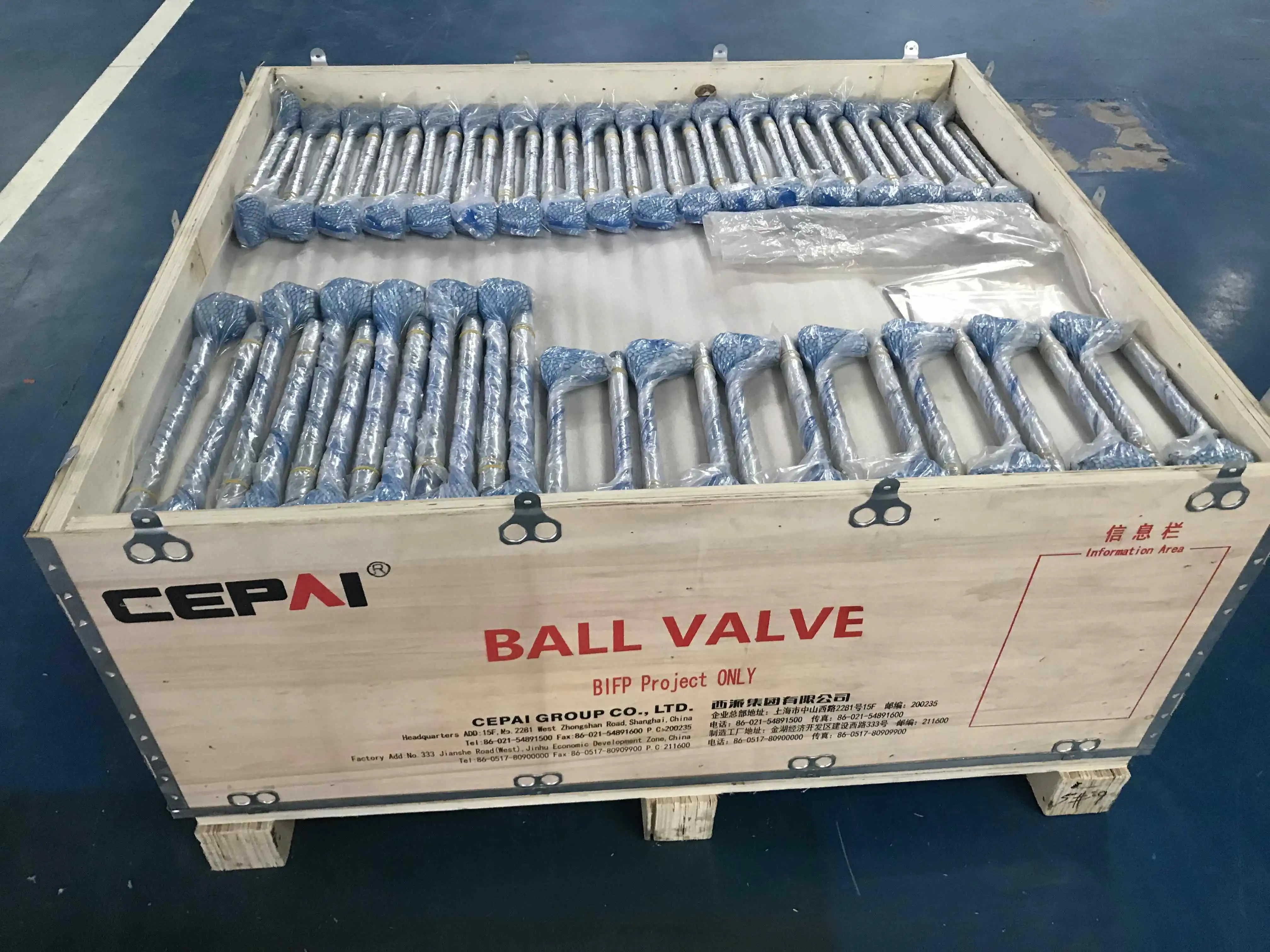
Motorized ball valves usually need to be carefully packed to keep the actuator parts safe while they are being shipped internationally. Reliable providers offer strong packing made for ocean freight, with features like shock-resistant mounting systems and moisture protection.
Commercial bills, packing lists, and certificates of origin are some of the documents that are needed for customs. Technical paperwork like material certificates and test reports make it easier to get goods through customs and keep records for installation and upkeep work.
Inventory Planning and Risk Management
Managing lead times means making sure that production plans and project needs are aligned. Chinese makers usually need 4 to 8 weeks to make a basic motorized ball valve. Lead times can be longer for custom designs or times of high demand.
Strategic inventory planning weighs the costs of keeping stock against the risk of running out of it, especially for important uses where broken valves could affect production. When you make framework deals with qualified providers, you can quickly meet urgent needs while still getting good prices.
Conclusion
China's improved manufacturing skills and pricing advantages in making motorized ball valves continue to help Brazilian industrial buyers. Chinese suppliers are trusted partners for demanding industrial uses because they are always coming up with new technologies, keeping costs low, and having thorough quality control systems. To get the best results from sourcing, you need to carefully evaluate suppliers, communicate clear specifications, and handle transportation well. Chinese manufacturers have a history of serving foreign markets, and they are dedicated to quality certifications and customer service. This makes them a great deal for Brazilian buyers in a wide range of industries.
FAQ
What certifications should I look for when sourcing motorized ball valves from China?
Chinese providers of good quality keep API 6D approval for pipeline valve uses, ISO 9001 certification for quality management systems, and CE marks for European compliance standards. Depending on the working conditions, you may need extra certificates like API 607 for fire tests and NACE MR0175 for sour service uses.
How can I verify the quality and reliability of Chinese motorized ball valve suppliers?
Verifying a supplier means looking at their portfolios of certifications, inspecting their facilities, and calling customer references from similar projects. Sample testing programs and third-party inspection services give you more peace of mind about the quality of the product before you place a bigger order.
What documentation should I expect from Chinese suppliers for customs clearance?
Commercial contracts, packing lists, certificates of origin, and bills of lading are some of the most important pieces of paperwork. Technical records like material test certificates, measurement inspection reports, and performance test results make it easier to get things through customs and help with installation.
Partner with CEPAI for Your Motorized Ball Valve Requirements
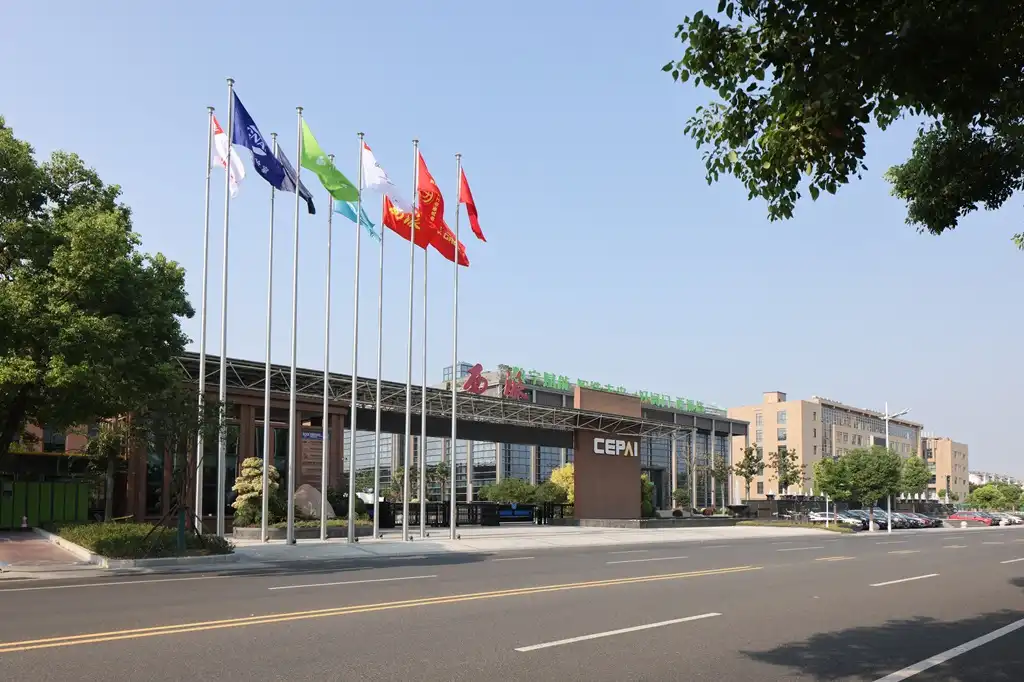
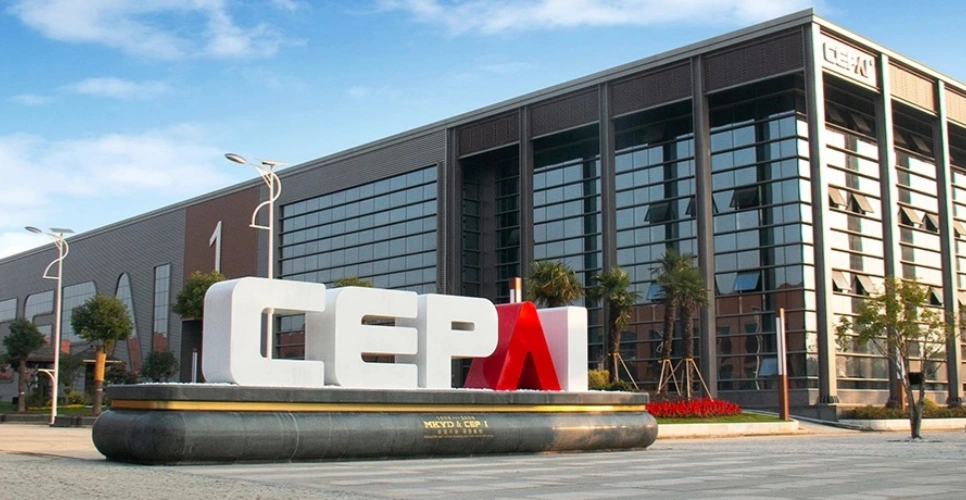
CEPAI stands as a premier motorized ball valve manufacturer with comprehensive API certifications and proven expertise in serving global oil and gas operations. Our advanced manufacturing capabilities deliver high-quality automated valve solutions designed for demanding industrial applications across drilling, production, and pipeline operations. With certifications including API Q1, API 6A, API 6D, and ISO 9001, we ensure compliance with international standards while providing customization capabilities for unique project requirements. Connect with our technical team at cepai@cepai.com to discuss your specific motorized ball valve supplier needs and discover how our innovative solutions can enhance your operational efficiency.
References
International Organization for Standardization. "ISO 5211:2001 Industrial Valves - Part-turn Actuator Attachments." Geneva: ISO Press, 2001.
American Petroleum Institute. "API Specification 6D: Pipeline Valves." 24th Edition. Washington: API Publishing Services, 2019.
Chen, Ming and Silva, Roberto. "Automation Technologies in Industrial Valve Systems: A Comparative Analysis." Journal of Industrial Engineering, Vol. 45, No. 3, 2022, pp. 178-195.
Brazil-China Chamber of Commerce. "Industrial Equipment Trade Analysis: Valve Import Trends 2020-2023." São Paulo: BCCC Publications, 2023.
Global Valve Manufacturers Association. "Electric Actuator Standards and Performance Guidelines." Technical Report GVMA-2023-EA. London: GVMA Press, 2023.
Rodriguez, Carlos and Wang, Li. "Supply Chain Optimization in International Valve Procurement: Latin American Perspectives." Industrial Procurement Quarterly, Vol. 28, No. 2, 2023, pp. 45-67.
_1746598531170.webp)
Get professional pre-sales technical consultation and valve selection services, customized solution services.
About CEPAI