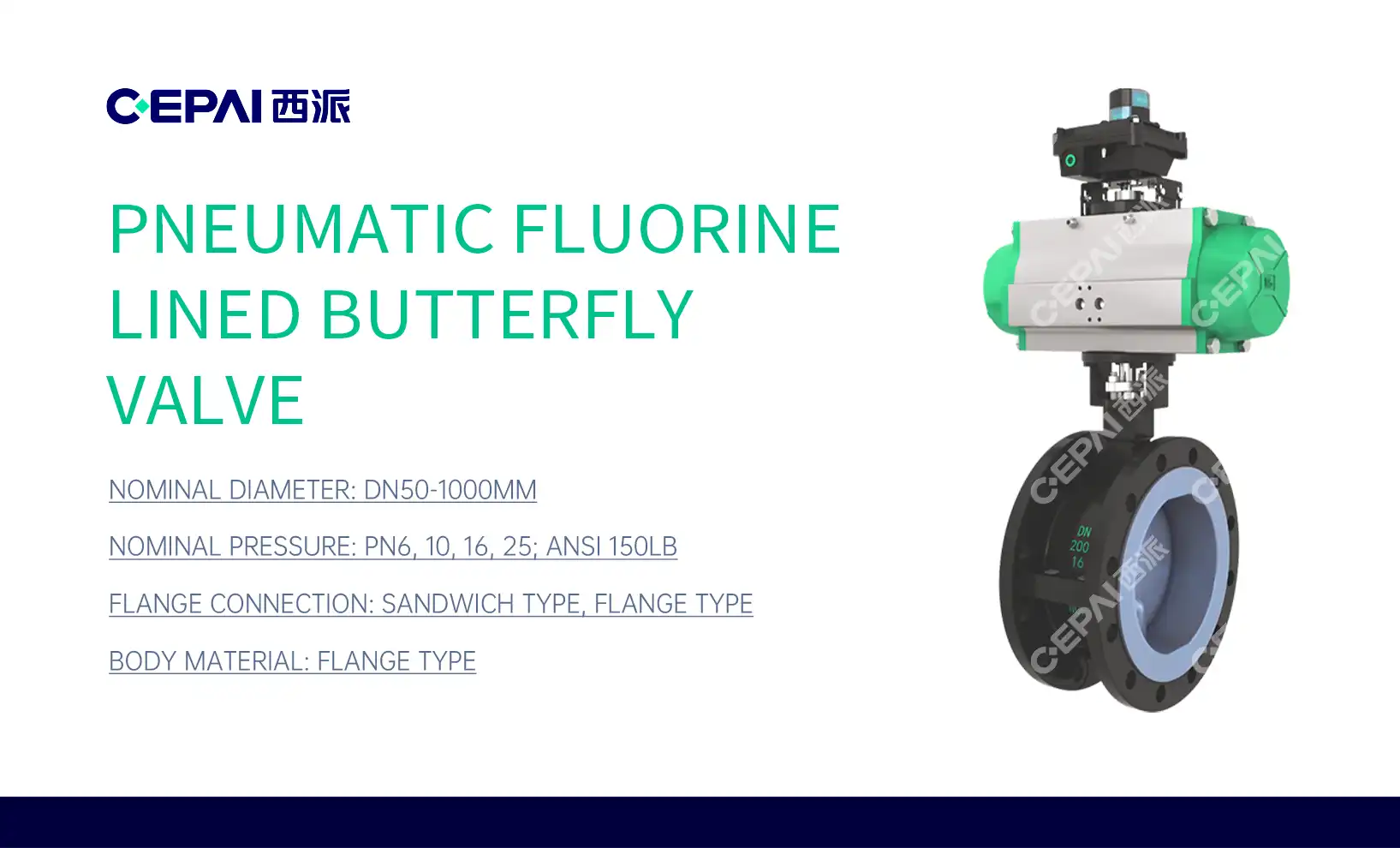
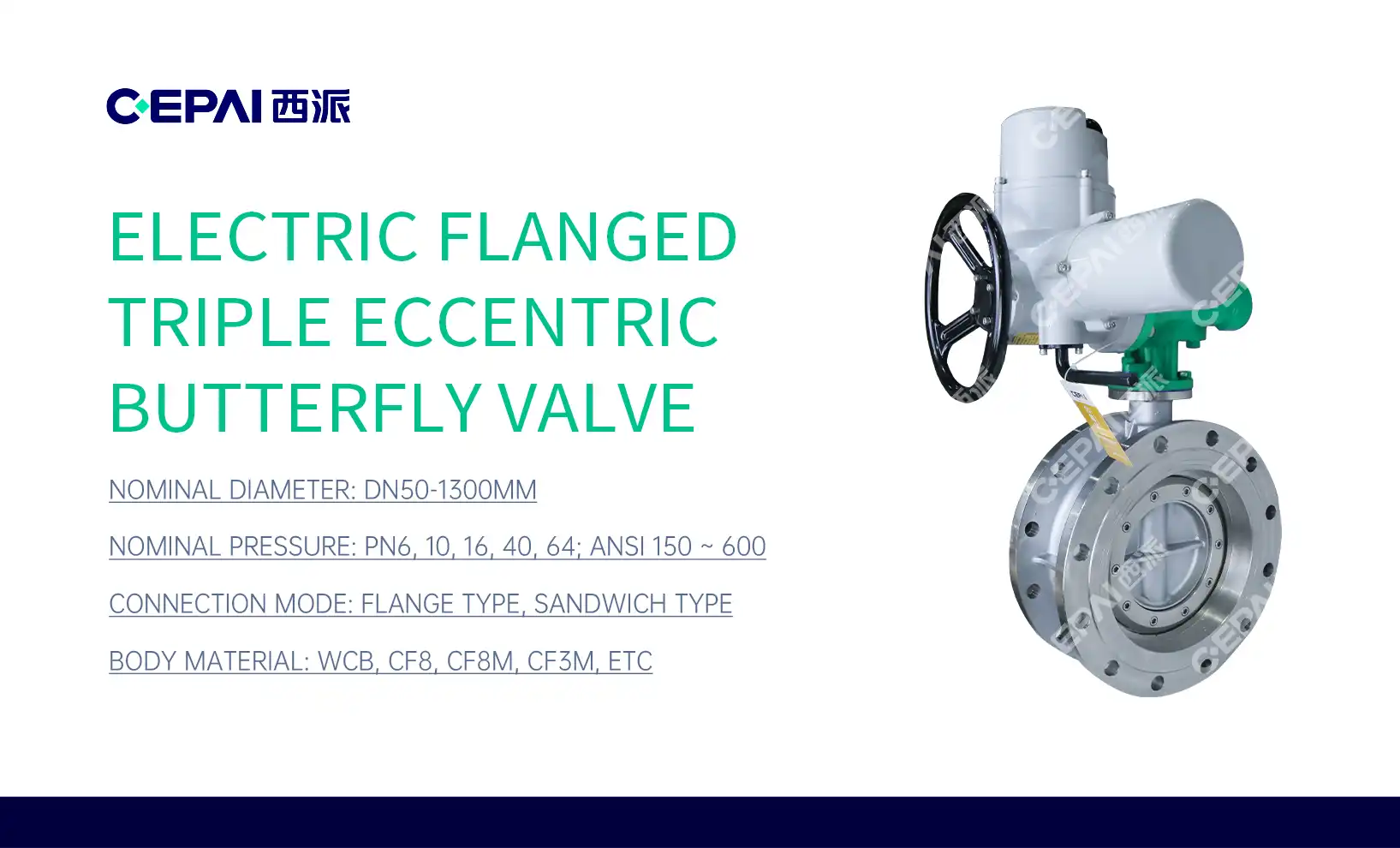
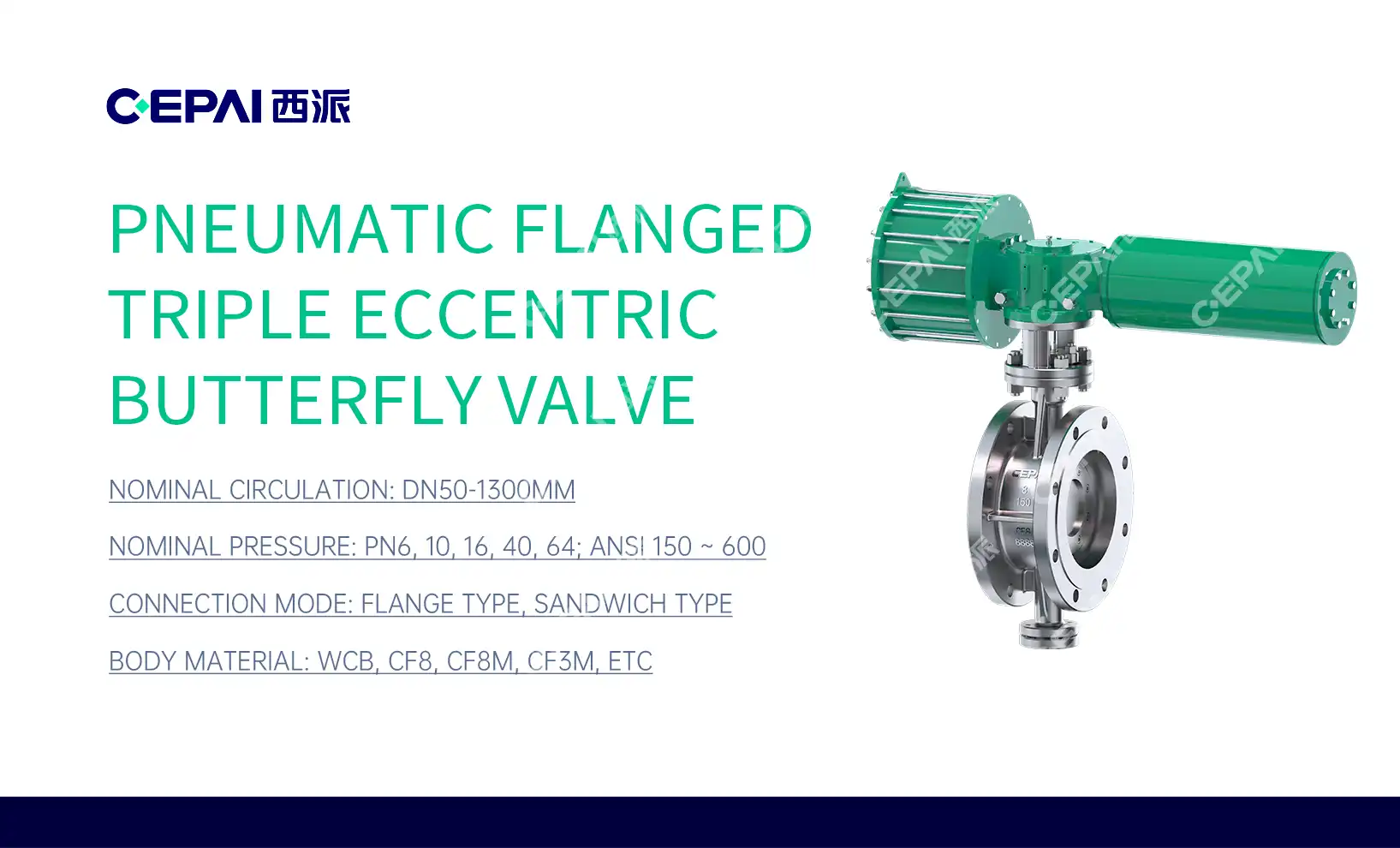
Electric Butterfly Valve China vs Europe Price Comparison
Depending on quality standards, certifications, and technical requirements, the price difference between Chinese and European manufacturers varies greatly when assessing electric butterfly valve procurement possibilities. Chinese producers of electric butterfly valves usually provide competitive prices because of their reduced labor costs and more efficient manufacturing methods, but their European counterparts fetch premium prices because of their sophisticated engineering, strict quality controls, and thorough certification compliance. Procurement professionals may make well-informed judgments that balance initial investment, long-term operational value, and regulatory obligations by having a thorough understanding of these market dynamics.

Understanding Electric Butterfly Valves and Their Market Landscape
Electric butterfly valves, which use a revolving disc mechanism to effectively control flow via quarter-turn operation, are an essential part of contemporary industrial fluid control systems. By connecting directly to the valve stem, the electronic actuator offers accurate flow rate control and makes remote operation possible, which is crucial for automated systems.
Core Operating Principles and Valve Types
The basic design includes a butterfly disc that spins perpendicular to the direction of flow within the valve body. Maximum flow occurs when the disc is aligned parallel to the flow; fluid movement is totally stopped when the disc is rotated 90 degrees. Excellent flow characteristics with little pressure drop across the valve are provided by this simple yet efficient system.
The market is dominated by three main variants. Wafer-style valves provide compact installation in situations with limited space by fitting between pipe flanges using through-bolts. In pipeline systems, lug-style designs provide maintenance flexibility via threaded inserts that enable independent flange removal. Double-flanged designs provide improved structural integrity for high-pressure applications often seen in oil and gas operations because they have integrated flanges on both sides.
Advantages Over Alternative Valve Technologies
When compared to manual and other automated valve types, electric butterfly valves have strong advantages. Compared to gate or globe valves, the small form takes up a lot less installation area, and the quarter-turn function allows for quick response times, which are crucial for emergency shutdown systems. Because there are fewer moving parts and no intricate internal processes, maintenance needs are lower.
Another significant benefit is energy efficiency, as electric actuators only use power while changing positions; they don't need constant energy input to stay in place. In distant settings where power supply may be restricted, this feature becomes very beneficial.
Manufacturing Landscape Comparison
Chinese producers have developed significant manufacturing capacity, using economies of scale and sophisticated technology to effectively service international markets. Targeting volume applications, major manufacturing facilities in Wenzhou, Shanghai, and Tianjin concentrate on conventional items with aggressive price schemes.
Precision engineering, customizable options, and adherence to strict regulatory frameworks are priorities for European producers. Businesses with headquarters in Germany, Italy, and the Netherlands usually focus on high-performance applications that need for intricate automation integration, specific materials, or harsh operating conditions.
Price Comparison Between China and Europe: Key Factors and Analysis
Significant pricing differences between Chinese and European electric butterfly valve manufacturers are caused by a number of interrelated variables, which also create diverse market niches catering to various client priorities and application needs.
Labor and Production Cost Drivers
Because of variations in labor rates, automation levels, and production efficiency, manufacturing costs range significantly across areas. Chinese firms invest extensively in automated manufacturing lines to ensure consistency in quality while enjoying cheaper direct labor expenses. Although labor costs are often higher for European firms, they are able to justify premium pricing by using innovative production methods and specialized worker skills.
Strategies for procuring raw materials have an impact on ultimate price structures. While European businesses may get premium materials from specialist vendors to fulfill strict quality criteria for key applications, Chinese manufacturers often obtain competitive prices via local steel and component suppliers.
Import Duties and Tax Considerations
Delivered price for cross-border transactions is greatly impacted by international trade restrictions. Value-added taxes, import tariffs, and customs charges may significantly raise the price of Chinese goods when they reach the North American and European markets. The apparent price difference between local providers is often reduced by these extra costs.
Exchange rate variations might alter competitive positions throughout procurement cycles, making price comparisons even more difficult. When assessing long-term supplier relationships and budget planning, procurement experts need to take these factors—including the electric butterfly valve—into account.
Brand Positioning and Market Segments
European companies with well-established reputations, broad certification portfolios, and robust technical support networks, such as Siemens, Belimo, and Emerson, attract premium prices. These manufacturers focus on applications where larger initial expenditures are justified by technical assistance, regulatory compliance, and performance dependability.
Chinese producers adopt a range of positioning techniques, from luxury items aimed at certain market niches to cost-focused staple products. To directly compete with their European counterparts, top Chinese firms have made large investments in technological prowess, worldwide market presence, and quality certifications.
Pricing structures in both areas are greatly impacted by bulk order volumes. Because of their advantages in manufacturing scale, Chinese manufacturers usually offer aggressive bulk reductions, while European suppliers could provide value-added services like longer warranties, unique engineering, or extensive technical support packages.
Procurement Considerations for B2B Clients: How to Choose Between China and Europe
Effective procurement tactics need a thorough assessment of regional trade-offs, taking into account both short-term financial constraints and long-term operational needs as well as risk management goals.
Regional Cost-Quality Trade-offs
Each location has a very different cost-quality relationship, thus drawing broad generalizations is ineffective. While low-cost goods from any location may sacrifice performance or dependability, high-end Chinese producers may provide competitive price and quality on par with mid-tier European vendors.
Purchasing choices for electric butterfly valves are often influenced by factors more than just cost comparisons, such as lead time. For regular items, Chinese producers usually have greater inventory levels and faster production schedules, while European vendors could need longer delivery periods but provide more customized options.
Industry-Specific Requirements
Applications for oil and gas need strong performance in harsh environments, thorough certification compliance, and demonstrated performance in vital services. European producers with specific knowledge and strong industry ties may be given preference under these standards.
When choosing an electric butterfly valve, pipeline operators give top priority to long-term dependability, corrosion resistance, and compatibility with current infrastructure. Depending on the particular application needs and overall cost considerations, both Chinese and European providers provide appropriate solutions.
Facilities for petrochemical and refining processes need to be able to integrate automation, function at high temperatures, and be chemically compatible. Technical requirements and certification compliance should take precedence over purely financial factors when making procurement selections.
Supply Chain Risk Management
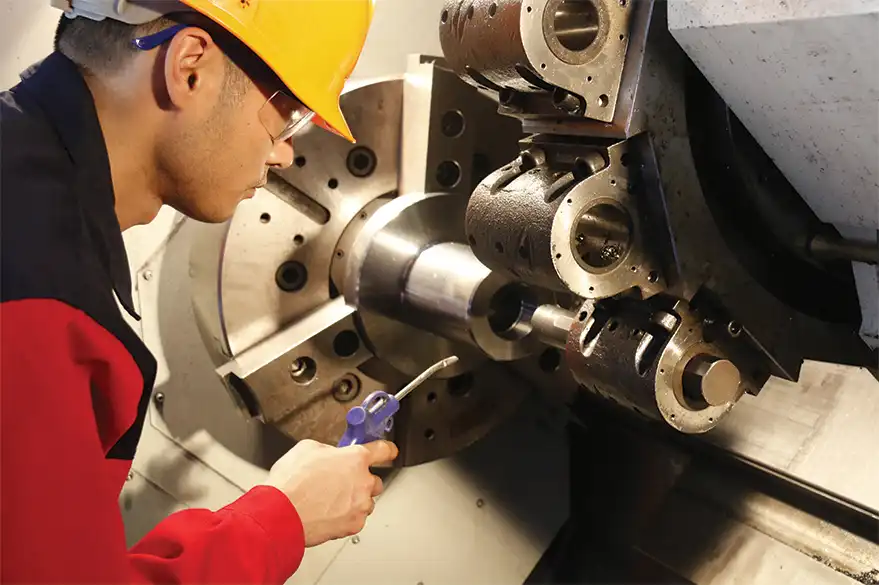
Geographic variety lessens the impact of trade disputes, natural catastrophes, and unstable political environments on supply chains. Having competent suppliers spread across many areas ensures supply continuity while offering procurement flexibility and negotiating power.
Regardless of location, suppliers' technical support skills, quality management systems, and financial stability need to be continuously assessed. Maintaining quality standards and spotting any problems before they affect operations are made easier with the establishment of precise performance indicators and frequent supplier audits.
Strategic Considerations and Future Trends in Electric Butterfly Valve Sourcing
Technological advancements, altering global supply chain dynamics, and regulatory changes all contribute to the valve industry's ongoing evolution, which affects supplier relationships and procurement tactics.
Technology Integration and Smart Valves
The need for intelligent valve systems with IoT connection, predictive maintenance features, and sophisticated diagnostics is fueled by digital transformation projects. While Chinese vendors quickly embrace and scale established technology, European manufacturers often take the lead in creating complex automation systems.
Proactive maintenance scheduling, performance optimization, and regulatory compliance paperwork are made possible by remote monitoring capabilities. By lowering operating expenses and enhancing system dependability, these characteristics might support premium pricing.
Environmental and Regulatory Trends
The choice of electric butterfly valve material, energy efficiency standards, and end-of-life disposal issues are all impacted by increasingly strict environmental rules. European producers of electric butterfly valves usually account for changes in regulations and include compliance measures in their standard product designs.
Through lifetime evaluations, carbon footprint calculations, and corporate responsibility goals, sustainability programs influence purchase choices. Beyond the conventional cost and performance criteria, these considerations may have an impact on supplier selection.
Supply Chain Evolution
Global supply chains are still being reshaped by geopolitical changes, which have an impact on supplier relationships and sourcing tactics. Procurement alternatives may be restricted or supply chain restructuring may be necessary due to trade disputes, regulatory changes, and national security concerns.
Traditional cost structures and the competitive posture of European and Chinese suppliers may change as a result of regional industrial trends toward automation, reshoring, and supply chain localization.
Instead than focusing just on transactional procurement methods, partnership growth strategies should prioritize cooperative partnerships, joint technology creation, and shared risk management. Through priority assistance, specialized solutions, and favorable pricing, these collaborations may provide competitive advantages.
Company Overview and Comprehensive Valve Solutions
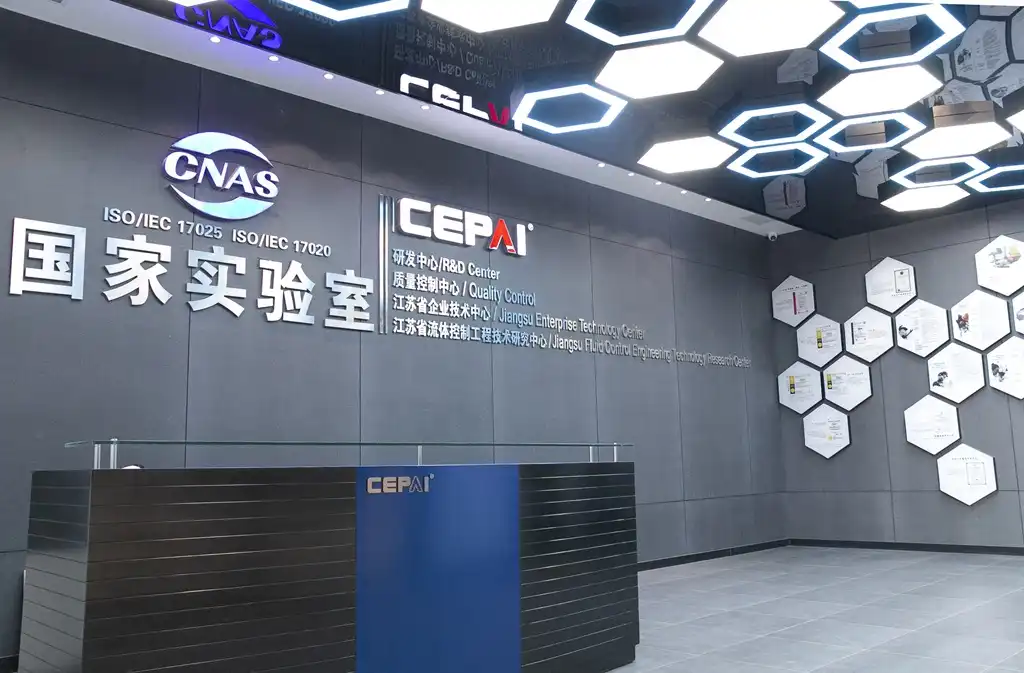
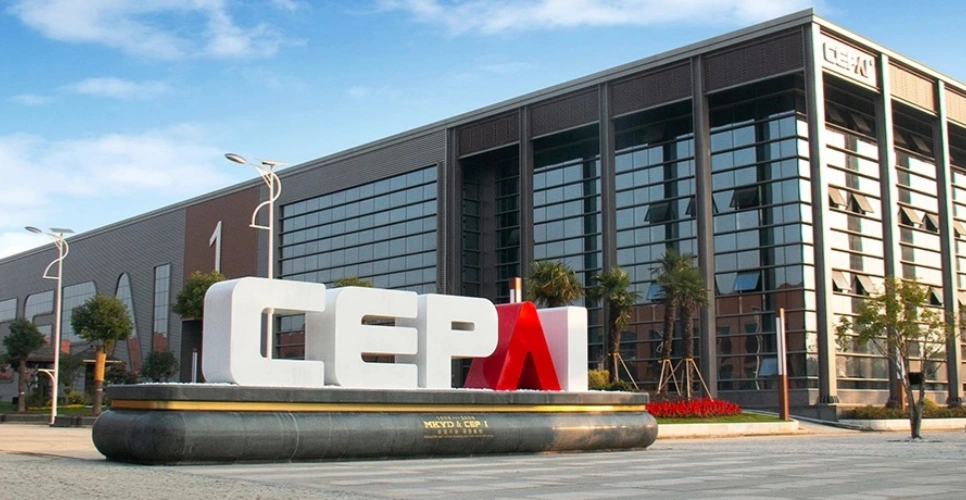
CEPAI is a prominent high-tech company that focuses on the development, manufacture, and research of sophisticated wellhead devices, pipeline valves, and precision instruments for oil and gas production and drilling activities. From complex regulating valves made for the most demanding industrial settings to wellhead assemblies, our extensive experience covers all important applications.
Product Portfolio and Technical Capabilities
Our wide selection of products includes rotary valve systems that are approved by globally renowned companies, high-pressure double disc check valves, throttle valves, sleeve-type regulating valves, and emergency cut-off valves. These goods show our dedication to the high standards of engineering and manufacturing accuracy needed for vital oil and gas applications.
CEPAI's electric butterfly valve solutions combine cutting-edge actuator technology, high-quality materials, and stringent quality control procedures to guarantee dependable performance under a variety of operating circumstances. Our technical staff collaborates closely with customers to provide unique solutions that satisfy certain application needs while keeping prices low.
Certifications and Quality Assurance
APIQ1, API6A, API6D, API16C, API602, ISO9001, ISO14001, ISO45001, ISO3834, ISO17025, CE, and PR2 certifications are among the extensive certification portfolios that CEPAI has attained. These certificates show our dedication to regulatory compliance and international quality standards, which are crucial for international oil and gas operations.
Advanced testing procedures, material traceability, and continuous improvement procedures are all included into our quality management systems to guarantee reliable electric butterfly valve product performance and client satisfaction. Our adherence to changing industry standards is maintained by regular audits and certification renewals.
Customer Support and Services
Complete after-sales services guarantee optimum valve performance throughout the course of the service life and include maintenance support, spare parts availability, and professional troubleshooting help. In order to assist engineering and procurement teams optimize operational efficiency, our technical team offers training sessions and consultancy services.
Through regional service centers, authorized distributors, and direct technical support, global service capabilities provide worldwide customers with quick help regardless of their location. In areas where dependable long-term assistance is required, CEPAI stands apart because to its service architecture.
Conclusion
Both Chinese and European manufacturers have clear advantages in the electric butterfly valve industry, and choices are ultimately based on long-term operational goals, budgetary restrictions, and particular application needs. European vendors provide superior engineering, thorough certifications, and cutting-edge technical assistance, while Chinese manufacturers thrive in competitive price, quick delivery, and standardized product availability. Effective procurement techniques assess the entire cost of ownership, which includes performance dependability, maintenance needs, and quality standards beyond the original purchase price. Strategic supplier alliances are crucial for long-term success in valve procurement choices because of the changing market scenario, which places an emphasis on supply chain resilience, environmental compliance, and technological integration.
FAQ
1. How do Chinese and European electric butterfly valves compare in terms of reliability?
Both Chinese and European manufacturers can deliver reliable electric butterfly valves when properly specified and maintained. European valves often demonstrate superior performance consistency across varying operating conditions due to advanced materials and precision manufacturing. However, leading Chinese manufacturers have significantly improved quality standards and achieved international certifications, making reliability differences less pronounced than in previous years. The key lies in selecting established manufacturers with proven track records rather than making regional generalizations.
2. What are the typical delivery timeframes for Chinese versus European electric butterfly valves?
Chinese manufacturers typically offer shorter delivery times for standard products due to larger inventory levels and streamlined production processes, often delivering within 2-4 weeks for common specifications. European suppliers may require 6-12 weeks for standard products but excel in customized solutions requiring specialized engineering. Rush orders and customization requirements can extend delivery times for both regions, making early procurement planning essential for project success.
3. Which certifications should buyers prioritize when selecting electric butterfly valves?
Essential certifications include ISO 9001 for quality management, CE marking for European compliance, and API certifications for oil and gas applications. Industry-specific standards like ASME, ANSI, or specialized safety certifications may be required depending on the application. Buyers should verify that certifications match their specific regulatory requirements and that manufacturers maintain current certification status through regular audits and renewals.
Optimize Your Electric Butterfly Valve Procurement with CEPAI
CEPAI delivers exceptional value in electric butterfly valve solutions, combining competitive pricing with international quality standards and comprehensive technical support. Our experienced engineering team collaborates with drilling engineers, wellhead specialists, and procurement managers to develop customized valve solutions meeting specific operational requirements while maintaining cost efficiency. As a trusted electric butterfly valve supplier with extensive API certifications and global service capabilities, we streamline procurement processes through responsive customer service, detailed technical documentation, and reliable delivery schedules. Contact our team at cepai@cepai.com to discuss your electric butterfly valve requirements and discover how our solutions can enhance your operational performance while optimizing procurement costs.
References
1. Smith, J.R., and Williams, K.L. "Comparative Analysis of Global Electric Butterfly Valve Manufacturing Standards." Industrial Valve Technology Quarterly, Vol. 45, No. 3, 2023, pp. 78-92.
2. Chen, M., et al. "Economic Evaluation of International Valve Procurement Strategies in Oil and Gas Operations." Energy Equipment Management Review, Vol. 29, No. 2, 2023, pp. 156-171.
3. European Valve Manufacturers Association. "Quality Standards and Certification Requirements for Industrial Flow Control Equipment." Technical Bulletin EVMA-2023-04, Brussels, 2023.
4. Thompson, R.A., and Anderson, P.S. "Supply Chain Risk Assessment in Global Valve Procurement: A Comparative Regional Study." International Journal of Industrial Procurement, Vol. 18, No. 4, 2023, pp. 234-251.
5. Liu, X., and Murphy, D.K. "Technological Innovation Trends in Electric Actuated Valve Systems: Market Analysis 2020-2025." Valve Technology International, Vol. 31, No. 1, 2023, pp. 45-62.
6. lobal Industrial Valve Research Institute. "Total Cost of Ownership Analysis for Electric Butterfly Valves: Regional Manufacturing Comparison." Technical Report GIVRI-2023-07, London, 2023.
_1746598538016.webp)
Get professional pre-sales technical consultation and valve selection services, customized solution services.
About CEPAI