Best Control Valves For Thermal Power Plants
Facilities need precision-engineered solutions that can handle wide ranges of temperatures, high pressures, and toxic surroundings when choosing the best control valves for thermal power plants. These important flow control parts have a direct effect on how well the plant works, how safe it is, and how much it costs to run. Modern control valve technology combines high-tech materials with smart automation systems to provide dependable performance in thermal power operations for steam production, feedwater regulation, and cooling system management.
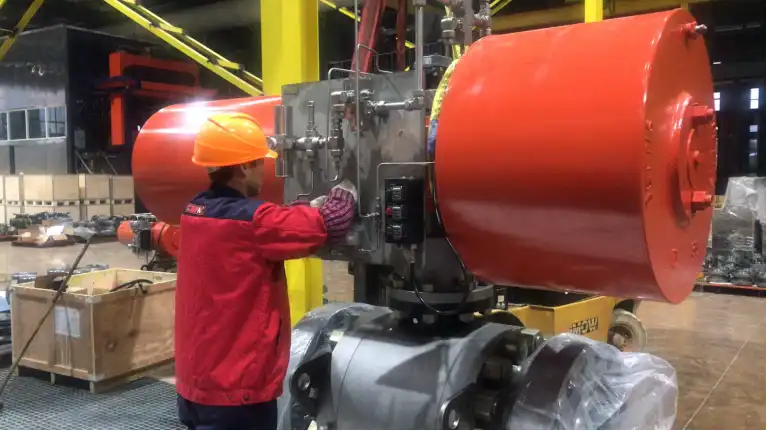
Understanding Control Valves in Thermal Power Plants
For thermal power plants to work, control valves must precisely regulate the flow of fluids through a number of important systems. As the last part of complicated automation loops, these high-tech devices receive signals from spread control systems and keep things running at their best during steam cycles, water treatment processes, and emission control systems.
Core Functions and Performance Factors
In thermal power settings, control valves handle a number of important tasks that have a direct effect on how well the plant works. To control the flow of steam, you need valves that can handle temperatures above 1000°F and still work perfectly as reducing devices. Feedwater control systems depend on valves that can change flow rates even when there are changes in pressure differences. This keeps the boiler water level steady when the load changes.
Because power generation processes are always changing, these valves' performance traits must be able to keep up. When proportional control reactions are needed, linear flow characteristics work best. On the other hand, equal percentage characteristics work best when system pressure drops change a lot. The ability to open quickly is helpful for emergency shutdown situations where quick separation is necessary to protect the plant.
Valve Types for Thermal Power Applications
Globe valves are the standard for precise flow control in thermal power uses because they can slow flow better than other valves and their flow features are easy to predict. Because of how they're made, they can be precisely placed across the full stroke range. This makes them especially useful for controlling boiler feedwater and steam entry.
In thermal power plants, control valves and ball valves are used for specific tasks, especially when a tight shutdown is needed and there needs to be little pressure drop when the valve is fully open. Their strong construction works well for high-pressure steam uses, but they can't be used as much for changing service as globe valves can.
For large-diameter tasks like controlling air entry and cooling water systems, butterfly valves are a cheap option. Because they are small and easy to use, they are good for situations where the flow needs to change quickly. However, they are not as accurate at controlling flow as globe valves.
Critical Components and Their Impact
In thermal power uses, the choice of actuator has a big effect on how well and reliably valves work. Pneumatic actuators are great for critical safety uses because they can respond quickly and have built-in fail-safes that work through spring return mechanisms. Their simple design means they don't need much upkeep and work the same way in a wide range of temperatures.
Electric motors can precisely place things and work with digital control systems without any problems. They are useful for uses that need precise flow control because they can stay in place when the power goes out and send detailed return signals. However, because they are more complicated, they need more complex repair plans than pneumatic options.
Positioners improve the accuracy of valves by comparing control signals with the real positions of valves and changing actuator pressure automatically to get the valves in the right place. Smart positioners have monitoring features that keep an eye on valve performance, find possible problems, and give maintenance experts information that helps prevent failures that come up out of the blue.
Selecting the Best Control Valve for Thermal Power Plant Applications
When using a control valve in a thermal power setting, the choice of material is very important. For high-temperature steam service, you need materials that can keep their mechanical features and shape even when they go through extreme temperature changes. Stainless steel alloys are very good at keeping their strength and not rusting. Specialty alloys like Inconel and Hastelloy are used for the toughest high-temperature tasks.
Material Compatibility and Pressure Ratings
Because thermal power plants are harsh places to work, it is important to make sure that all valve parts, including control valves, are made of materials that are compatible with each other. Valve bodies made of cast stainless steel or carbon steel that can handle the right temperature levels ensure the structure stays strong while it's working. When it comes to trim materials, hardened stainless steel or specific metals are best because they don't erode or rust when high-velocity water and steam flow through them.
Pressure ratings must be higher than standard working conditions, and there must be enough safety margins to deal with system changes and emergencies. Most thermal power uses can be met by ratings of ANSI Class 600 and 900, but some high-pressure steam systems need ratings of Class 1500 or higher. To make sure the valve works properly in all situations, the link between temperature and pressure grades needs to be carefully looked at.
Valve Sizing and Flow Control Optimization
The right size of valve has a direct effect on the quality of control and the amount of energy used in thermal power processes. When undersized valves are close to fully open, they limit the controller's ability to control the system and make it unstable when the load changes. When valves are too big, they work in almost closed situations where small changes in position cause big changes in flow, making control less effective.
To get linear control reaction, the flow characteristics of the chosen valve must match the flow characteristics of the system that is being used. Equal percentage trim gives you great control over a wide range of system conditions. It instantly adjusts for changes in the distribution of pressure drop as system flows change.
Actuator Comparison and Selection Criteria
Pneumatic controls work great in thermal power uses that need to respond quickly and work without any problems. Using stored air pressure to work even when the power goes out is an important safety feature for critical separation and emergency stop uses. The ease of hydraulic systems makes them easier to maintain and ensures that they work reliably even when temperatures change a lot.
Electric motors are more precise and can be easily integrated into systems that need precise positioning and detailed feedback. Because they can stay in place even when the air supply is cut off and keep showing their position, they are useful for precise flow control uses. When electric motors are connected to plant distributed control systems, they make it possible to use more advanced control methods and do a lot of diagnostic work.
Whether to use pneumatic or electric control valves depends on the needs of the application. Many places use a combination of the two technologies to get the best results. Electric actuators are better for precise control applications, while gas actuators are better for critical safety applications because they are more reliable.
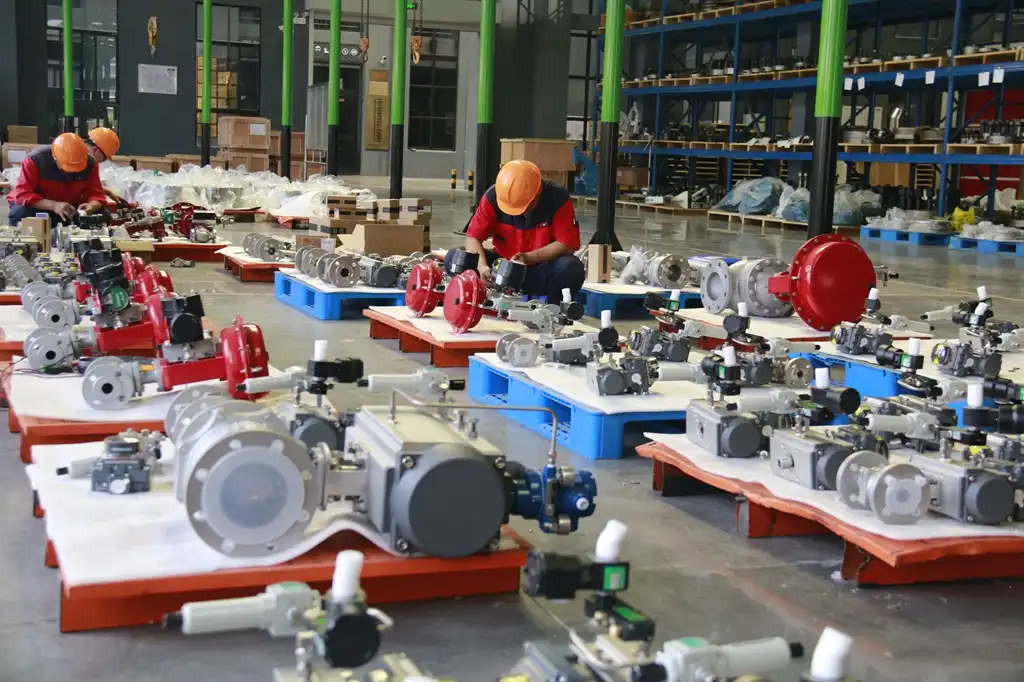
Market Overview: Procuring Control Valves for Thermal Power Plants
When buying thermal power control valves, there are more things to consider than just the original purchase price. Installation costs, upkeep needs, spare parts availability, and projected service life under certain working conditions are all parts of the total cost of ownership.
Evaluation Criteria and Supplier Assessment
Quality approvals are very important for proving that a product meets manufacturing standards and is reliable. API 6D certification shows that you follow the rules for the oil business, and ISO 9001 certification shows that you use a quality management system. The ASME pressure tank approval makes sure that the structure is strong enough for high-pressure uses.
When planning for outages or replacing things quickly, lead time becomes very important. When it comes to shipping and project timelines, the choice between standard product supply and custom manufacturing needs has a big effect. Delivery efficiency and technical help responsiveness are affected by how much a supplier can make and how close they are geographically.
Procurement Lifecycle Management
To make sure that the inquiry-to-delivery process goes well, it needs to be managed in a structured way. For accurate supplier offers, technical design development must clearly describe the working conditions, performance needs, and interface requirements.
Technical compliance, economic effectiveness, and service skills are all parts of evaluating a supplier. Reference systems give us useful information about how things really work in similar working situations. Quality assurance procedures used during production make sure that standards and specs are met.
Latest Trends and Innovations in Control Valve Technology for Thermal Power
Control valve capabilities and performance traits are constantly improving thanks to technological development. Digital integration turns mechanical devices into smart system parts that let you watch and handle things in ways that were not possible before.
Digital Diagnostics and Smart Positioning
Smart positioners with advanced monitoring tools constantly check the performance of valves and spot signs of wear and tear before they affect plant operations. These tools check the position of the stem, the pressure on the actuator, and the time it takes to respond. They also compare real performance to baseline traits.
Predictive maintenance algorithms look at performance data to figure out when the best time is to do maintenance based on the real situation instead of a calendar. This method lowers the chance of unexpected failures during key working times while keeping maintenance costs low.
Industry 4.0 Integration and IIoT Applications
Connecting industrial devices to the internet of things lets you watch and handle them from afar, which makes operations more flexible and efficient. Wireless communication methods get rid of the need for wires and let people in central control rooms and other places access valve data.
Cloud-based analytics tools use data about how well valves work to find ways to make them work better and to compare performance across multiple units or buildings. These systems let predictive analytics figure out when repair needs to be done and how to best set up operations to make them more efficient.
Machine learning systems look at past performance data to figure out the best way to set control settings and guess how long a part will last. These features allow for proactive scheduling of repair and efficiency improvement, which lowers costs and raises reliability.
Conclusion
In thermal power plants, choosing and managing control valves takes a deep understanding of their application needs, technology skills, and lifecycle factors. For implementation to go well, working conditions must be carefully studied, the right size and specifications must be followed, and ongoing upkeep must be optimized. Modern valve technologies have more features because they are digitally integrated and have features for predicted upkeep that make them more reliable while lowering costs. As part of the buying process, the initial investment and total ownership costs must be balanced. At the same time, the supplier's ability and long-term support must also be ensured. As technology keeps getting better, thermal power plants can benefit from using new valve solutions that make operations more reliable and efficient.
FAQ
What factors determine the best control valve for high-temperature steam applications?
For high-temperature steam work, the most important things are the material choice, the pressure number, and the form of the trim. Valve bodies need materials that can stay strong at high temperatures, and trim materials need to be able to handle high-speed steam without wearing away. The right size makes sure that there is enough flow capacity and that the system can be controlled across its entire working range.
How often should control valves in thermal power plants undergo maintenance?
How often you do maintenance relies on how hard the operation is and how important the valves are. Critical safety valves usually need to be inspected once a month and their settings checked every three months. Process control valves usually need repair every six months and a full overhaul once a year. state-based maintenance systems that use diagnostic data find the best times for maintenance based on the real state of the valves instead of making schedules based on nothing.
What advantages do electric actuators offer over pneumatic actuators?
Electric actuators allow for exact placement, constant position input, and easy integration of digital systems. They stay in place even when the air source goes out, and they offer better control accuracy for tasks that need to precisely control the flow. Pneumatic valves, on the other hand, work best in safety uses that need to work without fail and respond quickly.
Partner with CEPAI for Superior Control Valve Solutions
CEPAI offers top-notch control valve options that are designed to work in thermal power plants. Precision-made globe valves, high-pressure ball valves, and clever control systems that meet the strict needs of power generation facilities are all in our wide range of products. Our control valve production skills are backed by API 6A, API 6D, and ISO 9001 certifications, which means they will work reliably even in the toughest situations. Email our technical team at cepai@cepai.com to talk about your unique thermal power plant needs and find out how our knowledge can help your building run better.

References
American Society of Mechanical Engineers. "Control Valve Standards for Power Plant Applications." ASME Standards Publication, 2023.
Electric Power Research Institute. "Best Practices for Control Valve Selection in Thermal Power Generation." EPRI Technical Report, 2024.
International Association of Power Engineers. "Maintenance Guidelines for Power Plant Control Systems." IAPE Guidelines Manual, 2023.
National Association of Corrosion Engineers. "Material Selection for High-Temperature Power Plant Applications." NACE International Standards, 2024.
Power Engineering Society. "Advanced Control Technologies for Thermal Power Plants." IEEE Power Engineering Review, 2023.
Valve Manufacturers Association. "Industrial Valve Standards and Testing Procedures for Power Generation." VMA Technical Bulletin, 2024.
_1746598525968.webp)
Get professional pre-sales technical consultation and valve selection services, customized solution services.

About CEPAI