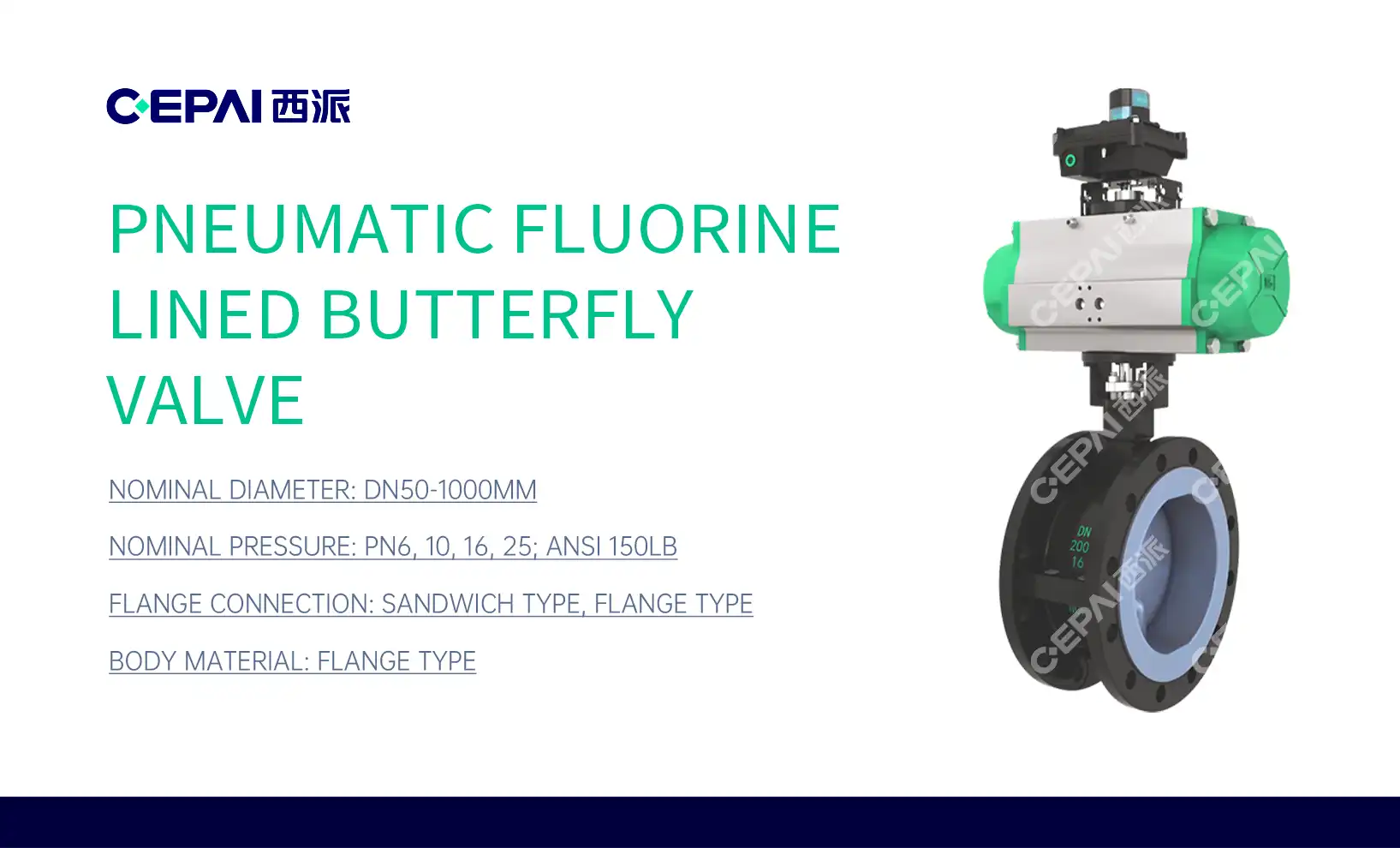
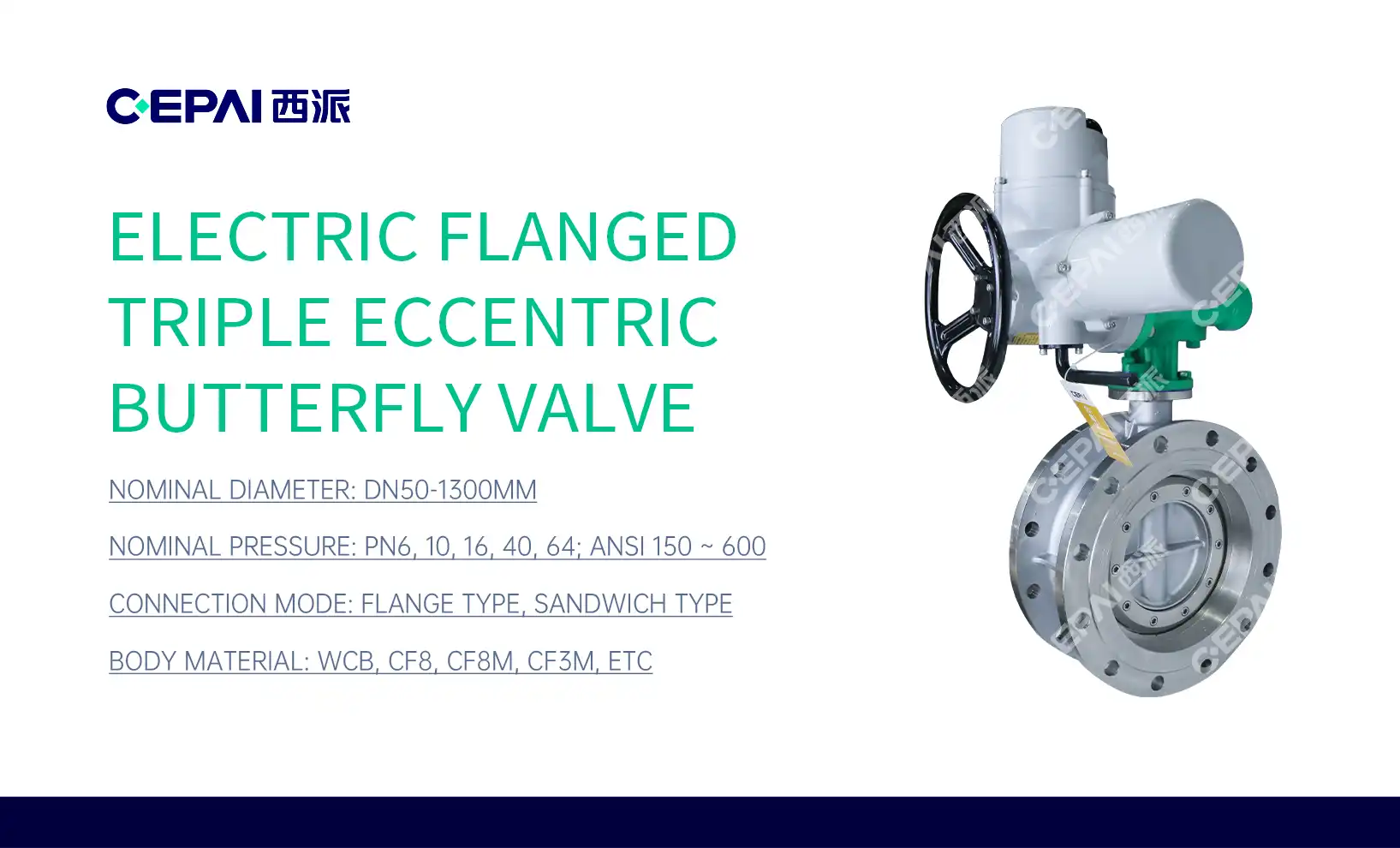
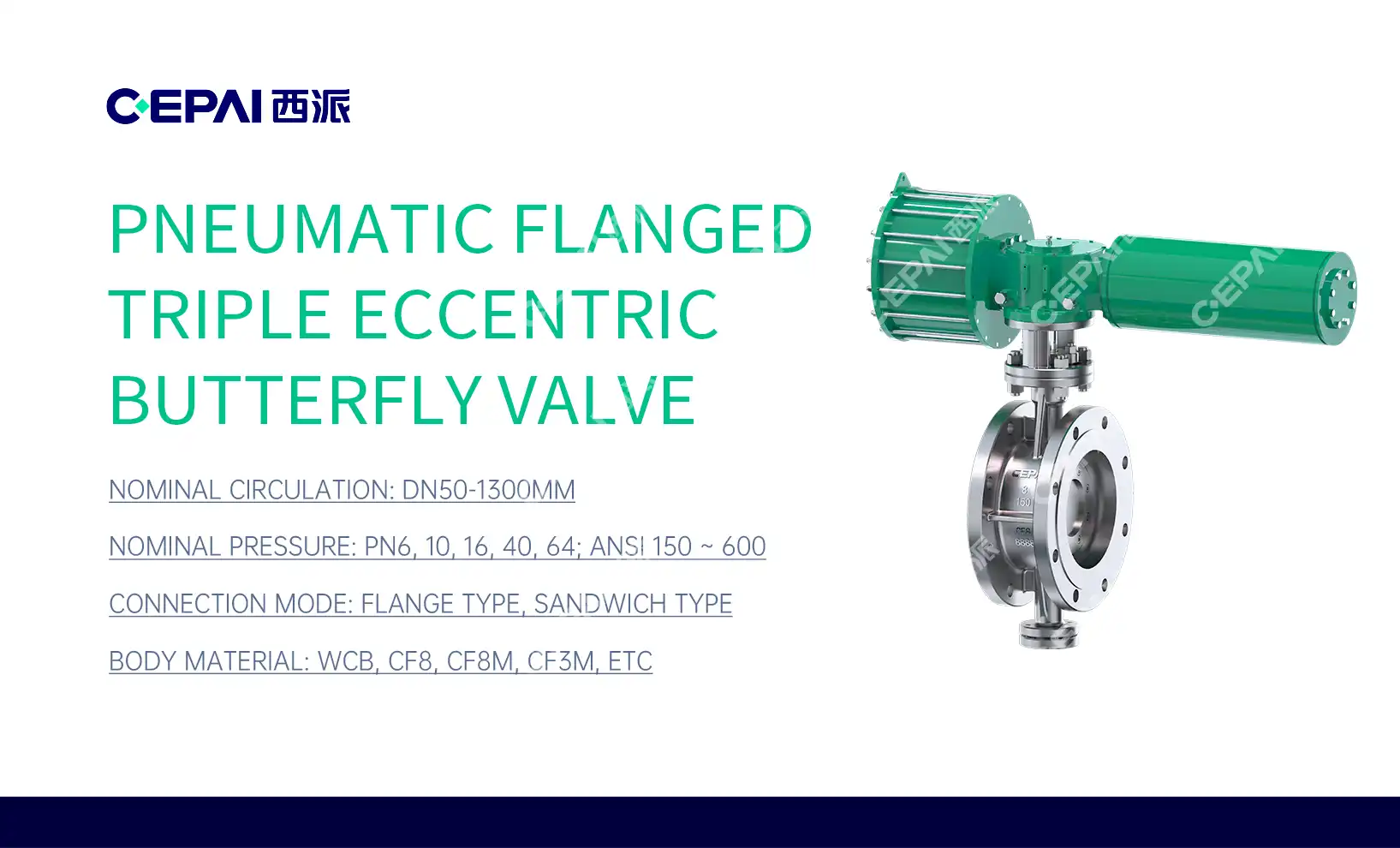
Best Butterfly Valves For Metallurgical Process Pipelines
When selecting the best butterfly valve for metallurgical process pipelines, engineers must prioritize valves designed to withstand extreme temperatures, corrosive environments, and abrasive materials. These specialized flow control devices feature robust construction with high-grade alloy materials, advanced sealing technologies, and precise actuation systems. The optimal butterfly valve solution combines triple-offset design principles with superior metallurgy-grade components, ensuring reliable performance in steel production, aluminum smelting, and other demanding metallurgical applications where operational excellence cannot be compromised.

Understanding Butterfly Valves in Metallurgical Pipelines
Butterfly valves are very important for controlling the flow of metals in pipes. They are designed to work well in harsh industrial environments and are therefore required in all modern metal processing plants. These quarter-turn valves use a spinning disc device that changes the flow quickly while keeping the structure strong even when it's under a lot of stress.
Fundamental Working Principles and Key Components
The butterfly valve has a simple but efficient mechanism that is made up of a few key parts that were designed to work in metallurgical settings. The body of the valve has a round disc inside that turns 90 degrees around a central shaft. This disc moves from fully closed to fully open states. The disc in question, which is usually made of high-quality stainless steel or special metals, controls the flow.
When the disc presses against the valve seat, it forms a leak-tight seal that is needed to keep hot metals, toxic slurries, and high-temperature gases inside. PTFE, elastomeric mixtures, and metal-to-metal designs are some of the more advanced seat materials. Each one was chosen based on its specific mechanical use. The shaft assembly links the disc to outside actuators. It has strong bearings and packing arrangements that are made to handle the thermal cycles and mechanical stress that are normal in metalworking processes.
Types and Material Selection for Extreme Conditions
Valve construction types must be carefully thought out for metallurgical uses to make sure they meet operating needs. These are the main types of butterfly valves used in metalworking:
- Wafer-style valves: small and can be installed between flanges where room is limited. They are often used in secondary cooling systems and gas handling uses.
- Lug-style configurations: better structural support through threaded bolt links, good for dead-end repair and maintenance needs
- Double-offset designs: better sealing through cam action; less wear on seat areas during heat expansion cycles
- Triple-offset geometry: premium option for high-temperature molten metal uses that offers bubble-tight shutoff and longer service life
Choosing the right material is very important for the success of an industrial pipeline. Austenitic stainless steels, duplex alloys, and special high-temperature materials have the right mechanical qualities and resistance to corrosion. These modern materials make sure that they will work reliably when they come in contact with the harsh media that is common in steel mills, foundries, and other places that make non-ferrous metals.
Common Applications and Automation Integration
Butterfly valves are great at dealing with tough metallurgical media like molten metal streams, slurries full of particles, and process gases that are acidic. These valves are used to control the flow of cooling water, the spread of blast furnace gas, and the operations of coke ovens in steel factories. For electrolyte handling, fume drainage devices, and process air control, butterfly valves are essential in aluminum smelting.
More and more, automatic control systems with butterfly valves are being used in modern metallurgical plants to better handle flow and improve safety standards. Pneumatic and electric motors let you control the machine from a distance, and positioners and feedback devices make it possible to change the flow rate accurately, which is needed to keep the process conditions and product quality at their best during metal production sequences.
How to Choose the Best Butterfly Valve for Metallurgical Pipelines?
To choose the best butterfly valve for a metallurgical pipeline application, you need to carefully look at the working factors, performance criteria, and industry compliance standards. This strategic method makes sure that valves work at their best while also getting the most out of the money spent on important flow control equipment.
Evaluation Framework and Operational Parameters
The first step in the decision process is a thorough look at the working conditions that are unique to metalworking settings. Temperatures that need to be thought about range from room temperature in power systems to over 1000°C in situations where hot metal needs to be handled. It is important for pressure ratings to take into account both normal running conditions and possible pressure surges that happen a lot in metalworking processes.
Metallurgical pipes carry a wide range of substances, such as abrasive slurries, acidic chemicals, and high-temperature gases with particles suspended in them. The properties of the media have a big impact on the choice of valve. Knowing the specific gravity, viscosity, and chemical make-up of process media helps with choosing the right size and type of material for long-term dependability.
Following industry standards, especially API, ANSI, and DIN specifications, makes sure that the new equipment can work with the old equipment and meet the safety and efficiency standards set by metallurgical facility rules. As a result of these standards, pressure-temperature ratings, face-to-face measurements, and testing procedures can be used to successfully integrate valves.
Comparative Analysis with Alternative Valve Types
When you look at butterfly valves next to ball, gate, and globe valves, you can see that they are better in a number of ways for mechanical uses. For many situations, butterfly valves are the best option because of the following:
- Small installation footprint: They take up a lot less room than gate valves, which makes it easier to optimize plant planning.
- Less heavy and cheaper to install: support systems are simpler, and less work is needed for installation and upkeep.
- Rapid operation: Quarter-turn actuator allows for quick responses, which are necessary for process control and emergency shutdowns.
- Cost-effective options for large diameters: The benefits of lower costs become clearer when you use bigger pipes, which are popular in metalworking main process lines.
These benefits for butterfly valve have an effect on how well the plant works, how much it costs to maintain, and how reliable the whole system is over the life of the industrial processing equipment.
Material Considerations and Configuration Recommendations
When choosing a material for metallic butterfly valves, it is important to think about how well it resists rust, how well it handles high temperatures, and how strong it is. For general use, austenitic stainless steels work very well. For specific tasks, duplex and super-duplex metals are stronger and less likely to rust when exposed to salt stress.
When you match the valve design, you choose the right actuation methods, link styles, and closing arrangements based on the operation's needs. Electric and pneumatic actuators allow for remote control and automatic routines that are necessary for modern metallurgical process optimization. Manual actuators are best for situations that only need to be used occasionally.
Advantages and Performance Optimization of Butterfly Valves in Metallurgical Pipelines
Butterfly valves offer great performance benefits that make them perfect for the tough needs of industrial pipeline uses. Their special features help them deal with the difficulties of working with hot metals, toxic fluids, and rough materials, all while keeping their dependability and low cost.
Core Performance Benefits
When used in industrial settings, butterfly valves are naturally better because of how they are built and how they are designed. One of the main benefits is that it is small. The streamlined valve body takes up very little fitting room while still allowing full-bore flow when it is open. This saves room and is especially useful in crowded metallurgy plants where optimizing the layout of equipment has a direct effect on how well the plants work.
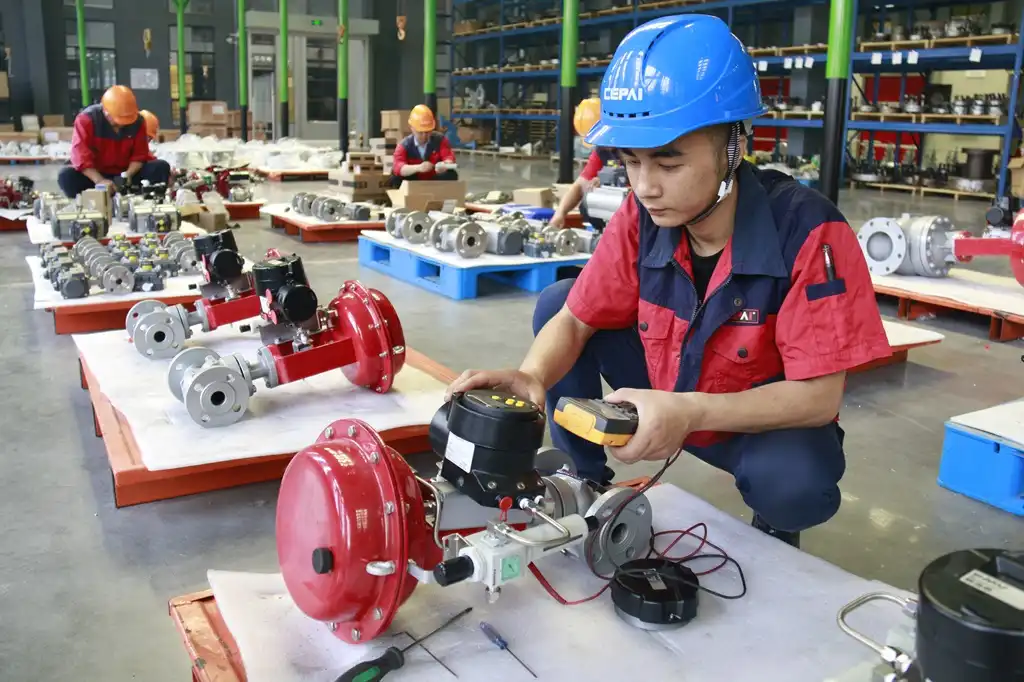
The quarter-turn action makes it easy to respond quickly to changing process conditions, which is important for keeping the best steel process parameters. The simple circular movement makes the actuator simpler, but it still works reliably in settings where metal is being worked on because of temperature changes and mechanical stress. The ability to quickly shut off processes improves safety measures by isolating them quickly in case of an accident or for maintenance work.
It is possible to precisely control the flow of process streams, which helps with tight control of cooling water flows, gas distribution systems, and chemical feed uses. Throughout the metallurgical production process, this level of control accuracy directly helps to ensure consistent product quality and maximize energy economy.
Common Performance Challenges and Solutions
Even though they have benefits, butterfly valves in industrial uses can have certain performance issues that need to be managed proactively. Thermal cycling can damage sealing surfaces, especially in situations where temperatures change quickly or where they are exposed to high temperatures for a long time.
These problems can be solved by using new materials and design methods in advanced closing systems. Here are tried-and-true ways to make valves more reliable:
- High-temperature robust seats: Specialized elastomeric materials and PTFE formulas keep the seals intact over a wide range of temperatures.
- Metal-seated designs: Fire-safe setups offer emergency closing and long-term dependability in high-temperature settings
- Advanced coatings: Ceramic and carbide surface treatments enhance wear protection and increase service life in uses using abrasive media.
- Automated repair systems: Integrated tracking and lubrication systems cut down on the need for human work while improving performance.
These methods for improvement make sure that valves always work at their best, while also cutting down on unplanned downtime and increasing their useful life in tough metallurgical settings.
Integration with Control Systems
Automated control systems are being used more and more in modern mining sites to keep safety standards high and processes running smoothly. Advanced positioners, feedback devices, and communication methods make it possible for butterfly valves to work with remote control systems without any problems. The use of smart valve technologies makes forecast maintenance possible, which lets workers find problems before they affect production.
Intelligent valve control helps improve process streamlining, which in turn improves energy economy and product quality. Monitoring the position, torque, and working features of valves in real time gives useful information for improving processes and planning upkeep. This lowers the total cost of ownership while increasing operational efficiency.
Installation and Maintenance Best Practices for Metallurgical Butterfly Valves
For butterfly valves to work well and last as long as possible in industrial pipeline systems, they need to be installed correctly and maintained regularly. The unique operating stresses that come up in metal processing settings mean that different methods are needed to make sure that the valves work at their best for the whole time they are in service.
Comprehensive Installation Guidelines
To install a butterfly valve correctly, you must first do a lot of planning and pay close attention to the needs of the metal you are working with. Verifying the positioning of the pipeline makes sure that the valves are positioned correctly and stops stress buildups that could cause the system to fail early. By measuring the alignment and spacing of the flanges correctly, you can avoid stress caused by fitting and make sure that the gasket compresses and seals properly.
When it comes to torque specs, it's important to carefully follow what the maker says, especially in high-temperature situations where bolt loading is affected by thermal expansion. Sequential tightening patterns make sure that stress is evenly distributed across flange connections. This stops warping and keeps the long-term sealing integrity that is needed to contain hostile metallic media.
The strong building of metallurgical-grade butterfly valves must be taken into account when choosing tools and operating methods. Heavy-duty assembly tools and the right way to lift things keep valve parts from getting damaged while they are being moved and handled. Cleanliness practices make sure that contaminants don't get on sealing surfaces or inside parts while they are being installed.
Specialized Maintenance Protocols
Because they are exposed to high temperatures, acidic media, and rough materials, metallurgical environment valves need more upkeep than standard industrial valves. Schedules for routine inspections need to take into account the faster wear patterns that happen a lot in metal processing.
The following repair steps will make sure that valves work reliably:
- Thermal cycle inspection: checking sealing surfaces and structural parts for signs of thermal stress and material breakdown on a regular basis
- Corrosion monitoring: Systematic checking of the valve body, internals, and actuator parts for rust development and protective coating integrity is what corrosion tracking is.
- Actuator calibration: checking the actuation force, position accuracy, and control signal reaction on a regular basis to make sure the flow control is accurate.
- Lubrication management: using high-temperature oils and protection substances that can handle being exposed to a metallurgical environment
These specific methods deal with the special problems that come up in mechanical service. They also make valves last longer and keep them working reliably during tough production cycles.
Troubleshooting and Component Replacement
Scaling from high temperatures, corrosion from harsh media, and mechanical wear from abrasive particles are all common problems in metallic butterfly valve uses. Systematic fixing methods make it easy to find and fix speed issues quickly, before they affect production.
Strategies for replacing parts must take into account how important mechanical processes are and try to keep downtime to a minimum during repair work. Using operating history and condition tracking data to plan preventative replacements of parts lets you keep them in good shape and avoids failures that could mess up production schedules and safety rules.
Trusted Butterfly Valve Suppliers and Brands for Metallurgical Industry
When looking for high-quality butterfly valves that can meet the strict performance requirements of metallurgical industry uses, choosing providers you can trust is very important. Because metal processing plants have a lot of complicated operating requirements and safety concerns, they need to work with makers who have shown they have the right skills and a track record.
Leading Manufacturer Evaluation
Valve solutions made especially for difficult metallurgical conditions have been made by well-known names like Emerson, Cameron, and Fisher. To keep up with changing needs in the industry, these companies put a lot of money into research and development projects that focus on materials science, sealing technology, and integrating robotics.
Emerson's metallurgical valve line focuses on high-tech materials and smart valve technologies that allow for planned upkeep and process improvement. Their large testing facilities and application engineering support are very helpful for metal working applications that need to choose the right valve and make it fit exactly what the job calls for.
Cameron specializes in high-performance valve solutions for harsh service environments. Their designs are strong enough to handle hot metal streams and harsh chemical environments. Their industrial knowledge comes from installing equipment successfully in steel mills, aluminum smelters, and other places around the world for decades.
Supplier Evaluation Criteria and Quality Standards
A full review of a supplier must look at more than just the initial product specs when it comes to performance. Certification that meets standards like API, ISO, and industry-specific ones shows that the product was made well and the design is correct, which is important for metallic uses.
Suppliers can change standard designs to meet specific operating needs that are common in metallurgical setups when they can customize them. Some of the most useful engineering support services for a good project execution are application analysis, size estimates, and integration help.
Quality control methods and testing techniques make sure that products work well and are reliable throughout all of their production cycles. Suppliers who offer mechanical testing can make sure that valves work well in real-life operating situations. This lowers the risks of fitting and guarantees the best long-term performance.
Procurement Strategies and Cost Considerations
Smart buying plans weigh the costs of the initial investment against the value that the item will bring in over time, taking into account things like how much energy it uses, how often it needs to be maintained, and how long it is expected to last. Choosing a material type has a big effect on price structures. For example, premium alloys are more expensive but work better in tough situations.
Valve size and actuation complexity have a direct effect on price. For example, bigger diameters and automatic designs need more money to be invested. But the operational benefits of automatic control, such as better process control and less work that needs to be done by hand, often make the extra money spent worth it by improving safety and operational efficiency.
Some things to think about in the supply chain are delivery times, the availability of expert help, and the ease of access to spare parts. Reliable providers keep enough inventory on hand and support the infrastructure needed to meet urgent substitute needs while reducing the production interruptions that are common in metallurgical operations that need to get things done quickly.
Conclusion
When choosing the best butterfly valves for metallurgical process pipes, you need to think carefully about the operating factors, the material requirements, and the supplier's capabilities. Metal working settings are usually very tough, so valves need to be made with strong materials, tried-and-true sealing technologies, and reliable ways to open and close them. To choose the right valve, you need to carefully look at the temperature, pressure, and properties of the medium, making sure you follow all safety rules and industry standards. The performance and service life of valves are maximized by proper installation and proactive maintenance procedures. This improves working efficiency and cost-effectiveness throughout metallurgical production cycles.
FAQ
What materials are best suited for metallurgical butterfly valve applications?
When used in industrial settings, high-grade stainless steels, solid alloys, and special high-temperature materials work best. The choice of material is based on certain operating conditions, such as the temperature ranges, media properties, and corrosion protection needs that are common in metal processing uses.
How do butterfly valves compare to ball valves in metallurgical applications?
Butterfly valves are better for big diameter uses because they are lighter, easier to install, and take up less space. Ball valves are better at closing and letting flow go in both directions, so the choice depends on the specific needs of the operation and the limitations of the placement.
What maintenance intervals are recommended for metallurgical butterfly valves?
The frequency of maintenance relies on how hard the system is used. In general, checks happen every three months for systems that are used for extreme service and once a year for systems that are used for moderate duty. Monitoring the condition and looking at the past of operations help figure out the best time for repair to get the most reliability and value for money.
Partner with CEPAI for Superior Butterfly Valve Solutions
CEPAI is a well-known company that makes butterfly valves and specializes in making strong solutions for tough mechanical uses. Our wide range of products includes high-performance butterfly valves made with cutting-edge materials, precise manufacturing, and strict quality control methods. CEPAI offers reliable valve solutions that meet the strict needs of metal processing centers all over the world. They have API certifications and a lot of experience in the metallurgical business. Our technical engineering team provides full support from the initial specification stage through installation and continued upkeep, making sure that the valves work at their best throughout their entire operating lifecycle. Get in touch with our experts at cepai@cepai.com to find out how our knowledge of butterfly valves can make your manufacturing process more reliable and efficient.

References
Industrial Valve Technology Handbook for Metallurgical Applications, Third Edition, American Society of Mechanical Engineers, 2023.
High-Temperature Valve Design and Materials Selection for Metal Processing Industries, Journal of Metallurgical Engineering, Volume 45, Issue 3, 2023.
Butterfly Valve Performance Optimization in Extreme Service Applications, International Conference on Industrial Valve Technology Proceedings, 2022.
API Standard 609: Butterfly Valves - Double Flanged, Lug- and Wafer-Type, American Petroleum Institute, 2022 Edition.
Metallurgical Process Equipment Reliability and Maintenance Best Practices, Society for Maintenance and Reliability Professionals Technical Publication, 2023.
Advanced Materials for High-Temperature Industrial Valve Applications, Materials Science and Engineering Research Quarterly, Volume 12, Number 4, 2023.
_1746598531170.webp)
Get professional pre-sales technical consultation and valve selection services, customized solution services.
About CEPAI