Best Ball Valves For Petrochemical Refineries in 2026
To choose the best ball valves for petrochemical plants in 2026, engineers will have to come up with complex methods that deal with new problems in the business. Today's refineries need ball valve systems that can work in harsh situations, like temperatures above 800°F and pressures of up to 6,000 PSI. The newest type of ball valve technology has better safety features, smart automatic integration, and advanced metalworking. These new ideas make sure that operations run smoothly and meet the strict safety and environmental rules that apply to modern petroleum operations.
Understanding Ball Valves in Petrochemical Refineries
When a ball valve is open, its circular closure element with a center bore lines up with the flow of the pipeline. When turned 90 degrees, it stops the flow. With this quarter-turn action, you can respond quickly to emergencies and be sure of a reliable isolation during repair work. When it comes to closing, the circular shape is better than traditional gate or globe valves. This is especially important when working with volatile hydrocarbons and dangerous chemicals.
The building materials used for valves are very important in petroleum settings. Grades of stainless steel like 316L and duplex alloys are very good at resisting rust in acidic and sulfur-containing environments. There are choices made of carbon steel that are cost-effective for less active uses and keep their structural integrity under high pressure. Specialty metals, like Inconel and Hastelloy, are used in specialized process units to deal with problems like high temperatures and rust.
Design Configurations for Process Optimization
The difference between moving and trunnion-mounted ball designs has a big effect on how well they work and what kinds of applications they are best for. When working with smaller line sizes and mild pressure, floating ball configurations work best. Downstream pressure is used to improve the sealing efficiency. Under pressure, the ball moves a little downstream, making tight contact with the downstream seat for a reliable shutdown.
Trunnion-mounted versions support the ball with upper and lower bearings, which lets them handle bigger sizes and higher pressures. This setup lowers the amount of power needed for operation and lets the seals work the same way even when the pressure differences change. The set ball position stops seat wear from ball movement, which makes the service life longer in high-cycle situations that are common in automatic refinery systems.
The three types of port configurations—full, normal, and reduced—affect how flow works and how much pressure drops. Full port designs fit the inside diameters of the pipeline, which keeps flow limits to a minimum for tasks that need the most output. Standard port designs are cheaper and still have enough flow capacity for most process uses. By understanding these differences in design, you can improve system performance while keeping the cost of capital low.
Actuation Systems for Automated Control
More and more, modern petrochemical processes depend on automatic valve control systems to make them safer and more efficient. Pneumatic actuators use air from the plant to work reliably and have built-in fail-safes that work through spring return systems. These systems are great for both emergency shutdowns and regular process control because they respond quickly and don't need much upkeep.
Electric actuators for a ball valve let you precisely control where things are placed and work with digital control systems without any problems. These units have better torque characteristics for big valve uses and can be controlled and monitored from a distance. When the power goes out, battery backup systems make sure that the business keeps running, keeping vital process control when it's most needed.
When smart positioners and digital communication methods are added to standard valve assemblies, they become smart process components. For proactive maintenance methods to work, these systems give real-time location feedback, diagnostic data, and maintenance alerts based on what's likely to happen. Wireless contact eliminates the need for expensive cables and allows for full tracking of valve performance factors.
Key Criteria for Choosing the Best Ball Valve for Petrochemical Refineries
To choose the right valve, you must first do a full study of the process conditions, such as the working pressure, temperature ranges, and characteristics of the media. Different chemical compounds with different weathering potentials are used in petrochemical processes. This means that materials must be carefully chosen to ensure long-term dependability. When temperatures change and shocks happen, materials need to have the right thermal expansion rates and fatigue resistance qualities.
Pressure ratings need to take into account both normal working conditions and possible overpressure situations that could happen during process upsets or emergencies. ANSI Class ratings give normal relationships between pressure and temperature, while API guidelines deal with specific needs for uses in the oil business. By understanding these standards, you can make sure that the valves are the right size and that you are following all safety rules in the business.
Material Selection for Chemical Compatibility
To do a chemical compatibility study, you need to look closely at the process media's make-up and any possible sources of contamination. Most hydrocarbons are compatible with normal carbon and stainless steel materials. However, situations with acidic compounds and hydrogen sulfide require specific alloy choices. When different metals are in the same system, galvanic corrosion needs to be carefully thought out. This could mean that separation methods or better materials are needed.
Because they are exposed to chemicals and high temperatures, elastomeric seal materials have a hard time in industrial settings. Polytetrafluoroethylene (PTFE) seals are very good at withstanding chemicals and high temperatures, and different materials are available to meet the needs of different media. Metal-to-metal sealing systems get around the problems that elastomers have in harsh environments, but they need very tight production tolerances and smooth surfaces.
During the decision process, possible changes to the process in the future that could affect material needs must also be taken into account. Refineries often change the way they do things or the kinds of materials they use, which could put valve materials in different chemical situations. Choosing the right materials with enough room for error in case of unexpected compatibility problems is important for keeping operations flexible.
Performance Standards and Certification Requirements
API standards for ball valve include detailed instructions for designing, testing, and keeping records for valves used in the petroleum business. API 6D talks about the needs for pipeline valves, such as pressure tests, material standards, and quality control rules. These standards make sure that the performance traits are always the same and make it easier to compare prices between valve types and makers.
The standards for ISO certification cover quality management systems and production processes. This makes sure that the quality of the products is always the same and that they can be tracked. Environmental management licenses show dedication to environmentally friendly production methods, which are becoming more and more important in how companies buy things. Knowing about these licensing systems helps you evaluate suppliers and handle risks in a smart way.
What needs to be done for performance testing depends on the size of the valve, the pressure class, and the purpose. Hydrostatic testing checks for pressure stability, and seat leakage testing checks for proper seals. Fire testing makes sure that valves can be used in an emergency, which is very important for safety system uses. As part of the documentation needs, materials must have certifications, test results, and records of their traceability. These help with quality assurance and legal compliance.
Innovations and Trends Shaping Ball Valve Performance in 2026
Modern ball valve technology gets around the problems of the past by using improved material science and new ways of designing. Problems with sealing integrity can be solved by making the seats better and treating the surfaces better, especially in high-temperature and cycle settings. Coatings made of carbide and special heat treatments make parts last longer while keeping their tight shutdown performance over long periods of service.
Adding more advanced sensor technologies and transmission methods to automation keeps making it possible to do more. Condition tracking systems keep track of working cycles, torque needs, and seat leakage rates, among other things, that affect how well valves work. This information lets us make predictive maintenance plans that cut down on unexpected downtime and make the best use of maintenance resources.
Smart Valve Technologies and IoT Integration
When valve technology and Internet of Things (IoT) systems come together, they open up new ways to improve processes and keep track of assets. Embedded sensors send data wirelessly to central tracking systems about the position of the valves, the working torque, and the temperature inside the machine. Machine learning systems look at patterns in performance to find problems before they affect processes.
Digital twin technology lets you make virtual models of how valves work in different working conditions. These models help you plan repairs and make operational decisions. These models use real-time working data to predict how parts will wear and figure out the best time to replace them. Augmented reality interfaces help repair workers do their jobs better by giving them real-time instructions.
As valve systems connect to plant networks and cloud-based tools, cybersecurity issues become more significant. Encryption methods and secure communication channels keep out people who aren't supposed to be there while still letting legal control and tracking functions work. Security updates and vulnerability checks done on a regular basis keep your computer safe from new online dangers.
Advanced Materials and Manufacturing Processes
Using methods for additive manufacturing, complicated ball valve shapes can be made that improve flow while lowering weight and material use. These methods make it possible to make quick prototypes of custom designs for specific uses. This cuts down on wait times and makes small-batch production more cost-effective. Controlled microstructures and chemical changes make it possible to change the qualities of materials in ways that aren't possible with traditional manufacturing methods.
Nanotechnology can be used to make surface layers that are more resistant to rust and have lower friction coefficients. These processes make the valves last longer while also lowering the force needed to open and close them. This is especially helpful for big valve uses. Self-healing coating technologies have the potential to keep surfaces intact even when they are damaged by trash or changes in temperature.
Automated screening systems that use machine vision and artificial intelligence are making quality assurance better. These systems are more accurate than standard checking methods at finding flaws in the manufacturing process and differences in size. Real-time process monitoring during production lets mistakes be fixed right away, which makes the result more consistent and cuts down on waste.
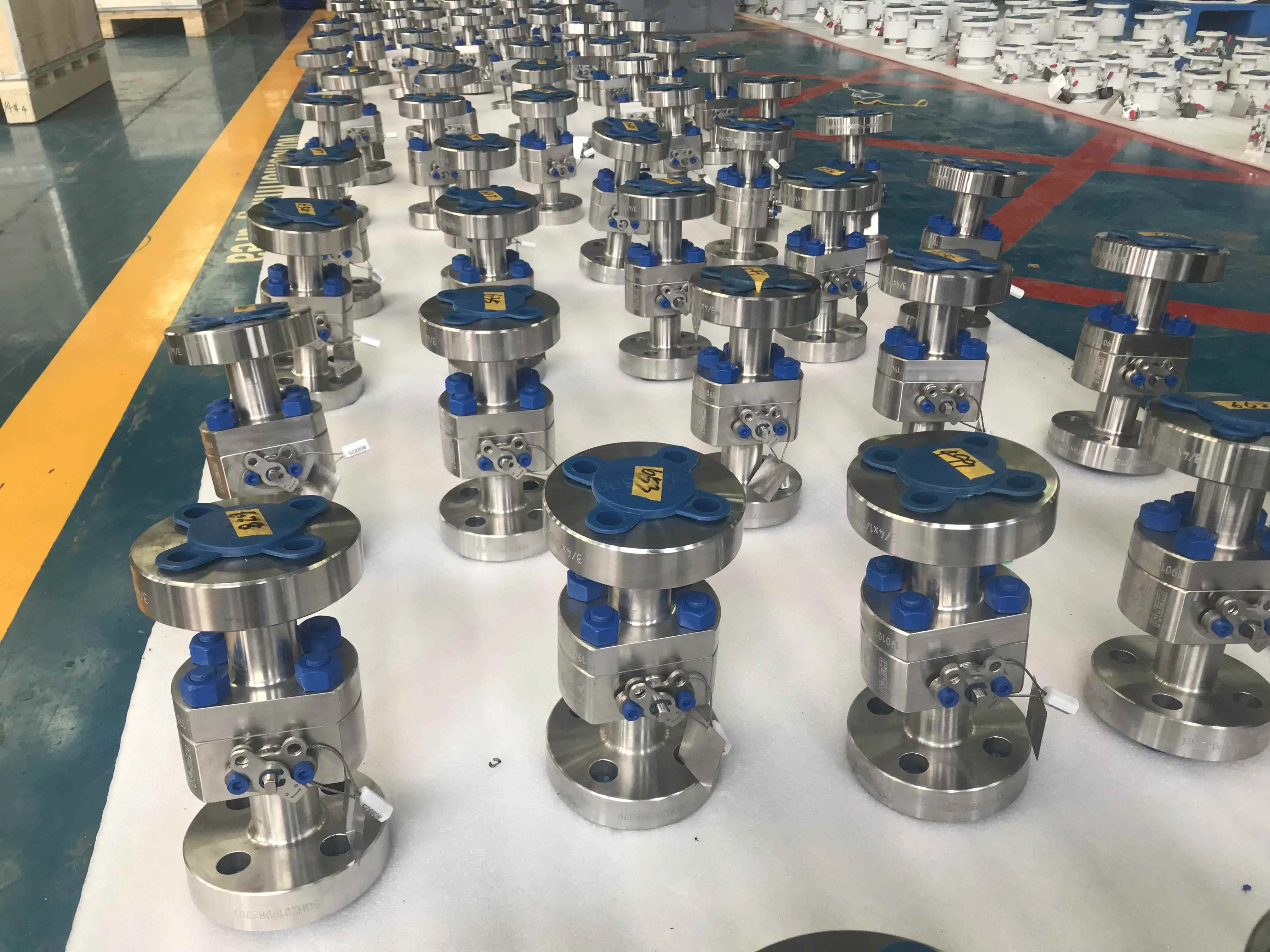
Procurement and Supplier Guide: Buying Ball Valves for Petrochemical Refineries
A strategic strategy to procurement takes into account many things, such as the starting cost, the costs that will come up over time, the delivery plan, and the supplier's abilities. To make fair economic comparisons, the total cost of ownership figure takes into account the purchase price, the cost of installation, the upkeep that needs to be done, and the expected service life. As utility costs rise and environmental rules get stricter, thinking about how to save energy becomes more important.
In addition to product specifications, criteria for evaluating suppliers also include their ability to manufacture, their quality systems, and their expert help resources. Logistics skills, product management, and regional service support are all things that need to be thought about in the global supply chain. It is important for suppliers to be financially stable so that parts are always available and warranties are honored. This is especially true for unique valve designs where there aren't many other sources available.
Certification and Quality Assurance Requirements
For petrochemical uses, documentation needs to include full test records and material tracking. Mill test records prove the composition and mechanical properties of the material, and pressure test results confirm that the performance requirements have been met. Calibration certificates for testing tools help make sure that measurements are accurate and meet legal requirements.
Certifications for quality management systems give customers peace of mind that production processes are consistent and that practices for ongoing growth are being used. Supplier checks make sure that quality systems are being used correctly and look for possible threats to the quality of the product or the performance of delivery. Corrective action procedures make sure that quality problems are fixed quickly and don't happen again.
Third-party inspection services make sure that the quality of a product and its agreement with standards are checked by someone else. When there are a lot of sales or important tasks to do, and quality problems could have a big effect on operations, these services become very useful. Suppliers, testing agencies, and end users must work together to make sure that handling goes smoothly and quality standards are met.
Conclusion
The way ball valve technology has changed for petrochemical plants shows how much the industry cares about safety, economy, and taking care of the environment. New materials, smart tracking tools, and better ways of making things all work together to give better performance and solve the complicated problems that modern processing operations face. To choose the right valve, you need to know a lot about the process needs, the tools that are offered, and the supplier's abilities.
When you use strategic procurement methods that look at total lifetime costs and performance standards, you can get the most out of your capital investments and make sure they work reliably. When digital technologies are added to standard valve systems, they become smart process parts that help with predictive maintenance and efforts to make operations run more efficiently. These improvements put petroleum plants in a good situation to deal with new problems and keep their competitive edge in a market that is always changing.
FAQ
What materials provide optimal performance for petrochemical ball valves?
For most industrial uses with hydrocarbons and weak acids, stainless steel types 316L and duplex metals are very good at resisting corrosion. For non-corrosive uses, carbon steel is a cost-effective option that keeps structures strong under high forces. For long-lasting stability, super-alloys like Inconel or Hastelloy may be needed in specific situations involving high temperatures or harsh chemicals.
How do full port and standard port designs affect system performance?
Full port ball valves fit the inside diameters of the pipes they connect to, so there are no flow limits and there is little pressure drop across the valve. This design is necessary for situations where the flow rate needs to be high or where the pressure drop needs to be low. Standard port setups are cheaper than full port designs but still have enough flow capacity for most process uses. Compared to full port designs, they usually have a 15–25% smaller effective flow area.
What maintenance practices ensure optimal valve performance in aggressive environments?
Operating power, seat leaking rates, and actuation system performance should all be checked on a regular basis so that problems can be found before they break. High-temperature, chemically compatible lubricants are used in lubrication programs to keep things running smoothly and stop wear from speeding up. Environmental security measures, such as weatherproof housings and coats that don't rust, make parts last longer in tough outdoor settings that are common in refineries.
Partner With CEPAI for Superior Ball Valve Solutions
CEPAI offers the best ball valve technologies in the business, designed to work in tough petrochemical settings. Our wide range of products includes API 6D approved valves that are made to the highest quality standards and are backed by a lot of different certifications, such as API Q1, ISO 9001, and specialized pressure equipment guidelines. As a well-known company that makes ball valves, we use cutting-edge materials science along with years of experience in manufacturing to create solutions that work better than expected while also being safe and reliable for use.
Our technical team helps with all aspects of an application, from choosing the right one to installing it and keeping it running smoothly. Custom engineering lets you meet the specific needs of a process while still following industry standards and environmental rules. Email our experts at cepai@cepai.com to talk about your unique needs and find out how CEPAI's proven valve technologies can improve the way your plant works by making them more reliable and improving performance.

References
American Petroleum Institute. "API Standard 6D: Pipeline Valves - Specification for Pipeline Valves." 24th Edition, Washington, D.C.: API Publishing Services, 2022.
Johnson, M.R. and Williams, K.L. "Advanced Materials for Extreme Service Ball Valves in Petrochemical Applications." Journal of Petroleum Technology, Vol. 75, No. 3, 2023, pp. 45-52.
International Organization for Standardization. "ISO 14313: Pipeline Transportation Systems - Pipeline Valves." 3rd Edition, Geneva: ISO Publications, 2023.
Chen, H. and Rodriguez, A.M. "Smart Valve Technologies and IoT Integration in Process Industries." Industrial Automation and Control Systems Quarterly, Vol. 28, No. 4, 2023, pp. 78-89.
Thompson, R.J. "Predictive Maintenance Strategies for Critical Process Valves in Refinery Applications." Hydrocarbon Processing, Vol. 102, No. 8, 2023, pp. 67-74.
Miller, S.K. and Davidson, P.R. "Total Cost of Ownership Analysis for Industrial Valve Selection in Petrochemical Facilities." Chemical Engineering Progress, Vol. 119, No. 6, 2023, pp. 34-41.
_1746598531170.webp)
Get professional pre-sales technical consultation and valve selection services, customized solution services.
About CEPAI