Thailand engineers looking for reliable control ball valve suppliers are increasingly turning to China's strong production base for their industrial needs. Chinese producers have tough prices, improved ways of making things, and a lot of certifications that meet standards around the world. The strategic position helps with transportation, and the trade ties between Thailand and China make it easier to get what you need. It's companies like CEPAI that have become trusted partners by providing API-certified goods that are especially made for exploring oil and gas, running pipelines, and petrochemical uses. Thai manufacturing businesses can get high-quality flow control solutions with this sourcing method while keeping costs low and making sure that it is reliable.
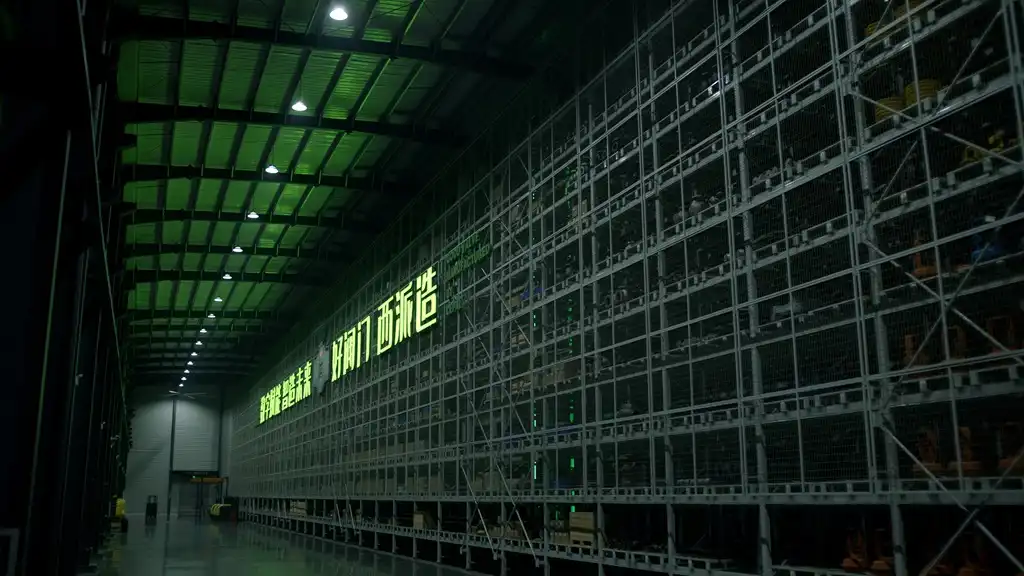
Understanding Control Ball Valves and Their Industrial Importance
Control ball valves are very important in today's industrial systems because they can precisely adjust flow and make sure that the system runs efficiently in a wide range of situations. These advanced gadgets use a circular closing element with a hole in the middle so that a quarter-turn can be used to get great sealing performance and a small pressure drop.
Core Functionality and Design Features
There are a few important things about the basic form of ball valves that make them different from other kinds of valves. The ball mechanism turns inside the valve body, which creates places for either full flow or total shut-off. Advanced control versions have flow curves that make it possible to very accurately change the rate of fluid flow. Electric and pneumatic devices improve automation features, which makes it possible to operate machinery from a distance and connect with spread control systems.
Choosing the right material is very important for how well a valve works. Valves made of stainless steel work better in settings where they are exposed to harsh chemicals. Specialized finishes and seat materials make sure that they work with different process fluids while keeping the system reliable over time. These design factors make ball valves especially good for use in applications with high pressure, where normal gate or globe valves might have problems.
Industrial Applications and Performance Advantages
Ball valve technology is very important for modern factories' process control needs. Oil and gas operations use these valves in wellhead assemblies, pipeline systems, and refinery processes where it's very important that they can be relied on to shut off completely. Ball valves are great for emergency shutdown systems because they act quickly. Also, because they are great at throttling, they help with precise flow control in complicated chemical processes.
When proper ball valves are used, their chemical resistance helps petrochemical plants, especially when dealing with harmful materials at high temperatures. The tight shut-off features prevent cross-contamination between process streams, and the low maintenance needs allow for lower operational costs over long service periods.
The Sourcing Landscape: Why China is a Prime Destination for Thailand Engineers
China has become the world's top manufacturer of valves. They offer engineers in Thailand access to top-of-the-line production at low costs. The wide-ranging manufacturing infrastructure makes it possible to support both standard product lines and custom engineering solutions that are tailored to meet the needs of specific projects.
Economic Advantages and Manufacturing Scale
Chinese manufacturers use economies of scale, which means that international buyers save a lot of money. Modern machining centers and automated assembly lines are used in advanced production facilities. These help keep the quality of the products high and the prices low. The mature supply chain ecosystem gives you access to high-quality raw materials and specialized parts at good prices.
Export-oriented manufacturers have built up complex logistics networks that make it easier for goods to get to markets in Southeast Asia quickly. The shipping lines between China and Thailand by boat are stable and always take the same amount of time. This allows for better planning of projects and inventory management.
Quality Assurance and International Certifications
Leading Chinese valve makers keep rigorous quality control methods aligned with international standards. Companies like CEPAI have achieved extensive certificates including API Q1, API 6A, API 6D, ISO 9001, and CE marking, showing their commitment to meeting global quality standards.
These certification programs ensure that goods meet strict performance standards for pressure rates, temperature ranges, and material specs. Independent testing labs check product compliance through standardized test methods, giving Thailand engineers with trust in their buying decisions.
Customization Capabilities and Technical Support
Chinese manufacturers shine in offering customized solutions that meet unique project requirements. Engineering teams work with foreign clients to create changed designs, special materials, or custom actuator combinations that meet specific practical requirements. This freedom proves particularly useful for Thailand's diverse industrial sectors, which often require specialized valve solutions for unique process conditions.
How to Select the Best Control Ball Valve Supplier in China
Selecting a suitable Chinese supplier requires systematic review of multiple factors that affect both product quality and long-term relationship success. Thailand engineers must balance cost factors with technical skills and service quality to ensure optimal buying outcomes.
Technical Capability Assessment
Production technology evaluation forms the basis of supplier selection methods. Modern facilities should feature computer-controlled machining centers capable of keeping tight tolerances on critical control ball valve components. Automated testing equipment ensures consistent quality verification, while advanced metallurgical skills allow proper material selection and heat treatment methods.
An evaluation of manufacturing ability helps to figure out if providers can handle the expected number of orders while still meeting delivery deadlines. Established makers usually keep extra capacity in case of pressing needs or changes in project schedules.
Certification Verification and Quality Systems
Thorough approval verification keeps poor-quality goods that could hurt the safety and performance of the project at bay. ISO certifications show that standard quality management methods are used, while valid API certifications show that fuel industry norms are followed. Engineers in Thailand should expect that kind of quality from top vendors; CEPAI's broad range of credentials, such as API Q1, API 6A, and ISO management system certificates, is a great example of this.
Factory check possibilities make it possible to see for yourself that the ways of making things and the methods of making sure quality are high are correct. Honest sellers are happy to have customers visit and give them clear access to places where products are made and tests are run.
Service Support and After-Sales Capabilities
Premium sellers offer comprehensive technical support services, which is how they stand out from common providers. Getting an engineer's opinion when choosing a product makes sure that the valve has the right specs for the job. After delivery support includes help with troubleshooting, upkeep, and getting extra parts to keep the business running.
Established suppliers for control ball valve keep service networks or approved agents in Thailand's industrial areas that can help quickly. This closeness makes it easier to deal with important technology problems quickly and helps to keep customers happy.
Procurement Process and Best Practices for Thailand B2B Buyers
To successfully buy Chinese-made ball valves, you need to follow organized steps that lower risks and raise value. Thailand engineers benefit from set processes that deal with problems that happen a lot when buying things from other countries.
Request for Quotation Development and Negotiation
A detailed RFQ form makes sure that the price is correct and that there are no mistakes about the specifications. Pressure and temperature needs, as well as material and link types and any other testing needs, should be spelled out in the technical specs. Clear shipping dates and packing requirements help people avoid getting mixed up when they fill orders.
Good bargaining tactics look at the total cost of ownership and not just the price of the first buy. Things like the cost of spare parts, how much upkeep the project will need, and the estimated service life that affect the long-term economics of the project must be taken into account. Volume agreements might mean that lower prices or better service terms are okay.
Import Logistics and Regulatory Compliance
Thailand's customs processes for control ball valve need the right paperwork to make sure that clearance goes smoothly. Certificates of origin, commercial bills, and packing lists must correctly show what is in the package and where it was made. Quality verification needs are met by technical documents like material certificates and test results.
Freight optimization methods look at shipping plans, how containers are used, and transportation to project areas. It might be possible to lower the cost of transporting each individual item by combining packages while still making sure that there is enough inventory on hand for the job.
Quality Control and Acceptance Testing
Before making promises to ship goods internationally, pre-shipment screening procedures check that the products meet the required standards. Third-party inspection services check measurement accuracy, pressure testing results, and visual quality again on their own. Test certificates, records of material traceability, and working directions should be part of every documentation package.
When goods arrive at a receiving location, the incoming inspection process makes sure that the goods meet certain standards and that no damage occurred during shipping. Keeping a record of any differences makes it easy to fix things quickly with providers and shipping companies.
About CEPAI – Your Trusted Partner in Control Ball Valves
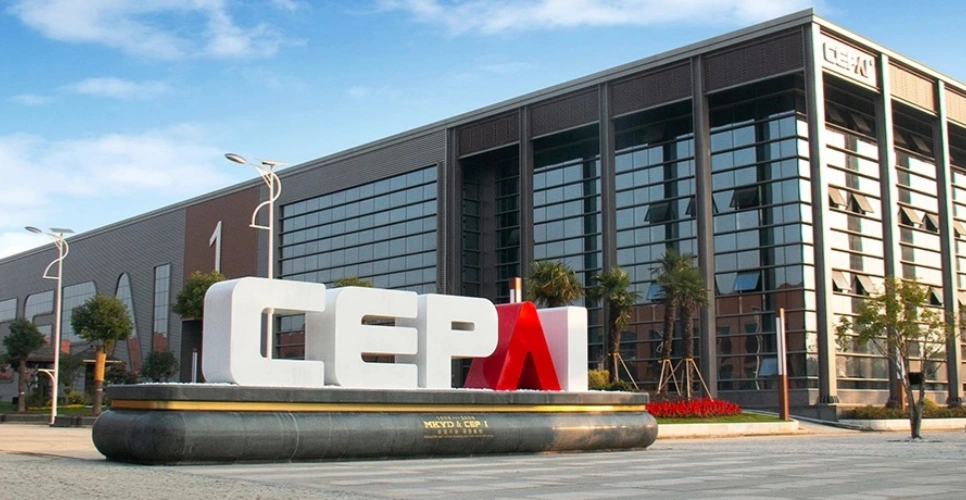
CEPAI is a notable high-tech company that focuses on making, researching, and developing wellhead devices, pipeline valves, and instruments for gas and oil uses. Big oilfield service companies and engineering firms around the world have praised the company for its dedication to quality and new ideas.
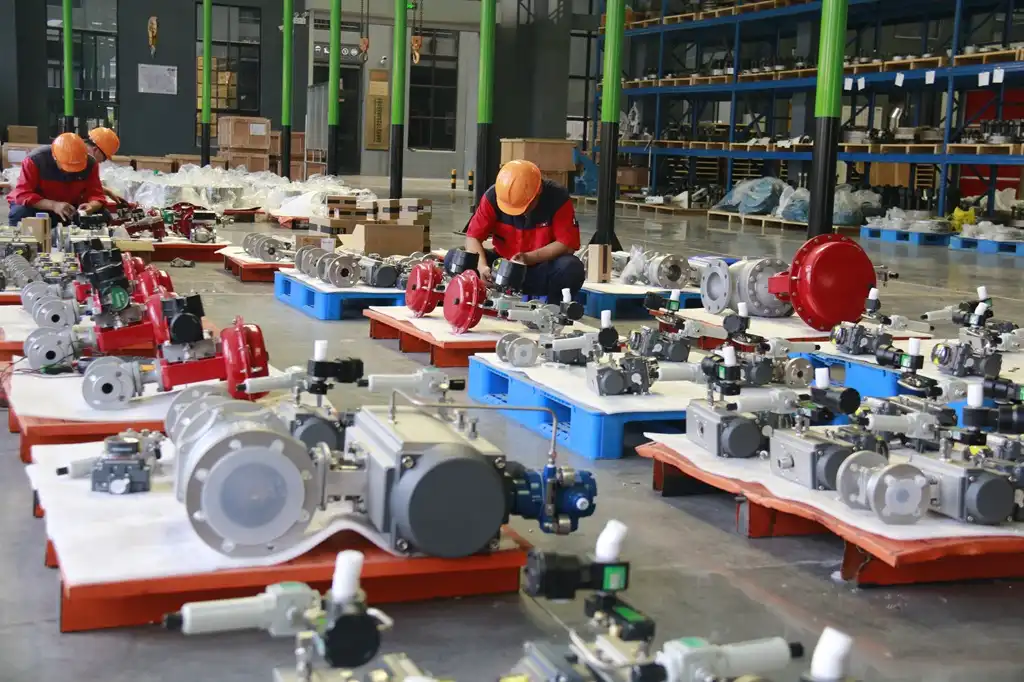
Comprehensive Product Portfolio
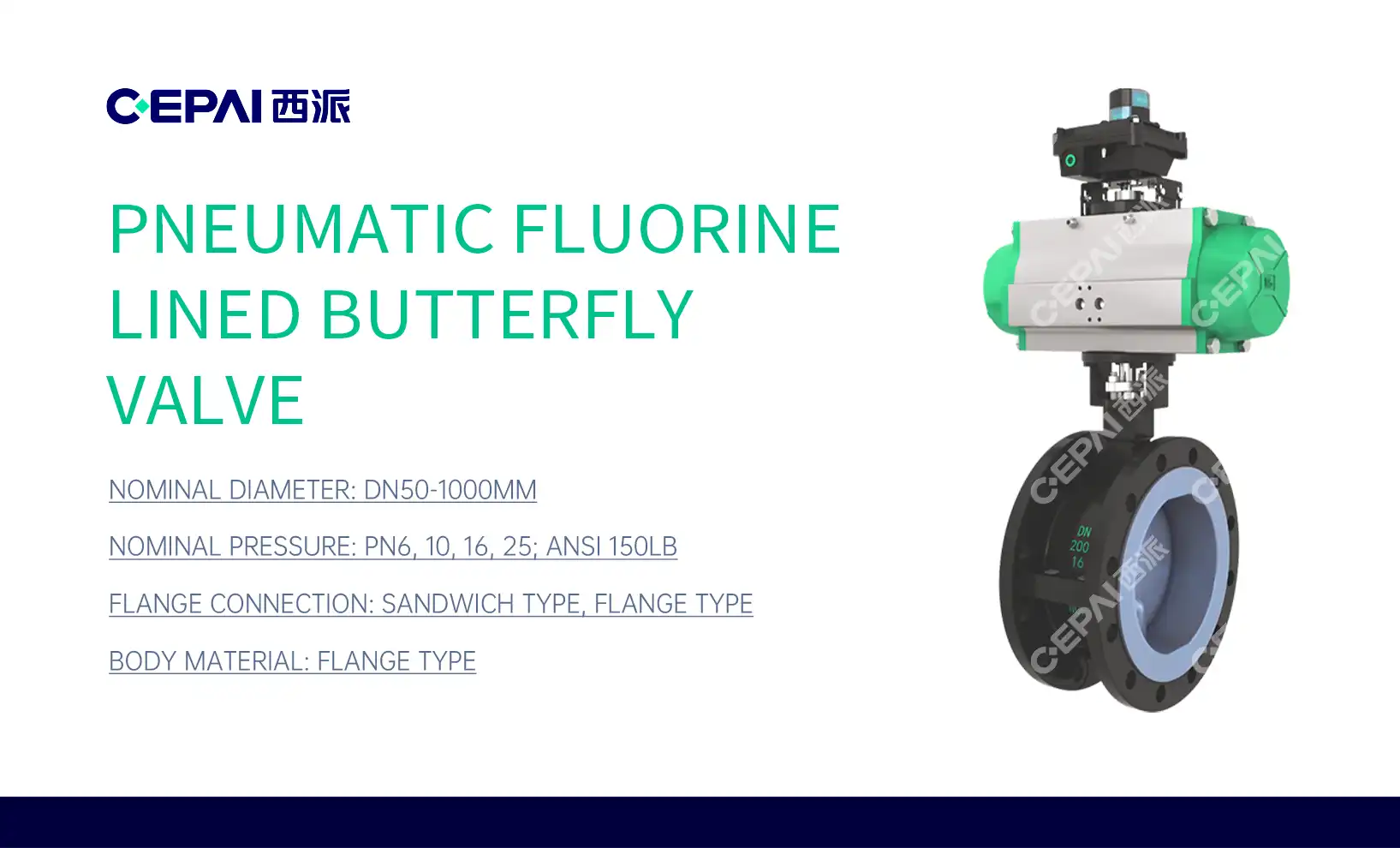
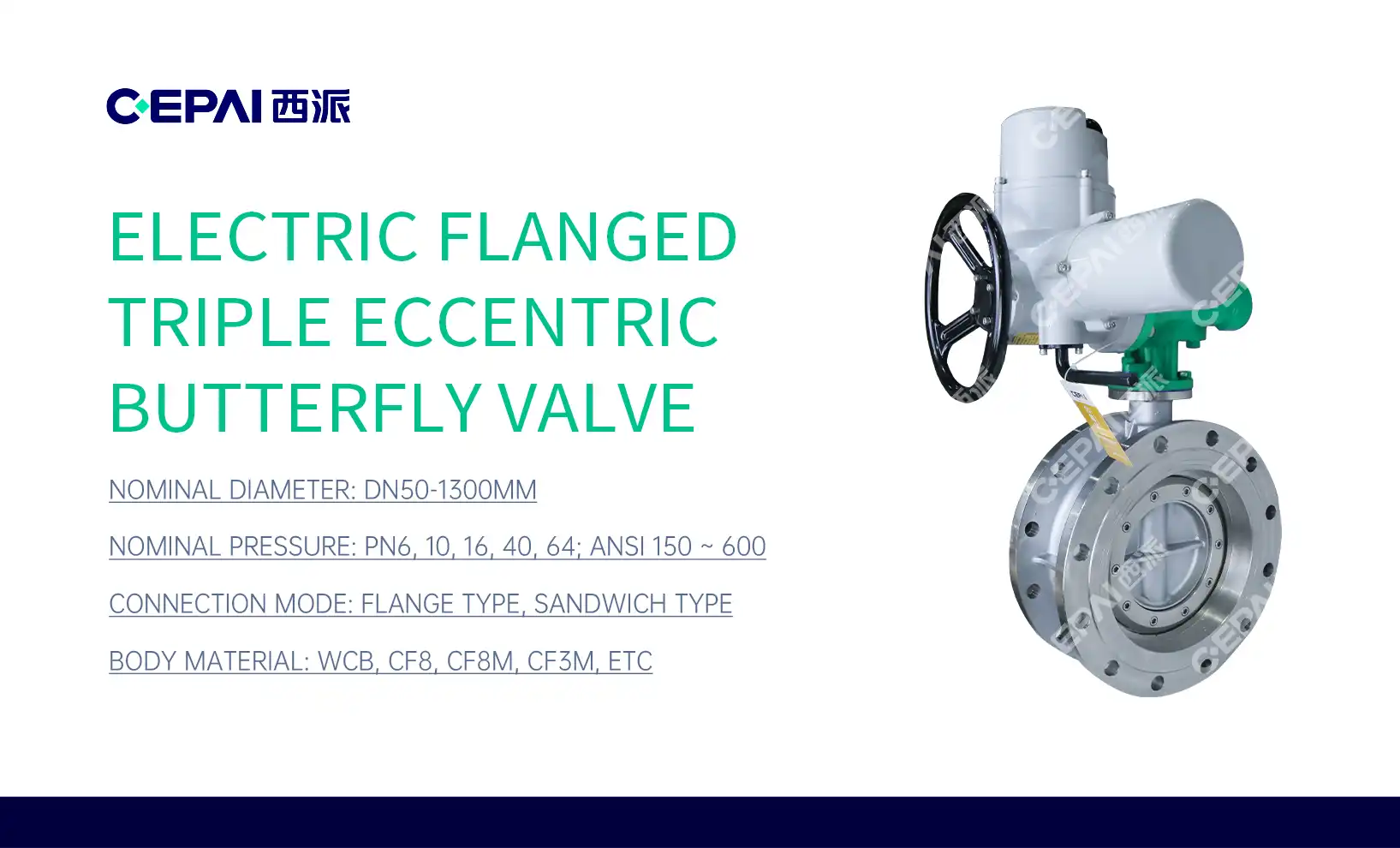
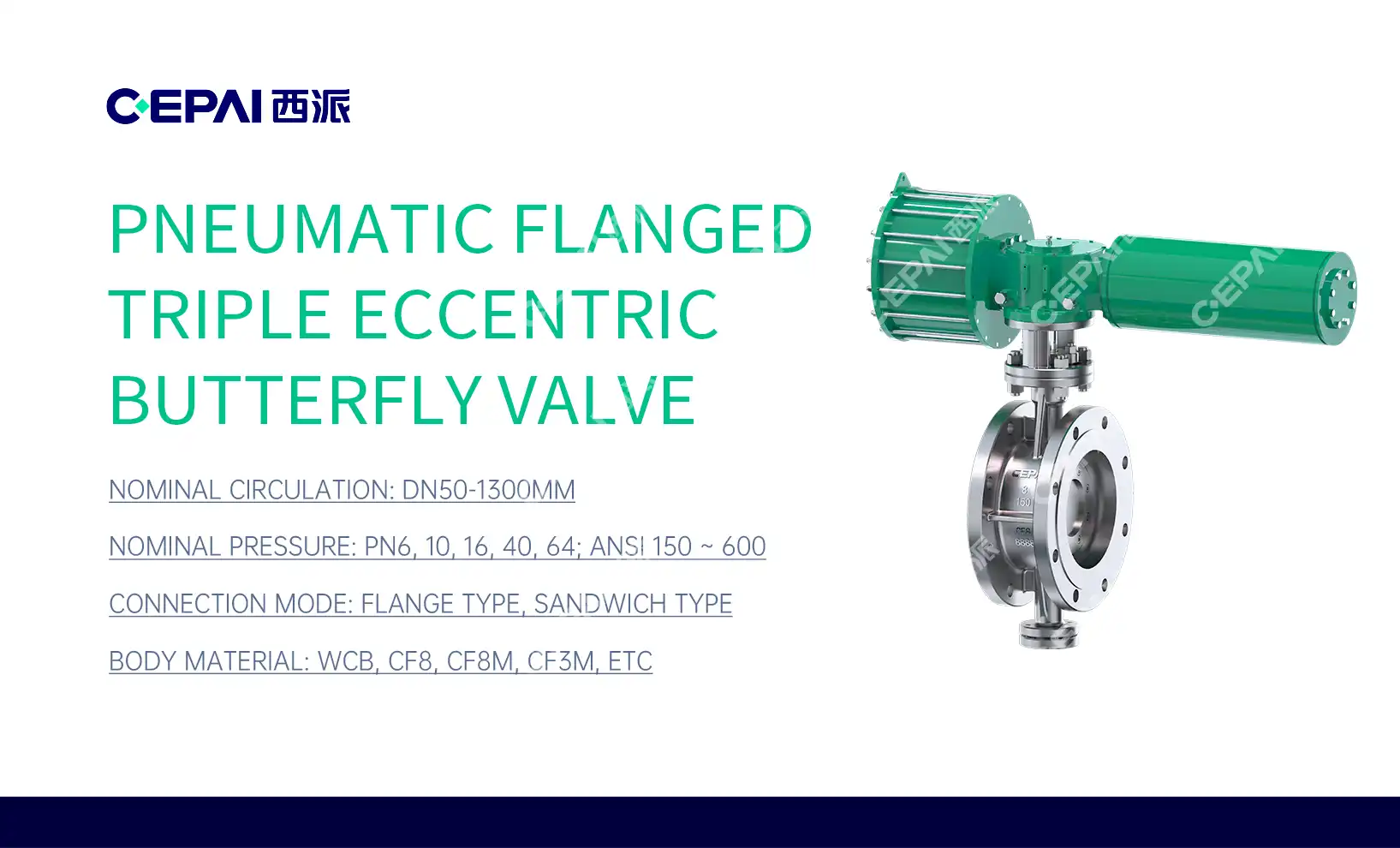
For tough industrial uses, CEPAI has a wide range of control valve options. The product line includes sleeve-type controlling valves, throttle valves, high-pressure double disc check valves, emergency cut-off valves, and ball valves that are operated by hand or automatically. Each type of product is based on advanced technical ideas and has a history of working well in tough conditions.
Wellhead assemblies, choke valves, and Christmas trees are all specialized goods that meet API standards for oil and gas pumping. Pipeline valve options support intermediate uses with designs that prevent corrosion and can last a long time.
Quality Certifications and Service Excellence
CEPAI's complete quality control systems are approved to standards like API Q1, API 6A, API 6D, API 16C, API 602, ISO 9001, ISO 14001, ISO 45001, ISO 3834, ISO 17025, CE, and PR2. This long list of certificates shows that the company is dedicated to meeting world quality standards and keeping customers happy.
Technical support services include application engineering, product development, and field service support that makes sure valves work well for the whole life of the product. The industry community in Thailand has made CEPAI a top partner because of their responsive customer service and technical knowledge.
Conclusion
Thai engineers have built good ways to get control ball valves from Chinese makers, using differences in cost, quality, and technical skills to help them compete. A structured buying method that lowers risks and raises value, along with in-depth source and quality checks, are key to success.
Chinese companies like CEPAI working with Thai makers shows how businesses can help each other. Thailand's oil and gas, petrochemical, and pipeline industries have long-lasting benefits over their competition. These include advanced manufacturing, a lot of licenses, and helpful expert support.
To continue to be successful in sourcing, you need to keep strict seller qualification standards and accept new technologies that make valve performance and stability better. As China's manufacturing skills keep getting better, experts in Thailand who want to find top-quality flow control solutions will keep getting help.
FAQs
What certifications should Thailand engineers look for when sourcing control ball valves from China?
Essential certifications include API Q1 for quality management, API 6A and API 6D for petroleum industry compliance, ISO 9001 for quality systems, and CE marking for European conformity. Companies like CEPAI maintain comprehensive certification portfolios that demonstrate compliance with international standards and ensure product reliability in demanding applications.
How long are typical lead times for standard versus custom control ball valves from Chinese suppliers?
Standard control ball valves typically require 4-6 weeks for production and delivery, while custom designs may extend to 8-12 weeks depending on complexity. Factors affecting lead times include material specifications, special testing requirements, and current production schedules. Advance planning and early supplier engagement help ensure adequate delivery schedules for project requirements.
What factors influence the cost difference between automated and manual ball valves?
Automated ball valves incorporate electric or pneumatic actuators, control electronics, and position feedback systems that significantly increase costs compared to manual versions. Additional considerations include power requirements, explosion-proof certifications, and integration capabilities with distributed control systems. The investment in automation typically provides benefits through improved process control, remote operation capabilities, and reduced labor requirements.
Partner with CEPAI for Premium Control Ball Valve Solutions
Thailand engineers seeking reliable control ball valve suppliers can benefit from CEPAI's proven expertise in oil and gas applications. Our comprehensive product portfolio includes API-certified valves designed for demanding industrial environments, backed by extensive quality management systems and responsive technical support. CEPAI's manufacturing capabilities support both standard and custom configurations that meet specific project requirements while maintaining competitive pricing structures. Contact us at cepai@cepai.com to discuss your control ball valve requirements and discover how our solutions can enhance your operational performance.

References
American Petroleum Institute. "API Specification 6A: Specification for Wellhead and Christmas Tree Equipment." 21st Edition, 2019.
Chen, L., & Wang, X. "Quality Management Systems in Chinese Valve Manufacturing: A Comprehensive Analysis." Journal of Industrial Manufacturing, Vol. 45, No. 3, 2022.
International Organization for Standardization. "ISO 9001:2015 Quality Management Systems - Requirements." Geneva: ISO Press, 2015.
Smith, R.K., & Thompson, J.M. "Ball Valve Technology and Applications in Petroleum Industry." Valve Engineering Handbook, 4th Edition, McGraw-Hill, 2021.
Thailand Board of Investment. "Industrial Valve Import and Manufacturing Trends in Southeast Asia." Bangkok Economic Review, Vol. 28, No. 2, 2023.
Wilson, D.P. "Supply Chain Management for Industrial Valve Procurement: Best Practices and Risk Mitigation." International Procurement Journal, Vol. 15, No. 4, 2022.