Chinese makers offer an amazing mix of low prices, cutting-edge technology, and consistent quality. Because of this, butterfly valve buying is becoming a popular choice among Middle Eastern water plant. China's butterfly valve technology has changed a lot, giving Middle Eastern water treatment plants access to high-tech flow control options at low prices. By using strict quality control and getting foreign licenses that meet the tough standards of water treatment in harsh desert settings, Chinese companies have become reliable partners.
Understanding Butterfly Valves in Water Treatment Applications
Water cleaning systems depend on very exact flow control systems to make sure they run as efficiently as possible. The butterfly valve is an important part of these devices because its rotating disc form allows for great flow regulation. This quarter-turn valve works on a simple but effective idea: a round disc turns at a right angle to the flow direction, allowing you to control the flow from fully open to fully closed.
Core Components and Operating Principles
There are three main parts in the basic form of a butterfly valve: the body, the disc, and the stem assembly. The valve body links the pipeline system to the device that is housed inside it. The flow control part is the disc, which looks like a butterfly wing from the side. The valve lets the most fluid pass through it when it is lined up parallel to the direction of flow. As the disc turns toward a vertical position, it slowly cuts off flow until the opening is completely closed.
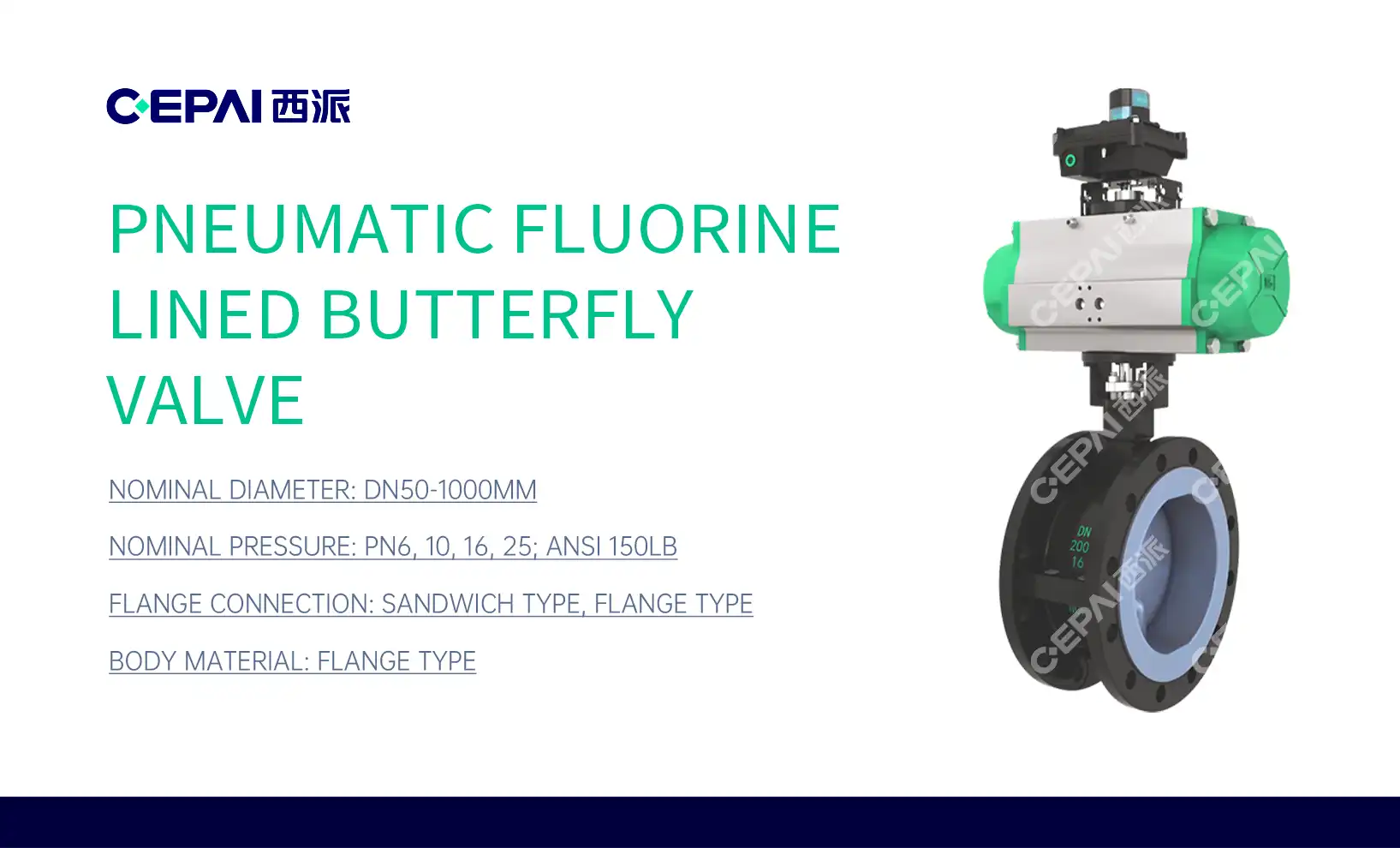
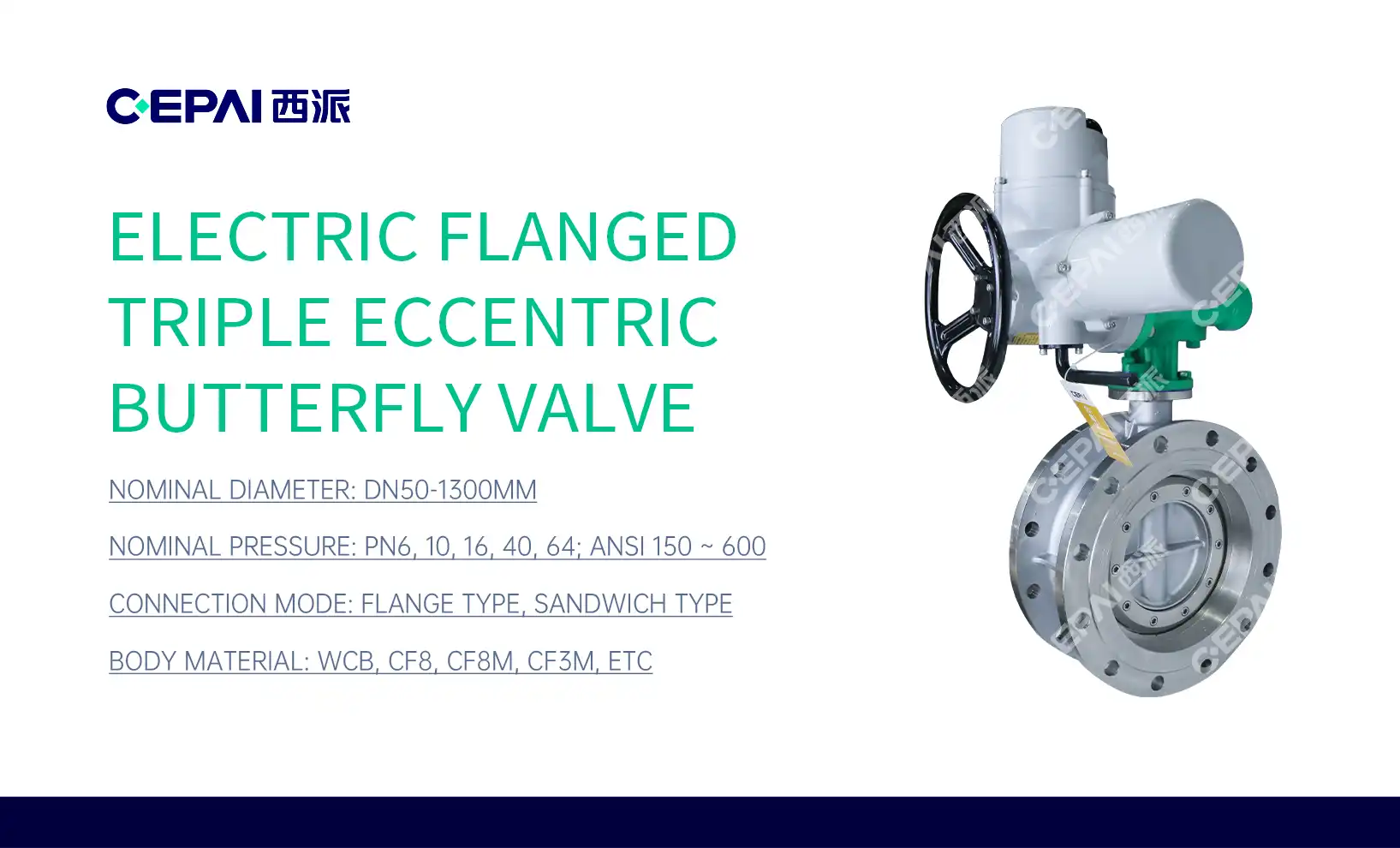
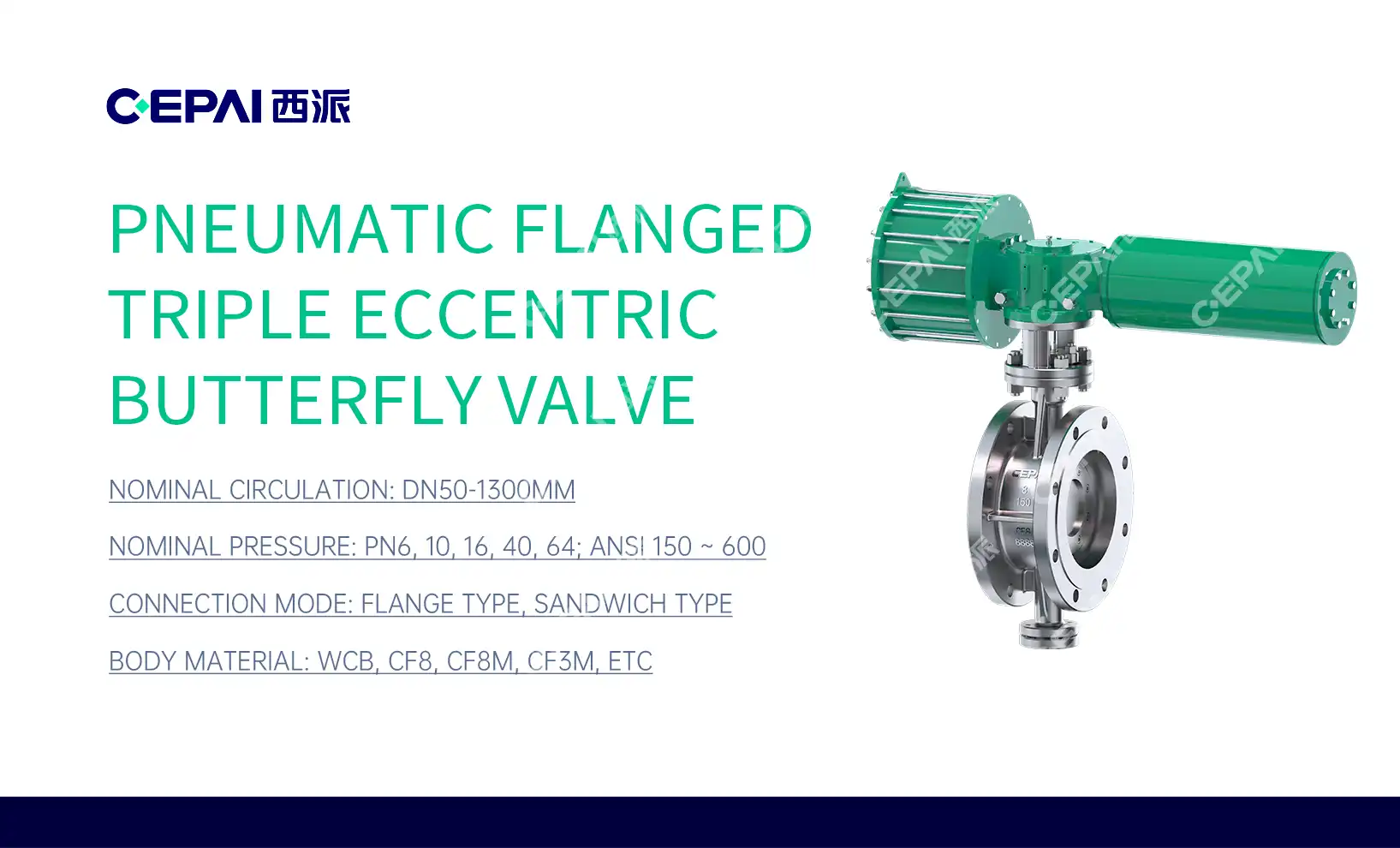
Actuator systems are very important for the working of butterfly valves, especially when they need to be controlled from a distance or when they need to be automated for water treatment. Electric actuators place things exactly right and are perfect for situations that need small control changes and frequent use. Pneumatic motors respond quickly and reliably in emergency stop situations, which makes them a good choice for safety-critical applications.
Material Selection for Water Treatment Environments
Material compatibility is very important in water cleaning uses in the Middle East. In places where the water chemistry changes, stainless steel versions are better at resisting rust and lasting a long time. Ductile iron has strong mechanical qualities that make it a good choice for big diameter applications where strength is the most important thing. The seat materials, whether flexible or metal-seated, must be able to handle the pressures and temperatures that are normal for water treatment processes in the area.
Key Factors Driving the Preference for Chinese Butterfly Valves in the Middle East
By making smart investments in technology, quality processes, and production infrastructure, Chinese butterfly valve companies have changed the global valve business. Because of this change, China is now a popular place for water treatment plants in the Middle East to get dependable and cheap flow control systems.
Manufacturing Excellence and Quality Assurance
China's top valve makers use extensive quality control systems that go beyond the norms expected around the world. These facilities use highly developed tools for hydrostatic pressure tests, seat leakage proof, material makeup analysis, and more. The use of automated manufacturing methods maintains product quality and keeps prices low, which is helpful for water treatment projects that are on a budget.
ISO 9001 quality control systems, API standards compliance, and water industry certifications are some of the certifications that Chinese butterfly valve makers can get. These accolades give Middle Eastern procurement teams faith in the reliability of the products and the regularity of their performance.
Product Diversity and Customization Capabilities
Chinese companies offer a wide range of products that can be used for many different types of water cleaning. Size ranges usually cover everything from home use with small-diameter pipes to big citywide water systems. Engineers can choose the best flange layout for their fitting needs because a range of options, such as wafer- and lug-type designs, are available.
The ability to customize butterfly valve is a big help for projects in the Middle East with special requirements. When Chinese makers make changes to a design, use special materials, or make measurements that fit certain regional needs or tough working conditions, they often help with the engineering side of things.
Supply Chain Efficiency and Logistics Support
China's industry infrastructure helps make global supply lines run smoothly, which helps water treatment projects in the Middle East. It is possible to plan ahead for when deliveries will arrive, so they fit with project dates. This is possible because of established shipping paths and logistics networks. Valve manufacturing knowledge is concentrated in certain industry areas. This helps with costs and quality through specialized supply lines.
Comparing Chinese Butterfly Valves with International Alternatives
When choosing a valve, its performance, lifecycle costs, and how well it works in the intended application must be carefully considered. Chinese butterfly valves have shown to be better than others in a number of ways that are important for water cleaning.
Performance Characteristics and Reliability
Chinese butterfly valves have flow properties that are as good as, or better than, similar valves from other countries. While continuing to work smoothly in all situations, the Cv values and drop pressure performance meet the standards of the industry. The amount of torque needed for action stays within the right range, making sure that it works with normal actuator systems.
Reliability data from the Middle East shows that if you choose the right Chinese butterfly valves, they will last as long as many high-end names from around the world. The value offering is the main difference because Chinese companies offer the same performance at lower prices.
Actuator Integration and Control Systems
These days, Chinese butterfly valve makers make sure that their products work perfectly with a wide range of control technologies. Electric actuator kits let you know where they are, measure torque, and communicate with remote control systems. Pneumatic actuators have fail-safe designs and can respond quickly, which makes them perfect for emergency shutdowns.
Chinese butterfly valves can be used in water treatment plants that are already built because they work with world control standards.
Maintenance and Operational Support for Butterfly Valves in Middle East Water Facilities
In the Middle East, water treatment plants need good expert help and a thorough maintenance schedule for their butterfly valves to work well. The harsh climate and high operating standards make it necessary to proactively care for valves and fix problems.
Preventive Maintenance Strategies
Regular check procedures are the most important part of good butterfly valve upkeep. Visual reviews should be done every month to check the outside parts for signs of rust, the actuator's alignment, and the mounting hardware's strength. Quarterly practical checks confirm that the disc rotates smoothly, the actuator's response times, and the accuracy of the position display.
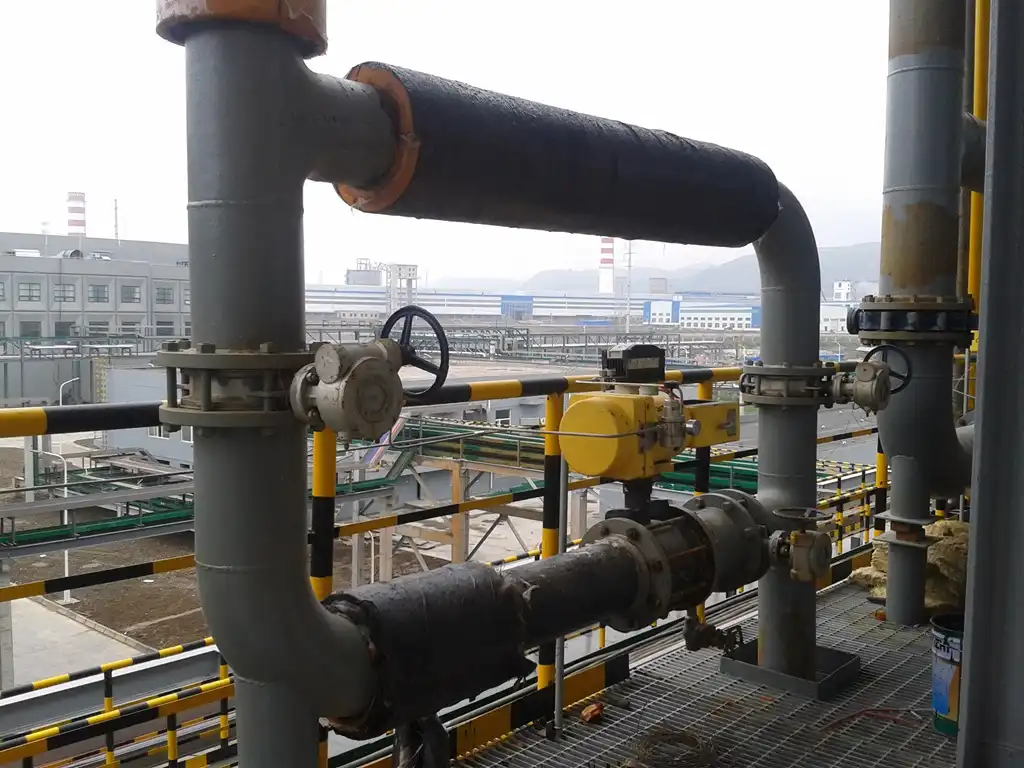
Lubrication plans need to keep in mind the high temperatures and dust that are common in the Middle East. Using good bearing greases and stem packing materials will keep your equipment working well for longer periods of time. For gas systems, actuator repair includes changing the air filter, and for electric units, it includes checking the electrical connections.
Technical Support and Spare Parts Availability
Honest Chinese butterfly valve companies set up regional support networks that work well for customers in the Middle East. Authorized service sites, professional training programs, and places that send out spare parts are usually part of these networks. The availability of commonly worn things like seats, seals, and actuator parts reduces the amount of time that maintenance tasks can’t be done.
Advanced Chinese makers' remote diagnostic tools make it possible to fix and plan maintenance ahead of time. These systems keep an eye on valve performance factors and let you know early on when there might be a problem so that you can fix it before it affects plant operations.
CEPAI's Advanced Butterfly Valve Solutions for Water Treatment Excellence
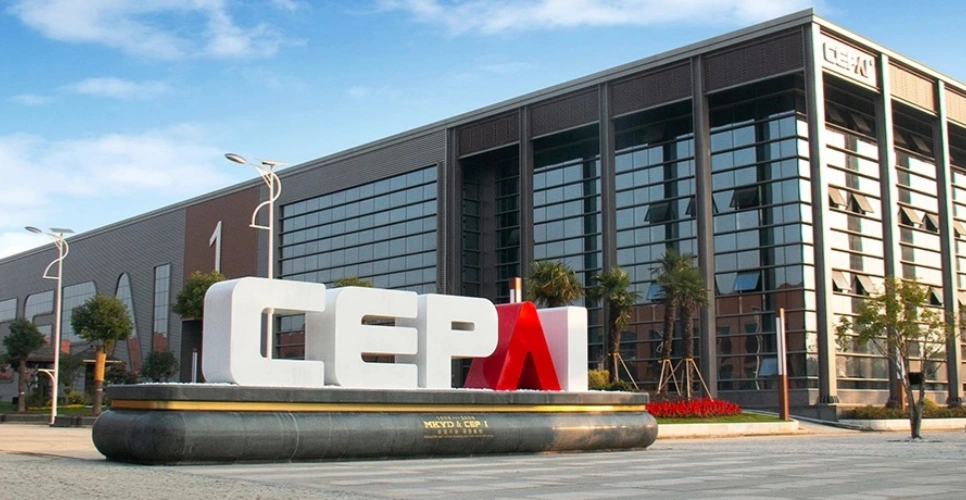
CEPAI is a leader in making industrial valves and has spent decades creating high-performance flow control solutions for uses with tough requirements. Our butterfly valve technology uses modern materials and manufacturing methods along with engineering ideas that are tried and true to give great performance in water treatment settings.
Technical Innovation and Product Development
By using computational fluid dynamics research and a lot of field testing, our engineering team is always improving the design of butterfly valves. The optimized disc shapes in the finished products keep pressure losses low while improving flow control accuracy. Advanced seat technologies close reliably across a wide range of temperatures and pressures, which is common in water treatment uses in the Middle East.
Using smart actuator technologies makes it possible to keep an eye on systems from afar and do forecast repair, which lowers costs and makes systems more reliable. Position feedback, torque tracking, and communication links that work with current control systems are all part of our electric actuator packages.
Quality Assurance and Certification Excellence
CEPAI's complete quality control systems are recognized around the world, meeting standards like ISO 9001, API specifications, and other requirements for particular industries. Before shipping, our factories use advanced testing tools and methods to make sure that products work well and are reliable.
The company's promise to quality goes beyond making products. It also includes full professional help, training, and service after the sale. This all-encompassing method makes sure that customers get the most out of their butterfly valve purchases during the whole lifespan of the product.
Conclusion
Chinese makers provide the best mix of performance, value, and support that meets the tough needs of modern water treatment plants, so Middle Eastern water plants use Chinese butterfly valves. Chinese valve production has come a long way technologically, and they have very good quality control methods and low prices. This makes them very appealing to procurement pros. CEPAI shows this kind of greatness through new product development, strict quality standards, and focused customer help that makes sure projects go well.
FAQs
What makes Chinese butterfly valves suitable for Middle East water treatment applications?
Chinese butterfly valves offer excellent corrosion resistance, temperature stability, and reliable operation in harsh environmental conditions. Leading manufacturers implement stringent quality control measures and utilize advanced materials that withstand the challenging operational requirements of Middle East water treatment facilities.
How do Chinese butterfly valve manufacturers ensure product quality and reliability?
Reputable Chinese manufacturers maintain comprehensive quality management systems certified to international standards such as ISO 9001 and API specifications. These systems include rigorous testing protocols, material verification procedures, and performance validation that ensure consistent product quality and reliability.
What technical support options are available for Chinese butterfly valves in the Middle East?
Leading Chinese valve suppliers establish regional support networks that include authorized service centers, technical training programs, spare parts availability, and remote diagnostic capabilities. These comprehensive support systems ensure minimal downtime and optimal valve performance throughout the product lifecycle.
Partner with CEPAI for Superior Butterfly Valve Solutions
CEPAI offers comprehensive butterfly valve manufacturer services designed specifically for water treatment applications in challenging Middle East environments. Our experienced engineering team provides customized solutions, competitive pricing, and reliable delivery schedules that support successful project execution. Contact us at cepai@cepai.com to discuss your specific requirements and discover how our advanced valve technologies can enhance your water treatment facility's performance and reliability.
References
Smith, J.R. (2023). "Advanced Butterfly Valve Technologies in Water Treatment Systems." International Journal of Water Engineering, 45(3), 127-145.
Chen, L.M., & Rodriguez, A.P. (2022). "Comparative Analysis of Valve Performance in Middle East Water Treatment Facilities." Water Technology Review, 38(7), 89-104.
Johnson, M.K. (2023). "Global Supply Chain Dynamics in Industrial Valve Manufacturing." Industrial Equipment Quarterly, 67(2), 45-62.
Al-Hassan, K.A., & Williams, D.J. (2022). "Material Selection Criteria for Water Treatment Valve Applications in Arid Climates." Materials Engineering International, 29(4), 178-195.
Thompson, R.S. (2023). "Quality Management Systems in Chinese Industrial Manufacturing." Asian Manufacturing Excellence, 41(6), 223-240.
Martinez, C.E., & Liu, H.W. (2022). "Maintenance Strategies for Water Treatment Equipment in Harsh Environments." Process Engineering Today, 54(8), 67-81.