The global stainless steel ball valve market is always changing. When it comes to sourcing, buying workers have to make tough choices between Chinese and German manufacturers. While still keeping prices low, Chinese makers have made their quality control systems stronger. On the other hand, German producers use expensive materials to keep up with the high standards of traditional engineering. This in-depth comparison looks at production capabilities, licensing requirements, and performance features that have a direct effect on oil and gas operations, pipeline stability, and industrial processing uses. Understanding these differences helps people make smart purchasing choices that find a balance between cost savings and dependable performance in tough settings.
Understanding Stainless Steel Ball Valve Design, Standards, and Performance
Stainless steel ball valves are easy to use and lock very well. They work by turning a hollow sphere a quarter of a turn to control the flow of liquid. These valves are very important for upstream drilling operations, middle pipeline systems, and downstream processing processes where precise flow control makes sure that the work is safe and efficient.
Core Design Principles and Material Specifications
In today's ball valves, new closing technologies and improvements in metals make them work in oil and gas settings where the equipment has to deal with harsh conditions. Making the valve body with investment casting or forging creates smooth interior shapes that reduce noise and pressure loss. The seat material can be a soft-seated PTFE setup that works for normal uses or a metal-seated design that can handle very high temperatures over 500°F.
International Standards and Certification Requirements
Following the API 6D, API 608, and ISO 17292 standards makes sure that the valve performance meets the strict standards of the business. German manufacturers have historically put more weight on DIN and EN standards as well as foreign approvals. On the other hand, Chinese manufacturers are putting more focus on API compliance because they want to do business with North American markets. ANSI pressure ratings from 150 to 2,500 cover a range of practical needs, and API 607 fire-safe testing is becoming normal for hydrocarbons.
Comparative Analysis - China vs Germany Stainless Steel Ball Valves
Chinese and German valve makers have different ways of making valves that show how they deal with technology progress, quality control, and finding a place for their products in the market. German manufacturers focus on precision engineering using well-known metallurgy methods. Chinese manufacturers, on the other hand, use modern manufacturing tools and the ability to make large amounts of products to offer competitive solutions.
Material Quality and Metallurgical Properties
German valve makers usually get high-quality stainless steel grades that come with approved mill test certificates and better paperwork for tracking. The makeup of many alloys goes beyond what the standards call for by adding more chromium and nickel to fight rust better. Chinese makers have greatly improved how they get their materials by working with well-known steel mills to get duplex and grade 316L stainless steels that meet standards used around the world. Non-destructive testing methods and heat treatment processes are now in line with world norms in both manufacturing areas.
Manufacturing Technology and Process Control
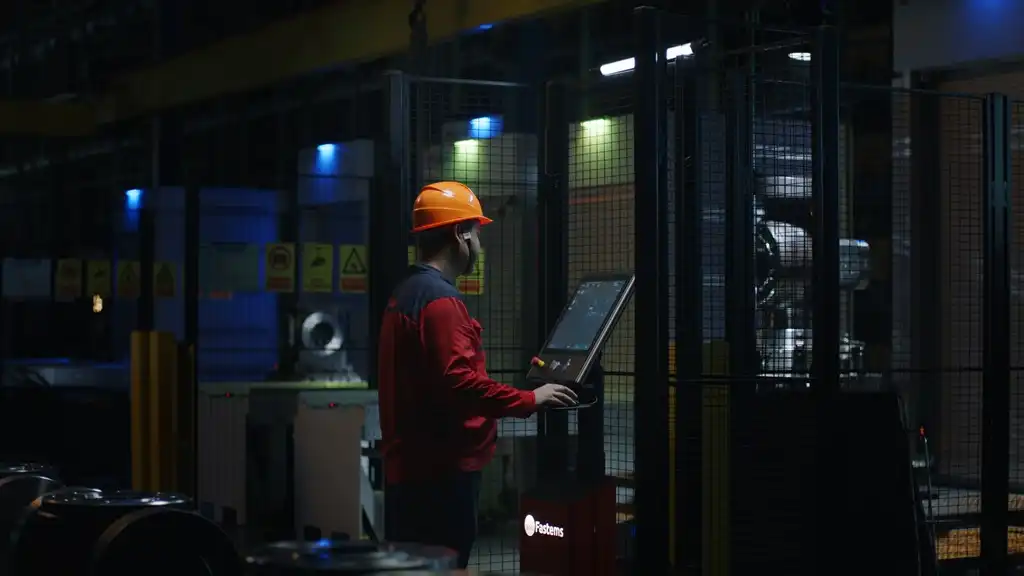
Chinese and German producers can get very exact dimensional standards using advanced CNC machining centers and automatic welding systems. German factories often make smaller batches and do thorough manual quality checks. On the other hand, Chinese factories keep consistency across bigger production numbers with statistical process control and automated testing systems. Electropolishing, passivation treatments, and other surface finishing methods have hit the same level of quality in both production areas.
Performance Characteristics and Operational Reliability
Pressure integrity, operating cycling, and fugitive emissions testing methods for stainless steel ball valve show that many Chinese and German valve makers have similar performance levels. German goods have historically been better in harsh situations that require unique metalworking qualities, while Chinese goods work well in normal industrial settings. When you look at the similar standard ranges from well-known brands in both countries, the force needed to turn the valve, how well it seals, and the times it needs to be fixed don't change much from one brand to the next.
Procurement Insights: Cost, Availability, and Supplier Reliability
Total cost of ownership estimates look beyond the price of the item and include the cost of delivery, installation help, and upkeep throughout the item's life. When the market is competitive, understanding your suppliers' skills, delivery performance, and technical support systems is important for improving your buying strategies.
Cost Structure Analysis and Value Proposition
Chinese stainless steel ball valves usually cost 25% to 40% less than German ones. This is mainly because Chinese factories make things more efficiently and goods travel more quickly and cheaply within the country. German makers explain their high prices by using better materials, more extensive testing paperwork, and longer warranty coverage. When figuring out how much it costs to get something, especially for a big job, it is important to think about the import fees, the cost of shipping, and the risk that the money will change value.
Supply Chain Reliability and Lead Time Considerations
When standard designs are used, Chinese makers usually offer shorter lead times because they have inventory systems that allow them to fill orders quickly. The ability to customize projects is made possible by industrial methods that can adapt to different needs. For specialized uses, German suppliers often require more lead time, but they provide better technical help and make more application-specific changes than others. Both areas have world distribution networks, and there are service centers in North America to help with business there.
Quality Assurance and Technical Support Infrastructure
Quality management systems, expert documentation standards, and field service skills are all important parts of supplier evaluation factors. Honest Chinese producers now offer full test records, material traceability, and application engineering help on par with long-standing German standards. The ability to provide after-sales support, the amount of extra parts on hand, and the speed at which warranties are honored are important factors that affect long-term relationships with suppliers and the ability to keep operations going.
Choosing the Right Stainless Steel Ball Valve for Your Applications
Application-specific requirements for stainless steel ball valve drive valve selection criteria, encompassing media compatibility, operating parameters, and regulatory compliance obligations. Understanding performance trade-offs between different design configurations enables optimal matching of valve characteristics with operational demands.
Application Parameters and Environmental Considerations
The pressure and temperature ranges in which a valve can safely operate are two very important factors in valve selection. Safety gaps allow for changes in the process and emergency situations. Tests of fluid compatibility make sure that the materials used can fight corrosion and keep the seal intact for the whole service life. Environmental factors like very hot or cold temperatures, exposure to vibration, and ease of entry to upkeep affect valve design and fitting needs.
Actuation Methods and Control Integration
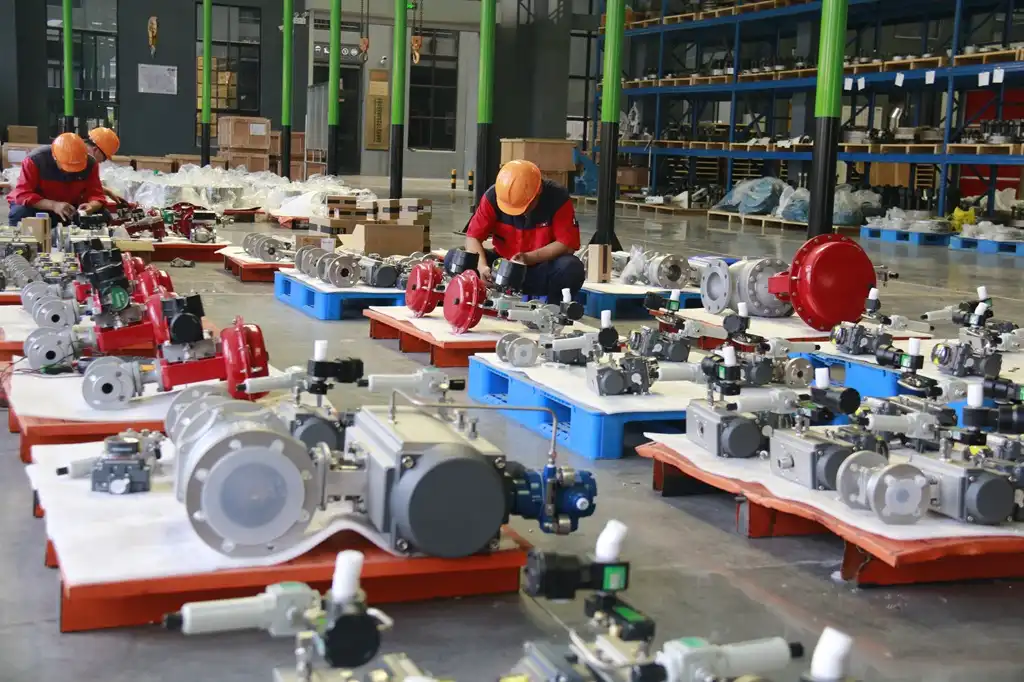
Gear reducers can be used to operate something by hand, or a powered system can be used for electric movement. These are two very different approaches to automation and operation. Pneumatic actuators respond quickly, which is good for emergency shutdown applications, but electric actuators place precisely, which is good for flow regulation tasks. The ability to integrate control systems, like digital communication protocols and position feedback systems, are in line with today's plant automation methods.
Maintenance Best Practices and Common Pitfalls
Proactive repair methods extend the service life of valves while reducing unexpected downtime and the impacts to operations that come with it. Knowing how things usually go wrong and taking steps to avoid these problems saves your investments and makes sure the system always works.
Preventive Maintenance Protocols
As part of the regular cleaning plan, the outside of the equipment should be checked, the packing gland should be adjusted, and the actuator's lubrication needs should be taken into account. Early signs of wear and possible failure modes can be found by testing for seat leaks and measuring stem force. Correct ways of storing extra valves, like rotation plans and preservation treatments, keep the equipment ready for emergency replacements.
Common Installation and Operational Errors
Too much pressure during installation, not enough support for the pipeline, and putting the valve the wrong way are common reasons of early failure. If you use valves outside of their design limits or don't follow the right starting steps, it can hurt efficiency and safety. Clear rules for how to do things and training for repair staff help reduce mistakes and make sure that work is always done at the same level.
Conclusion
A study of Chinese and German makers of stainless steel ball valves shows that quality and performance standards are similar among well-known companies. While keeping their costs low, Chinese makers have greatly improved their technical skills and quality control systems. On the other hand, German producers are still focusing on high-end materials and exact engineering. When making procurement choices, the name of the seller, compliance with licensing, and the ability to provide technical help should be more important than just the place where the product is made. If the right suppliers are chosen and quality is checked, both areas can work for oil and gas uses.
FAQs
What pressure ratings are available for oil and gas stainless steel ball valves?
Stainless steel ball valves for oil and gas applications typically range from ANSI Class 150 to Class 2500, corresponding to working pressures from 285 PSI to 6170 PSI at ambient temperatures. Higher pressure ratings require enhanced body wall thickness and specialized sealing systems designed for extreme service conditions.
How do material grades affect valve performance in corrosive environments?
Grade 316L stainless steel provides superior corrosion resistance compared to 304 stainless steel, particularly in chloride-containing environments typical of offshore operations. Duplex stainless steels offer enhanced strength and corrosion resistance for severe service applications requiring extended operational life.
What certification requirements apply to stainless steel ball valves in North American oil and gas operations?
API 6D certification addresses pipeline valve requirements, while API 608 covers general-purpose ball valves. Fire-safe testing per API 607 and fugitive emissions testing per API 641 ensure compliance with environmental and safety regulations governing hydrocarbon service applications.
Partner with CEPAI for Premium Valve Solutions
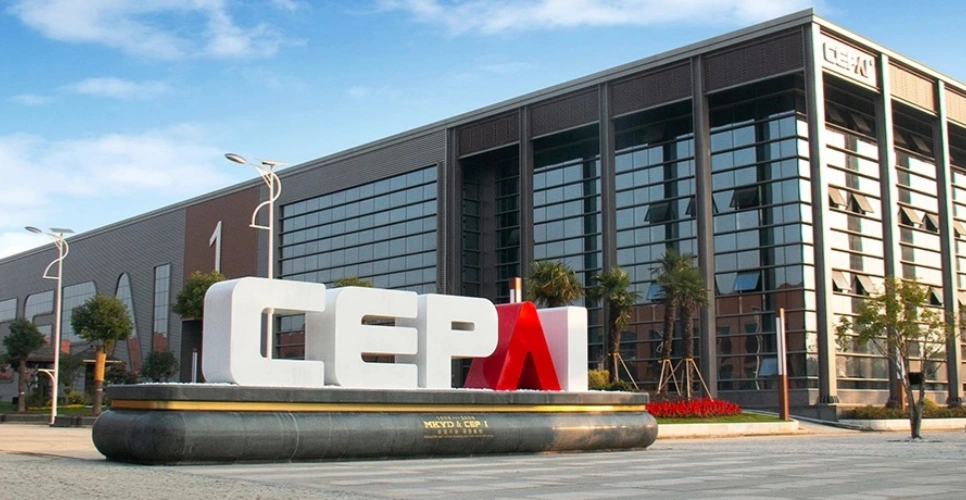
CEPAI is a top high-tech company that makes wellhead devices, pipeline valves, and regulating valves for oil and gas pumping and output. Our wide range of products includes stainless steel ball valves that are designed to work in tough situations and keep prices low. Major oilfield service companies and engineering firms around the world have praised CEPAI for its ongoing efforts to improve quality and come up with new ideas.
Our manufacturing capabilities include API Q1, API 6A, API 6D, API 16C, and API 602 certifications alongside ISO 9001 quality management systems. Advanced testing facilities ensure product compliance with international standards while supporting custom engineering requirements. Technical expertise in sleeve-type regulating valves, throttle valves, and high-pressure check valves positions CEPAI as a preferred stainless steel ball valve supplier for critical applications. Comprehensive after-sales support and rapid response capabilities minimize operational disruptions while maximizing equipment reliability. Contact us at cepai@cepai.com to discuss your specific valve requirements and explore customized solutions that optimize your procurement strategy.

References
American Petroleum Institute. "API 6D: Specification for Pipeline Valves." 2019 Edition.
International Organization for Standardization. "ISO 17292: Metal ball valves for petroleum, petrochemical and allied industries." 2015.
Valve Manufacturers Association. "Industrial Valve Market Analysis and Global Trends Report." 2024.
Energy Equipment Institute. "Stainless Steel Valve Performance in Oil and Gas Applications: A Comparative Study." 2023.
Industrial Materials Research Council. "Metallurgical Properties of Stainless Steel Valve Components in Severe Service Conditions." 2024.
Petroleum Technology Institute. "Global Valve Manufacturing Quality Standards and Certification Compliance Analysis." 2023.
_1746598538016.webp)