When bringing industrial valves from China to Europe or the US, shipping costs are affected by many important choices, such as the type of goods, valve specifications, customs paperwork, packaging needs, and how goods get to their final destination. Procurement managers can keep quality standards for important flow control tools in oil and gas operations while getting the best prices on their supply chains when they know these factors.

Understanding the Core Components of Shipping Costs
Shipping costs are more than just the price of shipping goods. They are made up of many different costs that are all connected. The basic parts are the fees for shipping, extra charges for fuel, customs duties, handling fees, and different supply chain costs that build up over time.
The Cost of Moving Freight and How to Choose a Method
For sending a lot of valves, ocean freight is still the cheapest choice, especially for heavy-duty tools like wellhead assemblies and Christmas trees. Shipping by sea usually costs 60–80% less than shipping by air, but it takes longer - 20–35 days - depending on the destination port. Even though it is very expensive, air freight can deliver in 5 to 10 days, which is good for urgent project deadlines or replacement parts.
The Belt and Road Initiative makes rail transport a good middle option because it is faster than shipping by ocean but still keeps costs reasonable. This multimodal method has become more popular with procurement teams that want to cut costs and delivery times for pipeline valve installations.
Customs Fees and Categories for Tariffs
The way that tariffs are set is very different between the EU and the US. This directly impacts the cost of bringing in valves to each market. The EU uses different duty rates depending on the type of valve and what it's made of, but the US system for tariffs also looks at the type of product and where it comes from. A correct Harmonised System (HS) code classification keeps customs clearance from taking too long and makes sure the right duty is paid.
It is very important for customs processing speed that people know what paperwork they need to do. Having commercial invoices, certificates of origin, and proof of compliance ready helps get goods through customs faster and avoids having to pay for storage at the destination port.
Factors Related to Valve Specifications Influencing Shipping Costs
The size and shape of a industrial valve affects how much it costs to ship and handle it. The relationship between valve specifications and shipping costs must be carefully thought about when planning procurement.
Things to Think About: Size, Weight, and Material
Heavy ball valves and large-diameter gate valves cost more to ship because of their size and weight. Shipping companies figure out the cost by either the weight or the volumetric weight, which ever is greater. Valves made from rare high-pressure alloys are harder to work with because they are heavy and need to be handled in a certain way.
The complexity of the valve impacts the costs of insurance and packaging. Control valves with built-in actuators need to be protected with shock-resistant packaging and crates, which makes them heavier and more expensive to handle. To protect the delicate electronic parts in these advanced systems, they often need to be shipped in climate-controlled environments.
Rules for Certification and Compliance
Following strict industry standards like API 6A and API 6D and the CE marking requirements adds indirect costs for testing, paperwork, and possible delays in shipping. Valves meant for very important uses go through a lot of quality checks that can take more time to process and cost more to administer.
Pressure testing reports, material certificates, and other documents of good quality need to be kept safe and may need to be sent by a fast courier service if they need to be delivered right away. These shipping compliance factors are especially important for high-pressure control devices and wellhead equipment.
Logistical and Operational Influences on Shipping Costs
Big-picture decisions about logistics have a big effect on shipping costs and how often packages arrive on time. The careful balance of operational choices and cost optimisation is needed to meet procurement goals.
Where the supplier is located and how close the port is
Factories near major Chinese ports like Shanghai, Ningbo, or Shenzhen benefit from lower shipping costs and more frequent shipping schedules. Suppliers located in the interior face higher trucking costs and longer wait times to get to departure ports. These costs ultimately affect the final prices.
The ports chosen at destination markets affect the overall cost of logistics. Rotterdam and Hamburg are examples of major European ports that offer good prices and connect with lots of other transportation networks. Smaller regional ports might clear shipments faster, but they may charge higher handling fees for each unit.
Order Volume and Strategies for Consolidation
Economies of scale come into play with full container load (FCL) arrangements for bulk shipments, which is why the shipping cost per unit is lower when compared to shipments with less than a container load (LCL). But, if you have mixed industrial valve orders that need different kinds of packaging, it can make consolidation harder and increase the difficulty of handling the packages.
Strategic ordering schedules that are in line with shipping line timetables make the best use of containers and lower the risk of demurrage. When procurement teams coordinate multiple types of valves to meet the needs of a big project, they are often able to save a lot of money on shipping by sending everything at once.

Risk Management and Additional Cost Factors
Import operations have different kinds of risk that affect costs, both directly and indirectly. A full risk assessment helps with budget planning and preparing for unexpected events.
Insurance and Protecting the Cargo
Marine cargo insurance protects shipments of high-value valves from loss, damage, or theft while they are being delivered. Premium calculations take into account historical loss data, shipping routes, packaging quality, and valve value. Specialised tools, such as choke valves and pressure control systems, need better coverage because they are made with high precision and are hard to replace.
Proper packaging design lowers the risk of damage and insurance costs. Strong wooden boxes, protection from moisture, and materials that absorb shock stop corrosion and mechanical damage that could lead to expensive returns or field failures.
Changes in the Market and the Seasons
Shipping rates change with the seasons because of global trade patterns. The busiest times are usually before big holidays and during harvest seasons. The cost of shipping can go up a lot when there are shortages in container availability. This is especially bad for energy sector projects that need to be done quickly.
The Chinese yuan, the euro, and the US dollar all change in value relative to one another. This can affect the cost of doing business, so people need to keep an eye on it and think about using hedging strategies. Long-term procurement agreements often include ways to change the currency so that these risks can be handled well.
Best Practices for Optimizing Shipping Costs When Importing Valves
Strategic partnerships with suppliers, smart logistics planning, and proactive risk management are all parts of successful cost optimisation. These methods allow for long-term savings without sacrificing quality or on-time delivery.
Supplier Planning and Working Together
Building good relationships with certified industrial valve manufacturers makes it easier to coordinate shipping and see how much it costs. Logistics and shipping paperwork are things that suppliers who know a lot about them can help with.
Procurement teams can avoid rush fees and make the most of good shipping schedules if they plan ahead. Coordinating project timelines with valve deliveries reduces the cost of storing and carrying inventory.
Technology and Ways to Track
Real-time shipment tracking and automated documentation processing are features of modern logistics platforms that cut the costs of running a business and improve supply chain visibility. These systems make it easier to manage potential delays ahead of time and talk to customs officials.
Digital documentation platforms make it easier to follow the rules and speed up processes that use paper. E-certificates and digital signatures make it faster for goods to get through customs and lower the cost of storing them at the destination port.
CEPAI: Your Trusted Partner for Industrial Valve Solutions
CEPAI is a top high-tech company whose main business is making, researching, and developing wellhead devices, pipeline valves, wellhead valves, regulating valves, and precision instruments for oil and gas drilling and production. Energy professionals around the world trust our wide range of products to meet their tough needs.
By always coming up with new ideas and making sure that quality is always high, CEPAI has been recognised by major engineering firms and oilfield service companies around the world. Our factories uphold strict quality standards, which are recognised by the API Q1, API 6A, API 6D, API 16C, API 602, ISO 9001, ISO 14001, ISO 45001, ISO 3834, ISO 17025, CE, and PED certifications.
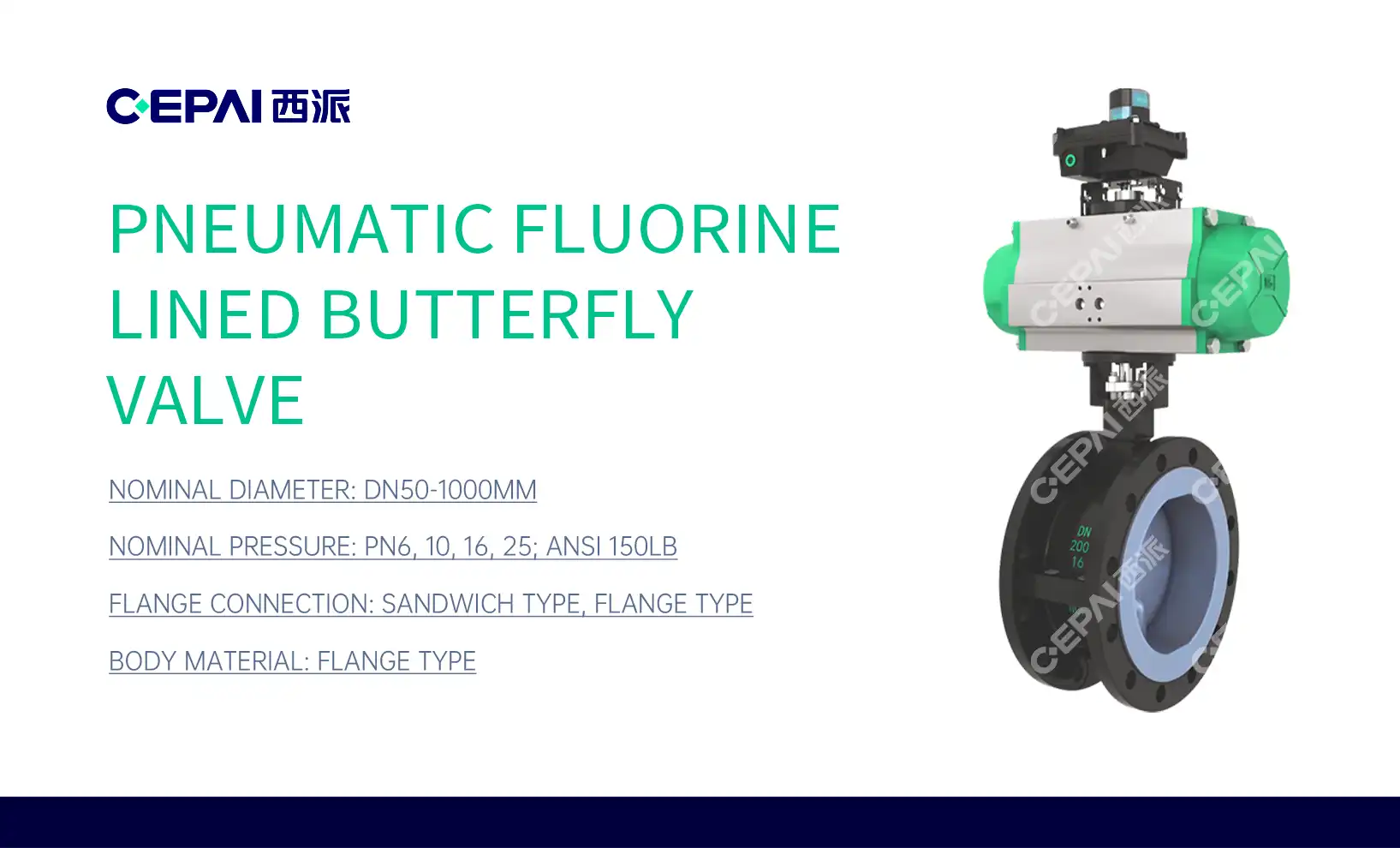
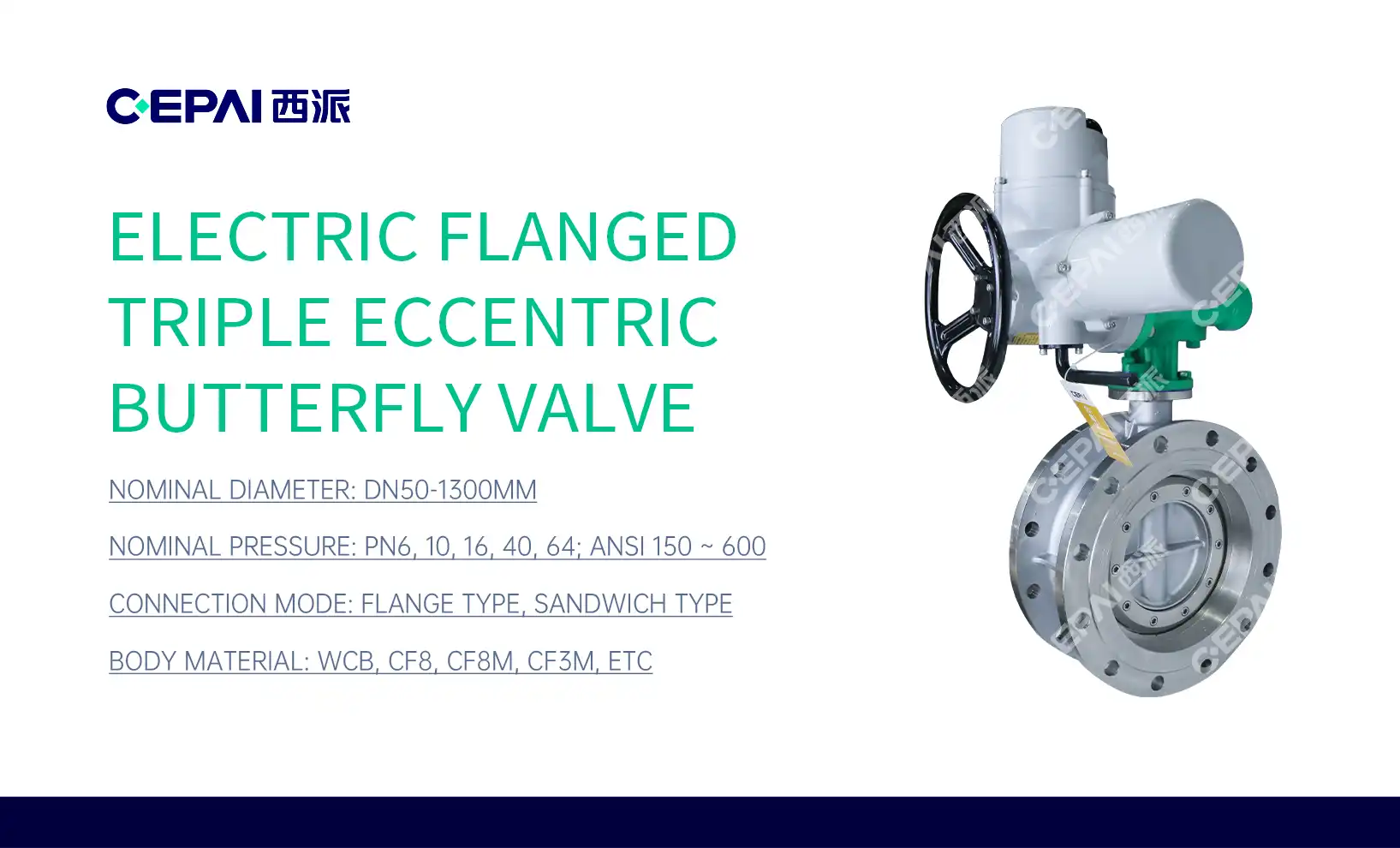
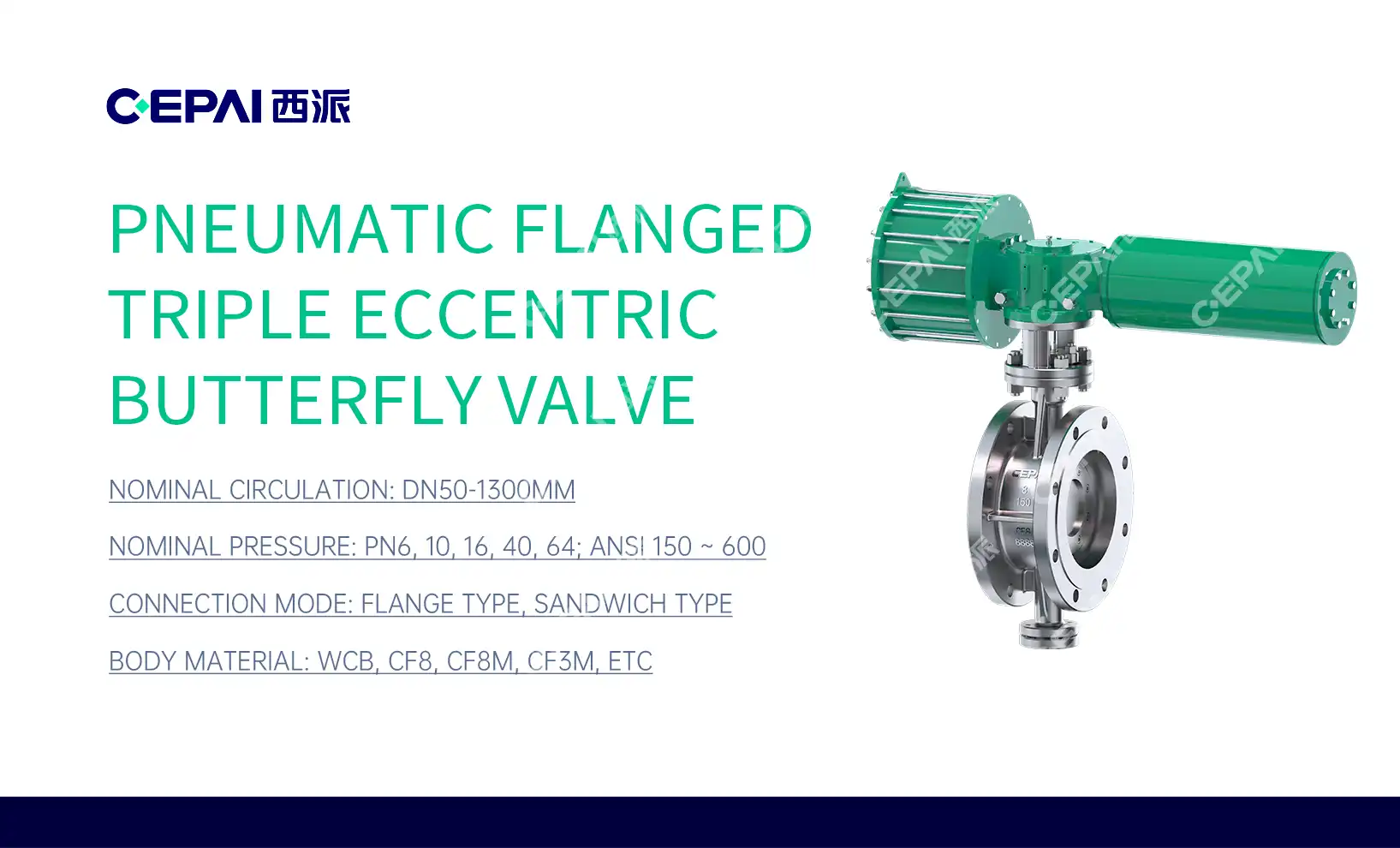
Our sleeve-type regulating valves, throttle valves, high-pressure double disc check valves, emergency shut-off valves and rotary valves are all made to the highest standards, and they compete directly with the best products from around the world. These products use cutting-edge materials and exact engineering to handle the harsh conditions common in drilling and production settings.
Shipping valves internationally can be very complicated. CEPAI's experienced logistics team works directly with customers to make sure that deliveries are on time and costs are low. Our all-inclusive quality papers and certification packages make it easy for goods to get through customs and follow the rules in both European and US markets.
Conclusion
In order to successfully keep shipping costs down for imported valve, you need to know about freight options, customs procedures, and logistics. The way valve specifications, transportation methods, and rules work together makes things complicated. This affects the cost and requires careful planning and expert help. Long-lasting, healthy relationships with suppliers, detailed planning, and good risk management help companies in the energy sector keep their costs down while also maintaining quality and reliability.
FAQ
1. How long does it usually take for valves to be shipped from China to Europe or the US?
The time it takes to ship an order depends on the shipping method and how complicated the order is. Usually, ocean freight takes 20 to 35 days, but air freight takes 5 to 10 days. The Belt and Road Initiative can ship goods by rail in 12 to 18 days. Valves made to order might need more time to be made before they can be shipped.
2. How can customs duty on valve imports be lowered by procurement teams?
Correct Unified Customs duties are lower when you use system classification, full documentation packages, and experienced customs brokers. Under trade agreements, some valve categories can receive better tariff rates, and correct material certifications can affect decisions about classification.
3. What are the packaging rules for industrial valve shipments?
Strong packaging that keeps corrosion, mechanical damage, and contamination from happening is needed for international shipping. During transit, the equipment is protected by wooden crates with moisture barriers, materials that absorb shock, and the right valve orientation. The International Maritime Organisation and the destination country's phytosanitary standards must be followed by the packaging.
Partner with CEPAI for Optimized Valve Procurement
CEPAI provides a full range of solutions for all of your valve sourcing needs, combining high-quality production with excellent logistics support. When customers buy goods from other countries, our team helps them with every step, from choosing products to getting them delivered. We know the important balance between cost efficiency and operational reliability that makes energy projects work. We know this because we are a seasoned industrial valve supplier. Email us at cepai@cepai.com to talk about your needs and learn how our experience can help your supply chain run more smoothly. Go to valveinformation.jscepai.com to see the technical documentation and detailed information about the products.

References
International Maritime Organization. "Guidelines for Cargo Securing and Packaging Standards in Maritime Transport." Maritime Safety Committee Publication, 2023.
World Trade Organization. "Harmonized System Classification Manual for Industrial Equipment." Trade Facilitation Agreement Documentation, 2023.
American Petroleum Institute. "API Standards for Wellhead and Pipeline Valve Systems: Quality and Shipping Requirements." API Technical Standards Manual, 2022.
European Committee for Standardization. "EN ISO Compliance Standards for Industrial Valve Import Regulations." European Standards Publication, 2023.
International Chamber of Commerce. "Incoterms 2020: Risk Management and Cost Allocation in International Trade." Commercial Terms Guide, 2022.
Lloyd's Maritime Intelligence. "Global Freight Rate Analysis: Industrial Equipment Transport Trends." Shipping Industry Report, 2023.