What Tests Or Quality Checks Should I Request When Sourcing Valves from Manufacturers?
Asking for full quality tests on industrial valves that will be used in important situations makes sure that your equipment meets safety and working requirements. Some important quality checks are hydrostatic pressure testing, seat leakage verification, material approval, measurement reviews, and keeping records of compliance. These tests prove that your industrial valve parts can handle the hard conditions that are common in oil and gas operations and keep working properly for the whole time they are used.

Understanding the Critical Quality Dimensions for Industrial Valves
Industrial valve systems are essential for keeping oil and gas facilities safe and running smoothly. They have to meet strict quality standards that cover a wide range of performance areas. How reliable these parts are has a direct effect on operating safety, protecting the environment, and the project's cost-effectiveness.
Pressure Rating and Temperature Performance Specifications
One of the most important quality factors for valve parts used in upstream drilling is their resistance to pressure. Your valve systems must show that they have been tested and proven to be able to work in working pressures ranging from normal pipeline conditions to settings with more than 15,000 PSI of pressure. Specifications for temperature performance also need to be carefully checked, especially when using high-temperature drilling solutions or working conditions that are very cold.
Verification of the material composition makes sure that valve bodies, seats, and sealing parts can handle the harsh environments that are typical in sour gas wells and offshore activities. It has been proven through metallurgical tests that the materials are resistant to sulfur, chloride stress corrosion cracks, and hydrogen sulfide.
Flow Control Accuracy and Operational Reliability
In important situations, precise flow control has a direct effect on how well a process works and how safe it is. Valve systems must work the same way even when difference pressures and flow rates change, and they must also be able to shut off completely when needed. This dependability is especially important in wellhead Christmas tree systems, where precise flow control keeps pressure from building up in dangerous ways.
Operational reliability testing makes sure that actuator systems work as expected in harsh circumstances like heavy rain, shaking, and changes in temperature. With these tests, you can be sure that your valve systems will keep working as expected for long periods of time without breaking down without warning.
Essential Mechanical and Functional Tests to Request
Valve placement in demanding industrial settings can be done with confidence thanks to thorough mechanical testing methods for industrial valve. These tests show that the product works well right away and will continue to work well even when it's under a lot of stress.
Hydrostatic and Pneumatic Pressure Testing
The best way to make sure that the whole valve system is leak-proof is to use hydrostatic tests. For this test, water or other suitable test fluids are used to pressurize the valve body to 1.5 times the maximum allowed working pressure. The test usually lasts for a certain amount of time while the pressure is being watched for any drop that could mean the structure is weak or the seal is broken.
Pneumatic testing uses compressed air or inert gases to check valve performance in situations that are more like real-life working environments. It is used in addition to hydrostatic validation. This testing is especially helpful for gas service uses where liquid testing might not show problems with performance.
Shell testing makes sure that valve bodies are structurally sound under high pressure, and seat testing makes sure that sealing surfaces can keep a tight shutoff even after a lot of operating cycles.
Operational Cycling and Endurance Testing
In endurance testing, valve assemblies are put through multiple operational processes that are meant to mimic years of use in the field in a short amount of time. During this testing, the valve is usually opened and closed thousands of times while being watched for wear patterns, changes in torque, or performance loss that could mean the valve is about to fail too soon.
Cycling tests help find problems with stem seals, seat wear, or actuator performance that might not be obvious until after a long time of use. These tests give you peace of mind that the valves you buy will last as long as they're supposed to and won't need to be replaced early or need a lot of upkeep.
Documentation and Compliance Checks to Validate Manufacturer Credibility
The best way to make sure that a maker can do what they say they can do and that they are following the rules for safe valve operation in important situations is to make sure that they have the right paperwork.
Material Test Reports and Traceability Documentation
Material Test Reports (MTRs) keep track of all the chemicals, mechanical qualities, and heat treatment records for all the materials that go into making a valve. These reports are necessary for applications that need to be inspected by regulators or meet quality standards.
Traceability paperwork makes sure that you can trace back every part of your valve units to the materials it was made from and the steps used to make it. This feature is very helpful for looking into any speed problems and shows that the quality management system standards are being met.
Industry Standard Certifications and Compliance Verification
API approvals for industrial valve show that the designs of valves and the ways they are made meet strict industry standards made just for oil and gas uses. API 6A certification covers Christmas tree and wellhead equipment, and API 6D certification covers pipeline valve needs.
Having an ISO 9001 quality management system certification shows that a company uses uniform quality control methods throughout all of its activities. Extra certificates, such as ISO 14001 for environmental management and ISO 45001 for health and safety at work, show that the business is operating at a high level overall.
Pressure Equipment Directive (PED) certification makes sure that the product meets European safety standards, and CE marking proves that it meets all relevant legal requirements for pressure-bearing equipment.
Warranty and After-Sales Service Documentation
Detailed guarantee paperwork protects your investment and shows that the maker is confident in the quality of their product. The warranty terms should make it clear how long the coverage lasts, what the performance promises are, and how to handle any quality problems that come up during service.
Being able to provide service after the sale is important for keeping operations going, especially in remote locations where broken tools can cause big production loses. Documentation should list the expert support that is available, the spare parts that are available, and the ways that the company can help in a situation.
Advanced Quality Checks and Special Tests for Demanding Industrial Applications
Modern oil and gas operations have to deal with harsh conditions, so they need advanced testing methods that go beyond standard approval processes to make sure that the equipment works reliably even in the worst conditions.
Non-Destructive Testing and Material Integrity Verification
Non-Destructive Testing (NDT) methods find flaws and breaks in the material inside valves that could make them less reliable when they are under working stress. Ultrasonic testing can find holes, spots, or cracks inside a material that might not be obvious to the naked eye.
A x-ray gives clear pictures of the inside of the valve, proving that it was put together correctly and finding any mistakes in the making process that might affect its performance. Magnetic particle analysis shows irregularities on the surface and close to the surface of ferromagnetic materials that are often used to make valves.
With these NDT methods, you can be sure that your valve systems don't have any secret flaws that could cause them to fail catastrophically during important operations.
Environmental and Chemical Resistance Testing
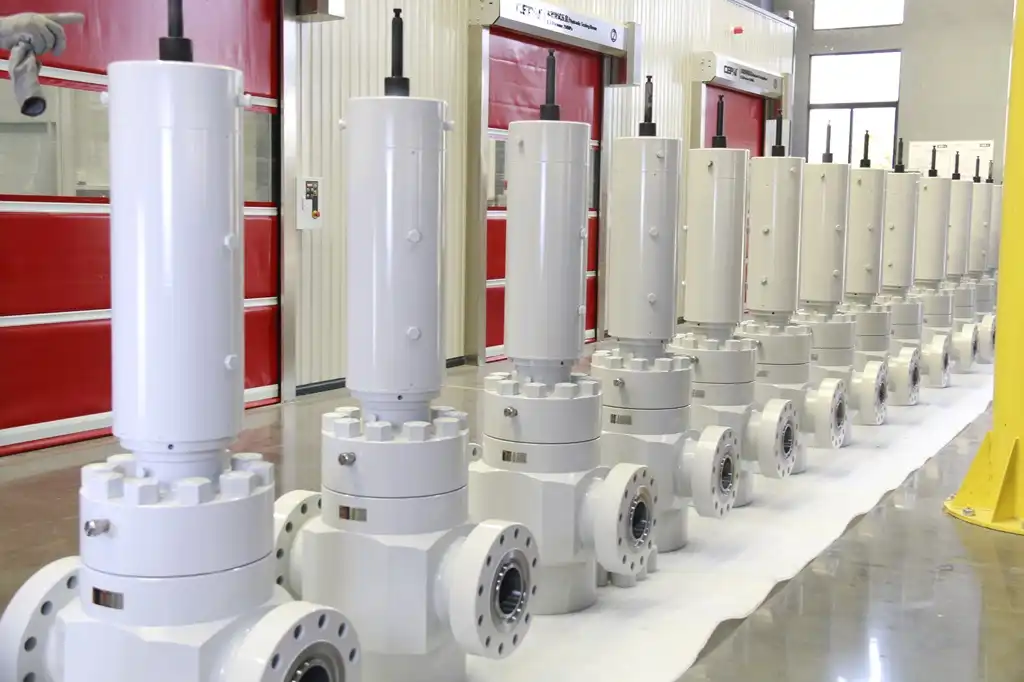
Chemical compatibility testing for industrial valve makes sure that the valve will work with the fluids and chemicals that are normally found in the workplace. For sour gas uses, corrosive injection fluids, or specialty finishing chemicals, this testing is even more important.
Environmental testing mimics the difficult conditions that can happen on offshore sites, in the arctic, or in the desert, where temperature changes, high humidity, and corrosion from the air can speed up the breakdown of equipment.
Third-Party Inspection and Independent Verification
Independent third-party review is a fair way to make sure that the quality of the valves meets the standards. During these exams, trained inspectors usually watch the testing process, check the paperwork, and give their own opinion on the valve's ability to perform.
Third-party proof gives manufacturers' claims about quality more weight and gives you more confidence that the valve you buy meets all the requirements. This kind of outside supervision is especially helpful in important situations where broken tools could cause safety problems or major working problems.
How to Effectively Communicate and Negotiate Quality Requirements with Valve Manufacturers?
To buy valves successfully, you need to be clear about the quality standards you want and be able to negotiate strategically to make sure that performance needs are met while also staying within the limits of the project.
Developing Comprehensive Quality Specification Checklists
By making clear quality specification checklists, you can make sure that everyone involved knows what the expected performance parameters and testing needs are. Specific working conditions, performance goals, documentation needs, and acceptance standards should all be on these lists.
On your standard list, you should include working factors like pressure and temperature ranges, needs for fluid compatibility, expected cycling, and environmental conditions. The testing needs should list the standards that apply, the witnesses that are needed, and the deliverables for the paperwork.
Balancing Quality Assurance with Project Economics
The standards for quality assurance must be in line with the project's schedule and budget, while still leaving enough room for error and ensuring reliable performance. To find this balance, you need to carefully consider which quality checks will give you the most value for your application.
Risk-based methods help prioritize quality investments by putting resources on the performance factors that matter the most and lowering costs for applications that don't matter as much. This method makes sure that your budget for quality assurance gets the most for its money while still meeting all safety and performance standards.
Building Strategic Partnerships with Certified Suppliers
Building long-term relationships with well-known valve makers has many benefits, such as better price, faster timing, and more help with technical issues. Because of these connections, you can work together to create unique solutions that perfectly meet your business needs.
When you work with makers who have a lot of certifications and a history of doing good work, you lower the risk of buying something and speed up the approval process for future projects. These partnerships often lead to better product quality, faster arrival times, and better customer service after the sale.
Conclusion
For important oil and gas uses, getting industrial valve that have been through thorough quality testing and documentation verification is necessary. By learning about the different testing methods, licensing requirements, and documentation standards, you can make smart choices that combine project limits with performance needs. Putting money into good quality control during the buying process pays off over the life of the tools in the form of higher safety performance, lower upkeep costs, and more reliable operations. Long-term value is created by forming smart partnerships with qualified valve makers who consistently produce high-quality goods. This value goes beyond individual purchases.
FAQ
What are the most important tests to request for wellhead valve applications?
For wellhead valve uses, you need to test the hydrostatic pressure up to 1.5 times the working pressure, make sure the valve meets API 6A standards for compliance, test the seat for leaks according to API standards, and get the material certified for sour service compatibility. For important wellhead uses, temperature cycling tests and operating durability tests that are run in a simulated field environment give extra confidence.
How can I verify that valve materials are suitable for sour gas service?
For sour gas service, materials must be certified to show that they meet NACE standards for sulfur stress cracking protection. Ask for Material Test Reports that show the chemicals used, records of the heat treatment, and NACE testing findings. Also, you should get proof that the welding process and materials used meet NACE guidelines for sour service uses.
What documentation should I expect from a good valve manufacturer?
Material Test Reports, dimensional inspection certificates, pressure test records, API certification papers, quality management system certificates, and full guarantee paperwork are all things that qualified makers provide. You can also expect clear advice on how to put the parts together, how to maintain them, and how to find spare parts for ongoing operating support.
Partner with CEPAI for Superior Industrial Valve Solutions
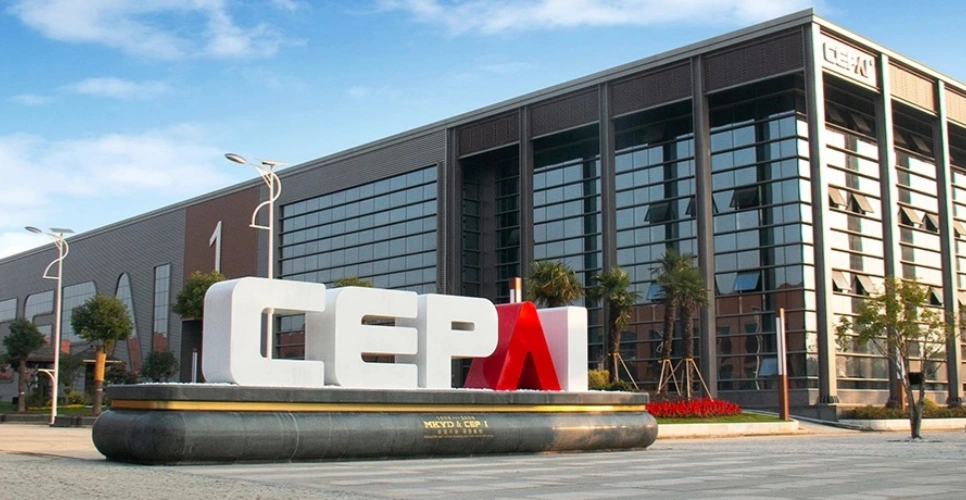
CEPAI offers the best industrial valve solutions, backed by a full set of API certifications and strict quality control measures that go above and beyond what the industry requires. Our long list of certifications, which includes API Q1, API 6A, API 6D, and ISO 9001, shows that we are dedicated to producing high-quality products and keeping our operations running smoothly. As a well-known provider of industrial valves, we offer full testing documentation, third-party verification, and full expert help throughout the entire lifecycle of your project. Email our engineering team at cepai@cepai.com to talk about your unique valve needs and find out how our proven manufacturing skills can help your most important processes.

References
American Petroleum Institute, "API Specification 6A: Wellhead and Christmas Tree Equipment," 21st Edition, American Petroleum Institute Standards Department, 2018.
International Organization for Standardization, "ISO 14723: Petroleum and Natural Gas Industries - Pipeline Transportation Systems - Pipeline Valves," ISO Technical Committee 67, 2019.
NACE International, "Material Requirements for Sulfide Stress Cracking Resistant Metallic Materials for Oilfield Equipment," NACE Standard MR0175/ISO 15156, 2017.
American Society of Mechanical Engineers, "ASME B16.34: Valves - Flanged, Threaded, and Welding End," ASME Standards Committee B16, 2020.
Det Norske Veritas, "Recommended Practice DNV-RP-A203: Technology Qualification," DNV GL Technical Standards, 2019.
American Petroleum Institute, "API Standard 598: Valve Inspection and Testing," 10th Edition, American Petroleum Institute Downstream Segment, 2016.
_1746598525968.webp)
Get professional pre-sales technical consultation and valve selection services, customized solution services.
About CEPAI