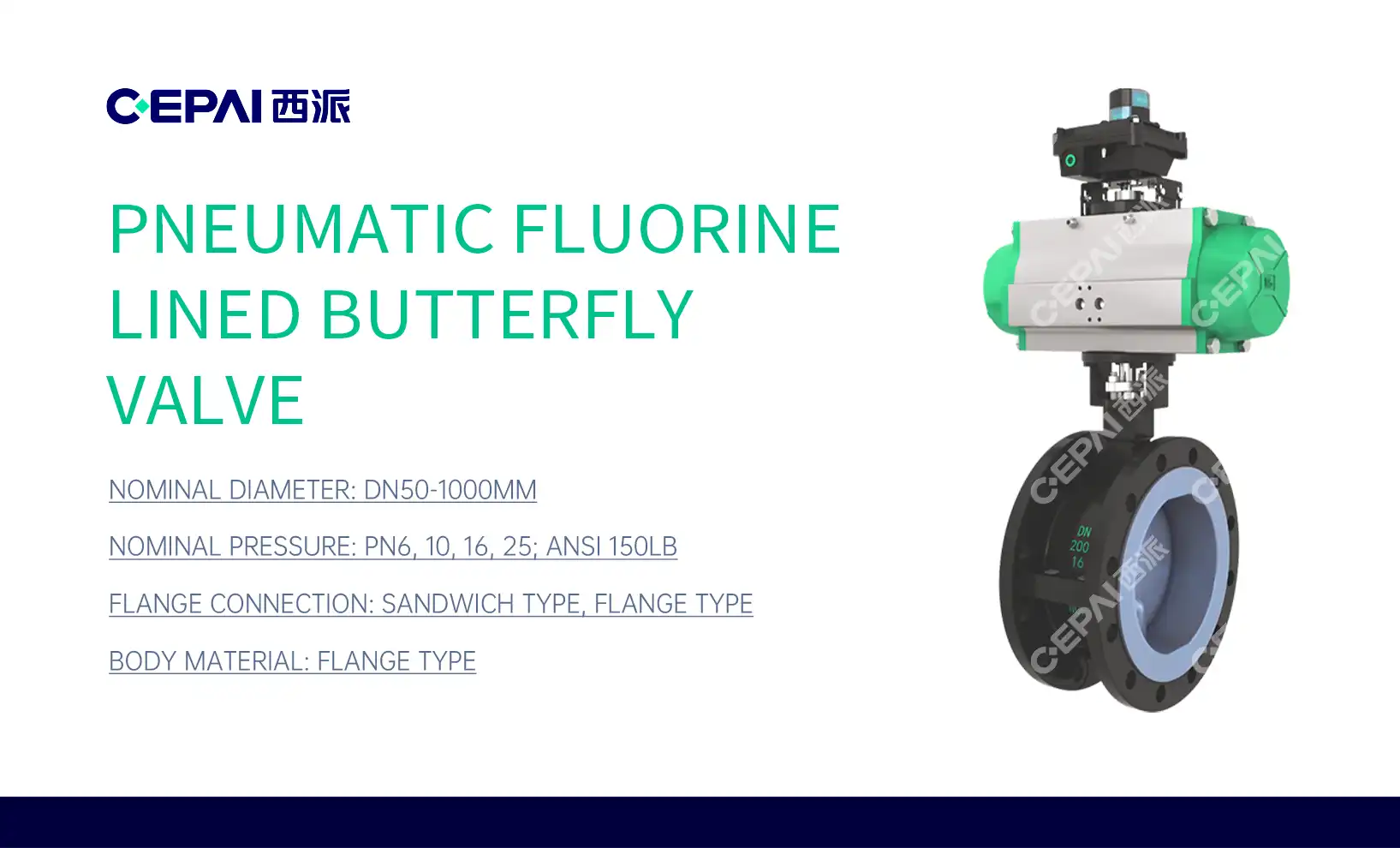
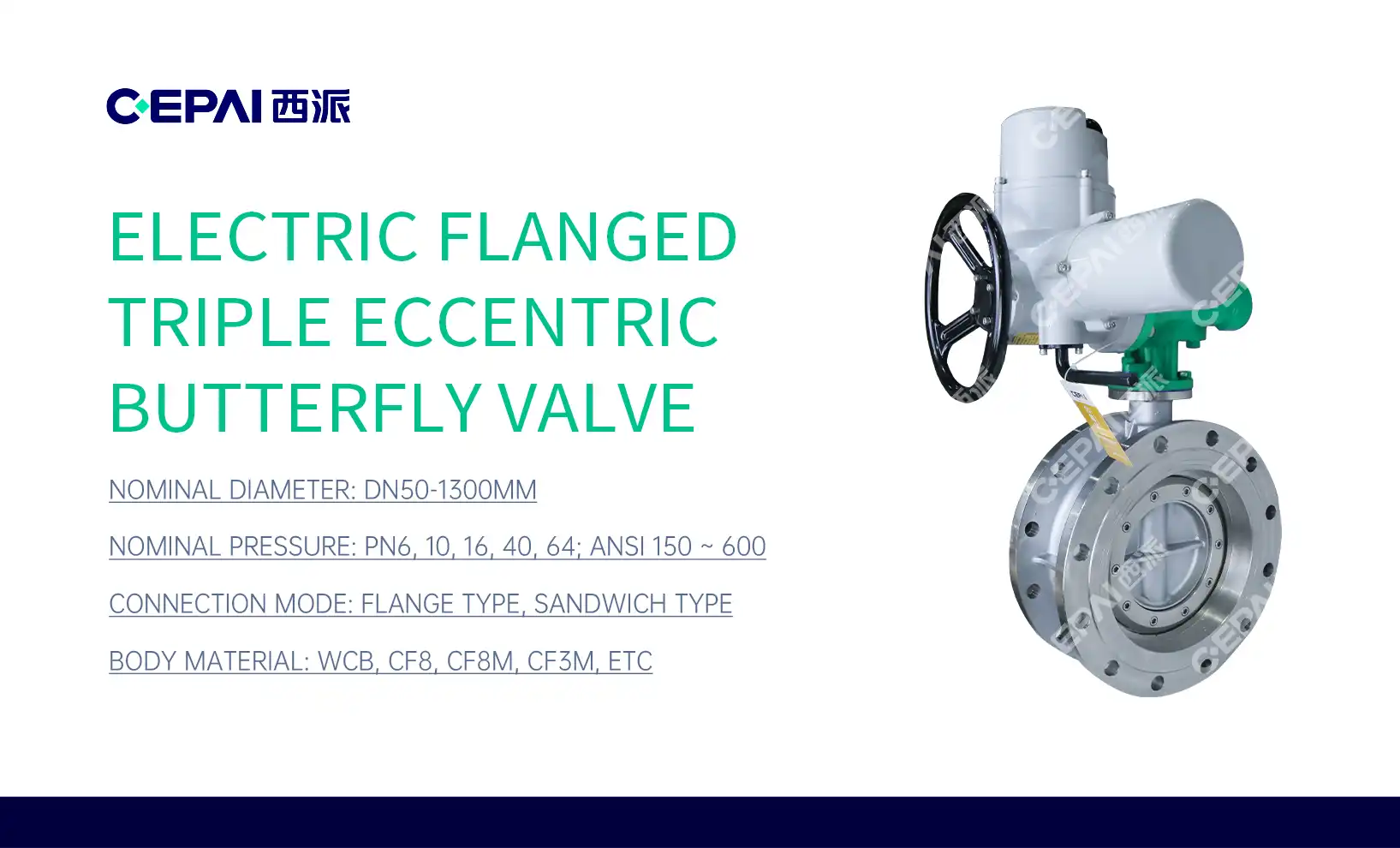
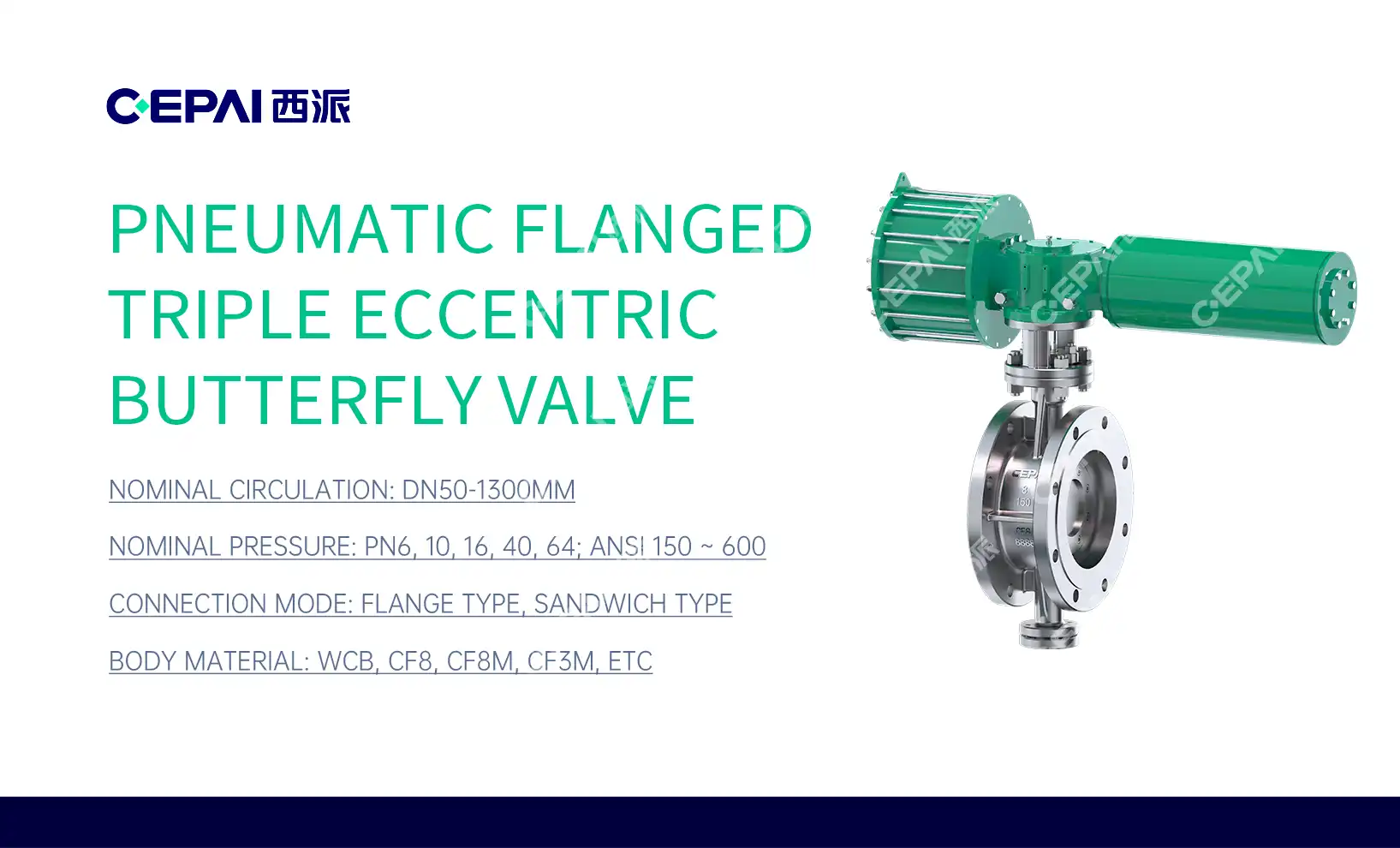
Best Stainless Steel Ball Valve For Corrosive Media
When professionals are looking for the best stainless steel ball valve for use with acidic media, they always suggest valves made from 316 or 316L stainless steel because they are so resistant to hard chemicals and working conditions. These precision-engineered flow control devices can be turned a quarter of the way around and are built to last against acids, alkalis, and other toxic substances that are common in oil and gas, petrochemical, and chemical processing operations. The best option combines high-quality metals with tried-and-true closing technology to make sure they work reliably in tough situations.

Understanding Stainless Steel Ball Valves for Corrosive Media
Precision-engineered flow control solutions made of stainless steel ball valves are made to work in the toughest industrial settings where corrosive media offers major operating risks. These valves use a rounded ball mechanism with a through-hole that turns inside the valve body to control the flow of fluid. They can be used reliably with a quarter-turn for precise flow control.
Material Science Behind Corrosion Resistance
The advanced mechanical makeup of these valves is what makes them work so well. Grade 316 stainless steel has molybdenum added to it, which makes it much more resistant to acid and chloride corrosion. On the other hand, 304 stainless steel is great for general-purpose corrosion protection in less active settings. The chromium in both metals creates an oxide layer that protects and heals itself when injured, guaranteeing long-term durability.
Critical Design Features for Harsh Environments
There are a few design features on modern stainless steel ball valves that make them better for use in toxic environments. The ball and stem assembly is usually made of fire-safe materials and can seal metal to metal. The seats are made of PTFE or strengthened rubber, which makes them chemically compatible with a variety of media types. Anti-static devices keep electricity from building up during operation, and a stem design that won't blow out makes sure that operation is safe even when pressure is high.
Types and Specifications of Stainless Steel Ball Valves for Corrosive Media
When choosing the right valve configurations for stainless steel ball valve, you need to carefully think about the installation and operating factors. Because there are so many styles to choose from, they can be perfectly matched to the needs of each application while still working at their best in corrosive settings.
Configuration Options and Their Applications
Full bore ball valves let unlimited flow through, which lowers pressure drop and smooths out flow, making them perfect for uses that need the most efficient flow. Standard bore designs are cost-effective when small flow limits are okay, while reduced bore designs give you better control over velocity for certain process needs. Three-piece designs make it possible to do repair on the valve in the field without taking it out of the pipeline. Two-piece designs, on the other hand, make installation easier and cut down on leak tracks.
Material Grade Selection Criteria
Which grade of stainless steel to use (316 or 304) depends on the type of media and how it will be used. Because it contains molybdenum, Grade 316 works better with chlorinated chemicals, acids, and saltwater conditions. Grade 304 works well with weak acids, alkaline solutions, and most industry fluids, and it doesn't cost as much. Duplex stainless steels are stronger and don't react with chlorides as easily, so they can be used in harsh circumstances.
Pressure and Temperature Ratings
With pressure ratings that run from 150 to 2500 PSI based on size and construction, these valves can be used in a lot of different situations. The temperature ranges from cold use at -196°C to high-temperature service at 232°C, but the exact numbers depend on the seat material and body design. Knowing these limits will help you make the right choice for the service conditions you want to use it in.
Evaluating Stainless Steel Ball Valves: Comparison with Other Materials
When purchasing managers look at flow control options for toxic settings, the choice of material has a big effect on how well the system works in the long run and how much it costs to own. Stainless steel ball valves always work better than valves made of other materials in tough situations.
Performance Advantages Over Traditional Materials
Brass valves work fine for normal plumbing tasks, but they aren't chemically resistant enough for harsh industrial media. Since no-lead brass rules were put in place, the cost benefits that brass construction used to have have become even smaller. This has made stainless steel more competitive. Plastic valves can work with certain chemicals, but they can't handle the high temperatures and pressures that are common in industrial processes.
Operational Benefits in Corrosive Service
The building of stainless steel ball valve makes it very durable, which means that it will last longer between services and cost less to maintain. The material is naturally strong, so it can be used at higher pressures without losing its shape. It is also temperature stable, so it works the same way in all kinds of process conditions. Because of these features, the total cost of ownership is cheaper, even if the original investment costs are higher.
Design Flexibility and Customization
Unlike many other materials, stainless steel lets you make a lot of changes, such as using different trim materials, better sealing systems, and automatic actuator packages. Because of this, engineers can make the best valve standards for each process while still keeping the basic corrosion resistance qualities that are needed for stable operation.
Procurement Guide: Getting the Best Stainless Steel Ball Valves for Corrosive Media
To buy stainless steel ball valves for corrosive uses, you need to know how to choose the right provider and what their key selection factors are. Strategic methods to buying can have a big effect on both the short-term success of a project and its long-term operating performance.
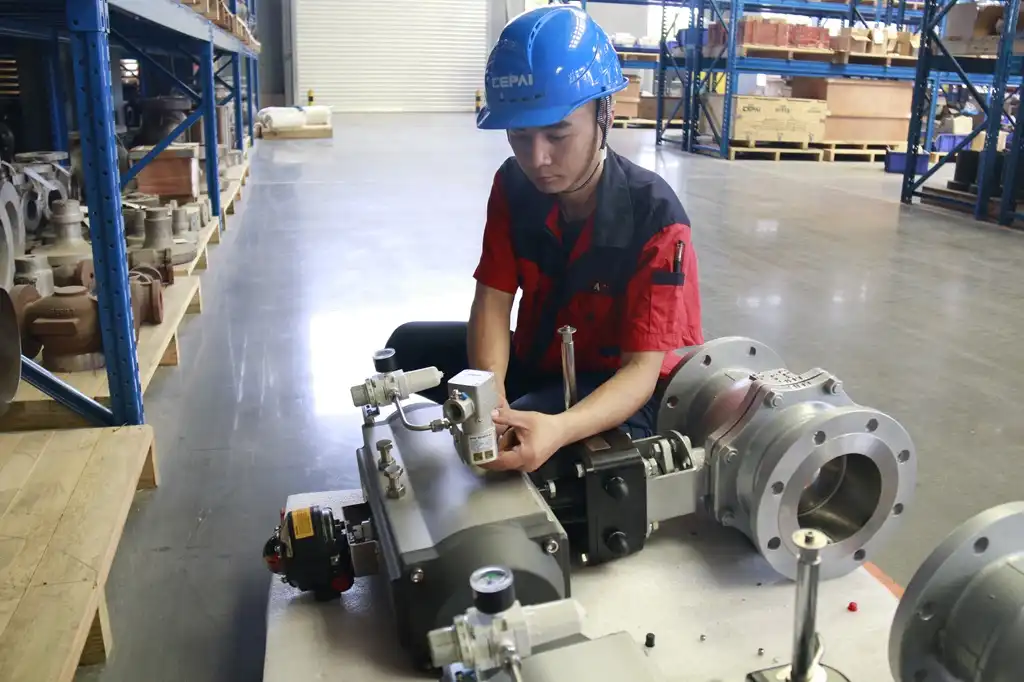
Supplier Evaluation and Certification Requirements
Reputable companies have full quality control systems that are approved to ISO 9001 standards. They also have other certifications, like API 6D for pipeline service and API 598 for valve testing processes. These approvals make sure that the production process is always the same and that the products work as expected. Additionally, companies that offer API Q1 certification have better quality systems that are made for oil and gas uses.
Technical Specifications and Testing Protocols
Checking material certificates, pressure testing records, and measurement compliance reports for stainless steel ball valve are all part of proper buying. Hydrostatic testing at 1.5 times working pressure checks the structure for strength, and seat leaking testing makes sure the seals work. Material tracking paperwork makes sure that the alloy is made correctly and that the right heat treatment steps are taken.
Cost Optimization Strategies
When you know what causes costs to go up or down, you can make smart choices about buying that balance performance needs with budget limits. Pricing is affected by the type of material used, the amount of automation, and the number of items ordered. Standardizing on certain designs can help with economies of scale. Lead time planning lets delivery plans be optimized without affecting project deadlines.
Maintenance and Long-Term Performance Optimization of Stainless Steel Ball Valves
Using thorough repair plans helps make sure that things work well and last as long as possible in places where corrosion is common. Preventative maintenance methods greatly lower unexpected downtime and increase the time between major overhauls that equipment can be used.
Preventive Maintenance Protocols
As part of regular inspections, the outside should be looked at for signs of rust, flaking, or mechanical damage. During planned shutdowns, internal inspections can check the state of the seat wear, the ball surface, and the stem packing. Maintenance on an actuator includes greasing the gear trains and checking the power settings to make sure they work right.
Performance Monitoring and Troubleshooting
Early detection of performance degradation enables timely intervention before complete failure occurs. Key signs include higher working torque, leakage from the outside, and leakage from the seat while testing. By tracking these factors over time, you can find the best maintenance times and spot possible problems before they affect the way the process works.
Lifecycle Management Considerations
When replacing valves, strategic planning takes into account things like how the process changes, how technology gets better, and how government rules change. Keeping extra parts on hand for important uses makes it possible to fix things quickly, and sticking to certain valve designs makes upkeep easier and cuts down on the need for inventory.
Conclusion
To choose the best stainless steel ball valve for use with acidic media, you need to carefully look at the material's properties, the design features, and the application's needs. Grade 316 stainless steel is better at resisting rust in harsh settings, and the right size and shape will ensure the best performance. For procurement to go well, you need to work with certified makers who know what the industry needs and can give you full expert help. If you choose, install, and take care of these valves correctly, they will work reliably in even the most demanding acidic situations and will be a great investment in the long run.
FAQ
What makes stainless steel ball valves suitable for corrosive media applications?
Because they contain chromium, which makes an oxide layer that protects against chemical attack, stainless steel ball valves work well in corrosive settings. Grade 316 stainless steel has molybdenum added to it to make it more resistant to salt. This makes it perfect for use with acids, alkalis, and harsh industrial chemicals.
How do I determine the correct material grade for my specific corrosive media?
The chemicals, concentrations, temps, and forces involved determine which materials should be used. When it comes to chlorinated chemicals and acids, grade 316 works better, while grade 304 is better for mildly acidic conditions. Look at pictures that show how chemicals react with each other and think about testing materials for important uses.
Are automated stainless steel ball valves reliable in corrosive environments?
When properly designed with the right actuator materials and environmental safety, automated stainless steel ball valves are very reliable. Electric and pneumatic valves can have coatings and casings that don't rust and are suitable for use in tough industrial settings.
What certifications should I look for when procuring these valves?
Some important certificates are API 6D for pipeline use, ISO 15848 for fugitive pollution, and NACE MR0175 for sour service conditions. In some cases, hydrocarbon uses may need fire-safe approval according to API 607. For pressure testing, API 598 rules should be followed.
Contact CEPAI for Premium Stainless Steel Ball Valve Solutions
Our stainless steel ball valves are the best on the market and are designed to work with acidic media in oil and gas operations. Our wide range of products includes API-certified valves that are made to the highest quality standards and are backed by ISO 9001 and other industry certifications. As a reliable company that makes stainless steel ball valves, we use advanced metals and precise engineering to make sure that our products work well in the toughest situations. Get in touch with our technical experts at cepai@cepai.com to talk about your unique needs and find out how our corrosion-resistant valve options can help your business run more smoothly and safely.

References
American Petroleum Institute. "API Standard 6D: Specification for Pipeline and Piping Valves." 24th Edition, American Petroleum Institute, 2014.
NACE International. "Materials Requirements for Sulfide Stress Cracking Resistant Metallic Materials for Oilfield Equipment." NACE MR0175/ISO 15156, NACE International, 2021.
International Organization for Standardization. "Measurement, Control and Laboratory Use - Guidelines for Selection and Use of Corrosion-Resistant Materials." ISO 15156-3:2020, ISO, 2020.
Valve Manufacturers Association. "Standard Practices for Corrosion Testing of Valves." VMA Standard VP-1001-2019, Valve Manufacturers Association, 2019.
Materials Technology Institute. "Guidelines for Materials Selection and Corrosion Control in Oil and Gas Production." MTI Publication No. 55, Materials Technology Institute, 2018.
Energy Institute. "Guidelines for the Design and Operation of Oil and Gas Facilities in Corrosive Environments." Energy Institute Guidelines EI-15, Energy Institute, 2020.
_1746598525968.webp)
Get professional pre-sales technical consultation and valve selection services, customized solution services.
About CEPAI