Best Control Valve For Automated Flow Regulation
If you want to find the best control valve for regulating flow automatically, you should look for equipment that is accurate, reliable, and works well with current control systems. A control valve is an important link between fluid flow and process control systems. It lets changes be made in real time to keep things running at their best. The best automatic control valves have both advanced actuator technology and strong valve body construction. They can offer linear or equal percentage flow features that are right for each application. These devices need to work the same way even when the temperature and pressure change, and they also need to be able to shut off quickly and accurately.

Understanding Control Valves and Their Role in Automated Flow Regulation
Control valves are the most important part of modern industrial automation. They react to electrical signals from control systems to control the flow of fluids. These mechanical parts turn electrical or pneumatic control signals into exact moves of the body. This lets complex industrial processes automatically change fluid flow rates, pressure levels, and temperature controls.
Fundamental Working Principles of Control Valves
Controlled restriction of flow passage places is the fundamental idea behind the working of automatic control valves. When a control system sees that conditions aren't being met, it sends corrective signals to the valve actuator. The actuator then moves the valve trim elements to change the effective flow area, which has a direct effect on the flow rate of fluid through the system.
Modern control valve systems are made up of several important parts that work together. The flow path is inside the valve body, which also keeps the structure strong when there is a lot of pressure. The actuator takes control signals and turns them into mechanical motion. Positioners improve precision by telling the actuator where the valve is actually located. The standard setup has been changed by smart valve technology, which uses digital communication methods to allow real-time diagnostics and planned repair.
Key Components and Their Functions
You can get the valve actuator in gas, electric, or hydraulic forms. It is the control valve assembly's strength. Due to their quick response times and built-in fail-safe features, pneumatic valves are the most common type used in industry. Electric actuators are very accurate and don't need compressed air systems, which makes them perfect for places that are hard to reach or that need exact setting.
Positioners are smart devices that connect control systems to valve actuators. These gadgets check the positions of the valves against the control signals they receive and make small changes to get rid of any positioning mistakes. Advanced positioners have diagnostic features that keep an eye on valve performance factors all the time and let workers know when repair might be needed before problems happen.
Types of Control Valves in Automation
Globe valves, as a type of control valve, are great for situations where exact flow control and tight shut-off are needed. Because they move in a straight line, they are great at slowing, which means they can be used for services that lower pressure and change the flow. When flow goes through globe valves, there are bigger drops in pressure than with other designs, but this is often a good thing because it makes the control more stable.
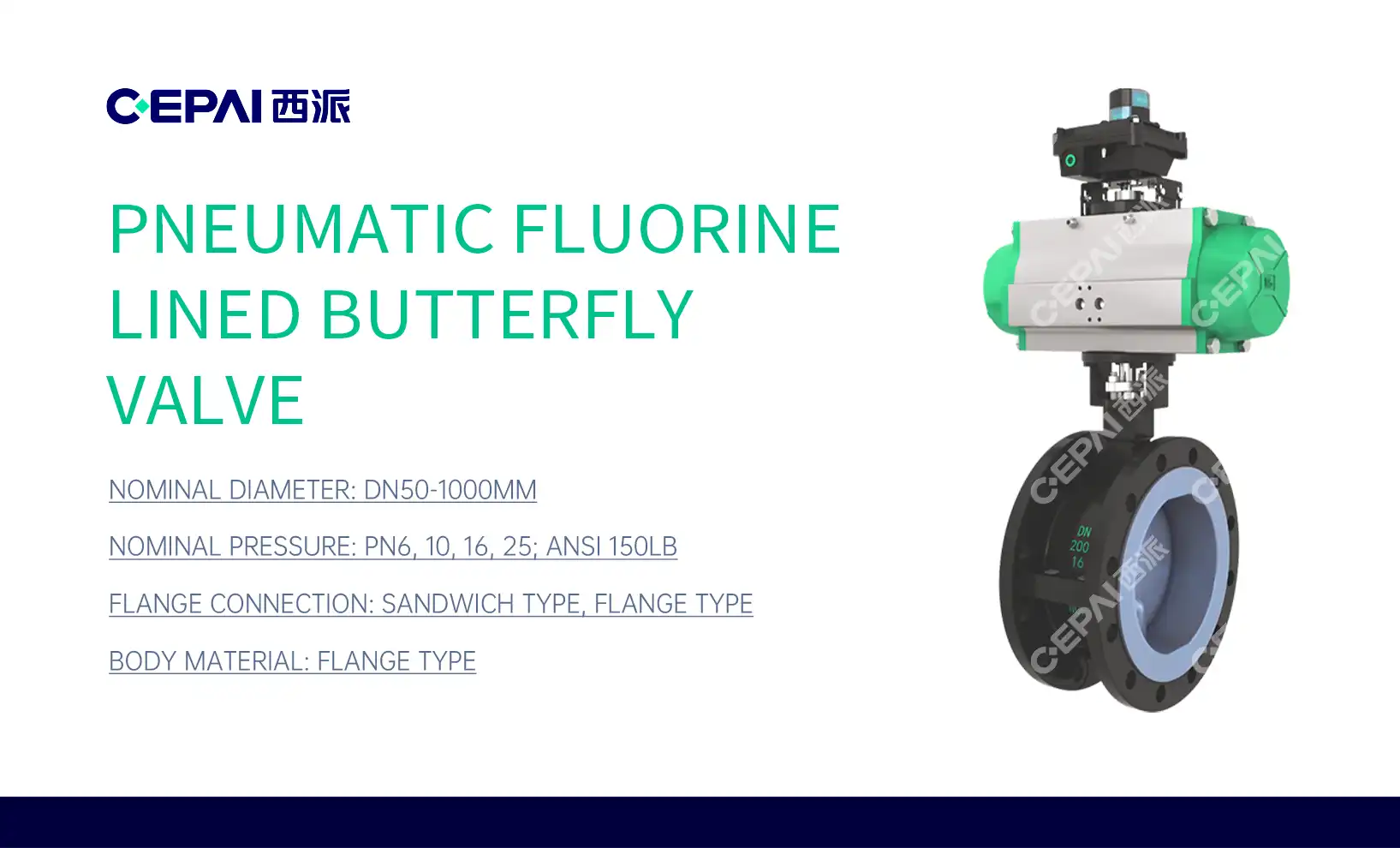
In situations where room and weight are very important, butterfly valves are a cost-effective way to handle big diameters. While these quarter-turn valves are quick to use and have a high flow capacity, they are not as precise to control as globe valves. These days, high-performance butterfly valves have improved disc and seat shapes that make them much easier to handle.
Ball valves are becoming more common in automatic systems because they are easy to maintain and can shut off very well. Traditional ball valves were mostly used as on-off switches, but current characterized ball valves work well enough for many control tasks. They are especially good for jobs that use abrasive or acidic materials because they are well-built and close well.
Comparison of Control Valve Types for Automated Flow Regulation
Understanding the unique performance traits and practical benefits of each style of control valve is important for choosing the best one for automated flow regulation applications. This comparison of the most common types of valves will help buying workers make smart choices based on the needs of their systems.
Globe Valve Performance Characteristics
When it comes to controlling flow, globe valves are the most precise. They have linear flow features that make their performance reliable across their entire working range. Because of how they are made, the flow path is naturally curved, which gives them high pressure recovery and great rangeability. Because of this, globe valves are great for services that lower pressure and jobs that need to make small changes to the flow.
Globe valves are easier to maintain because their internal parts are easy to get to and they are simple to fix. Most of the time, replacing valve trim can be done without taking the whole valve body out of the stream. This cuts down on repair costs and downtime. However, their higher pressure drop properties may need careful thought in uses that need to save energy.
Butterfly Valve Advantages and Limitations
Butterfly valves work great in situations where they need to be used quickly and with little pressure drop across them. The small size and light weight of these fittings make them perfect for large-diameter pipes where weight and room are limited. Today's butterfly valves are very good at controlling things because they use improved disc designs and precise actuator integration.
Butterfly valves have some problems, like being less accurate at low flow rates and possibly having cavitation problems in high-pressure drop situations. Their control features usually behave like an equal number, which might not work for all process needs. In the right situations, though, their low cost and high flow rate often make up for these problems.
Electric vs. Pneumatic Actuator Technologies
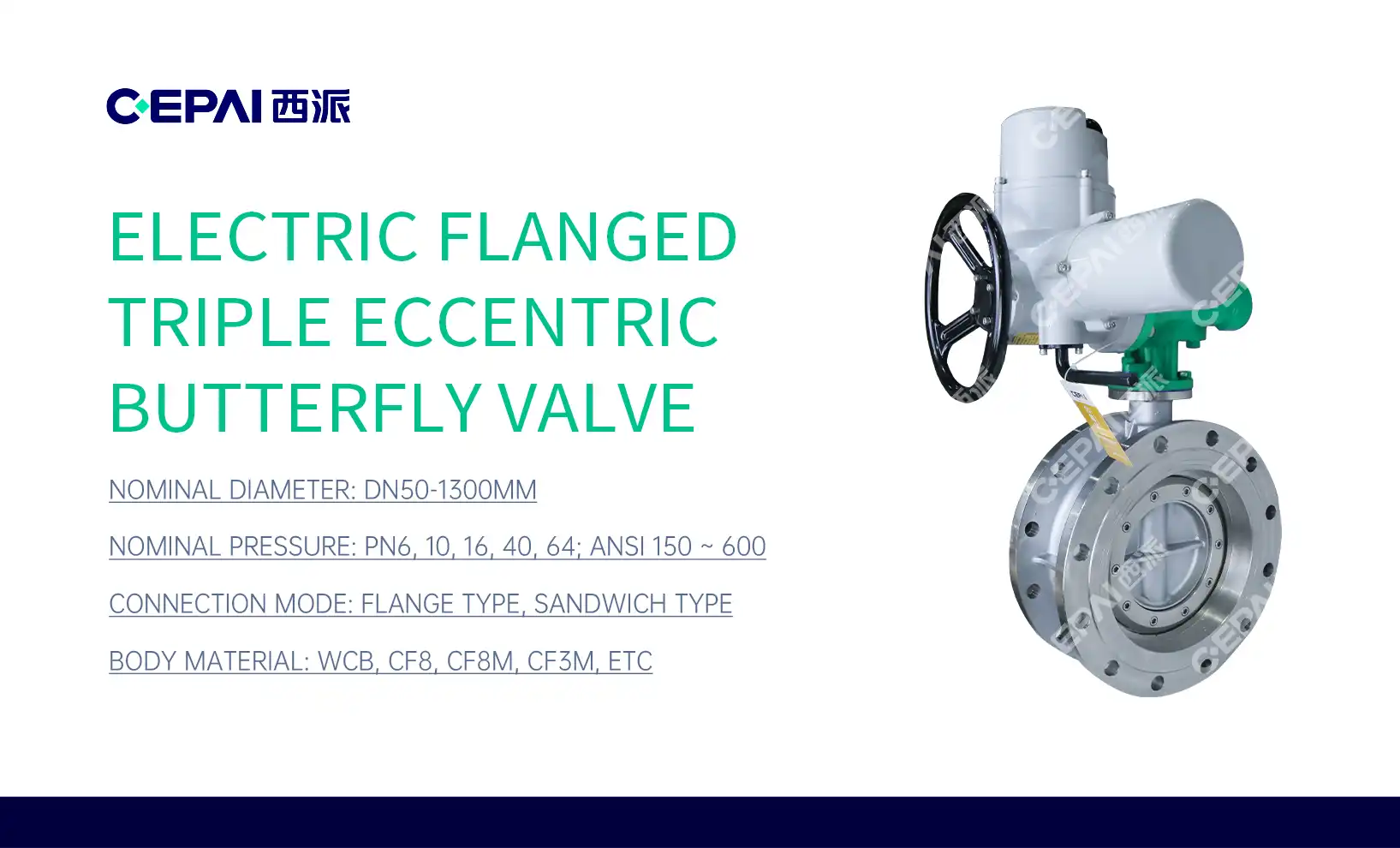
The setting accuracy of electric motors for control valve is better, and they don't need the infrastructure that compressed air systems do. Because they can stay in place when the power goes out and make exact incremental movements, they are perfect for important control applications. Modern electric controls use more modern motor technologies that make them more responsive and use less power.
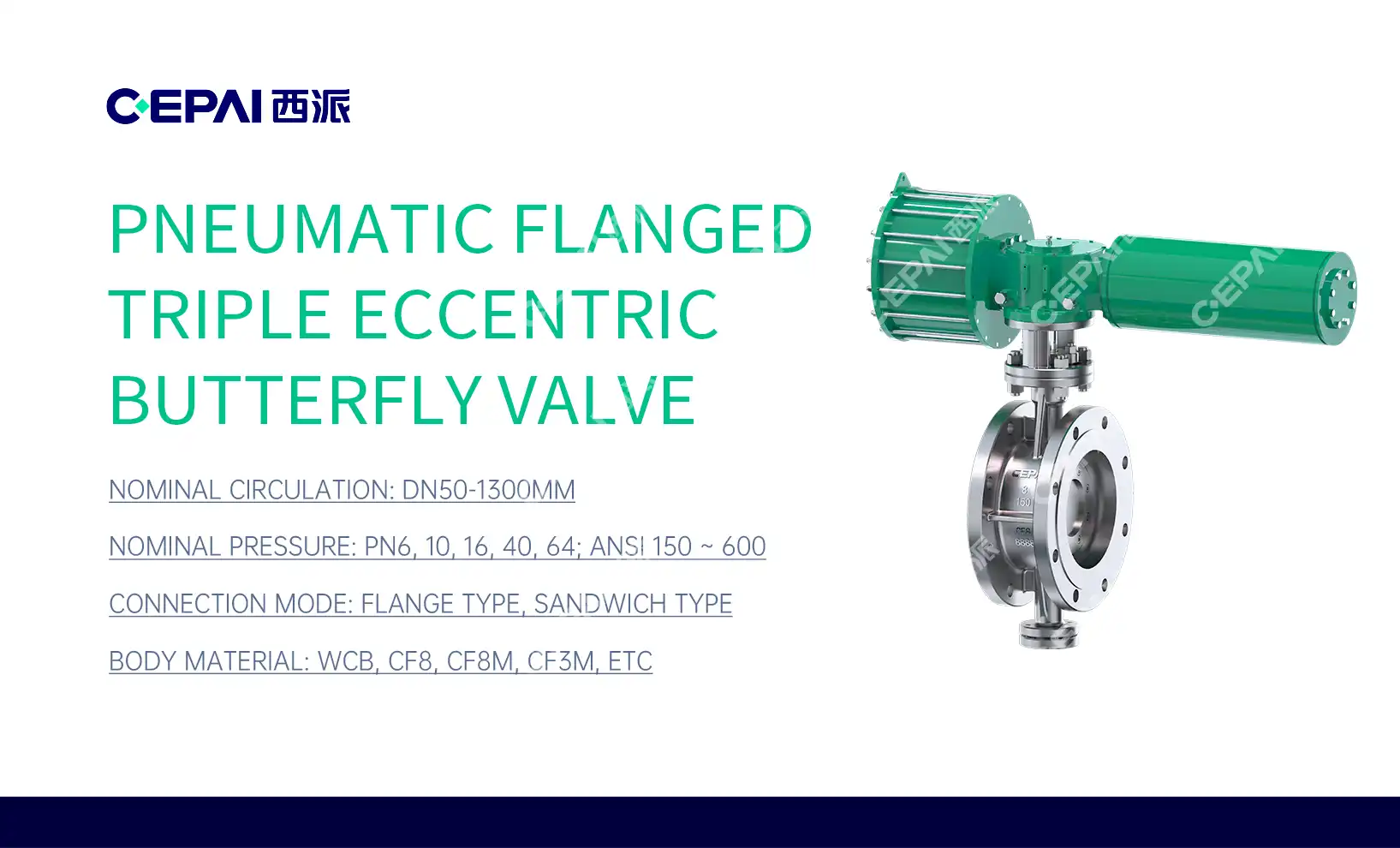
Pneumatic actuators have many great benefits, such as quick response times, high force output, and fail-safe operation built right in. Because they are so simple, they need less upkeep and work very well in harsh industrial settings. Often, the choice between electric and pneumatic action is based on the needs of the product, the services that are available, and safety concerns.
Integration of Smart Positioners
Smart positioners are a big step forward in control valve technology because they improve precision, troubleshooting tools, and communication features. These smart devices keep an eye on the performance factors of the valves all the time. They can find problems like actuator issues, stuck valves, or process changes before they affect the system's performance.
Because smart positioners can diagnose problems, they can be used to plan preventative maintenance that cuts down on unplanned downtime and increases the life of valves. Through metrics like travel deviation, actuator pressure, and reaction times, they give useful information about the health of the valve. This information lets maintenance teams plan fixes for planned outages instead of having to deal with breakdowns that happen out of the blue.
How to Choose the Best Control Valve for Your Automated Flow Regulation System?
To choose the best control valve for automated flow regulation, you need to carefully look at the process factors, performance needs, and long-term operating goals. During the decision process, there are a number of technical factors that have a direct effect on the performance, reliability, and lifetime costs of the system.
Flow Dynamics and Sizing Considerations
The right size of valve is essential for using control valves correctly, as it has a direct effect on both control performance and energy economy. The first step in the sizing process is to accurately figure out how much flow is needed at standard and highest flow rates. Engineers have to think about the flow coefficient (Cv) needs of the valve and how the system might change over the valve's working life.
Another important thing to think about is the flow speed through the valve. Flow speeds that are too high can cause erosion, cavitation, or noise problems. Industry rules say that speeds should stay below certain limits that are based on the qualities of the fluid and the materials of the valves. It is important to think about the link between valve capacity and control range when choosing the right size. This makes sure that there is enough control resolution across the expected working range.
Pressure and Temperature Requirements
The operating pressure and temperature for a control valve have a big effect on the choice of valve design and material requirements. For high-pressure uses, valve bodies and actuator systems need to be strong enough to provide enough closing forces. Temperature affects not only the choice of material, but also the performance of the actuator and the accuracy of the setting.
It is important to carefully check the pressure drop across the control valve to avoid cavitation or flashing, which can damage valve parts and cause practical problems. Different types of valves have very different ways of recovering pressure, which affects which ones are best for certain jobs. When engineers set pressure values, they have to think about both normal working conditions and possible upset scenarios.
Material Compatibility and Environmental Factors
In automatic flow regulation uses, the choice of material has a direct effect on how well the valve works, how reliable it is, and how long it lasts. Corrosion protection needs depend on the type of fluid, its temperature, and the pressure that it is under during its expected service life. Stainless steel types work well for most applications, but in places where corrosion is a problem, you may need a different metal.
Both valve body and actuator choices are affected by things in the environment, like changes in temperature, shaking, and being in corrosive atmospheres. Actuator enclosures need to offer the right amount of security for the installation area to make sure they work reliably in all circumstances. For sites that are outside or in dangerous areas, extra care may need to be taken.
Sector-Specific Requirements and Customization
Different types of industries have different rules about how to choose and specify control valves. API compliance, fire safety approval, and fugitive emissions tests are common requirements for oil and gas uses. In places where chemicals are processed, certain materials may need special approvals and cleaning methods to keep them from getting contaminated.
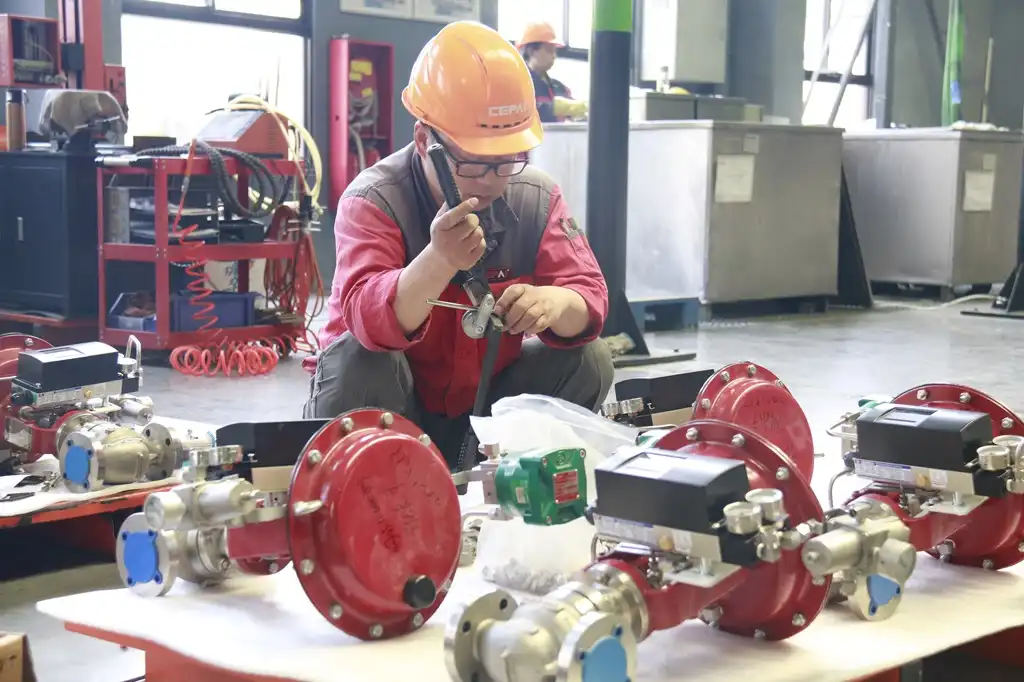
With customization choices, valve makers can make designs that work best for certain uses, which could lead to better performance at a lower cost. Some of these changes could be custom trim designs for cavitating services, actuator configurations that meet specific power needs, or the addition of instruments to improve process tracking. When you work with experienced makers, you can get access to engineering knowledge that can help you find the best answers for tough problems.
Maintenance, Troubleshooting, and Common Challenges in Automated Control Valves
For automated flow regulation systems to get the most out of their control valves and have the least amount of unexpected downtime, they need to have good repair plans and quick ways to fix problems. Knowing the most common ways that valves fail and doing preventative maintenance can make them last a lot longer while still letting the control work perfectly.
Systematic Maintenance Routines and Best Practices
To get the most out of preventive maintenance plans for automatic control valves, they should include both time-based and condition-based parts. Visual checks done on a regular basis can find external problems like leaking actuators, loose connections, or rust early on, before they get worse. As part of these checks, the correct placement of the valves and their reaction to control signals should be confirmed.
Verification of the calibration for a control valve is an important part of care that makes sure the valves stay in the right place. In this step, the real positions of the valves are compared to the control signals across the whole working range. This is done to find any drift or nonlinearity that could affect the performance of the control. Many of these tests can be done automatically by advanced diagnosis tools that also give thorough performance data for analyzing trends.
When replacing wear parts like packing, seals, and valve trim, you should follow the manufacturer's instructions and think about how the machine is actually being used. In harsh service settings, parts may need to be replaced more often, while in clean service environments, parts may last longer than what is normally recommended. Keeping enough extra parts on hand makes sure that service is quickly restored after repair.
Common Valve Issues and Diagnostic Techniques
One of the most common problems with automatic control valves is that the valve sticks. This can happen because of process buildup, rust, or not enough actuator force. Some ways to diagnose problems are to watch the reaction times of the valves, look at the relationships between the control signal and the position, and look at the pressure patterns of the actuators. Smart positioners can automatically find and measure sticking issues, so they can be fixed quickly before they badly affect movement.
There are two types of leakage problems: internal and external. Each type needs a different way to be diagnosed and fixed. Internal leakage makes it harder to control the process and use energy efficiently. External leakage, on the other hand, is dangerous and bad for the environment. Acoustic testing can find and measure internal leaks without having to shut down the system. This makes condition-based repair plans possible.
Actuator faults include a wide range of problems, such as losing the ability to accurately place, responding slowly, or not working at all. Problems with pneumatic actuators are usually caused by bad air supplies, while problems with electric actuators are usually caused by motor or gears parts. Systematic fixing steps help find problems quickly, so the system is down for less time while fixes are being made.
Calibration Standards and Performance Optimization
When calibrating automated control valves, the steps must follow set industry norms and also be able to adapt to the needs of the application. The calibration process makes sure that the position of the valves correctly matches the control signals across the entire working range. This makes sure that the controls work at their best. Digital positioners make this process easier by automatically calibrating themselves so that no changes need to be made by hand.
Performance optimization is more than just basic calibration. It also involves fine-tuning control factors like deadband settings and reaction speed. These changes can make the control much more stable while also lowering the wear on the actuators caused by too much movement. Advanced positioners have many setting choices that can be used to get the best results for each process and set of control goals.
Keeping records of testing results and maintenance tasks is a good way to help performance tracking and planned maintenance programs. This information helps find trends of slow decline that could mean problems are starting to form, which allows for preventative maintenance before they happen. Regularly looking at this info can also show you ways to make things work better or get better parts.
Conclusion
It's important to think about technical needs, practical goals, and long-term lifecycle factors when choosing the best control valves for automatic flow regulation. Modern control valve technology has advanced motor systems, smart positioners, and built-in tools that make it more precise, reliable, and smart than ever before. Success depends on matching the right valve features to the right application needs and putting in place full care plans that get the most out of the valves' performance and service life.
FAQ
What factors determine the best control valve for automated applications?
The best control valve to use relies on a number of important factors, such as the amount of fluid that needs to be controlled, the working pressure and temperature, and the fluid's properties. Different valve types and actuator technologies are chosen based on how the process works and what the control system needs.
How do smart positioners improve automated control valve performance?
Through constant position input and the ability to automatically calibrate, smart positioners improve the accuracy of control. They offer advanced tools that keep an eye on valve health factors. This lets you plan maintenance ahead of time and cut down on unplanned downtime by finding problems early.
What maintenance practices maximize control valve lifecycle in automated systems?
Regular visual inspections, occasional calibration checks, and condition-based component replacement are all parts of good maintenance plans. A lot of this tracking can be done automatically by smart diagnostic tools, which also give data for performance trends and planning preventative maintenance.
Partner with CEPAI for Superior Automated Control Valve Solutions
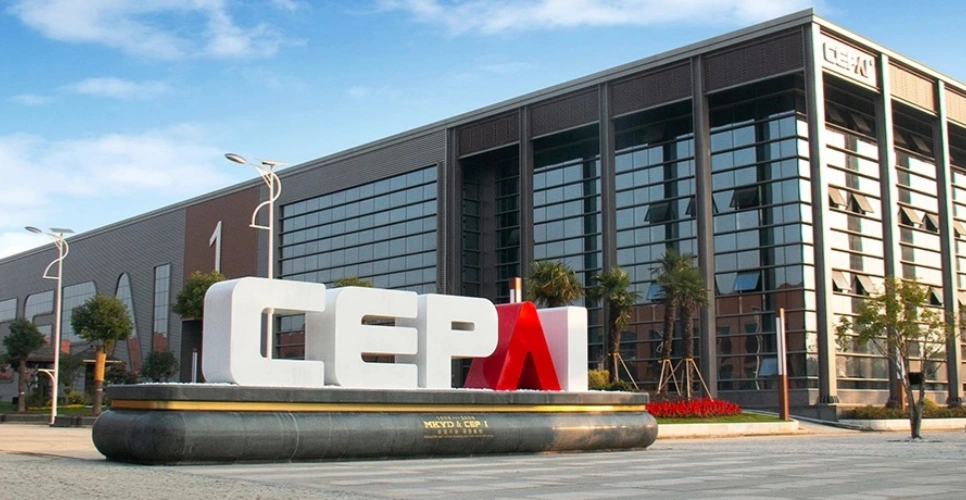
You can trust CEPAI as a maker of control valves because they make high-quality solutions for difficult automatic flow regulation tasks. We have a wide range of products, such as sleeve-type controlling valves, throttle valves, and high-pressure control devices that meet API and ISO requirements. Our engineering team has years of experience in oil and gas, pipeline, and petrochemical uses. They can help you choose the right valves for your needs by giving you professional support and the ability to make changes to the valves. Email us at cepai@cepai.com to talk about your problems with automatic flow regulation and find out how our advanced control valve technologies can help you run your business more efficiently.

References
Smith, R.J. "Advanced Control Valve Technologies for Industrial Automation." Journal of Process Control Engineering, Vol. 45, No. 3, 2023.
Anderson, M.K. "Predictive Maintenance Strategies for Automated Control Valves." Industrial Automation Quarterly, Vol. 28, No. 2, 2023.
Thompson, L.A. "Flow Characteristics and Control Performance in Modern Valve Designs." Fluid Control Technology Review, Vol. 12, No. 4, 2023.
Wilson, D.P. "Smart Positioner Technologies and Their Impact on Process Control." Automation Systems International, Vol. 31, No. 1, 2024.
Brown, S.E. "Material Selection and Corrosion Resistance in Control Valve Applications." Industrial Materials Engineering, Vol. 22, No. 6, 2023.
Garcia, C.R. "Energy Efficiency Optimization Through Advanced Control Valve Selection." Process Engineering Technology, Vol. 19, No. 5, 2023.
_1746598531170.webp)
Get professional pre-sales technical consultation and valve selection services, customized solution services.
About CEPAI