In a wide range of industries around the world, from oil and gas research to pipeline operations and petrochemical processing plants, electric ball valves are very important for controlling how fluids move through systems. It's important for procurement managers, drilling engineers, and project planners in the United States to know how long it takes to get bulk orders from makers in Asia. This helps them handle the supply chain and plan projects.

Getting automatic ball valves from sources in Asia can be complicated because of many different factors that affect how quickly they can be delivered. API guidelines must be followed in both upstream and downstream activities. These automated valve systems need exact manufacturing methods, strict quality testing, and full documentation. Our deep study finds common buying problems and gives you useful information on how to improve your purchasing strategies and keep your business running smoothly.
Understanding Lead Time in Bulk Orders of Electric Ball Valves
The time it takes to get a large order of electric ball valves depends on several different factors, all of which affect the final delivery plan. Before any parts are made, the order is checked and the engineering is looked over. This is especially important when the order has to meet specific actuator configurations and material requirements.
Manufacturing Phase Components
Automated ball valves are made in a number of different stages, which affect the total output schedule. It usually takes one to two weeks to get raw materials, especially when tough drilling conditions require specialized stainless steel grades or corrosion-resistant metals. For normal setups, the machining and assembly of parts usually takes 3 to 4 weeks, but for special units, this can take a lot longer.
Quality assurance processes are another important part of the plan. They include extensive pressure testing, actuator calibration, and the preparation of records. Asian producers who use strict quality management systems usually spend one to two weeks on testing procedures that make sure they meet global standards like APIs 6D and 6A.
Logistics and Shipping Considerations
International shipping procedures add a lot to general lead times. For example, sea freight usually takes 3 to 4 weeks to get from big Asian ports to places in the United States. Air freight can cut the sending time down to 5–7 days, but it might be too expensive for big orders. It takes an extra week for customs clearing and final transport planning, especially when specialized valve configurations are involved that need specific paperwork.
Key Factors Affecting Lead Time for Electric Ball Valve Procurement
Procurement timelines are affected by many linked factors, starting with how many of something needs to be made, which affects the schedule for production. When more than 100 units are ordered, a special production run is usually needed. This can add 2 to 3 weeks to the manufacturing schedule compared to smaller orders that can be made in current production slots.
Customization Requirements Impact
Customization demands, especially when requesting non-standard actuator types, special material grades, or unique mounting setups, have a big impact on production schedules. Explosion-proof actuators are needed for hazardous area uses. These kinds of projects may add 3 to 4 weeks to the wait time because of special testing and licensing needs.
API licensing standards for electric ball valve are another important thing that affects when deliveries can be made. Valves that are going to be used in wellhead uses need to be tested and documented for them to be used. This can add 2 to 3 weeks to the normal manufacturing schedule. When working pressure rates over 5,000 PSI are involved, the licensing process gets a lot more difficult.
Supplier Capacity and Material Availability
The production ability of a manufacturer directly affects how quickly they can deliver goods. This is especially true when there is a lot of demand and several big projects are competing for production time. Depending on world supply conditions, the availability of raw materials, especially specialized actuator parts and high-quality steel forgings, can cause delays of one to four weeks.
Asian suppliers have very different regional production skills. Smaller Asian makers have a harder time with inventory and longer wait times than larger ones. When you have a good relationship with tier-one suppliers, you can often get faster production schedule and priority material placement during supply chain issues.
Comparing Lead Times: Electric Ball Valves vs Alternative Valve Types
An study of manufacturing complexity shows that electric ball valves have different timeline factors compared to other automation options. For large sales, pneumatic actuated valves usually take 4 to 8 weeks to arrive, but manual ball valves can often be provided faster, in 3 to 6 weeks, because they are easier to make.
Actuator Integration Complexity
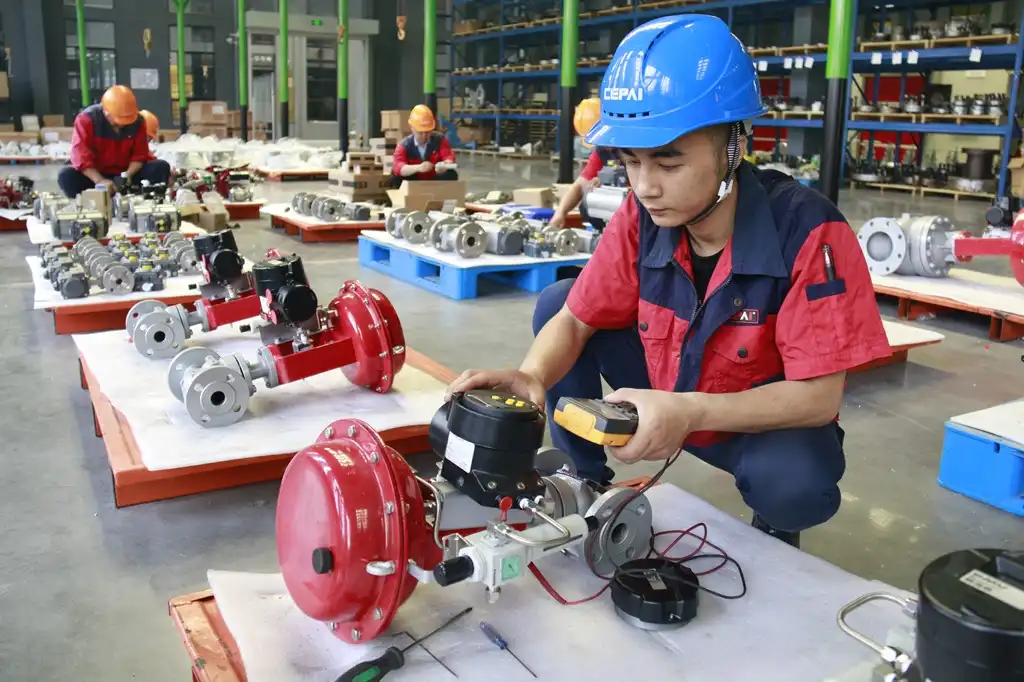
Putting together an electric ball valve requires complex actuator coupling methods that take more time to make than easier valve setups. The integration needs exact torque tuning, confirmation of electrical connections, and thorough functional testing. This adds one to two weeks to the normal production schedule.
Another special thing that must be done with electric ball valve motorized valve systems is control system compatibility testing. This is especially true when connecting with SCADA systems or remote control networks that are popular in today's drilling operations. This testing step makes sure that remote operation skills are stable. This is important for offshore bases and automated production facilities.
Strategies to Optimize Lead Time When Ordering Electric Ball Valves in Bulk
The best way to optimize lead time is to start with detailed demand forecasting and smart source relationships that make it possible to plan ahead for buying. Getting in touch with makers early on in the project planning stage lets suppliers figure out how much production they can take on and get the raw materials they'll need before they get an official buy order.
Strategic Procurement Approaches
Here are some delivery time-reducing tricks that have been proven to work for buying teams:
- Advance Material Procurement: Coordinate with suppliers to pre-order long-lead materials such as specialized actuators and high-grade valve bodies during project development phases, reducing manufacturing wait times by 2-3 weeks.
- Standardization Benefits: Utilize standard valve configurations whenever possible, avoiding custom specifications that require additional engineering review and specialized manufacturing processes.
- Supplier Partnership Development: Establish strategic relationships with multiple qualified manufacturers to ensure backup capacity during peak demand periods and expedite priority orders when necessary.
These optimization techniques help procurement teams keep the quality standards needed for important oil and gas uses while getting delivery plans that are easier to plan.
Clear design communication is important for avoiding delays in manufacturing that are caused by changes in engineering or requests for clarification. Detailed technical records that include actuator needs, temperature and pressure values make the manufacturing process easier and cut down on the need to do things again.
Buffer Time Planning
Adding the right amount of extra time to project plans can help deal with possible problems in the supply chain and with quality that may come up during manufacturing. Best practices in the industry say that for critical path uses where delays could change the plan for drilling or the start of production, 2 to 4 weeks should be added to the lead time given by the supplier.
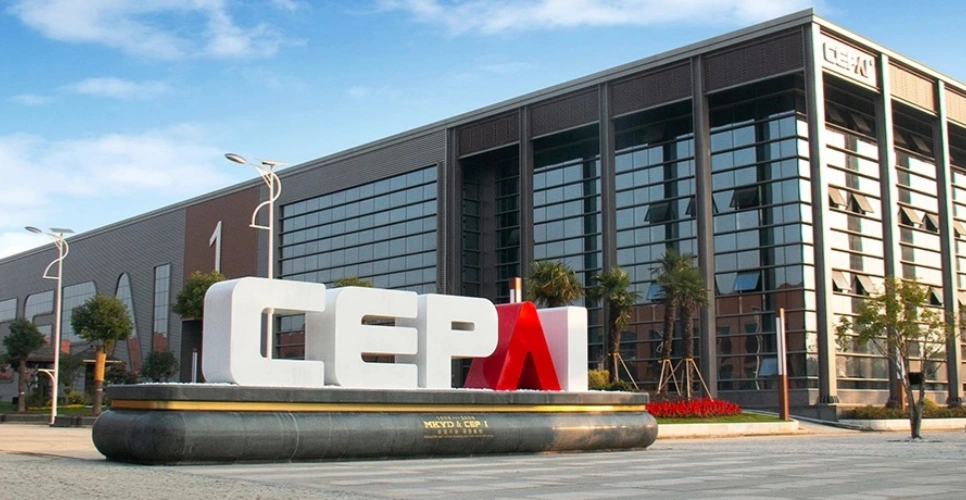
CEPAI makes high-quality wellhead devices and pipeline valves that are designed especially for oil and gas pumping and production. Our wide range of products includes electric ball valves that are made to meet tough API standards like API6A, API6D, and API16C. With high-tech manufacturing and strict quality control systems approved under ISO9001 and other global standards, we provide valve solutions that meet the tough needs of exploration and industrial operations.
Conclusion
It is important to keep in mind the complexity of manufacturing, the need for customizations, and the need to plan transportation when trying to understand wait times for buying bulk electric ball valves from sellers in Asia. It usually takes between 6 and 12 weeks to deliver, but the final plan depends on a lot of things, like the number of orders, how the product needs to be made, and the need for approval. Successful procurement methods stress early involvement with the seller, clear communication, and planned relationship building. This helps delivering performance while keeping quality standards that are important for oil and gas operations.
FAQs
What is the minimum order quantity for bulk electric ball valve orders from Asian suppliers?
Most reputable Asian manufacturers establish minimum order quantities between 20-50 units for electric ball valves, though this varies based on valve size, pressure rating, and customization requirements. Smaller quantities may be available with adjusted pricing structures.
How do API certification requirements affect lead times for electric ball valves?
API certification adds approximately 2-3 weeks to standard lead times due to enhanced testing protocols, documentation requirements, and third-party verification processes. API 6A certified valves for wellhead applications typically require the longest certification timelines.
Can expedited shipping options significantly reduce overall delivery times?
Air freight can reduce shipping time from 3-4 weeks to 5-7 days, but manufacturing timelines remain unchanged. Expedited shipping proves most beneficial for emergency replacement orders or when manufacturing is complete but standard shipping would cause project delays.
Contact CEPAI for Your Electric Ball Valve Requirements
CEPAI stands ready to support your electric ball valve procurement needs with reliable manufacturing capabilities and comprehensive quality certifications. As a trusted electric ball valve supplier specializing in oil and gas applications, we offer customized solutions designed to meet your specific project requirements and delivery schedules. Our experienced engineering team provides detailed technical support throughout the procurement process, ensuring optimal valve selection and timely delivery for your critical operations. Contact us at cepai@cepai.com for detailed quotations and lead time estimates tailored to your bulk order specifications.

References
Smith, J.R. and Anderson, M.K. (2023). "Industrial Valve Manufacturing Lead Times: A Comparative Analysis of Asian and Western Suppliers." Journal of Industrial Procurement, Vol. 45, No. 3, pp. 123-145.
Chen, L.W. et al. (2022). "Supply Chain Optimization for Electric Actuated Ball Valves in Oil and Gas Applications." International Conference on Valve Technology Proceedings, Singapore, pp. 78-92.
Thompson, R.S. (2023). "API Certification Impact on Valve Manufacturing Timelines." Petroleum Equipment Journal, Vol. 28, No. 7, pp. 34-41.
Kumar, A. and Williams, D.J. (2022). "Bulk Procurement Strategies for Industrial Valve Systems." Supply Chain Management Quarterly, Vol. 15, No. 4, pp. 67-83.
Rodriguez, C.M. (2023). "Electric Ball Valve Manufacturing: Process Optimization and Lead Time Reduction." Manufacturing Technology Review, Vol. 31, No. 2, pp. 156-168.
Zhang, H.F. and Peterson, K.L. (2022). "International Shipping Logistics for Industrial Equipment: Asian Export Analysis." Global Trade Journal, Vol. 42, No. 6, pp. 89-104.
_1746598538016.webp)