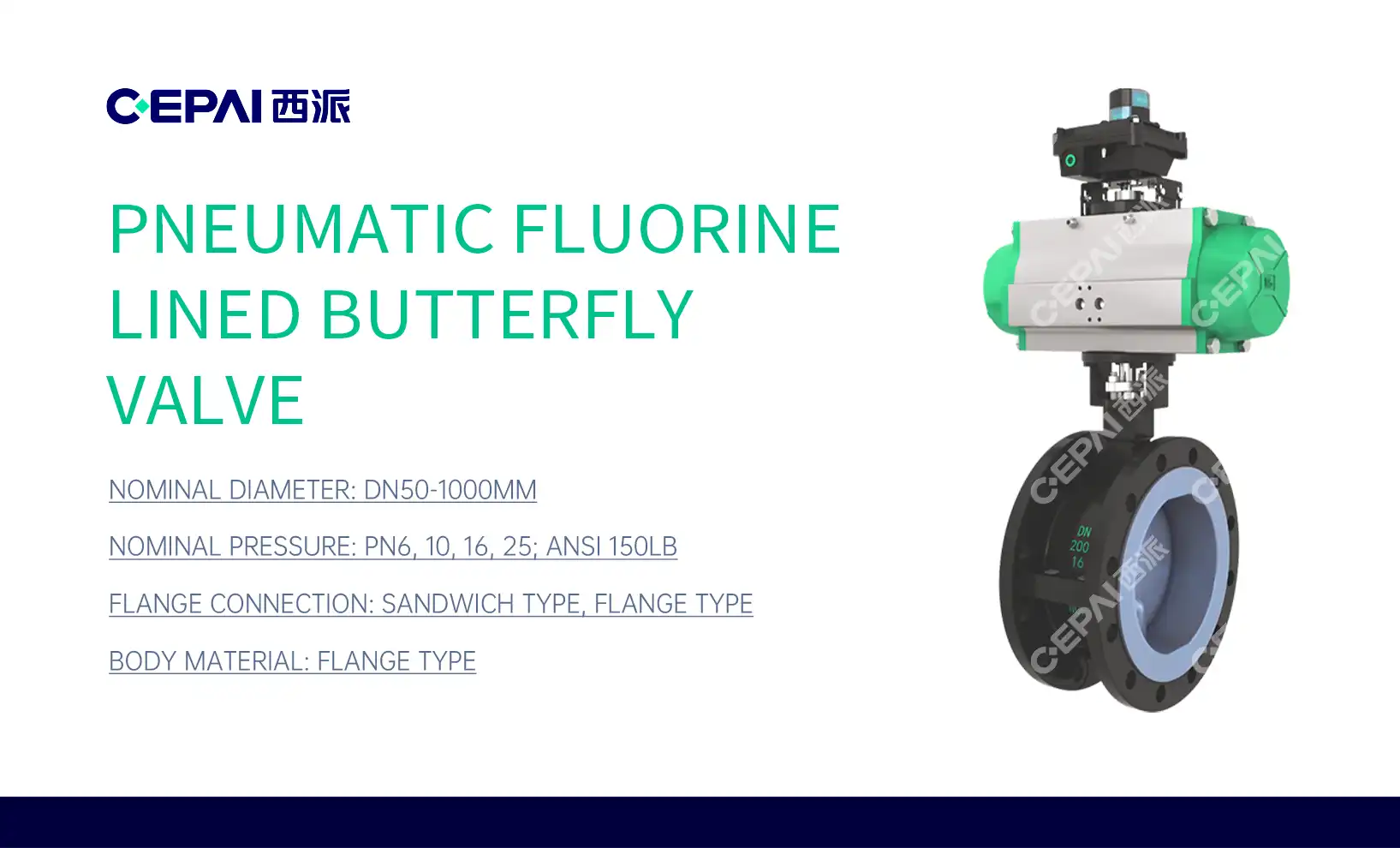
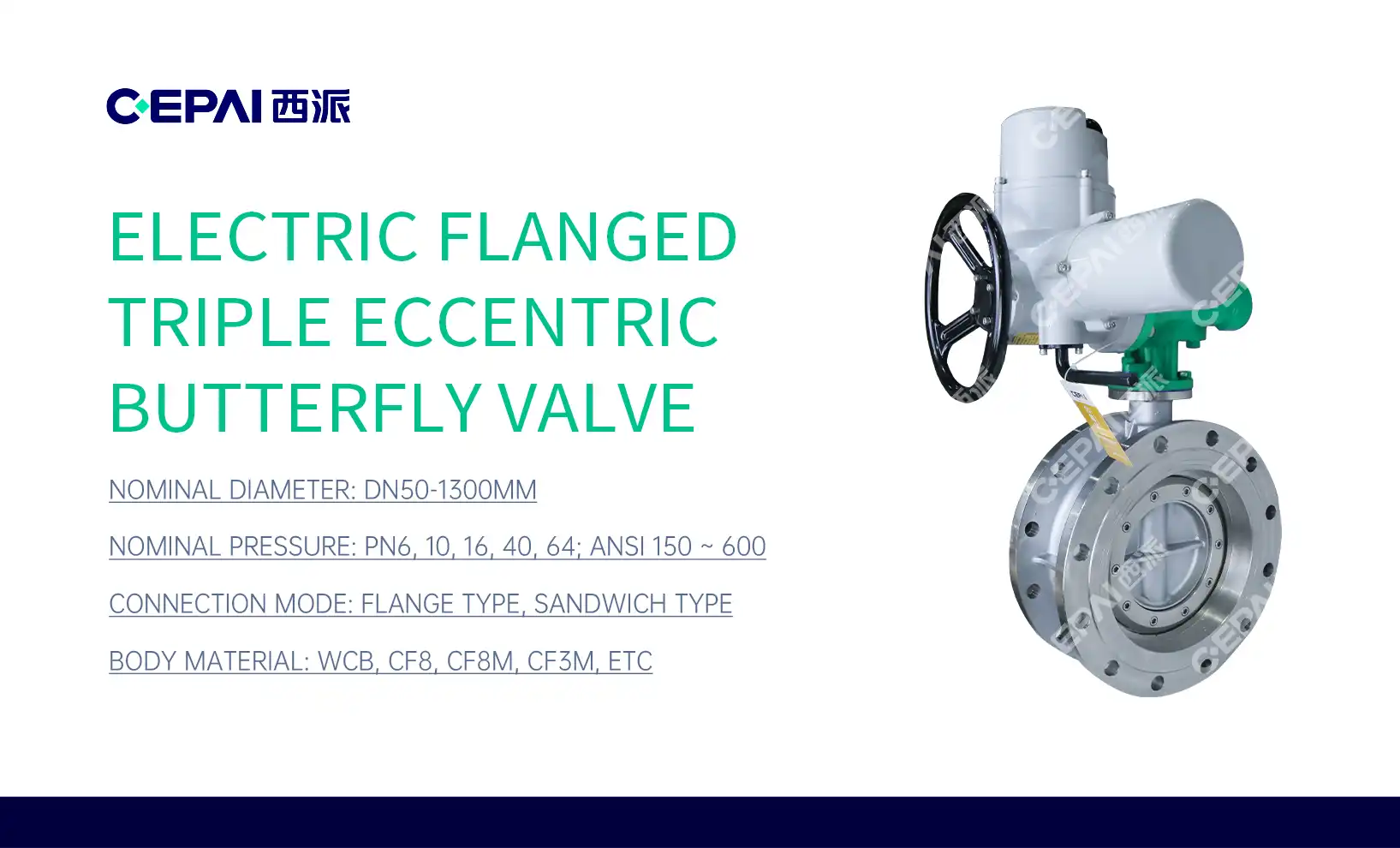
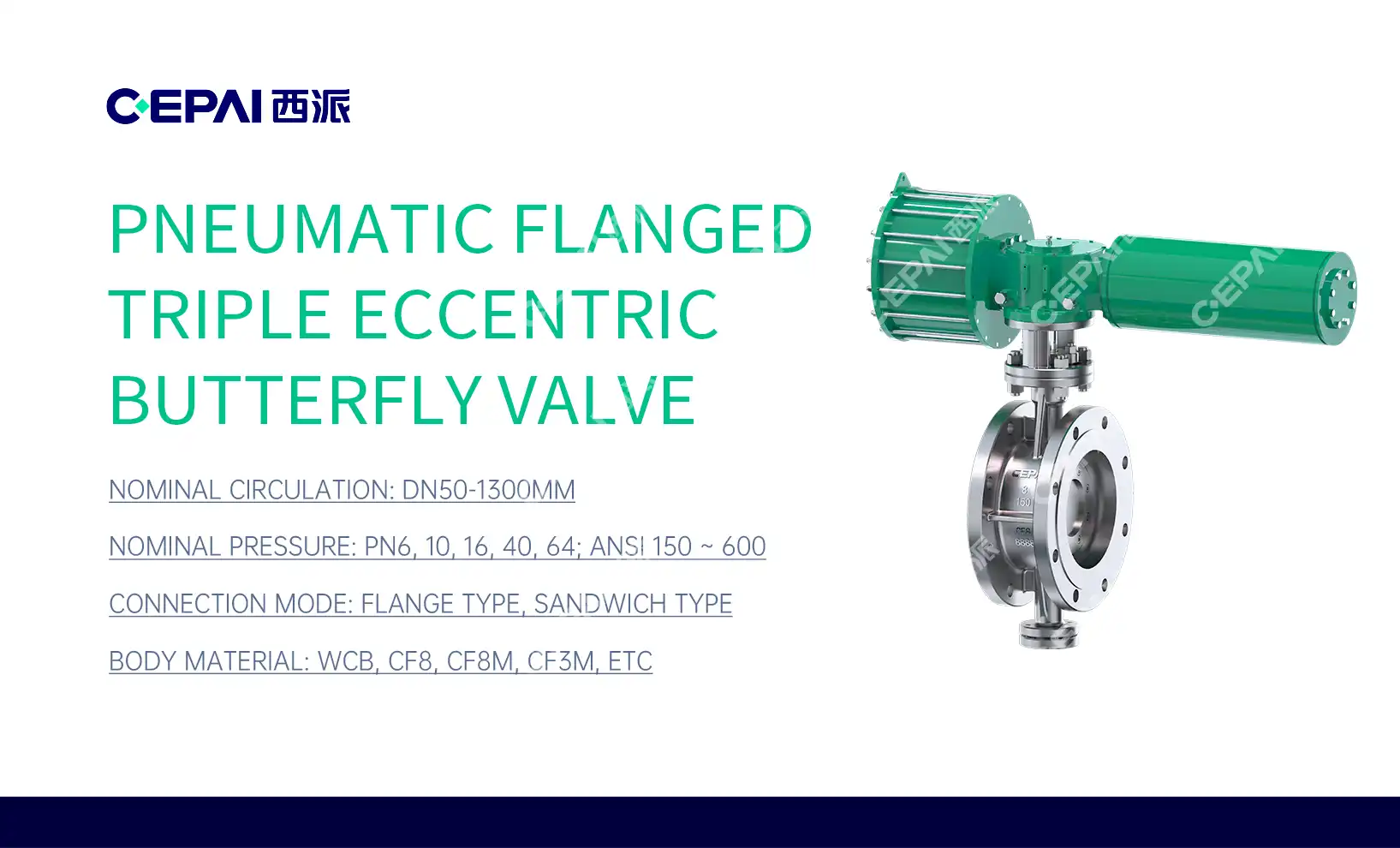
The pressure levels for electric butterfly valves used in industry go from Class 150 (285 psi) to Class 2500 (6170 psi). Customized versions can handle even more pressure. These automated flow control devices offer pressure ratings that are in line with industry standards like ANSI B16.34, API 598, and ISO 5208. This makes sure they work well in a range of settings, from water treatment plants to oil and gas activities with high-pressure requirements. The electric butterfly valve market offers a wide range of pressure settings that can meet strict operational needs and keep costs low for large-diameter pipeline uses.
Understanding Pressure Ratings in Electric Butterfly Valves
Pressure numbers show the highest working pressure that a butterfly valve can safely handle when it's at a certain temperature. These ratings are based on thorough tests that check the valve body and disc assembly in controlled circumstances. A derating curve is created by the relationship between temperature and pressure. Usually, higher temperatures mean lower maximum allowed pressure capacity.
Industry Standards Governing Pressure Classifications
ANSI B16.34, from the American National Standards Institute, lays down the basic rules for pressure-temperature values in industrial valves. This standard sets up class values from 150 to 2,500. Each class shows the highest working pressure that is allowed at room temperature. Pressure Nominal, or PN, values are often used in European markets. PN10 is about 145 psi, and PN40 is 580 psi. API standards make these specifications even more exact for oil and gas uses, making sure that tools used in upstream and downstream processes will work with them.
Material Impact on Pressure Capabilities
The materials used for the valve body have a direct effect on the pressure rating. For example, carbon steel usually handles normal pressures, but stainless steel grades like 316L can handle higher pressures and also fight corrosion better. Ductile iron is a cheap way to deal with mild pressure systems, but when you need to deal with very high pressure or temperature systems, you need to use more exotic alloys like Hastelloy or Inconel. To keep the pressure integrity in the valve assembly, the disc and seat materials must work with the body's specs.
Common Pressure Ratings Available for Industrial Electric Butterfly Valves
Manufacturing standards have set up different levels of pressure for different parts of the economy, and each one has its own benefits for specific uses. Understanding these groups helps people make smart choices about what to buy that meet performance needs while also taking the budget into account.
Low to Medium Pressure Applications
Class 150 butterfly valves can handle pressures of up to 285 psi at room temperature. This makes them a good choice for water treatment, HVAC systems, and general industry use. These valves are a cheap way to solve problems where pressure needs stay modest but very precise flow control is still important. The PN10 and PN16 are European counterparts that serve the same groups of people but have different pressure limits.
Class 300 valves make the system able to work at up to 740 psi, which helps with chemical processing, power generation, and oil and gas uses. These valves use stronger body shapes and better sealing systems to keep leak-tight performance under high pressure while keeping the benefits of butterfly valve technology.
High Pressure Industrial Solutions
Class 600 electric butterfly valve withstand pressures up to 1440 psi, serving demanding applications in refineries, petrochemical plants, and high-pressure pipeline systems. These valves feature robust construction with thicker wall sections and advanced seat designs that ensure reliable sealing performance under extreme conditions. The electric actuators paired with these valves provide precise positioning control even against significant differential pressures.
Ultra-high pressure ratings including Class 900, 1500, and 2500 address specialized applications requiring pressures up to 6170 psi. These configurations often incorporate custom engineering solutions with exotic materials and specialized manufacturing techniques to meet unique operational demands in critical process applications.
Factors Influencing Pressure Rating Selection
Choosing the right pressure ratings means doing a lot of work on the different operational parameters that affect the total performance of the valve. These factors go beyond just the needs for pressure; they also include the full range of possible operations.
Temperature Effects on Pressure Capacity
Operating temperature has a big effect on the working pressures that are acceptable. As materials change with higher temperatures, they can handle lower maximum pressures. Standard rating tables show derating factors that take into account how heat affects the strength and stability of materials. Steam uses need special care when it comes to temperature-pressure relationships because thermal cycling can impact the long-term performance of the seal.
It can be hard to work with materials in cryogenic uses because their properties can change a lot at low temperatures. This can make it easier for them to handle high pressures but can also make them more brittle. Electric actuators must also take into account how temperature affects motor performance and the accuracy of position data over the entire temperature range in which they work.
Actuator Integration and Performance
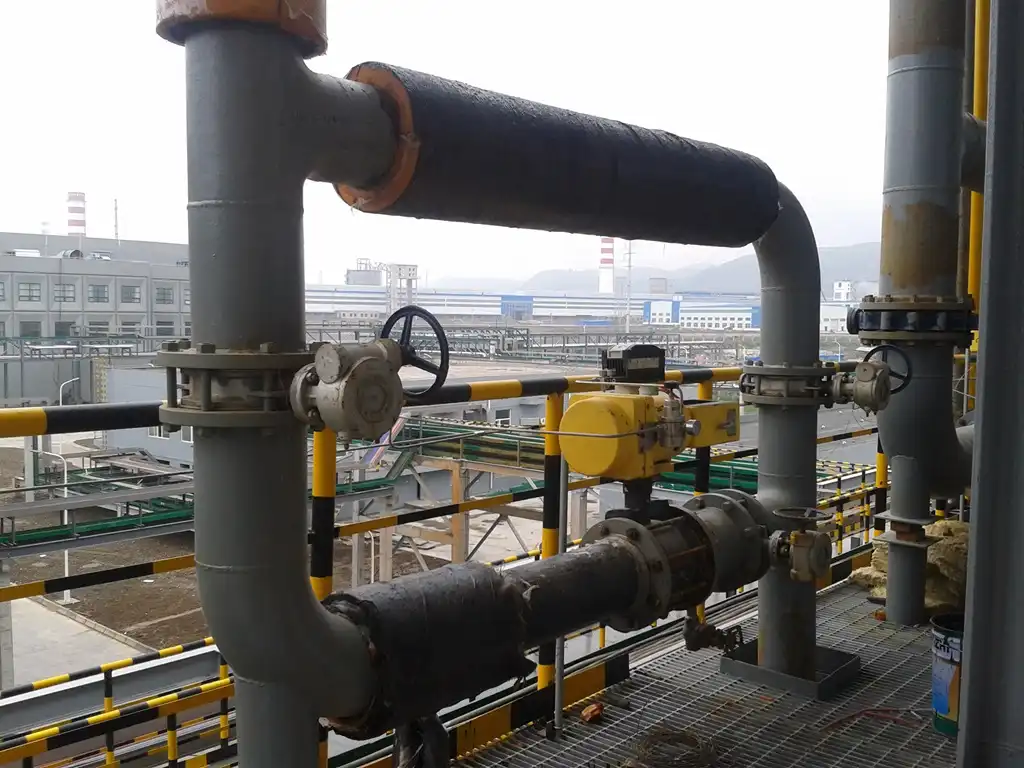
Due to their positional accuracy and torque output, electric actuators significantly improve the general ability to handle pressure. It takes high-torque motors to overcome static friction and differential pressure forces on the valve disc in high-pressure systems. Electric motors made in recent years give very exact control over the position of parts, which makes it possible to open things partway even when there is a lot of pressure on each side.
It is important to seal and structure the actuator mounting contact so that it can handle the same pressure as the valve body. Being able to quickly close a valve is important for safety in high-pressure situations.
Comparing Electric Butterfly Valve Pressure Ratings with Alternative Technologies
Electric butterfly valves are a special type of valve that isn't used as much as others. They have their own pros and cons when compared to other types of valves. Knowing these pros and cons makes it possible to choose the best valve for each purpose.
Performance Comparison with Ball and Gate Valves
Because of their spherical closing element and strong body designs, ball valves usually have higher pressure ratings. Some can handle more than 10,000 psi. On the other hand, butterfly valves are cheaper and better for big diameter applications at moderate pressures. The speed benefits of the quarter-turn feature are the same for both technologies, but butterfly valves need less space to be installed and require less actuator power for the same size compared to other technologies that use quarter-turn.
Gate valves work best when there is a lot of pressure, but they need linear actuators and more mounting height. Electric butterfly valves operate faster and better at throttling. This makes them the better choice for uses that require flow modulation or frequent operation.
Actuator Technology Advantages
Electric actuators for electric butterfly valve are better than gas ones at positioning correctly. This is especially useful in high-pressure situations where very exact flow control is needed. Eliminating the need for compressed air makes it easier to install and maintain. No matter what the conditions are like, electric motors give you a steady torque output. This makes sure that they work reliably when the pressure and temperature change.
Maintenance and Procurement Considerations for Pressure-Rated Valves
To get the most out of pressure-rated butterfly valves, you need to maintain them regularly and buy them wisely, keeping in mind the total cost of ownership, not just the price you pay.
Inspection and Testing Protocols
Regular pressure testing checks that the original pressure ratings are still correct. This is especially important when the pressure ratings are close to the conditions under which they are designed to work. API 598 is an example of an industry standard that hydrostatic testing methods follow. It says that the pressure used in the test has to be at least 1.5 times the rated working pressure. Seat leakage testing makes sure that the sealing performance stays within the right range for the whole time the valve is in use.
Electric actuator upkeep includes checking the correct position, torque output, and emergency operation features. Thermal imaging can find problems with electrical connections before they cause actuators to fail. Vibration analysis, on the other hand, looks for signs of mechanical wear in gear trains and connecting parts.
Supply Chain and Certification Requirements
To make sure that the valves that are delivered meet the needs of the business, the procurement specs should clearly state the needed pressure ratings, proof of testing, and material certifications. Third-party testing services check the quality of manufacturing and compliance with standards independently. Due to special manufacturing needs and quality control methods, high-pressure rated valves often have longer lead times than other goods.
CEPAI holds many quality certifications, such as API Q1, API 6A, API 6D, and ISO 9001. This makes sure that the way we make electric butterfly valves meets the toughest standards in the business. Our testing facilities can fully verify pressure ratings and make records of them to support important uses across the oil and gas business.
Conclusion
Electric butterfly valves for industrial use work in a lot of different fields and offer a wide range of pressure ratings from Class 150 to Class 2500. The selection process needs to take a close look at the situations where it will be used, how the materials will work together, and what the actuator can do. This is to make sure that it works well and is safe. When compared to other types of actuators, electric actuator technology offers better positioning accuracy and more reliable operating consistency. Proper maintenance and smart purchasing choices keep pressure rating specifications in mind and extend the life of the valve. Electric butterfly valve technology changes with the times, using better materials and smarter designs to keep up with changing pressure needs in industry.
FAQs
What is the maximum pressure rating available for standard electric butterfly valves?
Standard electric butterfly valves typically achieve pressure ratings up to Class 600 (1440 psi), with specialized designs reaching Class 2500 (6170 psi) through advanced materials and custom engineering. The actual maximum pressure depends on valve size, temperature, and material specifications.
How do I determine the correct pressure rating for my industrial application?
Evaluate your system's maximum operating pressure, add appropriate safety factors (typically 25-50%), consider operating temperature effects, and verify compatibility with connected equipment. Consult with valve manufacturers to ensure proper selection based on your specific operating conditions.
Can electric butterfly valves handle steam applications at high pressures?
Electric butterfly valves can handle high-pressure steam with appropriate material selection and pressure-temperature derating considerations. Stainless steel construction and specialized seat materials enable steam service, though careful attention to thermal cycling effects is essential for long-term reliability.
Partner with CEPAI for Superior Electric Butterfly Valve Solutions
CEPAI stands as your trusted electric butterfly valve manufacturer, delivering pressure-rated solutions that exceed industry expectations. Our comprehensive product portfolio spans Class 150 to Class 2500 ratings, backed by API 6A, API 6D, and ISO 9001 certifications that guarantee performance in the most demanding applications. With extensive experience serving oil and gas exploration companies, pipeline operators, and refining facilities, we understand the critical importance of precise pressure specifications and reliable operation. Contact us at cepai@cepai.com to discuss your specific pressure rating requirements and discover how our engineering expertise can optimize your process control systems.

References
American Society of Mechanical Engineers. "ASME B16.34: Valves - Flanged, Threaded, and Welding End." New York: ASME Press, 2017.
American Petroleum Institute. "API 598: Valve Inspection and Testing." Washington, DC: API Publishing Services, 2016.
International Organization for Standardization. "ISO 5208: Industrial Valves - Pressure Testing of Metallic Valves." Geneva: ISO Publications, 2015.
Smith, Robert J. "Industrial Valve Technology and Applications." Boston: Butterworth-Heinemann, 2018.
Miller, David K. "Pressure Vessel Design Manual: Illustrated Procedures for Solving Major Pressure Vessel Design Problems." Oxford: Gulf Professional Publishing, 2019.
Thompson, Mark A. "Electric Actuator Systems for Industrial Process Control." New York: McGraw-Hill Professional, 2020.
_1746598538016.webp)