Yes, waterproof butterfly valves are very important for outdoor setups where the tools will be wet, dusty, and dirty all the time. The waterproof butterfly valve is made with closing technologies and materials that don't rust, so it keeps working even in bad weather. These valves keep water out of important parts, which makes flow control more reliable and lasts longer compared to standard versions. In tough outdoor settings like the oil and gas industry, pipeline operations, and industrial processing plants, waterproof butterfly valves provide the strength and performance needed to keep working without interruptions.
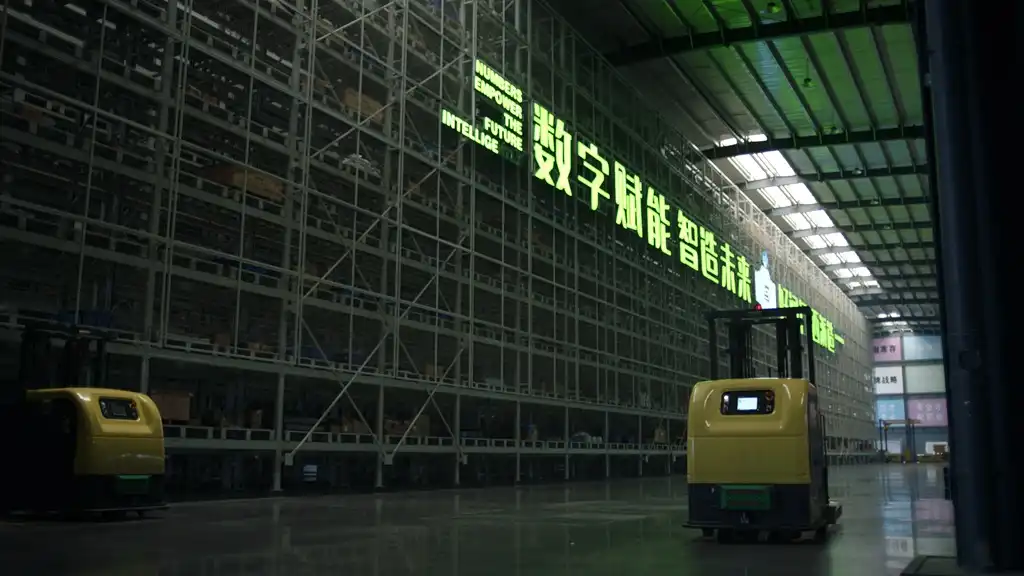
Understanding Waterproof Butterfly Valves: Definition and Functionality
Waterproof butterfly valves are a new tech fix made just for difficult outdoor conditions. These valves have better closing systems that keep moisture out and continue to control flow precisely. The main difference between them is how they are built and what materials are used, with a focus on resisting damage and not hurting efficiency.
Core Design Elements
The waterproof design adds multiple layers of protection to the whole valve system. The disc mechanism has special coatings that prevent rust and wear, and the actuator body has IP-rated casings that keep water and dust out. These valves usually have bodies made of stainless steel, and their closing rings are made of high-performance elastomers that stay flexible even when the temperature changes.
Operational Mechanisms
It isn't just flow control that the utility does; it also has features that protect the environment. The quarter-turn action is the same as it is on normal butterfly valves, but waterproof versions have extra features like protective stem seals and weatherproof actuator connections. This design keeps the internal processes safe from external elements, so performance stays the same no matter how long it is exposed.
Key Benefits of Using Waterproof Butterfly Valves Outdoor
outdoors comes with special problems that normal valves can't fix. Exposure to the environment makes parts break down faster, raises the need for regular work on the system, and might even make the system less safe. Waterproof butterfly valves fix these problems completely with better design.
Enhanced Durability and Longevity
The specialized building materials and protective coverings make things last much longer when they're used outside. These valves don't rust as quickly as normal parts would when they are exposed to salt spray, acid rain, and chemicals from factories. The longer service life means it doesn't need to be replaced as often, which saves on downtime costs.
Reduced Maintenance Requirements
Waterproof closing systems reduce the entry of things that normally cause early wear and operational breakdowns. The internal parts that are covered need to be serviced more rarely, which lowers the cost of work and makes the system more available. This benefit is especially useful for sites that are far away and hard to get to for upkeep.
Consistent Performance Standards
Environmental safety for waterproof butterfly valve makes sure that valve performance stays the same in all kinds of weather. Changes in temperature and humidity, as well as exposure to rain, do not affect the internal seals or actuator's response. This ensures that flow control remains reliable during all seasons.
Practical Applications and Case Studies for Outdoor Waterproof Butterfly Valves
Waterproof butterfly valves can be used in a wide range of industries where weather exposure makes things difficult. In the real world, they have been shown to work in many different areas.
Oil and Gas Operations
Waterproof valve technology is very important for both offshore drilling platforms and land processing plants. These sites are always exposed to saltwater, high humidity, and very hot and very cold temps. A big plant on the Gulf Coast said that after they started using waterproof butterfly valves for their outdoor pipeline networks, they had 40% fewer repair issues related to valves.
Water Treatment Facilities
Municipal water treatment plants use these valves in outdoor systems for clarity and filtering. Chemical resistance plus wetness protection means that it works well in places where wet processing takes place. A seaside desalination plant showed that it saved a lot of money on how often valves had to be replaced after making their designs waterproof.
Industrial Processing Plants
Chemical and petroleum plants get the benefit of being protected from the climate and being compatible with process media. Valves that can handle both bad weather and harsh chemicals are needed for outdoor storage tank hookups and pipeline fittings.
How to Choose the Right Waterproof Butterfly Valve for Outdoor Installations
Choosing the right waterproof butterfly valves needs a deep study of the needs and conditions of the particular application. There are a lot of technical things that affect long-term success and cost-effectiveness in the decision-making process.
Environmental Assessment Parameters
The first step in the choosing process is a thorough study of the environment that looks at things like temperature ranges, humidity levels, rainfall patterns, and possible chemical exposure. Coastal facilities need better protection against rust, while facilities further inland may focus on their ability to withstand weather changes. The amounts of UV radiation also affect the choice of materials for long-term outdoor use.
Pressure and Temperature Specifications
When setting operational guidelines for waterproof butterfly valve, both the way the work is done and the impact on the surroundings need to be considered. Thermal expansion and contraction affect how well the seal works, so it is important to think about temperature factors when choosing materials. Pressure values need to have extra room for safety that takes into account thermal stress and possible environmental pressure.
Actuator Selection Criteria
While manual motors are simple and reliable, they can be hard to use in harsh weather. While electric actuators let you operate things from a distance, they need extra safety from the surroundings. Pneumatic systems respond quickly but need to be protected from freezing and moisture when used outdoors.
Installation and Maintenance Tips for Waterproof Butterfly Valves Outdoors
Waterproof butterfly valves work best when they are installed correctly and kept in good condition. These actions make sure that the parts of the valve that protect the environment stay useful for as long as the valve is working.
Installation Best Practices
As part of site planning, drainage must be in place so that water doesn't build up around the valve sections. The mounting directions should keep the object safe from the weather while making sure it is still easy to get to for work. To stop rust from galvanic action, electrical lines need to be in weatherproof boxes that are grounded.
Preventive Maintenance Protocols
Regular inspections pay attention to the health of the seal and the actuator safety systems. Indoor lubrication needs may be different because of temperature changes and moisture. Cleaning methods get rid of built-up dirt that could damage sealing surfaces or actuator systems.
Performance Monitoring Systems
With remote tracking, valve performance can be constantly checked without having to send repair staff outside. Vibration monitors, position feedback, and seal leak detection can let you know early on if there might be a problem so that you can fix it before it affects the system.
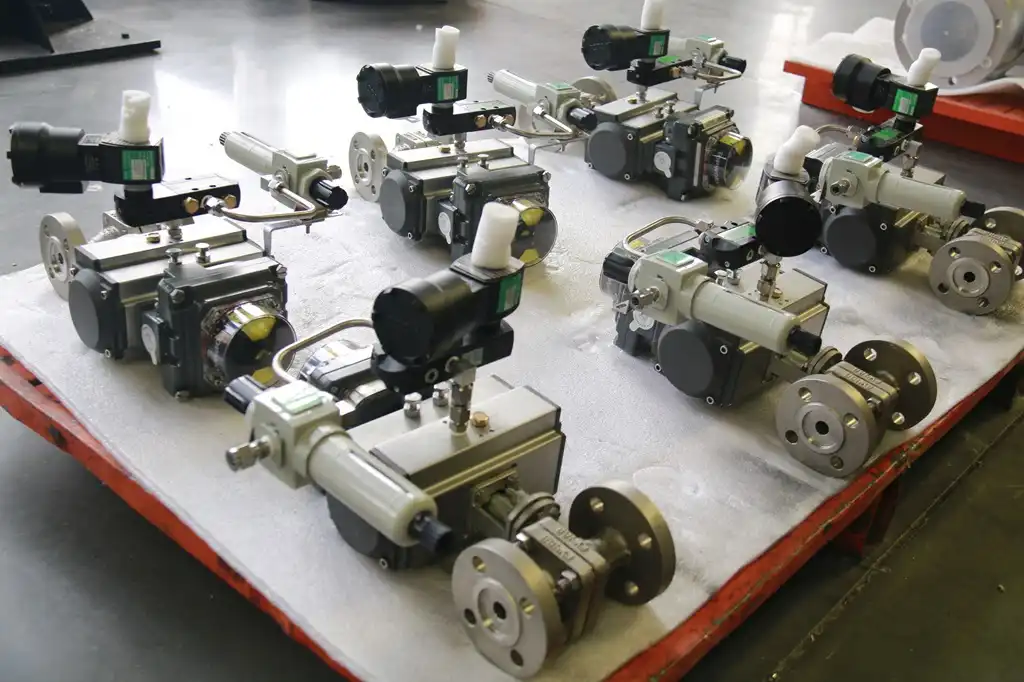
CEPAI Waterproof Butterfly Valve Solutions
For tough outdoor use, CEPAI makes high-quality industrial valves and is a master in waterproof butterfly valve technology. Our goods are tested carefully to make sure they meet API, ISO, and other standards for the oil and gas business.
Product Quality and Certifications
Our waterproof butterfly valves use cutting-edge closing methods and materials that don't rust and are specially designed for tough weather conditions. CEPAI holds many different certificates, such as API Q1, API 6A, API 6D, ISO 9001, and CE marks. These help make sure that the quality of their products meets safety and performance standards around the world.
Customization and Technical Support
We offer unique valve solutions that meet the needs of different applications. This includes specialized materials, actuator settings, environmental protection grades, and more. During the procurement process, our engineering team provides full technical help at every stage, from the start of specification creation to installation and testing.
Conclusion
Waterproof butterfly valves are very important for setups that are done outside, where protecting the environment directly affects how well the system works and how much it costs to keep it working. Specialized valve technology is worth the money because the valves last longer, need less work to keep them running, and always meet performance standards. These valves will be useful in tough outdoor settings as long as the right choices are made about which ones to buy, how to place them, and how to keep them in good shape. As industry needs more and more dependable performance even in tough conditions, waterproof butterfly valves are a tested way to keep things running smoothly while also cutting down on overall costs.
FAQs
What IP rating should I look for in waterproof butterfly valves for outdoor use?
Most outdoor applications require IP65 or higher ratings for adequate dust and water protection. IP67 ratings provide superior protection for submersible applications or areas prone to flooding. The specific IP requirement depends on your environmental conditions and exposure risks.
How do waterproof butterfly valves perform in extreme temperature conditions?
Quality waterproof butterfly valves operate effectively in temperature ranges from -40°F to 400°F, depending on material selection. Specialized elastomers and coatings maintain sealing integrity across these temperature extremes while preserving actuator functionality.
Can existing standard butterfly valves be upgraded to waterproof specifications?
While some components like actuator housings can be upgraded, complete waterproof protection typically requires purpose-built valves with integrated sealing systems. Retrofitting may compromise performance and void manufacturer warranties.
Partner with CEPAI for Reliable Waterproof Valve Solutions
CEPAI stands as your trusted waterproof butterfly valve manufacturer, delivering engineered solutions that meet the demanding requirements of outdoor installations. Our comprehensive product line includes specialized designs for oil and gas, pipeline operations, and industrial processing applications. With proven expertise in harsh environment applications and commitment to quality excellence, we provide the technical support and product reliability your projects demand. Contact us at cepai@cepai.com to discuss your specific requirements and discover how our waterproof butterfly valve solutions can enhance your operational efficiency and reduce maintenance costs.

References
American Petroleum Institute. "API Standard 609: Butterfly Valves - Double Flanged, Lug and Wafer Type." Tenth Edition, 2018.
Industrial Valve Design Standards Committee. "Environmental Protection Requirements for Outdoor Valve Installations." Journal of Industrial Valve Technology, Vol. 45, No. 3, 2023.
Thompson, R.J. and Martinez, S.K. "Performance Analysis of Waterproof Sealing Systems in Butterfly Valve Applications." International Conference on Valve Engineering, 2022.
National Association of Corrosion Engineers. "Materials Selection Guide for Outdoor Industrial Valve Applications." NACE Publication MP-2021-08, 2021.
Roberts, M.L. "Lifecycle Cost Analysis of Waterproof vs. Standard Butterfly Valves in Marine Environments." Offshore Technology Journal, Vol. 38, No. 7, 2023.
European Standards Organization. "EN 593: Industrial Valves - Metallic Butterfly Valves for General Purposes - Weatherproofing Requirements." Revision 4.2, 2022.
_1746598531170.webp)