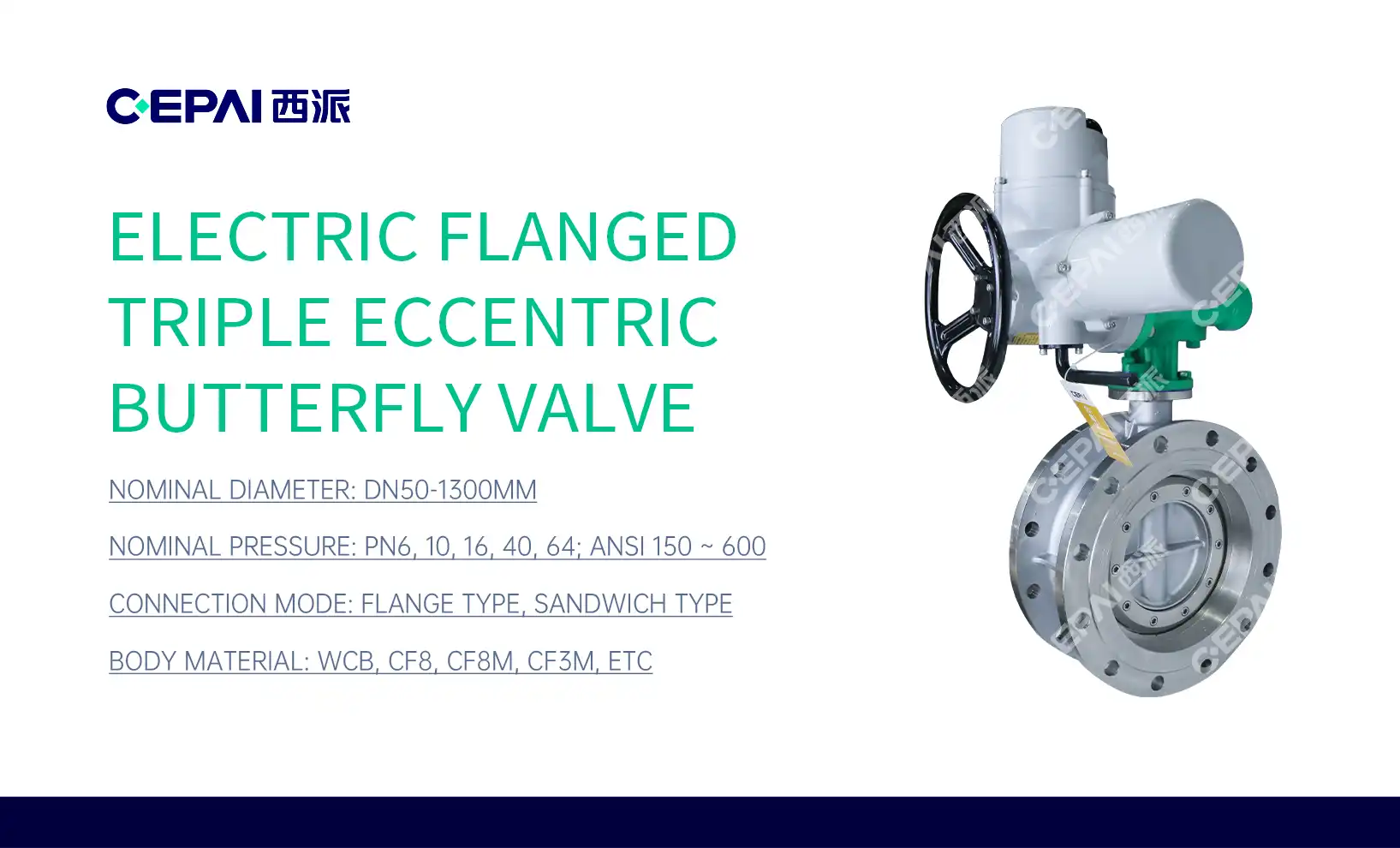
It takes anywhere from 1,000 to 15,000 Newton-meters of actuator force to open a large-diameter butterfly valve. The exact amount depends on the size of the valve, the pressure class, and how it's being used. As an example, a 24-inch butterfly valve working at 150 PSI might need about 2,500 Nm, but a 48-inch valve at higher pressures may need more than 10,000 Nm of torque to work properly.
Because they are reliable, easy to maintain, and don't take up much space, butterfly valves are now used in almost every stage of oil and gas work, from drilling to pipeline operations and petrochemical processing. Choosing the right actuator torque is a very important engineering choice when working with large-diameter uses. It has a direct effect on the safety of the operation, the performance of the system, and the stability over time. When drilling engineers, pipeline safety teams, and procurement managers need to make sure they are following both API and ISO standards, this complete guide helps them deal with the tough world of torque requirements.
Actuator torque specs give you the information you need to make good purchasing choices that find a balance between the cost of the investment and the speed of the process. Choosing the wrong torque can have worse effects than just making the system not work right. It can change how often you have to do maintenance, how much energy you use, and how well the system works with the valve for as long as it is in service.
Understanding Actuator Torque in Butterfly Valves
Fundamental Principles of Torque Application
Actuator torque is the amount of turning power needed to open and close a butterfly valve correctly under certain situations. This force has a direct effect on the valve's ability to fully close, keep a tight seal, and provide exact flow control even when the pressure changes. The torque requirement includes both the breaking torque needed to start moving the disc and the running torque needed to keep it moving.
In large-diameter situations where fluid dynamic forces rise very quickly, the link between torque and valve performance must be taken into account. Engineers have to keep both static and dynamic torque conditions in mind because the torque used when working can change a lot depending on flow speed, pressure difference, and fluid properties.
Key Factors Influencing Torque Requirements
The real force needs for butterfly valves with big diameters depend on a number of factors that are related to each other. Procurement experts know how to avoid common mistakes when it comes to sizing by understanding these things:
The width of the butterfly valve is the most important factor. The amount of force needed rises geometrically, not linearly, as the size increases. A valve that is twice as wide usually needs four times the torque when it's working under the same conditions. The material of the disc has a big effect on how much torque is needed. Metal-seated versions need a lot more torque than resilient-seated ones because binding forces are higher.
Pressure class and differential pressure conditions create additional torque multiplication effects. In high-pressure situations, more torque is needed for the actuator to open the system because of the higher closing forces. Changes in temperature during operation cause materials to expand and contract. This can raise or lower the amount of power needed, based on the material types and thermal differences.
Typical Torque Ranges for Large-Diameter Butterfly Valves
Torque Specifications by Valve Size
Large butterfly valves show a lot of force changes based on size groups and how they are designed. The following study shows the usual torque range in the industry for different sizes of screws:
Based on the pressure class and disc material, valves that are 12 to 24 inches wide usually need torque values of 1,000 to 4,000 Newton-meters. Moderate torque motors do a good enough job in pipeline systems and process plants when they use these average-sized items.
The 30 to 42-inch group needs much higher torque values, from 4,000 to 8,000 Newton-meters when they are normally working. In these cases, stability is more important than cost. They usually involve major transportation pipes or handling equipment on a large scale. For very high-pressure situations or metal-seated designs, extra-large valves over 48 inches may need more than 10,000 Nm of power.
Design Variations and Their Torque Impact
In addition to basic size factors, the way a valve is built has a big impact on the amount of power that is needed. Because they have less bolt pressure and more even stress distribution, wafer-style designs usually need less force than lug-style ones. Triple-offset designs seal much better than circular disc designs, but they usually need more power.
The choice of actuator adds more ways to give force, which must be in line with what the valve needs. Electric motors allow very exact control of torque, but they may need to be used with gear reduction systems when high torque is needed. Pneumatic motors respond quickly, and the force they release depends on the air pressure. For the most difficult tasks, hydraulic devices provide the most power, but they need more complicated equipment to work.
Calculating and Selecting the Right Actuator Torque for Your Application
Engineering Calculation Methodology
A full butterfly valve specification study that includes an analysis of the manufacturer's torque curves and operating parameters is the first step to getting the right torque. Engineers should get full power data for both escape and running conditions across the range of predicted working conditions.
A very important part of responsible engineering is knowing how to use safety margins. The safety factor should be at least 25% to 50% higher than the estimated highest power needs. This is what the industry says. This range takes into account valve age, seal wear, temperature effects, and unexpected situations that may make the valve need more power during its service life.
When the conditions under which something is working are very different from the conditions under which it was tested, temperature correction factors must be used. In high-temperature situations, thermal expansion may mean that more torque is needed. On the other hand, low-temperature situations can make materials stiffer, which also raises the torque that is needed.
Compliance with Industry Standards
Following well-known standards in the business makes sure that equipment works well and follows the rules. API 609 gives a full description of how to calculate the torque for butterfly valves, and ISO 5211 makes actuator mounting ports and torque transfer methods standard.
It is common to forget about temperature effects, underestimate dynamic motion effects, and not use enough safety margins when doing math. Actuators that are too big or too small can cause problems. Too big uses more energy and costs more to buy, and too small can cause operating failure and safety issues. Proper engineering research finds the best balance between these factors in order to get the best performance and lowest costs for the lifetime of the system.
Maintenance and Troubleshooting Related to Torque Issues
Identifying Torque-Related Problems
If you know the early signs of torque-related problems, you can do maintenance before things go wrong. This stops expensive fails and unexpected downtime. Valves that don't have enough force usually don't close all the way, leak more, and don't know where they are supposed to be.
Using too much power causes different but equally bad problems, such as faster seat wear, stem damage, and actuator overload. Strange noise, high power usage, and long operation times are often signs of torque-related problems that need to be fixed right away.
Preventive Maintenance Strategies
Using a full set of repair procedures helps keep the butterfly valve's torque performance at its best for the whole time it is in use. Regularly checking the force with measured tools makes sure that the actuator output stays within the right ranges. This also helps find trends in degradation before major failures happen.
Managing lubrication is very important for keeping power properties the same. Choosing the right lube and applying it on a plan can reduce friction, wear, and increase the life of parts. Very high or low temperatures, toxic substances in the air, and exposure to pollution are all environmental factors that make it necessary to use special care techniques to keep power performance.
Keeping records and tracking torque data makes it possible to predict when maintenance needs to be done. This helps plan how to best use resources and keep the business running smoothly. Today's digital systems can be monitored automatically, which lets workers know when new problems arise before they affect how the system works.
Butterfly Valve Actuators on the Market - Making an Informed Procurement Decision
Actuator Technology Comparison
It is important to carefully consider the amount of force, the reaction time, and the actuator's ability to work in different environments when choosing an actuator. Each type of actuator has its own benefits that make it better for certain tasks.
Electric motors are great at doing tasks that need exact speed and positioning control. These units provide a constant amount of force regardless of the power source, and they work perfectly with digital control systems. Today's electric motors have cutting-edge features that make them more reliable, like power limiting, position input, and troubleshooting capabilities.
Pneumatic actuators have fast reaction times and high power-to-weight ratios. This makes them perfect for emergency shutdowns and operations with high-frequency cycles. Their simple design and high safety make them a good choice for setups in dangerous areas where electrical equipment can cause safety issues.
Procurement Considerations for Industrial Applications
When you want to buy an actuator, you need to think about how well it works and how much it costs, along with other business factors like when it will be delivered and whether help will be available in the future. Well-known makers in oil and gas industries provide better guarantee of product stability and expert help quality.
In large-diameter situations where normal products might not work for the job, the ability to customize goods becomes more and more important. Vendors that work on engineering, design, and manufacturing with their clients are great partners for complicated projects that need special help.
CEPAI: Your Trusted Partner for High-Performance Butterfly Valve Solutions
CEPAI's specialty is making precision-engineered butterfly valves and actuator systems that are built with tough oil and gas uses in mind. Our wide range of products includes big butterfly valves with recorded torque specs and control systems that work with them to make sure they work in important industry settings.
Our research team has been optimizing actuator torque for decades, helping customers find the best options for their needs. Major building firms and energy service companies around the world demand very high standards that CEPAI goods meet with API 609, ISO 5211, and other quality certifications.
We offer a wide range of technical help during the purchase process, including thorough torque estimates, suggestions for actuator size, and customization services that meet the needs of individual projects. Our manufacturing skills allow us to be flexible with delivery plans and offer cheap pricing that supports project timelines and budget needs.
Conclusion
In the oil and gas business, understanding actuator power needs for butterfly valves with big diameters is an important skill for engineers and people who buy goods. Choosing the right torque protects valve function, lowers the need for regular checks, and improves overall system performance in the long run. Because torque estimates are so hard, valve size, pressure conditions, and outdoor factors must all be carefully thought about.
Following industry standards, using suitable safety gaps, and choosing good providers with lots of experience in large-diameter valve uses are all key to the success of the project. Proper technical research and high-quality parts pay off in a big way by lowering upkeep costs, making things more reliable, and extending their service life.
FAQs
How can I determine the exact torque needed for my specific butterfly valve application?
To find the exact torque needs, one must look at the details of the valve, the fluid, and the situations in which it will be working (like pressure and temperature). Then, one must use the manufacturer's torque charts while also considering safety. Talking to valve engineers with a lot of experience makes sure that the right numbers are made, taking into account all of the important factors that affect power needs.
What risks are associated with using insufficient actuator torque on large butterfly valves?
Not enough force can lead to partial valve closing, poor sealing performance, higher leaking rates, and possible safety issues. Under these conditions, the system might fail, the environment might be damaged, and expensive emergency fixes might be needed. All of this costs much more than the money that should have been spent on properly fitting the actuator.
Are standardized calculation methods available for butterfly valve torque requirements?
API 609, ISO guidelines, and other industry standards lay out clear ways to calculate force. A lot of makers provide unique software tools and thorough pressure charts that make the math easier and make sure that engineering best practices are followed.
Partner with CEPAI for Expert Butterfly Valve Solutions
For your large-diameter butterfly valve projects, CEPAI is ready to help you with expert technical advice and high-quality goods with strong approvals. Our knowledgeable technical team offers in-depth torque analysis and actuator suggestions that are based on your exact needs.
As a top butterfly valve maker, we offer a wide range of customization options and open sourcing solutions that can handle complicated project timelines and specs. Our promise of quality and customer service makes sure that even the most difficult projects can count on us.
If you want to talk to someone about your butterfly valve and actuator needs, you can call our engineering experts. You can also look through our full product catalog to get more information about specs and technology. Email us at cepai@cepai.com to start getting expert help with the best tools in the industry for improving your valve systems.

References
American Petroleum Institute. "API 609: Butterfly Valves - Double Flanged, Lug- and Wafer-Type." Fifth Edition, 2018.
International Organization for Standardization. "ISO 5211: Industrial Valves - Part-Turn Actuator Attachments." Third Edition, 2019.
Miller, James R. "Valve Selection and Specification Guide for Industrial Applications." McGraw-Hill Professional, 2017.
Engineering Equipment and Materials Users Association. "Valve Users Manual - Selection, Operation, and Maintenance." Fourth Edition, 2016.
Thompson, Robert K. and Anderson, Michael P. "Actuator Sizing for Large Diameter Butterfly Valves in Oil and Gas Applications." Journal of Petroleum Technology, 2019.
International Society of Automation. "ISA-75.25: Control Valve Terminology and Definitions." Second Edition, 2018.
_1746598531170.webp)