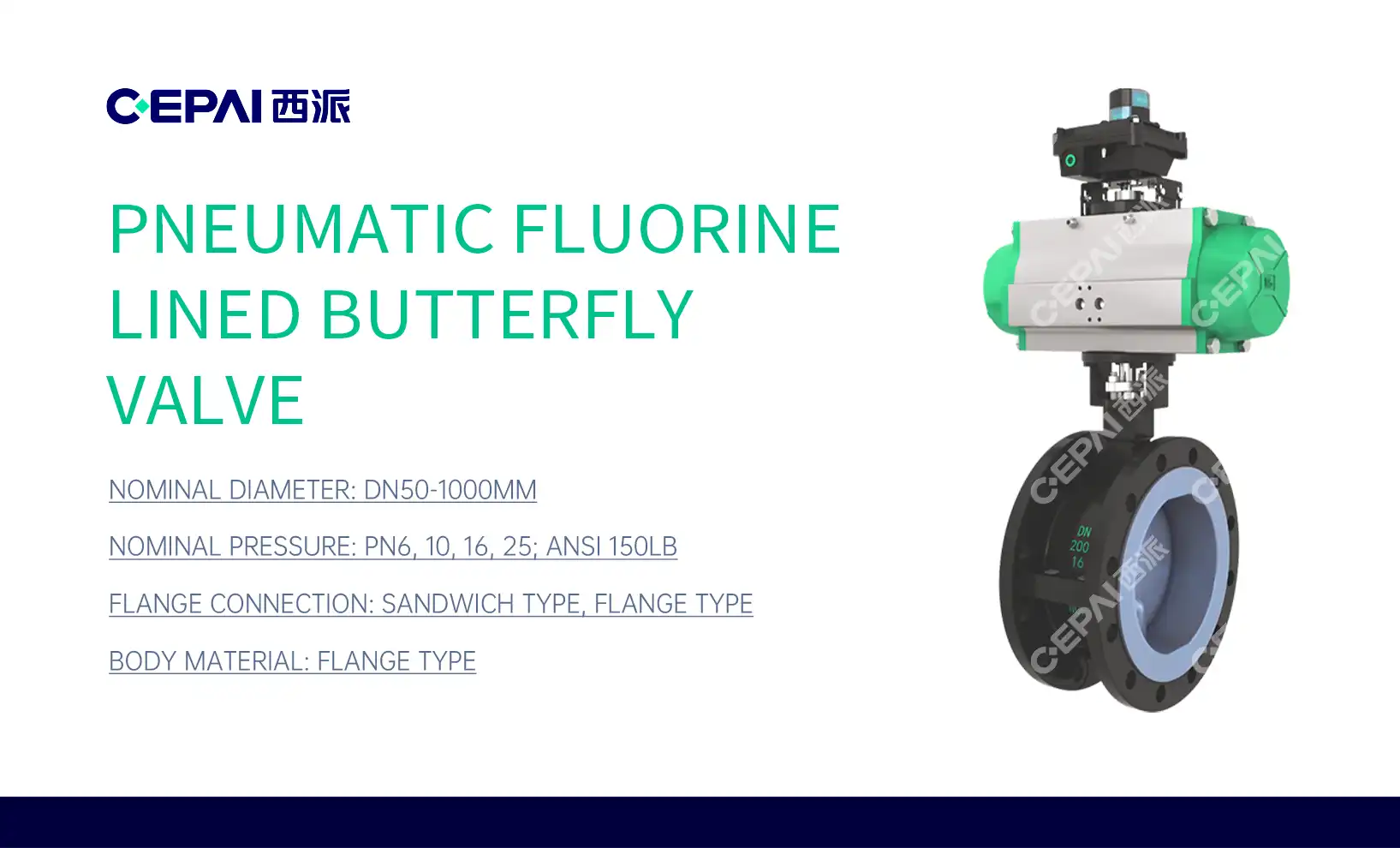
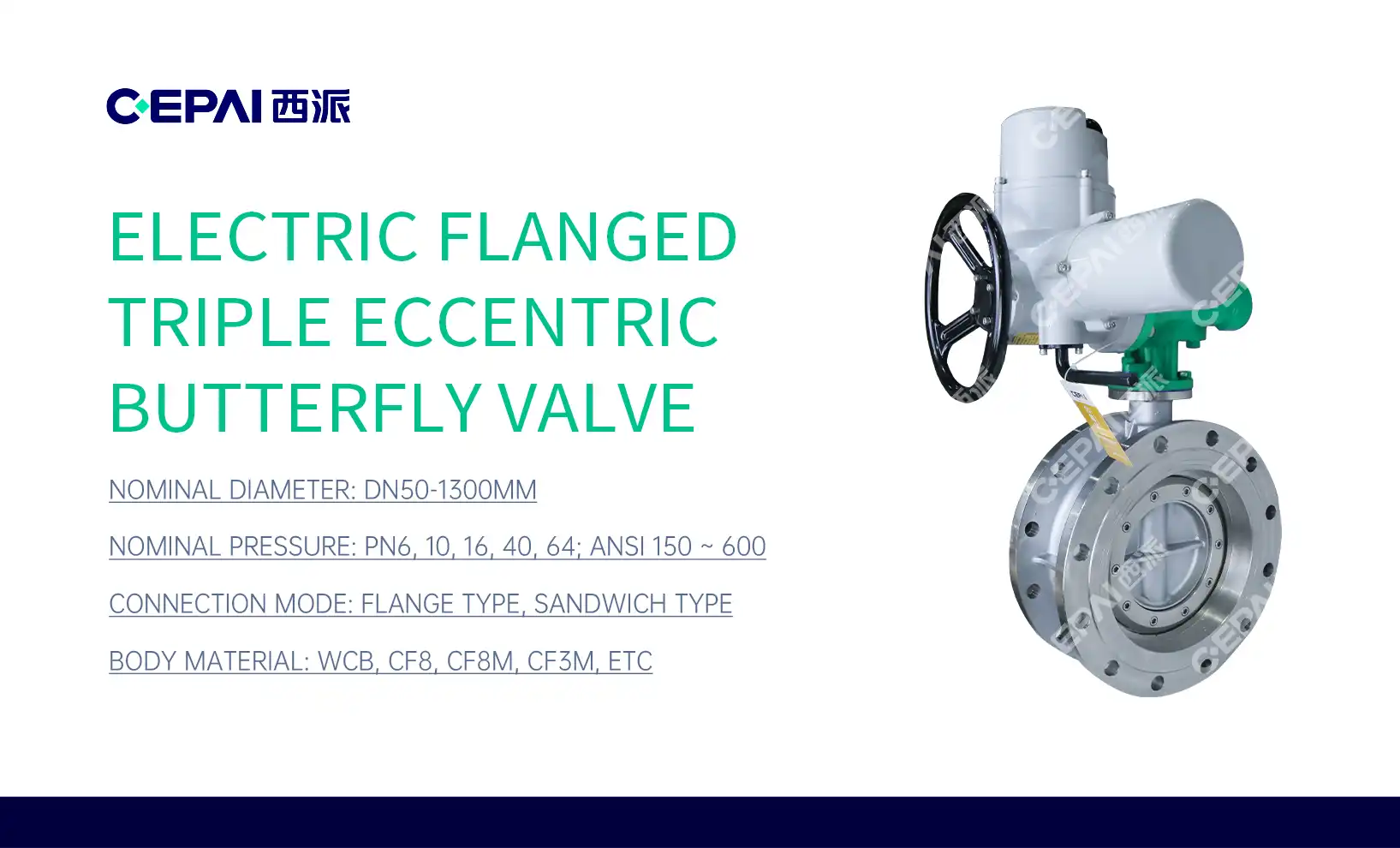
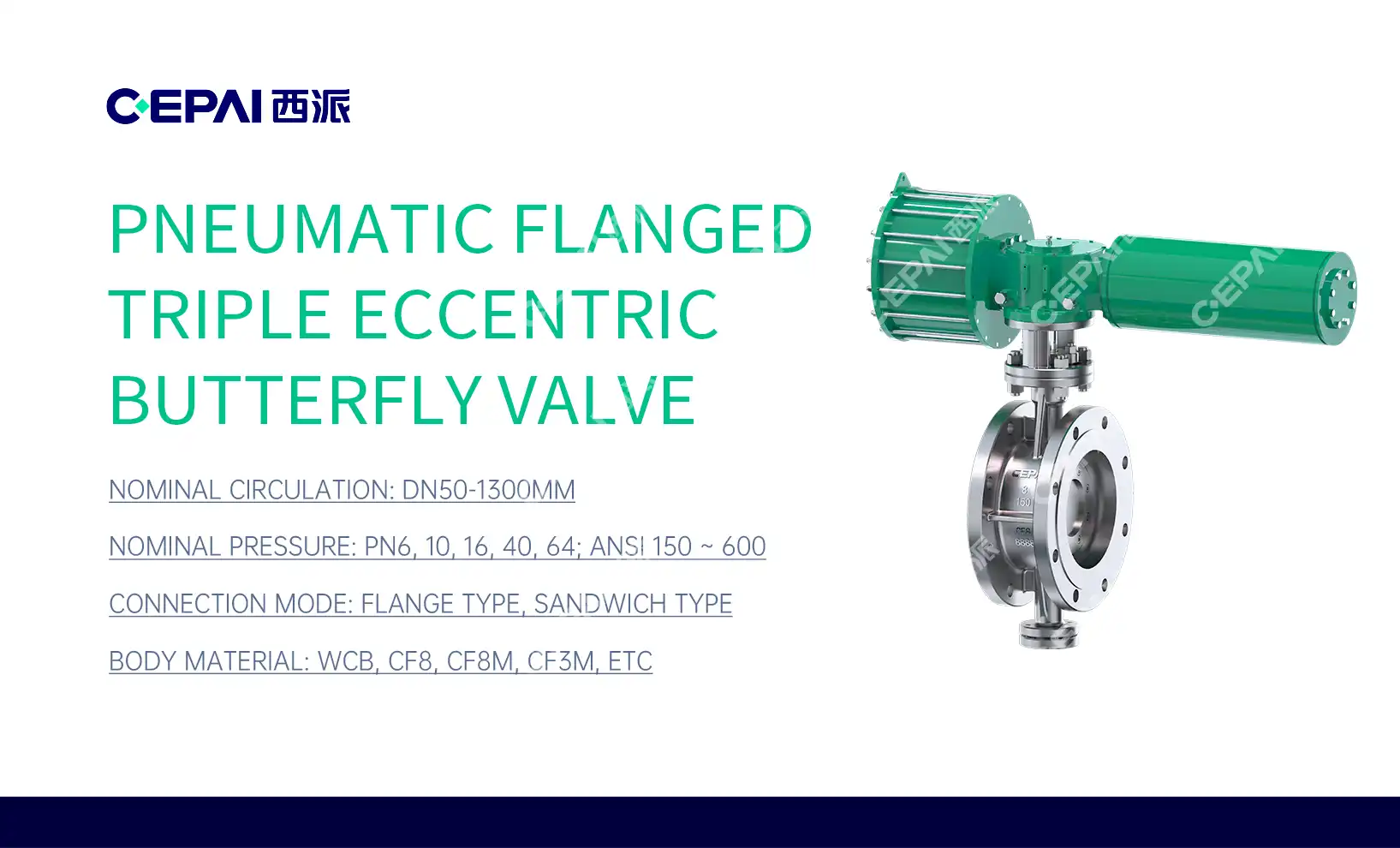
If a metal butterfly valve is properly looked after, it usually lasts five to fifteen years in high-temperature situations. With perfect care and good design, however, it can last much longer. The lifespan of these specialist valves relies on the materials used, where and how they are used, and how well the care rules are followed. Because their strong metal-to-metal covering surfaces resist very high temperatures better than standard rubber-seated options, metal-seated designs are best for thermal uses. This makes them an important part of tough industrial processes.

Understanding Metal-Seated Butterfly Valves and Their High-Temperature Applications
Particularly in settings with high temperatures and difficult conditions, metal-seated butterfly valves offer a major improvement over conventional rubber-seated designs. These valves have metal-to-metal closing surfaces that stay intact even when temperatures go over 400°C. This makes them necessary for fields that need dependable flow control under thermal stress.
Construction and Design Principles
The way that metal-seated and standard butterfly valves close is what makes them different from each other. Standard butterfly valves use rubber seats that break down at high temperatures, but metal-seated versions use carefully cut stainless steel or high-grade aluminum surfaces. These surfaces make a reliable shutdown by controlling compression and thermal expansion in ways that are meant to keep the seal intact when the temperature changes.
Industrial Applications and Temperature Requirements
In gas companies, power plants, and steel factories where the temperature often goes above what normal valve designs can handle, metal butterfly valves work best. These uses require valves that can handle very high temperatures, temperature changes, toxic materials, and high pressure. The valve is especially useful for steam uses, hot oil systems, and chemical processing lines because it can stay tightly closed even when temperatures change and materials expand and contract.
Factors Affecting the Lifespan of Metal-Seated Butterfly Valves under High Temperatures
There are several related factors that affect how long these specialized valves will continue to work properly in places where the temperature is very high. Procurement pros can make smart choices and set realistic maintenance standards when they understand these factors.
Material Selection and Metallurgy
The choice of materials directly affects how long valves last under heat stress. Alloys of high-grade stainless steel, especially the 316 and 317 types, are better at resisting heat wear and rust. The hardness of the seat is very important because areas that are made the right way can fight weathering and galling, which can hurt the binding performance. Specialized heat treatment and other advanced metallurgy methods make the valve better at withstanding temperature cycles without changing in a way that affects how well it seals.
Design Engineering and Standards Compliance
Thermal expansion must be taken into account in valve designs so that the whole thing doesn't get stuck and works smoothly. API and ISO standards are very important because they set rules for testing that makes sure equipment will work. These rules include pressure levels and temperature limits. Some common ways that things fail are seat wear from fast-moving materials, thermal stress from cycles of heating and cooling, and bending from thermal slopes that are not even. These problems show how important it is to have good engineering design and high-quality production methods.
Maintenance Tips to Prolong Metal Butterfly Valve Life in High-Temperature Conditions
Using thorough repair procedures greatly stretches the service life of valves and stops expensive unexpected breakdowns. Condition-based tracking and planned actions should be balanced in maintenance plans. This gets the best performance and value for money.
Inspection and Monitoring Protocols
In high-temperature settings, regularly checking metal butterfly valves is an important part of keeping them working well. Thermal stress can cause changes on the surface that you can see with a simple look. Acoustic leak detection, on the other hand, finds problems with seals that are happening inside before they get too bad. Thermal imaging is a great way to learn about the temperature across the valve body. It can help find hot spots that might mean there are problems inside or that the insulation isn't good enough.
Vibration analysis to find actuator problems and pressure tests to make sure sealing integrity are both advanced tracking methods. These monitoring tools help repair teams find problems before they cause the valve to fail or create safety issues.
Preventative Maintenance Practices
Preventative maintenance that works well focuses on a few important areas that have a direct effect on how long valves last. Lubrication systems have to use oils that can handle high temperatures and keep doing their job even when they're under heat stress. Cleaning often stops dirt from building up, which could make it harder to seal surfaces or operate the actuator. Taking care of the actuator is especially important when it is used in high-temperature settings because thermal expansion can change the way it is lined up and how smoothly it works.
Critical parts that get worn out, like sealing surfaces and actuator parts, should be at the top of the list for when to replace components. Using parts that are OEM-specified makes sure they work with the valve and keep it working the way it was meant to. Getting skilled professionals to do complicated fixes helps keep the valve intact and stops other damage from happening during maintenance.
Comparing Metal-Seated Butterfly Valves with Other Valve Types for High-Temperature Use
When looking at valve options for use in high-temperature settings, metal-seated butterfly valves have very useful benefits that make them the most popular choice for many tough uses.
Performance Advantages Over Alternative Designs
Metal butterfly valves have a quicker activation time and less wear during heat cycles than ball valves do. The quarter-turn butterfly design has two benefits. First, it minimizes mechanical stress on sealing parts. Second, it creates a spread sealing surface that lowers point loading and prevents early wear. Ball valves are great at shutting off flow, but their form means that seat wear is common because of the concentrated contact forces.
Traditional wafer butterfly valves with rubber seats just can't handle temperature changes like metal-seated versions can. The metal sealing surfaces keep their shape and sealing qualities at temperatures that would quickly damage rubber or polymer seats. This makes metal-seated versions very important for uses at high temperatures.
Material and Construction Advantages
Unlike cast iron, which is more likely to crack and experience heat shock, stainless steel is better at resisting rust and maintaining temperature. Well-known and reliable thermal expansion properties of stainless steel let engineers keep performance up over a wide range of temperatures by making adjustment devices.
Metal-seated designs require very precise manufacturing, which leads to valves with tighter tolerances and better overall quality. This helps the valves last longer and work more reliably in tough situations.
Procurement Considerations for Long-Lasting Metal-Seated Butterfly Valves
Getting high-quality metal butterfly valves is only successful when people look at a lot of different things besides the cost, such as how much they will cost in the long run. To make the best buying choices, B2B procurement pros need to find a mix between long-term value, quality standards, and performance needs.
Supplier Evaluation and Quality Assurance
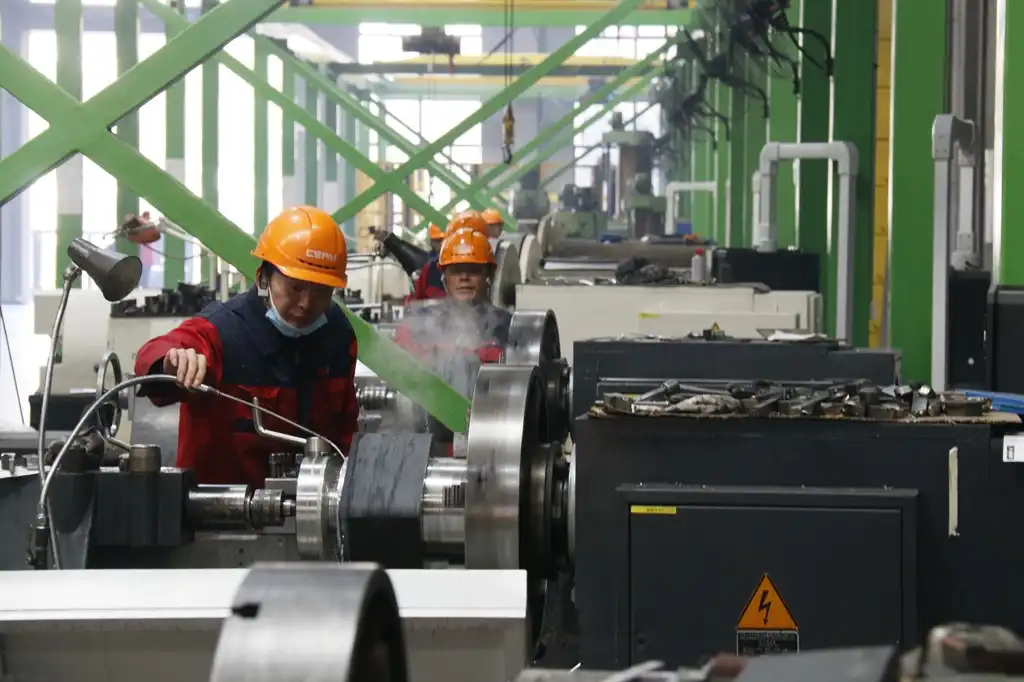
Looking at a supplier's producing skills, quality control systems, and industry certifications is a good way to help decide if they are the right choice for your business. API and ISO approvals show that you've met standards that experts agree on. Customer reviews, on the other hand, tell you about the speed and stability of the product based on people's actual experience. Audits of manufacturing facilities can show how dedicated the provider is to quality and how well they can keep production standards the same.
Quality paperwork is especially important for critical uses because tracking standards may call for thorough material certificates and test records. Vendors that have thorough quality systems are able to show the paperwork needed to meet the rules and their own quality standards.
Total Cost of Ownership Considerations
The total cost of ownership gives a better picture of valve economics even though the cost of the initial purchase is still important. Long-term costs are greatly affected by things like how much upkeep is needed, how long the service life is expected to be, and how easy it is to get new parts. Even though they are more expensive at first, high-quality valves that last longer often give you better value, especially when you think about the cost of unexpected downtime and emergency fixes.
Warranty terms and the availability of expert help also play a role in the total cost. When suppliers offer full help and a long guarantee, it shows they trust their goods. This also benefits customers by lowering risk and support costs.
Conclusion
For industrial use at high temperatures, metal-seated butterfly valves are the best choice. If they are properly kept and used within design limits, they can last 5 to 15 years. They are very useful for tough jobs in petroleum, power generation, and process industries because they can handle high temperatures, seal reliably, and are well-built. These valves will only work well if the right materials are used, upkeep routines are followed, and buying practices that focus on quality and long-term value instead of short-term costs are used.
FAQs
What is the typical lifespan of a metal-seated butterfly valve under continuous high temperature?
Depending on the material grade, working pressures, care procedures, and particular weather conditions, well-maintained metal-seated butterfly valves can last 5 to 15 years under ongoing high-temperature conditions. Using high-quality materials and taking good care of it can make it last a very long time.
How often should maintenance be performed on metal-seated butterfly valves in harsh thermal environments?
How often maintenance is done depends on the application, but it usually includes quarterly eye checks and service every six months to find trends of wear and stop breakdowns. Critical apps may need to be checked every month and have big upkeep done every year.
Can metal-seated butterfly valves be customized for extremely high temperatures beyond standard industrial limits?
Yes, specialty makers provide unique options with advanced superalloys and better closing technologies to deal with temperatures that are higher than normal. To make sure these unique designs work well, they need to be carefully planned out and made with special materials.
Partner with CEPAI for Superior Metal Butterfly Valve Solutions
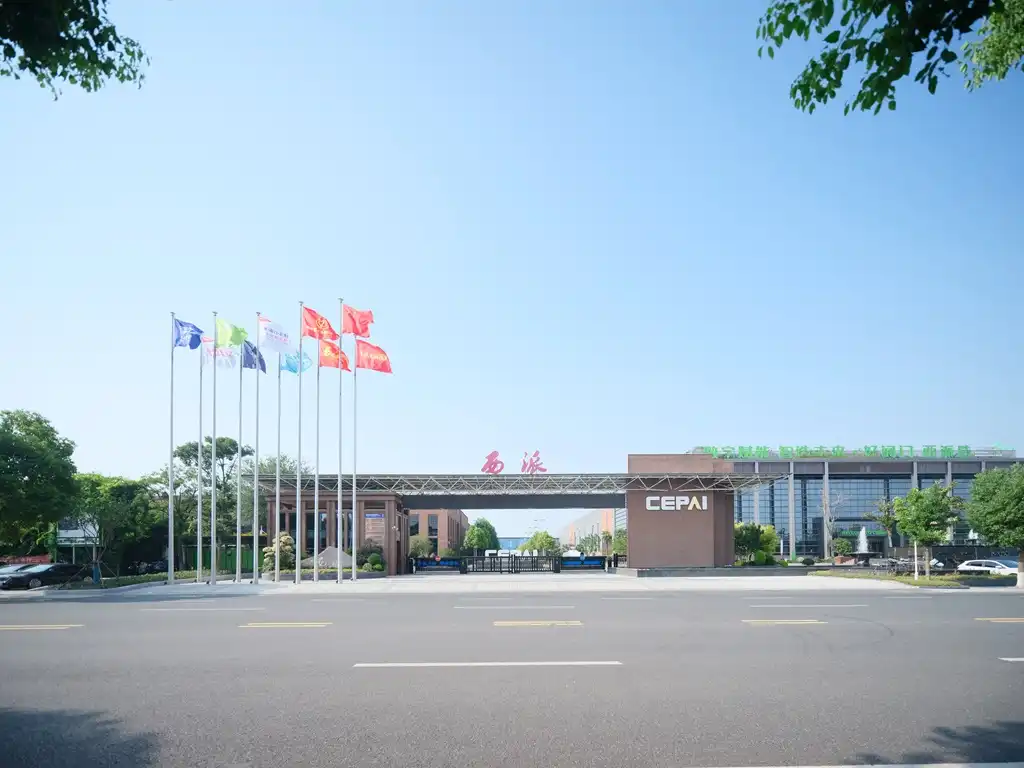
For high-temperature industrial uses, CEPAI is the known metal butterfly valve maker that provides great quality and dependability. Our wide range of products includes API-certified metal-seated butterfly valves that are designed to work in the harshest thermal conditions while keeping great sealing performance and a long service life.
CEPAI can give your operations the quality security and technical excellence they need because they have been making valves for decades and have many certifications, such as API Q1, API 6A, API 6D, and ISO 9001. Our expert engineers work closely with customers to create custom solutions that meet exact temperature and pressure needs. This ensures that they work perfectly for your one-of-a-kind uses.
With expert help, upkeep advice, and quick delivery of OEM-certified new parts, you can experience the CEPAI edge through our all-around support services. Our promise to quality and customer happiness has gotten praise from major engineering firms and drilling service companies around the world.
Ready to improve your metal butterfly valve uses with proven high-temperature solutions? For individual advice and affordable prices, please email cepai@cepai.com.
References
American Society of Mechanical Engineers. "Butterfly Valves for High Temperature Service: Design and Performance Standards." ASME Standards Publication, 2023.
Petroleum Equipment Institute. "Metal Seated Valve Performance in Petrochemical Applications: A Comprehensive Analysis." Industrial Valve Technology Journal, 2024.
Thompson, R.K. "Thermal Cycling Effects on Metal-Seated Butterfly Valve Longevity." Process Engineering and Maintenance Quarterly, 2023.
International Organization for Standardization. "High Temperature Industrial Valve Testing and Performance Criteria." ISO Technical Specification 14723, 2024.
Mitchell, J.A. and Chen, L. "Material Selection for Extreme Temperature Valve Applications: Metallurgical Considerations and Performance Data." Materials Engineering Review, 2023.
Industrial Valve Manufacturers Association. "Best Practices for Metal-Seated Butterfly Valve Maintenance in High Temperature Environments." IVMA Technical Bulletin 2024-03, 2024.
_1746598531170.webp)