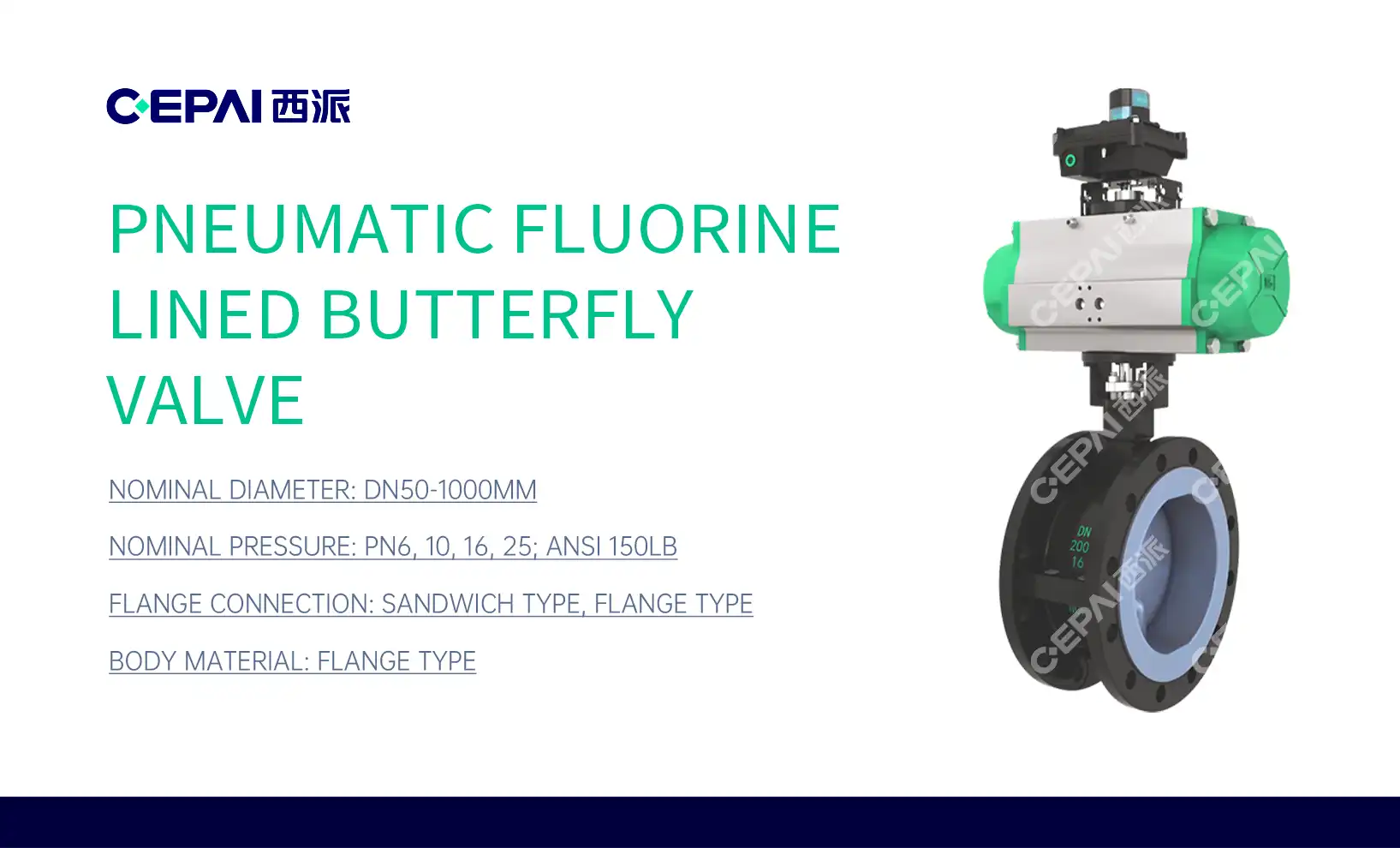
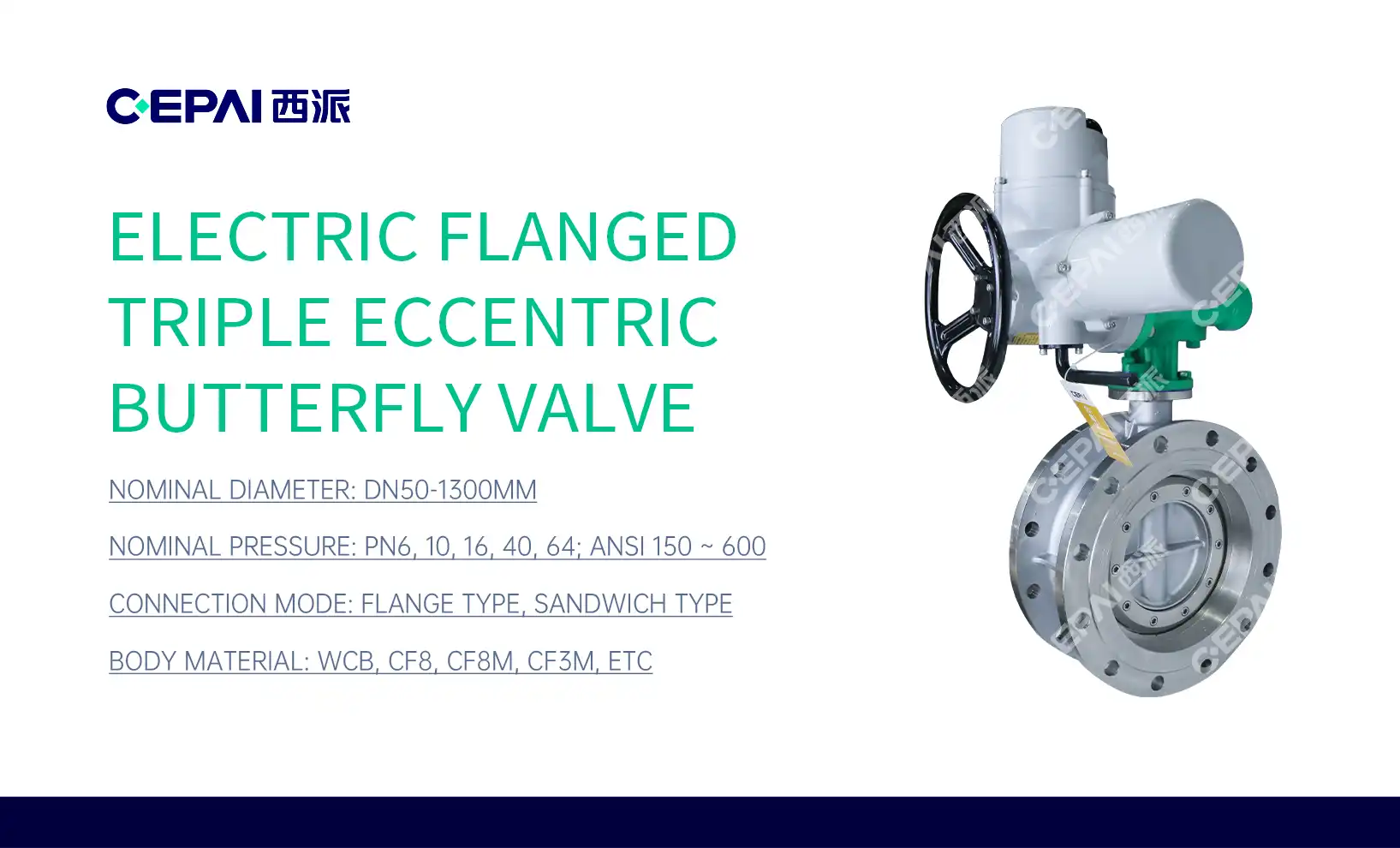
In a wide range of industries, electric ball valves are great at providing stability for remote control and automation systems. Because they are made with strong materials and advanced actuator technology, these precision-engineered parts always work the way they are supposed to. This makes them perfect for important flow control tasks in refining, pipeline management, and oil and gas drilling where system downtime is not an option.

Understanding Electric Ball Valves: Working Principle and Key Advantages
Fundamental Operating Mechanisms
Electric ball valves control fluid flow by turning a rounded ball with a hole. The electric motor controls the valve. Actuators get electrical data from control systems and turn them into mechanical torque. This torque moves the ball a quarter turn between open and closed states. This design gets rid of the need for compressed air systems or human operation, which makes them perfect for remote areas that are often used for oil and gas research.
Core Performance Benefits
Electric operated valves have benefits beyond just being able to automate simple tasks. Here are the main reasons they are needed for very important uses in industry:
- Better Precision Control: Electric motors can place things exactly where they need to be because of feedback systems that confirm valve position. This is very important for wellhead operations and pipeline management to keep flow rates at the right level.
- Energy Efficiency: Electric valves only use power when they are working, unlike pneumatic systems that need air pressure all the time. This greatly lowers the cost of running electric valves in places where cutting has to be done remotely.
- Remote Operability: When you connect valves to SCADA systems, workers can direct them from central control rooms, which makes things safer and keeps people away from dangerous settings.
- Maintenance Advantages: It has less than the similar gas options, so it needs less upkeep and can be used for longer periods of time.
These benefits lead directly to practical benefits for drilling companies and pipeline owners who need their equipment to work reliably in tough conditions where failure can create big safety risks and loss of income.
Industrial Applications and Compatibility
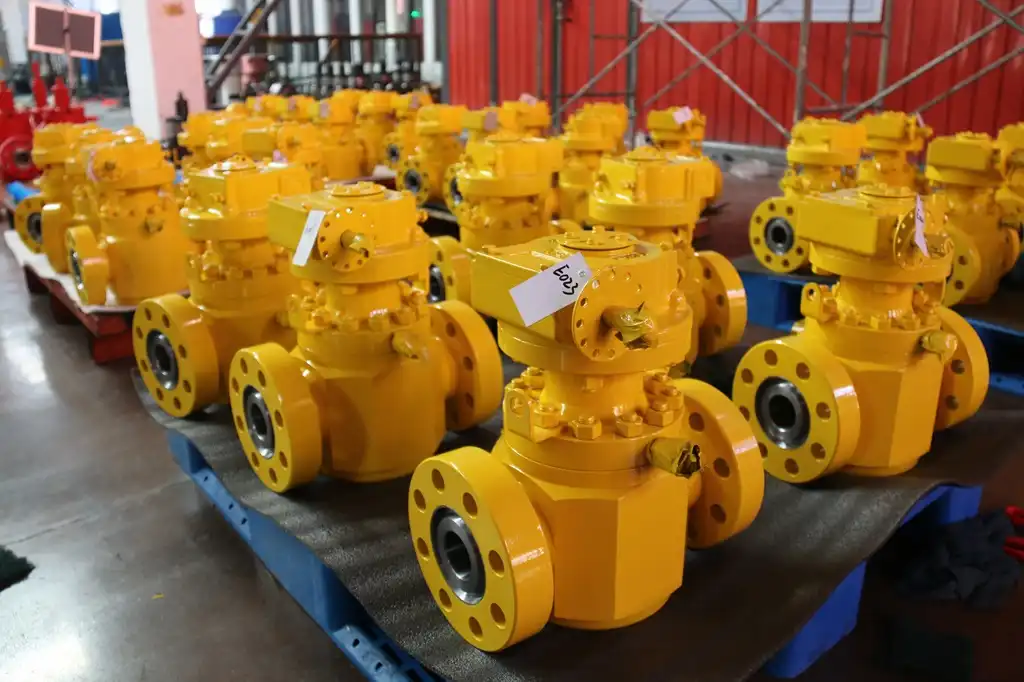
Common uses are in the food and drink businesses, chemical processes, HVAC systems, and water cleaning. But the most difficult jobs for these valves are in the oil and gas industry, where they handle high-pressure fluids in wellhead Christmas trees, control flow in pipeline systems, and oversee steps in processing plants.
Comparing Electric Ball Valves with Other Valve Types for Automation Systems
Performance Analysis Against Alternative Technologies
Electric ball valves have distinct benefits over gas, manual, solenoid, and powered valves in terms of control accuracy, dependability, and automation compatibility. This becomes a very important thing to do when picking out parts for complicated systems such as wellhead units or pipeline control networks.
Electric ball valves, unlike pneumatic ones, don't require compressed air to operate, so you don't have to worry about the problems with air quality, moisture, and supply that plague pneumatic systems in remote digging sites. Compared to hand valves, they are much easier to operate from a distance and help cut down on labor costs. This is especially beneficial for marine platforms and wells in rural locations where getting to the site is difficult and costly.
Cost-Benefit Analysis
When you compare them to solenoid and automatic choices, electric ball valves have better power and flow control, and they are cheaper over time. The upfront cost of good electric operated ball valves is worth it because they need less upkeep, make the system more reliable, and improve safety.
Engineers can choose the right valves for meeting the needs of different processes and care levels when they understand these small differences. The choice is especially important for EPC companies and equipment OEMs who need to find a mix between performance needs and their customers' long-term costs.
Evaluating Reliability: Maintenance Tips and Troubleshooting for Electric Ball Valves
Proactive Maintenance Strategies
Inspections of the actuator, seal, and electrical lines are all part of maintaining an electric ball valve. The way repair is done is very different from manual or gas systems. It needs electricity safety procedures and special troubleshooting tools.
Actuator failure, valve sticking, and signal disruptions are all common problems that can make a system less reliable. Proactive repair can help avoid these problems. Regular inspections should include checking the electrical connections, trying the actuator force, and checking the seals. This will keep important applications from failing unexpectedly.
Environmental Considerations and Installation Best Practices
Proper fitting that takes into account things like very hot and cold temperatures, contact to harmful substances, and shaking makes a big difference in how long the valve lasts. Oil and gas uses have special problems, such as exposure to hydrogen sulfur, very high or low temperatures, and high-pressure situations. These conditions require carefully choosing and installing materials.
Following the manufacturer's instructions and industry standards like API 6A for wellhead tools guarantees the best performance and compliance with the law. These guidelines are especially important for businesses that want to get API or ISO licenses that big oil and gas companies require.
Troubleshooting Common Issues
Actuator contact failures, position input mistakes, and seal degradation are all common problems that need to be fixed. Understanding these possible problems helps maintenance teams come up with good ways to respond and keep extra parts on hand so that downtime during important operations is short.
Following these simple steps will make sure that your operations run smoothly, reduce downtime, and make it easier for modern drilling and production operations to use automatic control systems.
Procurement Insights: How to Choose and Source Reliable Electric Ball Valves
Technical Selection Criteria
Choosing the right electric ball valve means making sure that the fluids, pressure, torque, and flow control all work with the system. It gets harder to choose the right valves for oil and gas uses when they need to deal with harshly acidic fluids, very high pressures, and strict safety rules.
People who work in procurement should focus on sellers who offer approved items that are known to work well and have good after-sales support. API 6A, API 6D, and other industry-specific standards are needed for approval in oil and gas uses. These standards make sure that equipment can be safely used and meets the needs of the business.
Supplier Evaluation and Quality Assurance
Looking at well-known makers with a lot of experience in oil and gas uses helps set standards for quality and new ideas. Factory visits, quality system tests, and reference checks with similar businesses should all be a part of the seller evaluation process in order to make sure that the claims of performance are true.
For large-scale automation projects, strategic bulk buying with price, wait time, and guarantee term negotiations ensures that supplies keep coming and that costs are low. Businesses that run more than one location or drilling operations for a long time benefit greatly from having long-term relationships with their suppliers.
Integrating Electric Ball Valves into Modern Automation Systems: Future Perspectives
Industry 4.0 Integration Capabilities
More and more, electric ball valves are being used in Industry 4.0 settings. They use IoT connection and smart monitoring to make remote control and predictive maintenance better. These improvements are especially good for oil and gas operations, where tracking equipment and predictive repair can keep the business running and avoid expensive shutdowns.
With advanced troubleshooting tools, you can check the performance of the actuator, the health of the electrical system, and the correctness of the valve position all in real time. This information backs up forecast repair plans that make machines more reliable and cut down on maintenance costs.
Technology Advancement Trends
Current progress focuses on sturdy, energy-saving tiny motors and materials that don't break down easily and don't rust. New discoveries in material science help deal with the tough conditions that are common in oil and gas uses, like exposure to sour gas and operations at very high temperatures.
For businesses that buy goods and do engineering, working with expert manufacturers on valve selection and keeping up with the latest in automation makes sure that system designs can grow and stay relevant in the future. This also meets environmental and safety rules that are becoming more strict while finding the right balance between cost, reliability, and technological sophistication.
Company Introduction and Product Service Information
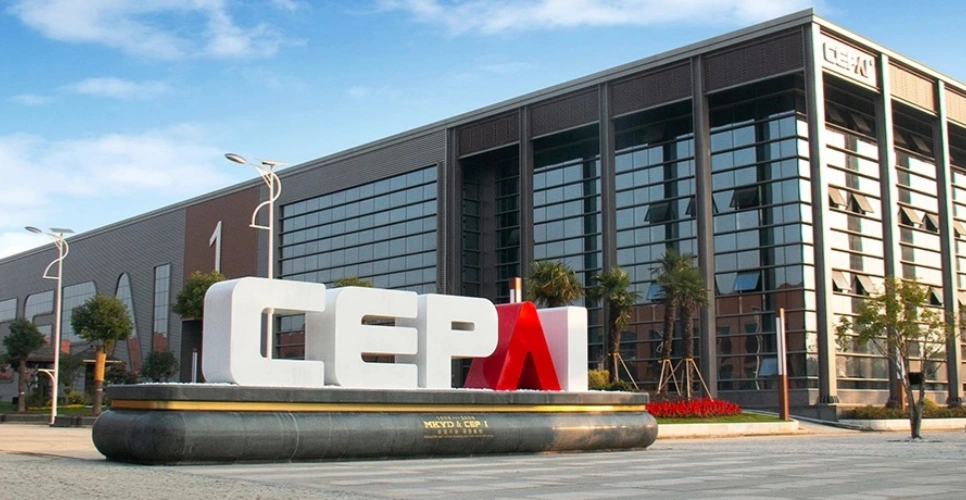
CEPAI specializes in high-quality valve solutions engineered for demanding industrial applications, particularly in oil and gas exploration, drilling, and production operations. Thanks to our wide-ranging production skills, we can offer customizable electric ball valve solutions that meet the needs of different processes. At the same time, we can keep strong quality control and global supply chain capabilities.
Our product range especially targets important areas, such as wellhead tools, pipeline valves, and process control. To make sure our goods meet the toughest standards in the industry for safety and efficiency, we hold a wide range of certificates. These include API Q1, API 6A, API 6D, API 16C, API 602, ISO 9001, ISO 14001, and CE marking.
CEPAI makes itself a trusted partner for drilling engineers, pipeline workers, and procurement professionals who want dependability and performance in their automation projects by offering focused expert help and complete aftersales service. We're committed to always finding new ways to do things and make sure everything is perfect. This helps the energy business meet its changing needs.
Conclusion
In a wide range of industrial settings, electric ball valves have shown that they can be trusted to work well in robotic systems and remote controls. Their fine control, energy efficiency, and strong build make them perfect for tough oil and gas operations where system dependability directly affects safety and profit.
The technology keeps changing for the better, with more diagnosis tools, better materials, and better interaction with current control systems. When buying workers and engineering teams choose electric operated ball valves from certified makers, they make sure that systems run smoothly and support long-term goals. Investing in reliable valve technology is worth it because it makes things safer, lowers the cost of upkeep, and makes the business run more smoothly.
FAQs
Can electric ball valves stand up to the harsh conditions of oil and gas work?
Yes, electric ball valves that are made correctly with the right materials and are certified can handle the high pressures, toxic fluids, and extreme temperatures that are typical in oil and gas uses. Choosing the right materials for wetted parts, understanding the actuator's environmental values, and following industry standards like API 6A for wellhead service are all important factors.
For places that are hard to get to, how do electric ball valves and hydraulic valves compare?
Electric ball valves are great for places that are hard to get to because they don't need compressed air systems, which makes the overall setup simpler and easier to maintain. They allow for more fine-tuned control and work better with current SCADA systems, which makes them perfect for remote sites and facilities that don't need to be handled.
In important uses, how often should electric ball valves be maintained?
Depending on how harsh the conditions are, how bad the application is, and what the maker says, maintenance usually needs to be done every 6 to 18 months. It might be necessary to check critical apps more often, but predictive maintenance technologies can help create the best plans based on the state of the equipment instead of set time periods.
Partner with CEPAI for Reliable Electric Ball Valve Solutions
Choosing the right electric ball valve maker is key to the success of your automation projects and the stability of your operations. To help you with your project needs, CEPAI has years of experience with oil and gas applications, full API certifications, and proven success in the toughest conditions around the world.
Our expert team works with drilling engineers, procurement managers, and project teams to come up with personalized solutions that meet the needs of each application and make sure they are in line with industry standards. We know how important valve performance is in oil and gas operations, which is why we keep strict quality control during all of our manufacturing steps.
Our electric ball valve options provide the dependability and performance your business needs, whether you need wellhead valves for drilling, pipeline control valves for downstream work, or custom parts for refining. Email us at cepai@cepai.com to talk about your needs and learn how our knowledge can help make your automation systems better.

References
Anderson, J.M. "Electric Actuator Technology in Oil and Gas Applications: Performance and Reliability Analysis." Journal of Petroleum Engineering Technology, 2023.
Williams, S.K. "Automation Systems for Remote Pipeline Operations: A Comprehensive Guide to Valve Selection and Integration." Industrial Automation Quarterly, 2022.
Thompson, R.L. "API 6A Compliance for Wellhead Equipment: Standards and Best Practices for Electric Actuated Valves." Society of Petroleum Engineers Technical Manual, 2023.
Chen, M.H. "Predictive Maintenance Strategies for Electric Ball Valves in Critical Process Applications." Process Control and Automation Review, 2023.
Rodriguez, P.A. "Material Science Advances in Valve Technology for Harsh Environment Applications." Materials Engineering in Oil and Gas, 2022.
Johnson, K.T. "Cost-Benefit Analysis of Electric vs. Pneumatic Valve Systems in Offshore Operations." Offshore Engineering Journal, 2023.
_1746598538016.webp)