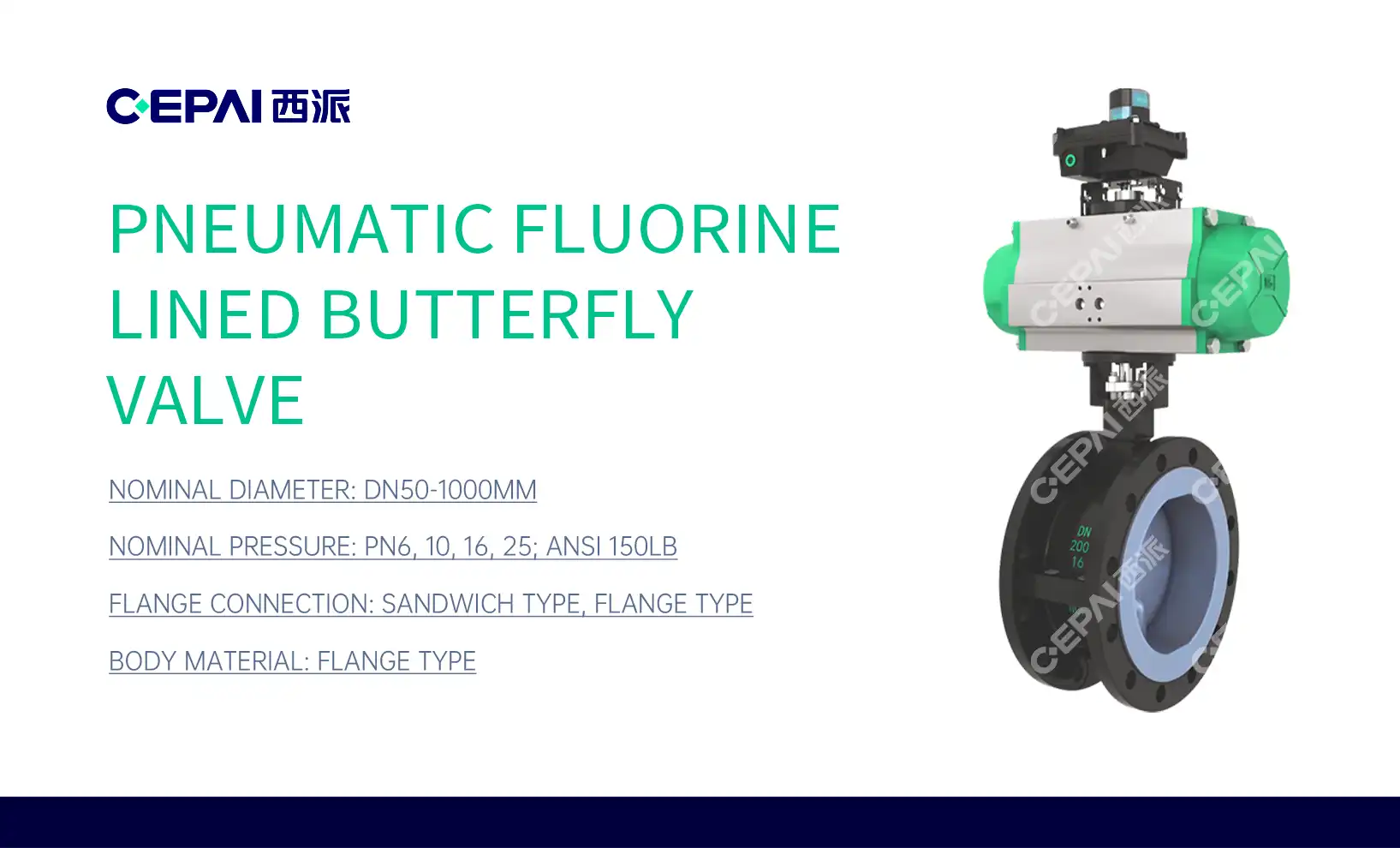
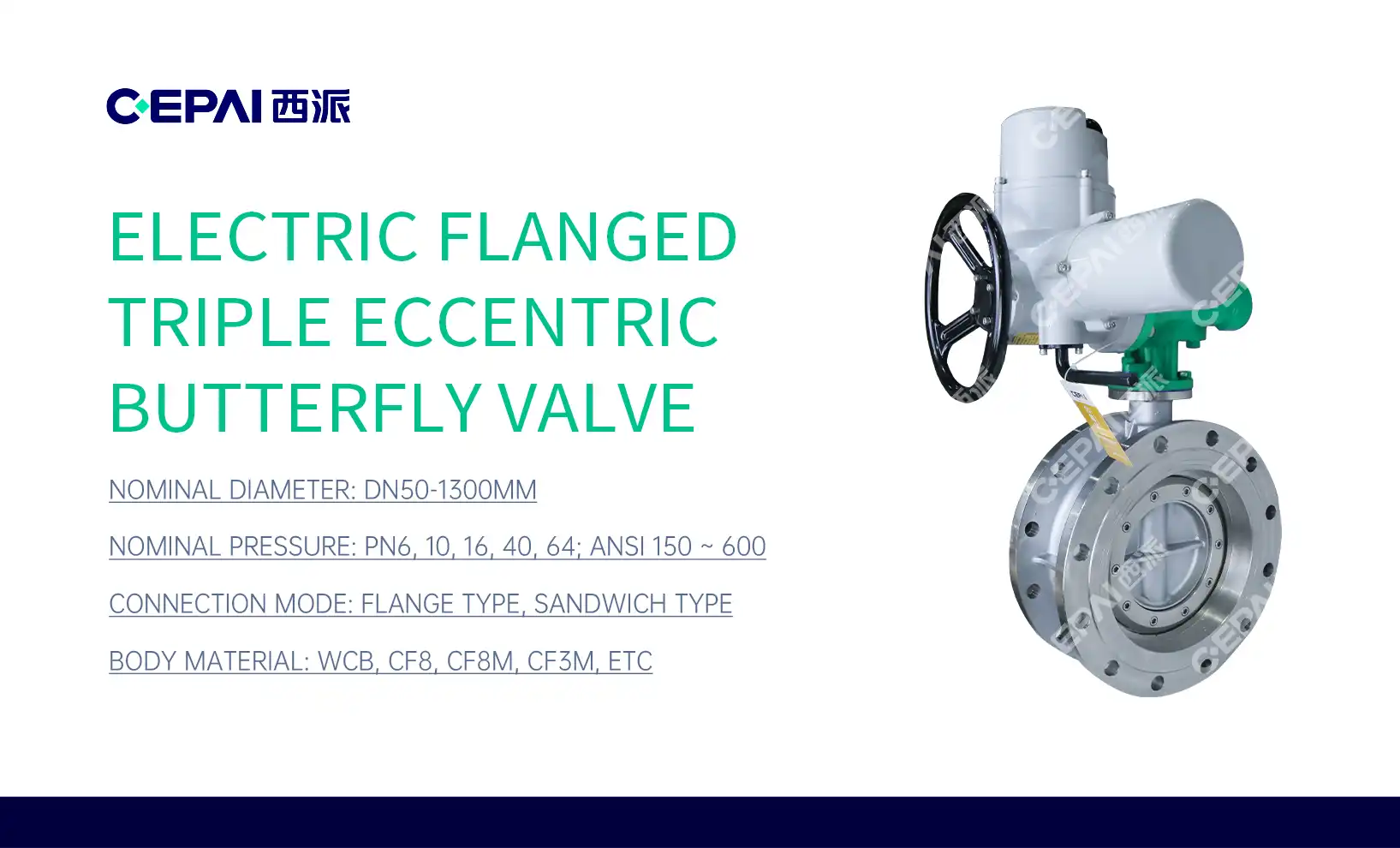
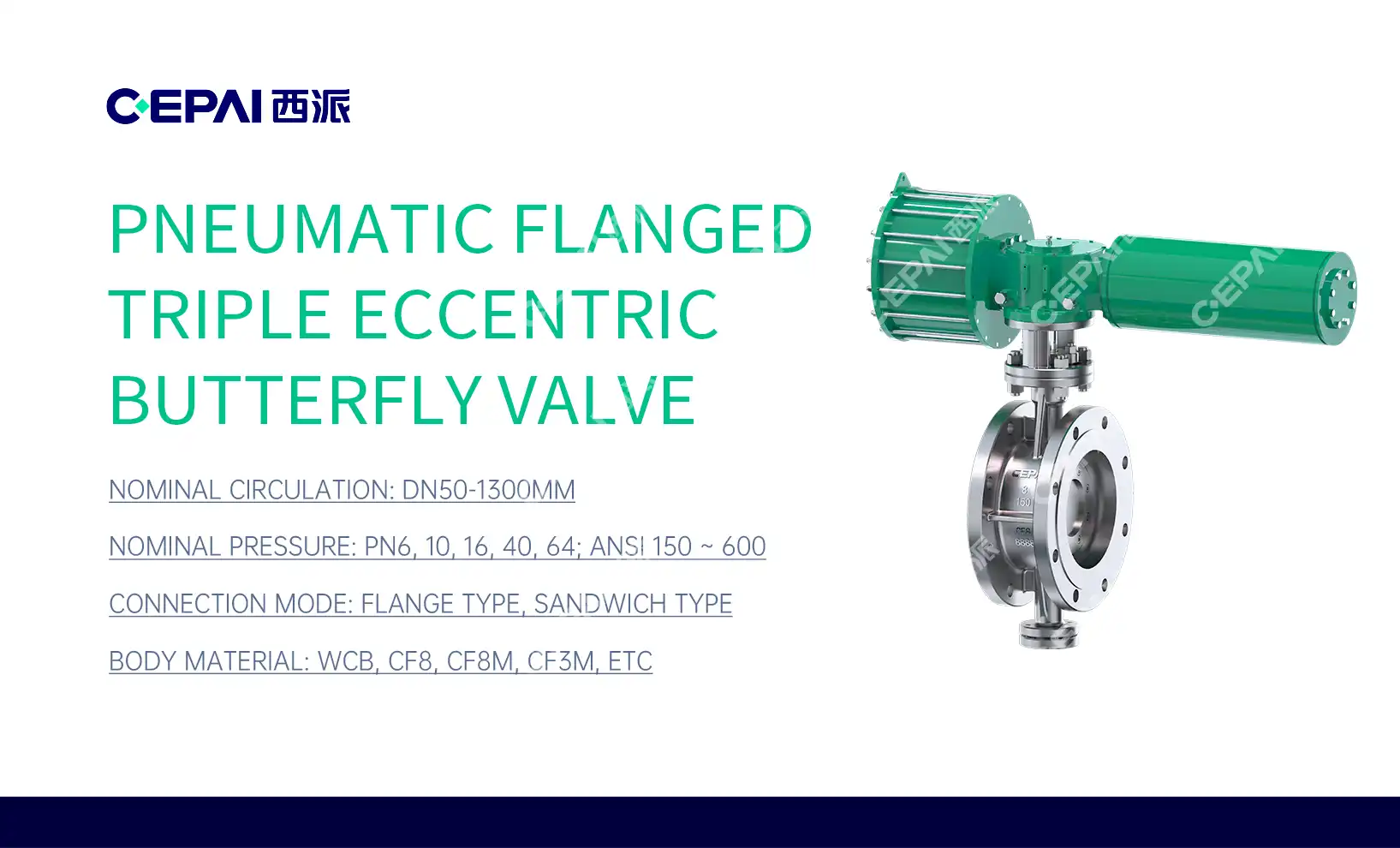
Electric and gas actuators have different ways of delivering power, which causes a difference in their force output. Pneumatic valve actuators usually produce more torque right away at slower speeds. They push with strong force through compressed air that can reach up to 5,000 ft-lbs, based on the size of the cylinder and the pressure that is running. Electric actuators allow more precise control of force and consistent output across a range of speeds. This leads to better accuracy for tasks that need exact placing and controlled adjustment.

Understanding the Basics of Valve Actuators
Control systems and fluid regulation tools need valve actuators to turn control data into mechanical motion that opens, shuts, or changes the position of a valve. These devices are an important part of industrial automation because they make it possible to operate and control fluid flow systems with precision from a distance in a wide range of uses.
Types and Applications of Valve Actuators
Pneumatic, electric, and hydraulic systems are the three main types of actuators used in factories. Pneumatic actuators are most commonly used in situations where a quick reaction and high power output are needed. They are especially important in oil and gas drilling wellhead systems and "Christmas trees," which need to work well even when conditions are harsh. Electric actuators are great at uses that need exact placement and the ability to control speed in different ways. This makes them perfect for refining processes and pipeline regulation systems. While hydraulic actuators are useful for certain high-force tasks, they aren't used as much because they are complicated and hard to fix.
Working Principles and Torque Generation
When pneumatic actuators use compressed air on pistons or diaphragms, they make linear motion that is turned into spinning force through rack-and-pinion or scotch-yoke devices. The torque output is directly related to the air pressure and the surface of the piston that is working. This makes it possible to create a lot of power while not using much money or time. Electric actuators use motor-driven systems with gearing setups to get the force they need. This allows them to give steady power no matter what outside pressures are acting on them.
Comparative Analysis of Torque Output: Pneumatic vs Electric Valve Actuators
Knowing the basic differences in how electric and gas actuators handle pressure makes it easier for people to choose the right one for a given job in an industry. Each technology has its own unique benefits that are useful for different ways of doing things and success goals.
Pneumatic Actuator Torque Characteristics
For their size and weight, pneumatic valve actuators provide great torque, especially when you need to exceed the usual amounts for starting up, which is called "break-away torque." A standard pneumatic actuator can make force values from 500 to 15,000 ft-lbs, based on the stroke length and cylinder hole diameter, when it's working at 80 PSI. The power delivery curve stays pretty flat over the whole range of operations, giving the same force no matter what the valve position is.
These actuators are great for uses that need to be able to quickly turn off emergency power; they can achieve full force output within milliseconds of getting a control signal. Its built-in fail-safe features let it spring back into place when power or air supply is lost. This keeps the valve in a safe position for important uses like wellhead control systems and pipeline safety shutoffs.
Electric Actuator Torque Performance
When you compare them to gas options, electric actuators offer better power precision and consistency. New servo-controlled models can position within 0.1% of full scale. The shape of the torque output graph depends a lot on the type of motor. For example, AC motors provide pretty much the same amount of torque no matter how fast they're going, but DC motors have higher torque at the start that drops as speed increases.
Electric actuators of a more advanced sort have smart torque tracking and feedback systems that make it possible to change the output force in real time based on process conditions and valve resistance. This feature is especially useful for automatic process control tasks where the constant placement of the valve affects the quality of the product and the speed of the operation.
Factors Influencing Torque Output and Actuator Selection Criteria
Actuator power performance is influenced by a number of important factors, which affect the choice of actuator for a given application. Understanding these makes it easy for buying workers to properly match the work that actuators can do with the needs of the business.
Operating Environment and Pressure Considerations
The torque that a pneumatic actuator gives out depends a lot on the pressure of the air source. Up to the actuator's design limits, the performance increases in a straight line as pressure rises. Most of the time, standard industrial air systems that work at 80–100 PSI provide enough power. For more difficult uses, high-pressure systems that hit 150 PSI can boost output by about 50%.
For electric actuators to work their best, they need a steady source of electricity and regular weather conditions. Changes in ambient temperature affect the efficiency and power output of motors. Also, changes in voltage can cause normal motor designs to perform much worse.

Maintenance and Longevity Factors
The amount of torque that can be applied over long periods of time changes a lot between different types of actuators. As parts inside the system wear out, the torque output goes down. This is because seals and diaphragms need to be replaced every so often. If you properly filter and lubricate your air tools, they will last a long time and always produce the same amount of power.
If you take care of them, electric valve actuators show better long-term power stability. Good units keep the stated performance for decades. But, as with replacing motor brushes, adding grease to gears, and fixing electrical parts, specific knowledge is needed, and they can affect the total lifecycle costs.
Procurement Insights for Torque-Optimized Valve Actuators
When you want to buy an actuator, you need to carefully consider the technical details, the suppliers' skills, and the possibility of getting long-term assistance. Procurement managers need to make sure that the tools they buy can be counted on to work properly for as long as they own it, all while keeping an eye on performance needs and the budget.
Specification Analysis and Performance Data
Torque numbers show the highest that can be produced in perfect conditions, but temperature, duty cycle, and mounting setup are some of the factors that affect performance in the real world. When procurement professionals ask for performance curves, they should ask for ones that show torque output across working ranges and weather conditions that are important for their specific uses.
Safety factors usually need actuator torque values to be 25% to 50% higher than what the valve needs. This is done to make sure that wear and tear, the effects of the environment, and emergency situations are taken into account. This gap makes sure that the service life can depend on it working all the time, even when the process changes in ways that weren't planned.
Supplier Evaluation and Quality Assurance
Looking at a supplier's producing skills, quality approvals, and expert support resources can help you choose one that is qualified. API certificates, ISO quality standards, and test results that back up claims about power performance are all parts of the full paperwork that good makers give out.
Long-term ties with suppliers are important for keeping the standard of the products up and getting solid expert help. During design creation, established providers provide useful technical advice and can make goods fit the needs of different applications.
Company Profile and Solutions for Torque-Sensitive Valve Actuation
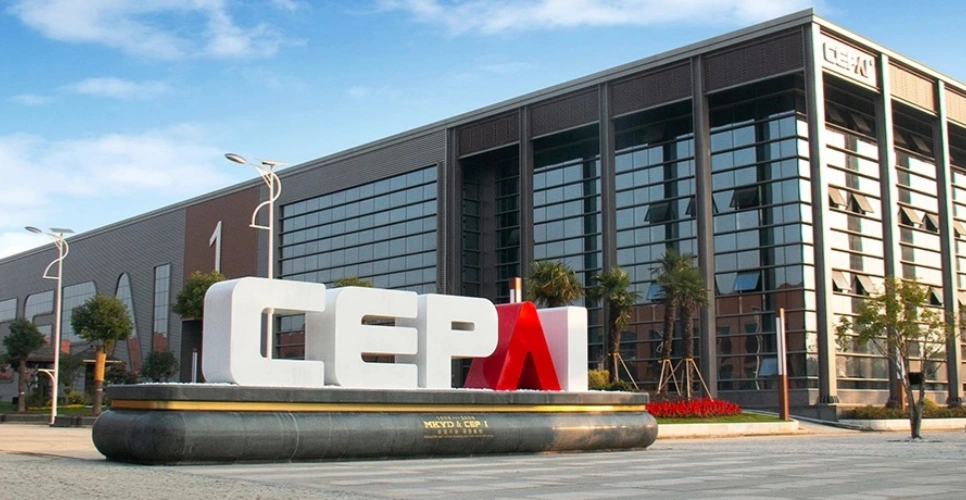
CEPAI is a top high-tech company that focuses on making complex valve control solutions for tough industrial purposes. We know a lot about valve actuator technologies, including everything from gas and electric systems to complex mixed setups made for specific needs.
Product Portfolio and Technical Capabilities
Our wide range of products includes torque-optimized valve actuators that are made just for oil and gas research, pipeline work, and processing. With deep certificates like API Q1, API 6A, API 6D, API 16C, ISO 9001, and CE marks, CEPAI upholds strict standards of quality and makes sure our goods meet the toughest standards around the world.
The company's tech team works closely with customers to make custom fixes for their unique power needs and problems with how they work. With this method, CEPAI has become a valued partner for big oilfield service companies and building firms all over the world.
Value-Added Services and Support
Besides making high-quality products, CEPAI offers a range of helpful services such as expert advice, special engineering, and on-site service support. To get the best performance and lowest costs over the entire lifespan, our team helps customers plan how to integrate, choose, and size actuators.
Quality assurance methods make sure that the power performance is the same across all production runs. At the same time, large testing sites show that the product works well in situations that are similar to those in the field. This promise of quality and dependability has won praise from top business partners and government groups around the world.
Conclusion
The changes in force output between electric and gas actuators are due to the way each type of actuator delivers power, the level of control they offer, and the way they operate. While electric actuators give you more accuracy and reliability, pneumatic systems have better power-to-weight ratios and can respond more quickly. When you choose an actuator, you need to think about the needs of the product, the factors in the surroundings, and what you expect for long-term performance. CEPAI's wide range of products and technical know-how help people choose the best actuator for difficult industrial uses. This makes sure that it works well and that the business meets its goals.
FAQs
What factors most significantly affect pneumatic actuator torque output?
The torque a pneumatic actuator can produce depends mostly on the pressure of the air source and the size of the actuator cylinder. Torque roughly doubles when air pressure is doubled, but when cylinder width is increased, torque changes exponentially. Performance is also greatly affected by temperature, air quality, and the state of the internal parts.
Can electric actuators replace pneumatic units in high-torque applications?
In many cases where high force is needed, especially when exact control and setting are important, electric actuators can work better than gas systems. Pneumatic actuators, on the other hand, are better for emergency shutdown uses because they often have better torque-to-weight ratios and quicker reaction times.
How important is torque accuracy for industrial valve automation?
The accuracy of the torque has a direct effect on the performance of the valve, the precision of the process control, and the life of the equipment. Too little torque might cause the valve not to close or open all the way, and too much torque might hurt the valve's parts and shorten its lifespan. Correct torque matching makes sure that the system runs perfectly and doesn't need to be fixed often.
Enhance Your Industrial Valve Performance Today
Transform your valve control systems with CEPAI's knowledge of actuator solutions that are torque-optimized. Our engineering team offers in-depth advice to help you choose the best valve actuator maker for your needs. No matter if you need air-powered systems for quick-response tasks or electric actuators for exact control, CEPAI has tried-and-true answers supported by global credentials and years of experience in the field. Email us at cepai@cepai.com to talk about your torque needs and learn how our state-of-the-art actuator technologies can help you run your business more efficiently and reliably.

References
Smith, J.R. (2023). "Industrial Valve Actuator Performance Analysis: Comparative Study of Pneumatic and Electric Systems." Journal of Process Control Engineering, Vol. 45, No. 3, pp. 127-145.
Anderson, K.L. & Thompson, M.D. (2022). "Torque Characteristics and Selection Criteria for Automated Valve Control Systems." Proceedings of the International Symposium on Industrial Automation, pp. 234-251.
Brown, P.A. (2023). "Energy Efficiency and Performance Optimization in Valve Actuator Technologies." Industrial Engineering Quarterly, Vol. 78, No. 2, pp. 89-106.
Wilson, R.C., et al. (2022). "Reliability Analysis of Pneumatic versus Electric Actuators in Critical Process Applications." Reliability Engineering and System Safety, Vol. 218, pp. 445-462.
Davis, L.M. & Johnson, S.K. (2023). "Advanced Control Strategies for High-Torque Valve Automation Systems." Control Systems Technology Review, Vol. 31, No. 4, pp. 178-195.
Miller, T.J. (2022). "Lifecycle Cost Analysis of Industrial Valve Actuator Technologies: A Comparative Assessment." Process Engineering Economics, Vol. 29, No. 6, pp. 312-329.
_1746598531170.webp)