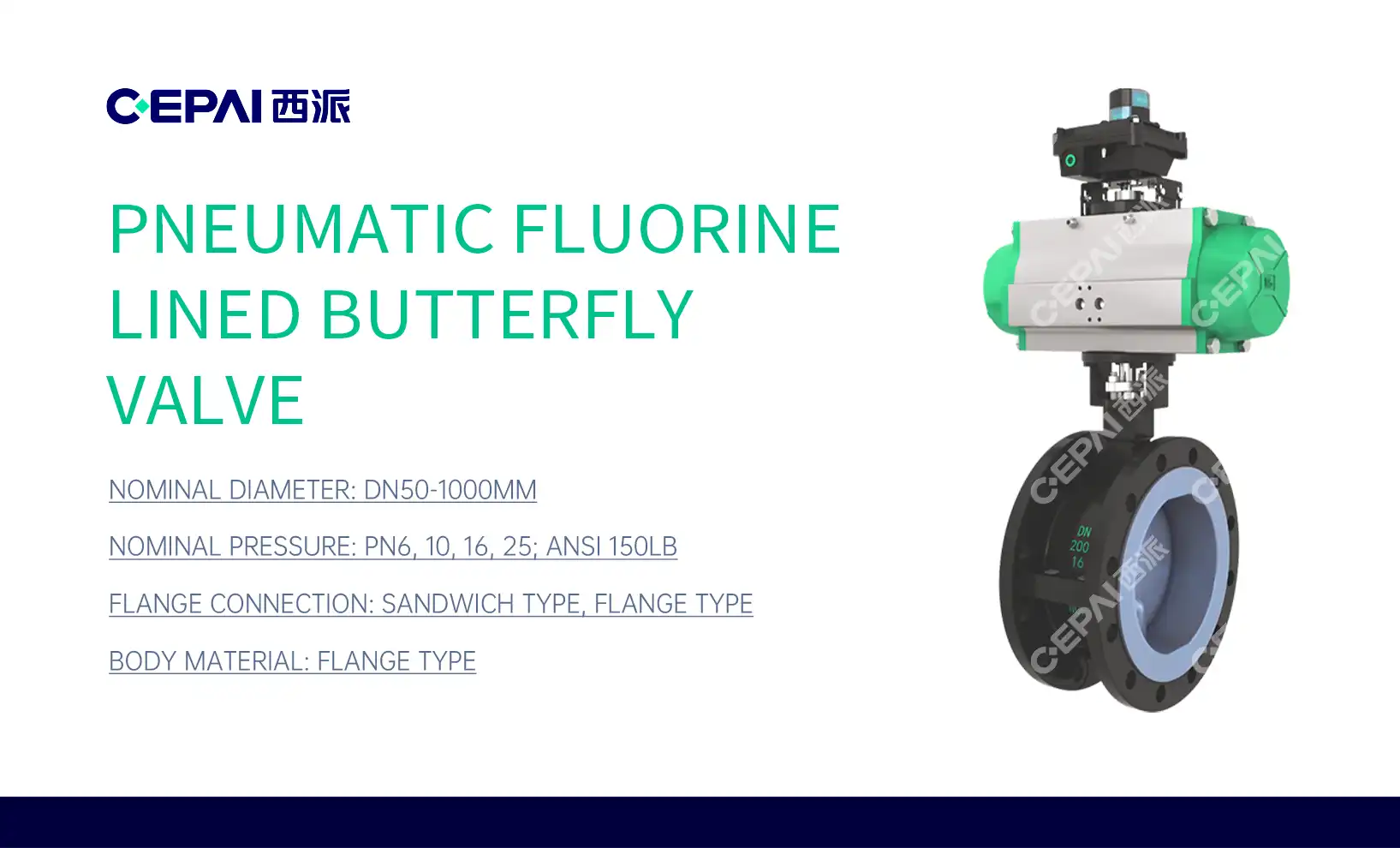
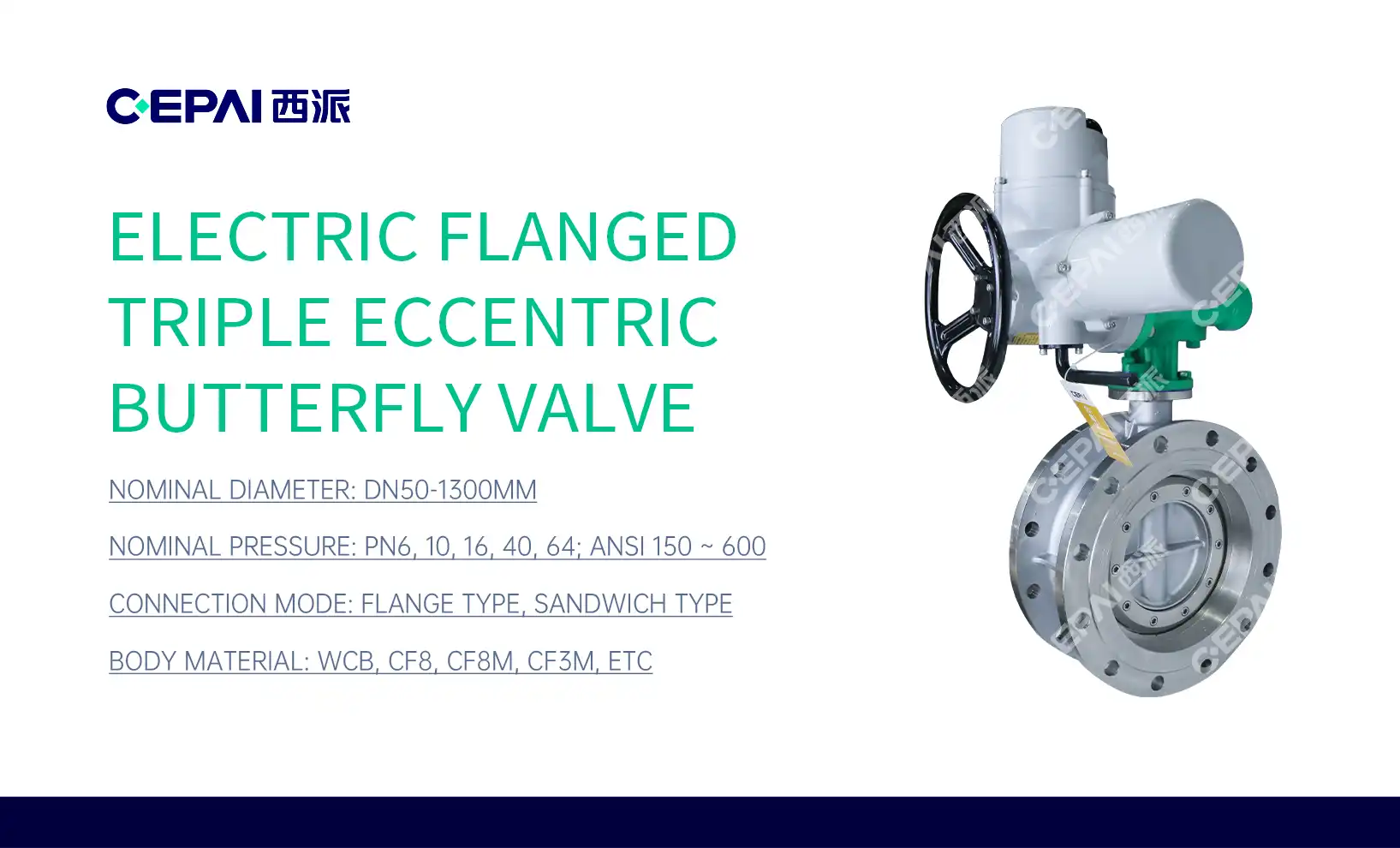
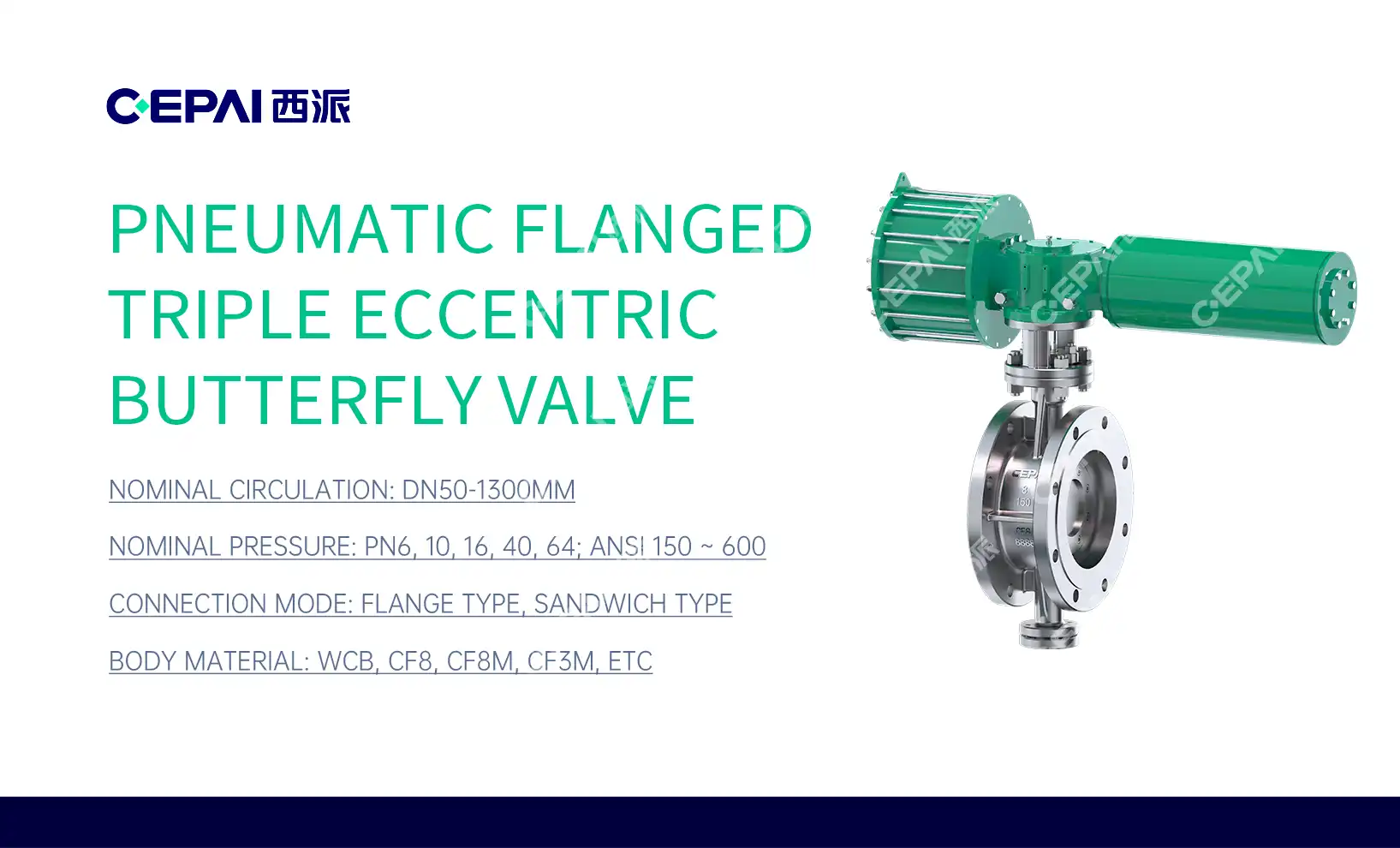
To install an electric butterfly valve correctly, you need to use some basic tools. Mounting brackets are needed to attach the actuator, electrical connectors are needed for power and signal transmission, couplings are needed to transfer torque, positioners are needed for exact control, and the right seals and gaskets are needed to make sure there are no leaks. These parts work together to make sure that valves work well and the system is dependable in industrial settings.

Because they are efficient, space-saving, and easy to handle, electric butterfly valves have become very important in modern automated industry. But, in addition to the valve, picking out the right tools is also important for the success of an electric butterfly valve installation. These add-ons make sure that the system is securely mounted, works reliably, and lasts a long time. This improves speed and minimizes downtime. Global B2B sourcing managers, engineers, and dealers can get detailed information from this guide that helps them make smart buying choices based on technical and practical needs.
Understanding the Core Components and Installation Challenges of Electric Butterfly Valves
Electric butterfly valves use a disc, a valve body, and an electric motor to easily control the flow. Even though they seem simple, they can be hard to install because of problems like misalignment, torque transmission that is too high or too low, or control systems that can't talk to each other.
Common Installation Challenges
It can be hard for procurement and engineering teams when valve sizes, actuator types, and weather factors change. Actuator and valve stem not lining up can cause the system to work less efficiently and wear out too soon. Problems with torque transfer can lead to poor seals or damage to parts inside the system. If control systems and valve positioners can't talk to each other, valves can behave in strange ways that can be dangerous.
Component Integration Requirements
These problems can be fixed by properly choosing and adding on extras like mounting kits, connections, positioners, and electrical parts. This makes the valve more sensitive, lowers how often maintenance has to be done, and increases the lifespan of the equipment. To put the electric butterfly valve correctly and make sure it works well over time, you need to know how each part connects to the unit.
Essential Accessories Needed for Installing Electric Butterfly Valves
There are some important extras that make sure electric butterfly valves work correctly and dependably after they are installed. Each add-on is important to the general valve system in its own way.
Mounting Kits and Brackets
Mounting kits make sure that electric motors stay connected to valve bodies. This gives you a stable connection point that can handle the stress of being used. These kits are different based on the actuator type and valve size, so you need to make sure they will work together. Universal fixing solutions let you change things up with different valve types, but unique brackets make sure that each application gets the perfect fit. Proper positioning keeps the valve from getting out of line, which can hurt its performance and make upkeep more often needed.
Couplings and Drive Components
Couplings send force from the electric motor to the valve disc, which makes sure that flow adjustment is done exactly right. Flexible connections continue to move power efficiently even when there are small misalignments. For high-pressure uses, rigid connections give the most power transfer. When choosing a material for connections, the temperature, chemical compatibility, and pressure needs for each fitting must be taken into account.
Control and Positioning Systems
Control units and positioners let feedback control systems put valves in the right place. These devices read control signals and move the actuator to the right position. 4–20 mA analog signals, HART, and digital fieldbus systems are all communication methods that need interface units that work with them. Position feedback monitors let control systems know the current state of a valve. This allows for exact process control and system troubleshooting.
Electrical Components and Wiring
Power lines, control wiring, junction boxes, and connecting kits are all electrical equipment. These parts make sure that the control systems and valve motors can always get power and send signals to each other. Connectors that are resistant to weather protect electrical links in tough conditions. Proper wire size and placement keep voltage drops and signal crosstalk from happening, which could affect valve performance.
Supporting Accessories for Maintenance and Long-Term Reliability
Beyond the basic way to put it, extra parts that help the electric butterfly valve stay safe, protect the environment, and make care easier during its service life.
Emergency Override and Safety Systems
When power goes out, tools that allow you to manually reverse the system are very important for emergency operation or safety shutdowns. Hand wheels and hand actuator extensions give you extra mechanical control. During system breakdowns or emergencies, emergency stop systems can instantly move valves to safe places. These safety add-ons are especially useful when working with oil and gas, where the safety of the process is most important.
Environmental Protection Solutions
Protective covers and shelters keep parts safe from dust, wetness, and extreme weather, which makes the product last longer. Weatherproof housings keep electrical parts safe from water damage and rust. In industrial settings, heat screens keep delicate parts safe from very high and low temperatures. Taking care of the surroundings properly protects parts from wear and tear, which makes them last a lot longer.
Maintenance and Monitoring Tools
Cleaning chemicals and lubricants make sure that machines can move freely and don't rust. Diagnostic and tracking devices give you info right away so you can predict problems before they happen. Vibration monitors find mechanical wear and current tracking finds electricity problems. Together, these add-ons make sure that the system's valves always work properly and that the system doesn't have any unexpected downtime.
How to Choose the Right Accessories: Criteria and Best Practices
Choosing the right tools means you have to think about technical needs, weather conditions, and operating goals in a step-by-step way.
Compatibility Assessment
Accessory selection requires a close look at the valve type and size, actuator details, and the area where it will be used. Dimensional alignment makes sure that the parts of a machine connect with each other the right way. Electrical compatibility looks at the needs for power, current, and data. Chemical compatibility looks at the materials used for gaskets and seals and how they are exposed to different media.
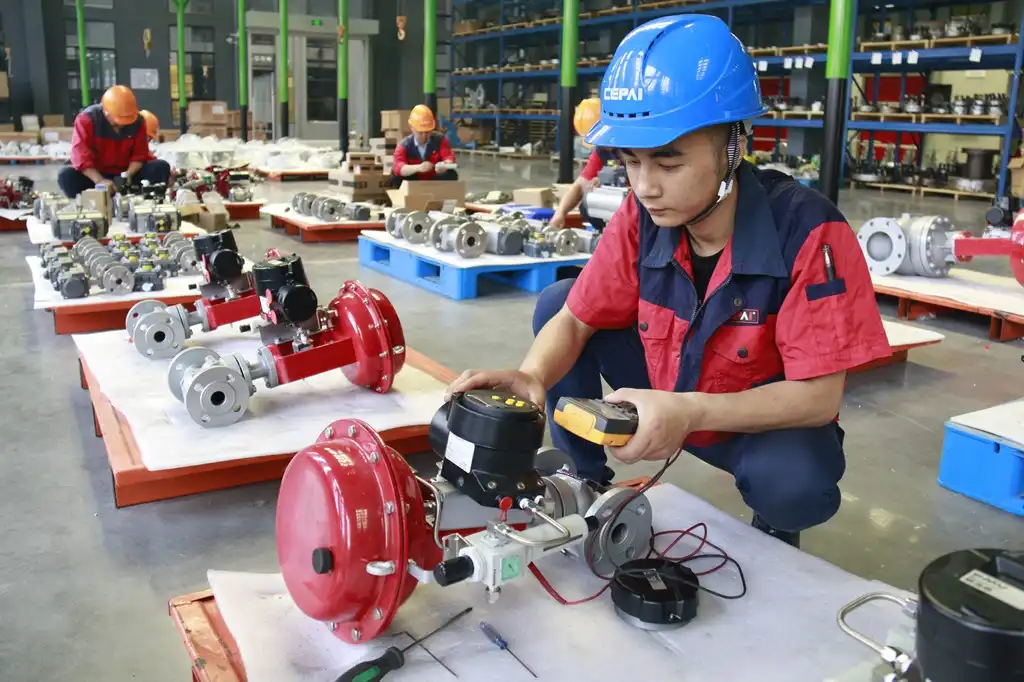
Quality Standards and Certifications
Following business norms and licenses makes sure that the product is good and follows the rules. API standards tell oil and gas companies how to do things, and ISO certifications make sure that companies around the world are meeting the same high standards. A CE mark shows that the product meets European safety guidelines. These approvals show that the product is reliable and legal in a range of places.
Supplier Evaluation and Support
Authorized OEM partners and trustworthy sellers make sure you get real goods with guarantee coverage and expert help. Procurement teams have to find a mix between quality, supply times, and costs. Best practices include detailed specification checks, source surveys, and getting help from technical experts to make sure that the accessories you choose are in line with your business goals and plans for long-term care.
CEPAI: Your Trusted Partner for Electric Butterfly Valve Solutions
CEPAI is a high-tech company that focuses on making, researching, and developing wellhead devices, pipeline valves, and drilling instruments for oil and gas production. Our wide range of products includes electric butterfly valves and all the parts needed for fitting. They are all made to meet the high standards of industrial use.
Quality Certifications and Standards
By always coming up with new ideas and ways to improve quality, CEPAI has received certifications from big engineering firms and drilling service companies around the world. APIQ1, API6A, API6D, API16C, API602, ISO9001, ISO14001, ISO45001, ISO3834, ISO17025, CE, and PR2 are all certificates that show our quality control system works. These certificates show that we are dedicated to making goods that meet the best standards in the business for safety, dependability, and performance.
Specialized Product Offerings
Control valves, choke valves, high-pressure double-disc check valves, emergency shut-off valves, and rotating valves with sleeves have become well-known as world names made by CEPAI. Our electric butterfly valve parts are made to ensure perfect fit, great performance, and long service life even in difficult industrial settings. We provide personalized answers that are based on individual needs and situations.
Conclusion
When you install an electric butterfly valve, you need to be careful when choosing important parts like fixing tools, electrical parts, control systems, and devices that protect the valve from the environment. Knowing how compatible the parts need to be, how good they need to be, and how often they need to be taken care of helps people make smart buying decisions that improve the performance and stability of the system. Working with experienced makers who offer a wide range of accessory options guarantees a good start and continued success in difficult industrial settings.
FAQs
Can I use accessories from different manufacturers with my electric butterfly valve?
Add-ons can only work with certain valves, actuator models, and types of connections. Unless it is double-checked, mixing names can cause communication problems or confusion. To be safe and make sure that the valve works well, we suggest that you talk to sellers or OEMs to make sure that the accessories fit and work correctly.
How often should I replace mounting kits or electrical connectors during maintenance?
How often replacements are needed depends on how much they are used and how much they are exposed to the surroundings. To avoid surprising breakdowns, industry best practices recommend checking mounting kits and joints during planned maintenance rounds and removing them if wear, rust, or damage is found.
What are the key signs that accessory failure is impacting valve performance?
Actuator error leads to operational delays, signals between positioners and controls that are lost or go crazy, and leaks at flange or gasket contacts. These are all signs of trouble. Regular tests help catch problems early, which saves time and money.
Contact CEPAI for Expert Electric Butterfly Valve Solutions
When you choose tools for your electric butterfly valve setups, work with CEPAI to get proven knowledge and full help. To make sure you get the right accessories for your needs, our technology experts offer advice services. For personalized price quotes and help with technology issues, email us at cepai@cepai.com.

References
American Petroleum Institute. "API Standard 609: Butterfly Valves - Double Flanged, Lug- and Wafer-Type." 11th Edition, 2018.
International Society of Automation. "ISA-75.25.01: Control Valve Terminology." Standards and Practices Board, 2019.
ASME International. "ASME B16.34: Valves - Flanged, Threaded, and Welding End." American Society of Mechanical Engineers, 2020.
Valve Manufacturers Association. "VMA Technical Bulletin: Electric Actuator Selection and Application Guidelines." 2021 Edition.
International Electrotechnical Commission. "IEC 60534: Industrial-Process Control Valves - Part 6: Mounting Details for Attachment of Positioners to Control Valves." 2019.
British Standards Institution. "BS EN 593: Industrial Valves - Metallic Butterfly Valves for General Purposes." European Committee for Standardization, 2017.
_1746598531170.webp)