In high-pressure systems, butterfly valves often fail because seals wear out, materials don't work well together, valves aren't put in correctly, and people don't take care of them properly. These mistakes can lead to expensive lost time, safety issues, and inefficient operations in important industry settings. Understanding how things go wrong lets engineers and buying workers choose the right valves for their needs and take steps to avoid problems.
In high-pressure industrial systems like oil and gas, water treatment, and chemical processing, butterfly valves are very important for controlling how fluids move through the system. Knowing why these valves usually fail is important for keeping the system reliable, making sure it's safe, and avoiding expensive downtime. This article talks about important topics like how to make a valve, how it usually breaks, how to figure out what's wrong, how to take care of it properly, and how it compares to other valve types. We want to give buying and engineering experts useful information that will help them improve valve performance and choose the right options for high-pressure settings.
Understanding Butterfly Valves in High-Pressure Applications
Butterfly valves made for high-pressure situations are built out of strong materials like stainless steel and have rubber or metal linings to make them more durable and improve the seal. Key types, like wafer and lug valves, are chosen based on how they will be installed and how much pressure they need to handle. These valves control the flow through a disc that spins. The disc must be able to handle a lot of stress from heat and machinery.
Construction and Material Selection
To make sure the high-pressure butterfly valve lasts a long time, the materials used must be carefully chosen. The valve body is usually made of carbon steel, stainless steel, or specialized metals, based on where it is used. The spinning disc is the most important part of the system that controls flow, and it has to keep its shape and not break when very high pressure is applied to it from different sides. Elastomeric compounds are used for mild conditions, while metal-seated forms are used for high-temperature uses.
Operational Principles in High-Pressure Environments
The basic idea behind it is to turn the center disc a quarter of a turn in order to control the flow movement. If the disc isn't designed correctly, it could change shape under a lot of pressure because of the big mechanical stress it feels. The actuator system needs to be able to overcome forces caused by pressure with enough torque while also keeping tight control of the position. Their design combines flow efficiency with dependable pressure tolerance, making them impossible to live without in areas like oil and gas, power production, and chemical processing.
Common Failure Reasons for Butterfly Valves in High-Pressure Systems
Understanding the main ways that things can go wrong helps people avoid unplanned shutdowns and keep tools working for longer. These ways that things can go wrong often interact with each other, causing cascading effects that speed up the breakdown of the valve.
Seal and Seat Deterioration
In high-pressure situations, the most common reason for butterfly valve failure is that the seal fails. Elastomeric seals are always being compressed and decompressed, which slowly makes them less effective at closing. High-pressure differences across the valve seat make more stress clusters that can make seal materials crack or extrude before their time. Changes in temperature make seal breakdown worse by causing periods of thermal expansion and contraction.
Mechanical Wear and Disc Damage
Cycling repeatedly under high-pressure conditions causes a lot of mechanical wear on the valve disc and stem. When the pressure goes below the vapor pressure, bubbles form and then burst in a very damaging way. This cavitation erosion hurts the insides of valves. Debris or particles in the fluid stream can score the closing surfaces, which causes leaking that gets worse over time. If something is installed incorrectly, it causes uneven stress that makes it wear out faster and shortens its usefulness.
Material Compatibility Issues
Choosing the wrong materials for the job speeds up chemical attacks and rust. When different metals are in contact with each other in the valve system, especially in naval or chemical processing applications, it causes galvanic rusting. Materials that are vulnerable to hydrogen sulfide can experience sulfur stress cracking, which can cause total failure. Chemical compatibility needs to be carefully thought about in the planning process so that materials don't break down.
Diagnosing and Troubleshooting Butterfly Valve Failures
A good diagnosis begins with a thorough operating and visual check that looks for leaks, unusual noises, and slow actuator reaction. Common signs, like stopping valve, leaking, or disc warping, often point to certain root causes, like seal breakdown or damage to the machine.
Visual Inspection Techniques
A close look from the outside can tell you a lot about the state of the valve on the inside. Check the actuator's fixing bolts for the right force and signs that they are coming loose. External leaking around packing glands means that the seal is breaking down. This may also happen on sealing surfaces that are inside. Corrosion patterns on the valve body can help you understand how the surroundings might affect the parts inside.
Performance Testing and Monitoring
Operational testing includes measuring the reaction time, closing efficiency, and power needs under a range of different pressure circumstances. An increase in working torque often means that the disc has changed shape or something inside is binding. Pressure testing across the closed valve finds out how fast fluid leaks inside; these rates can show seal or seat damage. Vibration analysis during operation can find problems with mechanical looseness or misalignment before they lead to severe failure.
Best Practices for Maintaining Butterfly Valves in High-Pressure Systems
In high-pressure systems, taking care of butterfly valves needs an organized method with regular checks, cleaning, and greasing. Scheduled maintenance, which includes replacing seals at the recommended times, keeps the valve in good shape and working properly.
Preventive Maintenance Strategies
Regular repair planning based on how the machine is used and its surroundings stops unexpected breakdowns from happening. Lubricating the stem and actuator parts makes sure they work smoothly by lowering friction and preventing damage. Either replacing seals according to the manufacturer's advice or following trends in performance loss should be done. Torque testing makes sure that the actuator is calibrated correctly. This keeps the parts of the valve from being stressed too much.
Installation and Handling Procedures
Proper fitting and handling, like making sure perfect alignment and controlled force application, lower stress and mechanical damage. Proper support and expansion joint placement must be used to reduce pipeline stress. When you place an actuator, you need to make sure that it is perfectly lined up so that it doesn't bind or wear in odd ways. Choosing the right kinds of valves for the system's pressure and flow conditions makes it more reliable when updating.
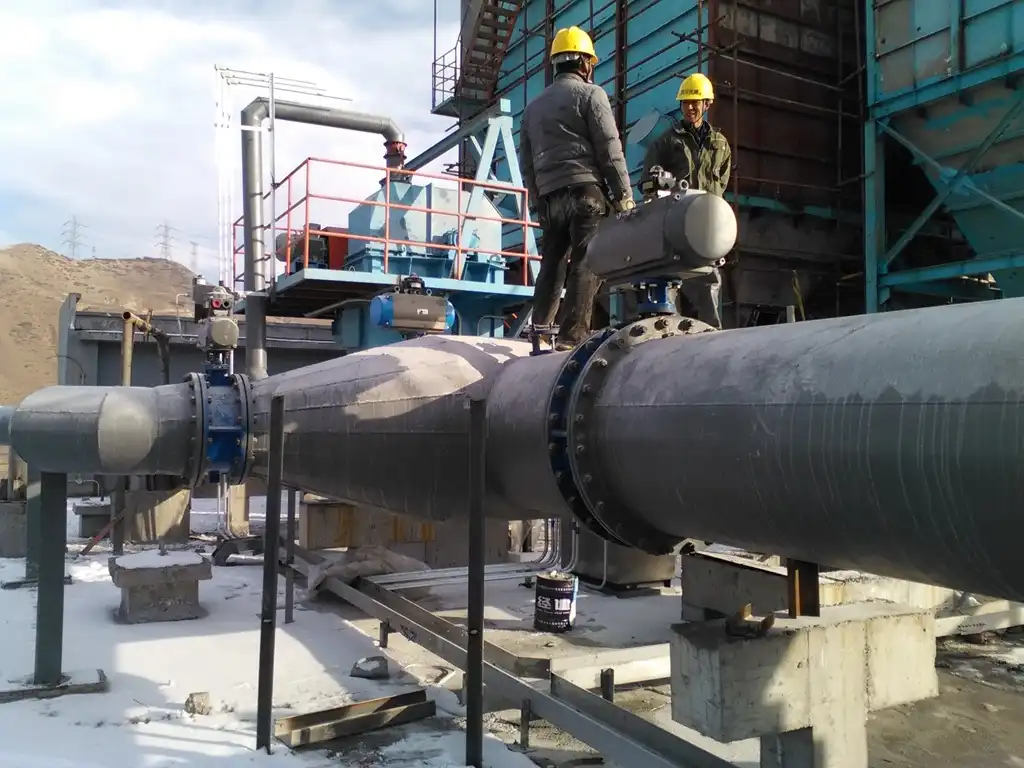
Butterfly Valve vs Other Valve Types in High-Pressure Systems
Butterfly valves close, are maintained, and are cost-effective in ways that are very different from ball and gate valves. Because they are small and easier to use, they are often better for controlling high-pressure flow.
Performance Comparison Analysis
Ball valves have better cutoff capabilities, but in larger sizes, they require more force to work. When fully open, gate valves allow great flow, but stalling situations can damage the seat. Butterfly valves balance these features with a fair amount of pressure drop and good sealing performance while still meeting the needs of small installations. The choice relies on the application's most important features, such as how much room is available, how flow works, and how easy it is to get to for upkeep.
Selection Criteria for High-Pressure Applications
Looking at the differences between lug and wafer butterfly valves makes clear how each one can be installed in different ways and how they each handle pressure. Looking at electric versus manual butterfly valves shows the differences in working efficiency and precision control in automatic systems with high pressure. Understanding these differences helps people who work in buying and engineers make good choices that fit the needs of their businesses.
CEPAI's High-Performance Butterfly Valve Solutions
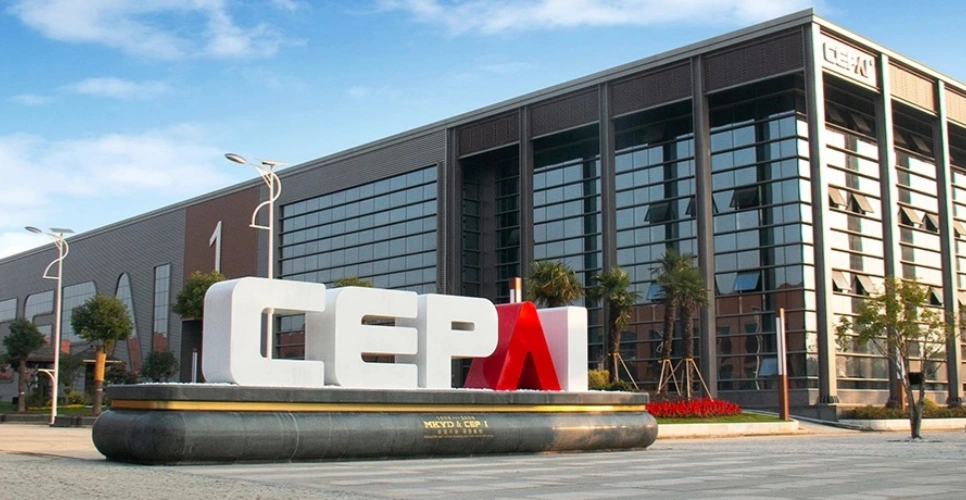
For tough industrial uses that need them, CEPAI is a top maker of high-pressure butterfly valves. Our wide range of products offers the best reliability and efficiency while addressing the important failure modes mentioned in this study.
Advanced Engineering and Certifications
Our butterfly valve designs are based on technical knowledge that goes back decades, and they are made with strict quality standards in mind. To make sure they follow global guidelines, CEPAI holds several professional credentials, such as API Q1, API 6A, API 6D, ISO 9001, and CE. These certificates show that we are committed to quality and give people peace of mind for important uses under a lot of pressure where reliability can't be compromised.
Comprehensive Product Range
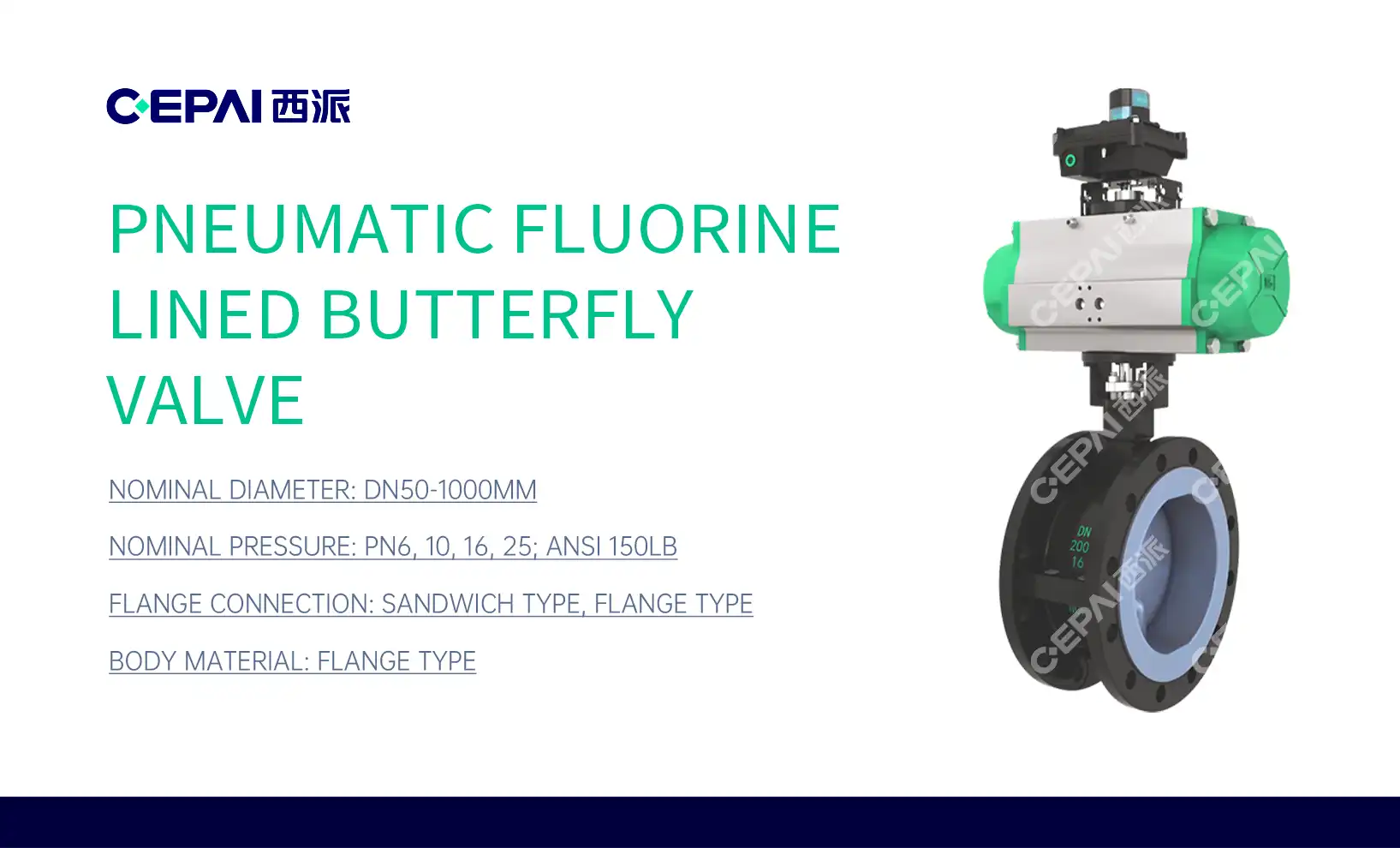
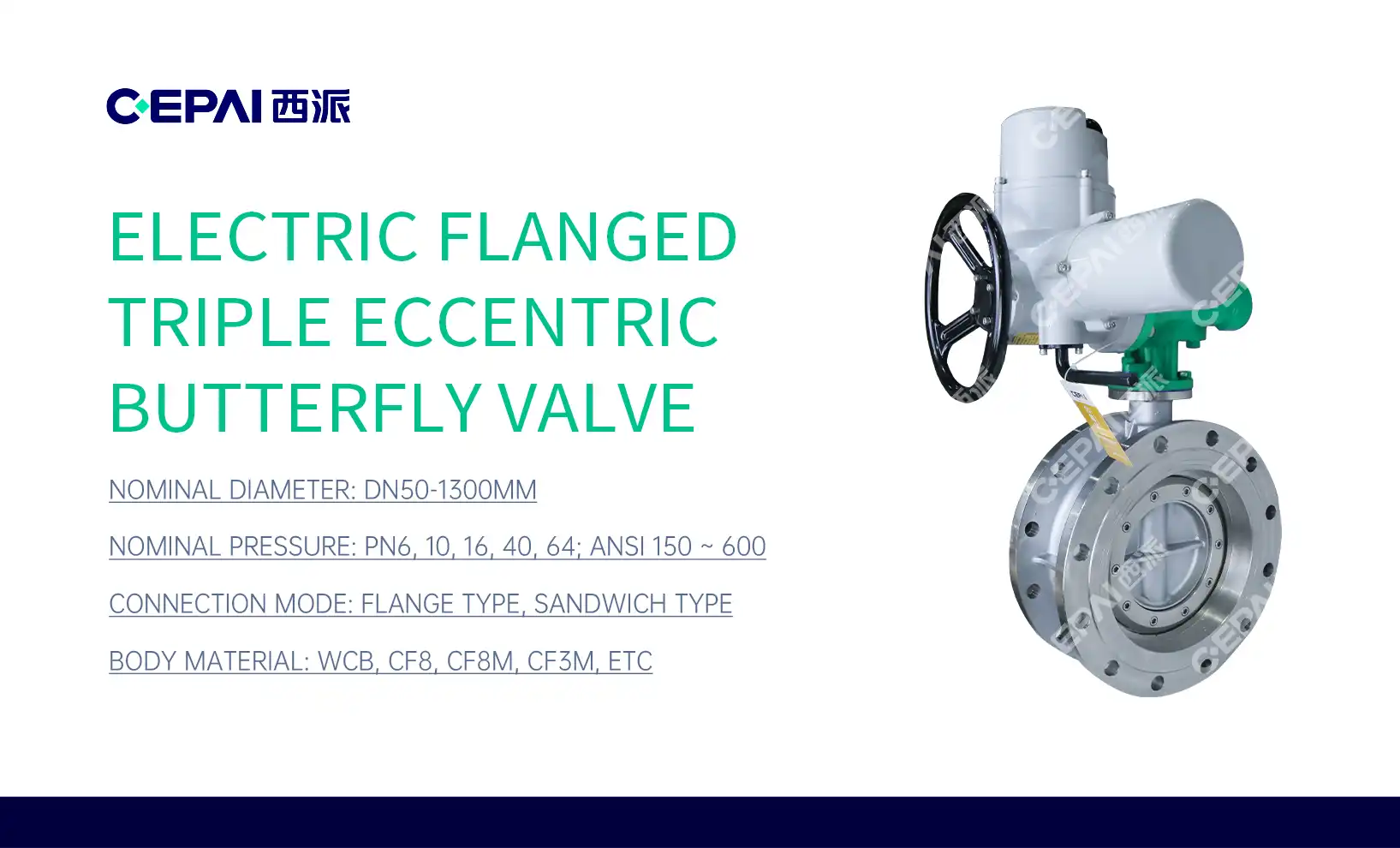
CEPAI's butterfly valves come in wafer-type, lug-type, and flanged forms that work with a wide range of high-pressure systems. Our valve bodies are made of high-quality materials like carbon steel, stainless steel, and other metals chosen for how they will be used. There are a lot of different seat choices, from flexible designs that work for most situations to metal-seated designs that work for very high or low temperature and pressure. This range of skills makes sure that people in a variety of fields, such as looking for oil and gas, running pipelines, and handling petrochemicals, can do their jobs well.
Conclusion
In high-pressure systems, butterfly valves fail because of things that can be predicted, like seals breaking down, wear and tear on the mechanics, materials that don't work well together, and not enough upkeep. Understanding how things break helps people choose and plan ahead for repairs on things that will make them more reliable. Choosing the right materials, installing them correctly, and keeping everything in good shape will make valves last longer and save money on operations. Engineers can find the best choice for each job by weighing performance needs against cost issues in the comparison of butterfly valves and other kinds of valves.
FAQs
What causes most butterfly valve failures in high-pressure systems?
Damage to the seal, choosing the wrong materials, and mistakes made during fitting are the main reasons. In high-pressure situations, about 60% of butterfly valve failures are due to seal breakdown. The next most common causes are mechanical wear and materials that aren't compatible with each other.
How often should butterfly valves in high-pressure systems be maintained?
Usually once every 6 to 12 months, based on how the system is being used and how it needs to work. In critical uses, inspections may have to be done more often, but in safe working settings, longer maintenance cycles may be possible based on performance tracking.
Can a butterfly valve be repaired after a failure, or must it be replaced?
Seal or seat replacement are minor fixes that can be done. Usually, valve replacement is needed for major structural damages. The choice relies on how bad the damage is, how much it costs to fix compared to replacing it, and how important the application is.
Partner with CEPAI for Reliable Butterfly Valve Solutions
CEPAI makes the best butterfly valves for high-pressure uses in the oil and gas, pipeline, and chemicals businesses. Our API-certified production methods and all-around quality systems make sure that dependability and efficiency are top-notch. As a trusted butterfly valve provider, we offer personalized solutions with a lot of expert help and quick delivery. Get in touch with us at cepai@cepai.com if you want to talk about your needs and learn how our great butterfly valve solutions can help you do more work, spend less on upkeep, and lower your risk of downtime.

References
Smith, J.A. "Butterfly Valve Performance in High-Pressure Industrial Applications." Journal of Industrial Valve Engineering, Vol. 45, No. 3, 2023.
Johnson, M.R. "Failure Analysis of Butterfly Valves in Oil and Gas Operations." Petroleum Equipment Reliability Review, Issue 127, 2023.
Anderson, K.L. "Material Selection Guidelines for High-Pressure Butterfly Valve Applications." Materials and Corrosion in Process Industries, Vol. 28, No. 4, 2023.
Thompson, D.W. "Maintenance Best Practices for Industrial Butterfly Valves." Process Safety and Equipment Reliability, Vol. 31, No. 2, 2023.
Williams, P.E. "Comparative Analysis of Valve Types in High-Pressure Systems." Industrial Valve Technology Quarterly, Vol. 19, No. 1, 2023.
Brown, S.C. "Diagnostic Techniques for Butterfly Valve Troubleshooting in Critical Applications." Valve Maintenance and Reliability Journal, Vol. 42, No. 6, 2023.
_1746598525968.webp)