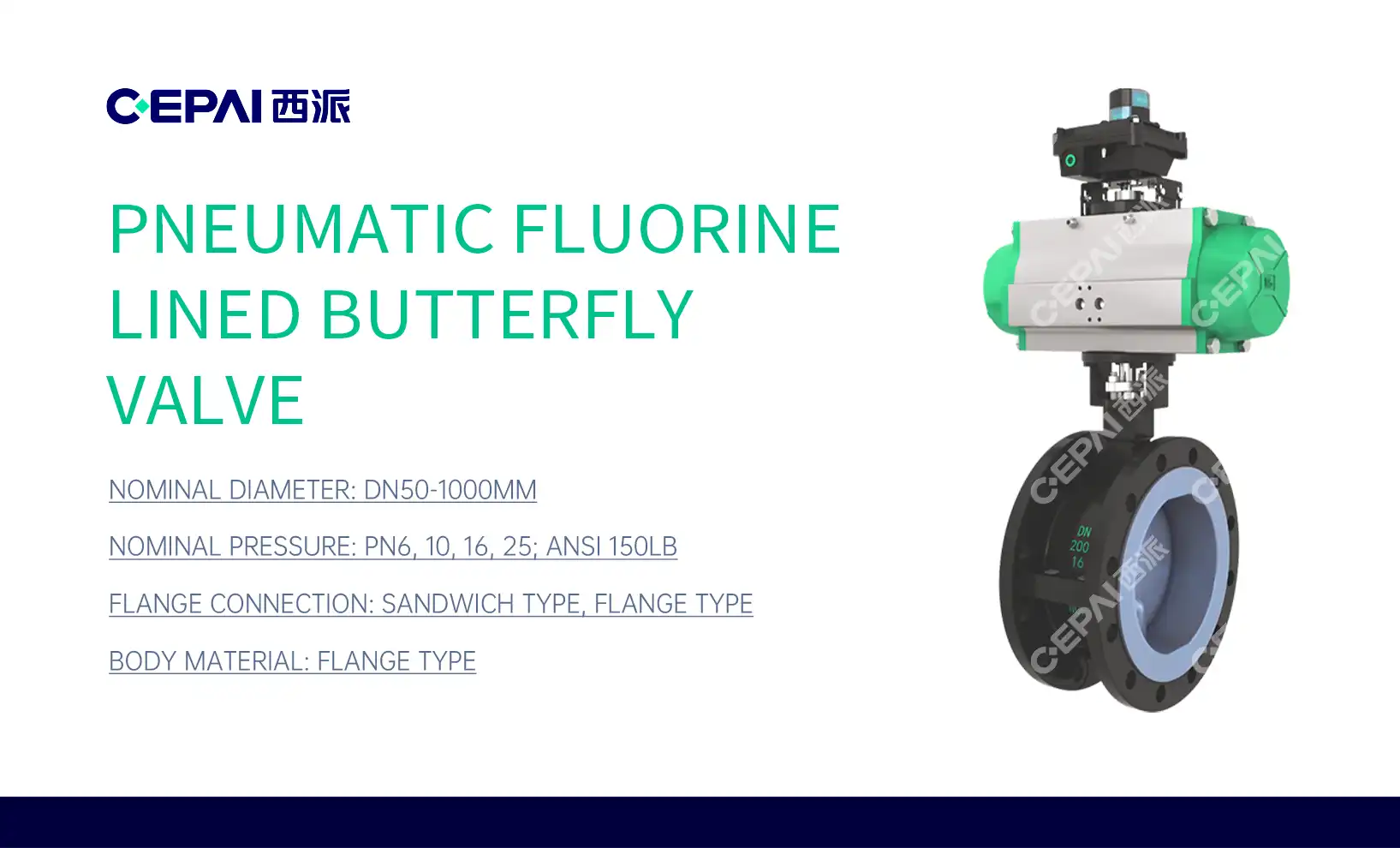
Fluorine-lined butterfly valves and rubber-lined butterfly valves mainly vary in how much heat and chemicals they can each handle. Fluorine-lined butterfly valves are made of PTFE or other fluoropolymer materials that are very chemically neutral and can handle temperatures up to 200°C. This makes them perfect for settings with harsh chemicals. Rubber-lined butterfly valves use real or fake rubber that is more flexible and cheaper than other materials, but it doesn't work well with high temperatures or many chemicals. Because of this, these valves are usually only good for normal working conditions.
Understanding Lined Butterfly Valves: General Overview
Lined butterfly valves are very important in industrial fluid control systems. They are made up of a center spinning disc and safe lining materials that make the valve stronger and improve its closing performance. The inner material protects against rust, wear, and chemical damage while also making the service life longer. It does this by putting a buffer between the valve body and the process fluid.
Core Design Principles
The basic idea is that a butterfly disc that turns 90 degrees to control the flow of fluid. The lining material covers the inside of the valve body and the disc surfaces. This makes a safe shield that stops the metal parts from touching the process fluids. This planning method makes things more reliable and easier to keep working.
Industrial Applications and Standards
A lot of different industries use these valve systems, including chemical processes, medicines, food and drink production, and water treatment plants. Each field needs certain performance traits, such as the ability to fight chemicals, withstand high and low temperatures, and keep the seal intact. These valves work well in important situations where failure could hurt people or the environment, as long as they meet strict standards like API, ANSI, and ISO.
Fluorine-Lined vs Rubber-Lined Butterfly Valves - Key Material Differences
The performance and application fit of a valve are basically determined by the material makeup. Engineers and buying workers need to know these differences so they can make good choices based on the needs of their business.
Fluoropolymer Material Properties
Fluorine-lined butterfly valves are made of PTFE, PFA, or FEP, which are very chemically inactive. These fluoropolymer linings can withstand almost any chemical, with the exception of pure fluorine and alkali metals in their liquid form. The non-stick surface keeps them from getting dirty and makes cleaning them less necessary, which makes them especially useful for high-purity uses. Most mixtures can tolerate temperatures between -40°C and 200°C, but some special ones can handle even hotter temps.
Rubber Material Characteristics
Natural rubber, EPDM, NBR, and other manufactured elastomers are used to line rubber-lined valves, which offer high levels of flexibility and plasticity. These materials are great at resisting impacts and hold up well when used in gritty slurries or mild poisons. That said, most of these can only work below 100°C, and how well the rubber and the chemical work together depends on the rubber mixture.
Cost and Availability Considerations
Rubber linings usually have cheaper upfront costs and are easier to repair than fluoropolymer linings. Rubber-lined valves are easier to get and can be made more quickly because the production process uses less specialized tools. Because of the high cost of materials and the need for special production processes, fluorine-lined valves are sold at high prices. However, they are often seen as worth the money because they last longer and need less upkeep.
Performance Comparison: Fluorine-Lined vs Rubber-Lined Butterfly Valves
The overall cost and dependability of a system are affected by operational success. Figuring out the best way to do something depends on key success factors.
Sealing Efficiency and Leakage Prevention
Due to the chemical safety and physical uniformity of fluoropolymer materials, fluorine-lined butterfly valves typically work better in terms of closing. The smooth surface finish avoids wear and keeps its ability to shut off tightly for the whole service life. Rubber-lined valves close well at first because of their ability to stretch and bend, but they might break down over time due to chemicals or changes in temperature.
Maintenance Requirements and Service Life
The amount of time between maintenance checks changes a lot depending on the type of lining. Due to their resistance to chemical breakdown and surface fouling, butterfly valves with fluorine linings usually need less upkeep. Rubber linings might need to be replaced more often, especially in places where chemicals are present, but they are easy to change in the field. The total upkeep load includes how often the system needs to be checked, how much it costs to repair parts, and how often the system is unavailable.
Mechanical Durability and Operational Reliability
Rubber linings are great at reducing mechanical shock and dealing with rough materials that could hurt hard fluoropolymer surfaces. The stretchy qualities make it possible for heat growth and changes in pressure to happen without hurting the seal. Fluorine-lined valves work the same way in a lot of different temperature ranges and prevent damage from chemicals that could change how they work over time.
Choosing the Right Valve for Your Application: Buyer's Guide
Choosing the right inner material involves a lot of thought about the situations in which it will be used, how well it needs to work, and how much it will cost. This choice has a big effect on the long-term success of operations and keeping costs down.
Chemical Compatibility Assessment
Chemical compatibility is the most important factor for choosing lined butterfly valves. Strong acids, bases, liquids, and reactive agents are all handled by fluorine-lined valves, which are the most versatile. Rubber-lined valves work well in situations with light chemicals, water, and gritty slurries, but the chemicals in each case must be carefully checked for compatibility.
Temperature and Pressure Considerations
The temperature at which something will be used directly affects the materials that are chosen. Above 100°C, applications usually need fluorine linings, but rubber linings work for mild temperature ranges. The pressure values are still about the same for different types of lining, but the effects of temperature cycling may be very different. The long-term stability of something depends on the stress patterns created by the combination of temperature and pressure. These should be examined in all their aspects.
Economic Analysis and Total Cost of Ownership
The cost of buying, installing, maintaining, and replacing something are all parts of economic review. Even though Fluorine-lined butterfly valve cost more at first, they are often better in the long run because they need less upkeep and last longer. In less demanding situations where regular repair is still cheap, rubber-lined valves are the better choice.
Leading Brands and Suppliers of Fluorine-Lined and Rubber-Lined Butterfly Valves
There are many well-known companies in the valve making business that provide specialized goods for a wide range of uses. Procurement workers make good buying choices when they know about source skills and market positioning.
Market Leaders and Product Offerings
Emerson, Keystone, Bray, and KSB are all well-known companies that offer a wide range of products, including both rubber- and fluorine-lined butterfly valves. These businesses put a lot of money into research and development to make sure their goods meet the needs of the industry and the rules that are always changing. The product can be customized in many ways, such as by changing the covering widths, valve sizes, or actuators or by making special materials for certain uses.
Quality Certifications and Standards Compliance
Good providers keep credentials like ISO 9001, API 6D, and other standards that are specific to the business. These credentials show that they make high-quality products that work well. These credentials give people confidence in the testing methods, quality control steps, and ability to trace the origins of the materials. Following international standards makes it easier to buy things from around the world and makes sure that they will work with current systems and follow the rules.
Technical Support and Service Capabilities
Application building, startup help, and ongoing maintenance help are all parts of comprehensive expert support. It's easier to choose and install the right valve when you use the technical paperwork, match charts, and size tools that many top providers offer. Support after the sale includes getting extra parts, repair services, and expert advice to keep the valve working well for as long as possible.
Conclusion
Chemical compatibility, temperature needs, and cost are the main factors in choosing between a fluorine- and rubber-lined butterfly valve. Even though they are more expensive at first, fluorine-lined valves work better in settings with harsh chemicals and high temperatures. They also last longer. In mild working situations, rubber-lined valves are a cheap, long-lasting, and easy-to-maintain choice. Knowing these basic differences helps people make smart buying choices that improve the performance of industrial fluid control systems and lower their total cost of ownership.
FAQs
What are the biggest benefits of using fluorine lining instead of rubber lining in butterfly valves?
Fluorine linings can better fight almost all chemicals used in the process, can handle higher temperatures (up to 200°C), and can better maintain the seal because they don't change shape over time. Fluorine-lined butterfly valves are perfect for high-purity uses where contamination must be kept to a minimum due to their harsh chemical conditions.
Can high-temperature uses use butterfly valves with rubber linings?
Rubber-lined butterfly valves usually can't handle temperatures over 100°C and shouldn't be used in situations where it's hot because the rubber could break down. When the rubber materials are exposed to high temperatures, they might get softer or harder or break down chemically. This can make it harder for the seal to work and the valve to be reliable.
For the best results, how often should you service lined butterfly valves?
The frequency of maintenance depends on the covering material, the way the system is used, and the process fluids. Fluorine-lined valves have better chemical protection, so they don't need to be fixed as often. Rubber-lined valves, on the other hand, might need to be checked and have their lining replaced more often. Regular preventive maintenance helps find patterns of wear and stops surprise breakdowns from happening.
CEPAI: Your Trusted Partner for Advanced Valve Solutions
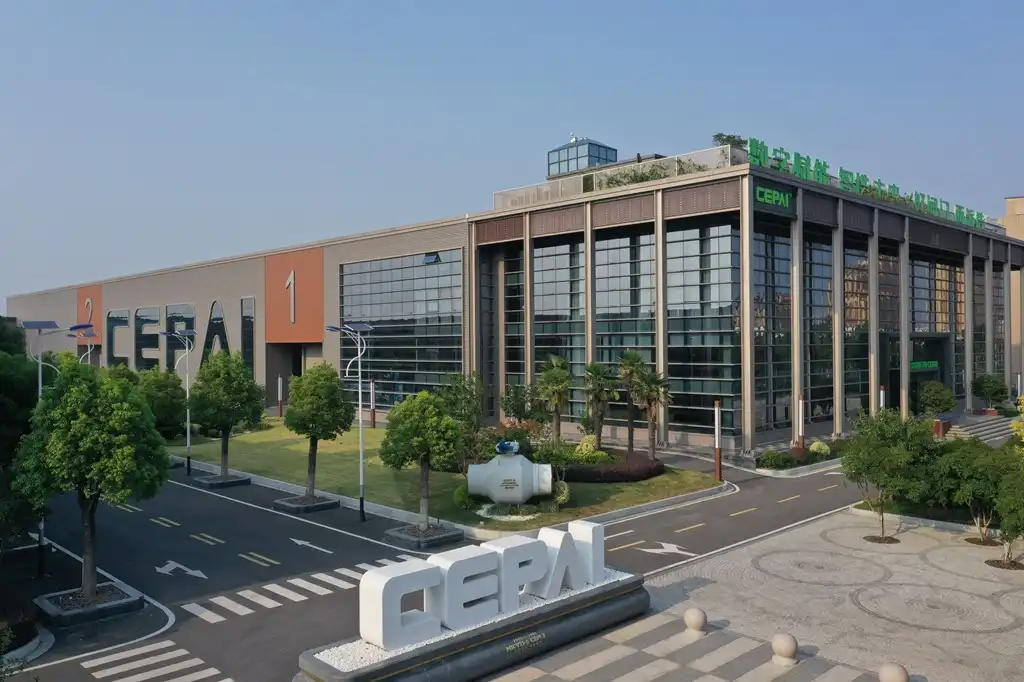
CEPAI is a top maker of advanced valve solutions for oil and gas uses around the world. Our wide range of products includes high-performance lined butterfly valves made to meet the tough needs of drilling, production, and processing.
Quality Certifications and Manufacturing Excellence
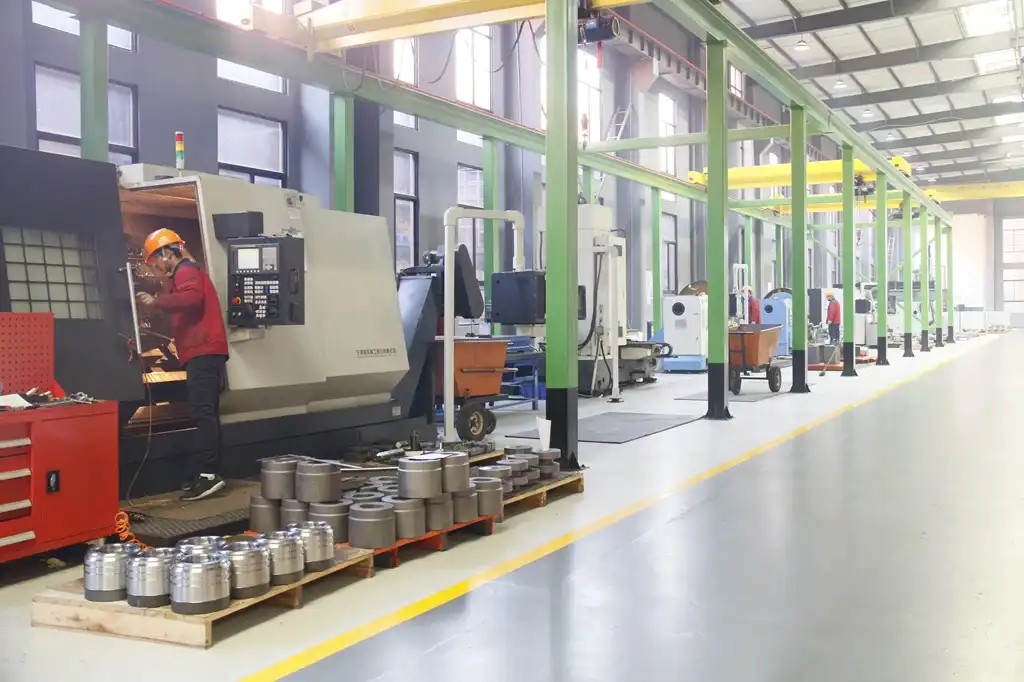
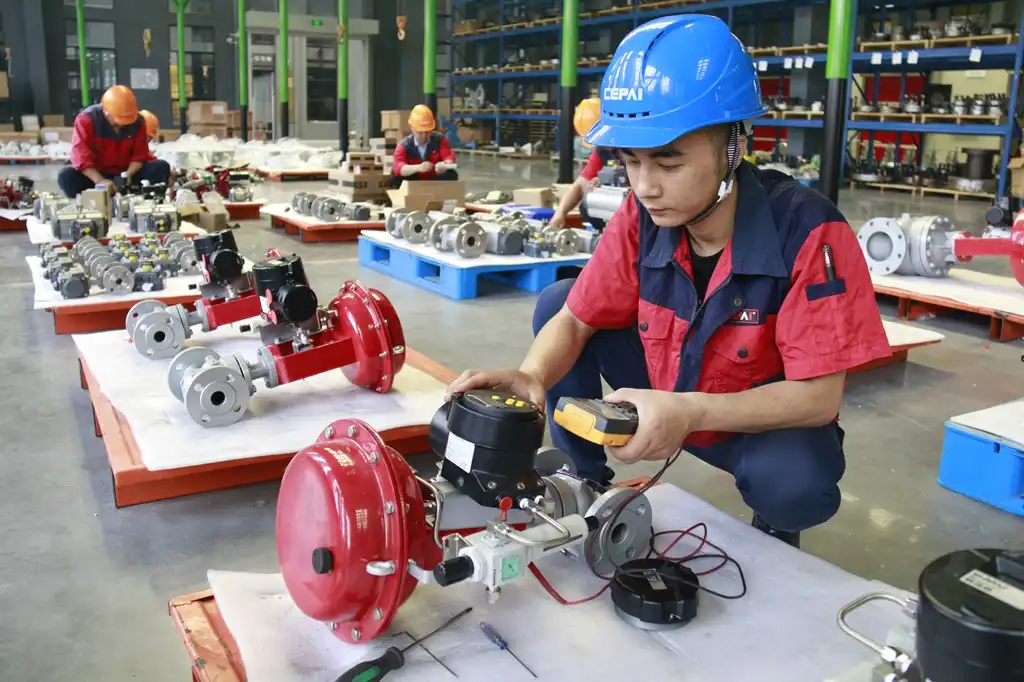
Our production methods follow world quality standards, such as API Q1, API 6A, API 6D, ISO 9001, and CE certifications. These approvals show that we are dedicated to making sure our valve goods are always reliable and of high quality, and that they meet world standards. Our method for managing quality makes sure that the manufacturing process always works the same way and that it is possible to trace what happens.
Technical Innovation and Product Development
The engineering team at CEPAI always comes up with new valve solutions that help deal with problems in the business that are always changing. Our lined butterfly valves are made with new materials and designs that make them work better, last longer, and be more reliable. We work closely with our customers to come up with unique solutions that are still cheap and meet the needs of each application.
For your next project, do you need a lined butterfly valve maker you can count on? CEPAI provides well-designed valve options that customers can count on and that are priced fairly. Our expert team offers full help from the start through ongoing use, making sure that your unique application needs are met. To talk about your valve needs and learn how our knowledge can help you run your business more efficiently, please email us at cepai@cepai.com.
References
American Petroleum Institute. "Specification for Pipeline Valves." API Standard 6D, Fifth Edition, 2019.
ASME International. "Face-to-Face and End-to-End Dimensions of Valves." ASME B16.10-2009 Standard, 2009.
Fisher Controls International. "Butterfly Valve Design and Application Guide." Technical Bulletin 51.1:BV, 2018.
ISA Standards Committee. "Industrial Valve Actuator Technology." ISA-75.25.01-2000, Instrumentation Systems and Automation Society, 2000.
Valve Manufacturers Association of America. "Butterfly Valve Performance Testing Standards." VMA Publication BP-1-2017, 2017.
International Organization for Standardization. "Butterfly Valves for General Purposes." ISO 5752:1982 Standard, 1982.