Choosing the right control valve means carefully considering three basic factors: the flow rate, the pressure, and the properties of the material. A well-chosen control valve makes sure that digging operations, pipeline networks, and processing plants run safely and at their best without expensive breaks in work. The process of choosing takes a lot of thought about valve size estimates, whether the material is compatible with the medium, and pressure values that are higher than the maximum working conditions. Also, actuator response, seal longevity, and adherence to industry standards like API and ISO certifications are very important for dependable long-term performance.

Understanding Control Valves and Their Key Parameters
Control valves are very important for making sure that many different kinds of systems work well and safely. They control the flow, pressure, and direction of the fluid. These advanced gadgets work by making very small changes to flow routes based on data from their control systems. The valve body holding the flow path, the trim assembly that controls flow, and the actuator giving the driving force for valve placement are the three main components that make the basic operation work.
Essential Components and Their Functions
The valve body is the part that can handle the system's pressure and temperature while holding the valve's inner parts and showing the pressure limit. Today's valve bodies use modern metals and design features that make them more durable and better performing in tough conditions. The plug, seat, and cage make up the trim assembly, which directly affects flow patterns and sets the valve's range and precision.
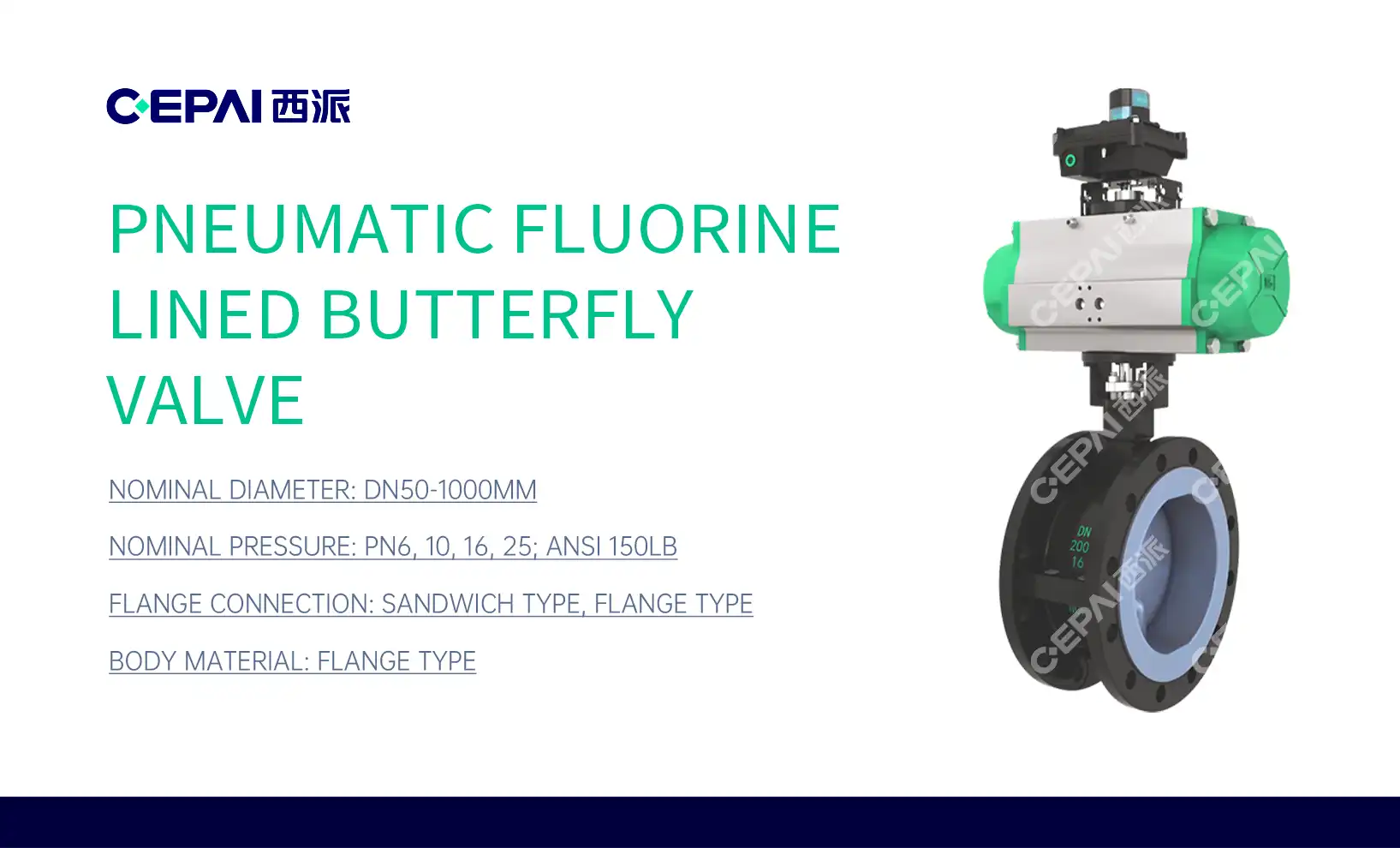
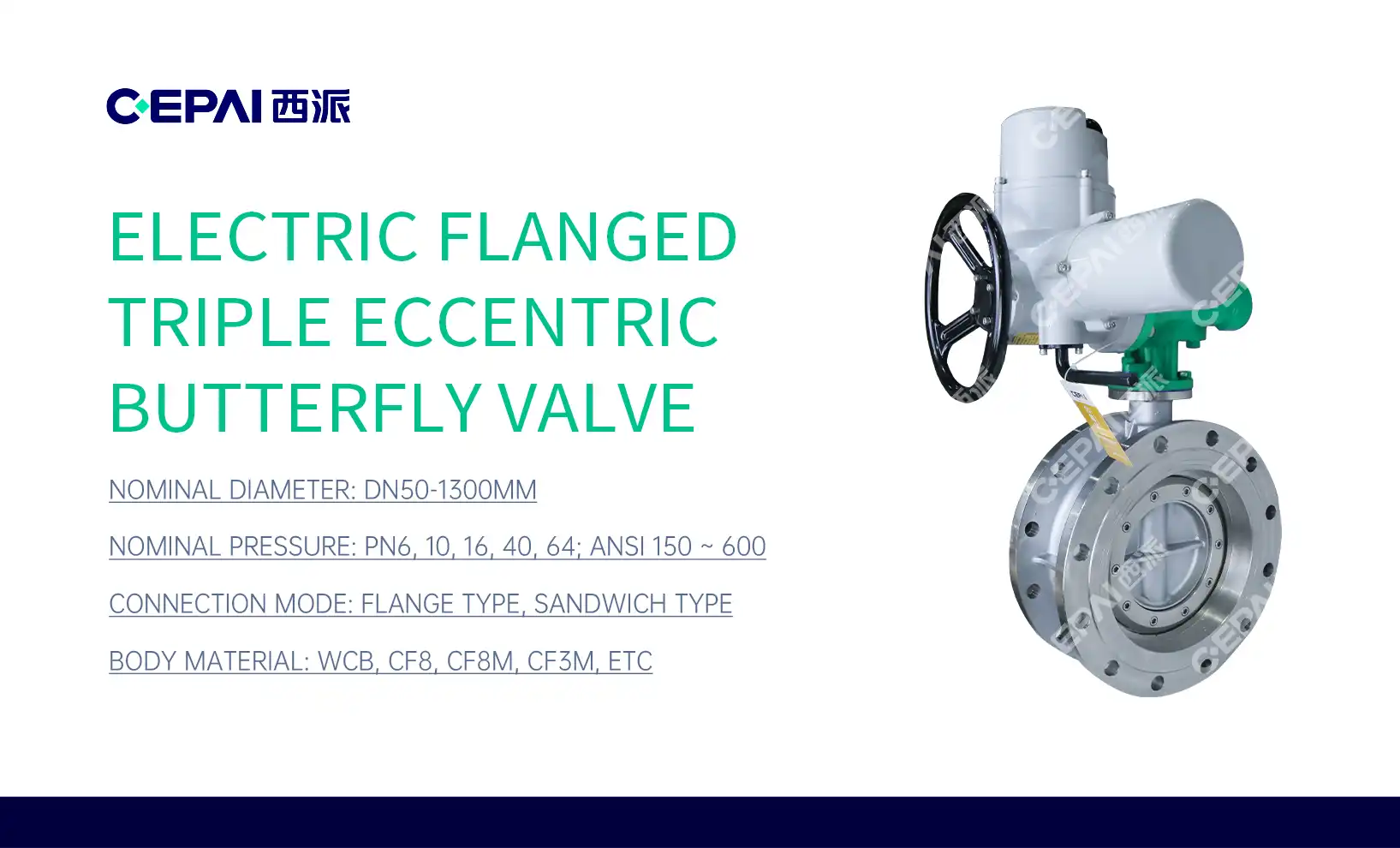
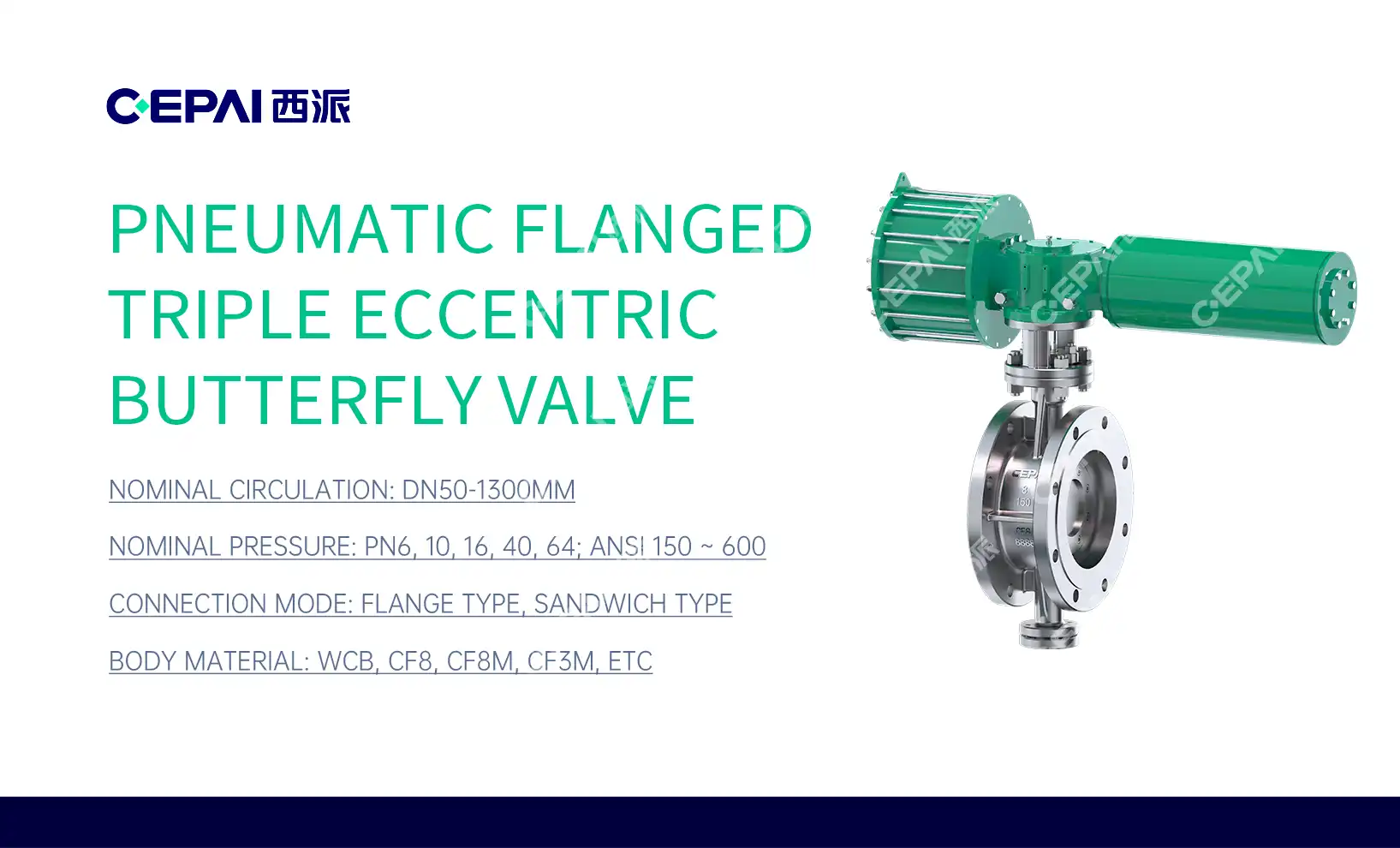
Actuators give the valve trim the force it needs to stand up to the process forces and fluid pressures. Electric actuators are great at accurate positioning and work well with digital control systems. On the other hand, pneumatic actuators have quick response times and built-in safety thanks to fail-safe positioning. Control needs, available utilities, and weather factors all play a role in choosing between actuator types.
Critical Selection Parameters
It is flow rate needs that set the flow coefficient (Cv) numbers and the size of the valve. Accurate flow estimates consider the fluid's properties, pressure drops, and working conditions to make sure the right size is used for the job. This avoids the problems with control precision that come with using a bigger-than-necessary flow rate. Inlet, exit, and difference pressure across the valve must all be taken into account, along with the possibility of cavitation and flashes.
The way that the valve and material must be designed depends a lot on the medium. Corrosive fluids and abrasive media both require special materials and coatings. Corrosive fluids need special metals and protective coatings, and abrasive media need strengthened trim materials and designs that won't erode. Changes in temperature affect the features of materials and thermal expansion. This means that the ranges in which something can operate and the effects of thermal cycling must be thought about carefully.
Step-by-Step Criteria Screening to Choose the Right Control Valve
A detailed study of the system and its working conditions helps you choose the right control valve. This organized method makes sure that all important factors are taken into account and that the chosen valve meets both present and future needs.
Operating Condition Assessment
The first step in the evaluation part is to get a lot of knowledge about flow rates, such as average, minimum, and highest situations. Understanding how flow changes helps figure out what level of rangeability and what kind of management are needed. Static pressures, dynamic changes, and possible spike conditions that could happen during system transients are all part of pressure research.
Figuring out a fluid's density, viscosity, and compressibility, as well as its chemical qualities that affect how it interacts with other materials, is known as fluid classification. The temperatures that a material will be exposed to during starting, regular operation, and emergency situations all affect the choice of material and the thermal design needs.
Valve Sizing and Flow Characteristics
When figuring out the right size for a valve, you need to use engineering methods that take into account the fluid's features and the situations in which the valve will be working. The flow coefficient, or Cv, tells you how much flow the valve can handle and is the most important way to size a valve. Accurate estimates keep you from undersizing, which limits flow, or oversizing, which lowers control accuracy and raises costs.
Flow traits show how the flow rate and valve position are connected. Linear features make the flow change proportionate to the valve's position. This works well for liquids where pressure drops don't change over time. Equal percentage flow characteristics give exponential changes in flow rate. This is great for situations where pressure drops vary or where exact control at low flow rates is needed.
Material Compatibility and Design Selection
The function and service life of a valve depend greatly on the materials used to make it. The fluid's chemical, temperature, and concentration levels affect how resistant to corrosion it needs to be. All stainless steel types have great general rust protection. Inconel, Hastelloy, and other specific metals are better for very acidic environments.
When fluids with solids in them or high speeds move through valve trim, resistance to erosion is very important. Hardened materials and specialized trim shapes make wear and service times longer. The materials used for seals must be able to withstand chemicals without losing their ability to bend and close at any temperature.
Comparing Control Valve Types for Different Industrial Needs
Different control valve types work better for different uses and situations. Knowing these differences lets you make smart choices about who to hire that will help the business perform well and save money.
Globe, Ball, and Butterfly Valve Comparison
Globe valves offer better flow control and work well with high pressure drops. Their straight flow path and guided trim design make it easy to both shut off the flow completely and change the flow rate very precisely. Globe valves are great for high-pressure situations and when very exact control is needed because of their strong build that can handle tough service conditions.
Because they only have to turn a quarter of a circle and there is little touch between the ball and the seat while they are working, ball valves are great at shutting off flow and can handle harsh fluids. Segmented ball designs let you control speed while keeping the benefits of shutdown that standard ball valves have. These features make ball valves a good choice for situations that need positive shutdown and action that happens often.
Butterfly valves are a cheap way to control flow in large-diameter situations where the pressure drop isn't too high. Their small size and light weight make installation cheaper and easier to fit into small spaces. The disc, on the other hand, stays in the flow line, which causes turbulence and makes the valve less precise when compared to globe valves.
Actuator Selection Considerations
Pneumatic motors are quick, reliable, and safe because they use springs to return to their default position. They work well in dangerous places and provide enough force for most uses. The need for air and the possibility of freezing in cold regions are the main problems.
Electric motors allow for exact placement and work well with digital control systems. They give great position input and don't need to be used with compressed air systems. Higher upfront costs and greater difficulty in dangerous area uses mean that operating benefits must be carefully weighed against these factors.
Practical Guide to Sourcing and Maintaining Control Valves
During the entire lifespan of the control valve, good buying methods and proactive repair plans make sure valves work well and the total cost of ownership is lowered.
Supplier Evaluation and Selection
Trustworthy vendors show that they know a lot about their work by offering help in research and applications. It should be possible to see how well it can be made, how good the quality is, and how well it has worked in similar situations. The ability to customize, lead times, and the availability of local help have a big effect on the success of a project and its ongoing activities.
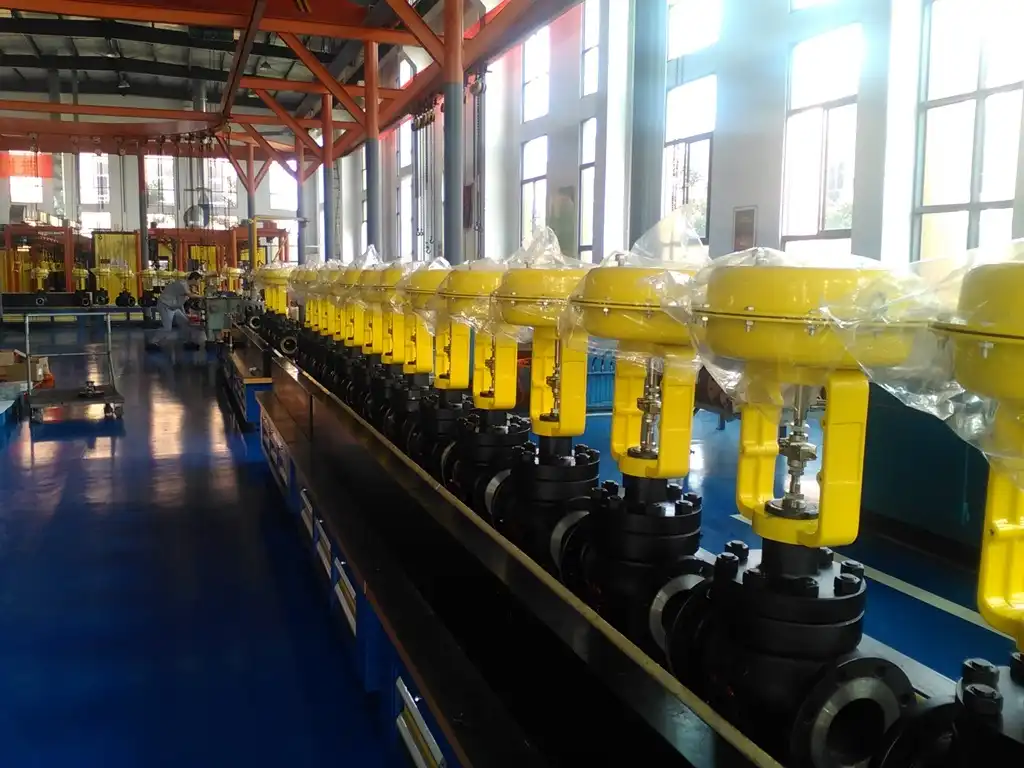
Quality approvals like API, ISO, and other standards that are specific to certain industries make sure that products are made and designed correctly. Suppliers that have extensive testing facilities and quality paperwork help people confidently set specifications and choose what to buy.
Maintenance Best Practices
Preventive repair programs keep valves working longer and stop sudden breakdowns that cause activities to stop. Regular inspections should include performance testing, condition tracking, and eye checks to find possible problems before they get out of hand.
Key maintenance tasks are calibrating the actuator, adjusting the packing, and checking the trim for damage or wear. If you keep moving parts lubricated and electrical components protected, they will keep working reliably. The spare parts inventory management system weighs the costs of carrying parts around with the needs of making sure they are available for important uses.
CEPAI's Advanced Control Valve Solutions
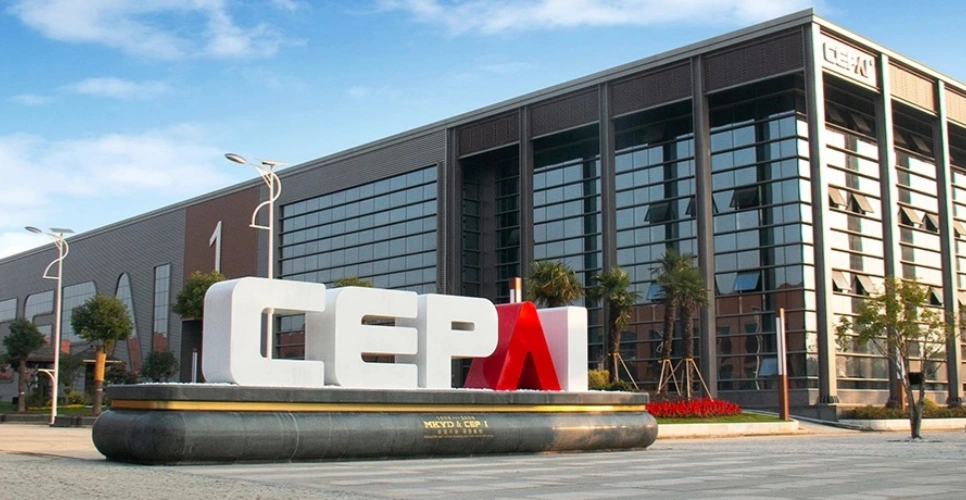
The cutting-edge control valve technology is provided by CEPAI, which provides cutting-edge answers to the challenging needs of oil and gas research, pipeline operations, and processing. Our wide range of products includes sleeve-type controlling valves, throttle valves, and high-pressure double disc check valves that are made to be used in important service uses.
Comprehensive Product Portfolio
Our engineering team has come up with special valve designs that help drilling companies, pipeline owners, and industrial facilities deal with their specific problems. CEPAI's sleeve-type controlling valves provide better flow control and prevent cavitation better than other valves. This makes them perfect for high-pressure situations where standard valves would wear out too quickly.
The throttle valve series uses new trim shapes that reduce wear and keep tight flow control over a lot of different working ranges. These valves work great in situations where multiphase flow conditions are present, which is common in oil and gas production activities. High-pressure double disc check valves keep backflow from happening with a small drop in pressure. This is very important for keeping the system working in critical situations.
Quality Certifications and Manufacturing Excellence
Through broad licensing programs like API Q1, API 6A, API 6D, API 16C, and API 602, CEPAI keeps up high quality standards. These certificates show that we are committed to making high-quality products and following industry standards. ISO 9001, ISO 14001, and ISO 45001 standards make sure that we always handle quality and take environmental responsibility in all parts of our business.
Our factories use modern cutting technologies and quality control systems that make sure the dimensions and materials are correct. Before they are sent out, each valve is thoroughly tested. This includes working proof, hydraulic pressure tests, and seat leaking tests. This strict method makes sure that it works well in tough circumstances.
Conclusion
It is important to think about flow rate needs, pressure levels, and medium properties when choosing the best control valve. This guide's methodical way of doing things helps buying professionals and engineers make smart choices that improve system performance while also lowering costs. Choosing the right valve affects how well and safely things run and how much upkeep is needed in oil and gas, pipeline, and processing uses. Knowing how the running conditions, valve design, and choice of material work together makes sure that the project is a success and keeps working well over time. Regular repair and good relationships with suppliers further improve valve performance and extend their service lives.
FAQs
How do I calculate the correct valve size for my specific flow rate requirements?
Valve size estimates use the flow coefficient (Cv) method, which looks at fluid characteristics, flow rate, and pressure drop. For liquids, Cv = Q × √(SG/ΔP). In this equation, Q is the flow rate in GPM, SG is the specific gravity, and ΔP is the pressure drop in PSI. Gas uses need extra thought when it comes to temperature affects and compressibility. For complicated tasks, professional engineering tools or help from valve makers makes sure the right size is used.
What indicators suggest that a control valve needs replacement or major maintenance?
Key signs that it's time to replace something are too much internal leakage that impacts process control, external leaks through packing or body joints, irregular positioning or slow response times, and wear or damage on the outside of the parts. A drop in performance, like not being able to reach the desired flow rate or keep control fixed, is another sign that repair is needed. Regularly checking up on performance and looking for trends helps spot problems before they affect the business.
How do I ensure safe material selection when handling corrosive or high-temperature media?
Choosing the right material means doing a deep study of the fluid chemistry, temperature, pressure, and possible ways that rusting could happen. The right materials are chosen based on corrosion rate data, models showing material suitability, and knowledge in the business. Alloys that are specially designed, like Hastelloy, Inconel, or duplex stainless steels, can handle harsh conditions. When you talk to metallurgy experts and valve makers, you can be sure that you choose the right materials for your needs.
Partner with CEPAI for Superior Control Valve Solutions
CEPAI is the best control valve provider for your important operations because of our extensive experience with oil and gas uses, our wide range of products, and our technical know-how. Our research team works closely with customers to make sure that their unique needs for flow, pressure, and medium are met and that they follow the rules for the industry.
We encourage you to look into our state-of-the-art control valve technologies and find out how our offerings can help you run your business more efficiently and reliably. Our technical experts are ready to help you with app analysis, choosing valves, and giving you ongoing support for the whole life of your project. To talk about your control valve needs and get to know the benefits of working with CEPAI, email us at cepai@cepai.com.

References
Smith, J. R., & Johnson, M. K. (2022). "Control Valve Selection Criteria for Oil and Gas Applications." Journal of Petroleum Engineering, 45(3), 234-251.
Anderson, P. L. (2023). "Flow Coefficient Calculations and Valve Sizing Methodology." Industrial Valve Technology Quarterly, 18(2), 45-62.
Thompson, R. W., & Davis, S. A. (2021). "Material Selection for Corrosive Service Applications in Process Industries." Materials and Corrosion Engineering Review, 33(4), 178-195.
Williams, C. E. (2022). "Actuator Selection and Performance Optimization for Control Valve Applications." Automation and Control Systems Journal, 29(1), 89-104.
Brown, M. P., & Wilson, K. L. (2023). "Maintenance Strategies for Industrial Control Valves: A Lifecycle Approach." Plant Engineering and Maintenance Handbook, 12th Edition, 567-589.
Garcia, A. M. (2021). "Pressure Drop Calculations and Flow Characteristics in Control Valve Design." Flow Control Engineering Principles, 3rd Edition, 245-268.
_1746598525968.webp)