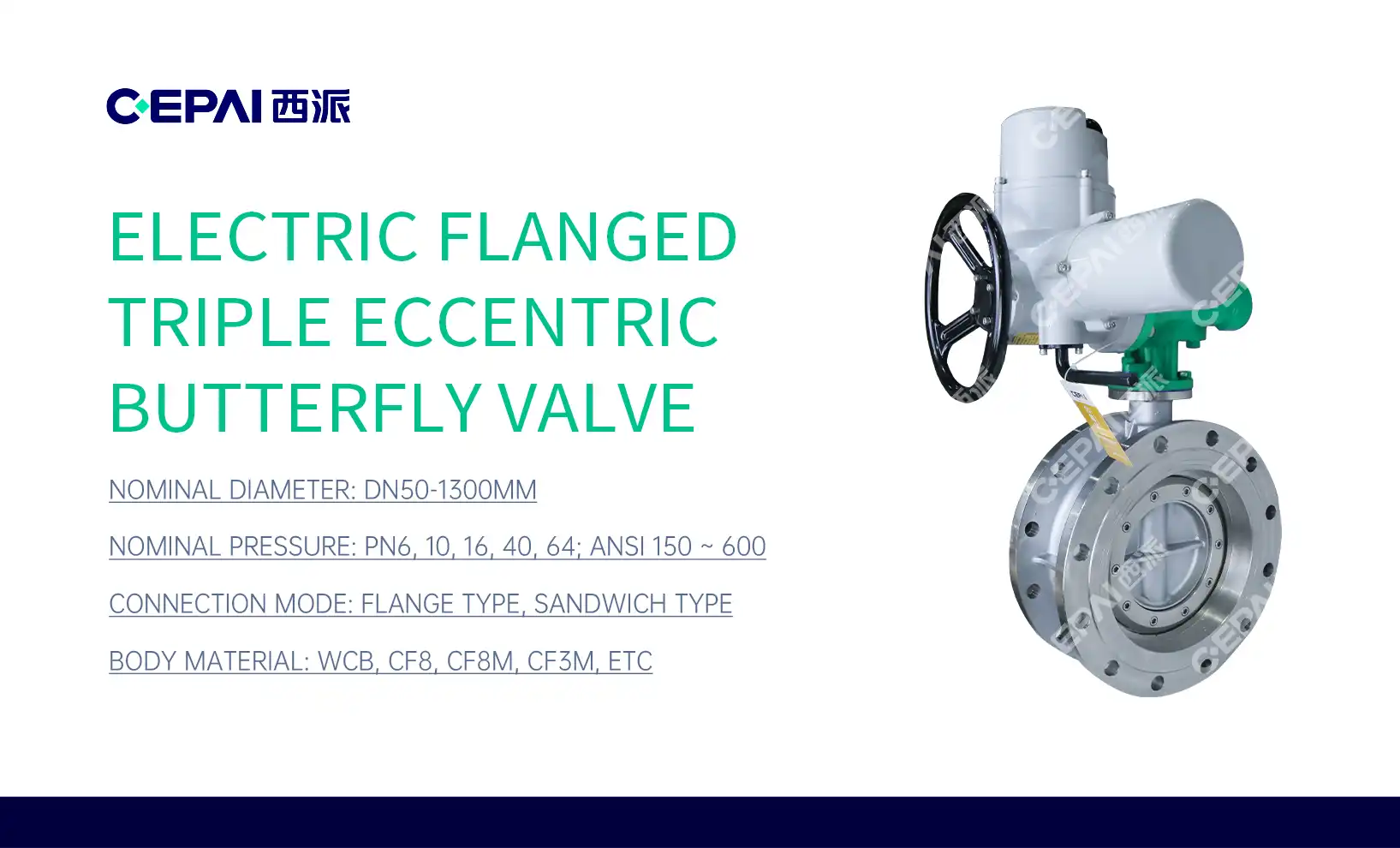
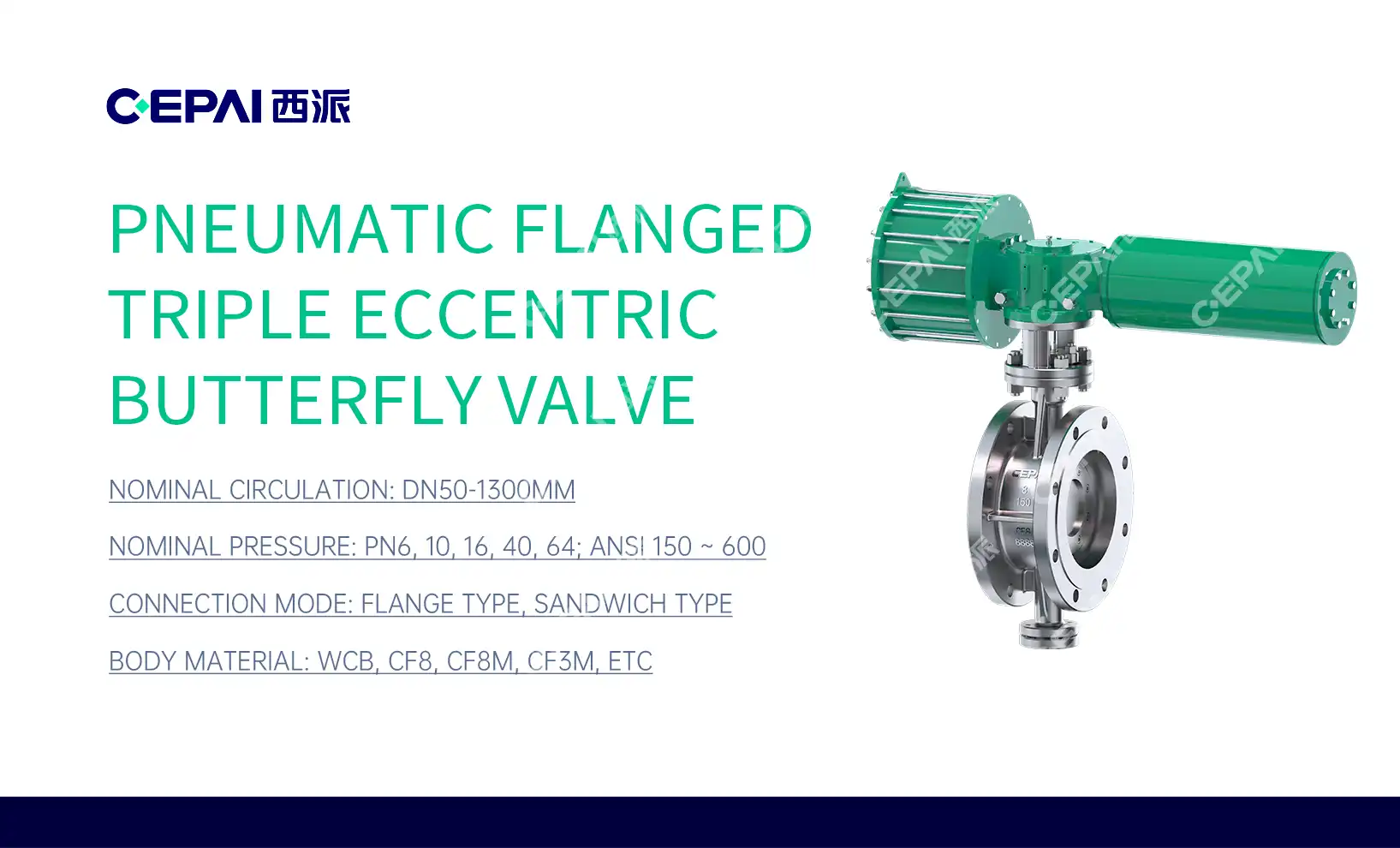
Because of their advanced technical design, triple eccentric butterfly valves are great for pipelines that have to deal with high temperatures and high pressure. These specialized valves can handle more than 1000 psi of pressure and temperatures up to 600°C, so they are perfect for tough working conditions. The triple offset design removes touch with the seat during operation. This greatly reduces wear and improves reliability in key pipeline systems where performance and safety are very important and cannot be compromised.

Understanding Triple Eccentric Butterfly Valves: Design and Functionality
What Is a Triple Eccentric Butterfly Valve?
A triple eccentric butterfly valve is a complex step forward in valve technology. It has three different offset settings that make a one-of-a-kind closing system. In contrast to standard butterfly valves, this design moves the valve disc away from the seat while in use. This cam-like action makes sure that there is a tight seal without any friction-related damage. The valve works by turning a quarter of a circle, which moves the disc from fully closed to fully open.
The fundamental difference between triple eccentric and conventional butterfly valves lies in the positioning strategy. Concentric butterfly valves have the disc centered on the seat, but double-eccentric versions have two gaps. The triple-eccentric design adds a third angle, which makes the closing surface cone-shaped and improves efficiency.
Key Design Features Supporting High-Performance Applications
The triple offset design includes three important features that improve efficiency. These advanced features work together to create a valve system that goes beyond the limits of standard butterfly valves.
Shaft Offset Design: The valve shaft is set behind the disc axis. This improves flow, lowers the power needed, and makes the actuator smaller.
Seat Geometry Optimization: The cylindrical seat design makes the seal tighter and lessens the chance of leaking in high-pressure situations.
Material Engineering: Advanced metallurgy that uses duplex stainless steel, Inconel, and specialized finishing technologies offers amazing protection against temperature changes and acidic settings.
With the right materials and by taking into account how they will be used, these design elements come together to make valves that can handle pressures from Class 600 to Class 2500 and temperatures from very cold to 600°C.
How Does the Triple Eccentric Design Enhance Sealing and Durability?
The triple eccentric butterfly valve setup gets the kind of mechanical benefit from geometric accuracy that older valve designs can't. Unlike other valve types that wear out early because of rolling friction, this one only touches the seat at the end of the closing process thanks to its cone-shaped sealing surface. This design idea greatly increases the service life while still meeting the no-leak performance standards needed for important uses.
During action, the valve disc takes a very specific path that keeps it from touching the seat until the last moment. This action lowers the valves' upkeep needs and increases the time they can be used operationally. This makes them especially useful in pipeline setups in rural areas or where dependability is very important.
Performance Analysis: Suitability for High-Temperature and High-Pressure Pipelines
Pressure and Temperature Thresholds of Triple Eccentric Valves
Modern triple eccentric butterfly valves work extremely well under tough conditions. These valves regularly deal with working pressures from 150 psi to 2,500 psi. Some special versions can handle even higher pressures. The range of temperatures in which these materials will work well depends on what material is chosen. Standard setups work well from -40°C to 400°C, but specialized high-temperature versions can work at temperatures close to 600°C.
The choice of material and the way the seat is designed have a big impact on the pressure and temperature possibilities. Carbon steel bodies with stainless steel trim work for most normal uses, but when it comes to petroleum processes and power generation centers, where the conditions are extreme, using more rare metals like Hastelloy or Inconel makes things possible.
Comparative Overview: Triple Eccentric Butterfly Valve vs Other Valve Types
Triple eccentric butterfly valves have many benefits over other valve types when used in high-stress situations. Engineers can make smart choices for certain pipeline needs when they know how these performance differences happen.
Triple eccentric designs operate faster and with less force than ball valves while still providing similar closing performance. The smaller, lighter form makes it easier to place and requires less support from the building's structure. Even though gate valves are great at controlling flow, triple eccentric butterfly valves are quicker and more space-saving, which gate valves can't compete with.
Double eccentric butterfly valves are the closest option, but the extra third shift makes sealing much better and extends the service life. The improved shape lowers seat wear and allows for tighter shutdown standards. This makes triple-eccentric designs better for critical service uses where leaking is not okay.
Case Studies and Industry Applications Demonstrating Effectiveness
In tough settings, triple eccentric butterfly valves show their dependability and performance benefits over other options in real-world uses. When power plants use steam systems that run at 450°C and 1500 psi, these valves are needed because regular butterfly valves would quickly fail. Better seals and temperature protection make sure that the system works reliably, which is necessary for power generation to keep going.
When high-temperature hydrocarbons need to be isolated, petrochemical plants depend on triple eccentric designs. The ability to not leak and fire-safe design meet strict safety standards and allow for quick use in emergency shutdown systems. These uses show that the technology works to keep people and tools safe while also keeping operations running smoothly.
Maintenance, Longevity, and Operational Considerations for High-Stress Environments
Maintenance Tips to Ensure Optimal Performance under Extreme Conditions
The built-in longevity benefits of triple eccentric butterfly valves can be fully realized with proper upkeep. Actuator position, seat state, and stem packing integrity should be the focus of regular inspections. The design with less touch lowers points of wear, but proper tracking makes sure that problems are found early.
Due to the design that lowers friction, the suggested repair intervals are usually 2 to 3 times longer than those for standard butterfly valves. Every month, the outside parts should be looked at closely, and during planned plant maintenance shutdowns, the inside parts should be looked at closely too. Actuator parts should be properly lubricated and torque settings should be checked in order to keep them working well during their entire service life.
Common Challenges in High-Pressure or High-Temperature Settings and How Triple Eccentric Valves Address Them
There are certain problems that come up in high-temperature pipeline uses that can be solved by using triple eccentric butterfly valves. In older valve designs, thermal expansion can cause binding. However, the planned gaps and choice of materials in triple eccentric valves let thermal growth happen without affecting how they work. Even when parts grow and shrink with changes in temperature, the cone-shaped binding surface keeps working.
Triple-eccentric valves have a strong closing system and better overall structure, so they aren't affected much by pressure surges that can damage regular valve seats. The cone seat's ability to wedge things together makes the seal even better when there is a lot of pressure. As system pressure rises, the safety margin also increases.
Expected Service Life and Reliability Compared to Alternatives
If they're taken care of, triple eccentric butterfly valves in high-stress situations are expected to last longer than 15-20 years. In contrast, regular butterfly valves in the same situations only last 8-12 years. The wear processes are slower and the materials are better designed to handle the loads that happen in pipeline uses, which makes the service life longer.
In similar working settings, reliability data from industrial setups shows that these valves have 60% to 70% lower failure rates than other valve technologies. This increased dependability lowers the cost of repair that needs to be done right away and makes the system more available overall. These are big economic gains that happen over the valve lifetime.
Procurement Insights: Selecting and Buying the Right Triple Eccentric Butterfly Valve
Key Factors When Purchasing for High-Temperature or High-Pressure Pipelines
Carefully studying the performance needs and working situations is the only way to choose a valve that will work. The pressure number needs to be higher than the system's maximum running pressure by a good amount, usually 1.5 to 2 times the working pressure. The temperature number should take both regular and possible emergency situations into account, where the temperature might be higher than what the design allows.
For long-term dependability, the materials used must be compatible with the transit media. Fire safety rules may require certain design elements, and corrosive services need special seat materials and metals. Following the right API and ISO standards makes sure that the pipeline technology can still be used and that the rules are followed.
How to Evaluate Suppliers and Brands: What B2B Buyers Should Know?
Supplier review should focus on the standard of production, compliance with licensing, and the ability to provide expert help. Find producers with a lot of knowledge in similar areas and a full quality management system. API 609 certification shows that you follow industry standards. Also having API 6FA shows that you can plan fire-safe buildings.
During the launching and service life, the ability to get technical help becomes very important. Suppliers should give you thorough tech support, fitting help, and upkeep advice that is tailored to how you plan to use the product. No matter where the system is installed, the global supply chain makes sure that parts and service are always available.
Customization Options and Wholesale Purchasing Benefits
The ability to customize makes it possible to get the best performance for the needs of a given program. Specialized seat materials, actuator integration, position feedback systems, and emergency stop features are all options. A lot of makers work together with engineers in the planning part to make sure that the best valve is chosen and that it works with the systems that are already in place.
Buying in bulk helps save a lot of money on big projects or efforts to make things more uniform. For large sales, volume savings, faster shipping, and better guarantee terms are usually offered. Setting up favorite seller relationships can help you get expert support and better prices for future needs.
CEPAI: Your Trusted Partner for High-Performance Valve Solutions
CEPAI is a leader in new valve technologies. They focus on designing and making precise triple eccentric butterfly valves for the most difficult industrial uses. Our deep knowledge of oil and gas equipment development means that each valve is able to meet the strict performance standards needed for pipeline systems around the world that have high temperatures and high pressure.
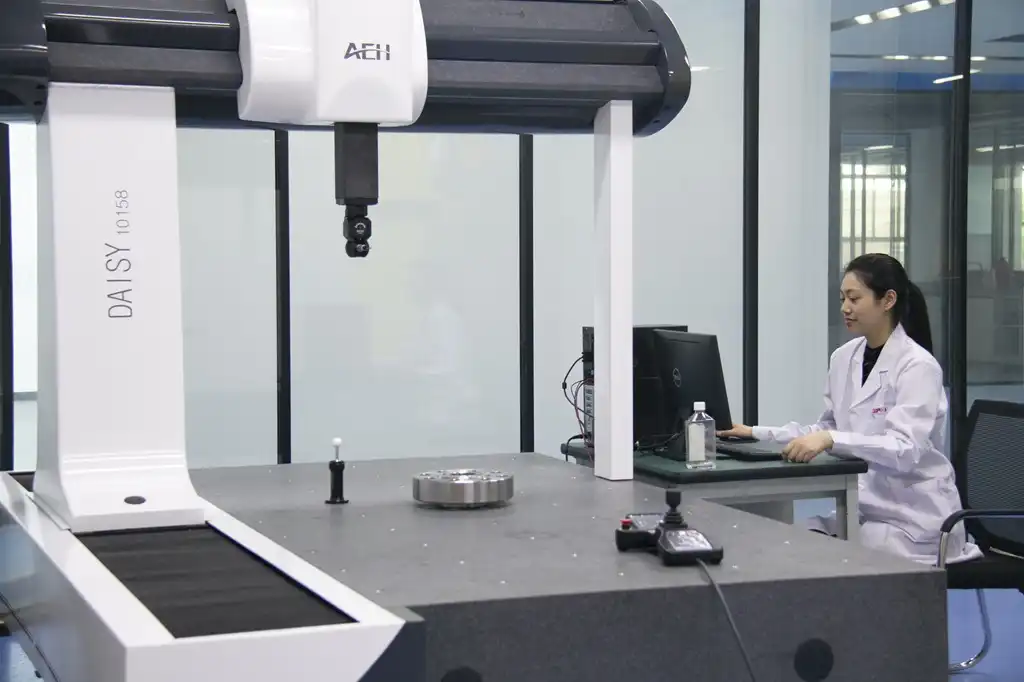
We offer a full range of valve options designed especially for difficult pipeline uses. From standard setups that are good for general industrial work to custom designs made for harsh conditions, CEPAI offers dependable performance for a wide range of needs. API Q1, API 6A, API 6D, ISO 9001, and CE marks are all proof of our dedication to quality. They make sure that we meet both global standards and customer requirements.
Our way of working with clients is based on making sure the work is done right and being quick to customers. Our engineering team works closely with customers during the decision process to provide technical knowledge and customization options that make valve fitting and performance better. Delivery plans that work well and good after-sales help make sure that projects run easily and reliably for the whole time they are supposed to work.
Conclusion
Due to their advanced technical design and proven performance, triple eccentric butterfly valves are great for pipelines that need to handle high temperatures and high pressure. The unique triple offset design seals better, lasts longer, and works reliably even when conditions are tough for traditional valve technologies. These valves have been proven to work well in important service settings for use in power generation, petroleum processing, and oil and gas production. When choosing valves for difficult pipeline uses, triple eccentric butterfly valves are the best way to make sure that the job gets done safely because they are easier to maintain, they work well, and they are reliable over time.
FAQs
What distinguishes a triple eccentric butterfly valve from other butterfly valves in high-temperature applications?
The triple-eccentric design has three geometric angles that keep the seat from touching the disc while in use. This is better than traditional butterfly valves, which have heat binding and quicker wear because the seat and disc are always in contact. This design keeps a solid seal and works at temperatures up to 600°C. It also lasts much longer than concentric or double-eccentric options.
Can triple eccentric butterfly valves be used for corrosive media under high pressure?
Yes, if the right materials are used, triple eccentric butterfly valves can handle toxic fluids. Duplex stainless steel, super duplex metals, or rare materials like Hastelloy withstand rust very well. Plus, the better closing design keeps the media away from weak parts, so these materials are good for high-pressure uses with harsh chemicals.
What is the typical lead time for bulk orders of triple eccentric butterfly valves?
Depending on the size, material, and unique features needed for the valve, the lead time for large orders is usually between 8 and 16 weeks. It might be quicker to get standard setups in common materials. On the other hand, unique metals or custom designs take longer to make. Getting involved with providers early on in project planning makes sure that supply schedules are at their best.
Partner with CEPAI for Superior Valve Solutions
For your high-pressure, high-temperature pipelines, CEPAI makes the best triple eccentric butterfly valves in the world, designed just for you. Our deep knowledge of valve production and strong API and ISO certifications mean that we can guarantee dependable performance and compliance with regulations in tough industrial settings. We are a top maker of triple eccentric butterfly valves, and we offer unique solutions that make your system work better and lower its lifetime costs.
Our professional team is ready to help your project succeed by giving you expert advice, helping you create exact specifications, and making sure that shipping plans are flexible to your needs. Major engineering firms and energy service businesses around the world have praised CEPAI for its focus on quality, creativity, and client happiness.
Get in touch with us today to talk about your exact pipeline valve needs and learn how our CEPAI products can help your business. For full technical specs, good prices, and individual project advice, email our experienced team at cepai@cepai.com.

References
American Petroleum Institute. "API 609: Butterfly Valves: Double-flanged, Lug- and Wafer-type." 8th Edition, 2018.
Lyons, Jerry L., and Howard F. Askari. "Piping Handbook." 8th Edition, McGraw-Hill Professional, 2019.
Nesbitt, Brian. "Handbook of Valves and Actuators: Valves Manual International." Elsevier Science & Technology, 2007.
Skousen, Philip L. "Valve Handbook." 3rd Edition, McGraw-Hill Professional, 2011.
Smith, Peter. "The Fundamentals of Piping Design: Drafting and Design Methods for Piping Systems." Gulf Professional Publishing, 2007.
Zappe, R.W. "Valve Selection Handbook: Engineering Fundamentals for Selecting the Right Valve Design for Every Industrial Flow Application." 5th Edition, Gulf Professional Publishing, 2004.