What is Anti-Static Design in Valves and Why is it Critical
When working with dangerous gases or fluids under high pressure, even a small spark can have terrible results. In order to ground electrical charges before they reach dangerous levels, an anti-static valve includes specialized design elements that prevent static electricity buildup during fluid flow. In drilling, pipeline transfer, and processing, where hydrocarbon streams create friction-induced charges, this safety feature becomes very important. If you know how these valves work and when you need them, you can make the difference between safe operations and costly accidents that put people and business at risk.
Understanding Anti-Static Design in Valves
What Makes a Valve Anti-Static
When fluids move quickly through valve bodies, especially dry gas systems or liquids with low conductivity, static electricity builds up. Electrostatic discharge safety is based on making sure that there are continuous electrical paths from the ball or disc to the valve body. This way, any charge that is created goes straight to ground. anti-static valve designs have spring-loaded pins or conductive elastomer seats that keep the moving part electrically connected. This is different from standard ball valves where the sitting arrangement may electrically separate the moving part.
A small spring pushes a conductive pin against the back of the ball in the most common form. This makes a reliable path even as seals wear out over time. Millions of hours of use in dangerous places have shown that this mechanical approach works. The choice of material is also very important. Valve bodies are usually made of carbon steel or stainless steel, which are chosen for their ability to carry electricity and prevent corrosion. Internal parts like stems, balls, and seats need to have metal contact points that won't rust or get insulated over the life of the valve.
How Static Discharge Protection Works in Practice
The idea behind it is that collected charges should be sent through planned electrical paths instead of being let loose randomly through sparking. When natural gas moves quickly through a choke valve at the wellhead, the swirling stream separates the charges. If there isn't enough grounding, the metal ball can become electrically disconnected between the polymer seats, and the anti-static valve helps prevent that. This can cause electricity to build up until it jumps across the gap, which could start a fire in any flammable mixture that is there.
To deal with this risk, engineers make parts that stay in moving touch with each other throughout the valve's range of motion. Usually, the grounding line goes from the ball to the body, going through the stem and connecting to grounding systems in the building. During testing, the continuity is checked by measuring the resistance between the parts. According to API 608 guidelines, values below 10 ohms are usually okay. This low resistance makes sure that charges are quickly lost, even when flow conditions change quickly and cause high static building.
Why Electrostatic Protection Matters in High-Risk Environments
Industrial accidents caused by static electricity have caused damage to facilities worth millions of dollars and the sad deaths of workers. The Chemical Safety Board looked into this in 2019 and found that static electricity during a shift operation caused a flash fire that burned processing equipment. The main reason was valves that didn't have the right anti-static devices, which let charge build up above the minimum firing energy for the fumes that were present.
When drilling operations deal with drilling mud returns that are full of explosive formation gases, they are especially at risk. Wellhead systems with Christmas tree valves must keep working without sparks during kick situations, in which quick changes in pressure cause turbulent multiphase flow. When elastomer covers separate metal parts, electrical insulation can happen. This can create secret ignition sources that normal dangerous area classifications don't always take into account properly. To avoid these problems, valves must be designed from the start with static discharge as a main safety feature, not an addition.
Key Benefits and Applications of Anti-Static Valves
Enhanced Safety Through Ignition Prevention
Using the right electrical settings can significantly lower the risk of explosions in explosive environments. Facilities that switched to approved anti-static valve solutions had no static-related ignition incidents over multiple observation periods. This is in contrast to the past, when standard equipment had an average of one event every 50,000 processes. Instead of depending on controls that depend on people following the steps, this change comes from getting rid of the physical part that lets sparks happen.
The safety benefit goes beyond keeping big fires from happening; it also keeps sensitive tools safe from electromagnetic interference. Radio frequency noise from static discharge events can mess up control systems and set off false alarms. This extra layer of security is especially helpful for offshore platforms that work in NEC Class I Division 1 areas because their small sizes put important electronics close to places where they could be damaged by a voltage spike. When maintenance workers know that valve operations won't cause sparks during normal operation or emergency shut downs, they feel more confident.
Operational Reliability and Cost Efficiency
In addition to improving safety, anti-static designs help to increase repair times and lower unplanned downtime. The grounding pins and springs that are conductive also show the state of the seal. For example, higher resistance readings during regular tests show wear before leakage happens. This ability to predict failures ahead of time lets maintenance planners schedule repairs for scheduled downtime instead of having to react to failures that happen out of the blue.
Pipeline operators say that properly grounded valves, including those with an anti-static valve, last 30 to 40 percent longer between repair checks than normal configurations in the same services. The cost savings add up because fewer parts are needed, there are fewer emergency calls, and the seals last longer because the grounding system is technically simple and doesn't add to the wear spots. Anti-static features usually add 15 to 20 percent to the cost of buying a valve, but this extra cost is covered by the money saved on shutdown costs during the first repair cycle. When purchasing managers look at the total cost of ownership, they always find that electrostatic safety pays for itself within three years of being installed.
Critical Applications Across Energy Sectors
The most difficult place to use tools is on drilling rigs, specifically on the wellhead. Choke valves that control high-pressure flow from producing rocks go through situations with very high speeds and lots of static electricity. The throttle valves that CEPAI makes for these uses have two separate grounding lines that keep the flow going even when seats wear away from particles in the flow. The API 6A approval on these goods proves that they can protect against static electricity and keep pressure inside.
Anti-static designs are used in automatic block valves in midstream gathering systems where remote activation happens a lot. When dry gas lines are combined with fast stroking, the conditions are perfect for charge to build up. This means that proper grounding is necessary for safety and equipment protection. Different products move through shared pipes at transfer places in refining applications. The point where two batches meet creates very high static levels that need strong discharge mechanisms. Petrochemical plants that work with light fuels make sure that all of their valves have electrostatic protection because they know that any source of fire is too dangerous for these always dangerous environments.
How to Choose the Right Anti-Static Valve for Your Needs?
Understanding Design Differences from Standard Valves
There are small but important changes between regular ball valves and their anti-static valve versions. Standard floating ball designs rely on seat touch to keep the ball in place; the ball and body do not intentionally join electrically. This setup works fine for non-hazardous tasks, but the polymer seats really keep the ball warm once they're in place. A visual check alone can't tell you if a valve has the right grounding features, so it's important to look over the specifications before buying.
Anti-static versions have design features that can be seen, such as entry points for resistance testing and stem additions that make room for the grounding spring assembly. The size of the footprint stays mostly the same, so it can be directly replaced in current setups when safety systems are upgraded. It's even more important to have material approvals because alloys need to show that they have the right mechanical properties for pressure service and the right electrical conductivity for charge discharge. Instead of thinking that valve suppliers will include anti-static features by default, procurement specs should make this clear.
Critical Selection Criteria for Your Application
When choosing an initial valve, material compatibility is very important, especially when it comes to seat chemicals that come into touch with process fluids. Even though metal chairs are the best for conducting electricity, they don't offer the tight stop that soft seats do. Modern designs solve this problem with hybrid seat structures that have rubber closing elements with conductive fills or metal backing rings built in. These combination methods keep the bubble-tight performance while making sure the electricity stays connected.
Ratings for pressure and temperature must take into account the worst possible conditions of use, such as sudden changes in temperature and pressure. For wellhead service, you usually need ANSI Class 2000–5000 equipment that can handle a working pressure of 10,000–15,000 psi. For pipeline service, you need equipment in the 600–900 class range. Temperature exposure affects the choice of rubber and whether longer bonnet shapes are needed to keep packing safe from process heat. Flow features, such as Cv values and pressure drop estimates, along with the anti-static valve, make sure that the valve won't cause problems with erosion or slow down operations.
Trusted Manufacturers and Procurement Considerations
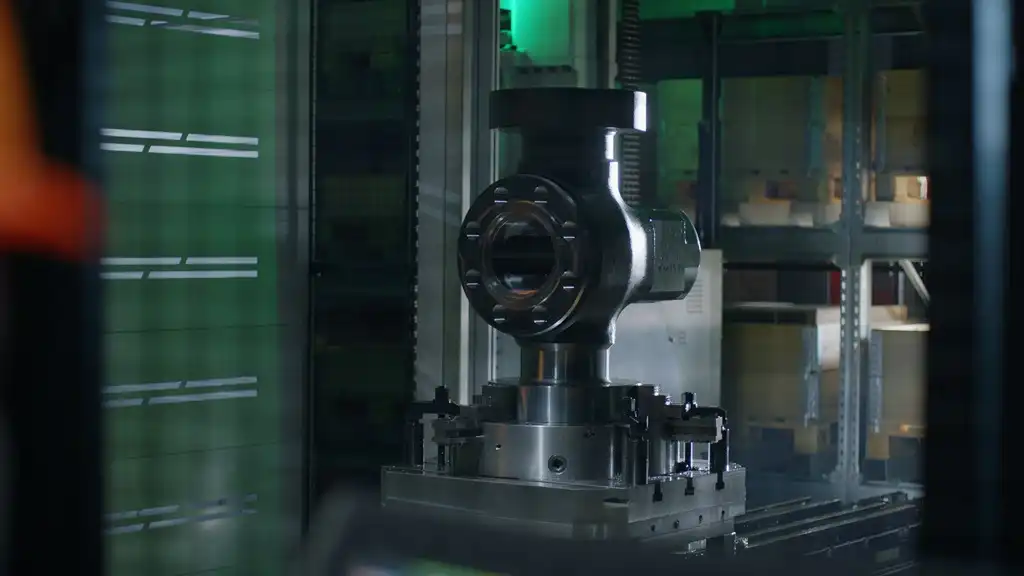
Supplier evaluation factors include more than just product specs. They also look at the supplier's ability to make the product and their support system. Certifications like API 6A, API 608, and ISO 15848 make sure that production methods always give the quality and efficiency that is written about. OEM relationships work best when makers keep enough inventory on hand and can change their production schedules to fit the needs of the project. When application-specific questions come up during the installation or testing phases, how quickly technical help responds is very important.
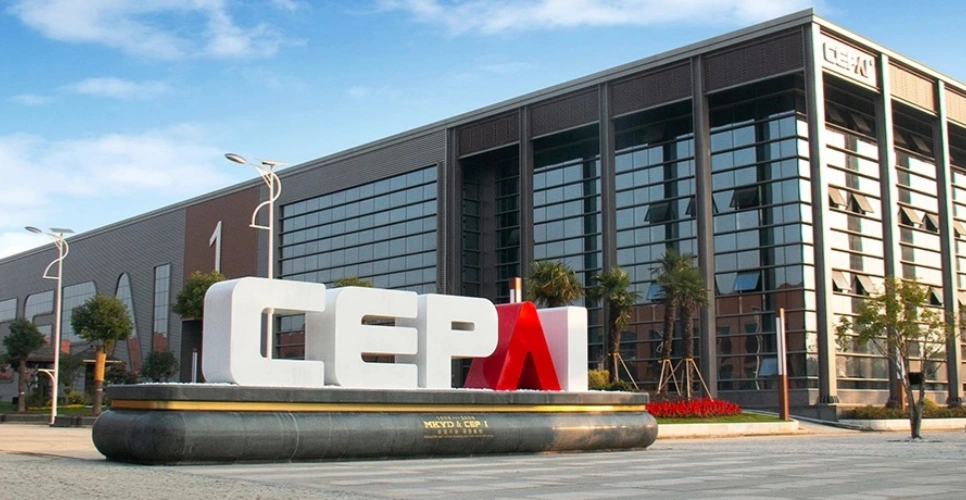
The top companies in this field keep a lot of testing records that show their designs meet or beat the standards for electrostatic safety in the business. This dedication is shown by CEPAI's product line, which has all the API standards you need for wellhead valves, pipeline valves, and controlling valves of all pressure levels. Their quality management systems are approved to ISO 9001 and ISO 14001, which gives buying teams faith that the way they make things is always the same.
When looking at different sellers, make sure you ask for resistance test data that shows the recorded values between the ball and the body in different situations. Manufacturers with a good reputation will gladly share this proof information with you along with material certificates and reports on measurements. Minimum order numbers depend on how complicated the product is. Standard configurations usually only ship in single pieces, but custom wellhead assemblies might need production runs that are tailored to the unique needs of the project. Lead times can be anywhere from 8 to 16 weeks, based on the supply of materials and the need for testing. This means that involving suppliers early on is very important for keeping to the project plan. The warranty should cover both problems with the way the product was made and performance standards, such as the amount of leaks and the resistance measured during testing.
Procurement Guide: Buying Anti-Static Valves
Sourcing Options and Purchasing Strategies
There are many ways to buy things, such as directly from manufacturers, through distributor networks, and through online industry markets. When products need to be customized or there are high-volume needs, working directly with OEM providers like CEPAI can be helpful. Working together as engineers during the specification phase makes sure that the end product exactly meets business needs without adding too many features that drive up costs. Long-term contracts with reliable makers keep prices stable and guarantee capacity during times of high demand, when wait times are longer across the board.
When you work with a distributor, you can get local supplies and fast delivery for operations, maintenance, and repairs. Unit prices are usually higher than buying directly from the OEM, but the shorter wait times and lack of minimum order amounts make the extra cost worth it for urgent replacements. Online business-to-business (B2B) sites have become useful tools for reviewing specs and getting quotes from several suppliers at the same time. When standard setups don't need specific engineering help, these markets work well. They let procurement teams find the best prices by bidding against each other.
Custom Solutions and OEM Partnerships
Customized anti-static valve systems that are made to exact specs are helpful for complicated projects like building an offshore platform or expanding a refinery. CEPAI can create anything, from choosing the right materials for sour gas service to putting together actuators for automatic systems. At the start of these partnerships, full application questionnaires are sent out to find out about the working conditions, the environment, and the interface needs. Deliverables for engineering include approved models, math packages that help with pressure class and flow sizing, and full material test records that prove traceability.
The benefits of custom solutions go beyond making sure they work perfectly with the program. They also include better upkeep plans. Sticking to a single manufacturer's line of products across a location cuts down on the need for extra parts and training. Because parts for different valve types can be swapped out, repair workers don't need to keep a lot of different rebuild tools on hand. Long-term service agreements can include things like training programs, expert help on-site during commissioning, and early access to engineering resources when changes need to be made. When looking at total lifespan costs, these benefits that can't be seen or touched often outweigh differences in the original price.
Balancing Lead Time, Budget, and Quality
Realistic timelines for making valves that change based on complexity and testing needs must be built into project plans. Standard product configurations using off-the-shelf materials usually ship within 8 to 12 weeks. However, times can be extended to 16 to 20 weeks for exotic metal builds or thorough third-party testing. When budgets are tight, procurement teams may be tempted to choose the cheapest choice. However, past experience shows that cutting corners on quality have long-term costs that are higher than the initial saves. When valves fail early because of bad materials or poor manufacturing, it costs a lot more to repair them, pay people to do the installation, and lose a lot of production. These costs are much bigger than the price difference between cheap and expensive goods.
The economics of small-batch manufacturing, especially for custom designs, are reflected in minimum order amounts. Manufacturers may not require a MOQ for the beginning stages of a project, as long as minimum order quantities are met for later sales. Letters of credit or progress billing are examples of payment terms that can be used for big purchases and keep both parties safe. Critical-path items can be delivered faster, but there are rush fees of 20–30% that apply when production plans need extra time or priority material sources. Strategic planning for buying things that lines up valve orders with long-lead items stops price increases caused by schedules and makes sure that building equipment comes when it's needed.
Conclusion
Electrostatic discharge protection is an important safety measure that must be used in oil and gas activities where dangerous gases are present. Through intentional grounding paths that dissipate charges before they can cause danger, properly designed anti-static valve solutions remove ignition sources. During the decision process, specific application needs like pressure class, material compatibility, and flow characteristics must be taken into account, along with the supplier's skills and the details of the project. These safety features will continue to work throughout the lifecycles of the items they protect thanks to maintenance programs that check grounding consistency and keep conductive paths in good shape. Using qualified makers with proven certifications in your procurement plans will improve safety right away and keep things running smoothly for a long time.
FAQ
1. Which industries benefit most from anti-static valve technology?
Because they work with flammable hydrocarbons, upstream drilling activities, middle pipeline systems, and downstream refining sites all need to be protected from static electricity. Both petrochemical plants that work with volatile chemicals and pharmaceutical plants that work with flammable solvents rely on these safety devices. As a general rule, anti-static designs should be used for any application that involves Class I Division 1 or Zone 0 dangerous areas.
2. How often should resistance testing be done to make sure the safety stays in place?
For most uses, checking every three months is enough to keep an eye on things. However, testing should be done once a month for valves that are constantly exposed to high speeds or surroundings that are toxic. Annual detailed inspections during turnarounds should include disassembly to examine spring condition and contact surface integrity. Record all measures so that you can find patterns that can help you figure out when maintenance is needed.
3. Can anti-static features be added to valves that are already in use?
Retrofitting relies on the type of valve and the amount of room that is available for grounding parts. A lot of different types of ball valves can use aftermarket anti-static kits that come with springs, pins, and stems that have been changed. Complex designs or valves that can't be opened to add parts may need to be replaced completely. It is possible for certain installations to be done if you talk to the original maker or a trained service provider.
Partner With CEPAI for Certified Anti-Static Valve Solutions
Our engineering team knows how important it is for your processes to have good electrostatic security. The valves that CEPAI makes include wellhead systems, choke valves, and pipeline control devices. All of these have been tested and proven to be anti-static valve designs, and they have API 6A, API 6D, and API 608 certifications to back them up. Whether you need standard configurations that can be sent right away or solutions that are built to your exact specs, our technical experts work with your team from the beginning of the decision process all the way through commissioning. To discuss your application needs and receive thorough quotes suited to your project schedule and budget, contact our anti-static valve maker directly at cepai@cepai.com.

References
1. American Petroleum Institute, "Specification for Wellhead and Christmas Tree Equipment," API Specification 6A, Twenty-first Edition, 2018.
2. American Petroleum Institute, "Specification for Pipeline Valves," API Specification 6D, Twenty-fifth Edition, 2021.
3. National Fire Protection Association, "Standard for the Installation of Oil-Burning Equipment," NFPA 31, 2020 Edition.
4. Chemical Safety and Hazard Investigation Board, "Static Electricity-Related Incidents at Bulk Petroleum Storage Facilities," Investigation Report No. 2019-01-I-WA, September 2020.
5. Occupational Safety and Health Administration, "Process Safety Management of Highly Hazardous Chemicals," 29 CFR 1910.119, U.S. Department of Labor, 2019.
6. Institute of Electrical and Electronics Engineers, "IEEE Recommended Practice for Grounding of Industrial and Commercial Power Systems," IEEE Std 142-2007, Green Book, 2007.

Get professional pre-sales technical consultation and valve selection services, customized solution services.
About CEPAI