Pressure Equipment Directive (PED): Do Your Valves Comply
If you want to buy valves for oil and gas activities, making sure you know what PED certified valve standards are can help you avoid costly compliance failures and shutdowns. The Pressure Equipment Directive sets safety standards that all pressure equipment sold in Europe must meet. These standards have a direct effect on the valve specifications for wellhead assemblies, pipeline systems, and refinery installations. Compliance makes sure that your equipment meets strict safety standards and makes it easier for you to sell your goods across foreign lines. If you don't follow the rules, your business could face legal issues, shipping delays, and equipment rejection at crucial project stages.

Understanding the Pressure Equipment Directive (PED) and Its Impact on Valves
The Pressure Equipment Directive is one of the most important pieces of European law. It tells manufacturers how to build, test, and approve pressure-bearing equipment like industrial valves. This order was made so that safety standards would be the same in all member states. It covers equipment that works above certain pressure and volume limits, making sure that people and structures are always safe.
Scope and Applicability Criteria
When valves go over certain pressure-volume limits, they are controlled by the PED. Equipment that holds gases at pressures higher than 0.5 bar or liquids higher than certain volume-pressure products needs to be checked for compliance. The directive divides equipment into four risk-based groups, called Categories I through IV. Category IV has the biggest risk and needs the strictest conformity processes.
For procurement choices, it is very important to understand these limits. When going to be used in European drilling activities, a wellhead choke valve that works at 15,000 psi needs to be PED certified. However, lower-pressure monitoring valves might not have to be PED certified. This difference has an effect on buying schedules, budgets, and tactics for choosing suppliers.
Classification Standards and Manufacturer Obligations
The rule gives conformity assessment modules to different types of tools, including PED certified valve, based on what they are meant to be used for. Module A lets the maker self-declare lower-risk Category I equipment, but higher categories need a third-party informed body to be involved. In Module B, the type must be examined, in Module D, the production processes must be checked for quality, and in Module H, the whole quality system must be certified.
Manufacturers must keep a lot of technical records that show design formulas, material certificates, qualifications for welding procedures, and testing methods. This paperwork package stays with the equipment for its whole life, making it easy to track and hold accountable. Before signing a purchase deal, drilling engineers and procurement managers should make sure that sellers keep full conformity assessment files.
Material and Design Considerations
The choice of materials has a direct effect on the results of PED compliance. The directive lists the materials that are allowed as long as they meet unified European standards. It puts a lot of stress on being able to track the materials and check their properties. Due to their known strength, corrosion resistance, and temperature stability, stainless steel grades like 316L and duplex alloys are frequently used in PED certified valve design.
When working with bad materials, carbon steel valves need to be carefully thought out in terms of their pressure-temperature rates and the possibility that hydrogen will weaken them. During the approval process, design elements like methods for releasing pressure, corrosion allowances, and the layout of weld joints are carefully looked over. Wellhead experts know that choosing the right materials has an impact on both the initial success of approval and the long-term performance in the field under tough drilling circumstances.
PED Certified Valves vs. Non-Certified Valves: Making the Right Choice
To tell the difference between certified and non-certified equipment, you need to know about the risks, your legal obligations, and the long-term effects of using the equipment that go beyond the initial buy choice.
Safety and Liability Implications
When non-compliant valves are used in European processes, a lot of risk is created. When uncertified parts fail in equipment, it can lead to fines, denied insurance claims, and even shutdowns of operations. Pipeline security teams know that valves that aren't approved don't have independent checks to make sure they are designed correctly and made well, which raises the risk of a catastrophic failure.
Organizations are protected during accident investigations and insurance reviews by PED certified valve installs, which provide proof of regulatory compliance. This certification trail shows that procurement teams were reasonably careful when choosing tools, which lowers both personal and company liability. Because of the directive's focus on tracking, each part comes with proof that it was made according to approved design specs and methods.
Comparative Analysis with Other Standards
Other widely accepted standards, such as API, ASME, ISO requirements, and PED certified valve, can coexist with PED certification. Knowing when each standard applies keeps buying clear and makes sure that all requirements are met. API 6A certification covers wellhead and Christmas tree tools for the oil and gas industries, with a focus on drilling-specific pressure rates and working conditions.
In North America, ASME standards control the design of pressure vessels and pipes, while ISO specifications set the rules for the whole world. A valve could have API 6A, ASME B16.34, and PED certifications all at the same time, so it could meet the needs of different markets and legal systems. When making specifications, procurement managers should be clear about the target markets and the rules that apply. This way, they can make sure that the equipment they choose meets all of their compliance responsibilities.
Selection Guidance for Operational Needs
To choose the right certified valves, you need to make sure that the equipment's specs match its working factors. Pressure values must be higher than the highest pressures that are expected in the system, with enough room for error. Temperature rates should take into account both normal working conditions and situations where things could go wrong. Corrosion, erosion, and chemical breakdown that threaten valve integrity can be avoided if the materials used are compatible with the process fluids.
The type of valve chosen relies on the needs of the product. For isolating a pipeline, gate valves provide full-bore flow lines. Ball valves allow for quick shutoff, and choke valves allow for precise flow control in wellhead uses. Each type of valve goes through its own PED rating process based on its pressure-holding range and how it works. Engineers at the plant work with providers to make sure that the valve configurations they choose meet both performance standards and licensing rules.
The PED Certification Process for Valves: From Testing to Validation
To get certified, you need to know the steps that need to be taken in order, the paperwork that needs to be turned in, and the quality control rules that turn design ideas into accepted goods.
Design Review and Documentation Requirements
Manufacturers send in design dossiers that include stress calculations, material specifications, manufacturing processes, and testing routines to show that the equipment meets the key safety standards set out in PED Annex I. This is the first step in getting certified. These entries show that the designs include enough safety features, the right materials, and production methods that can make sure the equipment always meets the requirements.
Notified bodies, which are independent groups approved by the European competent authorities, check technical paperwork to make sure it is full and correct. They check the ways calculations are done, the reasoning behind choosing materials, and the suggested testing's suitability. This outside study finds problems with the design before it's made, which saves money on expensive fixes during production and avoids delays in approval.
Pressure Testing and Material Verification
Through empirical proof, physical testing backs up design predictions. In hydrostatic pressure testing, valve bodies are put under pressures that are higher than their maximum allowed working pressure for set amounts of time. Usually, these pressures are 1.5 times the recommended pressure. This destructive testing on sample units shows the quality of the production process and the stability of the materials. Radiography, ultrasound inspection, and magnetic particle examination are all non-destructive methods of examination that can find problems inside things that can't be seen with the naked eye.
Material testing makes sure that the real products meet the requirements, including for PED certified valve. Positive material identification testing confirms the makeup of the metal, and mechanical testing confirms the tensile strength, yield strength, and impact toughness. Material certificates must be linked to test reports from the steel mill, making sure that the paperwork chains are complete. This thorough checking keeps fake or low-quality materials from getting into important uses where failure would be disastrous.
Certificate Validity and Renewal Procedures
PED certificates are still valid as long as makers stick to the quality systems and design standards that were given to them. When materials change, the manufacturing method changes, or the plan changes, reassessment is needed. Notified groups do regular surveillance checks to make sure that approved quality management systems are still being followed.
To refresh a certificate, you have to show that you are still in line with the latest versions of directives and standardized standards. As technical standards change, equipment that has already been approved may need to be checked against the new standards. Procurement managers should check the validity of certificates and make sure that sellers have active relationships with informed bodies. This way, they can be sure that the technology they buy has valid, enforceable certifications that allow it to keep running without interruption.
Benefits of Procuring PED Certified Valves for Industrial Applications
The strategic benefits of certified equipment go beyond just meeting legal requirements. They also help with operations, finances, and risk management throughout the lifetime of the equipment.
Enhanced Operational Safety
Certified valves are checked by a third party to make sure they meet the requirements for design and manufacturing quality. This approval by a third party lowers the chance that equipment will break down, keeping people safe from pressure release accidents, fires, and blasts. Drilling experts know that when wellhead equipment fails, it can put people's lives in danger and require them to leave the area right away. This can be done through expensive well-control operations.
Pressure-relieving features, fail-safe design features, and material choices that are right for the planned working conditions are all required for PED certification. These safety features keep the equipment and structures around them safe from cascade failures, which happen when a single problem in one part leads to problems in the whole system. The directive's focus on risk-based categorization makes sure that the most dangerous apps get the strictest control, reducing danger in a fair way.
Regulatory Adherence and Market Access
Across European Economic Area member states, certified equipment makes it easier to clear customs and get regulatory approval. The CE stamp that is needed after PED approval, such as for a PED certified valve, shows that the product meets European safety, health, and environmental protection laws. This marking makes it easier to bring tools into the country, so it doesn't get held up, take longer to check, or be turned away at the border.

To expand into European markets, you need PED compliant tools for installing pipelines, expanding refineries, and building offshore platforms. When planning for foreign project involvement, procurement teams should give more weight to suppliers who offer certified goods. This way, specifications won't have to be changed and tools won't have to be switched out during the project execution phases. This planning keeps the budget in check and keeps the schedule from getting thrown off.
Quality Assurance and Lifecycle Value
Certification methods make sure that a quality management system is put in place that controls design, makes sure that production is consistent, and keeps track of things. When you follow these quality standards, your tools will be more reliable, last longer between services, and need less unplanned repair. Pipeline security teams like certified valves because they have a history of being made well and consistently work well.
An study of long-term costs shows that approved equipment often has better lifecycle value, even if it costs more at first. When failure rates go down, costs for emergency fixes, lost production, and safety incidents go down as well. Certified goods often come with longer warranty periods, which shifts the performance risk to the makers and lowers the owner's financial exposure. Because of these things, approved valves are smart investments for businesses that put safety and dependability ahead of initial capital efficiency.
Where and How to Buy PED Certified Valves: Procurement Insights
This article tells you where to buy PED certified valves and how to do it. Strategic sourcing means finding qualified sources, making sure that certifications are real, and handling the details of buying things while staying within project deadlines and budgets.
Identifying Reputable Manufacturers and Suppliers
Global valve makers keep up-to-date PED approval skills to serve markets in Europe and other countries. Well-known providers have a history of sending legal equipment that works as expected and meets the needs of the specifications. Technical buying teams should look at possible sellers based on the number of certifications they have, their ability to make things, how well their quality system works, and how well they can help customers after the sale.
Checking the identities of suppliers stops fake equipment from getting in. Products that don't follow the rules can be avoided by asking for informed body certificates, reading technical documents, and making sure that the CE marking is real. Suppliers should easily give copies of certificates, information on how to contact the informed body, and proof of traceability to show that the certificates are real. Reluctance to share proof materials is a sign of possible compliance problems that need more attention or the provider being kicked out of the running.
Procurement Logistics and Lead Time Management
Getting certified equipment, including PED certified valve, usually takes a longer time because of design reviews, manufacturing processes, testing methods, and making paperwork. For large orders like pipeline projects or refinery turnarounds, it's important to carefully plan when to send equipment and when to reach building goals. Directors of strategic sourcing should involve suppliers early on in the planning stages of a project, setting reasonable delivery dates and looking for possible bottlenecks.
International supply chains add more complexity by requiring more planning for things like shipping, customs paperwork, and import duties. Suppliers who have exported goods to Europe before know what paperwork is needed, how to package items properly, and how to coordinate operations. Delay and demurrage charges can be avoided by being clear about delivery areas, installation plans, and entry issues on the site.
Customization Options and Pricing Negotiations
Customized valve designs that meet specific operational factors or integration needs are often needed for complex uses. Buyers and makers work together in engineering to come up with solutions that meet both performance needs and certification standards. Project engineers give suppliers detailed information about the process conditions, size limits, preferred actuators, and monitoring connections so that suppliers can come up with the best designs.
When negotiating prices, the total cost of buying should be taken into account, not just the original purchase amount. The total cost of ownership can be found by looking at things like the availability of spare parts, the ease of getting expert help, the terms of the warranty, and the training that is offered. A lot of the time, long-term supply deals or volume commitments across multiple projects lead to good business terms and a steady supply of goods. Maintenance managers like it when sellers offer interchangeable parts and standard setups. This makes it easier to keep track of supplies and makes buying things less complicated.
Conclusion
PED compliance is a must for valve equipment going to European markets, and it's having a bigger and bigger effect on global buying standards as well. Procurement pros can make smart choices that balance regulatory requirements with practical performance needs when they understand certification standards, process effects, and strategy benefits. PED certified valve offers proven safety, higher dependability, and quality that helps with digging, maintaining pipeline integrity, and processing in refineries. Investing in compliant equipment saves workers, opens up new markets, and provides better value over its entire life. This is why it is important to carefully evaluate suppliers and carefully follow specifications during the buying process.
FAQ
1. What pressure thresholds trigger PED certification requirements for valves?
Valve holding gases or liquids above 0.5 bar pressure or estimated pressure-volume products needs to be PED assessed. The type of fluid, the pressure level, and the amount capacity determine the category. Higher categories require stricter conformity processes. Equipment that doesn't meet the basic standards can choose to get certified on its own to stand out in the market or meet customer needs.
2. Can valves hold both API and PED certifications simultaneously?
Valves can get more than one certification to meet the needs of different markets and legal systems. API 6A certification is for wellhead equipment used in oil and gas, while PED approval is for safety in European pressure equipment. Getting both certifications makes you more marketable, but you have to meet different tests, paperwork, and marking standards for each standard.
3. How long does PED certification typically require for new valve designs?
Certification times depend on the type of equipment, how complicated the design is, and how busy the informed body is. Simple Category I equipment could get certified in a few weeks if the maker self-declares it, but Category IV equipment that needs a full quality system review and type examination could take six months or longer. Getting suppliers involved early and sending in all the necessary technical paperwork speeds up the approval process.
Partner with CEPAI for Your PED Certified Valve Needs
CEPAI offers complete solutions for pressure tools and has a lot of certifications to back them up, such as API Q1, API 6A, API 6D, API 16C, CE, and ISO management system certifications. We can make choke valves, wellhead devices, pipeline valves, and instrumentation that meets the strict legal standards of Europe. As a well-known PED certified valve maker, we are aware of how important it is to strike a balance between meeting safety requirements and meeting the performance requirements of drilling operations, pipeline infrastructure, and refinery installations. Our engineering teams work with our procurement teams to come up with unique solutions that meet your exact pressure ratings, material needs, and delivery dates. Get in touch with our technical experts at cepai@cepai.com to talk about how our certified valve portfolio can help your future projects with reliable, legal equipment that comes with full paperwork and quick after-sales support.

References
1. European Commission. (2014). "Directive 2014/68/EU of the European Parliament and of the Council on the harmonisation of the laws of the Member States relating to the making available on the market of pressure equipment." Official Journal of the European Union.
2. American Petroleum Institute. (2018). "Specification for Wellhead and Christmas Tree Equipment, API Specification 6A, 20th Edition." API Publishing Services, Washington, DC.
3. British Standards Institution. (2016). "PD 5500:2015 Specification for unfired fusion welded pressure vessels." BSI Standards Limited, London, United Kingdom.
4. TÜV SÜD. (2019). "Pressure Equipment Directive: A Practical Guide for Manufacturers and Importers." TÜV SÜD Product Service GmbH, Munich, Germany.
5. European Industrial Gases Association. (2017). "Application of the Pressure Equipment Directive to Industrial Gases - EIGA Doc 17/17." EIGA Publications, Brussels, Belgium.
6. Det Norske Veritas. (2020). "Certification of Pressure Equipment According to PED 2014/68/EU - Guidance Document." DNV GL AS, Høvik, Norway.
_1746598531170.webp)
Get professional pre-sales technical consultation and valve selection services, customized solution services.
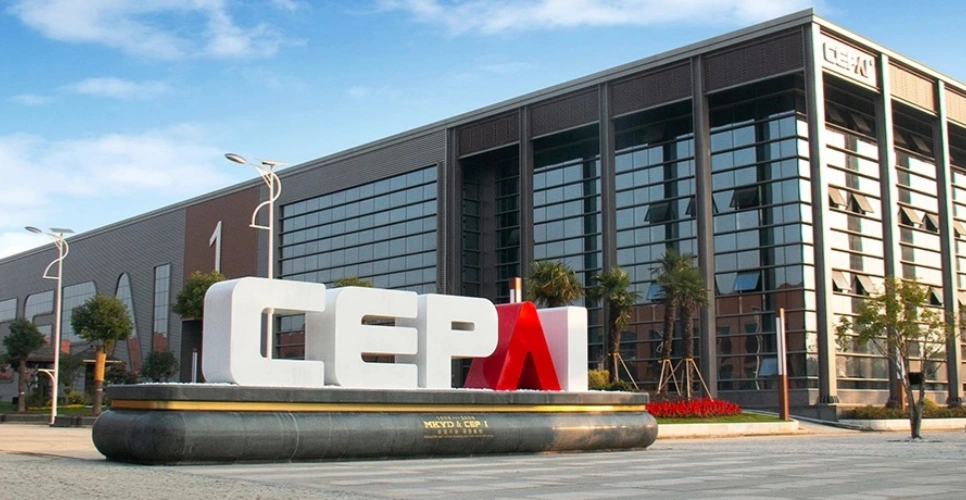
About CEPAI