Understanding Fire-Safe Design in Industrial Ball Valves
When terrible fires happen in factories, the condition of your flow control equipment can make the difference between containing the fire and a disaster. A fire-safe ball valve is designed to keep its seal and stop dangerous media from leaking even when it's exposed to very high temperatures from flames. Unlike regular valves, which fail when heated up, these special parts have backup metal-to-metal sitting surfaces and fire-resistant materials that work when the primary soft seals break. This keeps your most important systems safe even when things are at their most dangerous.
What Is a Fire-Safe Ball Valve and How Does It Work
Core Design Philosophy
Industrial fire-safe valves are an important step forward in safety engineering. A spherical closing element with a through-bore that turns to control flow is part of these quarter-turn devices. What makes them unique is that they have more than one layer of protection. When fire exposure breaks down soft seat materials, secondary metal seating surfaces instantly step in to keep the pressure limit intact. This dual design makes sure control even after being exposed to temperatures above 1,400°F for a long time.
The main idea behind how it works is based on heat fail-safe systems. Elastomeric or polymer chairs offer a tight shut-off during normal use. When there is a fire that damages these main seals, the ball is pushed against machined metal seats in the body by temperature expansion. This makes an emergency seal that stops the escape of flammable or harmful fluids.
Regulatory Standards and Certification Requirements
Fire-safe valve approval is based on three main worldwide standards. API 607 covers fire-safe ball valves and valves up to 24 inches in diameter and requires test units to be exposed to a direct flame for 30 minutes. After that, pressure and leaking tests must be done. With API 6FA, testing can be done on bigger sizes and includes more than one temperature cycle. With similar test procedures but different acceptance factors, ISO 10497 brings about global harmony.
People who work in procurement should make sure that valve systems, not just individual parts, have the right approval paperwork. When a valve is being tested, it must be fully assembled, with stems, packing systems, and end connections. The certificates you get should list the exact model numbers and pressure classes that you need for your application.
Fire Exposure Scenarios in Industrial Operations
Wellbore blowouts, gas leaks, and broken equipment in remote upstream drilling sites can cause fires that aren't like those in other places. Operators of midstream pipelines have to deal with fire threats from nearby sites or acts of mischief. Downstream refineries and petroleum companies deal with the most dangerous situations. This is where process unit fires can quickly get out of hand.
Knowing your individual profile of risks can help you choose the right fire-safe valve grades. Jet fires from pressurized blasts and hydrocarbon pool fires have different heat patterns. Working with big operators has taught us that when choosing a valve, we need to think about both the flame temperature and how long we expect it to last based on how well the facility can handle emergencies.
Key Features, Benefits, and Materials of Fire-Safe Ball Valves
Critical Design Elements
Fire-tested valve systems are different from regular goods because they have a few special parts:
- Metal Seat Technology: The ball and body both have precisely cut seating areas that provide extra protection. Even at high temperatures, materials like hardened stainless steel or Inconel keep their shape and smooth surface. Because of temperature expansion, there is a small interference fit that creates enough contact pressure for leak-tight operation.
- Fire-Grade Stem Sealing: Regular packing materials escape when there is a fire. fire-safe ball valve designs use packing systems made of graphite that expand when hot, keeping the stem closing intact. Some more modern designs use metal bellows seals that physically can't leak, which gets rid of a frequent place where things go wrong.
- Body Seal Protection: Metal gaskets or pressure-energized seals that don't break down in hot weather are used in bolted body parts. There may be fire-safe features built into the body design itself, such as longer necks that keep packing areas cooler during heat events.
These improvements in engineering work together as a whole. At CEPAI, we put our valve designs through a lot of heat cycle tests to make sure that all of the parts work together during a fire. This makes sure that your facility will be reliable when it matters the most.
Performance Benefits for Critical Applications
Of course, better safety is the main benefit, but fire-safe valve technology also has other useful uses. In normal situations, the long service life is naturally increased by the strong structure needed for fire protection. Premium materials and heavy-wall bodies make valves that are better at resisting rust, weathering, and mechanical stress than regular valves.
Maintenance periods for fire-safe products, such as fire-safe ball valves, are often longer than for regular products because they don't have any weak parts that break quickly. The metal seating areas that protect against fire also provide consistent tight shut-off throughout the lifetime of the valve, which lowers process losses and pollution.
The perks of following the rules go beyond fire safety. As environmental rules get stricter, many fire-safe valves get fugitive emissions certificates under API 624 or ISO 15848. This method to dual certification makes it easier to specify and document projects that need to meet more than one set of standards.
Material Selection Considerations
Most fire-safe valves are made of types of stainless steel. For most uses, 316/316L is the best choice because it doesn't rust. Higher-grade metals, such as Duplex 2205 or Super Duplex 2507, work well in bad service or highly corrosive places where fire protection can't hurt chemical resistance.
While the fire-safe feature stays the same, frames made of carbon steel and trim made of stainless steel save money for less toxic uses. When working with specific chemicals, nickel metals like Inconel or Monel are used to deal with situations involving high temperatures or corrosion.
Careful material pairing is needed for internal parts. To keep the seal in place in both normal and fire situations, the ball and seat materials must have similar hardness values and thermal expansion factors. At CEPAI, our engineering team looks at these relationships during the design specification phase to make sure that you get the best performance across all of your working envelopes.
Fire-Safe Ball Valve vs. Other Valve Types: Making an Informed Choice
Comparing Fire-Safe Ball Valves to Standard Ball Valves
Standard ball valves focus on being cost-effective and controlling flow in a simple way. They have soft polymer seats that work great for closing at room temperature but not at all when they are heated. The body design, choice of materials, and part specs are all based on normal working conditions, but emergency situations are not taken into account.
fire-safe ball valves have heat safety features that make them harder to make and cost more in materials. The difference in performance is only important during fires, but the unchecked release of hydrocarbons or chemicals from normal valve failure makes the investment worth it in high-risk situations.
Differences in operations are kept to a minimum during normal business. Both types of valves can be turned a quarter of the way, shut off tightly, and have a low pressure drop. The decision point is based on evaluating the risk: places that deal with flammable or dangerous materials in high-risk areas should have fire-safe requirements, but places that deal with utility services or harmless fluids might not need this level of protection.
Triple Offset Valves and Alternative Technologies
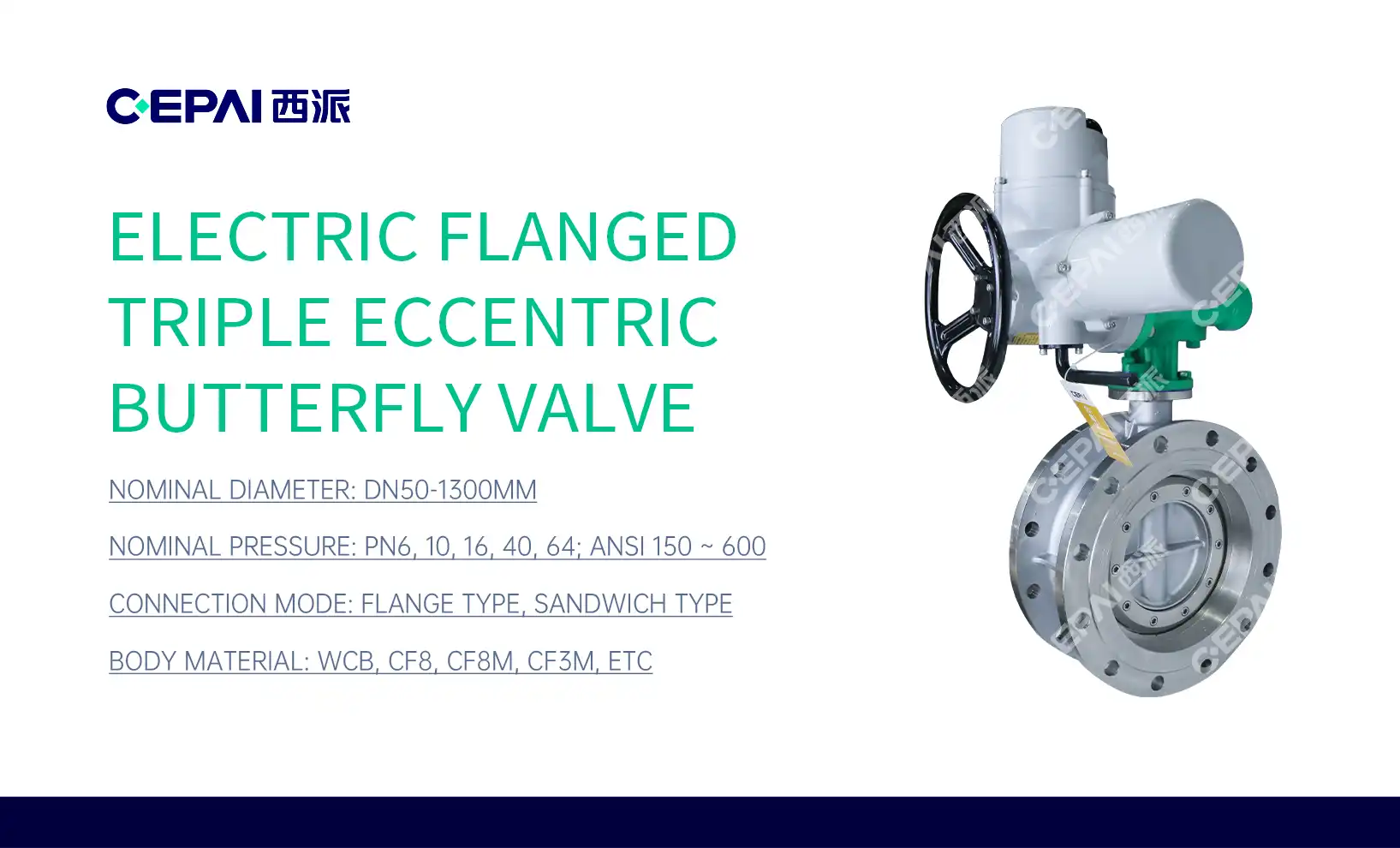
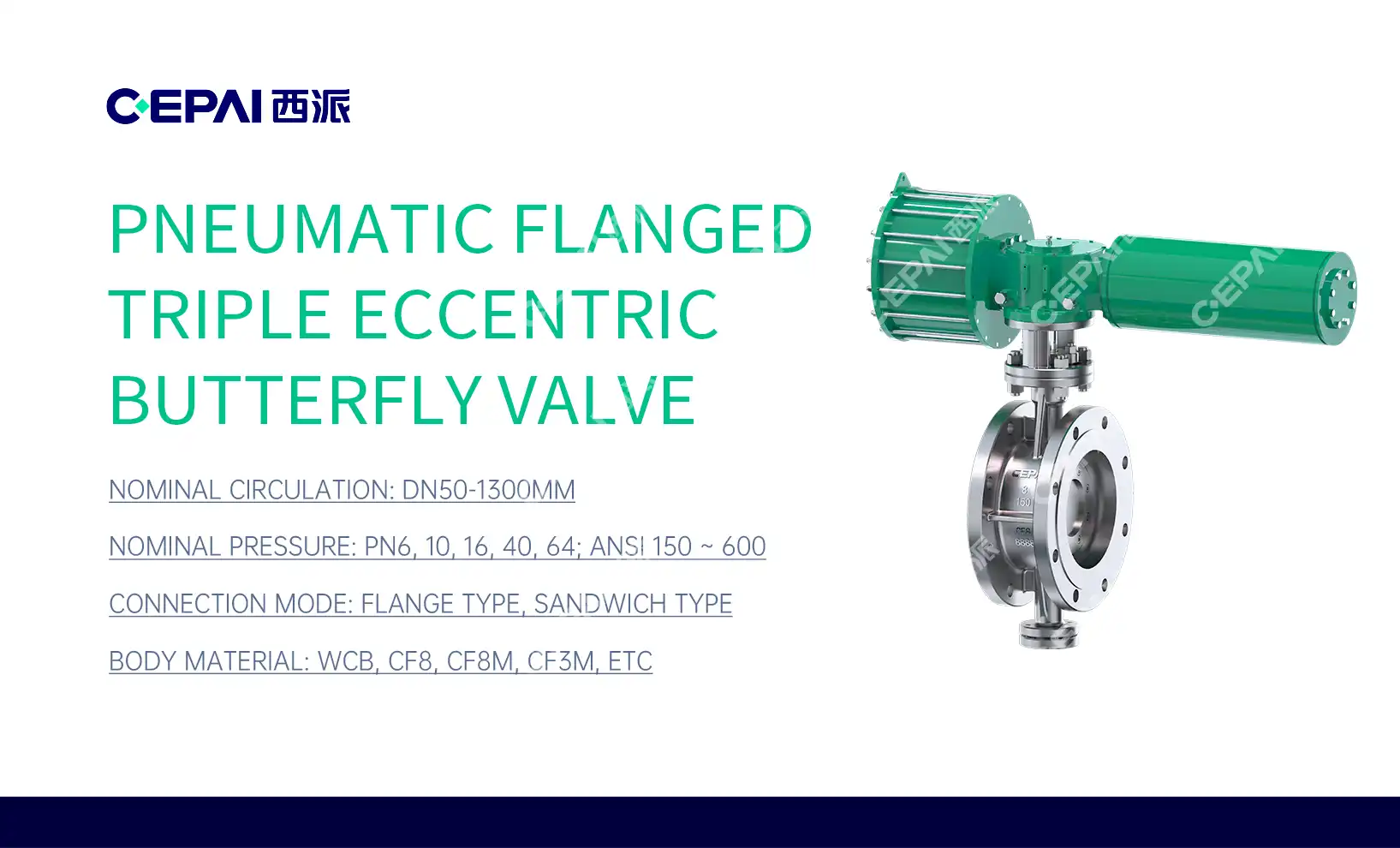
Triple offset butterfly valves are fire-safe and have different functional benefits. Their off-center shape makes a cam action that keeps the seat from touching while they're working, which extends the life of the seal in uses that cycle a lot. The metal-seated design naturally resists fire and doesn't need any extra closing devices.
Depending on the purpose, a fire-safe ball valve or a triple offset design may be used. Ball valves work great when there isn't much room to place them or when they need to be shut off quickly. Triple offset valves are more cost-effective for bigger line sizes and can handle ongoing service at higher temperatures.
Gate and globe valves can have fire-safe features, but they are usually not very useful. Because they move in a straight line and have complicated internal design, there are more places where they could fail in a fire. For fire-safe uses, quarter-turn devices are becoming more popular because they are easy to use and have been shown to be reliable.
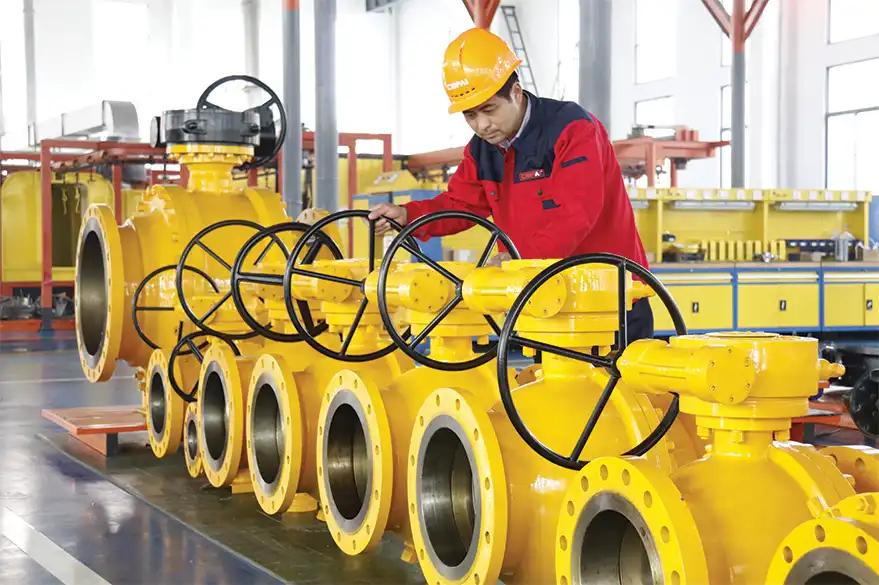
Manual vs. Actuated Fire-Safe Valve Configurations
Manual fire-safe valves are good for situations where they don't need to be used very often or where people can still get to them in an emergency. Because the mechanics are so simple, there are no electricity or gas systems that could fail in a fire. Gear controllers can handle bigger valves while still letting you change them manually.
Electricly operated ball valves can be controlled from a distance, which is important for emergency shutdown systems. Fire-rated motors keep working during thermal events, so workers can separate dangerous areas from areas that are affected. Even if the power goes out, the setting will stay safe thanks to battery backup or spring-return devices.
When it comes to emergency isolation valves, pneumatic action has the fastest response times. Instrument air networks that can be used as backups are often part of air supply systems. When deciding between electric and pneumatic actuation, you need to think about how fast the response needs to be, how available the equipment is, and what repair resources are available at your location.
Procurement Considerations: How to Choose and Buy Fire-Safe Ball Valves
Essential Specification Parameters
Ratings for pressure and temperature are what you use to choose a valve. fire-safe ball valves need to be able to handle the highest working pressures plus safety gaps while still being able to fight fire at the temperatures that are expected in the process. Standardized rates are given by ASME B16.34 pressure class names, but make sure that the models you choose meet your needs for both pressure and temperature.
The standards for end connections must match the standards for pipelines throughout your building. You can use flanged links that follow ASME B16.5 or API 6A for most tasks, while threaded or welded ends are better for certain fitting needs. The type of connection facing—raised face, ring-type joint, or API flanges—affects how well the seal works and how easy it is to do upkeep.
There are more standards for certification than just fire safety tests. API 6D gives detailed quality standards for valves used in pipelines. With more design checking, API 6A handles wellhead and Christmas tree apps. The requirements for the purchase should clearly list all the standards that apply and the licensing paperwork that is needed.
Evaluating Supplier Capabilities and Quality Systems
Manufacturing quality management systems directly impact product reliability. ISO 9001 approval is a basic form of quality assurance, while API Q1 is specific to the needs of the oil and gas business. The places that handle these licenses show organized ways of making sure designs are correct, keeping an eye on production, and keeping track of things.
The ability to test and check things shows how sophisticated the manufacturing process is. With in-house fire testing tools, producers can make sure that their designs work and do quality control testing for fire-safe ball valves. Ultrasonic testing or x-rays are examples of advanced inspection technologies that can find problems inside that traditional methods might miss.
Stability in the supply chain affects both the timeline for projects and the long-term availability of extra parts. Lead times are more reliable for manufacturers who have built relationships with their suppliers and set up methods for managing their inventory. Single-source buying makes it easier to manage paperwork and warranties and makes sure that all of your valves' parts work with each other.
Total Cost of Ownership Analysis
The cost of buying the valve at the beginning is only one part of its lifetime economy. Labor prices and commissioning plans are affected by how hard the installation is. Valves that need to be handled in a certain way or that need a lot of support structures add to the overall cost of the job.
Over the working life, more and more maintenance resources are needed. Valves that need to have their packing replaced often or that need special care methods use more resources than designs that are made to last longer between service times. In actuated designs, where inefficient actuators raise running costs over decades of service, energy use is important.
Unplanned repair and lost output have a direct effect on total cost when reliability is low. In key services, the costs of downtime are often many times higher than the costs of the tools. Choosing tried-and-true designs from makers with a history of reliability lowers these lifetime risks. This makes premium goods more cost-effective, even though they cost more at first.
Conclusion
fire-safe ball valves are an important part of industry safety structures that handle dangerous media. Their unique designs keep boundaries intact even in the most dangerous situations, keeping people, property, and the environment safe. To make a purchase successful, you need to find a balance between technical standards, certification needs, and the supplier's abilities to get solid performance over long service lives. Because of the high level of engineering that went into making these important parts, they need to be carefully chosen using methods that look at the total value over their entire life, not just the cost at the beginning. As rules and safety standards for buildings change, fire-safe valve technology keeps getting better to meet the needs of more demanding uses.
FAQ
1. What makes a ball valve fire-safe compared to standard designs?
fire-safe ball valves have backup metal-to-metal closing surfaces that go into action if the main soft seats fail during a fire. They use packing materials that don't catch fire, stronger body seals, and standard fire tests according to API 607, API 6FA, or ISO 10497 to make sure they work well during and after being exposed to flames.
2. How often should fire-safe ball valves be tested or inspected?
Every three months, the outside should be inspected to look for leaks, rust, or problems with the actuator. Adjusting the packing and lubricating it are common parts of yearly upkeep. During turnarounds, pressure testing makes sure that the seats are still solid. Some facilities test sample units for fire safety on a regular basis to make sure that all of their installed valves are still fire-safe.
3. Can existing standard ball valves be upgraded to fire-safe specifications?
Most of the time, it's not possible to make normal valves fire-safe. For fire-safe designs to work, the body shape, the choice of material, the shape of the seat, and the closing systems must all be planned and engineered at the same time. When risk assessment shows that this level of protection is needed, replacement with properly approved fire-safe valves is the right thing to do.
Partner with CEPAI for Certified Fire-Safe Ball Valve Solutions
Engineered fire-safe ball valve solutions from CEPAI are backed by full API 607, API 6FA, and ISO 10497 standards that meet the strict needs of upstream drilling, middle pipelines, and downstream processing facilities. Our manufacturing skills cover all the pressure classes, materials, and shapes that are needed for important safety uses. With well-known quality systems like API Q1, ISO 9001, and ISO 3834 certifications, we give procurement managers, drilling engineers, and plant workers the paperwork rigor and accountability they need. Our expert team works directly with your engineering staff to find the best valve configurations for your working conditions. This makes sure that you meet all regulations and that the valves work well for their entire life. You can use CEPAI's production capacity and engineering freedom for projects ranging from single test units to large-scale buying programs. This is true whether you need standard catalog items or custom assemblies for specific uses. Get in touch with our expert team at cepai@cepai.com to talk about your fire-safe ball valve needs with a reputable manufacturer and provider who is dedicated to keeping your important processes safe.

References
1. American Petroleum Institute. "API Standard 607: Fire Test for Quarter-Turn Valves and Valves Equipped with Nonmetallic Seats." 8th Edition, 2016.
2. American Petroleum Institute. "API Standard 6FA: Fire Test for Valves." 5th Edition, 2014.
3. International Organization for Standardization. "ISO 10497: Testing of Valves – Fire Type-Testing Requirements." 2nd Edition, 2010.
4. American Society of Mechanical Engineers. "ASME B16.34: Valves – Flanged, Threaded, and Welding End." 2020 Edition.
5. Nesbitt, Brian. "Handbook of Valves and Actuators: Valves Manual International." Elsevier Science, 2007.
6. Smith, Philip L. and Zappe, R.W. "Valve Selection Handbook: Engineering Fundamentals for Selecting the Right Valve Design for Every Industrial Flow Application." 5th Edition, Gulf Professional Publishing, 2004.
_1746598531170.webp)
Get professional pre-sales technical consultation and valve selection services, customized solution services.
About CEPAI