Pneumatic butterfly valve systems installation safety needs a lot of attention on pre-installation inspection, proper handling, and systematic testing. To avoid system failures, keep the operational integrity, and make sure that industry standards are followed, these automated flow control devices need to be installed with special safety measures. Pneumatic actuators and valve parts have a lot of different interactions with each other. To get the best performance in oil and gas drilling, you need to make sure that mechanical alignment, pressure specifications, and environmental compatibility are all taken into account.

Understanding Pneumatic Butterfly Valves and Installation Challenges
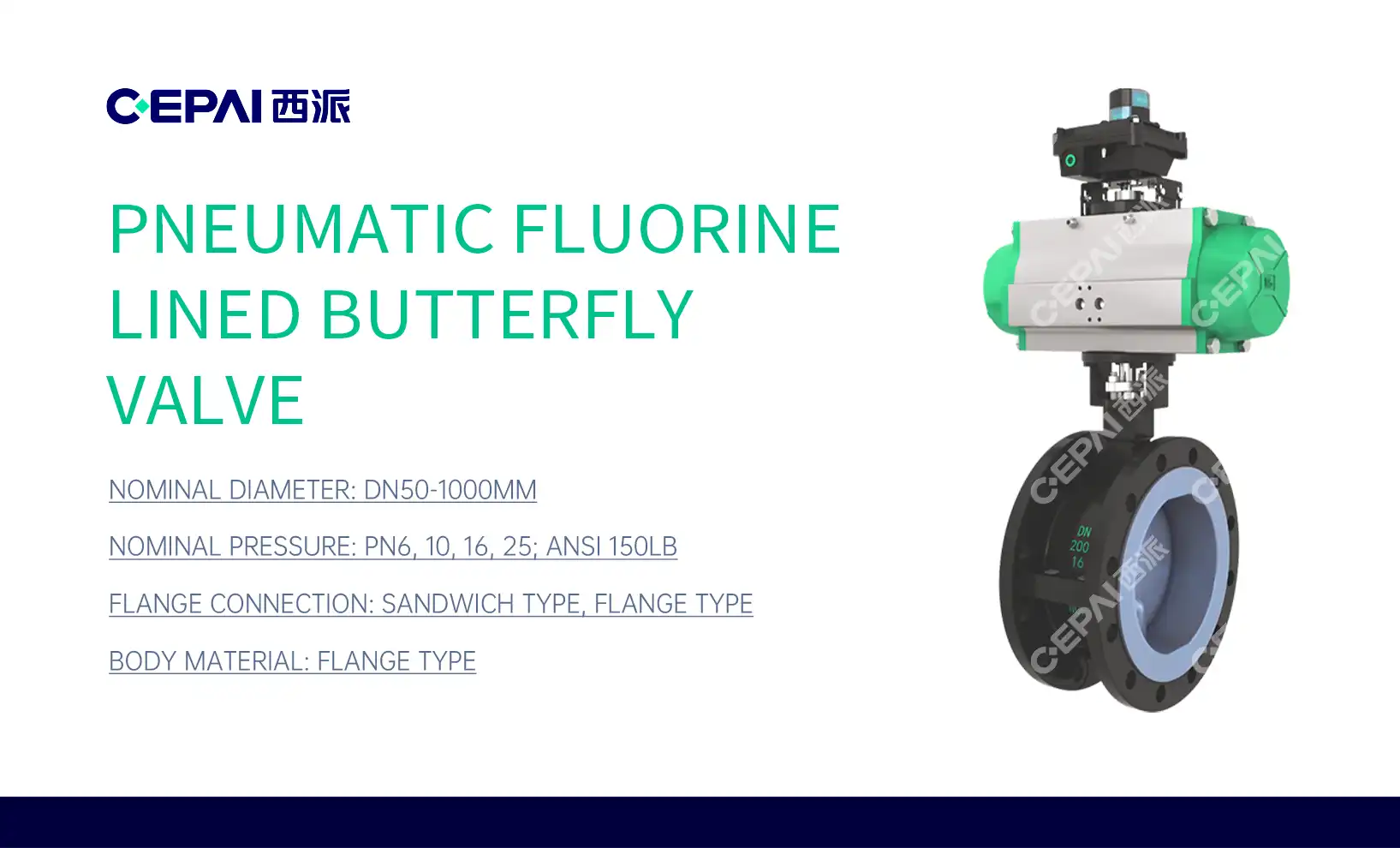
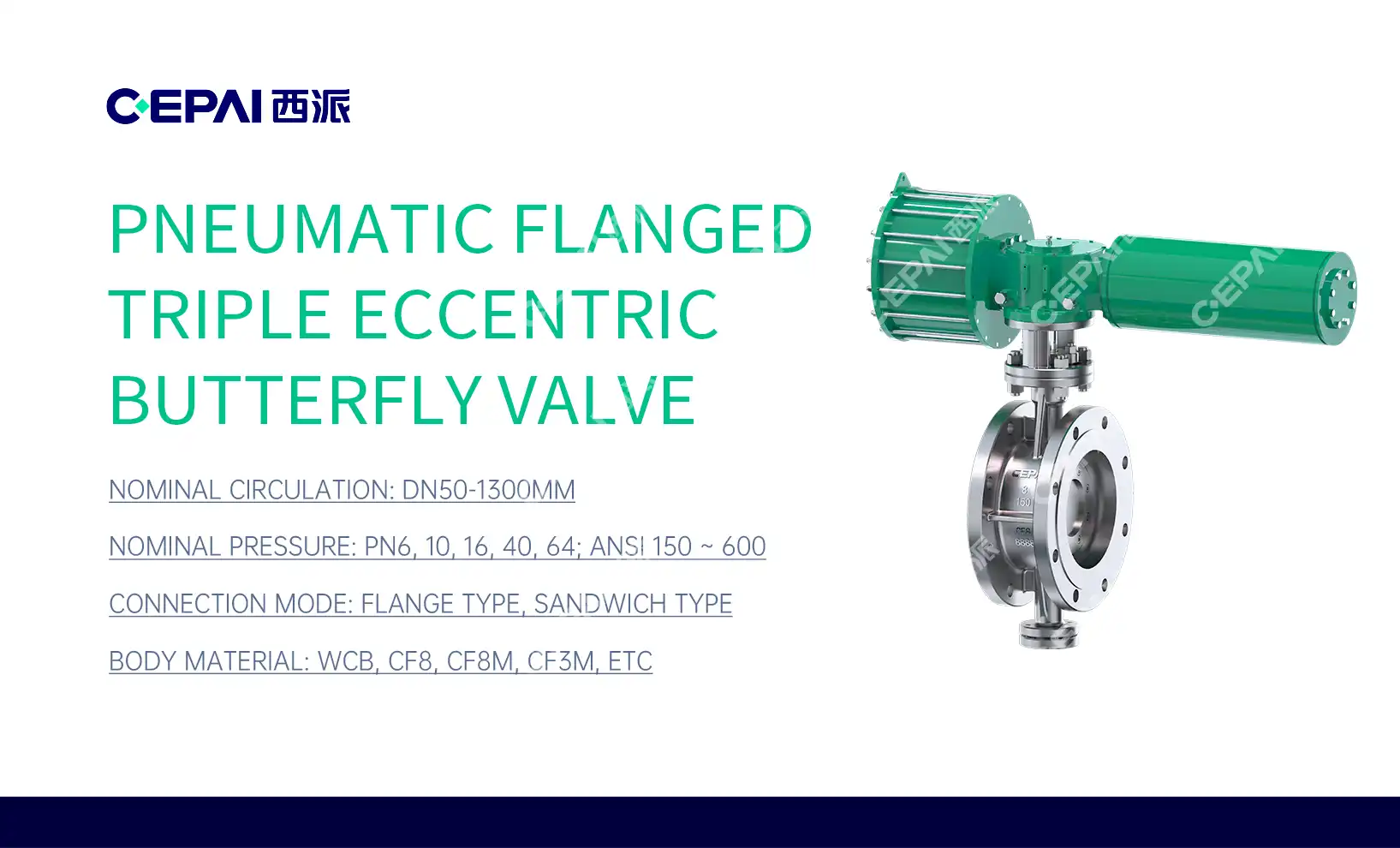
Pneumatic butterfly valves are complex devices that use compressed air to turn a disc and control flow in pipeline systems. These valves have a round disc on a shaft that can turn. When the valve is closed, the disc is perpendicular to the flow, and when it is fully open, the disc is parallel to the flow. The pneumatic actuator changes air pressure into mechanical torque, which allows for quick response times and exact flow control. These features are necessary for oil and gas drilling operations.
Operational Mechanisms and How Hard the Design is to Work With
The complex design of automated butterfly valves is made up of many parts that need to work together when they are in use. When the power goes out, spring-return actuators keep the position safe, and double-acting configurations give you more control over the position. The valve body is made from a range of materials, from carbon steel to specialised alloys. These must be able to handle the very high pressure and temperature that are common in drilling settings.
Installing Often Difficult Things in Field Operations
It gets a lot harder to install things when they are used in high-pressure situations, which is common in wellhead assemblies. Alignment tolerances become very important at this point because even small mistakes can cause too much stress, which makes the seal fail or the actuator malfunction too early. Vibration, changing temperatures, and corrosive atmospheres make these problems even worse. Because of this, specialised installation methods are needed to make sure the equipment stays reliable over time.
Pneumatic control systems don't work well with older systems, which makes things even more difficult. To avoid issues and ensure smooth automated performance, signal conditioning, air supply quality, and control valve positioning must be in line with the overall system architecture.
Key Safety Precautions Before Installation
A complete pre-installation checklist makes sure the pneumatic butterfly valve will work safely and reliably for as long as it's used. These steps fix issues that could happen during installation or later on. This increases the overall safety of the system and lowers the risk that it will need to be shut down.
Parts' Verification and Inspection Steps
Looking at the valve body, actuator housing, and pneumatic connections shows possible problems with making them or shipping them that could make them unsafe to install. Actuator stroke testing checks that the system works properly before it is integrated. At the same time, pressure ratings verification makes sure that it can handle the conditions it was made for. A documentation review makes sure that API 6D standards are followed and that the materials used are appropriate.
Getting Ready for the Environment and the Site Review
As part of site preparation for installation, the pipeline needs to be clean, the flange surface needs to be in good shape, and it needs to be easy to do maintenance. As long as you don't let anything else get in there, the seals and the disc will be fine. People make fewer mistakes when they have enough space to work and can get to their tools during installation.
Before you install it, do these things:
- Pipeline Pressure Testing: Before the valve is put in, hydrostatic testing can show that the pipeline isn't broken and that the system pressure ratings match the valve specifications.
- Actuator Air Supply Quality: Check that the compressed air is clean enough to pass the ISO 8573 tests. This keeps the inside clean and the parts from wearing out quickly.
- Flange Alignment Verification: Make sure that the flange faces are parallel within the given limits. This will keep the gasket from being flattened and make sure the stress is spread the right way.
- Environmental Protection Assessment: Find out how much exposure to harsh conditions, extreme temperatures, and vibration sources could affect long-term performance.
These steps make installation a lot easier and make sure that valves work well in tough oil and gas applications.
Step-by-Step Safe Installation Procedures
Systematic installation methods lower safety risks while making sure that the pneumatic butterfly valve works well and lasts a long time. Each phase of the installation has to follow certain safety rules and checking steps to keep the system working well and avoid dangerous conditions.
Adding and Integrating Pipelines Protocols
To put the valve in the right place in the pipeline system, you need to pay close attention to the flow direction markings and actuator orientation. The disc has to line up with the pipeline bore so that the flow doesn't get slowed down or mixed up, which could hurt the accuracy of the control. Gaskets are chosen and put in according to the instructions from the manufacturer so that they don't leak and can handle thermal expansion.
Bolt torque application follows set sequences and instructions to make sure that even stress spreads across the flange surfaces. When you mount a pneumatic actuator, you need to be very careful with the alignment. If you don't, the actuator could bind or need too much torque to work, which could shorten its lifespan or make the system unsafe.
Linking and Testing the Pneumatic System
Pressure ratings and fitting compatibility must be carefully checked when connecting air supply lines. The tube routing lowers the amount of stress in certain areas and gives enough support to keep fatigue failures from happening. Adjusting the pressure regulator makes sure that the actuator gets the right operating pressure while keeping the safety margin below the maximum ratings.
Before pressurisation, leak testing protocols make sure that the system is intact. Using soap or electronic leak detection can find potential failure points that might hurt safety or performance. The verification of control signal confirms the correct response of the actuator and checks the overall integration with the control systems.
Post-Installation Safety and Maintenance Tips
Regular safety checks keep valves working properly and stop dangerous failures that could affect the safety of operations or compliance with environmental rules. Regular inspections help find problems early before they get too bad.
Keeping an Eye on Operations and Checking Performance
Keeping an eye on the operating parameters all the time lets you know right away if there might be a problem. The rate of Actuator response time measurement detects that the performance of the actuator system is slowing down. At the same time, torque monitoring identifies seal wear or contamination buildup. Monitoring the temperature shows unusual friction or binding conditions that need to be fixed right away.
Preventive Maintenance Plans and Ways to Do It
Scheduled maintenance fits with the needs of the operation and the conditions of the environment. Lubrication programmes keep actuators working well and stop corrosion in tough settings. Schedules for seal inspection and replacement help avoid leaks that could make things unsafe or violate environmental rules.
Troubleshooting protocols use a step-by-step method to fix common problems that come up when you're using them. When complex issues come up that are beyond the local staff's ability to fix, professional technical support steps in to make sure that safety standards are always met during the entire service lifecycle.
Pneumatic Butterfly Valve Installation: Comparison Highlights
Installation requirements differ a lot between actuator types and pneumatic butterfly valve configurations. This means that each application needs its own specific safety rules. Understanding these differences helps people plan the right way to install things and avoid taking on too much risk.
Actuator Configuration Changes and Effects on Safety
Single-acting spring-return actuators are not installed in the same way as double-acting ones. Spring preload verification makes sure that the fail-safe system works right during an emergency shutdown. Double-acting actuators need more air connections and are harder to control, which are issues that need to be thought about when planning to install them.
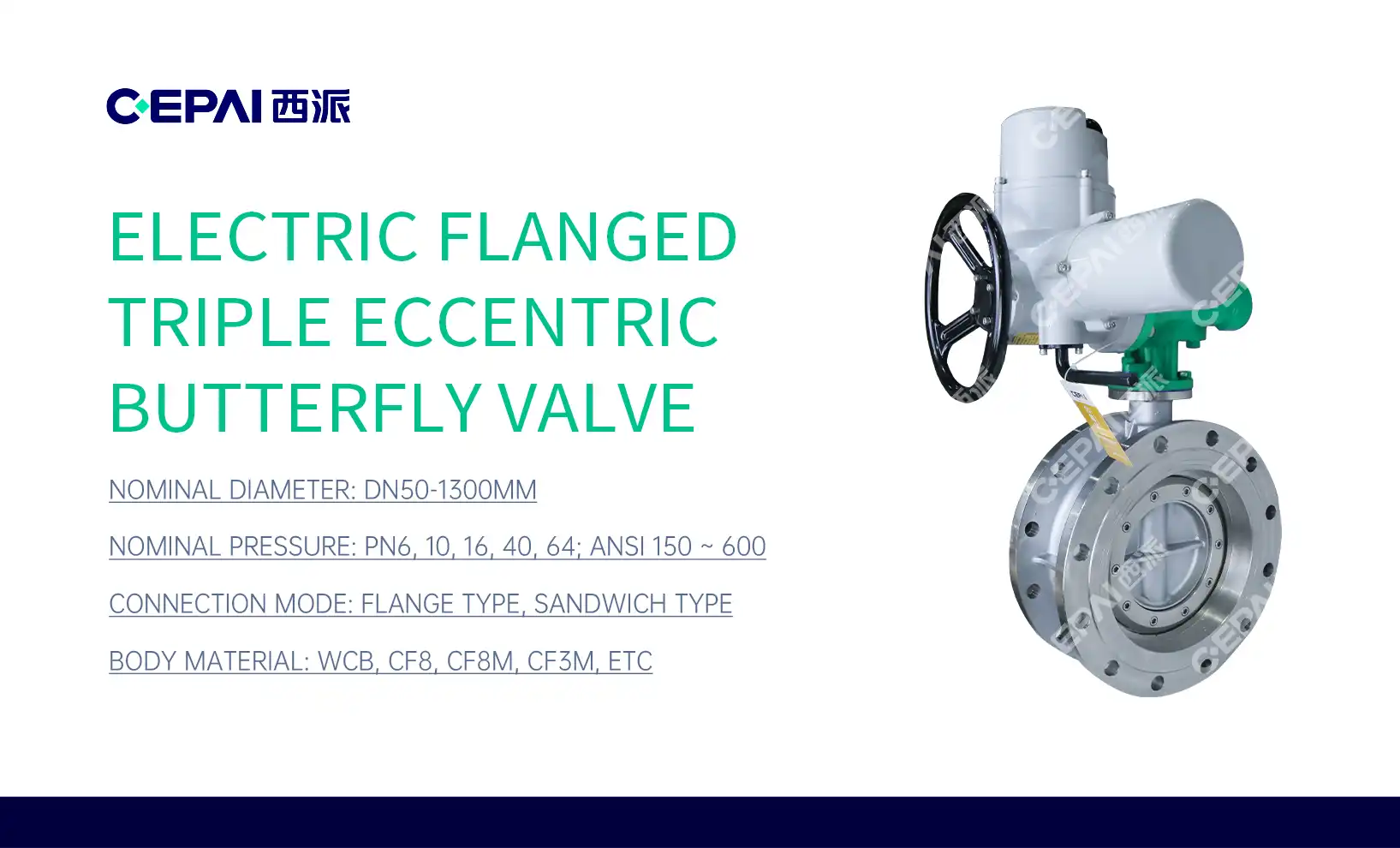
When you use an electric actuator, you need to think about different safety issues that come up with electrical connections and motor protection systems. Explosion-proof standards for hazardous area installations require special ways of doing the work and compliance with certification.
How Choosing Materials Affects the Installation Process?
Installation and safety must be taken into account with the materials used in the valve body. To keep stainless steel parts from getting dirty and starting to rust, they need to be handled in a certain way. To keep carbon steel valves from rusting in tough conditions, they need to be protected with the right coating when they're put in.
Special speciality alloy parts used in high-temperature or corrosive environments need to be installed in a certain way so that their metallurgical properties are kept intact and they can be relied on for long-term performance. This is very important for critical drilling operations.

Why Choose CEPAI for Your Pneumatic Butterfly Valve Requirements?
CEPAI is a top maker of high-quality valve solutions for oil and gas drilling operations around the world. Our wide range of products includes pneumatic butterfly valves, wellhead assemblies and custom-made flow control tools designed to meet the tough needs of drilling and production settings.
Quality Certifications and Advanced Manufacturing Skills
Our factories use very strict quality control methods, which are recognised by several industry certifications, such as API Q1, API 6A, API 6D, and ISO 9001. These certificates show that we are dedicated to making products that meet or go beyond global standards for safety, dependability, and performance in important situations.
The company's ongoing innovation projects are all about making new valve technologies that can handle new problems in the industry. Our engineers work closely with customers to create custom solutions that keep safety standards high while also improving performance.
Broad Help with Technical Issues and Great Customer Service
CEPAI offers a lot of technical help during the entire product lifecycle, from the first choice to installation and regular upkeep. For the best performance and safety, our experienced engineers give advice on how to install the valve correctly, how to keep safe, and how to fix problems.
With global service capabilities, you can quickly meet customer needs no matter where they are. Our promise to customer success means that we offer extensive training, detailed guides, and ongoing technical support to get the most out of valve performance and extend service life in demanding applications.
Conclusion
Pneumatic butterfly valves can be safely installed if there is a clear plan, a step-by-step approach is taken, and the operational parameters are always kept in mind. Pneumatic actuators and valve parts work together in a complicated way. To make sure they work well in tough situations, you need to know a lot about them and pay close attention to what the manufacturer says. Proper installation not only avoids safety problems right away, but also makes sure that oil and gas drilling operations can count on their equipment for a long time. For important flow control tasks where safety and reliability must never be compromised, certified manufacturers like CEPAI guarantee that good installation training and quality equipment are used.
FAQ
1. What are the most critical safety checks before installing a pneumatic butterfly valve in wellhead applications?
Essential safety checks include verifying pressure ratings match system requirements, confirming actuator type compatibility with control systems, inspecting valve and actuator for shipping damage, validating material certifications for service conditions, and ensuring pneumatic supply quality meets ISO standards. Additionally, flange alignment verification and gasket selection must align with temperature and pressure specifications typical in drilling operations.
2. How often should pneumatic butterfly valves be inspected after installation in drilling environments?
Inspection frequency depends on service severity and environmental conditions. Typical recommendations include monthly visual inspections for external leakage and quarterly functional testing of actuator response. Annual comprehensive inspections should include internal component evaluation, seal condition assessment, and pneumatic system performance verification. Harsh drilling environments may require more frequent inspection intervals to maintain safety and reliability.
3. Can pneumatic butterfly valves be safely installed in offshore drilling platforms with hazardous atmosphere classifications?
Yes, pneumatic butterfly valves can be safely installed in hazardous environments when equipped with explosion-proof actuators certified for the specific atmosphere classification. Installation must comply with applicable standards such as ATEX or IECEx requirements. Special attention to grounding, conduit sealing, and pneumatic system design ensures safe operation in potentially explosive atmospheres common in offshore drilling operations.
Partner with CEPAI for Reliable Pneumatic Butterfly Valve Solutions
For tough oil and gas applications, CEPAI makes the best pneumatic butterfly valves in the world. Our wide range of products, which have been certified by APIs and proven to work well in the field, guarantees dependable performance in the toughest drilling conditions. We are a trusted pneumatic butterfly valve supplier and offer full technical support from the beginning through installation and continued maintenance. Our engineering team, which has a lot of experience, is ready to help you come up with custom solutions that meet your exact needs while also keeping safety in mind. To talk about your valve needs and learn how our knowledge can make your drilling safer and more efficient, email us at cepai@cepai.com.

References
1. American Petroleum Institute. "API Standard 6D: Specification for Pipeline and Piping Valves." Twenty-fourth Edition, 2019.
2. International Organization for Standardization. "ISO 5211: Industrial Valves - Part-turn Actuator Attachments." Third Edition, 2018.
3. American Society of Mechanical Engineers. "ASME B16.34: Valves - Flanged, Threaded, and Welding End." 2017 Edition with 2018 Addenda.
4. International Electrotechnical Commission. "IEC 60079-0: Explosive Atmospheres - Part 0: Equipment - General Requirements." Seventh Edition, 2017.
5. American Petroleum Institute. "API Recommended Practice 14C: Analysis, Design, Installation, and Testing of Basic Surface Safety Systems for Offshore Production Platforms." Eighth Edition, 2017.
6. Valve Manufacturers Association. "VMA Standards for Butterfly Valves: Installation, Operation, and Maintenance Guidelines." Technical Publication MSP-108, 2019.