Important certificates make sure that things are safe, clean, and legal when choosing a stainless steel butterfly valve for food preparation. FDA food contact approval, 3-A sanitary standards for clean design, NSF international certification for material safety, ISO 9001 for quality management systems, and EHEDG rules for equipment hygiene are all important qualifications. These approvals make sure that butterfly valves meet strict food-grade standards, avoid contamination risks, follow both US and foreign food safety laws, and keep them working reliably in tough processing settings.

Understanding the Regulatory Landscape for Food Processing Butterfly Valves
There are a lot of different rules at the federal, state, and foreign levels that food preparation devices must follow. The U.S. FDA sets basic rules for areas that come into touch with food, and the European Union requires that tools used to make food meets CE marking standards. These government groups work with expert groups like the American Society of Mechanical Engineers and the International Organization for Standardization to make sure people are safe.
Federal and International Compliance Requirements
Food preparation plants have to follow a lot of different rules based on who they sell to. Title 21 of the FDA's Code of Federal Regulations lists the types of materials that must be used for areas that touch food, such as different kinds of stainless steel and details about how smooth the surface must be. EC Regulation 1935/2004 tells European businesses how to make things that will be used with food, and they have to follow it. It is easier for buying teams to pick valves that meet the most general compliance standards when they understand these common needs. This lowers the risk of regulatory failure in many markets.
Industry-Specific Standards and Their Applications
Other food safety rules are in place, but some production areas have extra rules. Because of scalding rules, dairy processing has to follow tighter hygiene rules. On the other hand, beverage production focuses on cleaning compatibility and chemical resistance. Meat processing plants need tools that can handle harsh cleaning agents and high-temperature germ-killing processes. These demands in the different sectors affect the goals for a certification and help figure out which butterfly valve specs are best for certain uses.
Essential Certifications for Stainless Steel Butterfly Valves in Food Processing
Food processing operations are protected from infection threats and regulatory violations by multiple layers of approval. Design certifications make sure that clean building methods are used and that certifications for materials make sure that stainless steel butterfly valve parts meet the standards for food-grade use. Manufacturing certifications show that the quality methods used in production are good, and operating certifications show that the performance under food handling settings is good.
3-A Sanitary Standards and NSF International Certification
The 3-A Sanitary Standards are the best way to build tools for making food and cheese. These guidelines say exactly how butterfly valves must meet surface finish, drainage, cleanability, and material makeup. NSF International approval adds to 3-A standards by checking food products for safety and making sure that production methods keep quality the same. All of these certifications together give a guarantee that the way the valve is built makes sure that food processing is safe.
FDA Food Contact Approval and Material Compliance
The FDA approves stainless steel formulas and surface processes that follow federal food safety rules. As part of this approval, material movement testing is done to make sure that metals and surface layers don't mix with the food during regular operation. Following the FDA also makes sure that cleaning chemicals can be used together and that normal ways of making things clean won't hurt the surfaces of the valve or raise the risk of contamination over long periods of use.
ISO Quality Management and Manufacturing Certifications
ISO 9001 approval shows that producers keep the same methods for managing quality during all parts of the production process. This approval makes sure that the valve performance is stable by supporting practices of ongoing growth, document control, and tracking. ISO 14001 and OHSAS 18001 are examples of manufacturing certifications that show a company's dedication to quality that goes beyond just the details of each product.
How to Verify and Assess Stainless Steel Butterfly Valve Certifications?
To verify a certification, you need to make sure that the documents are real, the certification is applicable to the scope, and the certification is still good. Procurement teams need to make sure that their verification processes check that approvals are only valid for certain valve types and not for general product lines. This due diligence process keeps legal gaps from hurting food safety or the business's standing with the government.
Documentation Review and Database Cross-Reference
Real certification papers have information about testing methods, how compliance works, and how long the certification is good. Procurement pros should ask for full certification packages with test results, goal statements, and renewal plans. By checking certification numbers against official records kept by certifying bodies, you can make sure they are real and see any compliance problems or certificate suspensions that might impact valve reliability.
Scope Assessment and Geographic Validity
The breadth of the certification sets which parts, sizes, and configurations of the valve are covered by certain standards. Some approvals don't cover motors or closing parts that touch food, only valve bodies. When licenses are only good in certain areas, geographic relevance is very important for businesses that follow rules in more than one area. Knowing these issues helps buying teams choose stainless steel butterfly valves that have the right approval coverage for their own uses and markets.
Comparing Certified Stainless Steel Butterfly Valves with Other Types
The choice of materials has a big effect on whether or not approval is available and on how well the materials can be used in food preparation. Because they are naturally resistant to rust and are good for keeping things clean, stainless steel butterfly valves usually have more certification choices than those made of other materials. The benefits of this approval on operations make it worthwhile to consider the costs for food processing uses.
Material Properties and Certification Advantages
Stainless steels like 316L and 304 meet FDA standards for areas that come in touch with food. They also prevent rust better than carbon steel or cast iron. These materials help get standards like the 3-A Sanitary Standards, which need a certain surface finish and level of cleanability that other materials can't always provide. The non-porous surface structure of properly finished stainless steel keeps germs from growing and helps people follow the right cleaning steps that are needed by food safety rules.
Performance Benefits Under Food Processing Conditions
Certified stainless steel butterfly valves work better in settings with frequent temperature changes, chemical contact, and cleaning. These valves keep the seal intact during multiple rounds of cleaning, and they don't break down when they come in contact with food acids or cleaning chemicals. The approval method tests these performance characteristics through quick tests that mimic years of food preparation. This gives users faith in the long-term stability and safety of the system.
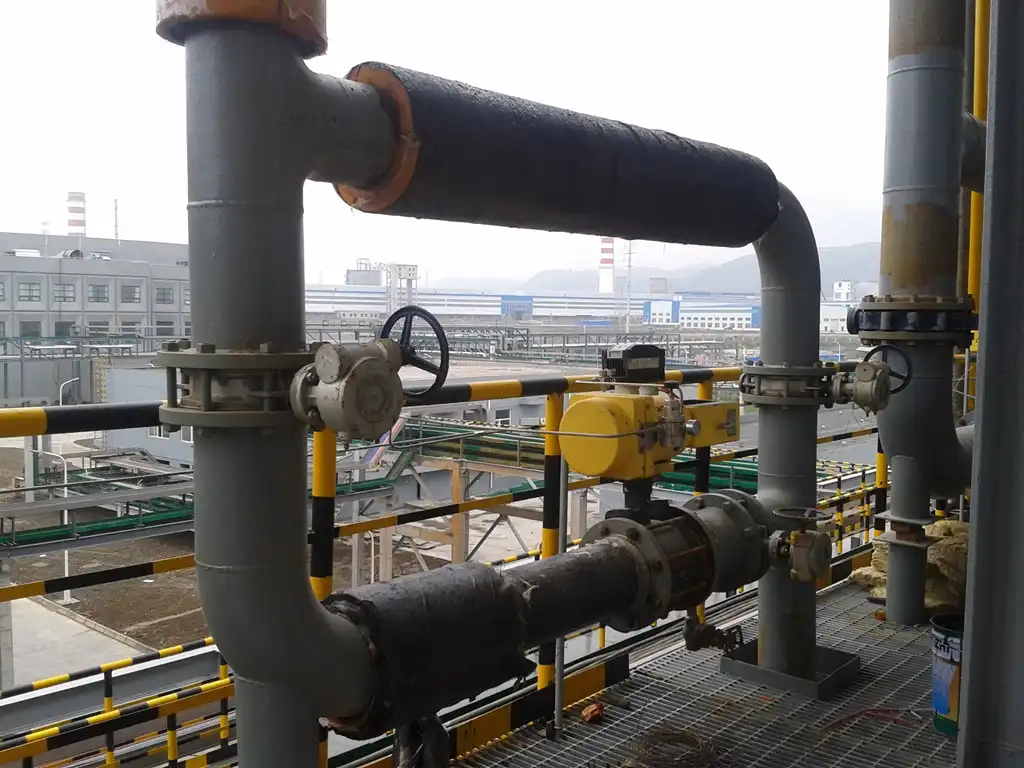
Procurement Tips: Choosing Certified Stainless Steel Butterfly Valves for Food Processing
Strategic buying finds a balance between the needs of the business, the budget, and the standards for approval. Knowing how certifications affect the total cost of ownership helps explain why it's worth buying high-quality approved equipment that complies with food safety rules.
Matching Certifications to Application Requirements
Different ways of making food need different kinds of certification. The right certifications depend on the type of product, the way it is made, and the rules in the area where it is made. Following the 3-A Sanitary Standards is common in dairy processing, but beverage production may focus on NSF approval to keep the drinks balanced in taste and smell. Because of the need for harshly cleaning meat preparation plants, they often need extra licenses for chemical protection. Putting these application-specific needs into the certification categories that are out there helps you choose the best valve without giving too much thought to unnecessary details that raise the price.
Supplier Evaluation and Partnership Development
As long as they are honest about what documents they have and offer technical help, trustworthy businesses keep their licenses during valve lifecycles. The history of keeping certifications, the growth of the quality system, and the ability to quickly adapt to legal changes that could affect compliance requirements should all be used as evaluation factors. Getting to know your suppliers gives you access to technical knowledge that helps with correct installation, upkeep, and compliance tracking. These are all important parts of keeping your food safety performance high.
Conclusion
To choose the right stainless steel butterfly valves with the right certifications, you need to know about the rules in different areas, how to make sure that these valves are really approved, and the specific requirements for each application that make sure that food safety compliance is met. Important certificates, such as NSF International, 3-A Sanitary Standards, and FDA approval, help prevent pollution and make sure that rules are followed in a number of different areas. Procurement teams can meet compliance needs and still get things done by using smart food processing companies as suppliers and checking their certifications. This makes sure that valves work well even when they are used in tough situations and keeps safety standards high.
FAQs
What is the most important certification to look for in stainless steel butterfly valves for food processing?
The 3-A Sanitary Standards approval is the most complete standard for food preparation equipment. It includes standards for how the equipment should be hygienically designed, what materials can be used, and how the equipment should be made easy to clean. But the FDA's food contact approval is the most basic level of compliance for any food handling application. This makes both licenses very important, based on the needs of the application.
Can a stainless steel butterfly valve certified for one region be used globally?
ISO licenses are examples of international standards, and 3-A Sanitary Standards are examples of widely accepted standards. These often make it easier for people in different areas to accept them. But, some places may have extra rules, so it's important to make sure those rules are followed even when there are licenses that are accepted worldwide.
How often should certifications be revalidated or renewed when using butterfly valves?
The length of a certification's expiration time depends on the standard and awarding body, but it usually falls anywhere from one to three years. When manufacturers refresh, they should automatically give updated certificates. At the same time, users should keep an eye on expiration dates and ask for new paperwork any time there are valve changes or big legal changes.
Partner with CEPAI for Certified Stainless Steel Butterfly Valve Solutions
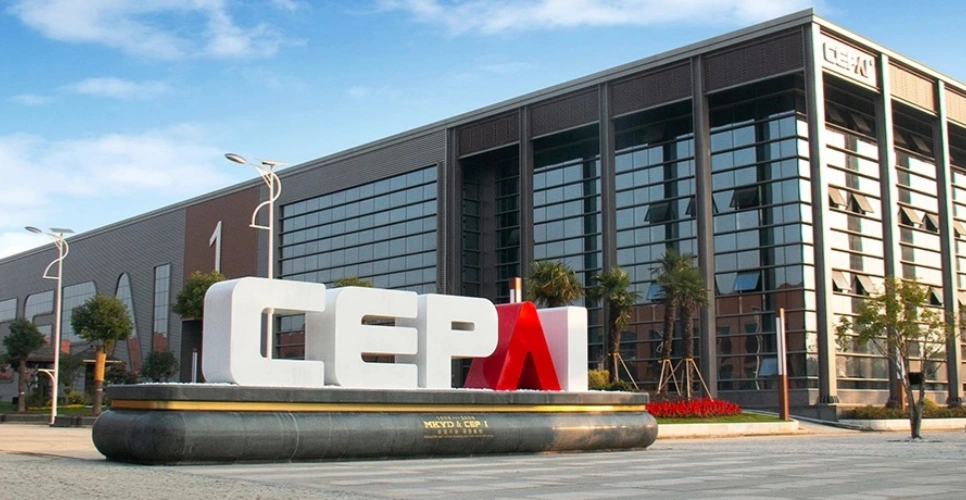
For decades, CEPAI has made valves for food preparation uses and has kept high standards of quality through extensive testing programs. The ISO 9001, ISO 14001, and API certificates for our stainless steel butterfly valve manufacturing show our dedication to quality and dependability. We mostly work with oil and gas, but the food processing valve needs that come from our great production and quality systems help us learn more about other industries.
For food contact uses, our engineering team knows how important it is to get the right approval. They can help you choose the right valve and figure out specifications. We keep thorough records and quality tracking that help us make sure that what we do is legal during all stages of a product's life.
Are you ready to look into approved stainless steel butterfly valve options that will work for your food handling needs? To talk about your unique application needs and see how our knowledge of production can help you meet your legal goals, please email us at cepai@cepai.com. Our expert team offers quick advice services that help you choose the best valve and make sure that your business needs are met with the right certification.
References
American Society of Mechanical Engineers. "ASME BPE-2019: Bioprocessing Equipment Standard." New York: ASME Press, 2019.
Food and Drug Administration. "Code of Federal Regulations Title 21: Food Contact Substances and Generally Recognized as Safe Materials." Washington: U.S. Government Publishing Office, 2023.
3-A Sanitary Standards Committee. "3-A Sanitary Standards for Food Processing Equipment Design and Fabrication." McLean: 3-A Sanitary Standards, Inc., 2022.
NSF International. "NSF/ANSI Standard 51: Food Equipment Materials and Components." Ann Arbor: NSF International, 2021.
European Hygienic Engineering & Design Group. "EHEDG Guidelines for Hygienic Design of Food Processing Equipment." Frankfurt: EHEDG Secretariat, 2020.
International Organization for Standardization. "ISO 22000:2018 Food Safety Management Systems." Geneva: ISO Publications, 2018.
_1746598525968.webp)