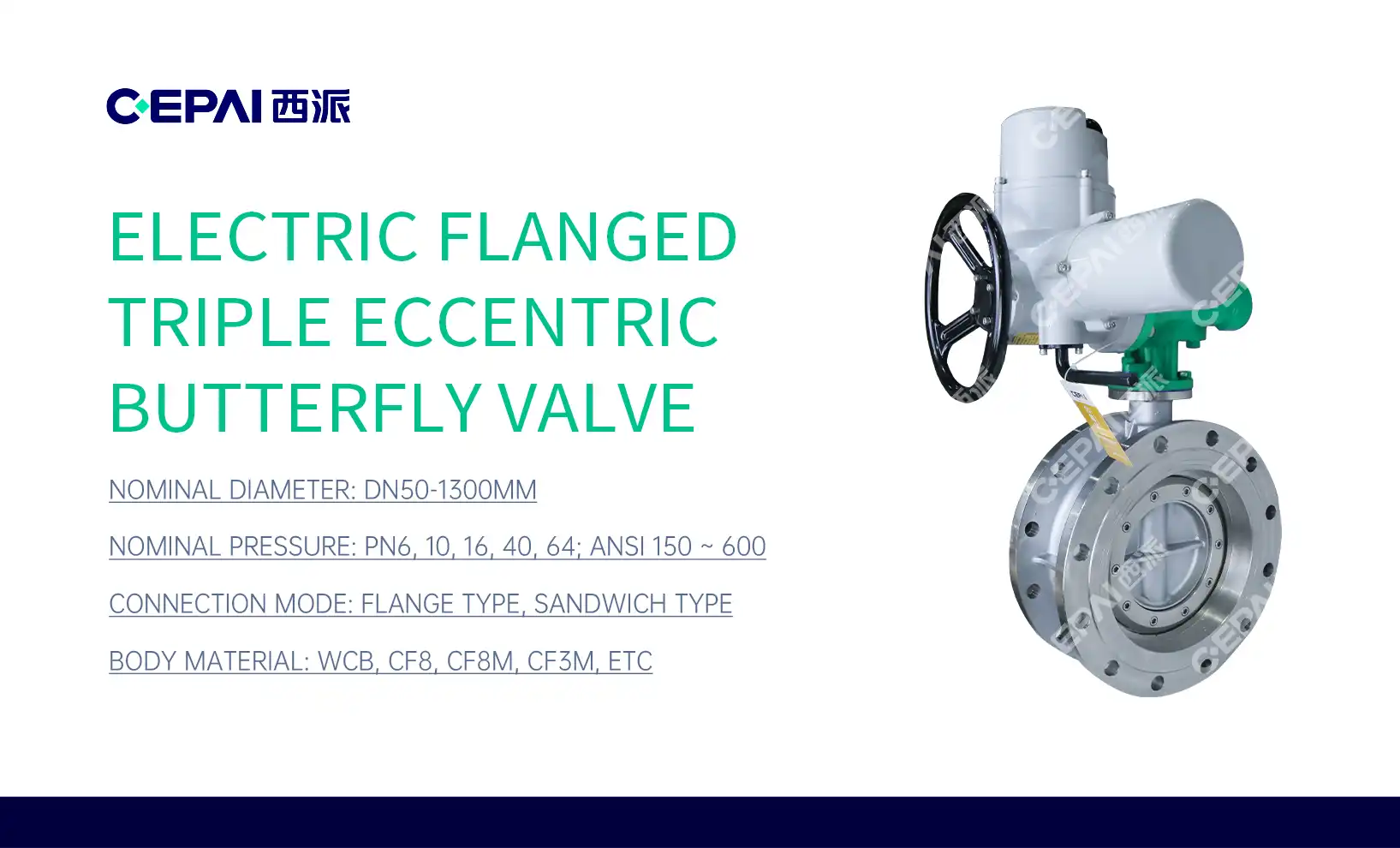
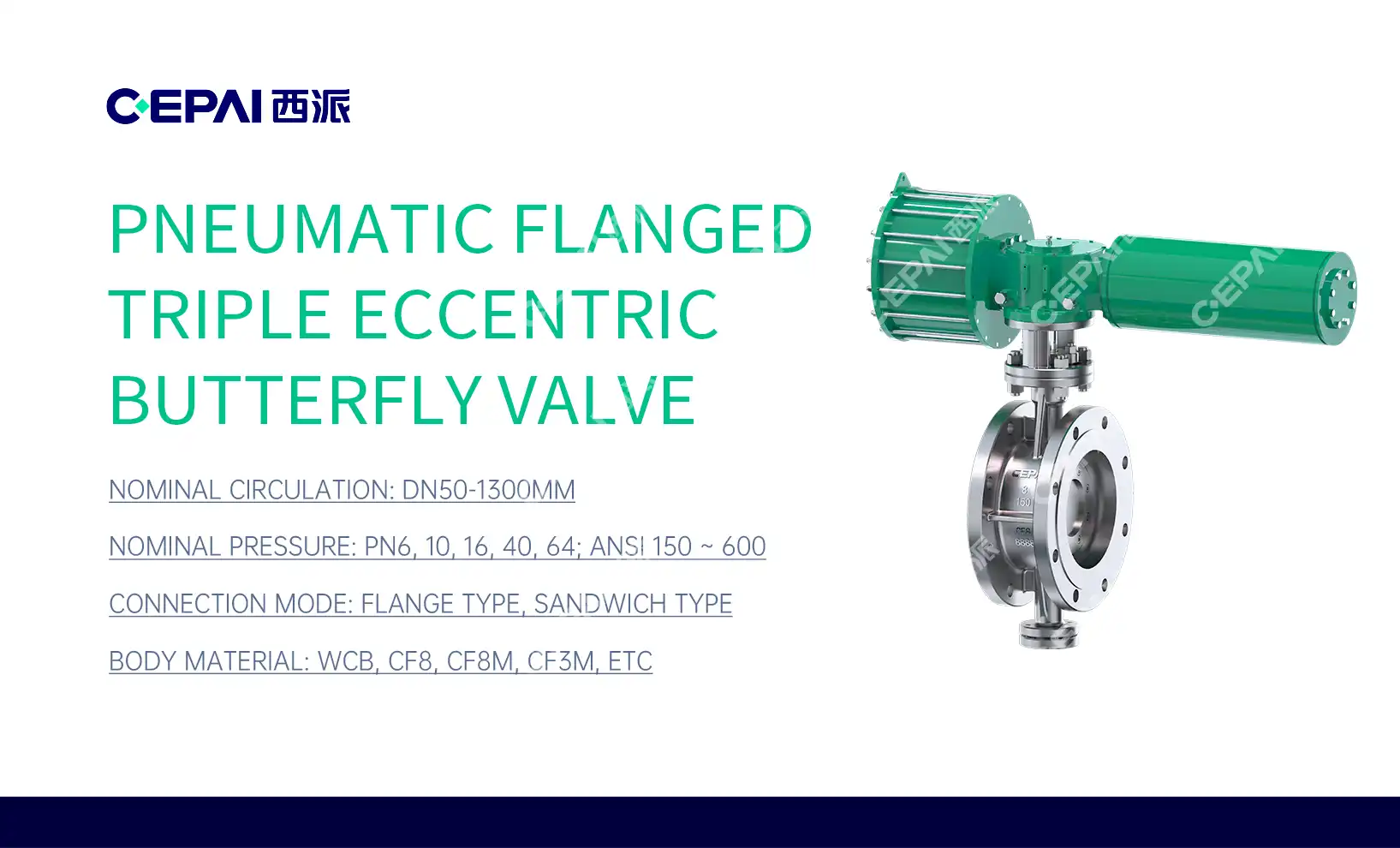
In today's world, a triple eccentric butterfly valve is one of the most high-tech ways to control movement in an industrial setting. These advanced valves are designed with three offsets to make closing much better than normal butterfly valves. This design stops seat wear and leaking. Key performance features are metal-to-metal binding capability, zero-friction operation, long service life, and dependable performance under very high pressure and temperature. Due to this sophisticated engineering, they have become impossible to replace in very important oil and gas research, pipeline operations, and petrochemical processing uses where dependability must never be compromised.

Understanding the Triple Eccentric Butterfly Valve
Triple-offset butterfly valves, which are also called triple eccentric butterfly valves, are a modern valve type that is used in many tough industrial settings. It is very important for B2B buyers who need dependable, long-lasting valve options to know about the different performance characteristics of these products. These valves are known for their great closing abilities and resistance to damage in harsh conditions. They are used in oil and gas research, petrochemical processing, power generation, water treatment, and other industries.
These valves are examples of great engineering because they get around the problems of standard butterfly valve designs. Triple eccentric butterfly valves work differently than regular ones. Instead of relying on durable seat materials, they use precision-engineered metal seats to achieve bubble-tight shutdown. This basic difference leads to clear benefits, such as lower costs for upkeep, longer operating intervals, and higher safety margins in important process applications.
This broad summary lays the groundwork for judging the important performance features that affect buying choices. These features help make sure that operations run smoothly and that downtime is minimized in critical applications. Drilling engineers, pipeline experts, and buying managers can make good choices that are in line with their needs and budget after learning about these features.
Fundamental Design Features of Triple-Offset Butterfly Valves
Triple-offset butterfly valves have three unique features that make them work better by preventing the seat from moving and making sure that the metals touch each other. This new style of valve is better than the old circular and double-offset designs because it greatly reduces wear and consistently delivers a tight shut-off over long periods of time.
The Three-Offset Engineering Principle
The three angles work together to make a cam motion when the valve is in use. The first offset moves the centerline of the disc away from the centerline of the hole, and the second offset moves the centerline of the stem away from the centerline of the disc. The third offset changes the angle of the seating area. This makes a cone-shaped seat that stops any issues during the opening and closing processes. This complex shape makes it so that seat contact only happens at the very end of the closing process. This prevents damage and greatly extends the valve's life.
Material Selection and Construction Quality
Core components of triple eccentric butterfly valve often use high-quality materials like stainless steel, carbon steel, and specialty metals that are suited to meet the needs of different environments. The selection process looks at things like how resistant it is to rust, how stable it is at high or low temperatures, and how strong it needs to be. Advanced production methods make sure that the valve's closing integrity is kept right during the valve's whole working life.
The triple-offset design includes a zero-rubbing seat structure, which makes the valve last longer and keeps it in good shape at high temperatures and pressures. Because of this design, it can be used in tough industrial settings where older valve technologies might fail too early.
Performance Advantages Over Other Valve Types
Triple eccentric butterfly valve technology seals better and lasts longer than double-offset, ball, knife gate, and concentric butterfly valves. The performance benefits are especially clear in systems that have high-pressure differentials, temperature cycling, and acidic media.
Superior Sealing Performance
The ability to close metal to metal gives leak rates that often go above the API 598 Class VI standards. They are better suited for settings where processes are very important and even small leaks can cause safety or environmental issues. The valves can usually handle a lot of pressure and high temperatures up to 540°C (1000°F), which is useful for heavy-duty work in factories.
Extended Service Life and Reliability
These features make sure that valves don't fail in industries like chemical processing, oil and gas drilling, and power generation, where downtime or safety issues would be very expensive. Since the seat doesn't rub during operation, the valve performance stays the same over its entire service life. Many setups have been able to run for decades without any problems.
Comparative studies show that triple eccentric butterfly valves can achieve cycle life rates of over 100,000 operations while keeping their sealing performance. This is a lot better than standard designs that might need to have their seats replaced or fixed up after 10,000 to 20,000 cycles.
Application Scenarios and Industry Use Cases
Triple-offset butterfly valves such as triple eccentric butterfly valve are great in a lot of very important fields, such as power generation, oil and gas research, petrochemical processes, and water treatment. They are especially useful in processes that need to handle harsh or toxic materials, frequent valve cycles, and strict shut-off performance.
Oil and Gas Exploration Applications
In drilling activities, these valves are very important to wellhead units, choke systems, and mudline equipment. Because they can keep a reliable seal under high pressure, they are an important part of blowout prevention systems and other safety-critical uses. The strong build can handle the tough situations that happen in offshore fishing areas.
Pipeline and Midstream Operations
These valves are used by pipeline managers for main line separation, station piping, and emergency shutdown systems. They are perfect for pipeline integrity control because they can handle high difference pressures without leaking. The valves can handle the needs of remote operation and work perfectly with current control systems.
Real-world examples show that they are good at making plants more available, improving safety, and cutting costs by lowering the need for upkeep and extending service times. When these were put into high-cycle petroleum plants, there were fewer leaks and less downtime. This shows that they are a good choice for difficult industrial settings.
Installation, Maintenance, and Longevity Best Practices
The best way to put triple-offset butterfly valves is very important if you want to get the most out of their performance. If you do things correctly, you can be sure that all of the complex engineering parts of the valve will work as planned and give you all of the benefits they promised for as long as the valve is in use.
Installation Requirements and Procedures
Proper actuator integration, torque settings, and orientation make sure the valve works properly and lasts a long time. To make sure that the installation teams get the best performance, they need to be very careful with flange alignment, bolt tensioning steps, and actuator fitting. Before-installation testing methods help find possible problems before they affect how the valve works.
Maintenance Strategies for Extended Life
Regular checks, cleaning plans, and keeping an eye on valve seals are all part of routine maintenance that helps avoid common problems and unexpected downtime. Because they don't have seat wear problems, triple eccentric versions are usually easier to maintain than standard valves.
Troubleshooting tips help people quickly figure out sealing or actuator problems so that efficiency can be restored quickly. Following these guidelines helps keep valves in good working order. This helps procurement leaders keep strong industrial assets in use for a long time while lowering overall ownership costs.
Procurement Insights and Supplier Selection Guide
It is important to pay attention to details like temperature range, pressure number, and material compatibility with process media when choosing the right triple-offset butterfly valve. When buying is done right, technical needs and business concerns are balanced to get the best value.
Technical Specification Requirements
A comparison study of the top makers reveals choices that find the right mix between quality, customization, and cost. Buyers should look at licensing needs like API 6D, API 598, and other industry standards that are important for their uses. Material tracking, quality processes in production, and testing documents need to be looked over carefully.
Supply Chain Considerations
To get the best buying tactics for triple eccentric butterfly valve, procurement teams should look at lead times, bulk discounts, and after-sales help. Procurement teams can get valves that meet exact operating needs while lowering inventory risks and delivery delays if they know about supply chain dynamics and the existence of custom valve solutions. The cost of owning something can be greatly affected by the availability of local repair help and spare parts.
Why Choose CEPAI for Your Triple Eccentric Butterfly Valve Needs
CEPAI makes high-quality triple eccentric butterfly valves for the most difficult uses by using its decades of experience in making oil and gas equipment. Our strict compliance with international quality standards and wide-ranging production skills make sure that every valve meets or goes beyond the standards for performance and reliability in the industry.
We offer a wide choice of valves, and you can customize the materials, sizes, and actuator settings to make sure they work for your purpose. CEPAI keeps up with the quality systems needed to work on important tasks in API Q1, API 6A, API 6D, ISO 9001, and other areas of the oil and gas industry.
Major building firms and oilfield service companies around the world have praised the business for its dedication to always coming up with new ideas and improving quality. Our expert team works directly with customers to create tailored solutions that meet their exact needs for speed and operational issues. With full after-sales support, buyers are sure to get help for the entire time the valve is in use.
Conclusion
For tough industrial uses that need good flow control and bubble-tight shutdown performance, triple eccentric butterfly valves are the best choice. Their unique three-offset design avoids the problems that come with traditional valve technologies and provides longer service life and less need for upkeep. Because they are strongly built, operate without friction, and connect metal to metal, they are especially useful in oil and gas research, pipeline work, and petrochemical processing. Understanding these important performance features helps buying workers make smart choices that increase the efficiency of their operations and lower the total cost of ownership. The use of high-quality triple-offset butterfly valves in important industry processes makes them more reliable, safer, and less likely to break, which makes the investment worth it.
FAQs
How does the triple eccentric butterfly valve differ from conventional butterfly valves?
The triple-offset design features three eccentricities that eliminate seat rubbing and provide metal-to-metal sealing, resulting in superior durability and leak-tightness under extreme conditions. This contrasts with conventional butterfly valves that rely on resilient seats and experience gradual wear during operation.
What materials are commonly used in triple eccentric butterfly valves and why?
Stainless steel, carbon steel, and specialized alloys are commonly used due to their corrosion resistance and mechanical strength. Material selection depends on specific application requirements including temperature, pressure, and media compatibility to ensure optimal performance and longevity.
Can triple eccentric butterfly valves handle high-temperature and high-pressure environments?
Yes, these valves are specifically designed to handle temperatures up to 540°C (1000°F) and pressures significantly higher than conventional valve designs, making them ideal for challenging industrial processes in oil and gas and petrochemical applications.
Contact CEPAI for Premium Triple Eccentric Butterfly Valve Solutions
CEPAI stands ready to provide expertly engineered triple eccentric butterfly valve solutions tailored to your specific operational requirements. As a leading triple eccentric butterfly valve manufacturer with comprehensive API certifications and proven performance in demanding applications, we offer the technical expertise and manufacturing capability to support your most critical projects. Our experienced engineering team can assist with valve selection, customization, and technical specifications to ensure optimal performance. To explore our comprehensive product portfolio and discuss your specific requirements, contact us at cepai@cepai.com or visit our detailed technical resources at valveinformation.jscepai.com.

References
American Petroleum Institute. "API 6D: Pipeline Valves - Specification for Pipeline Valves." 24th Edition, 2019.
Botros, K.K. "High Performance Butterfly Valves: Design Features and Applications in Pipeline Systems." Journal of Pipeline Engineering, Vol. 18, No. 3, 2019.
Chen, M. and Williams, R. "Triple Offset Butterfly Valve Technology: Performance Analysis in High-Pressure Applications." International Valve Research Institute, Technical Paper Series, 2020.
Industrial Valve Summit. "Comparative Study of Butterfly Valve Technologies for Critical Service Applications." Proceedings of the Annual Industrial Valve Conference, 2021.
Matthews, D.P. "Advanced Sealing Technologies in Industrial Valve Applications." McGraw-Hill Professional Engineering Series, 3rd Edition, 2020.
World Petroleum Council. "Valve Selection Guidelines for Upstream Oil and Gas Operations." Technical Committee Report WPC-2021-VLV, 2021.