Rubber lined butterfly valve are used in wastewater treatment plants. To know how long they will last, you need to know how they break down, the way they are used, and how they are taken care of. These specialized valves usually last between 5 and 15 years, based on the quality of the materials, how often they are used, and the chemicals they are exposed to. The estimate process looks at the properties of elastomers and performance data while using predictive models that account for temperature changes, chemical compatibility, and mechanical stress patterns that are specific to wastewater uses.
Understanding Rubber-Lined Butterfly Valves in Wastewater Treatment
In wastewater treatment plants, rubber-lined butterfly valves are very important for controlling flow. They are made of strong metal with a rubber lining that resists rust and seals very well. These designed solutions handle harsh wastewater media where conventional metal valves fail early because of chemical attack and erosion.
What Is a Rubber-Lined Butterfly Valve?
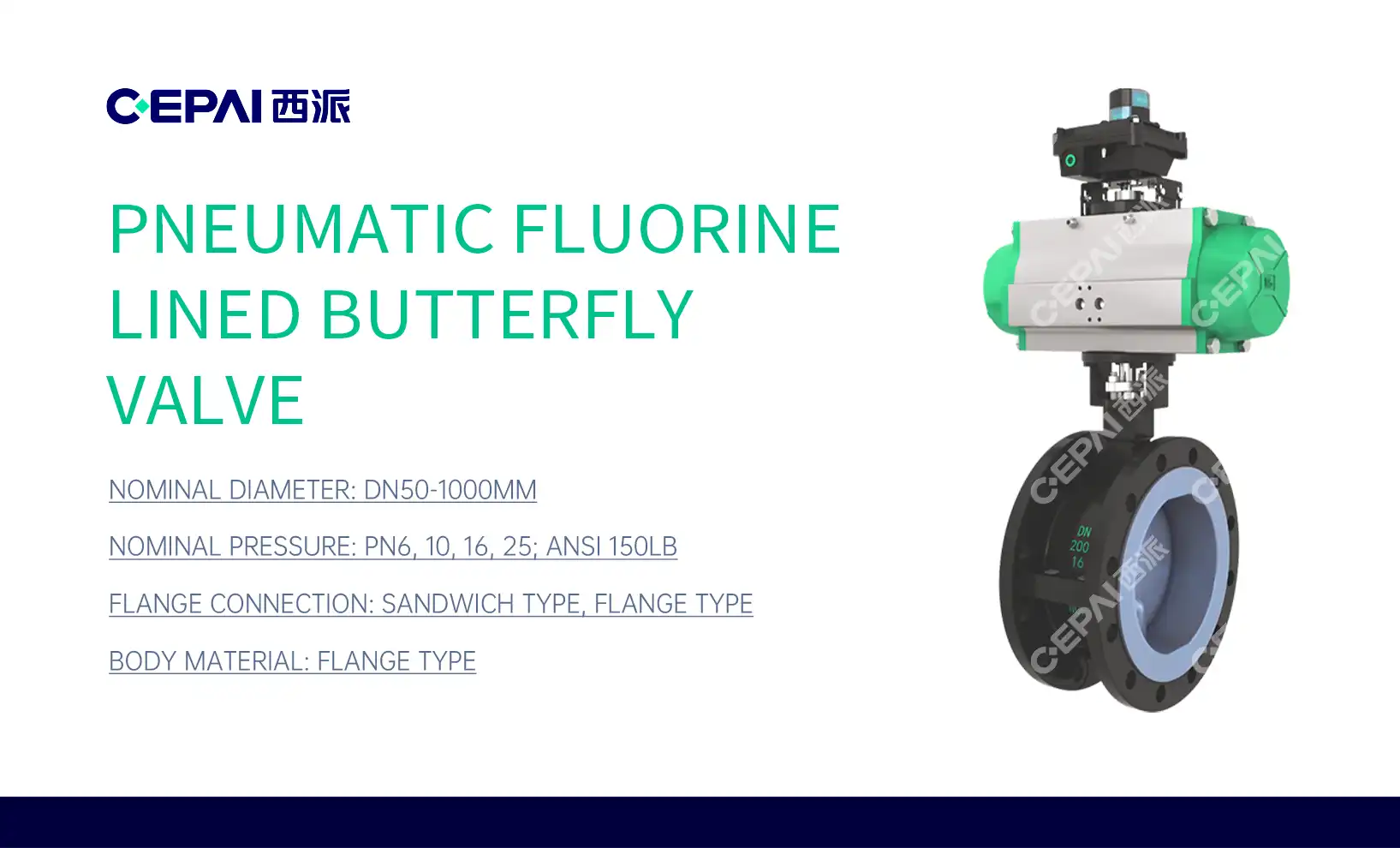
A rubber-lined butterfly valve has a disc-shaped part that turns inside a circle-shaped housing. The inside of the housing is secured by rubber linings that are attached to the metal. The rubber layer keeps the valve body away from the process fluid, which protects against corrosion and keeps the shut-off powers strong. The valve body, butterfly disc, stem assembly, actuator interface, and important rubber covering system that decides on chemical compatibility and service life are all key parts.
These valves control flow in main clarifiers, secondary treatment processes, and systems for handling sludge at wastewater plants. Their quarter-turn action lets you quickly shut down the system in an emergency while also allowing flow in both directions, which is common in treatment plants.
Benefits of Using Rubber-Lined Butterfly Valves in Wastewater Applications
When you deal with garbage that is harmful and has chemicals, living matter, and solids floating in it, rubber-lined designs show their benefits. These are the main perks that make these valves very important for cleaning wastewater:
- Better resistance to corrosion: Elastomer linings keep metal parts safe from harsh chemicals, making the valve last a lot longer than options that aren't lined.
- Better closing performance: Rubber that is flexible will fit the shape of the disc and make sure that there are no bubbles in the seal, even when there is a modest amount of wear or waste.
- Cost-effective operation: Lower lifecycle costs through reduced maintenance requirements and extended replacement intervals
- Chemical compatibility: Specialized rubber compounds handle diverse wastewater compositions including acids, bases, and organic solvents
These performance traits lead directly to better plant efficiency and lower costs for running the plant. This makes rubber-lined butterfly valves the best option for difficult wastewater uses.
Common Types of Rubber Linings Used in Butterfly Valves
Choosing the right elastomer has a big effect on how well the valve works and how long it lasts in sewer service. EPDM (ethylene propylene diene monomer) works great in situations where ozone or chlorine chemicals are present or where the temperature changes up to 150°C. NBR (Nitrile Butadiene Rubber) is a good material to use around chemicals and fuel products.
Natural rubber offers better flexibility and abrasion resistance for slurry uses, while synthetic materials like Viton handle strong chemicals and higher temperatures. The choice process looks at temperature ranges, mechanical qualities, fluid interaction charts, and other factors that are needed for certain ways of treating wastewater.
Key Factors Influencing the Lifespan of Rubber-Lined Butterfly Valves
The length of time rubber lined butterfly valve continue to work properly in wastewater settings depends on a number of different factors. Understanding these factors helps people who run treatment facilities make good decisions about how to buy things and correctly guess how long they will last.
Material Specifications and Their Impact on Durability
The chemical resistance, mechanical qualities, and heat stability of rubber compounds used in valve formulations directly affect how long the valves last. Premium elastomers have antioxidants, UV stabilizers, and cross-linking agents that let them stay flexible when they're used under cycle loads. The gluing method stops delamination, which usually makes things fail too early, between rubber and a metal base.
The materials used in the valve body also affect how long the product lasts. Cast iron is strong enough for most uses, but malleable iron is better at resisting impacts. Building out of stainless steel offers the best protection against rust, but it also raises the cost to build at first. The ability of the lining material and base metals to work together affects temperature expansion matching and adhesion performance over time.
Operating Conditions Affecting Valve Longevity
Temperature changing is one of the main ways that rubber parts break down. In the process of treating wastewater, the temperature can often change quickly between 5°C and 40°C. This causes things to repeatedly expand and contract, which leads to fatigue cracks. When chemicals are present, polymer chain scission and plasticizer release speed up the breakdown process.
The pressure changes from pump operations and flow differences cause mechanical stress that slowly damages the elastomer qualities. A rough abrasive particles in sewer streams wear down surfaces, especially at sealing contacts where exact tolerances are important for the right operation.
Maintenance Practices That Extend Valve Service Life
Preventive maintenance finds wear patterns and removes contamination, which greatly extends the life of valves. Rubber surfaces should be looked at regularly so that any cracks, swelling, or hardening can be seen. These things are signs of chemical attack or age.
Following the right cleaning steps gets rid of built-up material that can hold toxic chemicals or cause areas of high stress. Lubricating the stem seals and joints keeps them from getting stuck, which could hurt the rubber parts while they're in use. Keeping records of the repair and working cycles gives useful information to lifespan prediction models.
Methodology to Estimate Rubber-Lined Butterfly Valve Lifespan in Wastewater Plants
Theoretical research and empirical data collection work together to accurately estimate lifespans. This allows wastewater treatment plants to schedule maintenance in advance and plan their budgets.
Defining the Problem: Why Lifespan Estimation Matters
Wastewater plants can lose thousands of dollars per hour when valves fail unexpectedly. This is because they can't clean water, they have to comply with regulations, and they have to pay for emergency repairs. Accurate lifespan estimate allows procurement teams to plan when to replace things during scheduled repair times so that operations aren't interrupted.
Proper planning helps with inventory management by figuring out when to order new valves based on lead times and criticality ranks. This preventative method makes sure that things will work with the current plant setup and lowers the costs of buying things in a situation.
Analyzing Core Degradation Causes
The main way that rubber linings in sewer service fail is still through chemical attack. When chemicals that add oxygen to other substances, like chlorine and ozone, are around, they break polymer chains. This makes things harder and causes them to crack. Organic solvents can make things grow and lose their mechanical qualities.
Mechanical wear happens at the closing areas when the disc touches the body of the valve. Abrasive particles speed this up, especially in basic treatment uses that deal with sewage that has a lot of solids in it. Fatigue cracking happens from bending over and over again during valve cycles, especially in cases where they are used often.
Principles and Calculation Approach for Lifespan Estimation
Lifespan estimate models include information about how often, how hot, how chemically concentrated, and how well the device has been maintained. The Arrhenius equation is used to predict the effects of thermal aging, and mechanical wear models are used to predict the effects of cyclic loads.
The number of hours the valve is in use, the temperature, the amount of time the valve is exposed to chemicals, and notes on care are all parts of the data collection process. Statistical study of past performance data from applications that are similar gives us a way to set expectations that can be changed for specific working conditions.
Case Studies: Typical Lifespan Benchmarks in Wastewater Applications
In secondary treatment uses for rubber lined butterfly valve, municipal wastewater treatment plants usually get 8- to 12-year service lives out of EPDM-lined butterfly valves. Primary cleaning services with higher solids loads may shorten lives to 5–8 years because of more abrasive wear.
Industrial sewer plants that deal with specialized chemicals often have shorter lifespans of 3 to 7 years, based on how compatible those chemicals are with each other and their concentration levels. Even when high-quality materials are used, ozone or UV cleaning can wear out rubber valves in just 4 to 6 years because of harsh conditions that make them highly reactive.
Comparison with Alternative Valve Solutions in Wastewater Treatment
Choosing the best valve technology for wastewater treatment uses means carefully looking at performance features, lifecycle costs, and operational requirements.
Rubber-Lined Butterfly Valve vs. Metal-Lined Butterfly Valve
Butterfly valves with metal linings are better at standing up to harsh conditions and mechanical damage, but they don't work as well in chemicals as elastomer-lined valves. When the temperature goes above 150°C, rubber materials stop working, and stainless steel linings work better than rubber.
But in many sewer uses, metal linings can't handle the different thermal expansions that cause leaks. The inflexible connection between the disc and the seat needs very exact manufacturing standards, which makes the upfront costs much higher than with rubber sealing surfaces that can bend.
Rubber-Lined Butterfly Valve vs. PTFE-Lined and Elastomer Valves
PTFE-lined valves can handle very high temperatures (up to 200°C) and are great at resisting damage from chemicals, which makes them a good choice for chemical processes that are very harsh. PTFE linings, on the other hand, cost more and need to be handled with care so they don't delaminate when they're put in place and used.
The cold flow properties of PTFE can lead to slow seal breakdown under steady pressure, so they need to be adjusted or replaced every so often. Rubber linings keep closing well over the course of their working life and don't need to be changed.
Performance and Cost Efficiency Analysis for Procurement Decisions
An study of the total cost of ownership shows that, even though they are not very expensive at first, rubber-lined butterfly valves usually have the lowest overall costs for wastewater uses. A fair price, a long service life, and little need for upkeep make a very strong case for buying this product.
When procurement teams choose where to get supplies, they should look at what their suppliers can do, such as technical help, customization choices, and delivery performance. Valve performance and reliability are boosted by long-term relationships with experienced makers that give you access to application knowledge and product improvements.
Procurement and Supplier Considerations for Rubber-Lined Butterfly Valves
When you need to buy a valve, you need to be careful when choosing a seller and creating specifications that meet both the technical and business needs of wastewater treatment uses.
How to Choose the Right Supplier for Wastewater Plant Needs
Supplier approval and adherence to industry norms give buyers faith in the quality and performance of the goods. Find makers that have the API, AWWA, and ISO certifications. These show that they are committed to technical skill and quality management.
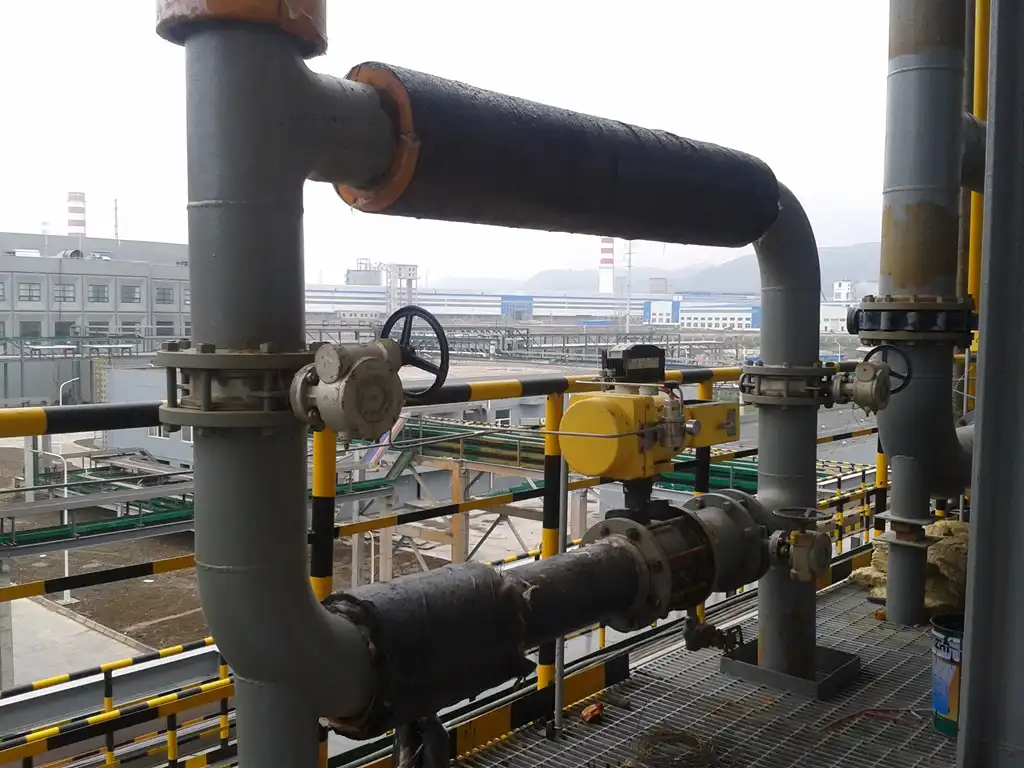
Experience in wastewater applications is important because treatment plants have problems that are not found in industrial process applications. Suppliers who have worked on a lot of local and commercial wastewater projects know exactly what is needed for chemical interaction, solids handling, and following the rules.
Customization and Bulk Order Benefits
Many wastewater plants benefit from customized valve designs that meet unique process needs or installation limits. Engineering help to get the right valve size and shape for each use is something you can expect from good providers.
Ordering in bulk saves a lot of money and makes sure that all of the valve setups have the same quality. Standardizing on designs that are known to work lowers costs over the lifetime of the product, makes upkeep easier, reduces the number of extra parts that need to be kept in stock, and lowers the amount of training that operators need.
Integrating Company Expertise and Service Offerings
With more than twenty years of experience making rubber-lined butterfly valves, CEPAI has built up a lot of knowledge in specific valve uses. Our engineering team works closely with wastewater treatment experts to come up with the best ways to extend the service life and dependability of these systems.
Our promise to quality is shown through several industry licenses and thorough testing programs that show how well our products work in difficult sewer settings. We keep a lot of goods on hand to meet the needs of fast shipping and offer customization options for unique application needs.
Conclusion
Figuring out how long rubber lined butterfly valve will last in wastewater plants needs a very deep look at the materials, the way the valves are used, and the way that people take care of them. The real performance of something rests a lot on how compatible the chemicals are, how hot or cold it gets, and how much weight is put on it. The service life, or how long it lasts, is usually between 5 and 15 years. Proper supplier selection, specification creation, and maintenance plans greatly affect valve life and total cost of ownership. By carefully choosing the materials they use, regularly scheduled proactive maintenance, and working with makers who know the specific problems that come up with municipal and industrial treatment uses, wastewater treatment plants can get the most out of their valves.
FAQs
What is the typical temperature range for rubber-lined butterfly valves?
Most EPDM-lined butterfly valves operate safely from -30°C to 150°C, while NBR linings typically handle -20°C to 120°C. Specialized compounds can extend these ranges, but wastewater applications rarely exceed 80°C during normal operations.
How often should rubber linings be inspected or replaced?
Visual inspections should occur annually, with detailed examinations every 3-5 years depending on service conditions. Replacement intervals typically range from 5-15 years based on chemical exposure, temperature cycling, and mechanical wear patterns observed during inspections.
Can rubber-lined butterfly valves handle aggressive chemicals in wastewater?
Yes, when properly specified for the specific chemical environment. EPDM linings resist chlorine, ozone, and many acids, while specialized compounds handle organic solvents and extreme pH conditions. Chemical compatibility testing is essential for aggressive applications.
Partner with CEPAI for Superior Valve Solutions
CEPAI specializes in manufacturing high-performance rubber lined butterfly valve systems designed specifically for demanding wastewater treatment applications. Our experienced engineering team provides comprehensive technical support from initial specification through long-term service, ensuring optimal valve selection and performance for your facility. As a trusted rubber lined butterfly valve manufacturer with proven expertise in municipal and industrial applications, we offer customized solutions that maximize service life while minimizing total cost of ownership. Contact us at cepai@cepai.com to discuss your specific requirements and discover how our valve solutions can improve your plant's reliability and efficiency.
References
American Water Works Association. "Butterfly Valves: Design, Operation, and Maintenance Guidelines for Water and Wastewater Systems." AWWA Manual M49, 2019.
Thompson, R.K. and Martinez, L.S. "Elastomer Degradation Mechanisms in Municipal Wastewater Treatment Applications." Journal of Water Process Engineering, Vol. 42, 2021.
Industrial Valve Technology Institute. "Rubber-Lined Valve Performance Assessment in Corrosive Environments." Technical Report IVTI-2020-15, 2020.
Chen, H.W., Roberts, P.M., and Anderson, K.L. "Predictive Maintenance Strategies for Rubber-Lined Control Valves in Wastewater Treatment Plants." Water Environment Research, Vol. 93, No. 8, 2021.
European Committee for Standardization. "Valves for Water Supply - Butterfly Valves with Rubber Seats - Design and Performance Requirements." EN 593:2019.
Williams, D.J. and Kumar, S.R. "Lifecycle Cost Analysis of Valve Technologies in Municipal Wastewater Treatment Facilities." Water Science and Technology, Vol. 84, No. 6, 2021.