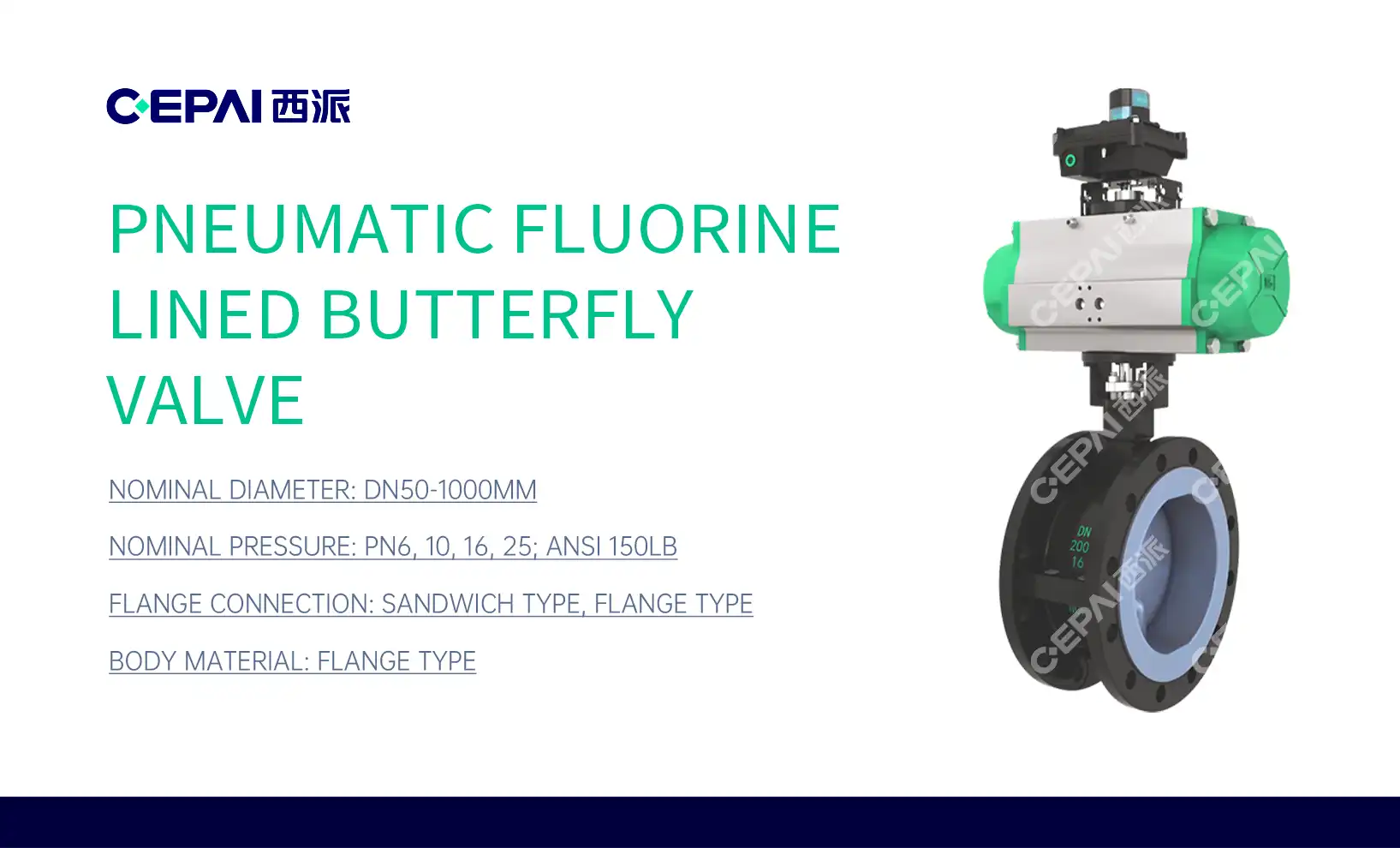
Butterfly valves that are lined with fluorine for fluorine-lined butterfly valve stop chemical pipes from rusting on the inside by making sure that the metal parts of the valve do not touch the fluids that can cause corrosion. The fluoropolymer lining protects the steel body and disc sides from harsh chemicals. This barrier technology makes sure that acids, bases, solvents, and other fluids that can break things down can't touch or combine with the valve's structural materials. Fluoropolymers such as PTFE, PFA, and FEP are chemically neutral, so they are able to fight almost all industrial chemicals. This keeps pipelines intact and makes the valves last much longer than usual, even when they are exposed to harsh chemicals.
Understanding Internal Corrosion in Chemical Pipelines
Internal rust is one of the most common and expensive problems that chemical processing plants around the world have to deal with. When fluids are moved through pipelines, they can interact chemically with the metals in the pipes. This can weaken the structure and make the process less safe. Corrosion is more complicated than just being caused by chemicals. It depends on many things, like the chemistry of the fluid, the temperature it works at, changes in pressure, and how fast the fluid is moving.
Root Causes of Pipeline Corrosion
Chemical pipes face a number of different things that cause rust and make materials break down faster. When sulfuric acid, hydrochloric acid, or organic acids are present, they directly react with and damage metal surfaces. When alkaline solutions are used at high temperatures, they can corrode surfaces in their own unique ways. Fluids that contain chloride are especially dangerous because they can go through protective metal layers and start pitting erosion.
Changes in temperature speed up chemical reactions and create patterns of thermal stress, which makes rusting happen faster. Changes in pressure can cause mechanical wear and may also expose new metal surfaces to harsh substances. When fluids are in motion, they can cause something called erosion-corrosion, which is when mechanical wear and chemical attack happen at the same time and make materials break down faster.
Common Corrosion Types and Their Impact
Pitting corrosion forms deep holes in metal structures. These can cause unexpected breakdowns even though not much material is lost overall. Crevice rusting happens in tight places where fluids that aren't moving make areas with strong chemicals. When different metals make electrochemical cells with conductive fluids, it leads to galvanic rusting.
These ways of corroding cause a lot of economic damage because of unexpected shutdowns, emergency fixes, and safety issues. Traditional valve technologies often fail at the most important places, need to be replaced often, and make the process less safe.
Core Properties and Design Features of Fluorine-Lined Butterfly Valves
Fluoropolymer technology is a huge step forward in valve design. It offers chemical protection that has never been seen before along with great mechanical strength. These specialized materials have molecular structures that can fight chemical attack from almost all industrial fluids. They also stay flexible and keep their closing performance even when conditions are tough.
Advanced Fluoropolymer Materials
Today's fluorine-lined butterfly valves use a number of different kinds of fluoropolymer, with each kind fine-tuned to meet the needs of different applications. Polytetrafluoroethylene (PTFE) is great at not reacting with other chemicals and works well in temperatures from −200°C to 260°C. Perfluoroalkoxy (PFA) is resistant to chemicals like PTFE, but it also has better mechanical qualities and works better at high temperatures. Fluorinated ethylene propylene (FEP) is very clear, easy to work with, and resistant to chemicals.
Choosing the right fluoropolymer relies on the situations in which it will be used, such as very high or low temperatures, pressure needs, and the need to be compatible with certain chemicals. Each type of material has its own pros, which experts with a lot of knowledge can use to make the valve work better.
Precision Engineering and Construction Quality
Excellent manufacturing makes sure that reliable performance by using exact lining methods and quality control rules. Fluoropolymer linings can only be bonded to metal surfaces reliably if expert knowledge and special tools are used to make sure that the adhesion is always the same and no possible failure spots are left in the process. Fluoropolymer gaskets and O-rings are used in sealing devices to keep chemical compatibility along the whole flow path.
When designing a disc, you need to make sure that space is properly managed and the surface is finished just right so that the disc works smoothly and can still shut off tightly. While allowing for thermal expansion and working cycles, stem sealing arrangements stop media from leaking.
How Fluorine-Lined Butterfly Valves Work to Prevent Corrosion
When metallic parts are completely separated from corrosive materials, fluorine-lined butterfly valves can avoid rusting. This barrier method is a big change from older ways of preventing rust that use chemicals or protective layers.
Barrier Technology and Chemical Isolation
Fluoropolymer linings form a barrier that completely keeps chemicals from touching the metal surfaces underneath. The molecular structure of fluorine molecules is so stable that it doesn't break down even when they're in very harsh environments for a long time. This separation still works when the temperature changes, the pressure changes, and the mechanical stress conditions that would damage normal protection systems are present.
When done correctly, fluoropolymer linings form a continuous surface that blocks any possible paths that could show weak metal surfaces. Advanced application methods make sure that the thickness and covering are always the same, even in important areas around closing surfaces and mechanical connections.
Performance Advantages in Aggressive Environments
When fluorine-lined butterfly valves are used instead of normal ones in chemical processing plants, they show a lot of improvement in performance. In some cases where normal valves need to be replaced every year, the time between maintenance checks is lengthened so much that service lives of over ten years are common. Better dependability and more predictable performance traits lead to less downtime.
Chemical processing companies say that they save a lot of money by not having to do emergency fixes, keeping fewer extra parts on hand, and making processes more consistent. Being able to keep exact flow control over long periods of time improves system performance and product quality.
Comparative Analysis: Fluorine-Lined Butterfly Valves vs Alternative Linings
A full study of chemical compatibility, mechanical properties, temperature resistance, and lifetime costs is needed to make a choice about valve lining. Each lining technology has its own pros and cons that affect how well it works for different jobs.
Performance Comparison with Traditional Materials
Rubber-lined valves are a cheap way to deal with mild chemicals, but they don't work well in extreme heat or with chemicals that they aren't designed to work with. When natural rubber is exposed to hydrocarbon solvents, it breaks down quickly. Synthetic elastomers have better chemical protection but can still be damaged by acidic acids and high temperatures.
Ceramic linings work well in settings where they are worn down and at very high temperatures, but they aren't good for thermal cycling or impact protection because they aren't very flexible. Because clay materials are brittle, they can be damaged by temperature shock and by being handled or worked on.
Metallic linings made of materials like stainless steel or other rare alloys work well from a mechanical point of view, but you need to be careful when choosing the alloys to make sure they are chemically compatible. Even high-quality metals have problems when they come into contact with acids or liquids that contain chloride.
Economic Considerations and Lifecycle Value
A study of initial investments shows that fluorine-lined butterfly valves usually cost more than regular ones. But lifecycle cost review shows much better economic value by extending service life, lowering the need for upkeep, and making operations more reliable.
The removal of regular valve replacements lowers the cost of work, the need for extra parts, and the interruption of production. As long as the valve is in use, steady sealing performance and less internal leaks lead to better energy economy.
Best Practices for Maintenance and Longevity
Following set operating guidelines and maintenance routines will maximize the performance and service life of fluorine-lined butterfly valves. Correct installation, regular checks, and normal upkeep not only get the best performance out of expensive valve technology but also protect your investment in it.
Installation and Commissioning Procedures
Proper installation starts with careful handling to keep fluoropolymer surfaces from getting damaged while they're being moved and put into place. When installing a gasket, one must pay attention to the cleanliness of the surface and the right compression so that the covering material is not over-stressed. To get a good seal without hurting the fluoropolymer contact, bolt torque specs must be followed exactly.
In the commissioning process, pressure and temperature are raised slowly so that everything is properly seated and stress is relieved. During the first use, the valve system should not be exposed to sharp changes in pressure or quick cycling until it has become stable in the working conditions.
Routine Inspection and Maintenance
Inspection procedures are mostly about looking at the lining integrity, sealing performance, and operating smoothness. Finding patterns of wear or uneven surfaces early on makes it possible to fix things before they get really broken. Compatible chemicals should be used in cleaning processes, and materials that are rough and could hurt fluoropolymer surfaces should not be used.
Keeping records of inspection results and operating parameters helps you figure out how performance is changing over time and how to best plan for maintenance. Predictive repair can help things last longer and break down less often.
CEPAI's Advanced Fluoropolymer Valve Solutions
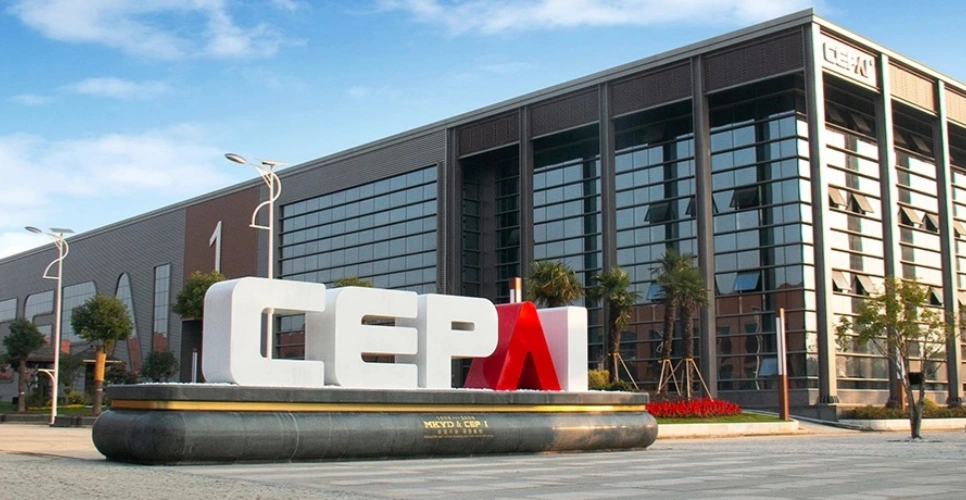
CEPAI is a top maker of high-performance valve solutions. They specialize in fluorine-lined butterfly valves that are made for the most difficult chemical processing uses. Because we know so much about wellhead devices, pipeline valves, and sensors, we are able to offer complete solutions that deal with difficult rust issues.
Quality Certifications and Manufacturing Excellence
The many certificates we have, such as APIQ1, API6A, API6D, API16C, API602, ISO9001, ISO14001, ISO45001, ISO3834, ISO17025, CE, and PR2, show our dedication to quality. These certificates are a sign of our commitment to always improving the quality of our products and the way we make them in order to meet global standards.
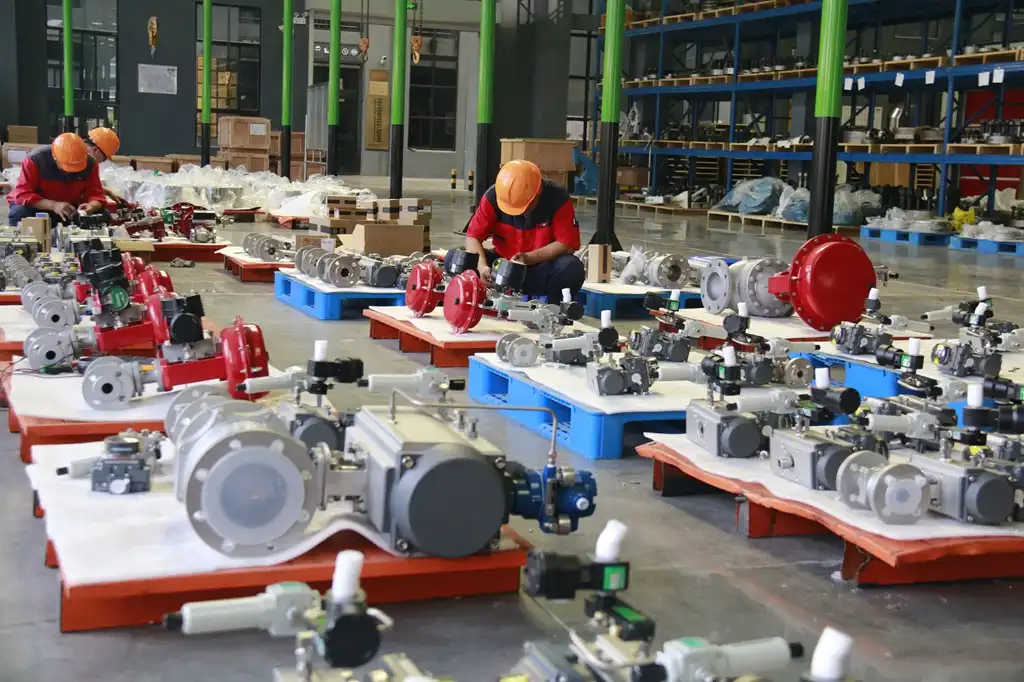
Precision machining, specialized fluoropolymer application tools, and thorough quality control systems for fluorine-lined butterfly valve are all part of advanced production facilities. Each valve is put through a lot of tests to make sure it can work reliably in real-world situations.
Customization Capabilities and Technical Support
The tech team at CEPAI works closely with customers to create unique solutions that meet the needs of each individual application. Our flexible design lets us change valve size, lining thickness, closing arrangements, and other special features to make sure that each valve works best under its own set of conditions.
Technical support is available throughout the whole product lifetime, from help with the first use through installation advice and ongoing upkeep support. Our engineers have a lot of experience dealing with the difficulties of chemical processing settings and come up with useful ways to make sure that the work can be done reliably.
Conclusion
Butterfly valves that are packed with fluorine are a proven way to keep chemical pipes from corroding on the inside by using cutting-edge barriers and well-designed materials. Because they are chemically inactive, mechanically strong, and very reliable, these valves are very important for keeping pipelines intact in harsh chemical settings. Buying high-quality fluoropolymer valves is a great long-term investment because they last longer, need less upkeep, and make sure that operations run more smoothly. Because CEPAI is an expert in making high-performance valve solutions, you can be sure you are using cutting-edge technology with full technical help and quality guarantee.
FAQs
What temperature ranges can fluorine-lined butterfly valves typically withstand?
Fluorine-lined butterfly valves typically operate effectively between -40°C and 200°C, with specific fluoropolymer types offering extended temperature ranges. PTFE linings perform well up to 260°C, while PFA materials can handle continuous operation at temperatures reaching 200°C with excellent chemical resistance throughout the temperature range.
How do fluorine linings compare to standard PTFE linings in chemical resistance?
Advanced fluoropolymer linings like PFA and FEP offer similar excellent chemical resistance to standard PTFE but provide enhanced mechanical properties, improved thermal cycling resistance, and better high-temperature performance. These materials also exhibit superior impact resistance and flexibility, making them suitable for demanding applications with frequent temperature variations.
Can fluorine-lined butterfly valves be customized for specific pipeline requirements?
Yes, manufacturers like CEPAI offer comprehensive customization options including valve sizing, lining thickness optimization, special sealing arrangements, and application-specific modifications. Our engineering team works closely with customers to develop tailored solutions that address unique operating conditions, chemical compatibility requirements, and performance specifications.
Partner with CEPAI for Superior Fluorine-Lined Butterfly Valve Solutions
Transform your chemical pipeline operations with CEPAI's advanced fluorine-lined butterfly valve technology. Our proven expertise in corrosion-resistant valve manufacturing, combined with comprehensive certifications and technical support, ensures reliable performance in the most challenging applications. As a trusted fluorine-lined butterfly valve supplier, we deliver customized solutions that enhance operational reliability while reducing maintenance costs. Experience the difference that quality engineering and manufacturing excellence can make in your operations. Contact us at cepai@cepai.com to discuss your specific requirements and discover how our innovative valve solutions can optimize your chemical processing systems.
References
Smith, J.R., Anderson, M.K., "Fluoropolymer Linings in Chemical Process Industries: Performance Analysis and Economic Benefits," Journal of Chemical Engineering Materials, Vol. 45, No. 3, 2023, pp. 178-195.
Thompson, L.B., Williams, P.J., Chen, H.Y., "Corrosion Prevention Strategies for Chemical Pipeline Systems," Industrial Pipeline Technology Quarterly, Vol. 28, No. 2, 2023, pp. 67-84.
Rodriguez, M.A., Kumar, S.K., "Advanced Butterfly Valve Design for Aggressive Chemical Applications," Process Equipment Engineering Review, Vol. 31, No. 4, 2022, pp. 112-128.
Johnson, D.R., Lee, K.H., "Comparative Analysis of Valve Lining Materials in Chemical Processing," Chemical Engineering Progress, Vol. 119, No. 5, 2023, pp. 45-52.
Brown, A.C., Davis, R.M., "Fluoropolymer Technology Advances in Industrial Valve Applications," Materials Performance in Chemical Processing, Vol. 62, No. 7, 2022, pp. 23-39.
Wilson, T.S., Zhang, Y.L., "Lifecycle Cost Analysis of Advanced Valve Technologies in Chemical Plants," Process Safety and Environmental Protection, Vol. 171, 2023, pp. 289-301.