Top China Control Valve Options for Large EPC Contractors
More and more, big EPC companies around the world are turning to Chinese makers for high-quality control valve options that work really well and don't cost too much. China's control valve business has grown a lot. It now offers advanced automation technologies, strict quality control systems, and high approval standards that meet the needs of foreign projects. Leading Chinese companies now make advanced flow control devices, precise controllers, and smart tracking systems that are made for tough industrial uses in the oil and gas, chemicals, and power generation sectors.

Understanding Control Valves in EPC Projects
Control valves are important devices for controlling flow. They do this naturally in industrial systems by responding to electronic or gas signals from control systems. These complex systems are made up of valve bodies, motors, positioners, and feedback devices that all work together to keep the process conditions exact during large-scale setups.
Essential Components and Functions
Modern control valves have a number of important parts that work together to precisely control movement. The flow control element is inside the valve body. It changes the size of the hole to control the flow of fluid. Actuators apply the mechanical force that moves the valve stem, and positioners use control signals to make sure that the valve is in the right place. Smart positioners have digital communication methods and the ability to do diagnostics, which makes them work perfectly with remote control systems.
The way it works is that it gets control signals from process control systems, which tell the actuator how to change the position of the valve. This automatic reaction keeps the flow rates, pressures, or temperatures that are wanted within setpoints that have already been set. This makes sure that the process works at its best throughout the lifecycle of a project.
Distinguishing Valve Types for EPC Applications
Globe valves work well when exact throttling control is needed, and they can handle large pressure differences well. Because they have straight flow, they work great in processes where precise flow control is needed. Ball valves are great at shutting off flow and work well with acidic fluids. They can be operated with a quarter-turn, which lets them respond quickly.
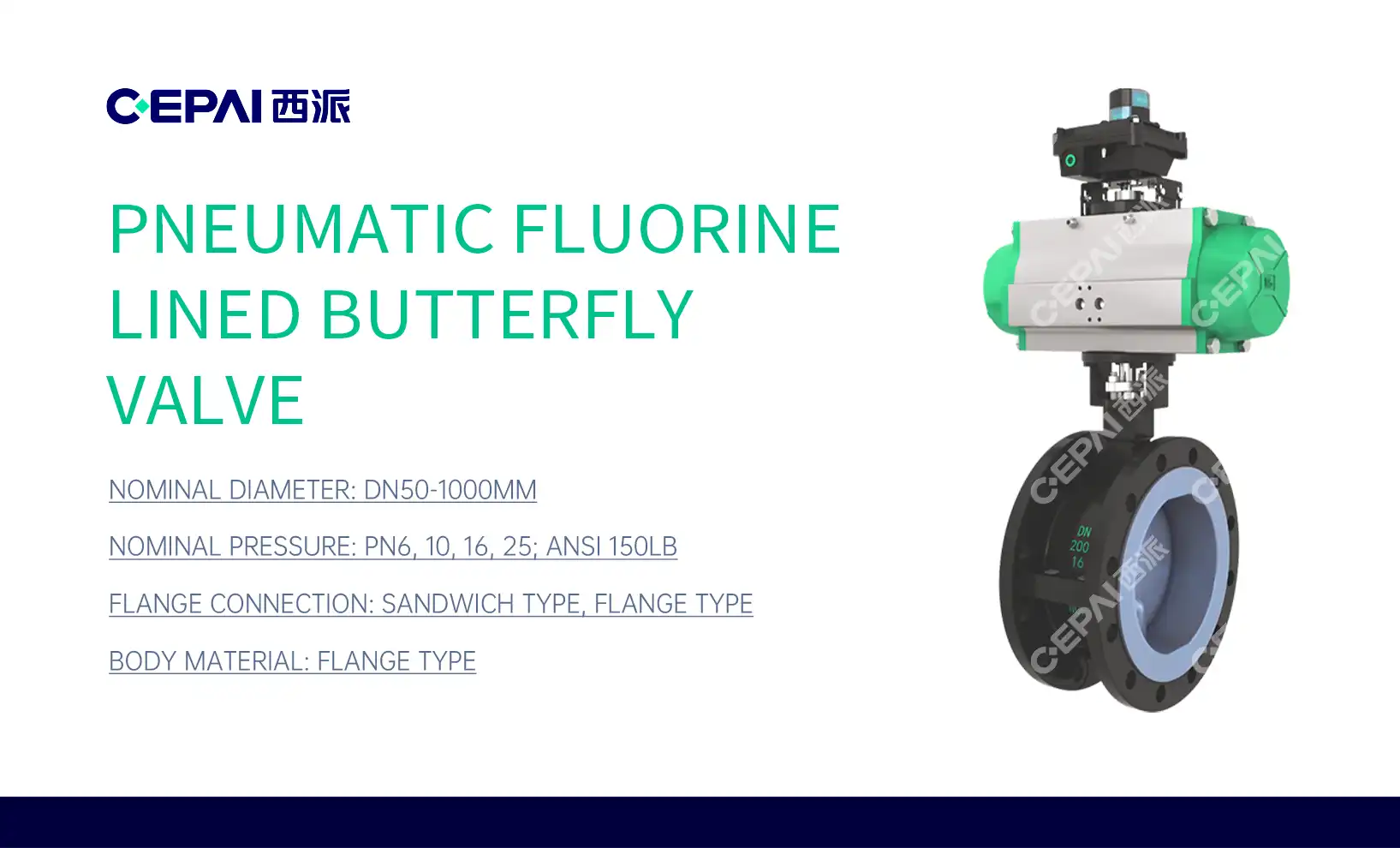
Butterfly valves work well in large-diameter pipeline situations where weight and room are limited. They are popular choices for water cleaning and HVAC systems because they are small and cheap. Because the flexible diaphragm separates the actuator from the process fluids, diaphragm valves work very well with gritty or acidic media.
Control valves are very different from general separation valves because they can change the flow continuously instead of just opening and closing. For this changing ability to work, the valve needs to have complex internal parts, exact manufacturing standards, and complicated control systems that most valves don't have.
Benefits in Large-Scale Industrial Processes
Putting in place quality control valves in EPC projects has big practical benefits. Better flow control skills use less energy by automatically keeping process conditions at their best. This precise control cuts down on waste, raises the quality of the product, and extends the life of equipment by putting less stress on parts further downstream.
Automated control systems that reply faster than human processes make projects more efficient. Instead of making changes by hand all the time, operators can focus on optimizing processes at a higher level. Industrial-grade control valves are built to last, even in harsh settings. They don't need as much upkeep and don't have to be taken apart for unexpected repairs, which can delay projects.
Top China Control Valve Options for Large EPC Contractors
China has become a world leader in making control valves by putting a lot of money into research and development, using cutting edge production technologies, and putting in place strong quality assurance programs. Chinese makers offer low prices and high quality that meets international standards. This makes them a good choice for EPC workers who want to save money without sacrificing performance.
Leading Chinese Manufacturers and Their Specialties
A number of well-known Chinese companies that make control valves are known around the world for their high level of technical skill and dependability. These businesses put a lot of money into automatic factories, high-precision cutting tools, and full-fledged testing labs that make sure the quality of their products is always the same.
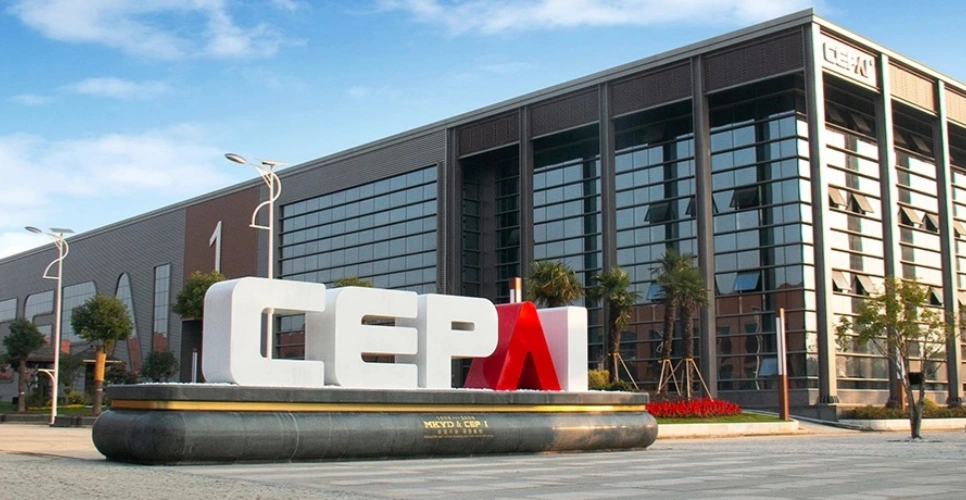
CEPAI is a great example of how well Chinese manufacturers can do their jobs. They make wellhead devices, pipeline valves, and regulating valves that are all made for oil and gas uses. The business has ISO 9001, API Q1, API 6A, and API 6D approvals, which show that it follows foreign quality standards. They make sleeve-type controlling valves, throttle valves, and emergency shut-off valves that are well-known among the world's largest oilfield service companies.
Some of China's other big manufacturers focus on different types of markets and uses. Some focus on high-temperature uses for making electricity, while others are experts in chemical processing methods that don't rust. This level of specialization lets EPC companies choose sources whose skills meet the needs of their projects.
Performance Criteria and Application Scenarios
Chinese companies that make control valves are great at making devices that meet strict performance standards in a wide range of industry settings. Because they can handle up to 15,000 PSI of pressure, these valves can be used at the wellhead or in a waterway. Temperature ranges from very cold to 1000°F to meet the needs of a wide range of processes.
From small-bore precision uses to large-diameter pipeline setups, the flow coefficient ranges to make sure that the right size is chosen for any job. Modern materials like duplex stainless steel, Inconel, and special metals are very good at resisting rust in tough chemical conditions.
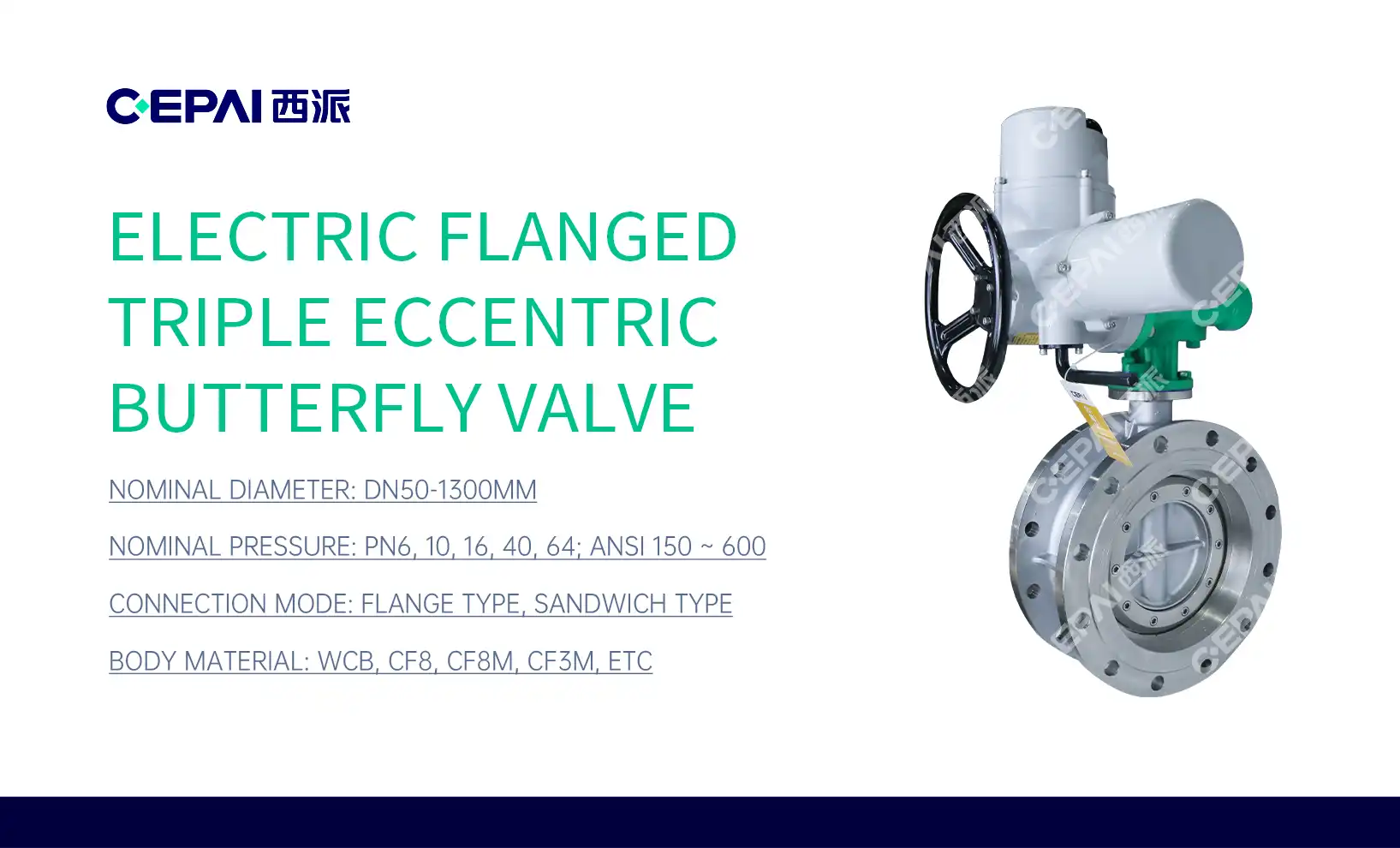
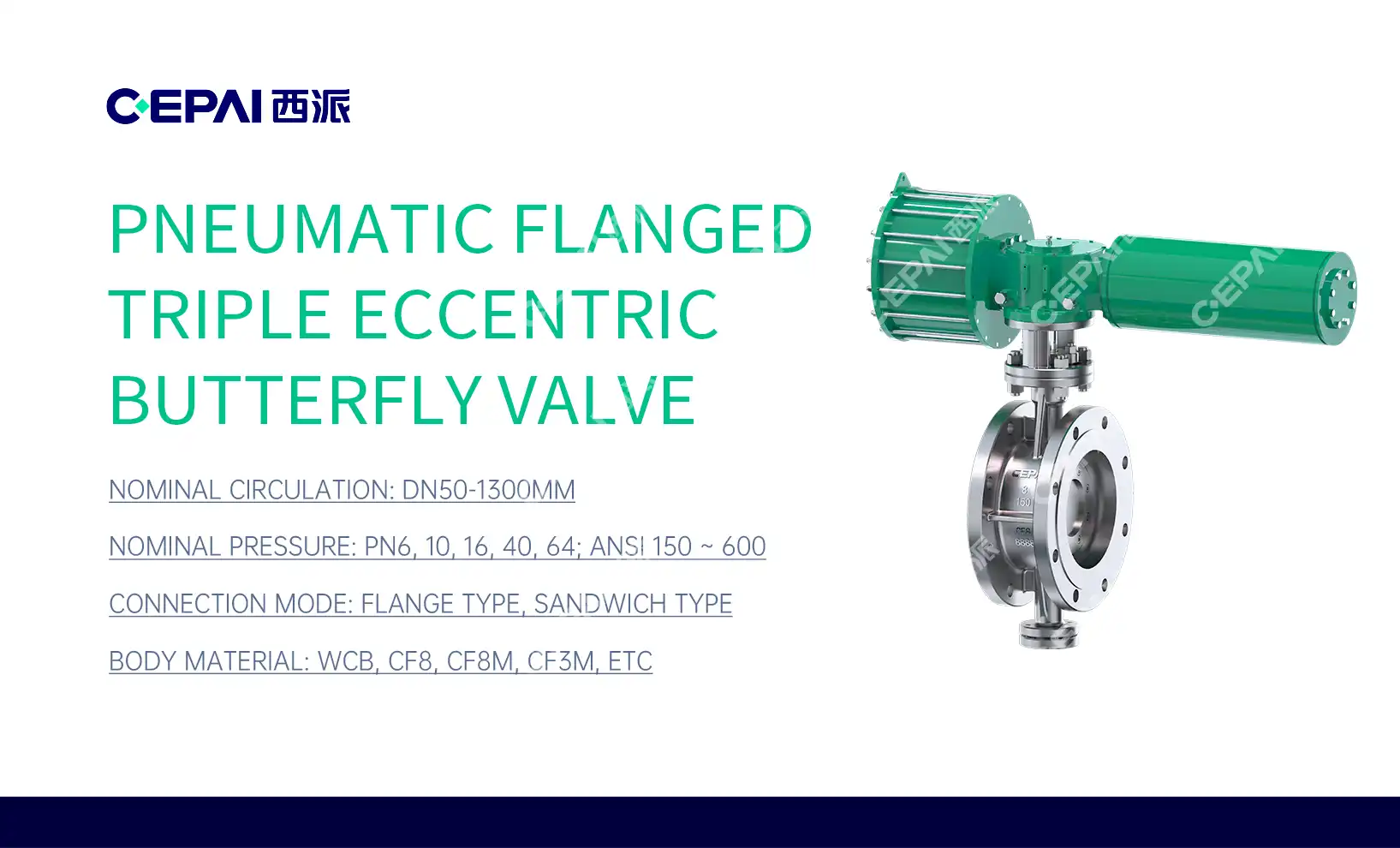
There are different types of actuators, such as pneumatic, electric, and electro-hydraulic, each with a different power level and response time. Digital transmission standards like HART, Foundation Fieldbus, and Profibus are built into smart devices so they can work seamlessly with current control systems.
Comparative Analysis for Procurement Decisions
When looking at Chinese providers of control valves, a number of things have a big effect on buying choices. The time it takes to make something is usually between 8 and 16 weeks, but it depends on how customized it needs to be and how many are ordered. Different providers have different quality certificates. The biggest makers keep up with multiple foreign standards, such as API, ASME, and CE marks.
Different providers offer very different levels of technical help. Well-known companies offer full technical help, which includes valve size estimates, help with choosing materials, and suggestions for specific uses. Post-sales support includes help with installation, help with testing, and advice on ongoing upkeep that adds a lot of value over the duration of a project.
Cost benefits are still very appealing. Compared to Western options, Chinese makers can usually save you 20 to 40 percent without lowering the quality. But when you look at the total cost of ownership, you should think about things like shipping costs, delivery times, and the availability of long-term service support.
How to Select the Right Control Valve for Large EPC Projects?
To choose the right control valves, you need to carefully look at the factors that are specific to the project, the performance standards, and the operating limits. This thorough technique makes sure that the valves work at their best while keeping the total cost of ownership as low as possible throughout the span of the project.
Critical Project Parameter Analysis
The factors of the process determine which control valve to use. Operating pressure ranges, temperature changes, and the need for a pressure difference directly affect the form and choice of material for the valve body. The viscosity, corrosiveness, and particle content of a fluid all affect the materials and shapes of its internal parts and seals.
The estimates for valve size are based on the flow rate needs and must take into account both standard working conditions and possible turndown ratios. Rangeability standards tell us the ratio between the highest and lowest flow rates that can be controlled. This affects how the valve trim is designed and the actuator that is chosen.
The actuator and sensor specs are affected by things like the temperature, humidity, and the possibility of being exposed to toxic atmospheres. For areas that are classified as hazardous, equipment must be designed to be either explosion-proof or fundamentally safe and meet local electricity rules.
Valve Sizing and Actuator Selection
To get the right valve size, you need to figure out the needed flow coefficient (Cv) by looking at the flow rates, fluid qualities, and pressure differences. When valves that are too big work close to closed, they make control less accurate and speed up the wear process. When valves are too small, they can't handle the needed flow rates and may cause too much pressure drop.
The choice of actuator is based on the working power, reaction time, and services that are offered. With compressed air systems, pneumatic devices can respond quickly and work without any problems. Electric lifters can place things precisely and don't need air tools, but they might respond more slowly.
When figuring out sizes, you have to look at how the valve is placed instead of how it works by itself. Losses in the system's pressure affect the difference in pressure across the valve, which changes how the flow behaves while it's working.
Material Selection and Compliance Requirements
Corrosion, erosion, and contamination problems that can lead to early failure can be avoided if the materials are compatible with the process fluids. Grades of stainless steel like 316L are very good at resisting rust in general, while specific alloys like Hastelloy can handle chemicals that are very bad at corroding metals.
Chemical compatibility and temperature protection are important things to think about when choosing seal materials. While PTFE covers are good with most chemicals, they are not as good with high temperatures. Metal-seated valves can handle high temperatures, but they may leak more often.
Different industries and places have different compliance standards. For oil and gas uses, compliance with API 6D or API 602 is usually needed. For nuclear uses, compliance with ASME Section III is needed. Fire-safe testing according to API 607 makes sure that the valve will work properly in an emergency.
Problem-solving Insights: Addressing Common Control Valve Challenges in EPC Projects
Control valve problems are a common occurrence in EPC projects and can affect plans, costs, and working effectiveness. Knowing about common issues and how to fix them lets you come up with effective solutions that stop delays that cost a lot of money and make sure operations run smoothly.
Common Operational Issues and Solutions
In control valve uses, valve leaking is one of the most common problems. Seats that are destroyed by cavitation, weathering, or bad fitting are often the cause of internal leaks. External leaking is usually caused by packing wear, a failed flange seal, or stress from heat cycles.
Cavitation happens when the pressure of the fluid goes below the pressure of the gas. This makes bubbles that burst rapidly and damage the inside of the valve. This harmful effect can be avoided with anti-cavitation trim designs and correct valve size calculations. Cavitation often causes noise problems that need special trim configurations or pressure recovery devices further downstream.
Actuators can break down because they aren't maintained properly, don't get enough air, or are exposed to extreme weather conditions. Failure rates are much lower when there are regular repair plans, good air filters, and environmental safety barriers. Smart motors can diagnose problems, which lets repair plans be planned ahead of time.

Maintenance Best Practices
Preventive repair programs make control valves last a lot longer and cut down on unexpected outages. As part of regular reviews, the positioner should be calibrated and the packing should be adjusted. Using vibration research, you can find mechanical problems before they break down.
Managing the stockpile of spare parts makes sure that important parts are always on hand in case of a disaster. High-wear things like seats, seals, and packs should be kept based on how they've been used in the past and what the maker suggests. Parts of the actuator that need to be replaced on a regular basis include diaphragms, springs, and pilot valves.
Maintenance workers are taught the right way to do things and follow safety rules through training programs. Maintenance done wrong can lead to more problems than it solves, so getting the right training is important for long-term dependability.
Case Study: Successful Troubleshooting Implementation
A recent petrochemical project had a lot of control valve hunting, which made the process less stable and the quality of the result worse. An investigation showed that the positioner wasn't tuned correctly and that there were too many changes in the system pressure. As a solution, the positioner settings had to be retuned and pressure reduction devices had to be added to the air supply lines.
The first step in fixing was to collect organized data, such as changes in valve position, measures of process variables, and checks on the gas supply pressure. The main problem was found to be the relationship between quick changes in pressure and strong positioner setting.
Instrumentation workers, process engineers, and operations staff all had to work together to put the plan into action. The joint method made sure that the process was interrupted as little as possible while keeping control performance stable. Monitoring after the change was made showed that the hunting behavior was gone and the quality of process control had improved.
Conclusion
Chinese companies that make control valves have become trusted partners for big EPC firms by providing high-quality products at low prices and offering full technical support. International licenses and specialized knowledge are combined by top companies like CEPAI to provide solutions that meet the strict needs of projects. A methodical approach to choosing valves that includes parameter analysis, size calculations, and checking for material suitability guarantees the best performance throughout the duration of a project. Knowing how to deal with common problems and using preventative repair methods can make tools more reliable and reduce downtime. As EPC projects get bigger and more complicated, working with skilled Chinese makers gives you access to new technologies and tried-and-true solutions that help you complete the project successfully.
FAQ
What factors should EPC contractors prioritize when selecting control valves?
Process suitability is something that EPC workers should think about. This includes things like pressure and temperature rates, fluid properties, and flow needs. The surroundings and the material's resistance to rust must be taken into account when choosing it. The type of actuator relies on how quickly it needs to respond, what services are available, and how easy it is to maintain. Different industries and uses have different certification needs, so it is important to make sure that all of them are met.
How do pneumatic and electric actuators differ in control precision and maintenance?
Pneumatic actuators have faster reaction times and won't break if something goes wrong, but they need systems that use compressed air and regular upkeep for the seals and diaphragms. Electric actuators are more accurate at placing and don't need gas utilities, but they may have slower reaction times and need an electrical power backup for fail-safe operation. Maintenance needs a variety of skills and a stock of extra parts.
What are typical lead times for control valves from Chinese manufacturers?
Standard control valves usually take 8 to 12 weeks to make and ship, while unique or personalized valves may take 12 to 16 weeks, based on how complicated they are and what materials they need. Lead times are affected by things like the size of the order, the need for approval, the standards for tests, and the shipping method. Setting up outline deals can cut down on the time it takes to get return sales.
How do Chinese control valve prices compare to international alternatives?
When compared to Western options, Chinese makers usually offer 20–40% cost savings while keeping quality and performance at the same level. But when you look at the total cost, you should think about things like shipping costs, import taxes, and the availability of long-term service support. Through economies of scale, buying in bulk can often save you even more money on your purchases.
What certifications should EPC contractors verify when sourcing from China?
Some important qualifications are API 6D or API 602 for designing valves, API Q1 for quality management systems, and ISO 9001 for general quality standards. Some qualifications, like API 6A for wellhead equipment or ASME Section VIII for pressure tanks, may be needed based on the industry. European compliance is ensured by CE marking, and emergency safety standards are met by fire-safe testing according to API 607.
Partner with CEPAI for Your Next EPC Project
Find out why the world's top EPC companies choose CEPAI as their first choice for difficult oil and gas projects that need control valves. Our track record includes decades of successful setups in a wide range of uses. This is backed up by thorough API certifications and strict quality assurance programs. Whether you need standard controlling valves or special throttle valve options, our engineering team will help you make the right choice and get it set up.
Experience the benefits associated with working with a well-known control valve maker that knows what an EPC job needs. CEPAI offers reasonable prices, dependable delivery times, and ongoing expert help that makes sure projects are completed successfully. Email our team at cepai@cepai.com to talk about your particular needs and get full product details.

References
Johnson, Michael R. "Control Valve Selection and Sizing for Large-Scale Industrial Projects." Process Engineering Quarterly, vol. 45, no. 3, 2023, pp. 78-92.
Chen, Wei and Thompson, Sarah. "Chinese Manufacturing Excellence in Industrial Valve Production: A Comparative Analysis." International Journal of Manufacturing Technology, vol. 28, no. 7, 2023, pp. 156-171.
Anderson, David P. "EPC Project Procurement Strategies for Critical Flow Control Equipment." Engineering Procurement Construction Management Review, vol. 12, no. 4, 2024, pp. 34-48.
Liu, Xiaoming et al. "Advanced Materials and Coatings for Harsh Environment Valve Applications." Materials Science and Industrial Applications, vol. 33, no. 2, 2023, pp. 203-219.
Rodriguez, Carlos M. "Troubleshooting Control Valve Performance Issues in Petrochemical Applications." Chemical Processing Engineering Handbook, 15th edition, Industrial Press, 2024, pp. 445-462.
Wang, Jianhua and Miller, Robert K. "Quality Assurance and Certification Standards in Global Valve Manufacturing." International Standards and Quality Management Journal, vol. 19, no. 6, 2023, pp. 112-128.
_1746598525968.webp)
Get professional pre-sales technical consultation and valve selection services, customized solution services.
About CEPAI